
Nutrition comparison
Broccoli vs Green Beans: Nutrition, Digestion, and Which is Healthier
Compare Broccoli vs Green Beans for weight loss, digestion, and nutrients. See which vegetable is better for your gut, your budget, and your daily meals.
Overall winner · Broccoli
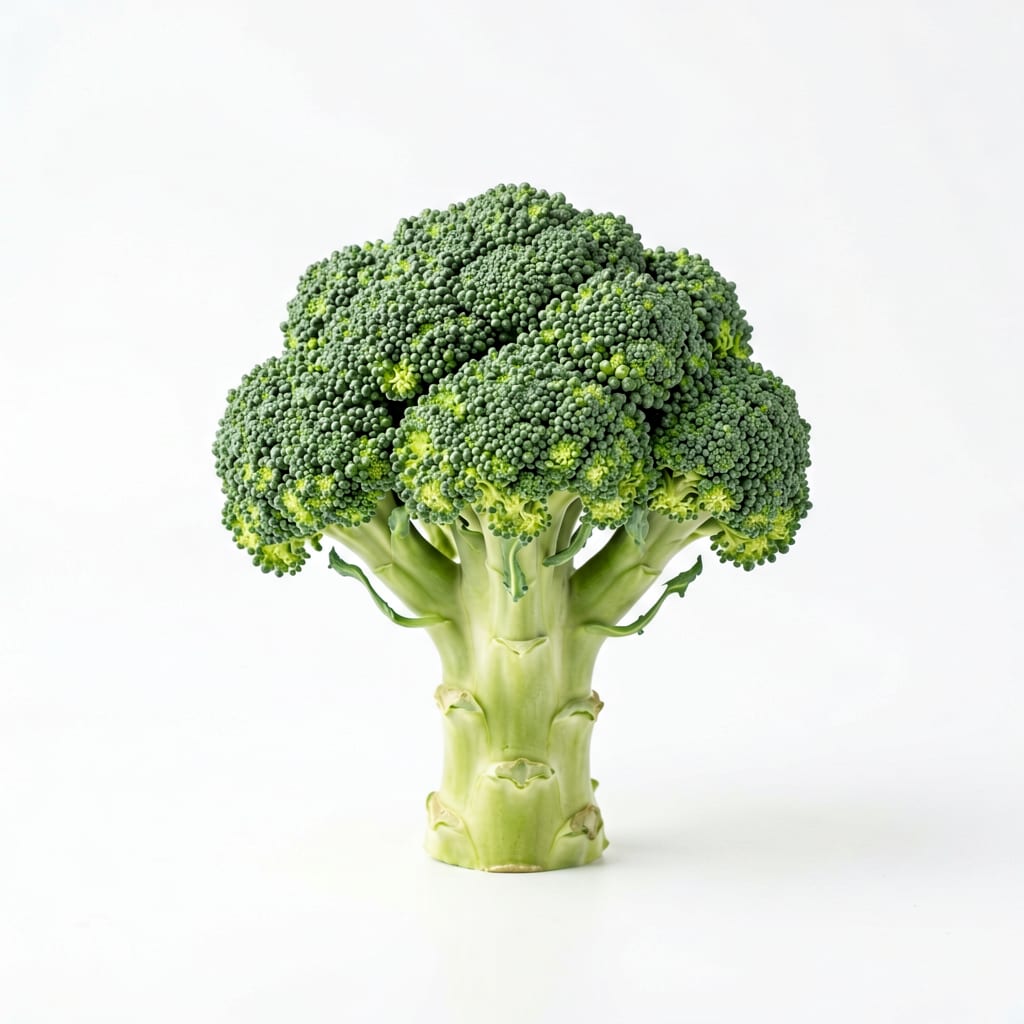
Broccoli
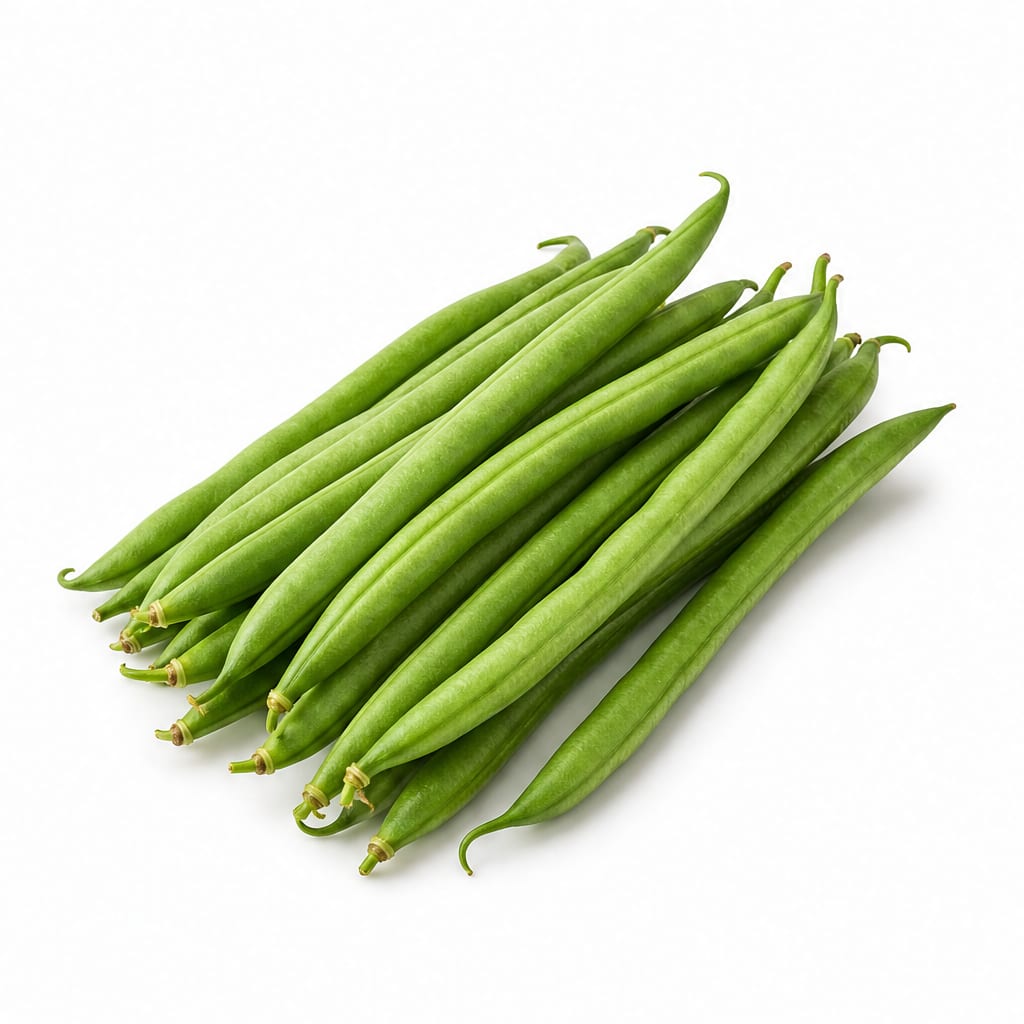
Green Beans
Broccoli delivers far more nutrients per bite, but Green Beans win on digestive comfort and quick preparation.
Broccoli scores higher due to its exceptional nutrient density and anti-inflammatory properties. Green Beans score slightly lower but remain a strong, gut-friendly choice.
Maximum nutritional firepower versus easier digestion and faster cooking.
At a glance
Executive summary
Overall
Broccoli
Healthier
Broccoli
More practical
Green Beans
Daily use
Green Beans
Key comparison lenses
Nutrient density and cancer-fighting compounds
Broccoli is famous for sulforaphane and high vitamin C, while Green Beans offer different but milder benefits.
Digestive tolerance and everyday gut comfort
Cruciferous vegetables like Broccoli can cause bloating, whereas Green Beans are typically much easier on the stomach.
Pesticide exposure and food safety
Green Beans frequently appear on the Dirty Dozen list for pesticide residues, while Broccoli is naturally pest-resistant and typically cleaner.
Meal prep convenience and versatility
Green Beans cook quickly and pair easily with most meals, while Broccoli requires more specific prep to taste great.
Best choice for
Broccoli
- Maximizing vitamin and antioxidant intake
- Building strong bones with vitamin K and calcium
- Fighting inflammation with sulforaphane
Green Beans
- Avoiding bloating and gas after meals
- Quick side dishes on busy weeknights
- Those with sensitive digestive systems
Least suitable for
Broccoli
- People with severe IBS or FODMAP sensitivities
- Quick 5-minute meal prep scenarios
- Those who strongly dislike bitter flavors
Green Beans
- Those seeking high vitamin C or cancer-fighting compounds
- Very low-calorie filling meals
- People concerned about high pesticide exposure from conventional produce
Deep comparison
Dimension by dimension
Each lens scores both foods and breaks down who each option suits.
- Dimension 1 · Priority 95Broccoli
Nutrient Density & Antioxidants
Broccoli · 96Green Beans · 65Broccoli is a nutritional powerhouse, offering massive amounts of vitamin C, vitamin K, and unique compounds like sulforaphane.
Tradeoff
You get significantly more immune-boosting and cancer-fighting nutrients with Broccoli, but you have to tolerate its stronger flavor.
Why it matters
Higher nutrient density means you get more health benefits per calorie, protecting your cells from damage long-term.
Real-world impact
Eating Broccoli regularly can help ward off afternoon energy slumps and keep your immune system resilient during cold season.
Broccoli
- Boosting immune defense
- Reducing cellular inflammation
Better for
- Those who struggle with the bitter, cruciferous taste
Worse for
Green Beans
- Getting gentle, easily absorbed nutrients without overwhelming the system
Better for
- Situations requiring high antioxidant support
Worse for
- Dimension 2 · Priority 90Green Beans
Digestive Comfort & Tolerance
Broccoli · 55Green Beans · 90Green Beans are light and easy to digest, while Broccoli's complex sugars can cause uncomfortable gas and bloating.
Tradeoff
Broccoli offers more fiber for fullness, but Green Beans offer a calm, comfortable stomach after eating.
Why it matters
If a healthy food makes you feel bloated, you are less likely to eat it consistently.
Real-world impact
Choosing Green Beans for dinner means you can skip the uncomfortable bloating that sometimes follows a heavy Broccoli dish.
Broccoli
- Feeling highly full and satisfied after a meal
Better for
- Date nights or events where bloating is a concern
Worse for
Green Beans
- Avoiding post-meal gas and stomach distension
- Eating comfortably before social events
Better for
- Meals where you need high fiber to stay full for hours
Worse for
- Dimension 3 · Priority 85Broccoli
Pesticide Residue & Safety
Broccoli · 92Green Beans · 60Broccoli is naturally pest-resistant and typically has very low pesticide residues. Conventional Green Beans often test high for pesticides.
Tradeoff
Broccoli is safer to buy conventional, saving you money, while Green Beans are worth buying organic to avoid chemical exposure.
Why it matters
Pesticide exposure can disrupt hormones and affect gut health over time, making it a key factor for daily vegetables.
Real-world impact
You can buy conventional Broccoli with confidence, but conventional Green Beans might expose you to hidden chemical residues.
Broccoli
- Budget-friendly clean eating
- Worry-free conventional produce shopping
Better for
- None significant regarding safety
Worse for
Green Beans
- When organic is available and affordable
Better for
- Shoppers on a tight budget who cannot afford organic
Worse for
- Dimension 4 · Priority 80Green Beans
Culinary Speed & Versatility
Broccoli · 70Green Beans · 88Green Beans cook in minutes and adapt easily to any flavor profile. Broccoli takes longer and can easily become mushy or bitter if overcooked.
Tradeoff
Green Beans offer effortless weeknight cooking, while Broccoli requires more care to get right but shines in roasting and soups.
Why it matters
The easier a vegetable is to cook well, the more often you will actually eat it.
Real-world impact
Green Beans can go from fridge to plate in under 5 minutes, making them a reliable staple for exhausted weeknights.
Broccoli
- Hearty roasted dishes
- Creamy soups and casseroles
Better for
- Rushed weeknight dinners with limited time
Worse for
Green Beans
- Quick steaming or sautéing
- Last-minute side dish additions
Better for
- Dishes where you want a substantial, meaty vegetable bite
Worse for
Timeline
Health impact over time
Short-term
Hours to days
Broccoli
- High fullness and satiety from dense fiber
- Potential for gas, bloating, or stomach discomfort
- Quick boost of vitamin C for immune support
Green Beans
- Light, comfortable digestion
- Gentle blood sugar stabilization
- Easy to eat in larger portions without feeling heavy
Long-term
Months to years
Broccoli
- Stronger bone density from high vitamin K and calcium
- Reduced inflammation and cellular protection from sulforaphane
- Better heart health from dense fiber and antioxidants
Green Beans
- Consistent, gentle fiber intake for regular digestion
- Lower systemic inflammation due to easy digestion
- Sustained silicon intake for healthy connective tissues
Risk profile
Safety & processing
Both Broccoli and Green Beans are whole, natural vegetables with minimal processing. Canned Green Beans can be high in sodium, so fresh or frozen is preferable.
Broccoli
Pesticide residue
lowBroccoli is on the Clean Fifteen list, meaning it rarely holds high pesticide levels even when conventionally grown.
Digestive distress
mediumThe raffinose and high fiber in Broccoli can cause significant bloating, especially if you are not used to cruciferous vegetables.
Green Beans
Pesticide residue
highConventional Green Beans frequently appear on the Dirty Dozen list and often test positive for multiple pesticide residues, including neurotoxic organophosphates.
Lectin content
lowRaw Green Beans contain lectins which can cause nausea, but cooking completely eliminates this risk.
Who wins for whom
Audience fit
Same foods, different winners depending on your goal.
children
Green BeansGreen Beans have a milder, sweeter taste and a softer, more predictable texture that kids usually accept better than the bitter, tree-like shape of Broccoli.
daily consumption
Green BeansBecause Green Beans are gentler on the stomach, they are easier to eat every single day without experiencing digestive fatigue or bloating.
diabetes
BroccoliBroccoli's higher fiber content and sulforaphane actively help improve insulin sensitivity and steady blood sugar.
elderly
Green BeansGreen Beans are significantly easier to chew and digest, making them a safer and more comfortable choice for aging digestive systems.
muscle gain
BroccoliBroccoli provides more vitamin C, which helps synthesize carnitine for fat burning during exercise, and more vitamin K for bone support under heavy loads.
weight loss
BroccoliBroccoli has fewer calories per cup and more fiber, making it more filling and easier to restrict calories with.
Your move
Decision guide
Choose Broccoli
- You want the absolute most nutritional value per bite
- Digestive gas is not a concern for you
- You want a filling, low-calorie side that fights inflammation
- You are buying conventional produce on a budget and want to avoid pesticides
Choose Green Beans
- You have a sensitive stomach or IBS
- You need a vegetable that cooks in under 5 minutes
- You are serving picky eaters or children
- You can afford to buy organic and want a light, mild side dish
Either works if
- You just need a simple green vegetable to round out your dinner plate
- You are mixing vegetables into a stir-fry or soup
- You are rotating your produce variety for gut microbiome diversity
Avoid both if
- You are on a strict very-low-fiber diet for acute digestive surgery recovery
Final recommendation
Keep both in your rotation. Use Broccoli when you need a nutritional punch and have time to cook it right. Rely on Green Beans when your stomach needs a break or you are short on time. If buying Green Beans, always opt for organic to avoid high pesticide exposure.
Practical
Consumer tips
- 1
Steam or roast Broccoli instead of boiling it to preserve the cancer-fighting sulforaphane.
- 2
Let chopped Broccoli sit for 40 minutes before cooking to maximize sulforaphane formation.
- 3
Always buy organic Green Beans if possible, as conventional versions carry heavy pesticide residues.
- 4
Sauté Green Beans with a bit of garlic and olive oil for a fast, crowd-pleasing side.
- 5
If Broccoli causes you bloating, try roasting it which can make it easier to digest than steaming.