
Nutrition comparison
Broccoli vs Brussels Sprouts: Which Cruciferous Veggie Wins?
Compare broccoli and Brussels sprouts for nutrition, digestion, and meal versatility. Find out which is better for weight loss, bloating, and daily health.
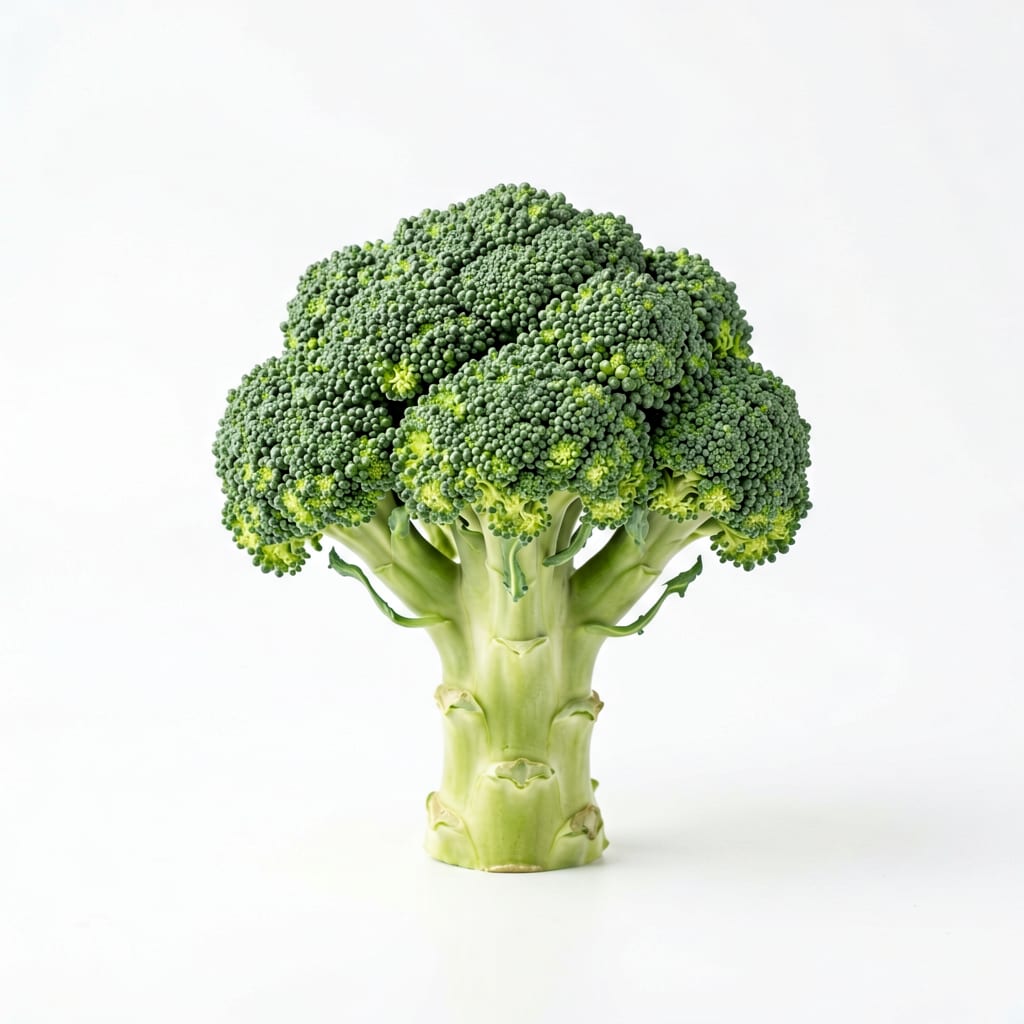
Broccoli
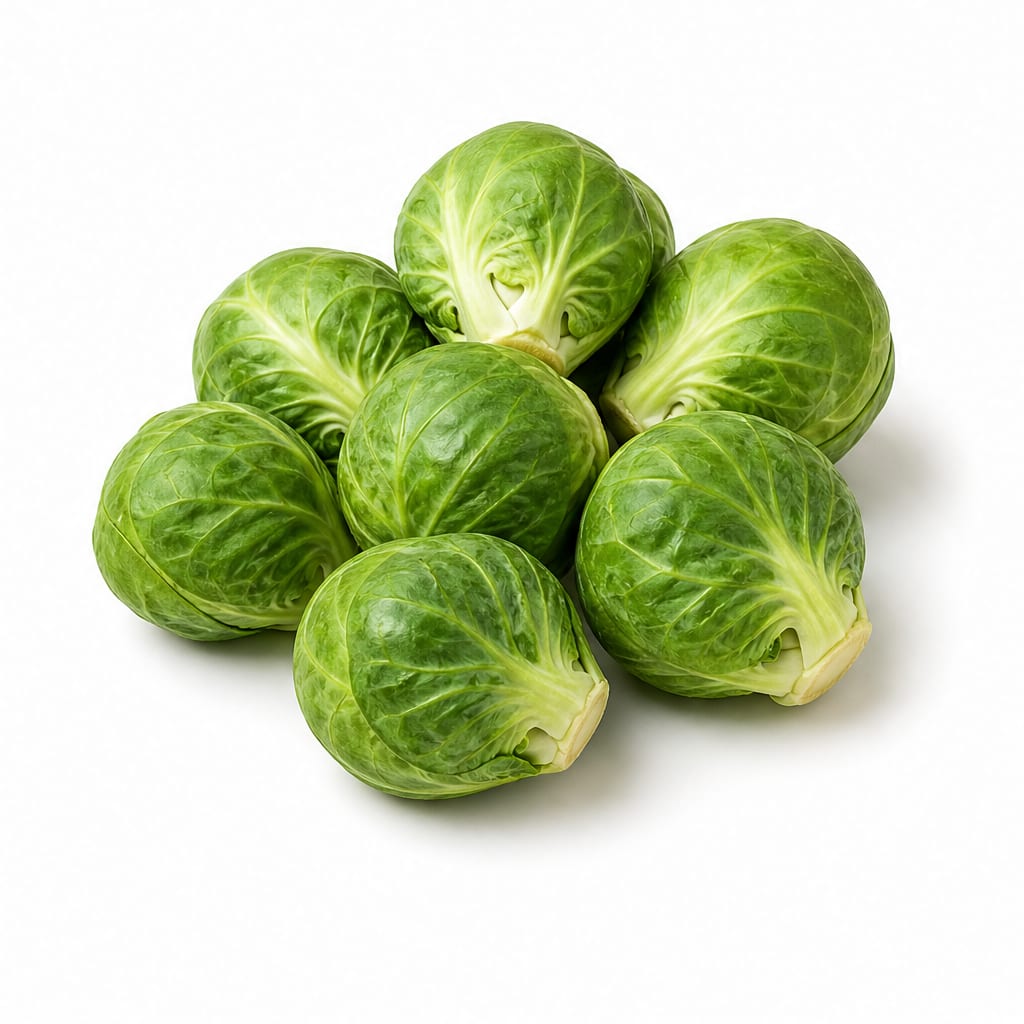
Brussels Sprouts
Both are cruciferous powerhouses, but Brussels sprouts pack slightly more nutrients per bite while broccoli is gentler on digestion and far more versatile in the kitchen.
Brussels sprouts edge out broccoli slightly on raw nutrient density and satiety, but broccoli's superior digestibility and culinary flexibility keep the scores extremely close.
Higher nutrient density and heartier texture from Brussels sprouts versus milder flavor and easier digestion from broccoli.
At a glance
Executive summary
Overall
It depends
Healthier
Brussels Sprouts
More practical
Broccoli
Daily use
Broccoli
Key comparison lenses
Nutrient density and vitamin profile
Both are cruciferous superfoods, but their micronutrient ratios differ enough to matter for targeted health goals
Digestive tolerance and bloating
Cruciferous vegetables are notorious for causing gas, and the difference in fiber types significantly impacts daily comfort
Culinary versatility and flavor preference
Broccoli is a universal staple while Brussels sprouts have a stronger, polarizing taste that limits their use
Best choice for
Broccoli
- Broccoli is best for people with sensitive stomachs who still want fiber
- Broccoli is ideal for quick weeknight meals and meal prep
- Broccoli is the go-to for picky eaters and children
Brussels Sprouts
- Brussels Sprouts are best for maximizing vitamin K and vitamin C intake
- Brussels Sprouts are ideal for hearty roasted side dishes
- Brussels Sprouts are great for low-carb dieters seeking high satiety
Least suitable for
Broccoli
- Broccoli is less suitable for those seeking maximum calorie-to-nutrient density
- Broccoli is less ideal if you are bored of mild flavors and want something robust
Brussels Sprouts
- Brussels Sprouts are less suitable for people prone to severe bloating or IBS
- Brussels Sprouts are a tough sell for those who dislike bitter, earthy flavors
Deep comparison
Dimension by dimension
Each lens scores both foods and breaks down who each option suits.
- Dimension 1 · Priority 92Brussels Sprouts
Nutrient Density
Broccoli · 82Brussels Sprouts · 90Brussels sprouts deliver significantly more vitamin K, vitamin C, and fiber per calorie compared to broccoli.
Tradeoff
You get more micronutrients with Brussels sprouts, but they also carry a slightly higher calorie and carbohydrate load.
Why it matters
If you are eating a small portion and need maximum vitamin coverage, Brussels sprouts give you more bang for your bite.
Real-world impact
Eating a cup of Brussels sprouts covers your entire daily vitamin K needs, whereas broccoli covers about half.
Broccoli
- Broccoli is better if you prefer a lighter micronutrient load with fewer calories
Better for
- Broccoli falls short if you are actively trying to correct a vitamin K deficiency
Worse for
Brussels Sprouts
- Brussels Sprouts are better for boosting bone health and immunity through higher vitamin K and C
Better for
- Brussels Sprouts might be overkill in vitamin K if you are on blood-thinning medications
Worse for
- Dimension 2 · Priority 88Broccoli
Digestive Comfort
Broccoli · 85Brussels Sprouts · 70Broccoli is generally easier to digest and less likely to cause severe bloating than Brussels sprouts.
Tradeoff
Broccoli offers slightly less fiber but is gentler on the gut, while Brussels sprouts provide heavy fiber that can cause significant gas.
Why it matters
Daily comfort matters more than slight nutrient advantages if you are constantly dealing with a distended stomach.
Real-world impact
A broccoli side dish at lunch is unlikely to ruin your afternoon, while a heavy Brussels sprouts serving might leave you unbuttoning your jeans.
Broccoli
- Broccoli is better for eating before social events or important meetings
- Broccoli is safer for people with mild IBS or sensitive digestion
Better for
- Broccoli is less effective if you specifically need a high-roughage meal to resolve sluggish digestion
Worse for
Brussels Sprouts
- Brussels Sprouts are better for aggressively feeding gut bacteria to improve long-term microbiome health
Better for
- Brussels Sprouts are a bad choice for date night or tight-fitting clothes due to bloating risks
Worse for
- Dimension 3 · Priority 80Broccoli
Culinary Versatility
Broccoli · 92Brussels Sprouts · 75Broccoli can be eaten raw, steamed, roasted, or stir-fried, while Brussels sprouts really shine only when roasted or braised.
Tradeoff
Broccoli adapts to nearly any cuisine or cooking method, whereas Brussels sprouts require specific preparation to taste good.
Why it matters
A vegetable you can easily toss into any meal gets eaten far more often than one that requires a specific recipe.
Real-world impact
You can dunk raw broccoli in hummus for a snack, but raw Brussels sprouts are nearly inedible and require oven time.
Broccoli
- Broccoli is better for quick steaming, raw snacking, and stir-fries
- Broccoli is ideal for meal prepping because it holds up well in various dishes
Better for
- Broccoli can easily become mushy and unappetizing if overcooked by just a minute
Worse for
Brussels Sprouts
- Brussels Sprouts are better for impressive, savory roasted side dishes with crispy edges
Better for
- Brussels Sprouts are terrible for quick cooking methods and emit a strong sulfur smell when boiled
Worse for
Timeline
Health impact over time
Short-term
Hours to days
Broccoli
- Broccoli provides a light, steady energy source without weighing you down
- Broccoli offers quick hydration due to its high water content
Brussels Sprouts
- Brussels Sprouts create a heavy, full feeling that staves off hunger for hours
- Brussels Sprouts can cause noticeable bloating or gas within hours of eating
Long-term
Months to years
Broccoli
- Broccoli supports consistent DNA repair and cellular health via sulforaphane
- Broccoli helps maintain gentle, regular bowel habits over time
Brussels Sprouts
- Brussels Sprouts strongly protect against bone degradation through massive vitamin K doses
- Brussels Sprouts significantly lower inflammatory markers when consumed regularly
Risk profile
Safety & processing
Both broccoli and Brussels sprouts are whole, natural vegetables with virtually zero additive concerns when purchased fresh or frozen.
Broccoli
Pesticide residue in tight florets
mediumBroccoli florets trap pesticides in their tight clusters, requiring thorough washing or buying organic to reduce exposure.
Brussels Sprouts
Pesticide residue in layered leaves
mediumBrussels sprouts have tightly layered leaves that can harbor pesticides, making soaking and rinsing more important than a quick rinse.
Who wins for whom
Audience fit
Same foods, different winners depending on your goal.
children
BroccoliBroccoli has a milder taste and softer texture, making it far easier to introduce to kids than bitter Brussels sprouts.
daily consumption
BroccoliBroccoli is less likely to cause daily bloating and fits into a wider variety of everyday meals without recipe adjustments.
diabetes
Brussels SproutsBrussels sprouts have a slightly higher fiber density that slows glucose absorption more effectively, stabilizing blood sugar.
elderly
BroccoliBroccoli is easier to chew and gentler on aging digestive systems that struggle with heavy cruciferous fiber.
muscle gain
Brussels SproutsBrussels sprouts offer slightly more protein and dense calories per serving, better supporting muscle recovery and growth.
weight loss
BroccoliBroccoli provides more volume and water content for fewer calories, making it easier to fill up without overeating.
Your move
Decision guide
Choose Broccoli
- You want a versatile veggie you can eat raw, steamed, or roasted without digestive discomfort
- You are meal prepping for the week and need a neutral base for multiple cuisines
- You have a sensitive stomach or are prone to bloating
Choose Brussels Sprouts
- You want maximum vitamins, antioxidants, and satiety in a single serving
- You love roasting vegetables and want a hearty, flavorful side dish
- You need a high-fiber vegetable to keep you full during a low-carb diet
Either works if
- You simply need more cruciferous vegetables in your diet for cancer-fighting compounds
- You are looking to increase your daily fiber intake from whole food sources
Avoid both if
- You are on a strict low-FODMAP diet for severe IBS, as both can trigger intense bloating and pain
- You are taking warfarin or similar blood thinners and struggle to maintain consistent vitamin K intake
Final recommendation
Rotate both for the widest range of benefits, but lean toward broccoli for everyday lunches and Brussels sprouts for hearty dinners. If digestion is your weak spot, stick with broccoli.
Practical
Consumer tips
- 1
Soak broccoli florets in cold salted water for 10 minutes to draw out any hidden insects and pesticide residue before cooking.
- 2
Cut an X in the base of Brussels sprouts before cooking to help the dense core cook evenly without turning the outside to mush.
- 3
Avoid overcooking either vegetable; the sulfur smell intensifies and the texture becomes unappealing, which ruins the eating experience.
- 4
If Brussels sprouts cause too much bloating, try starting with very small portions and roasting them, which makes the fiber easier to break down.