
Nutrition comparison
Broccoli vs Carrots: Which is Healthier for You?
Compare broccoli and carrots on nutrition, blood sugar impact, and digestibility. Find out which vegetable is better for weight loss, snacking, and daily health.
Overall winner · Broccoli
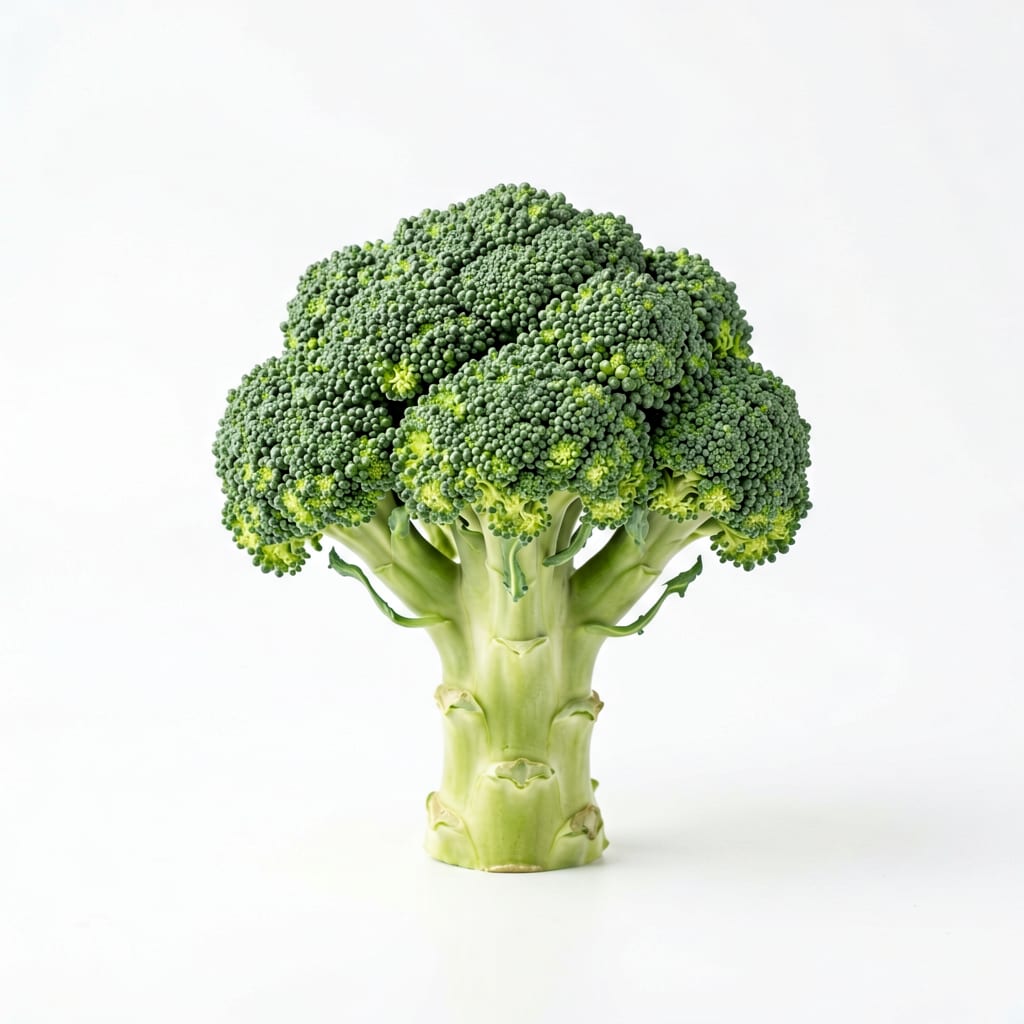
Broccoli
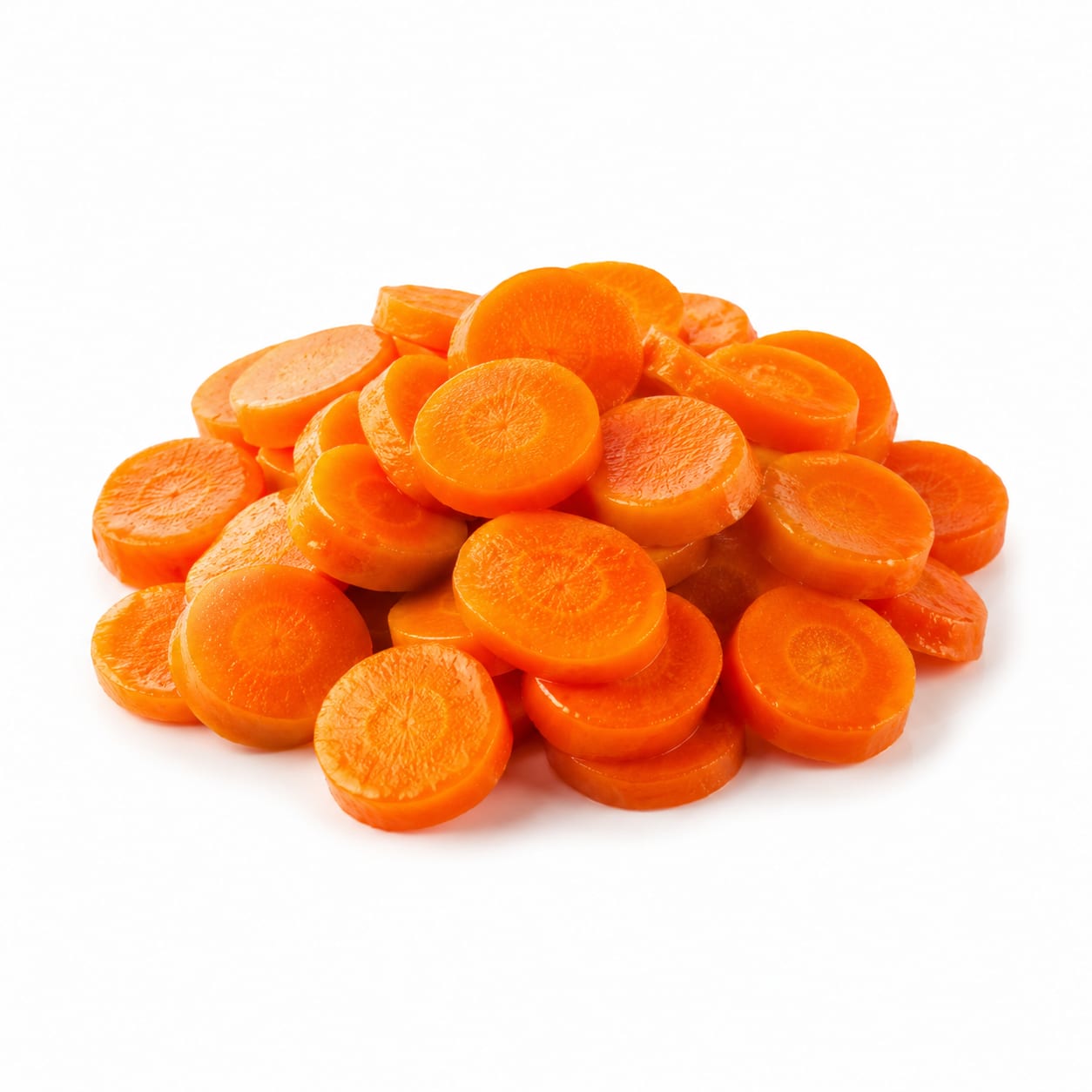
Carrots
Broccoli wins for sheer nutrient density and blood sugar control, but carrots are the ultimate convenient, gut-friendly snack.
Broccoli scores higher due to its exceptional micronutrient density and minimal impact on blood sugar, but carrots remain an excellent, highly practical choice.
You trade the superior vitamin C and low carbs of broccoli for the easy snacking, gentle digestion, and vitamin A boost of carrots.
At a glance
Executive summary
Overall
Broccoli
Healthier
Broccoli
More practical
Carrots
Daily use
Carrots
Key comparison lenses
Vitamin and antioxidant profile comparison
Broccoli is famous for vitamin C and K, while carrots are the gold standard for vitamin A and beta-carotene.
Digestive tolerance and gut comfort
Broccoli can cause bloating for some, whereas carrots are generally very easy to digest.
Blood sugar and low-carb diet suitability
Broccoli is significantly lower in carbohydrates and sugar, making it a staple for keto or diabetic diets.
Convenience and raw snackability
Carrots are a grab-and-go raw snack, while broccoli usually requires cooking for best taste and digestion.
Best choice for
Broccoli
- People managing blood sugar or on low-carb diets
- Those needing a vitamin C and K boost
- Anyone prioritizing maximum fullness per calorie
Carrots
- People seeking an easy, portable raw snack
- Those with sensitive digestion or IBS
- Anyone wanting to boost eye health and vitamin A intake
Least suitable for
Broccoli
- People prone to bloating or gas from cruciferous veggies
- Those wanting a quick, no-prep snack on the go
Carrots
- People strictly limiting carbohydrate or sugar intake
- Those looking for high vitamin C or folate
Deep comparison
Dimension by dimension
Each lens scores both foods and breaks down who each option suits.
- Dimension 1 · Priority 95Broccoli
Micronutrient Profile
Broccoli · 95Carrots · 88Broccoli delivers massive amounts of vitamin C and K, while carrots dominate in vitamin A.
Tradeoff
Broccoli supports immune function and bone health more directly, whereas carrots are unmatched for vision and skin health.
Why it matters
Your body cannot store vitamin C, so broccoli's daily replenishment is valuable, but carrots provide rare, easily absorbed beta-carotene.
Real-world impact
Eating broccoli helps you fight off colds and heal wounds faster, while carrots act like a natural sunblock for your skin from the inside out.
Broccoli
- Immune system support
- Bone health and blood clotting
Better for
- Vitamin A intake
Worse for
Carrots
- Eye health and night vision
- Skin glow and UV protection
Better for
- Vitamin C and folate intake
Worse for
- Dimension 2 · Priority 80Broccoli
Satiety and Calorie Density
Broccoli · 90Carrots · 75Broccoli is significantly more filling per calorie than carrots.
Tradeoff
Broccoli physically takes up more stomach space with fewer calories, while carrots are less filling but naturally sweeter.
Why it matters
If you are trying to cut calories without feeling hungry, volume eating with broccoli is highly effective.
Real-world impact
A large bowl of steamed broccoli will leave you stuffed for under 100 calories, whereas carrots might leave you reaching for more food sooner.
Broccoli
- Volume eating and weight management
- Feeling full on fewer calories
Better for
- Craving something sweet or crunchy raw
Worse for
Carrots
- Satisfying a sweet tooth naturally
Better for
- Staying full between meals
Worse for
- Dimension 3 · Priority 85Broccoli
Blood Sugar and Carb Profile
Broccoli · 95Carrots · 70Broccoli has far fewer carbs and sugars, making it ideal for glucose control.
Tradeoff
Broccoli keeps blood sugar perfectly stable, while carrots have enough natural sugar to cause a small, quick rise.
Why it matters
For diabetics or those on keto, the sugar difference between these two vegetables is a major deciding factor.
Real-world impact
Broccoli fits seamlessly into a low-carb dinner, but eating a large amount of carrots might trigger an afternoon energy dip for sugar-sensitive individuals.
Broccoli
- Keto and low-carb diets
- Diabetic meal plans
Better for
- Providing quick carbohydrate energy
Worse for
Carrots
- Pre-workout quick energy
Better for
- Strict blood sugar management
Worse for
- Dimension 4 · Priority 85Carrots
Digestive Tolerance
Broccoli · 60Carrots · 95Carrots are incredibly gentle on the stomach, while broccoli can cause uncomfortable gas.
Tradeoff
Broccoli contains raffinose, a complex sugar that ferments in the gut, whereas carrots break down easily without causing bloating.
Why it matters
If you have IBS or a sensitive stomach, raw or even cooked broccoli can be a trigger, but carrots are usually safe.
Real-world impact
Eating carrots before a date or meeting is safe, but a big portion of broccoli might leave you feeling puffy and gassy.
Broccoli
- Feeding beneficial gut bacteria through fermentation
Better for
- Social situations where bloating is unwanted
Worse for
Carrots
- Avoiding bloating and gas
- Sensitive stomachs and IBS-friendly diets
Better for
- Providing prebiotic fiber diversity
Worse for
- Dimension 5 · Priority 75Carrots
Practicality and Snackability
Broccoli · 55Carrots · 95Carrots are the ultimate ready-to-eat vegetable, while broccoli usually requires washing, trimming, and cooking.
Tradeoff
Carrots can be eaten raw, dipped, or tossed in a bag, whereas broccoli needs prep to be palatable and digestible.
Why it matters
Convenience dictates what you actually eat daily. If it is hard to prep, you might just skip it.
Real-world impact
Throwing baby carrots in a lunchbox takes zero thought, but prepping broccoli means steaming or roasting, which adds 15 minutes to your meal.
Broccoli
- Acting as a hearty cooked side dish
Better for
- Commuting or on-the-go snacking
Worse for
Carrots
- Quick raw snacking
- Lunchbox convenience
- Dipping into hummus or guacamole
Better for
- Serving as a main dish base
Worse for
Timeline
Health impact over time
Short-term
Hours to days
Broccoli
- High satiety from fiber and water content
- Potential bloating or gas within hours of eating
Carrots
- Quick, light energy from natural sugars
- Gentle on the digestive tract with no bloating
Long-term
Months to years
Broccoli
- Stronger bones and improved blood clotting from vitamin K
- Better blood sugar regulation and reduced diabetes risk
Carrots
- Improved night vision and eye health from beta-carotene
- Healthier skin tone and natural UV resistance
Risk profile
Safety & processing
Both broccoli and carrots are whole, natural vegetables. Baby carrots are technically processed by being shaped and polished, but they contain no harmful additives.
Broccoli
Goitrogen exposure
lowRaw broccoli contains goitrogens that can interfere with thyroid function in extreme amounts, but cooking neutralizes most of them.
Pesticide residue
mediumBroccoli is typically low in pesticides, but conventional farming can still leave some residue trapped in the tight florets.
Carrots
Pesticide residue
mediumConventional carrots often retain pesticide residue in the skin, so peeling or buying organic is recommended.
Carotenemia
lowEating massive amounts of carrots can turn your skin orange. It looks alarming but is completely harmless and reversible.
Who wins for whom
Audience fit
Same foods, different winners depending on your goal.
children
CarrotsCarrots are sweeter, more fun to eat, and easier to digest, making them a kid-friendly staple.
daily consumption
CarrotsCarrots are easier to eat every single day without experiencing digestive fatigue or bloating.
diabetes
BroccoliBroccoli has minimal impact on blood sugar due to its low carbohydrate and sugar content.
elderly
CarrotsCarrots are easier to chew when cooked and gentler on aging digestive systems that struggle with cruciferous vegetables.
muscle gain
BroccoliBroccoli offers slightly more protein per calorie and provides the micronutrients needed for recovery, though neither is a primary protein source.
weight loss
BroccoliBroccoli provides more volume and satiety per calorie, making it easier to stay in a deficit without feeling hungry.
Your move
Decision guide
Choose Broccoli
- You are tracking your blood sugar or following a low-carb diet
- You want to feel extremely full on very few calories
- You need a boost in vitamin C or vitamin K
Choose Carrots
- You need a portable, no-cook snack for work or school
- You have a sensitive stomach or are prone to bloating
- You want to improve your eye health or skin complexion
Either works if
- You are simply trying to eat more vegetables overall
- You want to add color and fiber to a stir-fry or roast
Avoid both if
- You are looking for a significant source of protein or dietary fat
Final recommendation
Keep both in your kitchen. Use broccoli as a filling, low-carb anchor for dinners, and rely on carrots for effortless, gut-friendly snacking during the day.
Practical
Consumer tips
- 1
Steaming broccoli preserves more vitamin C than boiling it in water.
- 2
Eating carrots with a fat source like olive oil or hummus dramatically increases how much beta-carotene your body absorbs.
- 3
If broccoli causes bloating, try roasting it—this breaks down the gas-causing sugars better than steaming.
- 4
Buy whole carrots over baby carrots if you want to avoid the slightly processed shaping step and save money.