
Legume
Broad Bean
Broad beans are nutrient-dense legumes that provide high plant protein, dietary fiber, and unique beneficial compounds like L-dopa.
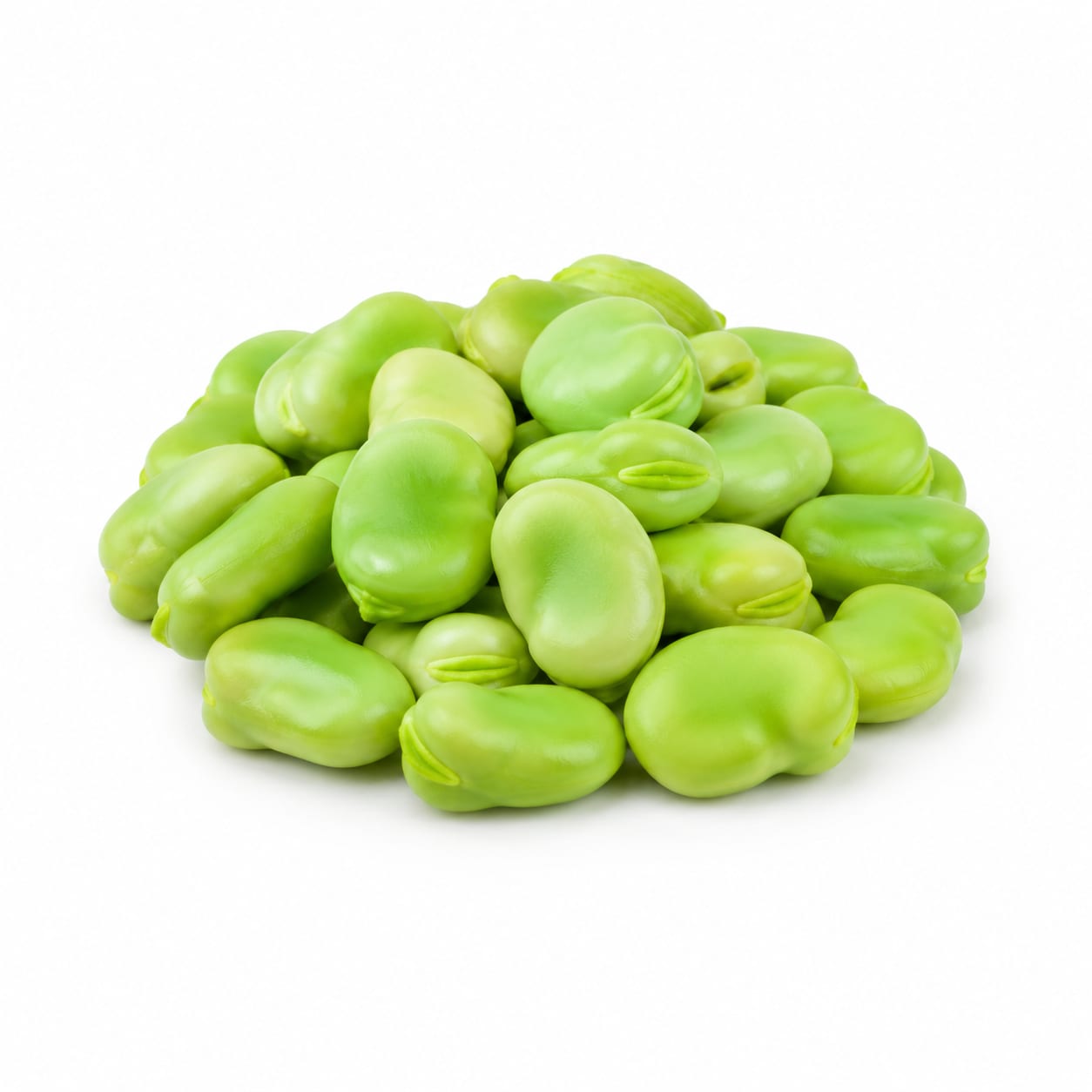
Broad beans, also known as fava beans, are large, flat, green legumes commonly eaten fresh or dried. They are recognized for their buttery texture and slightly nutty, bitter flavor profile.
high-fiber plant-protein legume
Typical serving · 100g
Common varieties · aquadulce, broad windsor, icarus, robin hood, crimson flowered
Overall context score across nutrition, safety, and diet fit
At a glance
Quick facts
Simple indicators based on nutrition, processing, and diet fit.
The story
What makes it unique
Broad beans possess a robust macronutrient profile characterized by high plant protein and soluble fiber. Digestion speed is slow due to the fibrous seed coat and protein matrix, which promotes prolonged satiety and blunts glycemic response. As a minimally processed whole food, they retain intrinsic micronutrients and phytochemicals, notably L-dopa.
Varieties: aquadulce · broad windsor · icarus · robin hood · crimson flowered
Per 100g
Nutrition breakdown
Macro balance and key metrics at a glance.
Energy
Density 0.88 kcal/g
Protein
Carbs
Fat
Fiber
Sugar
2.1 g
Sodium
3 mg
Potassium
332 mg
Glycemic index
40
Glycemic load
7
Water content
72%
Standout compounds
Nutrient highlights
Folate
highEssential for DNA synthesis and cell division, critical during early pregnancy.
Dietary Fiber
highPromotes digestive regularity and feeds beneficial gut bacteria.
Manganese
moderateSupports bone formation, metabolism, and antioxidant defense.
L-dopa
highPrecursor to dopamine that may support motor control and mood.
Iron
moderateCrucial for oxygen transport in the blood and energy production.
Wellness map
Health scores & processing
NOVA processing scale
minimally_processed · Whole food
Fresh or dried broad beans are intact whole foods that have undergone no processing beyond harvesting, shelling, and drying or freezing.
Diet compatibility
- Weight loss
- Muscle gain
- Diabetes
- Gut health
- Low carb
- High protein
- Heart health
Relative standing
Food rankings
Qualitative ranks compared to similar whole foods.
- Satietyexcellent
- Blood sugargood
- Nutrient densityexcellent
- Fitness fuelgood
- Processing qualityexcellent
Eat with confidence
Food safety profile
Broad beans are generally safe for the general population. However, they contain vicine and convicine, which can trigger severe hemolytic anemia (favism) in individuals with G6PD deficiency. Raw beans contain lectins that are neutralized by proper cooking.
Evidence confidence 90%
- Pesticidesmoderate
- Antibioticslow
- Heavy metalslow
- Contaminationlow
Watch for
- pesticide residues
- phytohaemagglutinin (if undercooked)
Safer choices
Organic broad beans to minimize pesticide exposure; thoroughly cooked beans to destroy lectins.
Prep tips
Rinse dried or fresh beans thoroughly. Boil fresh beans for at least 3-5 minutes or soak and cook dried beans fully to ensure lectin destruction. Double-peel mature beans to remove the tough, bitter outer skin.
Standard agricultural residue limits apply; primary biological concern is specific to individuals with G6PD deficiency.
Deep dive
Health analysis
How this food may fit different goals and preparation choices.
Weight loss
High fiber and protein content significantly increase satiety, reducing overall calorie intake. Low energy density allows for large portion sizes without excessive calories.
Blood sugar
Low glycemic index and load prevent rapid blood sugar spikes. Soluble fiber slows carbohydrate absorption, promoting stable glucose levels.
Fitness & energy
Provides a sustained release of complex carbohydrates and plant protein, making it suitable for prolonged energy during endurance activities and muscle recovery.
Gut health
Rich in prebiotic fibers that feed beneficial gut bacteria and support microbiome diversity. Regular consumption promotes healthy bowel movements.
Processing quality
A whole, unrefined food with minimal processing, preserving its natural nutrient matrix and phytochemical integrity.
Food safety
Safe for the vast majority, but poses a severe risk to individuals with G6PD deficiency. Proper cooking eliminates mild lectin toxicity present in raw beans.
Common mistakes
Overcooking fresh beans into mush, failing to remove the tough outer shell of mature beans which causes bitterness, and consuming them raw.
Best preparation
Blanching fresh beans, or soaking and slow-simmering dried beans. Pureeing into dips like ful medames maximizes digestibility.
Practical guide
Best use cases
When and how this food fits real eating patterns.
Plant-based meal prep
Provides a substantial protein and fiber base for vegan and vegetarian bowls, salads, and stews.
Blood sugar management
Low glycemic impact makes them ideal for balancing meals and preventing glucose spikes.
High-volume low-calorie eating
Allows for generous portion sizes to promote physical fullness without excess caloric intake.
Pre-workout energy
Delivers slow-releasing complex carbohydrates for sustained endurance during exercise.
Balance sheet
Pros & cons
Upsides
- Very high in satiety-promoting fiber and protein
- Rich natural source of L-dopa for dopamine production
- Low glycemic index stabilizes blood sugar
- Excellent source of folate for cellular health
- Versatile whole food suitable for many dietary patterns
Trade-offs
- Dangerous for individuals with G6PD deficiency
- Can cause bloating and flatulence in sensitive individuals
- Mature beans require double-peeling which is time-consuming
- Not suitable for strict low-carb or ketogenic diets
- Raw beans contain lectins that must be cooked out
Fit check
Who is it for?
Great match
- plant-based diets
- blood sugar control
- high-volume eating
- endurance athletes
- pregnancy nutrition
Consider alternatives
- G6PD deficiency
- strict ketogenic diets
- low-FODMAP diets
- severe IBS
Side by side
How it compares
Open the full head-to-head analysis for nutrition, safety, and practical tradeoffs.
This food
Broad Bean
VS90% alike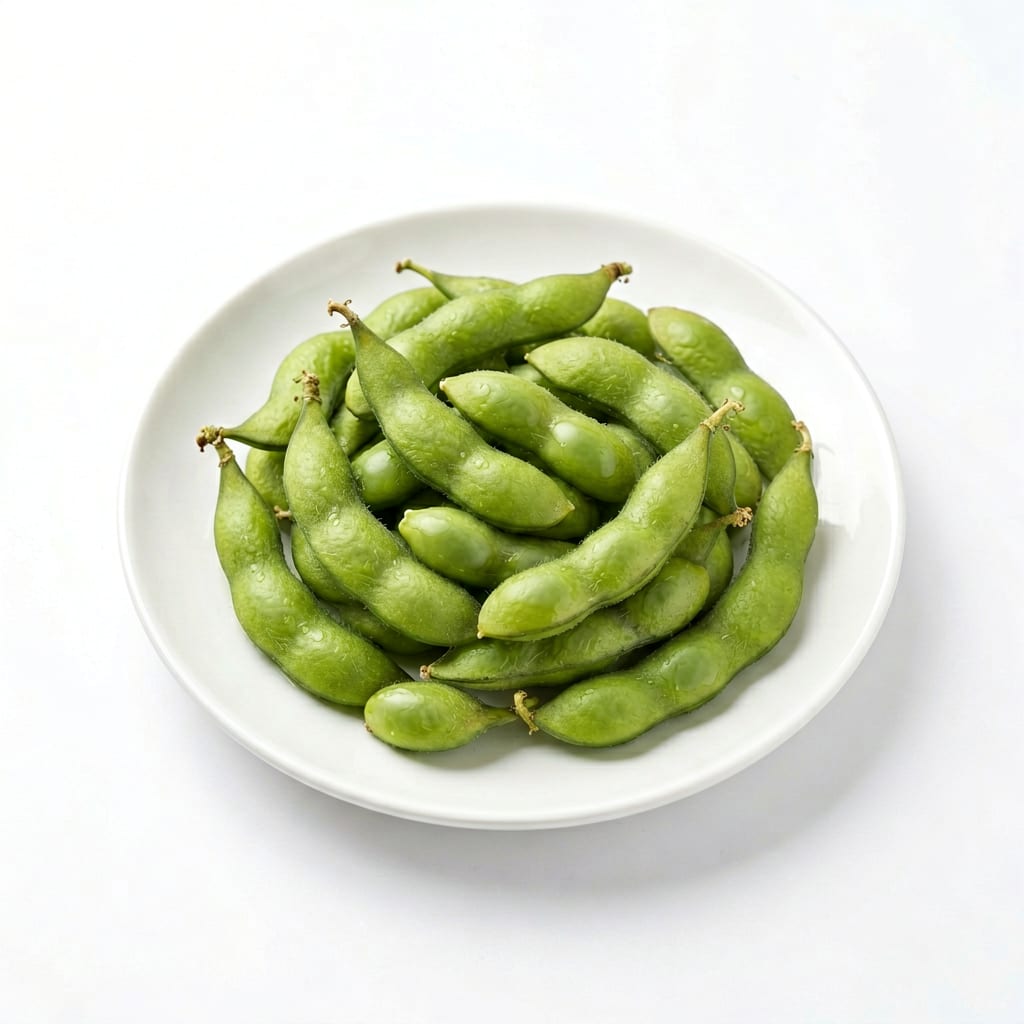
Compare with
Edamame
Edamame offers higher protein and healthy fats, while broad beans provide more carbohydrates and unique L-dopa.
Edamame provides more protein and healthy fats for muscle recovery, while broad beans offer more carbs for energy and unique L-dopa benefits.
This food
Broad Bean
VS85% alike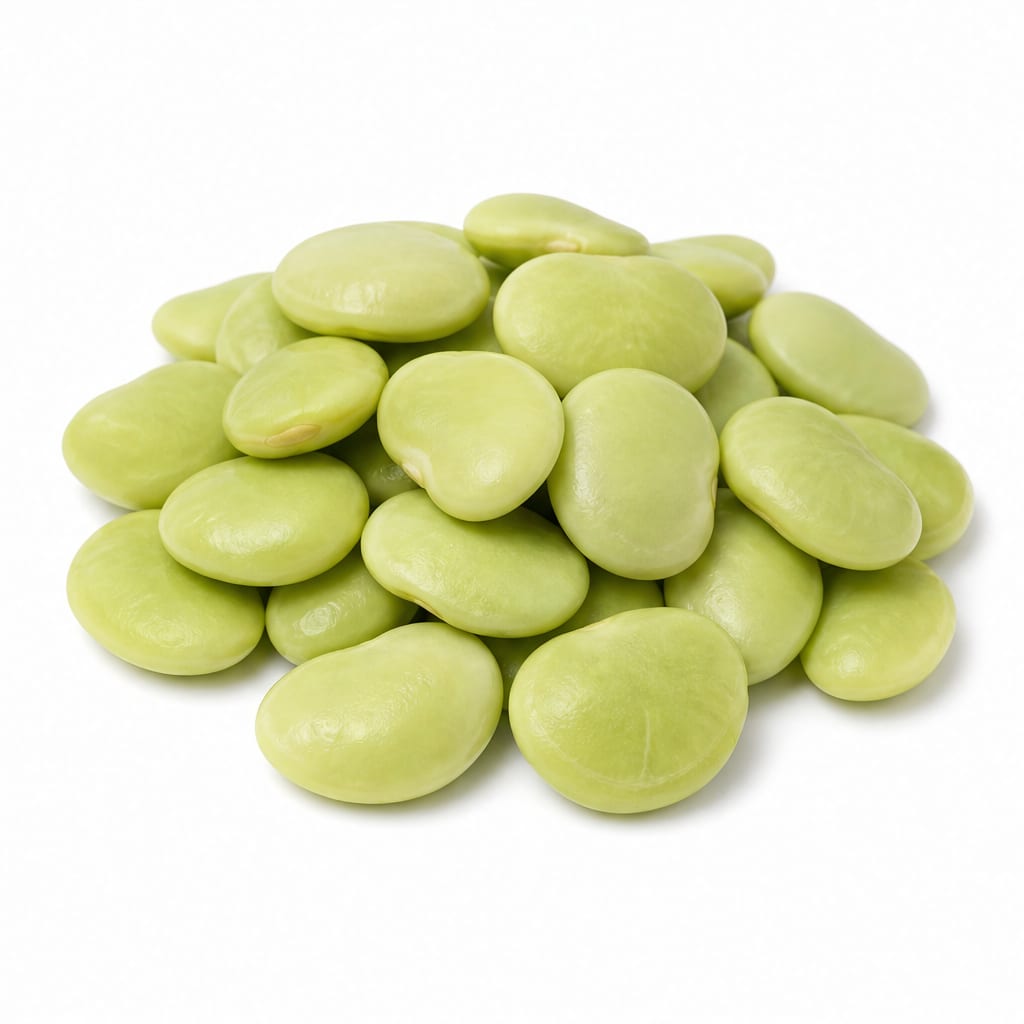
Compare with
Lima Beans
Lima beans are slightly higher in calories and carbs, while broad beans offer more protein and fiber per calorie.
Broad beans are better for weight loss and blood sugar due to higher fiber and protein, while lima beans are slightly starchier and higher in calories.
This food
Broad Bean
VS75% alike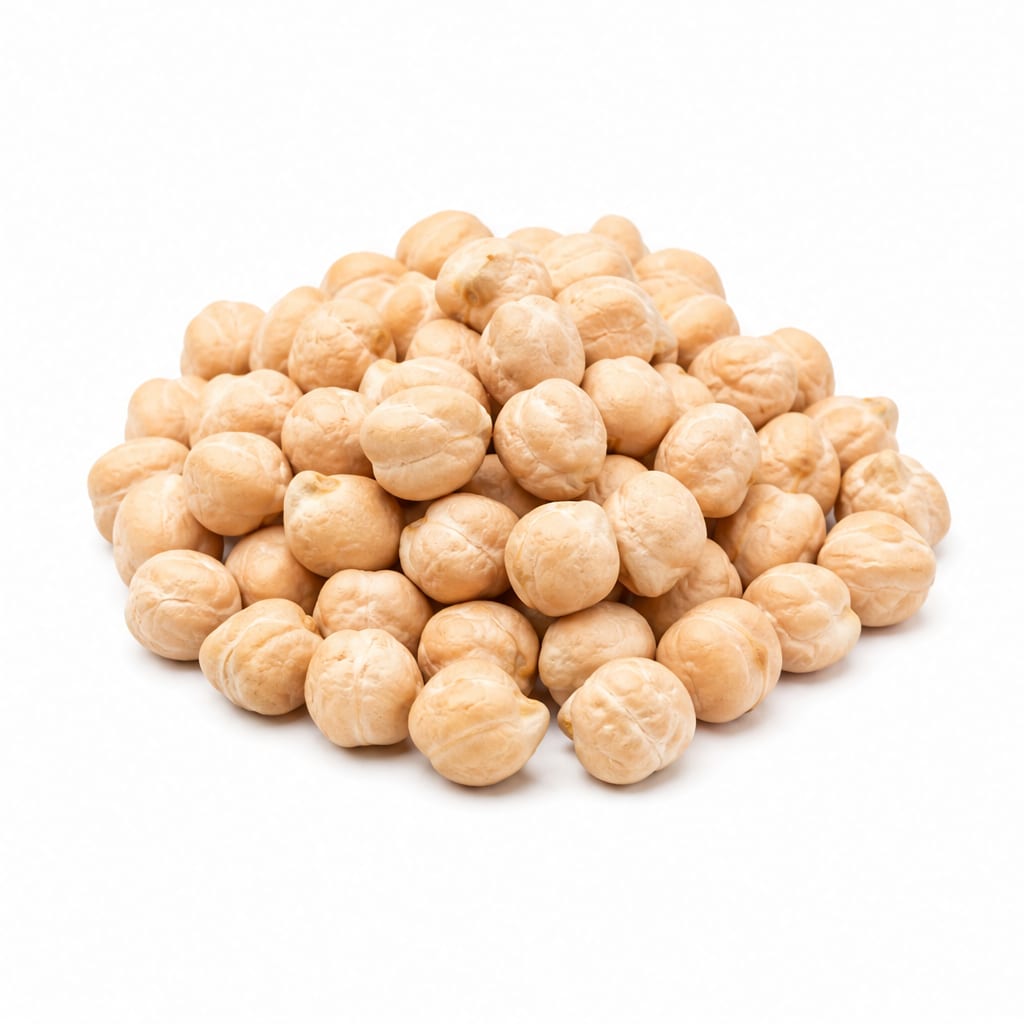
Compare with
Chickpeas
Chickpeas are higher in calories and fat, whereas broad beans are leaner and higher in protein per serving.
Broad beans are leaner with more protein per calorie, making them better for weight loss, while chickpeas are denser and slightly higher in fat.
This food
Broad Bean
VS70% alike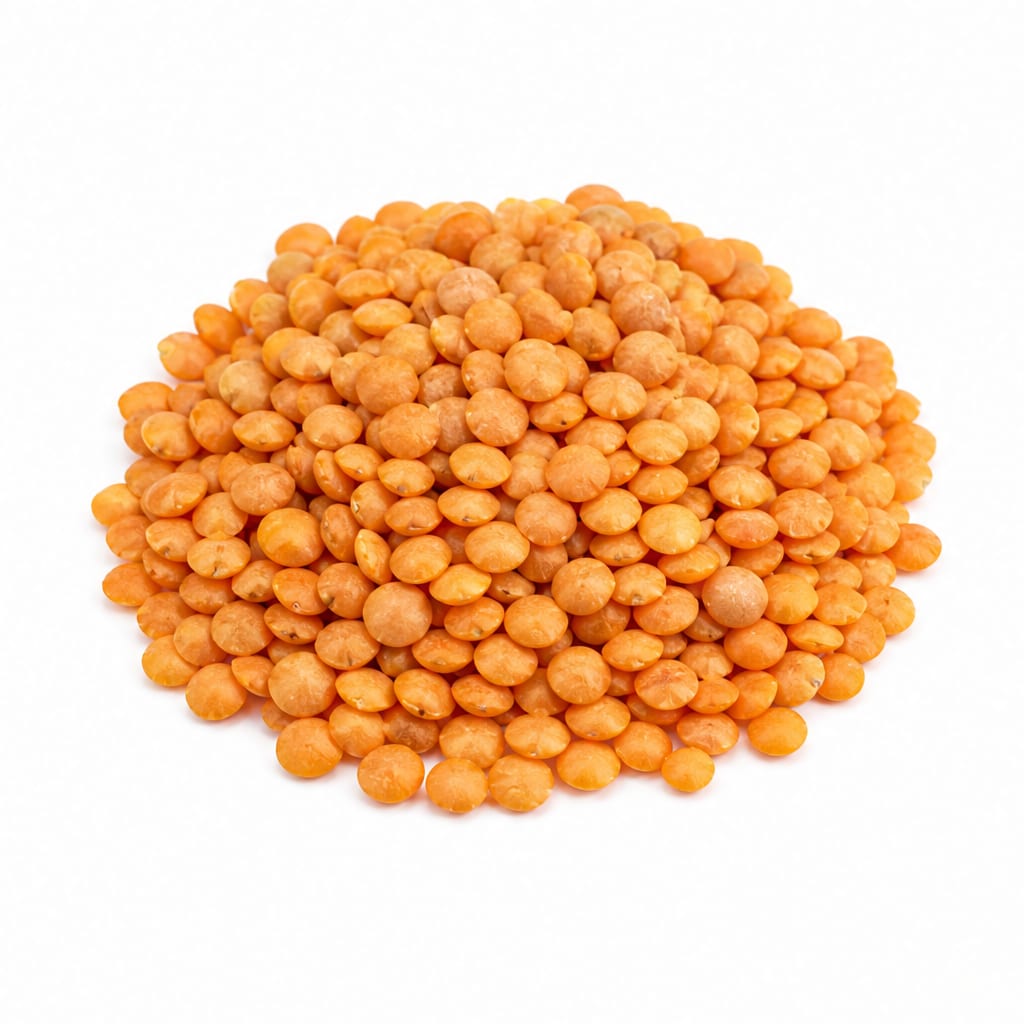
Compare with
Lentils
Lentils cook faster and have slightly more protein, while broad beans offer L-dopa and a creamier texture when peeled.
Lentils cook faster and offer slightly more protein and iron, while broad beans provide unique L-dopa and a creamier texture.
This food
Broad Bean
VS80% alike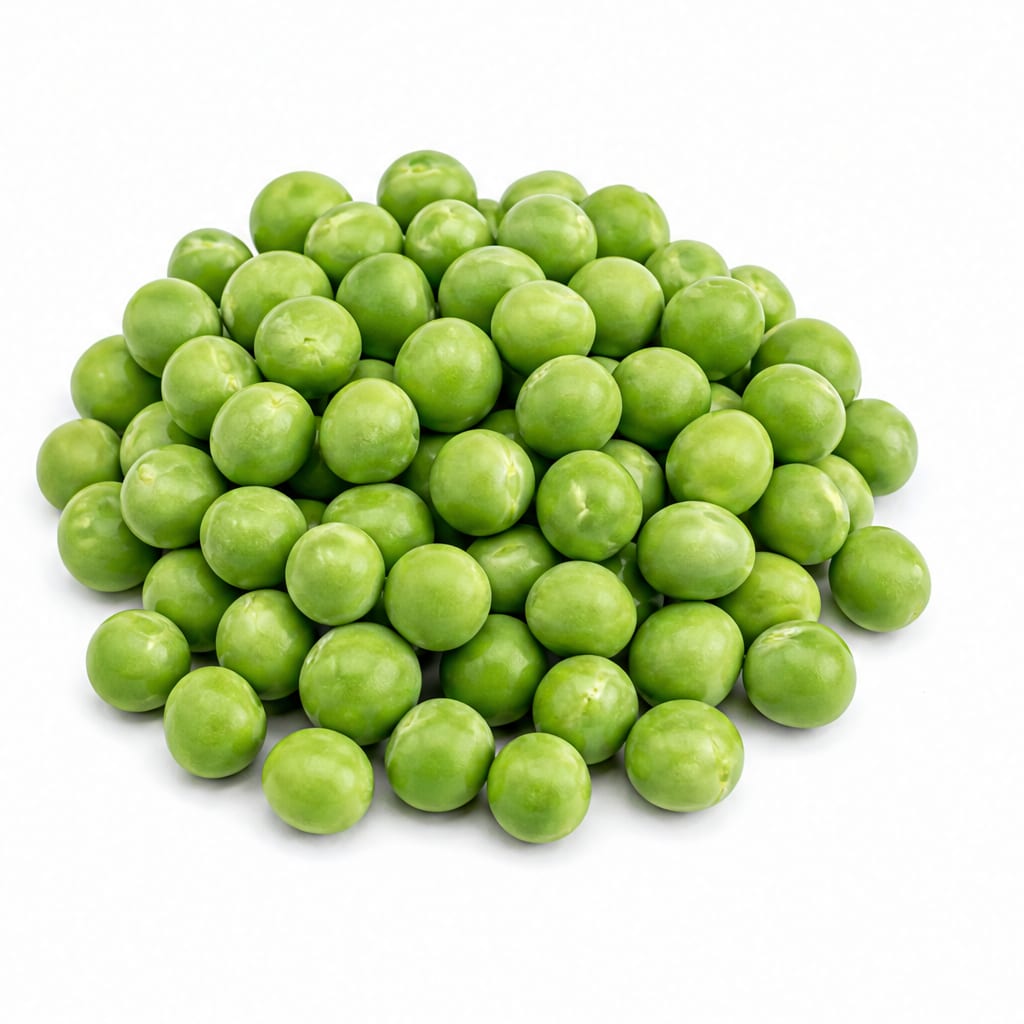
Compare with
Green Peas
Broad beans are significantly higher in protein and fiber, whereas green peas are sweeter and higher in simple sugars.
Broad beans are higher in protein and lower in sugar, making them better for blood sugar control, while green peas are sweeter and quicker to cook.
This food
Broad Bean
VS65% alike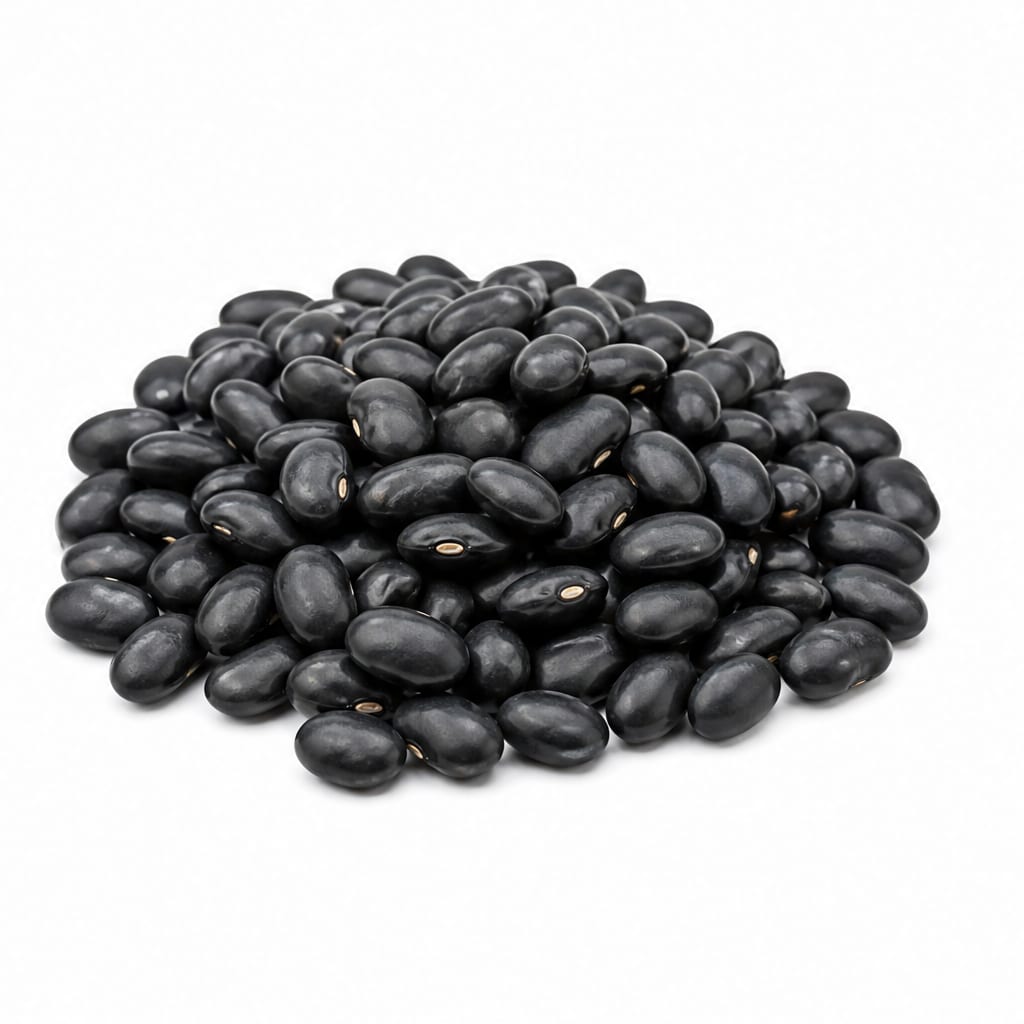
Compare with
Black Beans
Black beans are higher in total antioxidants and slightly higher in carbs, while broad beans are leaner and richer in L-dopa.
Black beans offer more antioxidants and iron, while broad beans are lower in calories and uniquely support dopamine production via L-dopa.
This food
Broad Bean
VS60% alike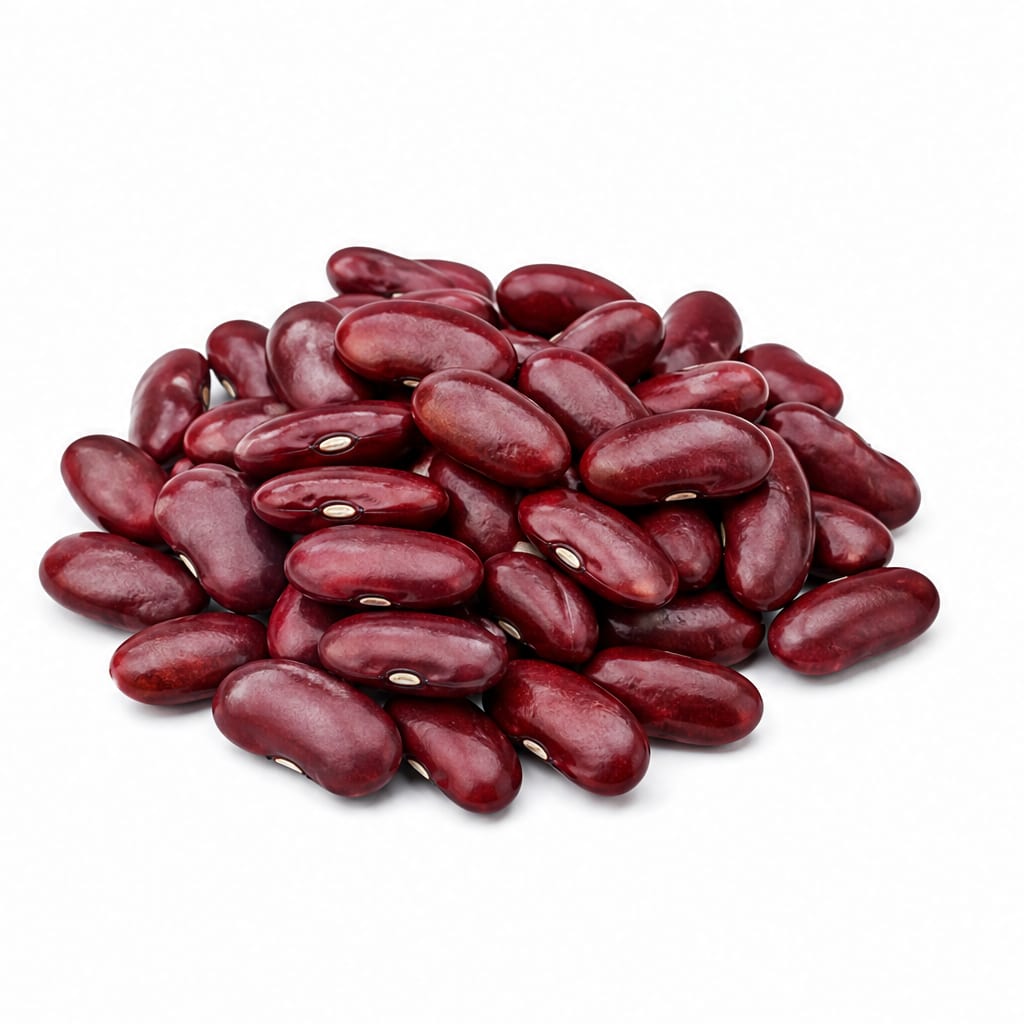
Compare with
Kidney Beans
Kidney beans are denser in calories and carbs, whereas broad beans provide a leaner protein source.
Broad beans are lower in calories and carbs, making them superior for weight loss, while kidney beans are denser and better suited for heavy, calorie-rich meals.
This food
Broad Bean
VS55% alike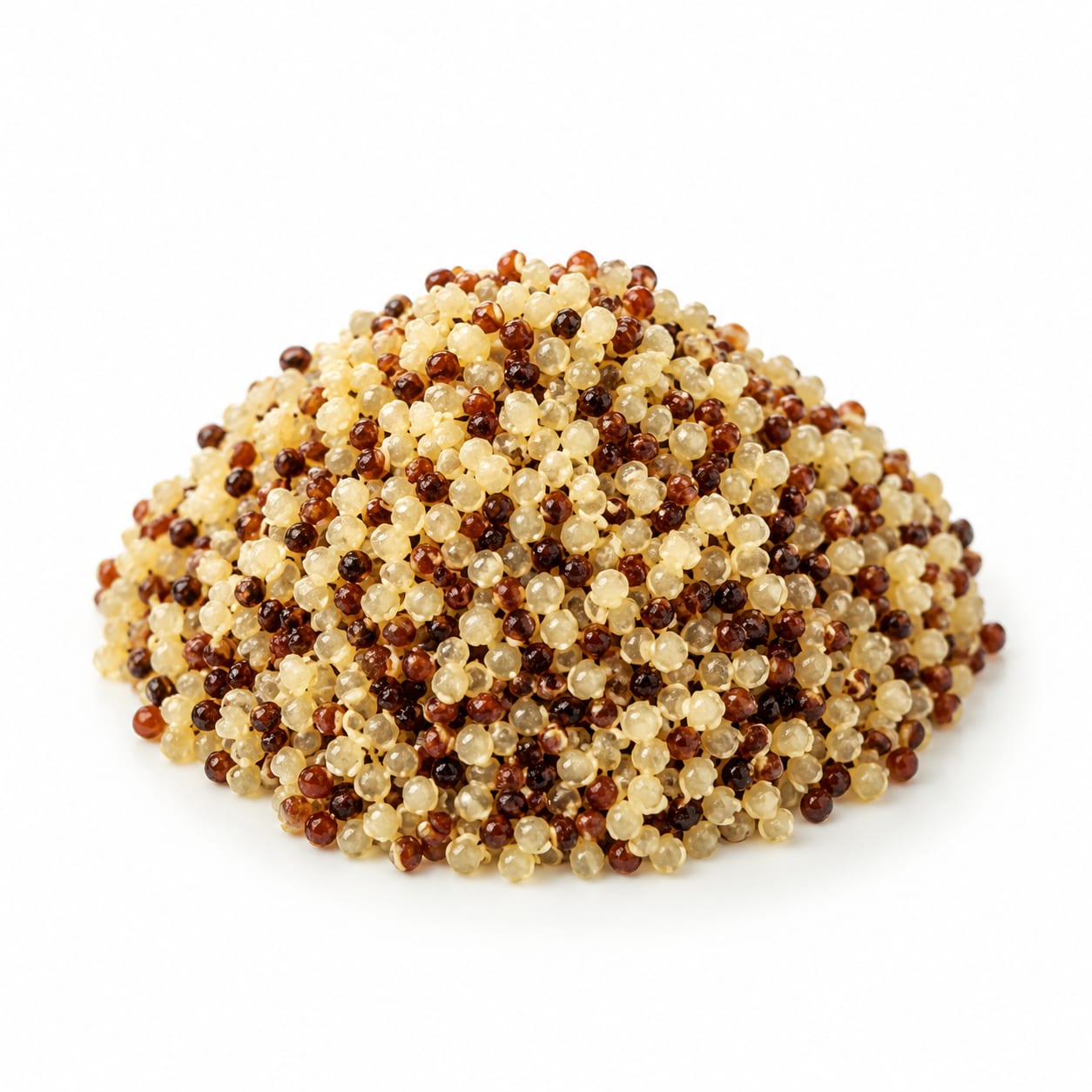
Compare with
Quinoa
Quinoa is a seed with higher fat and complete protein, while broad beans are a legume with more fiber and fewer calories.
Quinoa provides a complete amino acid profile and faster energy, while broad beans offer more fiber and better satiety for weight loss.
This food
Broad Bean
VS50% alike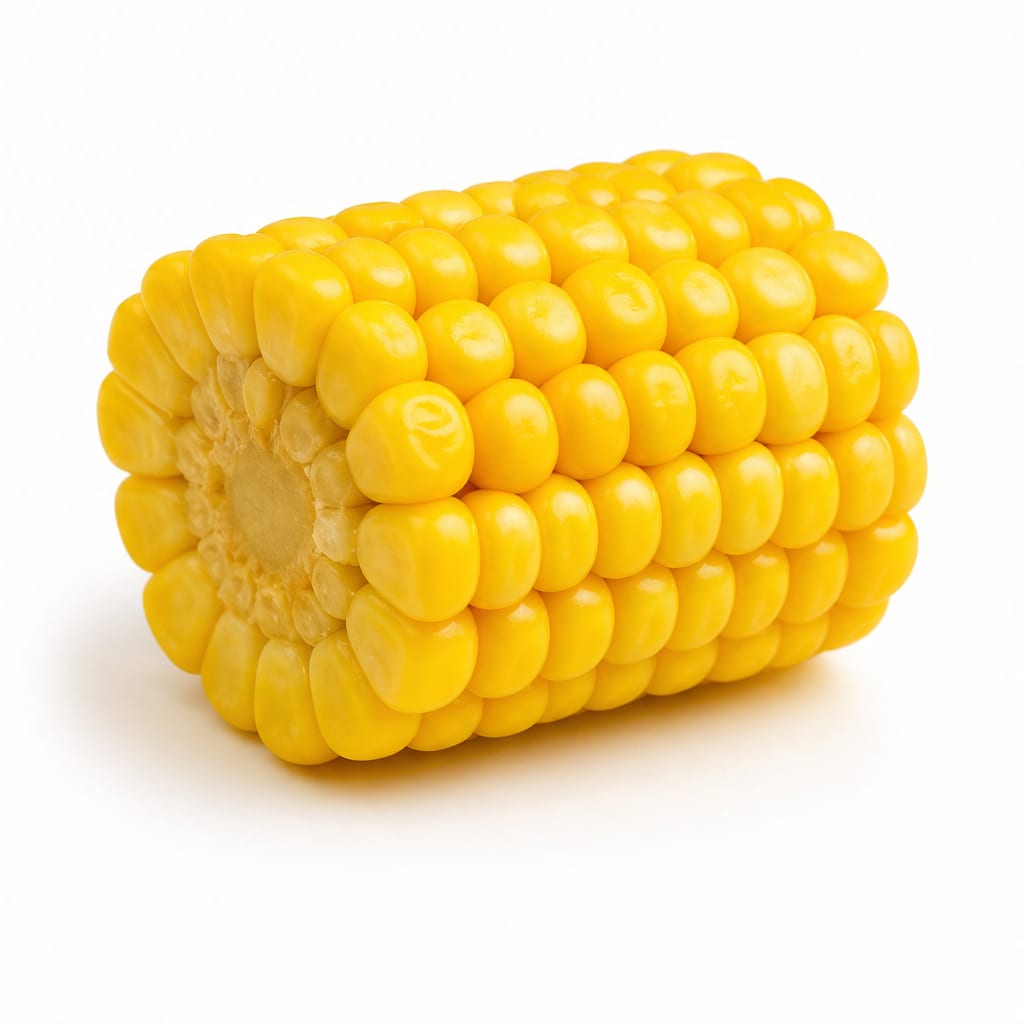
Compare with
Sweet Corn
Broad beans are vastly superior in protein and fiber, while sweet corn is higher in sugar and lower in satiety.
Broad beans are much higher in protein and fiber, easily beating sweet corn for satiety and blood sugar control.
This food
Broad Bean
VS60% alike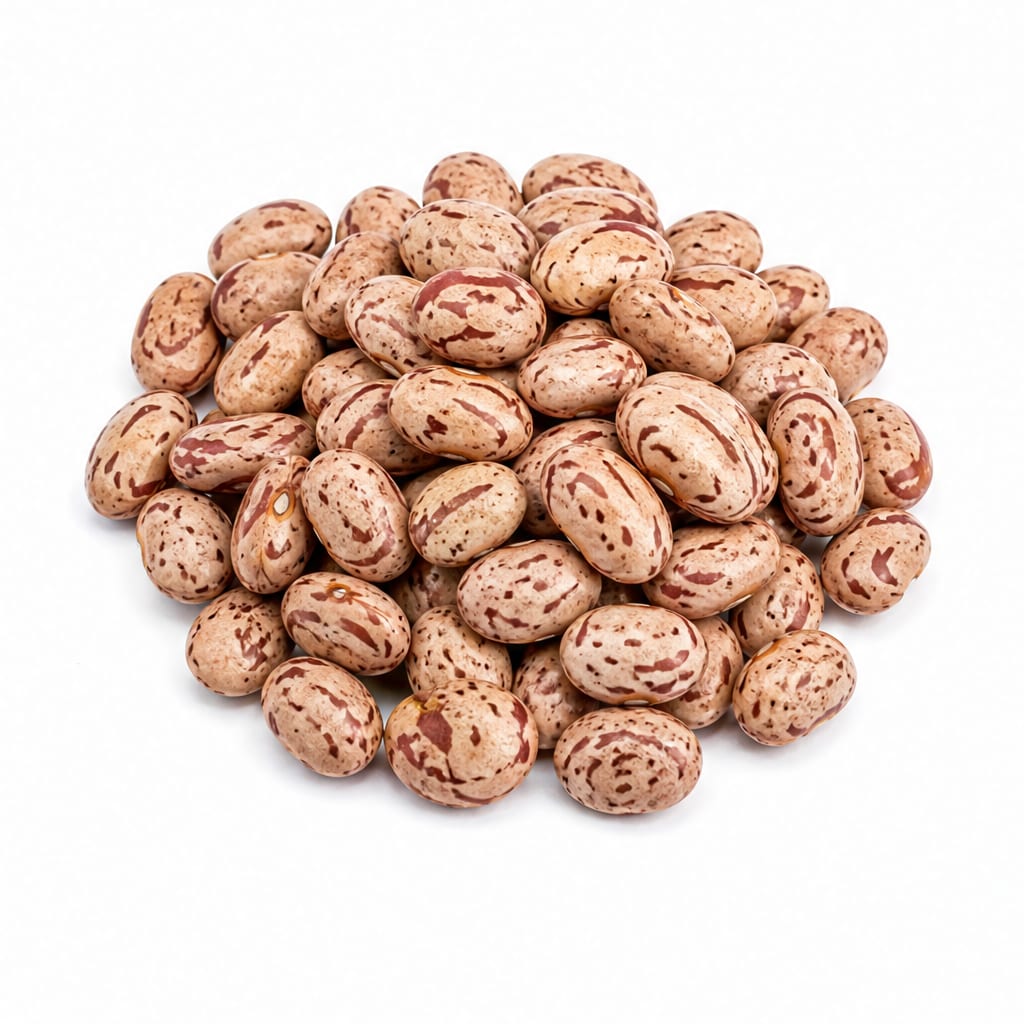
Compare with
Pinto Beans
Pinto beans are higher in calories and carbs, while broad beans offer a leaner macronutrient profile.
Broad beans are leaner and lower in carbohydrates, making them better for weight management than pinto beans, which are denser and starchier.
Common questions
FAQ
Answers aligned with how people search for this food.
Are broad beans good for weight loss?
Yes, broad beans are excellent for weight loss. They are low in calories but very high in protein and fiber, which promotes a strong feeling of fullness and helps control overall calorie intake.
Can diabetics eat broad beans?
Yes, broad beans have a low glycemic index and glycemic load. Their high fiber content slows down sugar absorption, making them a blood sugar-friendly carbohydrate choice for diabetics.
What is favism and broad beans?
Favism is a condition where eating broad beans triggers the destruction of red blood cells, leading to anemia. This only occurs in people with a genetic disorder called G6PD deficiency. Individuals with this condition must strictly avoid broad beans.
Do broad beans have protein?
Yes, broad beans are a rich source of plant-based protein, providing about 5.5 grams per 100 grams of cooked beans, making them a great addition to vegetarian and vegan diets.
Are broad beans high in carbs?
Broad beans contain moderate amounts of carbohydrates, but much of it is dietary fiber. The net digestible carbs are relatively low, so they do not significantly spike blood sugar.
How do you cook broad beans?
Fresh broad beans should be blanched in boiling water for 2-3 minutes, then plunged into ice water. For mature beans, the tough outer skin should be peeled after blanching. Dried beans must be soaked overnight and boiled until tender.
Are broad beans and fava beans the same?
Yes, broad beans and fava beans are the exact same legume. The term 'fava bean' is more commonly used in American English and culinary contexts, while 'broad bean' is more common in British English.
Why do broad beans cause gas?
Broad beans contain complex carbohydrates and oligosaccharides that the human body cannot fully digest. Gut bacteria ferment these sugars, producing gas. Soaking dried beans and cooking them thoroughly can reduce this effect.
Transparency
Data confidence
Estimated confidence for nutrition data, interpretation, safety notes, and comparisons.
Nutrition data
Health analysis
Food safety
Comparisons