
Nutrition comparison
Broad Beans vs Black Beans: Nutrition, Safety, and Which to Eat Daily
Compare Broad Beans and Black Beans on protein, fiber, antioxidants, and safety. Learn which legume is better for weight loss, gut health, and daily meals.
Overall winner · Black Beans
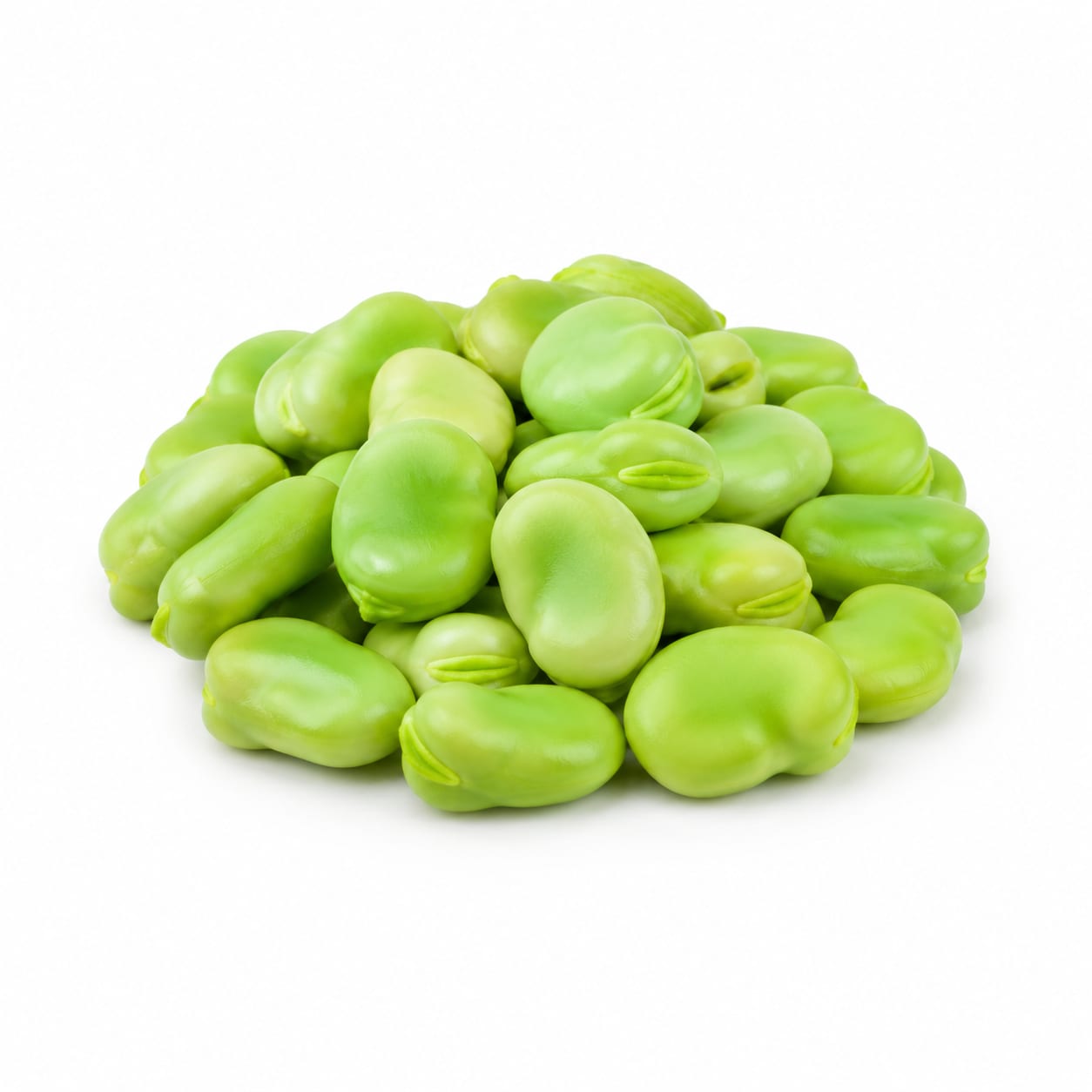
Broad Bean
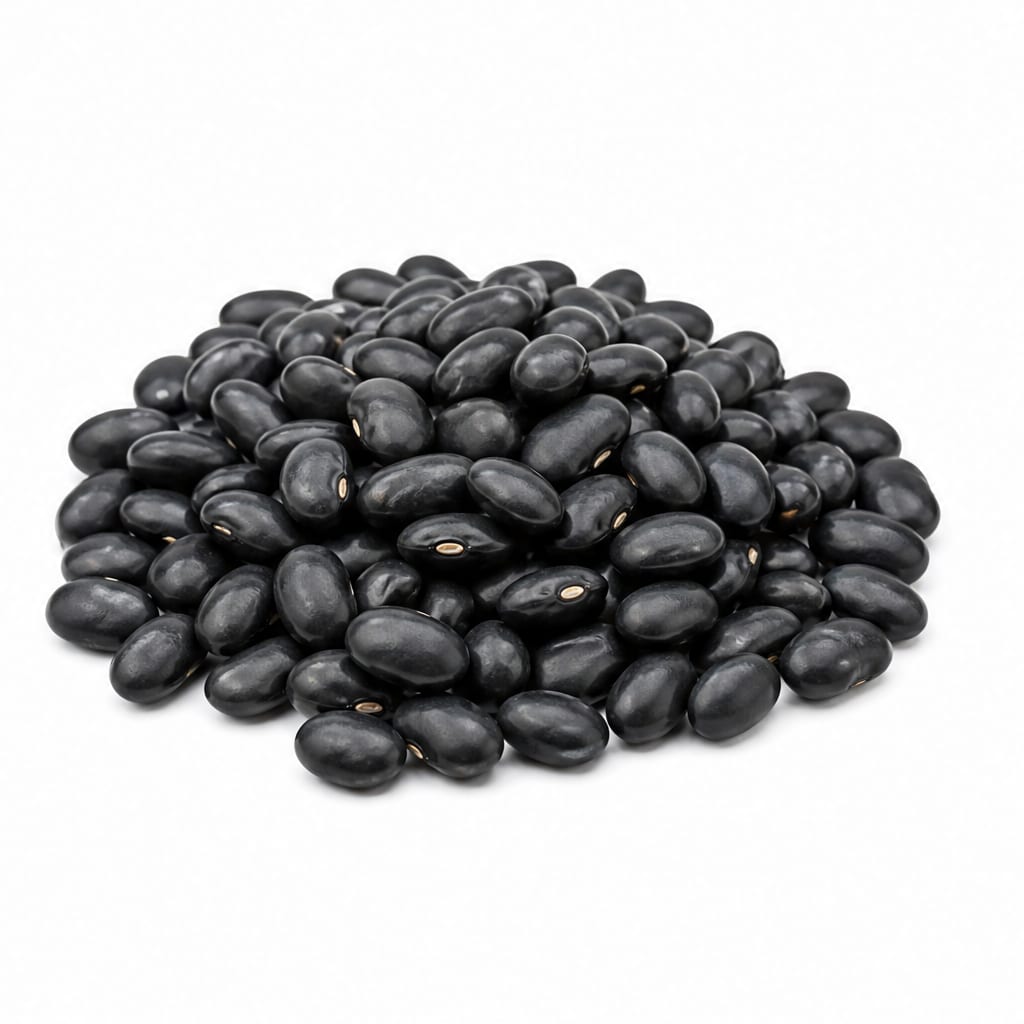
Black Beans
Black Beans win on fiber, antioxidants, and everyday practicality, while Broad Beans offer unique neurological benefits and slightly more protein per calorie.
Black Beans score higher due to superior fiber, broader micronutrient coverage, antioxidant density, and fewer safety concerns. Broad Beans remain valuable for their unique L-dopa content and protein density but lose points on availability, favism risk, and cooking convenience.
Broad Beans give you L-dopa and denser protein, but Black Beans deliver superior fiber, broader mineral coverage, and easier daily integration without safety concerns.
At a glance
Executive summary
Overall
Black Beans
Healthier
Black Beans
More practical
Black Beans
Daily use
Black Beans
Key comparison lenses
protein quality and plant-based meal building
Both are protein-rich legumes, but differ significantly in amino acid profile and protein density per serving
fiber and digestive health
Black Beans deliver substantially more fiber, making this a key differentiator for gut health and satiety decisions
safety and genetic sensitivity concerns
Broad Beans carry a unique favism risk for G6PD-deficient individuals that Black Beans do not
antioxidant and anti-inflammatory benefits
Black Beans are anthocyanin powerhouses while Broad Beans offer L-dopa, creating distinct health value paths
everyday cooking versatility and availability
Black Beans are pantry staples worldwide; Broad Beans are more seasonal and less versatile in quick meals
Best choice for
Broad Bean
- People seeking L-dopa for dopamine support or Parkinson's management
- Those wanting higher protein density per calorie from a legume
- Mediterranean diet followers wanting authentic regional cuisine
- Anyone avoiding nightshades who needs a hearty base ingredient
Black Beans
- People prioritizing gut health and digestive regularity
- Anyone managing blood sugar or insulin resistance
- Budget-conscious shoppers needing a versatile pantry staple
- Those wanting maximum antioxidant protection from daily meals
Least suitable for
Broad Bean
- Anyone with G6PD deficiency due to favism risk
- People prone to gout flares from purine-rich foods
- Those wanting a quick-cooking weeknight protein option
Black Beans
- People strictly limiting oxalate intake
- Those new to high-fiber diets who need gradual introduction
- Anyone wanting a fresh seasonal vegetable experience rather than a pantry staple
Deep comparison
Dimension by dimension
Each lens scores both foods and breaks down who each option suits.
- Dimension 1 · Priority 92Broad Bean
protein content and quality
Broad Bean · 82Black Beans · 75Broad Beans edge ahead with slightly more protein per calorie and a favorable amino acid profile, though both are solid plant protein sources.
Tradeoff
Broad Beans give you denser protein but lack the fiber that helps protein feel more satisfying and last longer in your system.
Why it matters
For plant-based eaters, every gram of protein matters. Broad Beans deliver about 8g per 100g cooked versus 7g for Black Beans, but the difference is modest.
Real-world impact
After a Broad Bean meal you may feel slightly more protein-satisfied, but after Black Beans you stay full longer thanks to the fiber pairing with protein.
Broad Bean
- Post-workout meals where protein density is the priority
- Plant-based athletes tracking protein per calorie closely
Better for
- Recovery meals needing both protein and fiber for steady refueling
Worse for
Black Beans
- Meals where sustained energy matters more than peak protein
- Anyone who finds high-protein meals without fiber leaves them hungry again fast
Better for
- Situations where maximizing protein per bite is critical
Worse for
- Dimension 2 · Priority 88Black Beans
fiber and digestive health
Broad Bean · 55Black Beans · 92Black Beans are fiber champions at roughly 8g per 100g cooked, nearly double what Broad Beans offer.
Tradeoff
You gain outstanding gut health and blood sugar stability with Black Beans, but must adjust gradually if your body is not used to high fiber.
Why it matters
Fiber is the single most underconsumed nutrient in Western diets. Black Beans make a meaningful dent in daily requirements in just one serving.
Real-world impact
A single cup of Black Beans covers nearly a third of your daily fiber needs. Broad Beans cover about half that, leaving you reaching for more fiber elsewhere.
Broad Bean
- People with sensitive digestion who find very high-fiber meals uncomfortable
Better for
- Reliance on supplements or other foods to hit fiber targets
Worse for
Black Beans
- Anyone struggling with constipation or irregular digestion
- Blood sugar management where fiber slows glucose absorption
- Gut microbiome support through prebiotic fiber
Better for
- First-time users may experience bloating if they eat a full serving immediately
Worse for
- Dimension 3 · Priority 80Black Beans
antioxidant and anti-inflammatory profile
Broad Bean · 65Black Beans · 88Black Beans rank among the top antioxidant foods globally due to their dark anthocyanin-rich skin. Broad Beans offer L-dopa but less overall antioxidant diversity.
Tradeoff
Black Beans protect cells broadly through diverse antioxidants; Broad Beans offer a targeted neurological compound but less general cellular defense.
Why it matters
Chronic inflammation drives most age-related disease. Daily antioxidant intake from food is one of the most practical preventive strategies available.
Real-world impact
Regular Black Bean consumption is linked to lower markers of systemic inflammation. Broad Beans support dopamine pathways but contribute less to overall antioxidant load.
Broad Bean
- Those specifically interested in L-dopa for dopamine or Parkinson's support
Better for
- General antioxidant coverage compared to darker-pigmented legumes
Worse for
Black Beans
- Long-term cellular protection and anti-aging strategies
- Reducing chronic inflammation through daily food choices
Better for
- Lacks the unique neurological compound L-dopa found in Broad Beans
Worse for
- Dimension 4 · Priority 85Black Beans
safety and genetic sensitivity
Broad Bean · 50Black Beans · 90Broad Beans carry a serious favism risk for people with G6PD deficiency, while Black Beans have no equivalent genetic safety concern.
Tradeoff
Broad Beans offer unique nutrients but come with a rare but potentially severe health risk for a specific population. Black Beans are safe across nearly all genetic profiles.
Why it matters
G6PD deficiency affects over 400 million people worldwide. For them, eating Broad Beans can trigger hemolytic anemia, a serious and potentially dangerous condition.
Real-world impact
If you have G6PD deficiency and are unaware, a Broad Bean meal could land you in the hospital. Black Beans carry no such risk.
Broad Bean
- People confirmed to not have G6PD deficiency who want L-dopa benefits
Better for
- Unscreened individuals who may carry G6PD deficiency unknowingly
Worse for
Black Beans
- Anyone unsure of their G6PD status
- Families cooking shared meals where genetic backgrounds vary
Better for
- No meaningful safety downside compared to Broad Beans
Worse for
- Dimension 5 · Priority 78Black Beans
mineral density and micronutrient breadth
Broad Bean · 70Black Beans · 82Black Beans provide broader mineral coverage including more iron, magnesium, and potassium per serving. Broad Beans excel in folate and manganese.
Tradeoff
Black Beans are the better all-round mineral source, but Broad Beans deliver notably more folate, which matters for pregnancy and cell repair.
Why it matters
Mineral deficiencies are common and cumulative. Choosing foods that cover more bases reduces the need for supplementation.
Real-world impact
A Black Bean burrito bowl quietly tops up iron, magnesium, and potassium. A Broad Bean dish shines for folate but leaves more mineral gaps.
Broad Bean
- Pregnant women or those planning conception needing extra folate
- Anyone focused on manganese for bone and connective tissue health
Better for
- Lower iron content may not support those with deficiency as effectively
Worse for
Black Beans
- Iron-deficient individuals needing plant-based iron sources
- People wanting broad mineral insurance from a single food
Better for
- Folate content is good but not as concentrated as in Broad Beans
Worse for
- Dimension 6 · Priority 75Black Beans
cooking convenience and availability
Broad Bean · 50Black Beans · 88Black Beans are available everywhere year-round in dried and canned forms. Broad Beans are seasonal, less commonly stocked, and often require shelling and peeling.
Tradeoff
Black Beans are a set-and-forget pantry staple. Broad Beans require more effort to source and prepare but reward you with a unique fresh flavor when in season.
Why it matters
The best healthy food is the one you actually cook and eat regularly. Convenience drives consistency more than nutrition knowledge.
Real-world impact
You can find canned Black Beans in nearly any grocery store and have a meal in 10 minutes. Fresh Broad Beans require hunting, shelling, blanching, and peeling.
Broad Bean
- Spring farmers market shoppers wanting a seasonal treat
- Home cooks who enjoy slower, more intentional meal preparation
Better for
- Spontaneous cooking is difficult without pre-planned sourcing
Worse for
Black Beans
- Busy weeknight dinners needing a quick protein and fiber base
- Meal preppers who want reliable pantry ingredients year-round
Better for
- Lacks the culinary novelty and seasonal excitement of fresh Broad Beans
Worse for
Timeline
Health impact over time
Short-term
Hours to days
Broad Bean
- Noticeable satiety from protein but may feel less full than expected due to lower fiber
- Potential digestive gas, especially if not accustomed to legumes
- Fresh Broad Beans in season provide a satisfying, slightly sweet and buttery eating experience
Black Beans
- Strong and lasting fullness from the fiber-protein combination
- Possible bloating or gas if introduced too quickly in large portions
- Steady energy without the crash that comes from lower-fiber carbohydrate sources
Long-term
Months to years
Broad Bean
- Consistent L-dopa intake may support dopamine-related neurological health
- Folate richness benefits cell repair and cardiovascular health over time
- G6PD-deficient individuals face serious cumulative risk if consumption continues undiagnosed
Black Beans
- Superior fiber intake supports reduced colorectal cancer risk and healthier gut microbiome diversity
- Anthocyanin consumption linked to lower cardiovascular disease markers over years
- Consistent mineral intake supports bone density and metabolic function long-term
Risk profile
Safety & processing
Both Broad Beans and Black Beans are whole, minimally processed foods in their natural form. Canned versions of either may contain added sodium, so rinsing is recommended. Neither carries significant additive concerns when purchased dried or frozen.
Broad Bean
Favism in G6PD-deficient individuals
highBroad Beans contain vicine and convicine, which can trigger acute hemolytic anemia in people with G6PD deficiency. This affects hundreds of millions globally, particularly those of Mediterranean, African, and Southeast Asian descent.
Purine load and gout
mediumBroad Beans are moderately high in purines, which can exacerbate gout in susceptible individuals when consumed frequently.
Black Beans
Oxalate content
lowBlack Beans contain moderate oxalates, which may be a concern for people prone to calcium oxalate kidney stones, though the risk is low for most people.
Phytic acid reducing mineral absorption
lowLike all legumes, Black Beans contain phytic acid which can reduce absorption of iron and zinc. Soaking and cooking significantly reduces this effect.
Who wins for whom
Audience fit
Same foods, different winners depending on your goal.
children
Black BeansBlack Beans are safer for children who may not yet know their G6PD status and are easier to incorporate into kid-friendly meals like burritos and dips.
daily consumption
Black BeansBlack Beans are easier to source, prepare, and digest regularly, with no genetic safety concerns and broader nutrient coverage for daily use.
diabetes
Black BeansThe superior fiber content in Black Beans slows glucose absorption more effectively, leading to steadier blood sugar responses.
elderly
Black BeansBlack Beans support digestive regularity, cardiovascular health, and bone density through broader mineral content, all critical concerns for aging adults.
muscle gain
Broad BeanBroad Beans offer slightly denser protein per calorie and contain L-dopa, which may support growth hormone signaling indirectly.
weight loss
Black BeansBlack Beans deliver more fiber per calorie, keeping you fuller longer and reducing the urge to snack between meals.
Your move
Decision guide
Choose Broad Bean
- You have confirmed you do not have G6PD deficiency and want L-dopa benefits
- You are seeking higher protein density from a legume source
- You enjoy seasonal cooking and can access fresh Broad Beans in spring
- You follow a Mediterranean dietary pattern and want authentic ingredients
Choose Black Beans
- You want maximum fiber and gut health support from your meals
- You need a versatile, affordable pantry staple available year-round
- You are managing blood sugar, weight, or cardiovascular risk factors
- You are cooking for a family and need to avoid genetic safety risks
Either works if
- You simply want a nutritious plant-based protein and both are available
- You rotate legume varieties for microbiome diversity, which is ideal
- You are meeting daily folate or iron targets and either helps close the gap
Avoid both if
- You have severe legume allergies or intolerances
- You are in an acute gout flare and need to limit all purine-rich foods temporarily
- You cannot tolerate any dietary fiber increase without medical guidance
Final recommendation
Make Black Beans your daily legume for their fiber, safety, and convenience. Add Broad Beans as an occasional seasonal choice when you want their unique L-dopa benefit and fresh flavor. Rotating both gives you the broadest nutrient coverage while minimizing the risks of either one.
Practical
Consumer tips
- 1
Rinse canned Black Beans thoroughly to remove up to 40% of the added sodium
- 2
If trying Broad Beans, start with a small portion to assess your tolerance, especially if you are unsure of your G6PD status
- 3
Soak dried Black Beans overnight and discard the water to reduce gas-causing oligosaccharides and phytic acid
- 4
Fresh Broad Beans are worth seeking in spring but frozen Broad Beans are a solid year-round alternative with minimal quality loss
- 5
Pair either bean with a vitamin C source like bell peppers or tomatoes to dramatically boost iron absorption
- 6
If you have Mediterranean, African, or Southeast Asian heritage, consider G6PD testing before making Broad Beans a regular part of your diet