
Nutrition comparison
Broad Beans vs Lima Beans: Nutrition, Safety, and Which to Eat Daily
Compare Broad Beans and Lima Beans on protein, fiber, calories, safety risks, and daily usability. Find out which bean fits your health goals better.
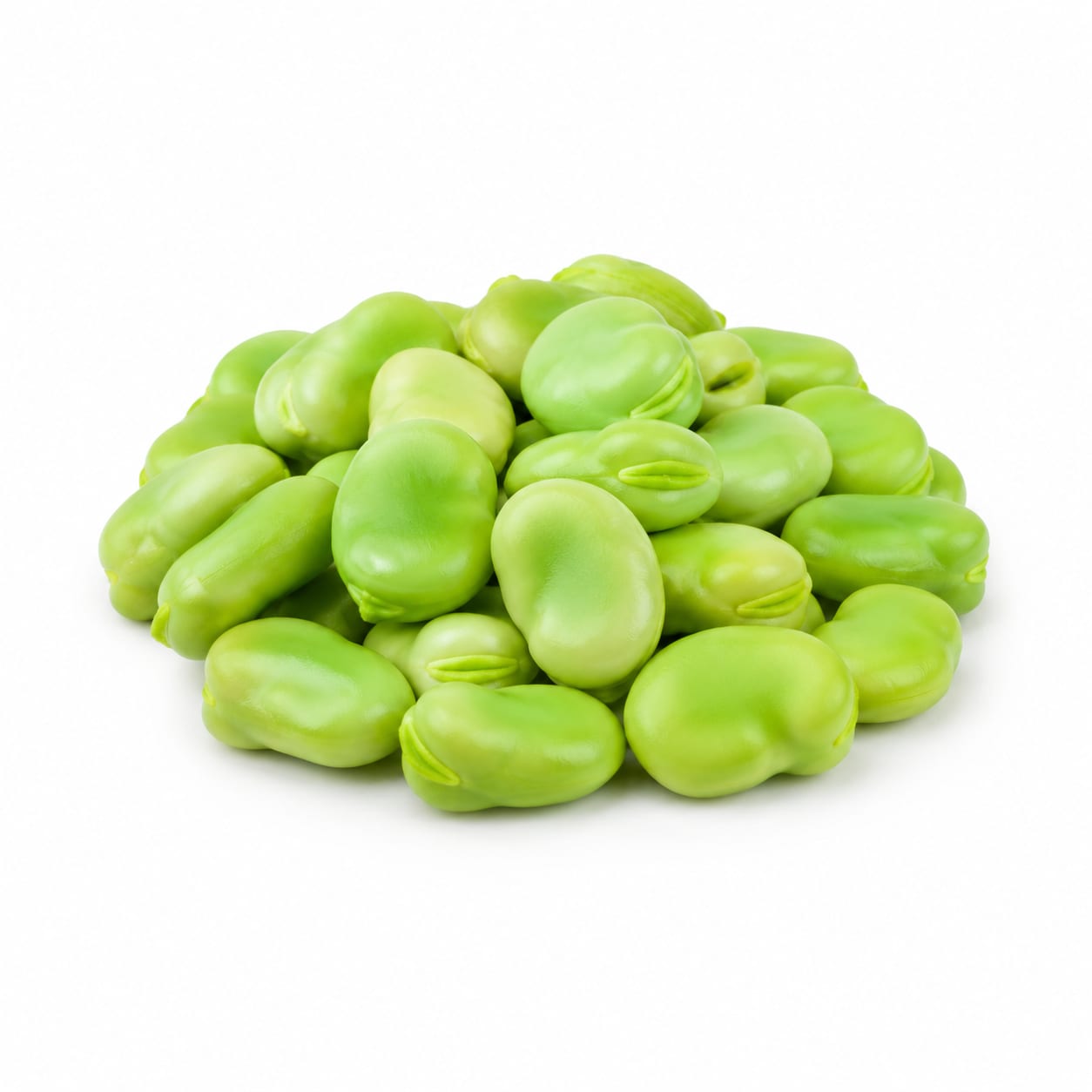
Broad Bean
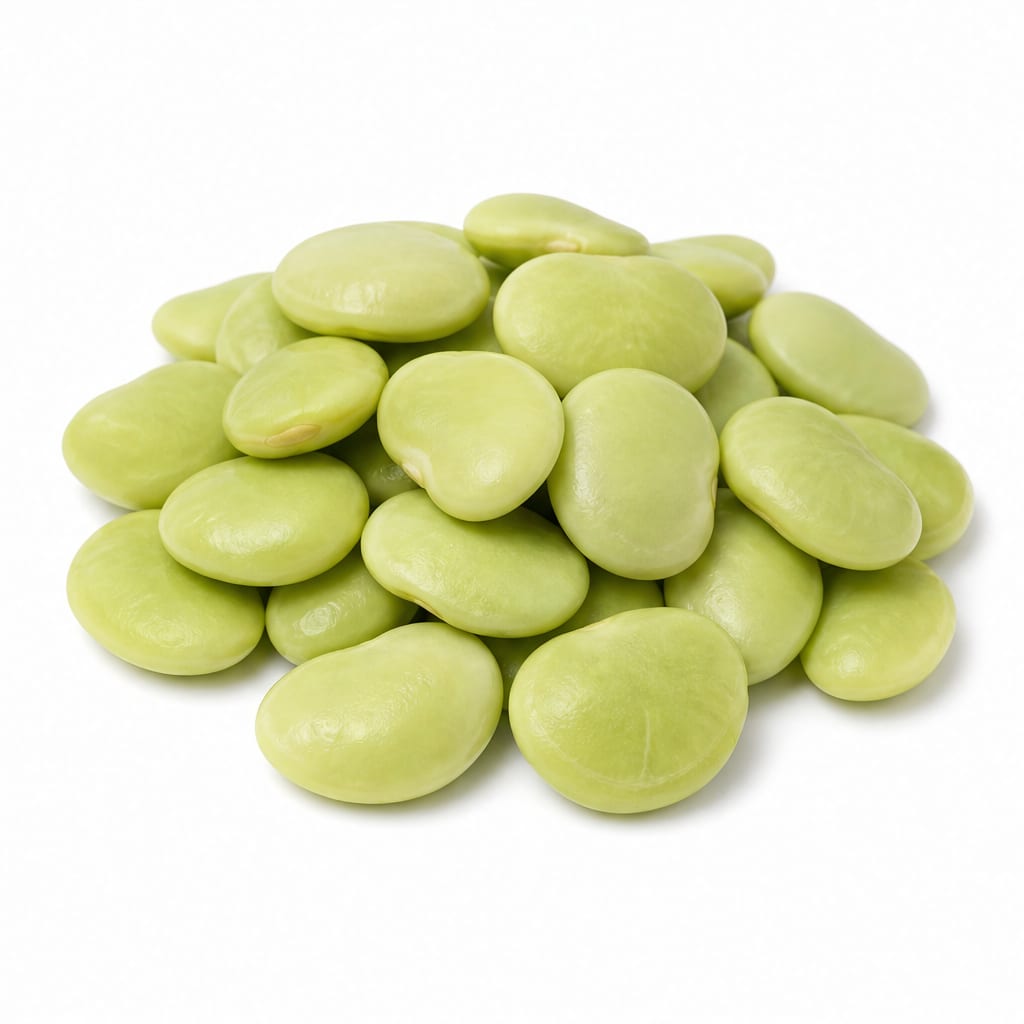
Lima Beans
Lima Beans win on fiber, satiety, and mineral density, while Broad Beans offer fewer calories and a unique dopamine-boosting compound. Your pick depends on whether you prioritize fullness or lighter meals.
Lima Beans score higher due to superior fiber, mineral density, and satiety. Broad Beans remain valuable for their lower calorie load and unique L-dopa content, but the broader nutritional edge goes to Lima Beans for most everyday use cases.
Lima Beans keep you fuller longer but cost more calories; Broad Beans are lighter and uniquely support mood and motor function but leave you hungry sooner.
At a glance
Executive summary
Overall
It depends
Healthier
Lima Beans
More practical
Lima Beans
Daily use
Lima Beans
Key comparison lenses
protein quality and plant-based meal building
Both are legume staples valued for protein, so users likely want to know which builds a better plant-based plate
digestive tolerance and gas concerns
Beans are notorious for bloating; users want to know which is gentler on the stomach
safety and toxicity risks
Broad Beans carry favism risk and Lima Beans contain cyanogenic glycosides requiring proper cooking
weight management and satiety
Calorie and fiber differences matter for users tracking intake or seeking fullness
mineral density and anemia support
Both are iron-rich legumes often chosen by those avoiding meat
Best choice for
Broad Bean
- Lighter meals where you want plant protein without heaviness
- People with Parkinson's disease seeking natural L-dopa sources
- Lower-calorie bean options during cutting phases
- Mediterranean and Middle Eastern recipe authenticity
Lima Beans
- Sustained energy and long-lasting fullness between meals
- Iron-deficient individuals needing maximum mineral absorption
- Heart health focused diets requiring potassium and fiber
- Batch cooking and meal prep due to better storage texture
Least suitable for
Broad Bean
- People with G6PD deficiency due to favism risk
- Those needing high satiety from a single serving
- Anyone seeking a calorie-dense post-workout recovery meal
Lima Beans
- People strictly limiting calories or carbohydrates
- Those sensitive to higher fiber loads who experience bloating
- Raw food enthusiasts unwilling to thoroughly cook beans
Deep comparison
Dimension by dimension
Each lens scores both foods and breaks down who each option suits.
- Dimension 1 · Priority 90Lima Beans
protein content and quality
Broad Bean · 68Lima Beans · 78Lima Beans deliver roughly 50% more protein per cooked cup, making them a stronger anchor for plant-based meals.
Tradeoff
Broad Beans still provide solid protein at a lower calorie cost, which matters if you are watching intake.
Why it matters
Protein from legumes is incomplete but still critical for muscle maintenance, especially on plant-forward diets.
Real-world impact
A cup of Lima Beans gets you noticeably closer to your protein target without needing a supplement or second protein source.
Broad Bean
- Meals where you want protein but also want room for other foods
Better for
- Recovering athletes needing maximum protein per serving
Worse for
Lima Beans
- Post-workout recovery
- Building a high-protein plant-based bowl
Better for
- Small appetites who find high-protein bean portions too filling
Worse for
- Dimension 2 · Priority 88Lima Beans
fiber and satiety
Broad Bean · 55Lima Beans · 88Lima Beans nearly double the fiber of Broad Beans, translating to much longer-lasting fullness.
Tradeoff
That extra fiber can mean more bloating if your gut is not accustomed to high-fiber legumes.
Why it matters
Fiber is the single biggest predictor of whether a meal actually holds you over until the next one.
Real-world impact
Lima Beans at lunch can prevent the 3 PM energy crash and vending machine visit; Broad Beans likely will not.
Broad Bean
- People with sensitive digestion who need moderate fiber
- Lighter meals before exercise
Better for
- Anyone relying on a single bean dish to stay full for hours
Worse for
Lima Beans
- Weight management through natural appetite suppression
- Stabilizing blood sugar between meals
Better for
- Sudden fiber increases that cause gas and discomfort
Worse for
- Dimension 3 · Priority 82Broad Bean
calorie density and weight management
Broad Bean · 82Lima Beans · 62Broad Beans cost roughly 30% fewer calories per cup, giving you more plate flexibility.
Tradeoff
Fewer calories also means less staying power, so you may eat again sooner.
Why it matters
For calorie trackers, every 50-80 calories per serving adds up over the week.
Real-world impact
You can pair Broad Beans with olive oil and vegetables without blowing past your calorie budget; Lima Beans require more careful portioning.
Broad Bean
- Cutting phases where every calorie matters
- Larger-volume meals without calorie overload
Better for
- Hard gainers struggling to eat enough
Worse for
Lima Beans
- Bulking or maintenance where calorie density is welcome
Better for
- Strict calorie counters who find bean portions sneaky high
Worse for
- Dimension 4 · Priority 78Lima Beans
mineral density and anemia support
Broad Bean · 65Lima Beans · 82Lima Beans provide more iron, magnesium, and potassium per serving, making them a stronger mineral booster.
Tradeoff
Broad Beans still deliver respectable iron and are particularly rich in folate and manganese.
Why it matters
Iron deficiency is the world's most common nutrient gap, and plant-based eaters need every advantage.
Real-world impact
If you are borderline anemic and avoiding red meat, Lima Beans are the better daily staple to keep levels up.
Broad Bean
- Pregnancy nutrition where folate is the priority
- Manganese needs for bone and connective tissue health
Better for
- Those relying heavily on beans for iron who need maximum output per serving
Worse for
Lima Beans
- Combating iron deficiency without supplements
- Blood pressure management through potassium intake
Better for
- People on potassium-restricted diets due to kidney issues
Worse for
- Dimension 5 · Priority 80It depends
safety and toxicity risks
Broad Bean · 70Lima Beans · 68Both carry unique risks: Broad Beans trigger favism in G6PD-deficient individuals, while undercooked Lima Beans release cyanide compounds.
Tradeoff
Lima Bean risks are eliminated by thorough cooking; Broad Bean risks are genetic and cannot be cooked away.
Why it matters
A safety issue that cooking solves is more manageable than one tied to your genetics.
Real-world impact
If you have G6PD deficiency, Broad Beans are genuinely dangerous. If you simply undercook Lima Beans once, you might feel unwell but it is unlikely to be severe with common varieties.
Broad Bean
- People without G6PD deficiency who cook normally
- Those worried about cyanogenic compounds in other foods
Better for
- G6PD-deficient individuals who could face hemolytic anemia
Worse for
Lima Beans
- Anyone with known G6PD deficiency
- People who prefer risks that cooking can eliminate
Better for
- Impatient cooks who might undercook beans
Worse for
- Dimension 6 · Priority 72Broad Bean
unique functional compounds
Broad Bean · 85Lima Beans · 55Broad Beans are the only common food naturally rich in L-dopa, a dopamine precursor with documented neurological relevance.
Tradeoff
L-dopa benefits are specific to certain populations and not a general wellness advantage for everyone.
Why it matters
For people with Parkinson's or those interested in dopamine support, this is a genuinely rare dietary asset.
Real-world impact
A Broad Bean snack might subtly support motor function and mood in ways no other bean can replicate.
Broad Bean
- Parkinson's patients seeking dietary L-dopa
- People interested in natural dopamine support
Better for
- Anyone expecting dramatic mood effects from dietary L-dopa alone
Worse for
Lima Beans
- General health where no specific functional compound is targeted
Better for
- Neurological health support beyond basic nutrition
Worse for
- Dimension 7 · Priority 76Broad Bean
digestive tolerance
Broad Bean · 72Lima Beans · 60Broad Beans are generally easier to digest due to lower fiber and oligosaccharide content, causing less gas.
Tradeoff
Easier digestion comes with less digestive health benefit from fiber fermentation.
Why it matters
If beans make you bloated, the one that causes less distress is the one you will actually keep eating.
Real-world impact
Broad Beans are a safer bet for bean newcomers or for a first date lunch; Lima Beans might require strategic timing.
Broad Bean
- Bean beginners building tolerance gradually
- Social situations where bloating is unwelcome
Better for
- Those wanting maximum prebiotic fiber for gut health
Worse for
Lima Beans
- Established plant-based eaters with adapted gut microbiomes
Better for
- People with IBS or sensitive digestion
Worse for
Timeline
Health impact over time
Short-term
Hours to days
Broad Bean
- Moderate satiety without heaviness, making it comfortable before activity
- Lower risk of post-meal bloating compared to denser legumes
- Possible mild mood lift from L-dopa content, though effects vary
Lima Beans
- Strong fullness that can last 4-5 hours, reducing snacking urges
- Higher chance of gas or bloating if your gut is not fiber-adapted
- Steadier blood sugar after eating due to high fiber slowing glucose absorption
Long-term
Months to years
Broad Bean
- Consistent folate intake supports cell repair and pregnancy health
- L-dopa exposure may offer neuroprotective benefits over decades
- Lower fiber intake means less long-term gut microbiome diversity support
Lima Beans
- Superior fiber intake reduces colorectal cancer risk and improves cholesterol
- Higher iron and potassium intake supports cardiovascular health long-term
- Sustained satiety contributes to easier weight maintenance over years
Risk profile
Safety & processing
Both Broad Beans and Lima Beans are whole, minimally processed foods. Canned versions may contain added sodium, but dried or frozen forms are as natural as it gets. Neither carries ultra-processing concerns.
Broad Bean
Favism in G6PD-deficient individuals
highCan trigger acute hemolytic anemia in people with G6PD deficiency, a genetic condition affecting millions worldwide. This risk cannot be reduced by cooking.
Moderate purine content
lowMay aggravate gout in susceptible individuals, though most people tolerate them fine.
Lima Beans
Cyanogenic glycosides in raw or undercooked beans
mediumRaw Lima Beans contain linamarin, which releases cyanide. Thorough cooking eliminates this risk entirely. Common butter bean varieties sold in stores have very low levels.
Lectin content in undercooked beans
lowLike all legumes, undercooked Lima Beans contain lectins that can cause nausea. Proper cooking neutralizes them.
Who wins for whom
Audience fit
Same foods, different winners depending on your goal.
children
Broad BeanLower fiber is gentler on small digestive systems, and the favism risk is only relevant for children with diagnosed G6PD deficiency.
daily consumption
Lima BeansBetter all-around nutrient density and satiety make Lima Beans a stronger daily staple for most people.
diabetes
Lima BeansHigher fiber slows glucose absorption more effectively, leading to steadier blood sugar responses.
elderly
Lima BeansHigher potassium supports blood pressure management, and superior fiber helps with common constipation issues in older adults.
muscle gain
Lima BeansMore protein per serving makes Lima Beans a stronger contributor to muscle-building meals.
weight loss
It dependsBroad Beans for calorie restrictors who want volume; Lima Beans for those who need fiber-driven satiety to prevent overeating later.
Your move
Decision guide
Choose Broad Bean
- You want a lighter bean that does not sit heavy before activity
- You have no G6PD deficiency and want L-dopa's unique neurological benefits
- You are calorie counting and need protein without the energy cost
- You are cooking Mediterranean dishes where Broad Beans are traditional
Choose Lima Beans
- You want one bean dish to keep you full for hours
- You are plant-based and need maximum iron and mineral intake
- You are meal prepping and want a bean that reheats with great texture
- You have G6PD deficiency and need a safe legume option
Either works if
- You simply want a nutritious legume to rotate into your week
- You are building a bean salad or soup where either works
- You have no specific health condition that favors one over the other
Avoid both if
- You have severe legume allergies
- You are on a very low-carb or ketogenic diet
- You cannot tolerate any bean-related bloating regardless of type
Final recommendation
For most people seeking a daily legume staple, Lima Beans edge out Broad Beans thanks to superior fiber, protein, and mineral content. But Broad Beans earn a permanent spot in your rotation if you value lighter meals, have no G6PD concerns, or want the rare L-dopa benefit. The best approach is alternating both to capture their complementary strengths.
Practical
Consumer tips
- 1
If using canned Lima Beans, rinse thoroughly to remove up to 40% of added sodium
- 2
Soak dried Broad Beans overnight to reduce cooking time and improve digestibility
- 3
Never eat Lima Beans raw or lightly steamed; boil for at least 10 minutes to neutralize cyanogenic compounds
- 4
If you are new to high-fiber beans, start with half-cup servings of Lima Beans and increase gradually over two weeks
- 5
Get tested for G6PD deficiency before making Broad Beans a regular part of your diet, especially if you have Mediterranean or African heritage
- 6
Pair either bean with vitamin C-rich foods like tomatoes or bell peppers to boost iron absorption by 2-3x
- 7
Frozen Broad Beans and Lima Beans retain nearly all nutrients and skip the soaking step entirely