
Nutrition comparison
Broad Beans vs Edamame: Which Legume Is Better for You?
Compare broad beans and edamame on protein quality, calories, safety, and convenience. Find out which legume fits your health goals and lifestyle better.
Overall winner · Edamame
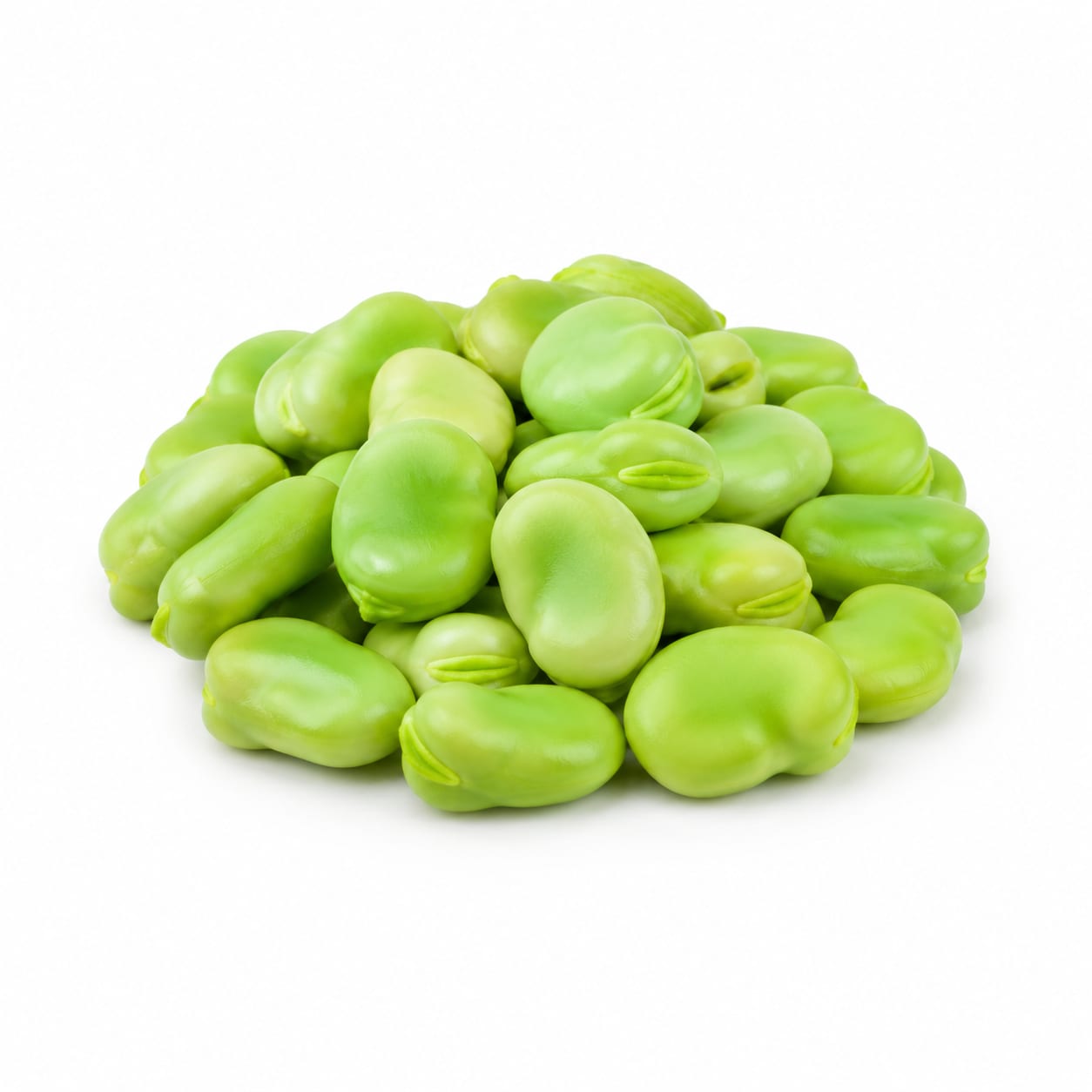
Broad Bean
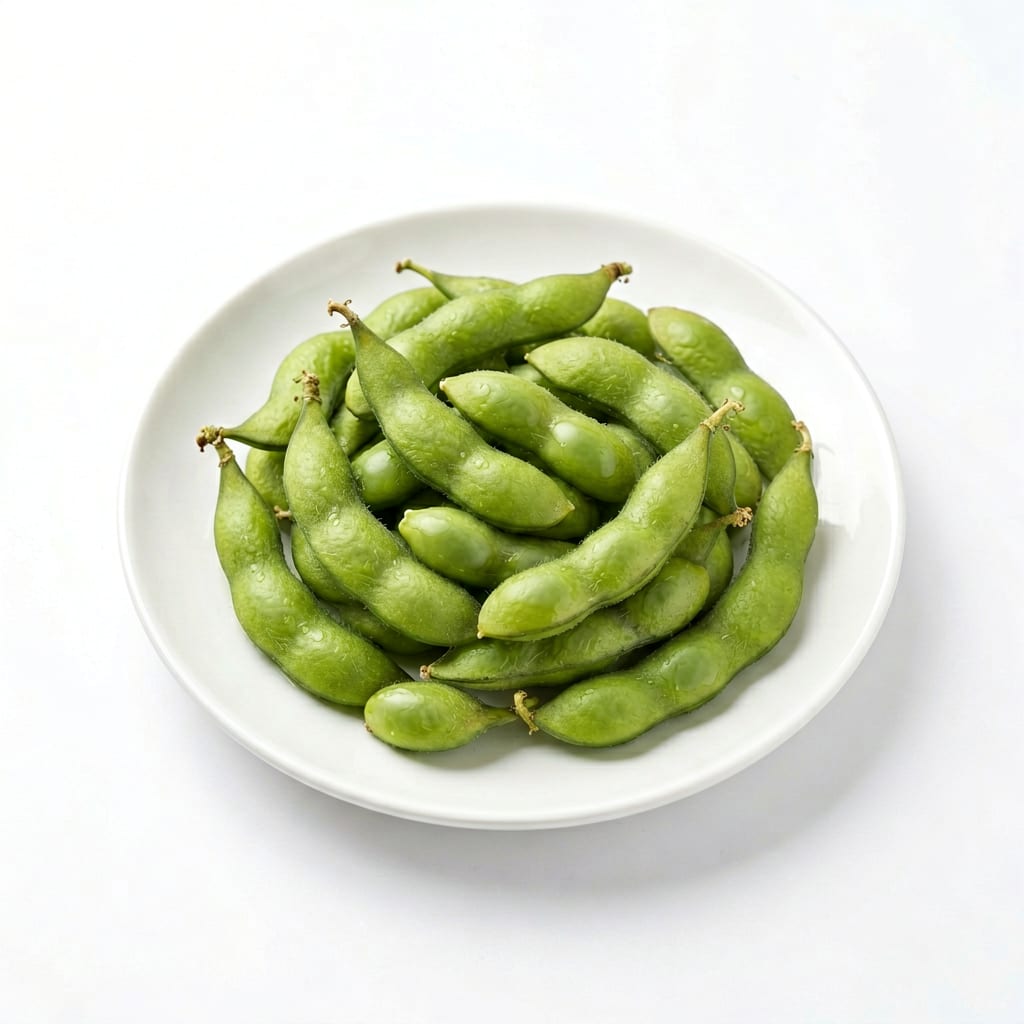
Edamame
Edamame edges ahead with complete protein, healthy fats, and snack-ready convenience, but broad beans win on calorie density and offer unique cognitive benefits from L-dopa.
Edamame scores higher due to complete protein, healthy fat content, and convenience. Broad beans remain strong on fiber and calorie efficiency but lose points on amino acid completeness and the favism safety concern.
More calories and fat in edamame for better protein quality and satiety versus fewer calories in broad beans but an incomplete amino acid profile and favism risk.
At a glance
Executive summary
Overall
Edamame
Healthier
Edamame
More practical
Edamame
Daily use
Edamame
Key comparison lenses
plant protein quality comparison
Both are top-tier legume protein sources, but edamame offers a complete amino acid profile while broad beans do not
snack convenience and readiness
Edamame is widely available as a ready-to-eat snack; broad beans typically require more preparation or come as roasted snacks with added sodium
allergy and genetic safety concerns
Broad beans carry favism risk for G6PD-deficient individuals; edamame carries soy allergy and GMO concerns that are uncommon in other legumes
weight management and calorie density
Broad beans are lower in calories and fat, making them attractive for calorie-conscious eaters, while edamame's healthy fats increase satiety
hormonal and anti-inflammatory effects
Edamame's isoflavones have unique hormonal effects that broad beans lack, relevant for menopause and inflammation contexts
Best choice for
Broad Bean
- Calorie-counters wanting high fiber with minimal fat
- People seeking L-dopa benefits for dopamine support
- Anyone avoiding soy due to allergy or hormonal concerns
- Budget-conscious shoppers in regions where fava beans are staple crops
Edamame
- Vegetarians and vegans needing complete protein
- Post-workout recovery snacks requiring all essential amino acids
- Women navigating perimenopause or menopause
- Anyone wanting a grab-and-go high-protein snack
Least suitable for
Broad Bean
- People with G6PD deficiency due to favism risk
- Those needing a complete protein source without combining foods
- Anyone wanting a quick no-prep snack from scratch
Edamame
- People with soy allergies
- Those avoiding GMO crops unless buying organic
- Individuals concerned about phytoestrogen effects on thyroid medication
Deep comparison
Dimension by dimension
Each lens scores both foods and breaks down who each option suits.
- Dimension 1 · Priority 95Edamame
Protein Quality and Content
Broad Bean · 65Edamame · 90Edamame delivers more protein per serving and contains all nine essential amino acids. Broad beans are protein-rich but fall short on methionine.
Tradeoff
You get roughly 30-40% more usable protein from edamame, but broad beans are leaner if you are tracking fat macros closely.
Why it matters
Complete proteins matter for muscle repair, immune function, and satiety—especially if legumes are your primary protein source.
Real-world impact
A bowl of edamame after a workout covers your recovery needs solo. Broad beans pair better with grains like rice to fill the amino acid gap.
Broad Bean
- Low-fat diet followers who get protein completeness from other foods
Better for
- Solo eaters needing one food to cover all essential amino acids
Worse for
Edamame
- Vegans relying on a single legume for protein
- Athletes needing efficient post-exercise amino acid delivery
Better for
- Strict low-fat dieters finding the fat content too high for their macro plan
Worse for
- Dimension 2 · Priority 88Edamame
Satiety and Fullness
Broad Bean · 72Edamame · 85Edamame keeps you fuller longer thanks to its protein-fat-fiber trio. Broad beans rely mostly on fiber and complex carbs for satiety.
Tradeoff
Edamame's fat content is the satiety driver, but it also adds calories. Broad beans fill you up with fewer calories but for a shorter duration.
Why it matters
Staying full between meals reduces snacking and makes portion control feel effortless rather than forced.
Real-world impact
A cup of edamame at 3 PM can carry you to dinner. Broad beans may leave you hunting for a snack an hour sooner.
Broad Bean
- Those who prefer eating smaller amounts more frequently
Better for
- Grazers who need long-lasting fullness from a single serving
Worse for
Edamame
- People who skip meals and need one snack to last hours
- Anyone prone to afternoon energy crashes and cravings
Better for
- People who feel uncomfortably heavy after high-fat snacks
Worse for
- Dimension 3 · Priority 82Broad Bean
Calorie Efficiency and Weight Management
Broad Bean · 85Edamame · 70Broad beans deliver strong nutrition at roughly 88 calories per 100g cooked versus edamame's 121 calories, with significantly less fat.
Tradeoff
Fewer calories in broad beans mean you can eat a larger volume, but you may feel hungry sooner and eat more overall.
Why it matters
Volume eating helps people feel satisfied on fewer calories, which is a proven weight loss strategy.
Real-world impact
If you are tracking calories strictly, broad beans let you eat more by volume. If you struggle with hunger, edamame's density may actually prevent overeating later.
Broad Bean
- Volume eaters who want large portions within a calorie budget
- Strict calorie counters in a cutting phase
Better for
- Those who find low-fat snacks unsatisfying and end up eating more
Worse for
Edamame
- People whose hunger returns quickly after low-fat meals
- Anyone finding that low-calorie snacks trigger more cravings
Better for
- Calorie-restricted dieters who cannot afford the extra 30+ calories per serving
Worse for
- Dimension 4 · Priority 80It depends
Safety and Allergy Risk
Broad Bean · 70Edamame · 72Both carry unique risks: broad beans trigger favism in G6PD-deficient people, while edamame carries soy allergy and GMO exposure concerns.
Tradeoff
Favism is severe but rare and genetically specific. Soy allergy is more common and GMO exposure is widespread unless you choose organic.
Why it matters
A food that is perfectly safe for 98% of people can be dangerous for you specifically. Knowing your genetic and allergic profile matters here.
Real-world impact
If you are of Mediterranean, African, or Middle Eastern descent, G6PD testing is wise before eating broad beans regularly. If you have any soy sensitivity, edamame is off the table.
Broad Bean
- People with known soy allergy or sensitivity
- Those avoiding phytoestrogens for hormonal reasons
Better for
- G6PD-deficient individuals who could experience hemolytic anemia
Worse for
Edamame
- Anyone with confirmed G6PD deficiency
- People in regions where broad bean preparation involves heavy salt or oil
Better for
- Soy-allergic individuals who risk reactions from even small exposures
Worse for
- Dimension 5 · Priority 78Edamame
Convenience and Accessibility
Broad Bean · 60Edamame · 88Edamame is available frozen and ready in minutes at nearly any grocery store. Broad beans typically require shelling, peeling, and longer cooking.
Tradeoff
Roasted broad bean snacks exist but are often high in sodium and oil. Fresh or dried broad beans demand real kitchen effort.
Why it matters
The healthiest food is the one you actually eat. Convenience often determines whether a healthy staple becomes a regular habit.
Real-world impact
Steaming frozen edamame takes 3 minutes. Preparing fresh broad beans can take 20+ minutes of shelling and blanching.
Broad Bean
- Home cooks who enjoy meal prep and batch cooking
- People in regions where broad beans are sold pre-prepared
Better for
- People who will skip healthy eating if prep takes too long
Worse for
Edamame
- Busy professionals needing a 5-minute protein snack
- Anyone stocking a freezer with healthy grab-and-go options
Better for
- Those living in areas with limited freezer space or grocery access
Worse for
- Dimension 6 · Priority 76Edamame
Heart Health and Anti-Inflammatory Potential
Broad Bean · 68Edamame · 85Edamame's unsaturated fats and isoflavones actively support cardiovascular health and reduce inflammation markers. Broad beans offer fiber and potassium but lack the fat-soluble protective compounds.
Tradeoff
Edamame's isoflavone benefits are well-studied for heart health but remain debated for thyroid and hormonal contexts.
Why it matters
Heart disease remains the leading cause of death globally, and daily food choices compound over decades.
Real-world impact
Regular edamame consumption is linked to improved cholesterol profiles. Broad beans support heart health indirectly through fiber but without the targeted lipid benefits.
Broad Bean
- People already managing heart health through other fat sources like olive oil
Better for
- Those relying on one legume to cover both protein and heart-protective fats
Worse for
Edamame
- Anyone wanting a single food that supports both protein needs and lipid profiles
- Women in midlife seeking dietary cardioprotection
Better for
- People on thyroid medication without medical guidance on soy intake timing
Worse for
- Dimension 7 · Priority 72It depends
Unique Functional Compounds
Broad Bean · 82Edamame · 80Broad beans are the richest natural source of L-dopa, a dopamine precursor. Edamame provides isoflavones with estrogenic and antioxidant activity.
Tradeoff
L-dopa may support mood and motor function but degrades with cooking. Isoflavones offer hormonal benefits but require consistent intake and may interact with medications.
Why it matters
These compounds go beyond basic nutrition and can meaningfully influence how you feel day to day.
Real-world impact
Broad beans eaten regularly may subtly support focus and motivation. Edamame eaten daily may ease hot flashes and support bone density in postmenopausal women.
Broad Bean
- People interested in natural dopamine support
- Older adults concerned about cognitive and motor decline
Better for
- Those expecting therapeutic L-dopa levels from cooked beans alone
Worse for
Edamame
- Perimenopausal and postmenopausal women
- Anyone seeking antioxidant protection with hormonal benefits
Better for
- People with estrogen-sensitive conditions without medical clearance
Worse for
Timeline
Health impact over time
Short-term
Hours to days
Broad Bean
- Steady energy from complex carbs without blood sugar spikes
- Possible bloating or gas if you are unaccustomed to high-fiber legumes
- Satiety that feels lighter and less heavy than fat-rich alternatives
Edamame
- Longer-lasting fullness from the protein-fat combination
- Mild digestive adjustment period if your gut is not used to soy fiber
- Quick protein replenishment after physical activity
Long-term
Months to years
Broad Bean
- Improved digestive regularity from consistent fiber intake
- Potential cognitive and mood support from regular L-dopa consumption
- Risk of hemolytic crisis if G6PD deficiency goes undiagnosed
Edamame
- Improved cholesterol and cardiovascular markers from isoflavones and unsaturated fats
- Possible bone density support in postmenopausal women
- Potential thyroid interaction with long-term high soy intake in susceptible individuals
Risk profile
Safety & processing
Both foods are whole legumes in their natural form. Frozen edamame is typically just steamed and frozen with no additives. Dried or roasted broad bean snacks, however, often add salt, oil, and flavorings that shift them into processed territory.
Broad Bean
Favism (G6PD deficiency reaction)
highCan trigger hemolytic anemia in genetically susceptible individuals, particularly those of Mediterranean, African, or Southeast Asian descent. Affects an estimated 400 million people globally.
Lectin content in raw beans
mediumRaw broad beans contain lectins that can cause digestive distress. Thorough cooking eliminates this risk entirely.
Edamame
Soy allergy
highSoy is one of the top 8 allergens. Reactions range from mild hives to anaphylaxis. Affects roughly 0.4% of children, many of whom outgrow it.
GMO exposure
mediumOver 90% of soy grown in the US is genetically modified. Choosing organic edamame eliminates this concern entirely.
Thyroid interaction
lowIsoflavones may interfere with thyroid hormone absorption in people with existing hypothyroidism, particularly when soy is consumed close to medication timing.
Who wins for whom
Audience fit
Same foods, different winners depending on your goal.
children
EdamameEdamame is a fun finger food with complete protein for growing bodies, but soy allergy screening is essential before introduction.
daily consumption
EdamameEdamame's convenience, complete protein, and heart-healthy fats make it easier to sustain as a daily habit without nutritional gaps.
diabetes
EdamameHigher protein and fat slow glucose absorption more effectively, though both have low glycemic loads and are strong choices.
elderly
It dependsBroad beans offer L-dopa for motor and cognitive support, while edamame supports bone density and heart health. The better choice depends on the individual's primary health concern.
muscle gain
EdamameComplete protein with all essential amino acids and higher total protein content per serving supports muscle repair more efficiently.
weight loss
Broad BeanLower calorie density allows larger portions within a calorie budget, though edamame's satiety advantage may prevent overeating for some people.
Your move
Decision guide
Choose Broad Bean
- You are strictly tracking calories and want maximum food volume per calorie
- You have a soy allergy or are avoiding soy for hormonal reasons
- You want natural L-dopa for mood, focus, or motor function support
- You enjoy cooking and do not mind the extra prep time for fresh beans
Choose Edamame
- You need a complete protein source, especially as a vegan or vegetarian
- You want a convenient frozen snack ready in under 5 minutes
- Heart health and cholesterol management are top priorities
- You are a woman in perimenopause or menopause seeking dietary support
Either works if
- You are simply looking for a high-fiber legume to add to salads and bowls
- You want a plant-based snack that is more satisfying than crackers or chips
- Your diet already includes diverse protein sources so completeness is not a concern
Avoid both if
- You have both G6PD deficiency and a soy allergy
- You experience severe digestive distress from all legumes due to FODMAP sensitivity
- You are on a strict very-low-carb or ketogenic diet where legumes exceed your carb limit
Final recommendation
For most people, edamame is the more practical and nutritionally complete daily choice. Its combination of complete protein, healthy fats, and freezer-to-table convenience makes it easier to stick with long-term. Choose broad beans when calorie density matters most, when you are avoiding soy, or when you want the unique cognitive benefits of L-dopa. Both are excellent legumes—neither is a wrong choice, but edamame fits more lives with less effort.
Practical
Consumer tips
- 1
Buy organic edamame to avoid GMO soy unless the label explicitly states non-GMO
- 2
If preparing fresh broad beans, blanch them for 30 seconds then slip off the tough outer skin for better texture and digestibility
- 3
Pair broad beans with a grain like quinoa or rice in the same meal to complete the amino acid profile
- 4
If you have thyroid issues, eat edamame at least 4 hours apart from your thyroid medication to avoid absorption interference
- 5
Roasted broad bean snacks are convenient but often high in sodium—check the label and compare brands
- 6
Keep a bag of frozen edamame in your freezer as a backup protein source for days when cooking feels like too much effort
- 7
If you are of Mediterranean, African, or Middle Eastern descent, ask your doctor about G6PD testing before making broad beans a regular part of your diet