
Nutrition comparison
Broad Beans vs Chickpeas: Nutrition, Safety, and Which Legume to Choose
Compare broad beans and chickpeas on protein, fiber, iron, safety, and versatility. Learn which legume fits your health goals and why the favism risk matters.
Overall winner · Chickpeas
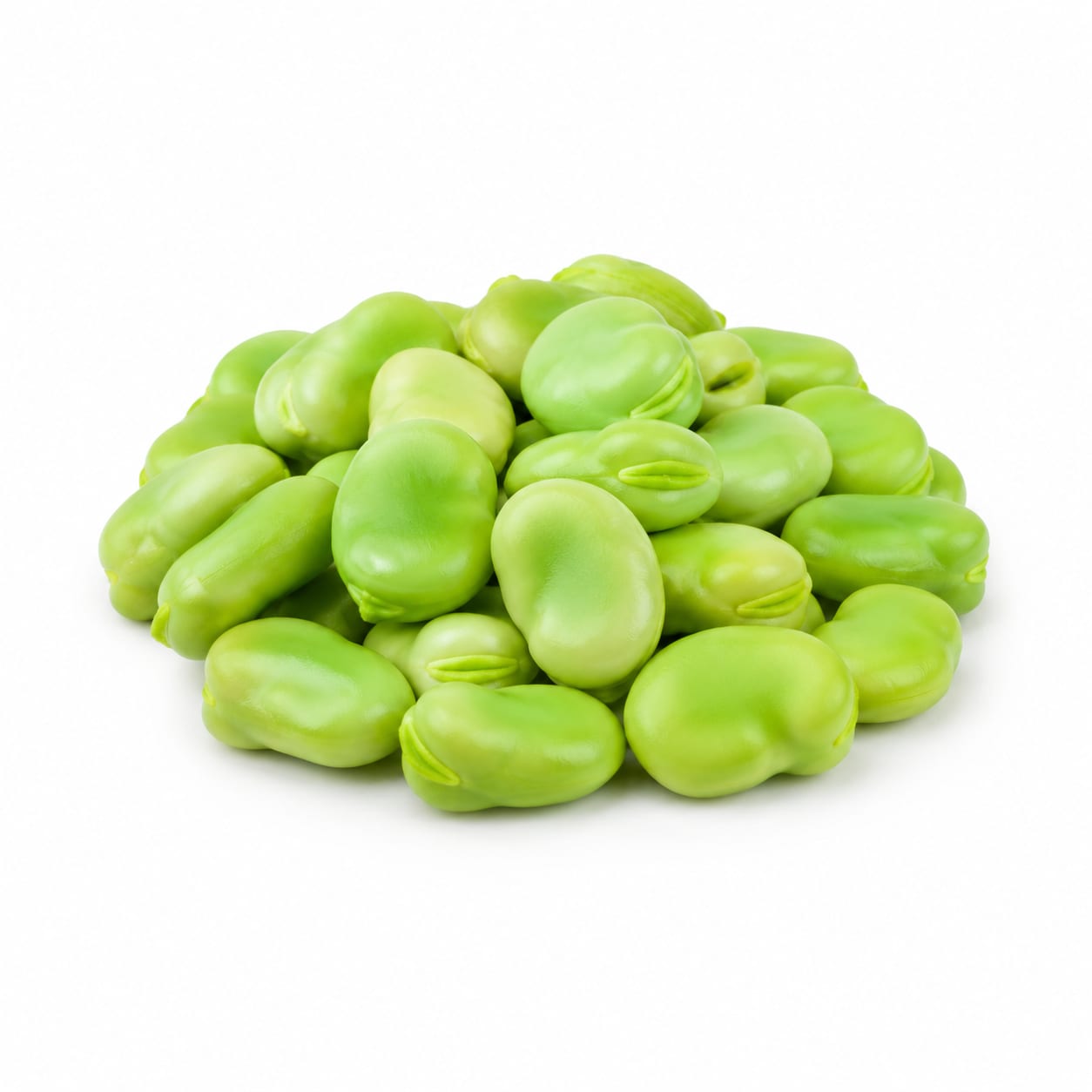
Broad Bean
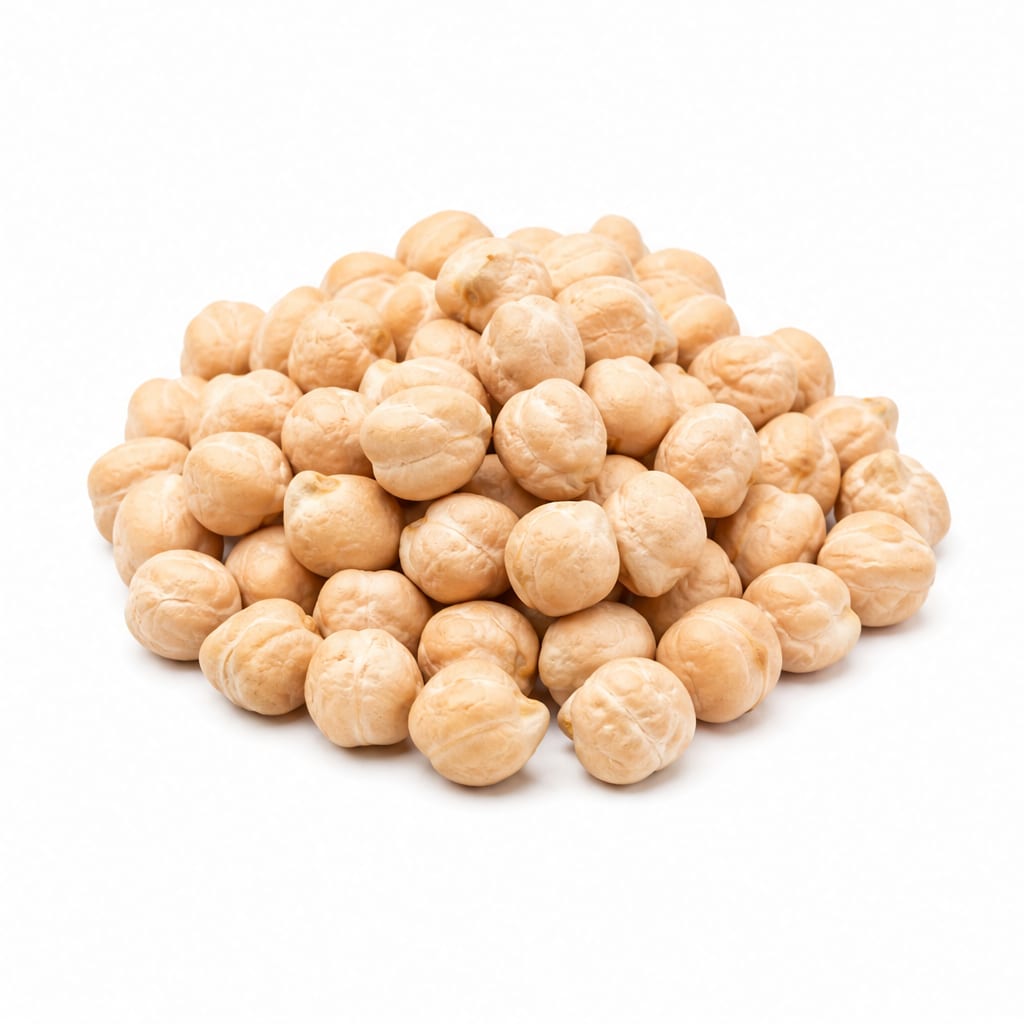
Chickpeas
Chickpeas win on versatility, safety, and everyday practicality, while broad beans offer superior iron and a unique dopamine-related compound called L-dopa.
Chickpeas score higher due to broader versatility, better safety profile, and easier daily integration. Broad beans remain nutritionally impressive but their favism risk and limited availability narrow their appeal.
Broad beans deliver more iron and L-dopa but carry a rare genetic safety risk and are harder to find and cook with. Chickpeas are safer, more versatile, and easier to incorporate daily.
At a glance
Executive summary
Overall
Chickpeas
Healthier
It depends
More practical
Chickpeas
Daily use
Chickpeas
Key comparison lenses
Protein and fiber tradeoffs between two legumes
Both are protein-rich legumes but differ meaningfully in amino acid profile and fiber type
Safety concern around favism and G6PD deficiency
Broad beans carry a unique genetic risk that chickpeas do not, which can be serious for affected individuals
Versatility and everyday meal integration
Chickpeas are dramatically more versatile in global cuisines and everyday cooking
Mineral density and micronutrient differences
Broad beans offer more iron and copper while chickpeas provide more manganese and folate
Blood sugar management and glycemic impact
Both are low-glycemic but chickpeas have a slight edge in starch digestibility and fiber profile
Best choice for
Broad Bean
- People needing extra iron intake
- Those interested in L-dopa benefits for mood or Parkinson's support
- Anyone seeking lower-calorie legume options
- Mediterranean and Middle Eastern cuisine enthusiasts
Chickpeas
- Everyday meal prep and batch cooking
- Plant-based eaters needing reliable protein
- People with G6PD deficiency concerns
- Anyone wanting maximum recipe versatility
Least suitable for
Broad Bean
- People with G6PD deficiency
- Those who need quick-cooking weeknight options
- Anyone unfamiliar with preparing fresh shell beans
Chickpeas
- People strictly limiting carbohydrate intake
- Those with severe chickpea-specific allergies
Deep comparison
Dimension by dimension
Each lens scores both foods and breaks down who each option suits.
- Dimension 1 · Priority 90Broad Bean
Protein Quality and Content
Broad Bean · 82Chickpeas · 76Broad beans edge out chickpeas with slightly more protein per calorie and a richer essential amino acid spread.
Tradeoff
The protein difference is modest and unlikely to matter unless legumes are your primary protein source.
Why it matters
For plant-based eaters relying heavily on legumes, every gram of protein and every amino acid counts toward meeting daily needs.
Real-world impact
A cup of broad beans gives you roughly 13g of protein versus 15g for chickpeas, but broad beans deliver it with fewer calories, making the protein-to-calorie ratio slightly better.
Broad Bean
- Plant-based athletes counting protein per calorie
- Anyone eating legumes as a primary protein source
Better for
- Those who find broad beans harder to eat in large quantities
Worse for
Chickpeas
- People who eat varied protein sources and value total protein volume
Better for
- Strict calorie counters wanting maximum protein efficiency
Worse for
- Dimension 2 · Priority 88Chickpeas
Fiber and Digestive Health
Broad Bean · 74Chickpeas · 85Chickpeas provide more total fiber and a better soluble-to-insoluble ratio, supporting gut health more consistently.
Tradeoff
Broad beans still offer solid fiber but less per serving, and their tougher skin can be harder to digest for some people.
Why it matters
Fiber type matters as much as amount. Soluble fiber feeds beneficial gut bacteria and steadies blood sugar, while insoluble fiber keeps digestion moving.
Real-world impact
A cup of chickpeas delivers about 12g of fiber versus 9g in broad beans. That difference adds up over a week of regular consumption, especially for gut health.
Broad Bean
- People who tolerate broad beans well and enjoy them regularly
Better for
- People with sensitive digestion who find bean skins irritating
Worse for
Chickpeas
- Anyone prioritizing gut microbiome health
- Those needing help with regularity
- People managing cholesterol through diet
Better for
- Those who experience bloating from very high fiber intake
Worse for
- Dimension 3 · Priority 95Chickpeas
Safety and Genetic Risk
Broad Bean · 55Chickpeas · 92Broad beans can trigger favism, a serious hemolytic reaction in people with G6PD deficiency. Chickpeas carry no equivalent genetic risk.
Tradeoff
This is a rare but potentially severe concern. Most people can eat broad beans safely, but those affected can experience a medical emergency.
Why it matters
G6PD deficiency affects roughly 400 million people worldwide, particularly in Mediterranean, African, and Southeast Asian populations. Many people are unaware they carry the trait.
Real-world impact
If you have G6PD deficiency, eating broad beans can cause rapid red blood cell breakdown, leading to jaundice, dark urine, and fatigue. Chickpeas avoid this risk entirely.
Broad Bean
- People who have confirmed they do not have G6PD deficiency
Better for
- Infants and young children before G6PD screening
- Anyone with a family history of favism
Worse for
Chickpeas
- Anyone with unknown G6PD status
- Families cooking for groups with mixed genetic backgrounds
- People of Mediterranean, African, or Southeast Asian descent with untested status
Better for
- Dimension 4 · Priority 87Chickpeas
Versatility and Meal Integration
Broad Bean · 58Chickpeas · 93Chickpeas are one of the most versatile legumes on earth, starring in hummus, curries, salads, roasted snacks, and pasta alternatives. Broad beans have a narrower culinary range.
Tradeoff
Broad beans have a distinct buttery, slightly bitter flavor that shines in specific dishes but limits their swap-in potential.
Why it matters
The easier it is to cook with a food, the more often you will actually eat it. Versatility drives consistency, and consistency drives health outcomes.
Real-world impact
Chickpeas can become hummus, falafel, curry, soup, salad topping, roasted snack, or pasta. Broad beans work well in purées, stews, and Mediterranean dishes but feel out of place in most other contexts.
Broad Bean
- Home cooks specializing in Mediterranean cuisine
- People who enjoy seasonal fresh shell bean preparation
Better for
- People who get bored eating the same preparation styles
- Those wanting quick weeknight options
Worse for
Chickpeas
- Meal preppers who want one legume for multiple recipes
- Busy people needing quick pantry meals
- Anyone new to cooking legumes
Better for
- Dimension 5 · Priority 80Broad Bean
Mineral Density
Broad Bean · 84Chickpeas · 76Broad beans deliver more iron, copper, and potassium per serving, making them a mineral powerhouse among legumes.
Tradeoff
Chickpeas counter with more manganese and comparable folate, so the mineral advantage depends on which nutrients you need most.
Why it matters
Iron deficiency is the most common nutrient deficiency globally, and copper supports iron absorption and energy production.
Real-world impact
A cup of broad beans provides about 2.5mg of iron versus 4.7mg in chickpeas, but broad beans offer it with fewer calories and more copper to help your body actually use that iron.
Broad Bean
- Women of reproductive age needing extra iron
- Anyone at risk for iron deficiency
- People wanting to support energy metabolism through copper intake
Better for
Chickpeas
- Those focused on bone health through manganese
- People who get iron from other sources already
Better for
- People relying on a single legume for iron intake
Worse for
- Dimension 6 · Priority 82Broad Bean
Unique Bioactive Compounds
Broad Bean · 88Chickpeas · 62Broad beans are the richest natural source of L-dopa, a dopamine precursor studied for Parkinson's disease support and mood benefits.
Tradeoff
L-dopa is a double-edged sword. It may help some people but can interact with medications and is not beneficial for everyone.
Why it matters
No other common food provides meaningful L-dopa. This makes broad beans uniquely positioned for neurological health interest, though evidence is still emerging for dietary use.
Real-world impact
Some studies suggest regular broad bean consumption may support dopamine levels, potentially helping with mood, motivation, and mild Parkinson's symptoms. However, this should never replace medical treatment.
Broad Bean
- People interested in natural dopamine support
- Those exploring dietary approaches to complement Parkinson's management under medical supervision
- Anyone curious about nootropic-adjacent foods
Better for
- People taking MAO inhibitors or L-dopa medications without doctor approval
Worse for
Chickpeas
- People who prefer well-studied, straightforward nutritional benefits
- Those on medications that could interact with L-dopa
Better for
- Dimension 7 · Priority 76Broad Bean
Calorie Efficiency
Broad Bean · 82Chickpeas · 70Broad beans deliver more nutrients per calorie, making them slightly more efficient for weight-conscious eating.
Tradeoff
The calorie difference is real but modest. Chickpeas make up for higher calories with greater satiety for many people.
Why it matters
When managing weight, getting more nutrition from fewer calories helps create sustainable deficits without feeling deprived.
Real-world impact
A cup of broad beans runs roughly 187 calories versus 269 for chickpeas. Over a week of daily legume consumption, that difference can compound meaningfully.
Broad Bean
- People actively counting calories
- Those who find broad beans satisfying enough to eat as a main dish
Better for
- Those who find broad beans less satisfying and end up eating more overall
Worse for
Chickpeas
- People who find chickpeas more filling and naturally eat less afterward
- Athletes or active individuals who need the extra calories
Better for
- Strict calorie restrictors
Worse for
Timeline
Health impact over time
Short-term
Hours to days
Broad Bean
- Can cause digestive gas similar to other legumes, especially if not cooked thoroughly
- May trigger favism symptoms within hours in susceptible individuals
- The L-dopa content may produce a subtle alertness or mood lift in some people
Chickpeas
- May cause bloating or gas, particularly when first increasing fiber intake
- Provides steady, slow-burning energy without blood sugar spikes
- The high fiber content can create a lasting feeling of fullness
Long-term
Months to years
Broad Bean
- Regular consumption supports iron stores and may help prevent anemia
- L-dopa intake from food may contribute to sustained dopamine support over time
- The favism risk remains constant for those with G6PD deficiency throughout life
Chickpeas
- Consistent intake supports gut microbiome diversity through soluble fiber
- Regular consumption is associated with improved cholesterol levels
- Long-term legume consumption correlates with reduced cardiovascular disease risk
Risk profile
Safety & processing
Both broad beans and chickpeas are whole, minimally processed foods when purchased dried or fresh. Canned versions may contain added sodium but remain fundamentally clean options.
Broad Bean
Favism in G6PD-deficient individuals
highCan cause acute hemolytic anemia in people with G6PD deficiency, a genetic condition affecting hundreds of millions worldwide. Symptoms include jaundice, dark urine, and severe fatigue.
Undercooking toxicity
mediumRaw or undercooked broad beans contain phytohemagglutinin, though at lower levels than kidney beans. Proper cooking eliminates this concern.
Chickpeas
Bloating and digestive discomfort
lowThe oligosaccharides in chickpeas can cause gas and bloating, especially when intake increases suddenly. This is uncomfortable but not dangerous.
Canned sodium content
lowCanned chickpeas often contain 300-400mg of sodium per serving. Rinsing reduces this significantly, and low-sodium options are widely available.
Who wins for whom
Audience fit
Same foods, different winners depending on your goal.
children
ChickpeasChickpeas are safer for children who may not yet know their G6PD status, and their mild flavor is more kid-friendly in hummus or roasted form.
daily consumption
ChickpeasChickpeas are easier to find, prepare, and rotate into different meals, making daily consumption far more sustainable.
diabetes
ChickpeasChickpeas have a slightly lower glycemic index and more soluble fiber, which helps stabilize blood sugar more effectively over time.
elderly
ChickpeasChickpeas are easier to digest when well-cooked, and their folate and manganese content supports bone and cognitive health in aging.
muscle gain
ChickpeasChickpeas provide slightly more total protein per serving and are easier to eat in larger quantities, supporting higher protein intake goals.
weight loss
Broad BeanBroad beans offer more nutrients per calorie, making it easier to maintain a calorie deficit while still getting adequate nutrition.
Your move
Decision guide
Choose Broad Bean
- You have confirmed you do not have G6PD deficiency
- You want to boost iron intake through food
- You are curious about natural L-dopa and its potential mood or neurological benefits
- You enjoy Mediterranean cooking and want an authentic ingredient
- You are counting calories and want the most nutrient-dense legume per calorie
Choose Chickpeas
- You want one legume that works in dozens of recipes
- You are cooking for a family and need to avoid favism risk
- You are new to cooking legumes and want the easiest entry point
- You prioritize gut health and want maximum soluble fiber
- You meal prep and need a versatile pantry staple
Either works if
- You simply want more plant-based protein in your diet
- You are looking to reduce meat consumption with whole food alternatives
- You want to improve your fiber intake from diverse sources
Avoid both if
- You have a diagnosed legume allergy
- You are on a strict very-low-carb or ketogenic diet
- You experience severe digestive distress from all legumes even after gradual introduction
Final recommendation
Make chickpeas your daily legume and treat broad beans as a strategic addition. Chickpeas give you reliability, safety, and versatility for everyday meals. Broad beans give you a targeted iron and L-dopa boost when you want something specific. If you have any G6PD deficiency risk, skip broad beans entirely and enjoy chickpeas without worry.
Practical
Consumer tips
- 1
If using canned chickpeas, rinse them thoroughly to remove about 40% of the added sodium
- 2
Introduce either legume gradually over two weeks to let your gut adjust and minimize bloating
- 3
If cooking dried broad beans, soak them overnight and boil thoroughly to neutralize anti-nutrients
- 4
Check your G6PD status through a simple blood test if you have Mediterranean, African, or Southeast Asian heritage and want to eat broad beans safely
- 5
Roasted chickpeas make an excellent crunchy snack that is far more nutritious than processed alternatives
- 6
Fresh broad beans in season are sweeter and more tender than dried, making them worth seeking at farmers markets
- 7
Freeze cooked chickpeas in portion-sized bags for instant meal additions throughout the week