
Nutrition comparison
Broad Beans vs Lentils: Nutrition, Digestion, and Which is Better
Compare broad beans vs lentils for protein, digestion, and meal prep convenience. Find out which legume is better for your health goals and daily cooking.
Overall winner · Lentils
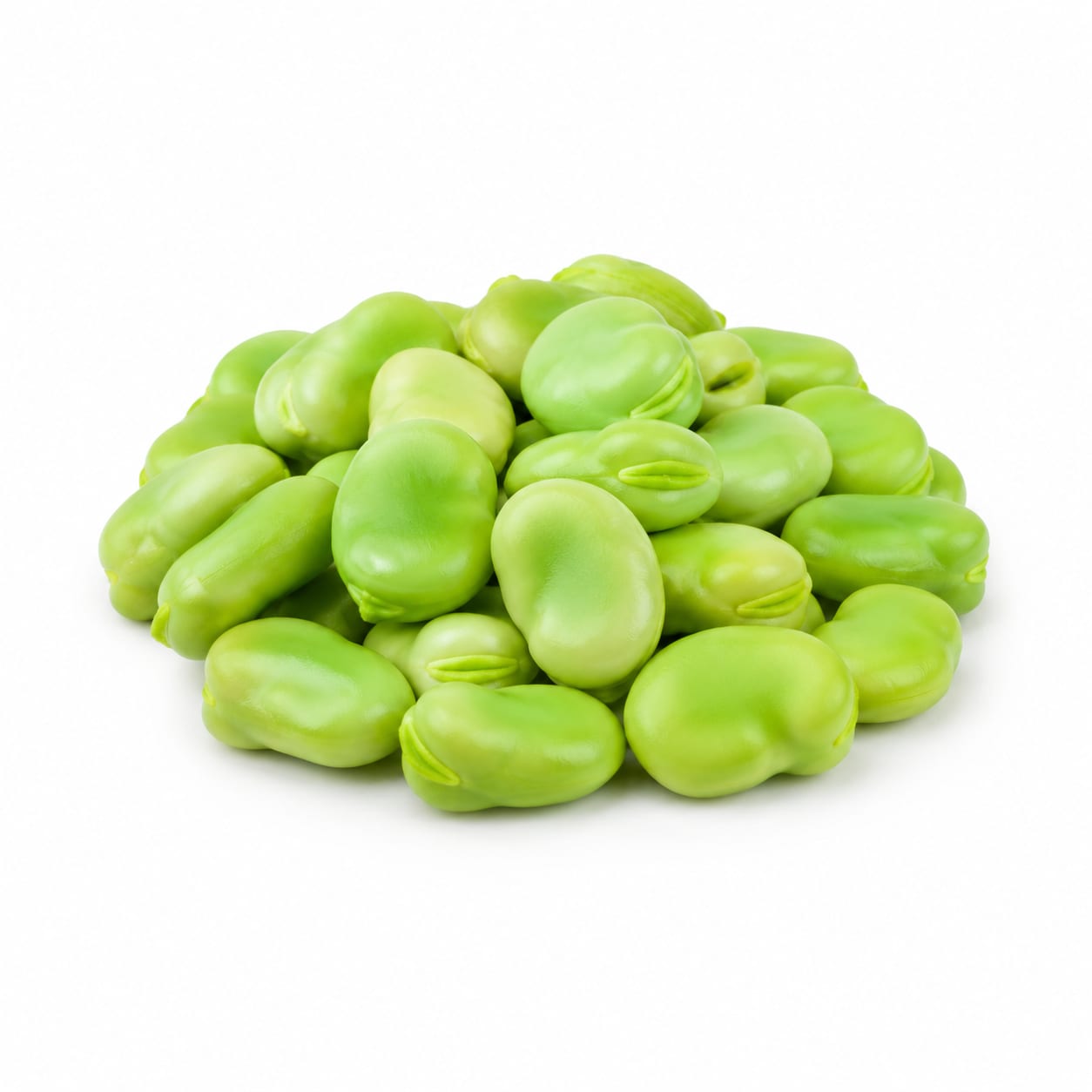
Broad Bean
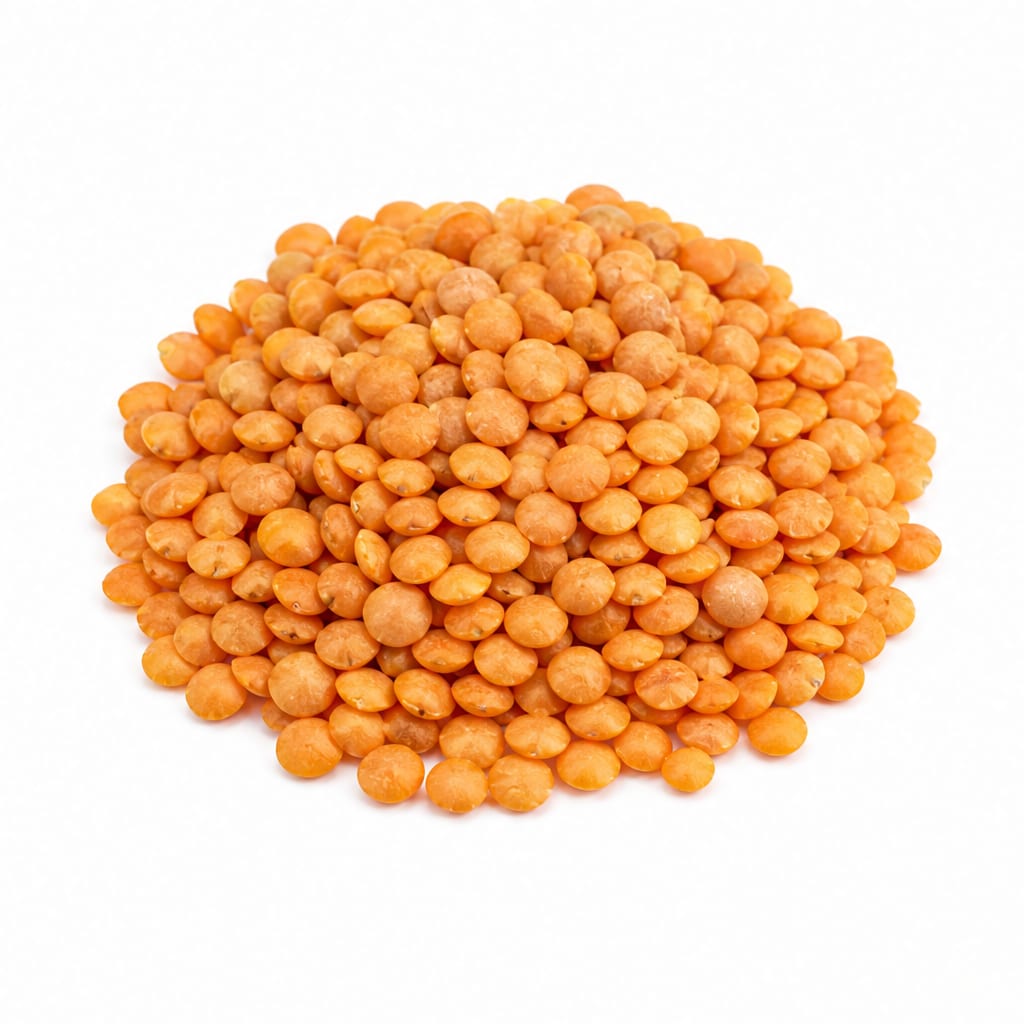
Lentils
Lentils edge out broad beans for everyday convenience and easier digestion, though broad beans offer unique brain-health benefits and a heartier bite.
Lentils score higher due to superior convenience, broader digestibility, and absence of genetic safety risks, though broad beans remain a nutrient-dense option for the right person.
Broad beans deliver more fiber and L-dopa but require more prep and carry a rare genetic risk; lentils are quicker to cook and gentler on the stomach.
At a glance
Executive summary
Overall
Lentils
Healthier
It depends
More practical
Lentils
Daily use
Lentils
Key comparison lenses
Plant-based protein staple selection
Both are core protein sources for vegetarian and vegan diets, but they differ significantly in cooking demands and digestion.
Digestive comfort and meal prep convenience
Broad beans are notoriously harder to digest and prepare, while lentils offer a quick, gentle alternative for daily meals.
Unique health risks and benefits
Broad beans carry a specific genetic risk (favism) and a unique brain-health benefit (L-dopa), making them a highly contextual choice.
Best choice for
Broad Bean
- People seeking natural L-dopa for Parkinson's support
- Those wanting a denser, more filling carb alternative
- Mediterranean diet enthusiasts looking for authentic ingredients
Lentils
- Busy weeknight cooks needing fast protein
- People prone to bloating or gas from legumes
- Those needing a reliable, easy-to-digest daily staple
Least suitable for
Broad Bean
- People with G6PD deficiency due to favism risk
- Those short on time for long soaking and cooking
- People with highly sensitive digestion
Lentils
- Those specifically looking for L-dopa dietary benefits
- People who dislike earthy flavors
Deep comparison
Dimension by dimension
Each lens scores both foods and breaks down who each option suits.
- Dimension 1 · Priority 85Broad Bean
Satiety & Fullness
Broad Bean · 88Lentils · 82Broad beans are slightly more filling per serving due to their denser fiber and carbohydrate content.
Tradeoff
You feel more stuffed after broad beans, but that heaviness can sometimes cross into bloating.
Why it matters
Staying full longer helps control snacking and cravings between meals.
Real-world impact
A broad bean bowl keeps you full for 4-5 hours, while lentils might have you peeking in the fridge a bit sooner.
Broad Bean
- Hearty lunches that prevent afternoon energy crashes
- Post-hike recovery meals
Better for
- Hot summer days when you want something light
Worse for
Lentils
- Lighter dinners that won't disrupt sleep
- Pre-workout fuel that won't sit heavy
Better for
- Days with heavy physical labor where you need lasting energy
Worse for
- Dimension 2 · Priority 90Lentils
Digestive Tolerance & Comfort
Broad Bean · 65Lentils · 85Lentils are generally easier on the stomach and produce less gas than broad beans.
Tradeoff
Broad beans' tough outer skins and complex sugars can cause significant bloating, while lentils are gentler.
Why it matters
Digestive discomfort can ruin an otherwise healthy meal and make you reluctant to eat legumes again.
Real-world impact
Eating lentils means less worrying about post-meal bloating during a workday or date night.
Broad Bean
- Those with iron-clad digestion
Better for
- First dates
- Important meetings
Worse for
Lentils
- People with IBS or sensitive stomachs
- Office lunches where gas is a concern
Better for
- Situations where extreme fullness is desired
Worse for
- Dimension 3 · Priority 95Lentils
Convenience & Cook Time
Broad Bean · 45Lentils · 92Lentils cook in 15-25 minutes with no soaking, while dried broad beans need overnight soaking and over an hour of cooking.
Tradeoff
Broad beans demand planning ahead; lentils are ready for spontaneous weeknight dinners.
Why it matters
If a healthy food takes too long to cook, you are far less likely to actually eat it.
Real-world impact
You can decide to make lentils at 6 PM and eat by 6:30. Broad beans require remembering to soak them the night before.
Broad Bean
- Weekend meal prep sessions
- Slow-cooked stews
Better for
- Impromptu hunger
- Tired weeknights
Worse for
Lentils
- Last-minute weeknight dinners
- Quick salad toppings
Better for
- When you want a thick, creamy puree that holds up to long simmering
Worse for
- Dimension 4 · Priority 80It depends
Blood Sugar Stability
Broad Bean · 84Lentils · 86Both are excellent for blood sugar, but lentils have a slightly lower glycemic index.
Tradeoff
The difference is minimal; both provide steady, slow-burning energy compared to refined carbs.
Why it matters
Stable blood sugar prevents energy crashes and mid-afternoon cravings.
Real-world impact
Swapping white rice for either legume stops the afternoon energy slump.
Broad Bean
- Those who prefer a denser, more substantial side dish
Better for
- Those tracking strict glycemic loads
Worse for
Lentils
- Diabetics seeking the absolute lowest glycemic option
Better for
- No real downside here
Worse for
- Dimension 5 · Priority 75It depends
Unique Health Benefits & Risks
Broad Bean · 80Lentils · 75Broad beans offer L-dopa for brain health but carry a favism risk; lentils are safer with higher folate.
Tradeoff
Broad beans have a unique therapeutic edge for Parkinson's, but the G6PD deficiency risk is a serious downside for some.
Why it matters
One food can be medicine for some and dangerous for others based on genetics.
Real-world impact
If you have G6PD deficiency, eating broad beans can trigger a severe health crisis, whereas lentils are safe for nearly everyone.
Broad Bean
- Older adults seeking natural L-dopa
- People without G6PD deficiency wanting brain-supporting nutrients
Better for
- People with G6PD deficiency
- Those who don't know their G6PD status
Worse for
Lentils
- Pregnant women needing safe folate
- Anyone unsure of their genetic status
Better for
- Those specifically looking for L-dopa supplementation through food
Worse for
Timeline
Health impact over time
Short-term
Hours to days
Broad Bean
- High satiety and lasting fullness
- Potential for bloating or gas
- Risk of acute hemolytic anemia in G6PD-deficient individuals
Lentils
- Steady, comfortable energy
- Mild or minimal gas
- Quick digestion without heaviness
Long-term
Months to years
Broad Bean
- Supports dopamine production for brain health
- Excellent heart health from dense fiber
- Potential for chronic digestive discomfort if overconsumed
Lentils
- Consistent blood sugar management
- Improved heart health from regular fiber intake
- Steady iron and folate intake supporting energy levels
Risk profile
Safety & processing
Both broad beans and lentils are whole, natural foods typically sold dried or canned with no artificial additives.
Broad Bean
Favism (G6PD deficiency reaction)
highCan cause severe hemolytic anemia in people with G6PD deficiency, a relatively common genetic condition.
Lentils
Lectin toxicity (if undercooked)
lowRaw or undercooked lentils contain lectins that can cause nausea, but boiling completely neutralizes them.
Who wins for whom
Audience fit
Same foods, different winners depending on your goal.
children
LentilsLentils are easier to digest, cook into softer textures, and lack the severe genetic risk favism poses to children.
daily consumption
LentilsLentils are easier to prepare daily and gentler on the digestive system for regular intake.
diabetes
LentilsLentils have a lower glycemic index, causing slightly less blood sugar fluctuation.
elderly
It dependsBroad beans offer L-dopa for brain health, but lentils are easier to chew and digest.
muscle gain
Broad BeanBroad beans have a slightly higher protein content per serving, supporting muscle repair and growth.
weight loss
LentilsLentils are slightly lower in calories per serving and easier to portion control without feeling overly stuffed.
Your move
Decision guide
Choose Broad Bean
- You want to boost dopamine levels naturally
- You have no G6PD deficiency and want a denser, heartier legume
- You enjoy slow-cooked Mediterranean dishes
Choose Lentils
- You need a quick-cooking weeknight protein
- You have a sensitive stomach or are prone to bloating
- You want a versatile, everyday staple that is easy to digest
Either works if
- You just need a healthy plant-based protein source
- You are making a hearty vegetable soup
- You want to improve your cholesterol profile
Avoid both if
- You have a severe legume allergy
- You are currently on a strict low-FODMAP diet for SIBO
Final recommendation
Keep lentils as your daily driver for their convenience and easy digestion, but rotate in broad beans occasionally for their unique brain-health benefits—just confirm you don't have G6PD deficiency first.
Practical
Consumer tips
- 1
Soak dried broad beans overnight and discard the water to reduce gas-causing compounds.
- 2
Rinse canned lentils thoroughly to remove excess sodium and reduce bloating.
- 3
If trying broad beans, double-podding (removing the outer skin after cooking) makes them much easier to digest.
- 4
Add a piece of kombu seaweed when cooking either legume to help break down gas-producing sugars.