
Nutrition comparison
Broad Beans vs Kidney Beans: Nutrition, Safety, and Which to Choose
Compare Broad Beans and Kidney Beans on protein, fiber, iron, folate, and safety risks. Learn which bean is better for weight loss, diabetes, pregnancy, and muscle gain.
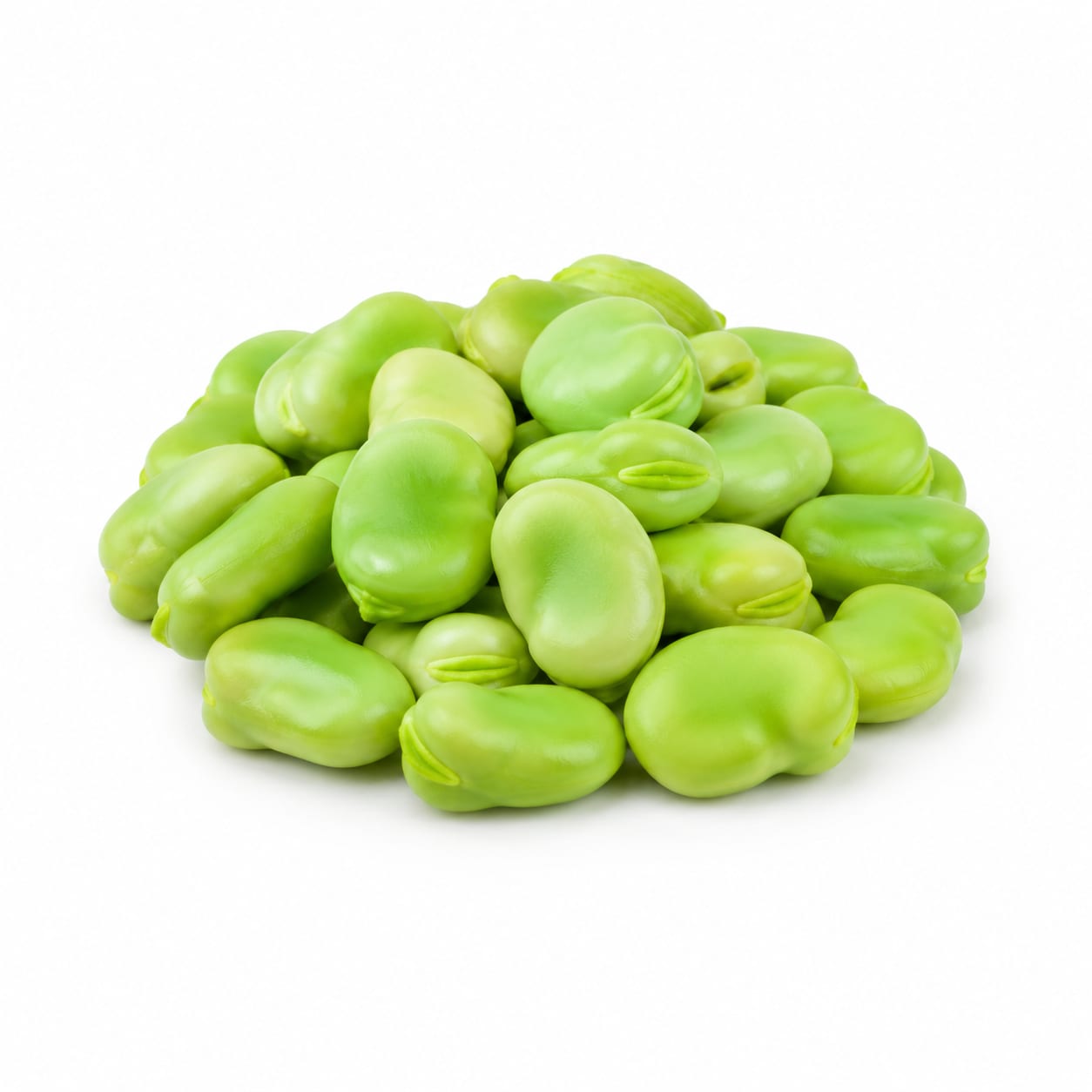
Broad Bean
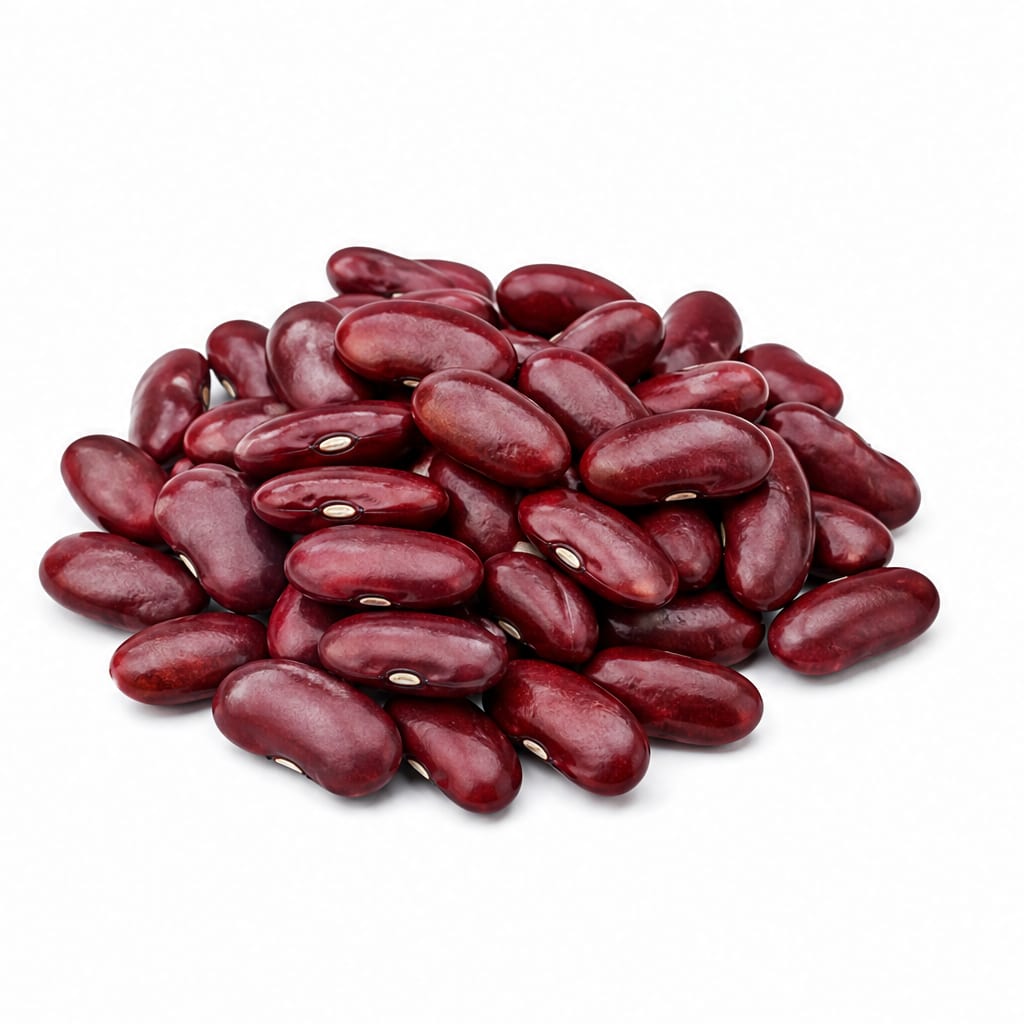
Kidney Beans
Kidney Beans win on protein, fiber, and iron, while Broad Beans offer superior folate and unique cognitive benefits from L-dopa. Both carry serious but different safety caveats.
Kidney Beans score higher due to stronger protein, fiber, and iron content, but Broad Beans remain valuable for folate and L-dopa. The gap is modest because both are nutritious legumes with meaningful tradeoffs.
Kidney Beans deliver more muscle-fueling nutrition per serving, but Broad Beans provide brain-supporting compounds and folate that kidney beans cannot match.
At a glance
Executive summary
Overall
It depends
Healthier
It depends
More practical
Kidney Beans
Daily use
Kidney Beans
Key comparison lenses
plant protein quality and quantity
Both are staple legumes chosen primarily for protein, so differences in protein content and amino acid profile drive real decisions
safety and preparation requirements
Both carry unique toxicity risks that demand awareness—favism for broad beans and phytohaemagglutinin for kidney beans
fiber and blood sugar management
Legumes are often selected for glycemic control, making fiber type and amount a key differentiator
mineral density and anemia support
Iron and folate differences matter significantly for women, vegetarians, and anyone at risk of deficiency
digestive tolerance and gas production
Legume selection often comes down to what your gut can handle comfortably on a regular basis
Best choice for
Broad Bean
- Pregnant women needing folate
- People seeking cognitive support from L-dopa
- Those wanting a lower-calorie legume option
- Anyone with Parkinson's disease looking for dietary L-dopa
Kidney Beans
- Athletes and muscle-builders needing more protein
- People managing diabetes or blood sugar issues
- Iron-deficient individuals, especially vegetarian women
- Those prioritizing heart health through fiber intake
Least suitable for
Broad Bean
- People with G6PD deficiency (favism risk)
- Anyone seeking maximum protein per serving
- Those who need high iron intake from food sources
Kidney Beans
- Impatient cooks who skip proper soaking and boiling
- People prone to severe digestive gas and bloating
- Anyone who frequently eats from salad bars with unknown preparation methods
Deep comparison
Dimension by dimension
Each lens scores both foods and breaks down who each option suits.
- Dimension 1 · Priority 92Kidney Beans
Protein Content and Quality
Broad Bean · 68Kidney Beans · 82Kidney Beans provide roughly 15% more protein per cooked serving, making them the better choice for muscle maintenance and satiety.
Tradeoff
Broad Beans sacrifice protein density but offer L-dopa, a compound with nootropic and neurological benefits that kidney beans lack entirely.
Why it matters
If you are relying on legumes as a primary protein source, the difference adds up over daily meals.
Real-world impact
A cup of kidney beans gets you noticeably closer to your protein target than the same amount of broad beans, especially important for vegetarians.
Broad Bean
- People interested in cognitive benefits alongside protein
Better for
- Bodybuilders needing maximum protein per meal
Worse for
Kidney Beans
- Strength athletes
- Vegetarians counting protein grams
- Anyone recovering from injury or surgery
Better for
- People specifically seeking L-dopa for neurological support
Worse for
- Dimension 2 · Priority 88Kidney Beans
Fiber and Blood Sugar Stability
Broad Bean · 70Kidney Beans · 84Kidney Beans contain more total fiber and a higher ratio of soluble fiber, which slows glucose absorption more effectively.
Tradeoff
Broad Beans still provide solid fiber but lag behind kidney beans in the specific soluble fiber that most benefits blood sugar regulation.
Why it matters
Soluble fiber is the key to avoiding post-meal energy crashes and keeping hunger at bay for hours.
Real-world impact
A kidney bean lunch keeps you fuller longer and prevents the mid-afternoon energy dip better than broad beans would.
Broad Bean
- Those who find kidney beans too heavy or gas-producing
Better for
- People who need maximum glycemic control from their legumes
Worse for
Kidney Beans
- People with prediabetes or type 2 diabetes
- Anyone trying to reduce snacking between meals
- Those seeking steady energy throughout the day
Better for
- Individuals with sensitive digestion who cannot tolerate high fiber loads
Worse for
- Dimension 3 · Priority 82Kidney Beans
Iron and Mineral Density
Broad Bean · 62Kidney Beans · 83Kidney Beans deliver nearly double the iron per serving, plus more potassium and magnesium for cardiovascular and muscle function.
Tradeoff
Broad Beans counter with dramatically higher folate, which is critical for cell division and pregnancy but less relevant for everyday energy.
Why it matters
Iron deficiency is the most common nutrient deficiency worldwide, and legume choice can meaningfully impact intake.
Real-world impact
For a vegetarian woman of reproductive age, kidney beans are a meaningfully better iron source per meal.
Broad Bean
- Pregnant women needing extra folate
- People already meeting iron needs through other foods or supplements
Better for
- People relying on legumes as a primary iron source
Worse for
Kidney Beans
- Vegetarian and vegan women concerned about iron
- Athletes needing magnesium for muscle recovery
- Anyone trying to lower blood pressure through potassium intake
Better for
- Those who specifically need folate-dense foods during pregnancy planning
Worse for
- Dimension 4 · Priority 80Broad Bean
Folate and Cognitive Support
Broad Bean · 88Kidney Beans · 45Broad Beans are one of the richest natural sources of folate among legumes and uniquely contain L-dopa, a dopamine precursor.
Tradeoff
You gain brain and nervous system support with broad beans but sacrifice the higher protein and iron that kidney beans provide.
Why it matters
L-dopa is the gold-standard medication for Parkinson's disease, and dietary L-dopa may support dopamine function more broadly.
Real-world impact
Regular broad bean consumption could support mood, motivation, and neurological health in ways kidney beans simply cannot replicate.
Broad Bean
- People with Parkinson's disease or family history of it
- Pregnant women or those trying to conceive
- Anyone interested in natural dopamine support
Better for
- Those who do not need extra folate or L-dopa
Worse for
Kidney Beans
- People who get adequate folate from leafy greens and supplements
Better for
- Pregnant women relying solely on kidney beans for folate
Worse for
- Dimension 5 · Priority 90It depends
Safety and Toxicity Risks
Broad Bean · 65Kidney Beans · 55Both carry serious but distinct risks: broad beans trigger favism in G6PD-deficient individuals, while undercooked kidney beans cause severe food poisoning.
Tradeoff
Kidney bean toxicity is preventable with proper cooking, but favism risk is genetic and irreversible—making broad beans permanently dangerous for affected people.
Why it matters
A single mistake with kidney beans can cause violent illness, and a single serving of broad beans can hospitalize someone with G6PD deficiency.
Real-world impact
If you have G6PD deficiency, broad beans are permanently off-limits. If you are a careless cook, kidney beans are a recurring hazard.
Broad Bean
- People without G6PD deficiency who cook thoroughly
- Those who prefer to avoid the risk of lectin poisoning
Better for
- People with undiagnosed G6PD deficiency, which is more common in Mediterranean, African, and Southeast Asian populations
Worse for
Kidney Beans
- Anyone who knows they have G6PD deficiency
- Careful cooks who always soak and boil legumes properly
Better for
- Impatient cooks who skip overnight soaking
- People who use slow cookers for kidney beans without boiling first
Worse for
- Dimension 6 · Priority 75Broad Bean
Digestive Tolerance
Broad Bean · 72Kidney Beans · 60Broad Beans tend to produce less gas and bloating than kidney beans, which are notorious for their oligosaccharide content.
Tradeoff
Easier digestion comes with lower fiber benefits, so you trade gut comfort for some of the metabolic advantages kidney beans offer.
Why it matters
If legumes make you uncomfortably bloated, you will avoid them regardless of their nutritional merits.
Real-world impact
Someone who abandoned beans due to gas may find broad beans tolerable enough to keep legumes in their diet.
Broad Bean
- People with sensitive digestion or IBS
- Those new to eating legumes regularly
- Anyone who has avoided beans due to gas
Better for
- Those who want maximum prebiotic fiber for gut microbiome diversity
Worse for
Kidney Beans
- People with iron stomachs who tolerate high-fiber foods well
Better for
- People prone to bloating, flatulence, or IBS flare-ups
Worse for
Timeline
Health impact over time
Short-term
Hours to days
Broad Bean
- Steadier energy with less post-meal bloating compared to kidney beans
- Mild dopamine-supporting effect from L-dopa may subtly improve alertness
- Lower calorie load per serving helps with portion flexibility
Kidney Beans
- Stronger and longer-lasting fullness after meals due to higher fiber and protein
- Risk of severe nausea, vomiting, and diarrhea if consumed undercooked
- More noticeable gas and bloating, especially for those unaccustomed to high-fiber legumes
Long-term
Months to years
Broad Bean
- Superior folate intake supports cell health and reduces neural tube defect risk
- L-dopa exposure may offer neuroprotective benefits over decades
- Lower iron contribution could be a concern for those relying on legumes as a primary iron source
Kidney Beans
- Higher fiber intake reduces colorectal cancer risk and supports cardiovascular health
- Greater iron intake helps prevent anemia, especially in menstruating women
- Consistent consumption supports healthy gut microbiome diversity through prebiotic fiber
Risk profile
Safety & processing
Both Broad Beans and Kidney Beans are whole, minimally processed foods when purchased dried or canned without additives. Canned versions may contain added sodium, so rinsing is recommended for both.
Broad Bean
Favism (G6PD deficiency reaction)
highIn people with G6PD deficiency, consuming broad beans can trigger acute hemolytic anemia, which is potentially life-threatening. This genetic condition affects roughly 400 million people worldwide, with higher prevalence in Mediterranean, African, and Southeast Asian populations.
L-dopa interactions
mediumBroad Beans contain enough L-dopa to potentially interfere with Parkinson's medications or MAO inhibitor antidepressants. Anyone taking these drugs should consult their doctor before eating broad beans regularly.
Kidney Beans
Phytohaemagglutinin (kidney bean lectin) poisoning
highRaw or undercooked kidney beans contain a lectin that causes extreme nausea, vomiting, and diarrhea within hours. As few as 4-5 raw beans can trigger symptoms. Slow cookers are particularly dangerous because they do not reach temperatures high enough to destroy the toxin. Always soak for at least 5 hours and boil vigorously for 10 minutes minimum.
Canned kidney bean sodium
lowCanned kidney beans often contain added sodium for preservation. Rinsing thoroughly removes roughly 40% of the sodium, but salt-sensitive individuals should be aware.
Who wins for whom
Audience fit
Same foods, different winners depending on your goal.
children
Broad BeanBroad Beans are easier to digest, less likely to cause uncomfortable gas, and provide folate crucial for growing bodies. Kidney bean preparation risks are also harder to manage reliably for children's meals.
daily consumption
Kidney BeansKidney Beans offer a more complete nutritional package for daily use with higher protein, iron, and fiber, provided you cook them properly every time.
diabetes
Kidney BeansSuperior soluble fiber content slows glucose absorption more effectively, resulting in flatter blood sugar curves after meals.
elderly
Broad BeanThe L-dopa content may support neurological health in aging, folate needs increase with age, and easier digestion makes broad beans more comfortable for sensitive older stomachs.
muscle gain
Kidney BeansHigher protein content per serving makes kidney beans a more effective plant-based muscle-building food.
weight loss
Kidney BeansKidney Beans provide more protein and fiber per calorie, creating stronger satiety signals that reduce overall food intake throughout the day.
Your move
Decision guide
Choose Broad Bean
- You are pregnant, trying to conceive, or need extra folate in your diet
- You want potential cognitive or neurological support from dietary L-dopa
- You find most beans cause too much gas and want a gentler option
- You prefer a lower-calorie legume that leaves room for other foods
- You have a family history of Parkinson's disease and want dietary L-dopa
Choose Kidney Beans
- You want maximum protein and fiber from your legumes
- You are managing diabetes, prediabetes, or blood sugar instability
- You need more iron in your diet, especially as a vegetarian woman
- You are an athlete or building muscle on a plant-based diet
- You are a careful cook who always soaks and boils beans thoroughly
Either works if
- You simply want a nutritious legume to rotate into your meals
- You already eat a varied diet and do not rely on one bean for specific nutrients
- You are looking for affordable, shelf-stable plant protein
Avoid both if
- You have G6PD deficiency (avoid broad beans specifically)
- You are unwilling to properly soak and cook dried beans (avoid kidney beans specifically)
- You have severe legume allergies or sensitivities
Final recommendation
For most people, Kidney Beans are the stronger everyday legume due to superior protein, fiber, and iron. However, Broad Beans deserve a regular place in your rotation for their unmatched folate and L-dopa content. The ideal approach is eating both weekly rather than choosing one exclusively. If you are pregnant, prioritize Broad Beans. If you are building muscle or managing blood sugar, prioritize Kidney Beans. Always soak and boil kidney beans thoroughly, and know your G6PD status before eating broad beans.
Practical
Consumer tips
- 1
Never cook kidney beans in a slow cooker without boiling them for at least 10 minutes first—this destroys the dangerous lectin completely
- 2
Rinse canned beans of either type to remove roughly 40% of added sodium
- 3
If beans cause you gas, start with Broad Beans and gradually introduce Kidney Beans in small amounts as your gut adapts
- 4
Soak dried beans overnight and discard the soaking water to reduce oligosaccharides that cause bloating
- 5
If you have Mediterranean, African, or Southeast Asian heritage, consider getting tested for G6PD deficiency before eating broad beans regularly
- 6
Pair either bean with vitamin C-rich foods like tomatoes or bell peppers to dramatically boost iron absorption
- 7
Broad Beans make an excellent addition to pasta dishes and salads where their milder flavor shines
- 8
Kidney Beans are ideal for chili, stews, and curries where their robust texture holds up to long cooking