
Nutrition comparison
Broad Beans vs Pinto Beans: Nutrition, Satiety, and Which to Choose
Compare Broad Beans and Pinto Beans on protein, fiber, blood sugar impact, and safety. Find out which bean fits your health goals and daily routine better.
Overall winner · Pinto Beans
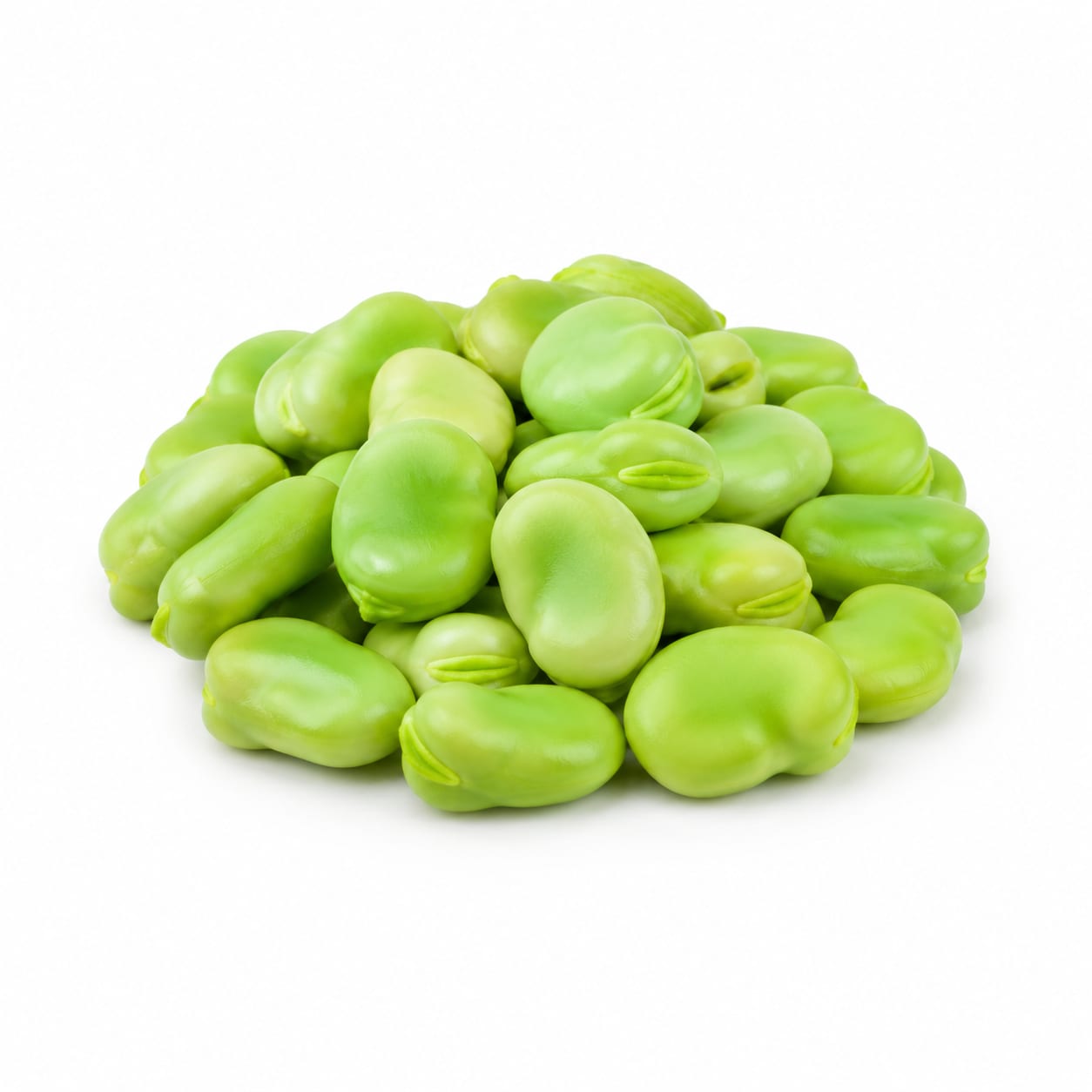
Broad Bean
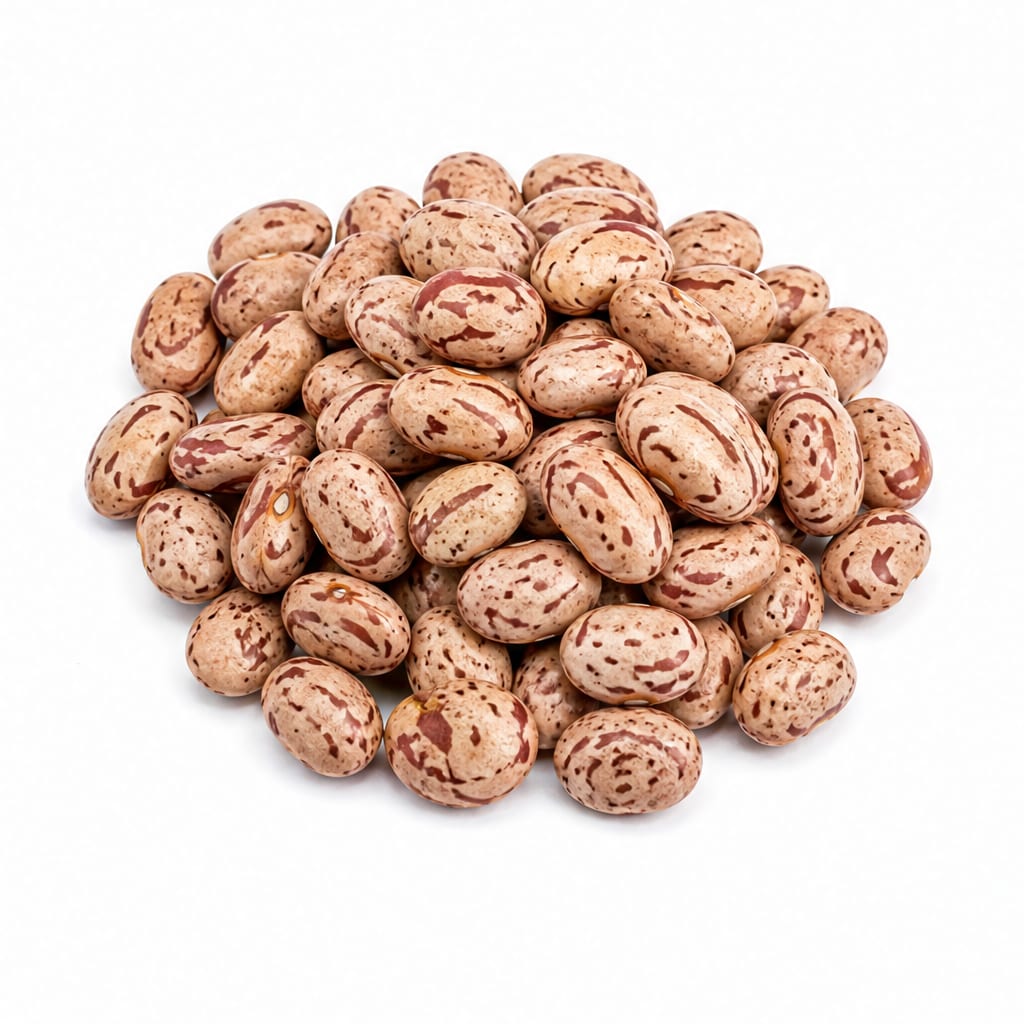
Pinto Beans
Pinto Beans win on fiber, satiety, and everyday practicality, while Broad Beans offer a lighter calorie load and unique brain-supporting compounds.
Pinto Beans score higher due to superior fiber content, better satiety, broader culinary versatility, and no genetic safety risks. Broad Beans remain valuable for their calorie efficiency and unique L-dopa content, but their narrower use case and favism risk lower their overall score.
Pinto Beans keep you fuller longer and stabilize blood sugar better, but Broad Beans deliver more protein per calorie and contain L-dopa for dopamine support.
At a glance
Executive summary
Overall
Pinto Beans
Healthier
Pinto Beans
More practical
Pinto Beans
Daily use
Pinto Beans
Key comparison lenses
protein quality and plant-based meal planning
Both are legumes but differ significantly in protein density and amino acid profile, making this critical for vegetarian and vegan diets
digestive tolerance and gas concerns
Beans are notorious for digestive issues, and the difference in fiber type and oligosaccharide content between these two matters greatly for everyday comfort
blood sugar management
Fiber content and glycemic impact differ meaningfully, affecting energy stability for diabetics and anyone avoiding afternoon crashes
safety and genetic conditions
Broad beans carry a unique favism risk for G6PD-deficient individuals that pinto beans do not, which is a serious safety differentiator
culinary versatility and meal integration
Pinto beans are a staple in multiple cuisines with easy recipes, while broad beans require more preparation knowledge and have narrower use cases
Best choice for
Broad Bean
- People counting calories who still want solid protein
- Those seeking natural dopamine precursor support
- Anyone wanting a lighter bean dish that won't feel heavy
- Mediterranean and Middle Eastern recipe enthusiasts
Pinto Beans
- People prioritizing digestive regularity and gut health
- Diabetics needing steady blood sugar control
- Budget-conscious shoppers wanting maximum satiety per dollar
- Anyone meal-prepping bulk bean dishes for the week
Least suitable for
Broad Bean
- Anyone with G6PD deficiency due to favism risk
- People who dislike peeling or preparing fussy ingredients
- Those wanting a neutral-flavored bean base for recipes
Pinto Beans
- People strictly limiting carbohydrate intake
- Those sensitive to high-fiber foods who experience bloating
- Anyone wanting a low-calorie protein source
Deep comparison
Dimension by dimension
Each lens scores both foods and breaks down who each option suits.
- Dimension 1 · Priority 90Broad Bean
protein density per calorie
Broad Bean · 82Pinto Beans · 68Broad Beans deliver more protein relative to their calorie count, making them a leaner protein source.
Tradeoff
You get more protein per bite with Broad Beans, but the absolute protein per serving is still higher in Pinto Beans because you eat more of them.
Why it matters
For calorie-conscious eaters, protein density determines how much nourishment you get without overshooting your daily intake.
Real-world impact
A cup of Broad Beans gives you solid protein for under 100 calories, while Pinto Beans hit around 140 calories for similar protein — but with much more fullness.
Broad Bean
- Calorie-restricted diets
- Lean bulking phases where every calorie counts
- Lighter meals that still need protein
Better for
- Meals where you need to feel stuffed to avoid snacking later
Worse for
Pinto Beans
- Higher-calorie meal plans where satiety matters more
- Athletes who need total protein volume over density
- Post-workout meals where feeling full is beneficial
Better for
- Strict calorie-cutting phases where every calorie is budgeted
Worse for
- Dimension 2 · Priority 92Pinto Beans
fiber and gut health
Broad Bean · 55Pinto Beans · 90Pinto Beans nearly double the fiber content of Broad Beans, making them significantly better for digestion and gut health.
Tradeoff
The extra fiber in Pinto Beans means better regularity and blood sugar control, but it can also mean more gas and bloating if your gut isn't adapted.
Why it matters
Fiber is the single most underconsumed nutrient in modern diets, and most people need more of it desperately.
Real-world impact
Eating Pinto Beans regularly can meaningfully improve bathroom habits within days. Broad Beans help, but you'd need larger portions to match the effect.
Broad Bean
- People with sensitive digestion who find high-fiber meals uncomfortable
- Transitioning to higher fiber intake gradually
Better for
- Reliance on them alone for meeting daily fiber targets
Worse for
Pinto Beans
- Anyone struggling with constipation or irregularity
- Gut microbiome optimization
- Blood sugar stabilization through slowed digestion
Better for
- Sudden introduction without gradual adaptation causes bloating
Worse for
- Dimension 3 · Priority 88Pinto Beans
blood sugar stability
Broad Bean · 65Pinto Beans · 85Pinto Beans' higher fiber and resistant starch content create a slower, steadier glucose release compared to Broad Beans.
Tradeoff
Broad Beans still beat most refined carbs easily, but they digest faster than Pinto Beans, meaning a slightly quicker energy rise and fall.
Why it matters
Steady blood sugar means fewer cravings, better focus, and less afternoon fatigue — benefits that compound over years.
Real-world impact
A Pinto Bean lunch keeps hunger at bay for 4-5 hours. A Broad Bean lunch might have you reaching for a snack by hour 3.
Broad Bean
- Pre-workout meals where you want energy available sooner
- Smaller meals where you don't want prolonged fullness
Better for
- Anyone prone to energy crashes between meals
Worse for
Pinto Beans
- Diabetics managing post-meal glucose spikes
- Long workdays without snack access
- Intermittent fasting break-meals where sustained energy matters
Better for
- Right before exercise when you need quicker fuel availability
Worse for
- Dimension 4 · Priority 87Pinto Beans
satiety and fullness
Broad Bean · 60Pinto Beans · 88Pinto Beans are significantly more filling per serving due to their fiber-protein combination and higher calorie density.
Tradeoff
Broad Beans feel lighter and less heavy in the stomach, which can be either a pro or con depending on the situation.
Why it matters
Satiety is the strongest predictor of whether you'll actually stick to a healthy eating pattern long-term.
Real-world impact
Pinto Beans make you feel like you've had a real meal. Broad Beans feel more like a substantial side dish.
Broad Bean
- Hot weather meals where heavy food feels unappealing
- Multi-course meals where you don't want to fill up on one item
- Light dinners before bed
Better for
- Using as a standalone meal when you need lasting fullness
Worse for
Pinto Beans
- Main course meals where beans are the protein centerpiece
- Weight loss diets where feeling full prevents overeating
- Long gaps between meals
Better for
- Occasions where a lighter stomach feel is preferred
Worse for
- Dimension 5 · Priority 80Pinto Beans
safety and genetic risks
Broad Bean · 55Pinto Beans · 88Broad Beans carry a unique favism risk for people with G6PD deficiency that Pinto Beans completely avoid.
Tradeoff
While favism affects a minority, the consequences are severe enough that it warrants awareness, especially in Mediterranean, African, and Southeast Asian populations where G6PD deficiency is common.
Why it matters
A food that causes hemolytic anemia in susceptible individuals is a serious safety concern, even if most people tolerate it fine.
Real-world impact
If you have G6PD deficiency and eat Broad Beans, you could end up in the hospital. Pinto Beans have no equivalent genetic risk.
Broad Bean
- People who have confirmed they do not have G6PD deficiency
Better for
- G6PD-deficient individuals of any age
- Infants being introduced to solids before genetic screening
Worse for
Pinto Beans
- Anyone unaware of their G6PD status
- Families cooking for groups with unknown genetic backgrounds
- Public food service and shared meal situations
Better for
- No significant genetic safety disadvantage compared to Broad Beans
Worse for
- Dimension 6 · Priority 78Broad Bean
unique functional compounds
Broad Bean · 88Pinto Beans · 60Broad Beans contain L-dopa, a direct dopamine precursor with no equivalent in Pinto Beans, plus higher levels of certain antioxidants.
Tradeoff
The L-dopa in Broad Beans may support mood and motor function, but effects are modest from dietary amounts and shouldn't be confused with therapeutic doses.
Why it matters
Foods that actively support neurotransmitter production are rare, and even small dietary contributions can matter over time.
Real-world impact
Regular Broad Bean consumption might subtly support alertness and mood, though it won't replace medication or lifestyle fundamentals.
Broad Bean
- Older adults interested in natural dopamine support
- People looking for cognitive edge through diet
- Anyone with mild motivation or focus concerns wanting nutritional support
Better for
- People on L-dopa medication who need consistent dosing, as food sources add unpredictability
Worse for
Pinto Beans
- Situations where functional compounds are less relevant than basic nutrition
Better for
- Anyone specifically seeking dopamine-supportive foods
Worse for
- Dimension 7 · Priority 82Pinto Beans
culinary versatility and convenience
Broad Bean · 55Pinto Beans · 85Pinto Beans integrate effortlessly into dozens of recipes across multiple cuisines, while Broad Beans require more specific preparation and pairings.
Tradeoff
Broad Beans have a distinctive buttery, slightly bitter flavor that shines in specific dishes but doesn't blend as easily into everything.
Why it matters
The easier a healthy food is to cook with, the more often you'll actually eat it — and consistency beats perfection.
Real-world impact
Pinto Beans work in burritos, soups, dips, salads, and rice bowls with almost no recipe hunting. Broad Beans often send you looking for specific Mediterranean recipes.
Broad Bean
- Cooks who enjoy exploring Mediterranean and Middle Eastern cuisine
- Spring and summer seasonal cooking
- Recipes where the bean is the star, not a background ingredient
Better for
- Quick weeknight cooking with limited recipe knowledge
Worse for
Pinto Beans
- Meal preppers who want one bean for multiple weekly dishes
- Beginners learning to cook with legumes
- Budget households relying on versatile staples
Better for
- Occasions where a more delicate, distinctive flavor is desired
Worse for
Timeline
Health impact over time
Short-term
Hours to days
Broad Bean
- Lighter post-meal feeling with less digestive heaviness
- Modest alertness boost possibly linked to L-dopa content
- Lower risk of bloating compared to higher-fiber beans
- Potential digestive adjustment period if not used to legumes
Pinto Beans
- Strong and lasting fullness that reduces snacking urges
- Slower digestion providing steady energy for hours
- Initial gas and bloating if your gut flora isn't adapted
- Noticeable improvement in bathroom regularity within days
Long-term
Months to years
Broad Bean
- Potential neuroprotective benefits from regular L-dopa intake
- Lower cumulative calorie intake if used as a primary protein source
- Possible favism episode if G6PD deficiency goes undiagnosed
- Good folate support for cardiovascular health over time
Pinto Beans
- Substantially improved gut microbiome diversity from consistent high fiber intake
- Better long-term blood sugar regulation reducing diabetes risk
- Lower cholesterol through sustained soluble fiber consumption
- Reduced colorectal cancer risk consistent with high-legume diets
Risk profile
Safety & processing
Both Broad Beans and Pinto Beans are whole, minimally processed foods when bought dried or frozen. Canned versions of either may contain added sodium, so rinsing or choosing low-sodium cans is recommended. Neither carries meaningful ultra-processing concerns.
Broad Bean
Favism in G6PD-deficient individuals
highBroad Beans can trigger acute hemolytic anemia in people with G6PD deficiency, affecting up to 400 million people worldwide. This is the most serious safety difference between these two beans.
Oxalate content
lowModerate oxalate levels that may concern people prone to kidney stones, though less than many other plant foods.
Pinto Beans
Undercooking toxicity from phytohaemagglutinin
mediumLike all kidney bean relatives, undercooked Pinto Beans contain lectins that can cause nausea and vomiting. Thorough cooking eliminates this risk entirely.
Sodium in canned varieties
lowCanned Pinto Beans often contain significant added sodium. Rinsing removes about 40% of it, or choose low-sodium versions.
Who wins for whom
Audience fit
Same foods, different winners depending on your goal.
children
Pinto BeansPinto Beans are safer for children who haven't been screened for G6PD deficiency, and their milder flavor is usually more kid-friendly than Broad Beans' slightly bitter profile.
daily consumption
Pinto BeansPinto Beans' versatility, fiber content, and safety profile make them a more reliable daily staple that's easier to sustain long-term.
diabetes
Pinto BeansThe fiber and resistant starch in Pinto Beans create a significantly slower glucose release, making post-meal blood sugar spikes much easier to manage.
elderly
It dependsBroad Beans may offer neuroprotective L-dopa benefits relevant to aging, but Pinto Beans provide better digestive regularity that many older adults need. The choice depends on which concern is more pressing for the individual.
muscle gain
Pinto BeansHigher total protein per serving and better caloric support for training make Pinto Beans more practical for building muscle, even though Broad Beans have better protein density per calorie.
weight loss
Pinto BeansPinto Beans' superior fiber and satiety make overeating far less likely, which matters more for weight loss than the calorie savings from Broad Beans.
Your move
Decision guide
Choose Broad Bean
- You're certain you don't have G6PD deficiency and want a lighter, lower-calorie bean
- You're interested in the natural L-dopa content for mood or cognitive support
- You cook Mediterranean or Middle Eastern food regularly
- You prefer a bean that doesn't make you feel overly stuffed
- You're counting calories carefully but still want meaningful protein
Choose Pinto Beans
- You want maximum fullness and satiety from your meals
- You're managing blood sugar or diabetes and need slow-digesting carbs
- You value digestive regularity and gut health above all else
- You want a versatile bean that works in dozens of easy recipes
- You're meal prepping and need a reliable staple for the week
Either works if
- You're simply trying to eat more legumes and both are available
- You rotate between different beans weekly for nutrient diversity
- You're cooking for a household where variety matters more than optimization
Avoid both if
- You have severe legume allergies
- You're on a very low-carb or ketogenic diet where even bean carbs are too high
- You experience persistent digestive distress from all legumes even after adaptation
Final recommendation
Make Pinto Beans your default daily legume for their fiber, satiety, and versatility, and enjoy Broad Beans as a purposeful addition when you want their unique L-dopa benefits, lighter calorie profile, or Mediterranean flair. Both are excellent choices — Pinto Beans just fit more lives more easily.
Practical
Consumer tips
- 1
If using canned Pinto Beans, rinse thoroughly to remove about 40% of the added sodium
- 2
Soak dried beans overnight and discard the water to reduce gas-causing oligosaccharides in both varieties
- 3
If you've never been tested for G6PD deficiency and have Mediterranean, African, or Southeast Asian heritage, consider screening before making Broad Beans a regular part of your diet
- 4
Fresh Broad Beans need double-peeling — remove both the outer pod and the inner skin of each bean for the best texture
- 5
Introduce either bean gradually, starting with a few tablespoons daily, to let your gut microbiome adapt without excessive bloating
- 6
Pair either bean with a vitamin C source like tomatoes or bell peppers to boost iron absorption significantly
- 7
Freeze cooked Pinto Beans in portioned bags for instant meal starters that save weeknight cooking time