
Nutrition comparison
Broad Beans vs Green Peas: Nutrition, Safety, and Which to Choose
Compare broad beans vs green peas for protein, fiber, convenience, and safety. Learn which legume is better for weight loss, muscle gain, and daily meals.
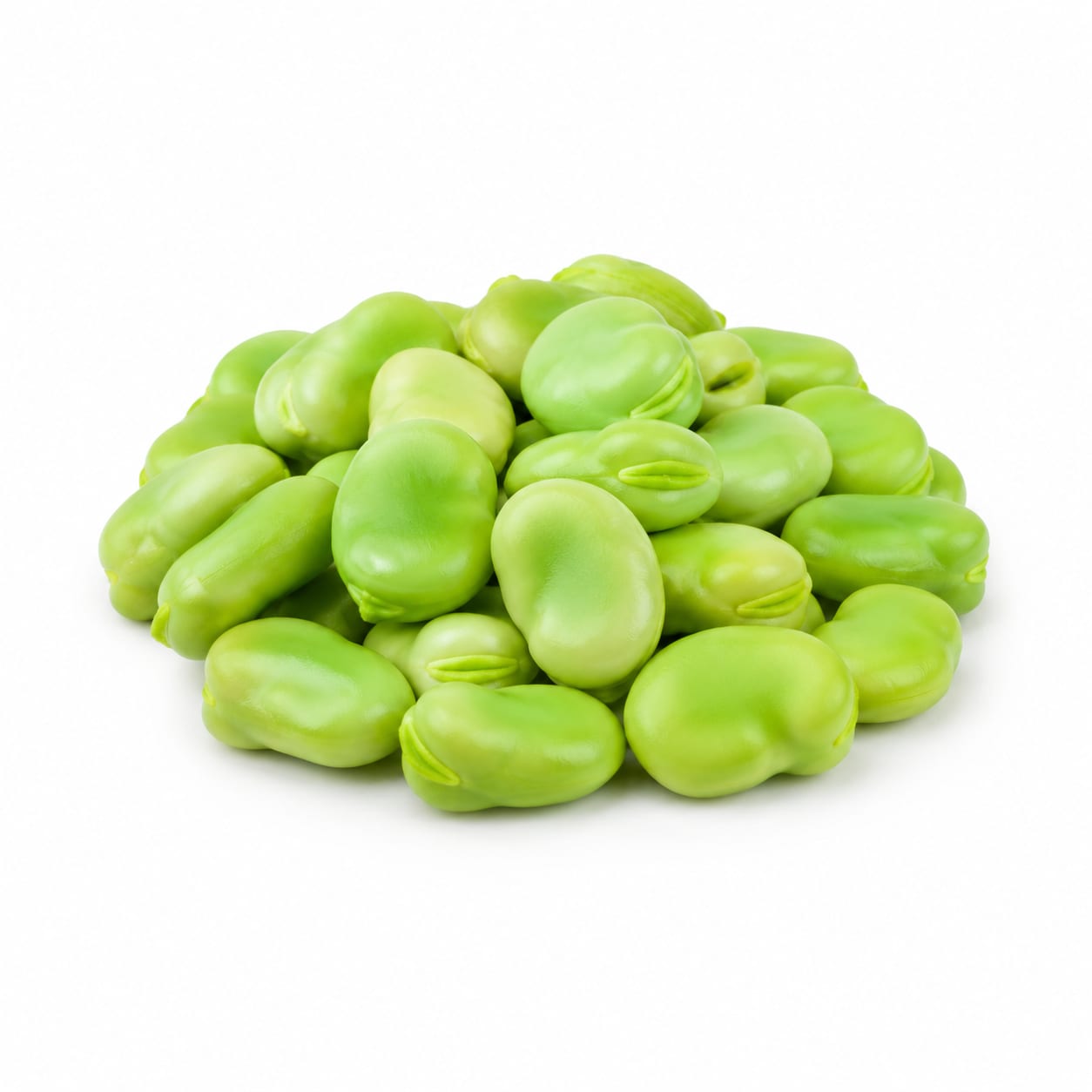
Broad Bean
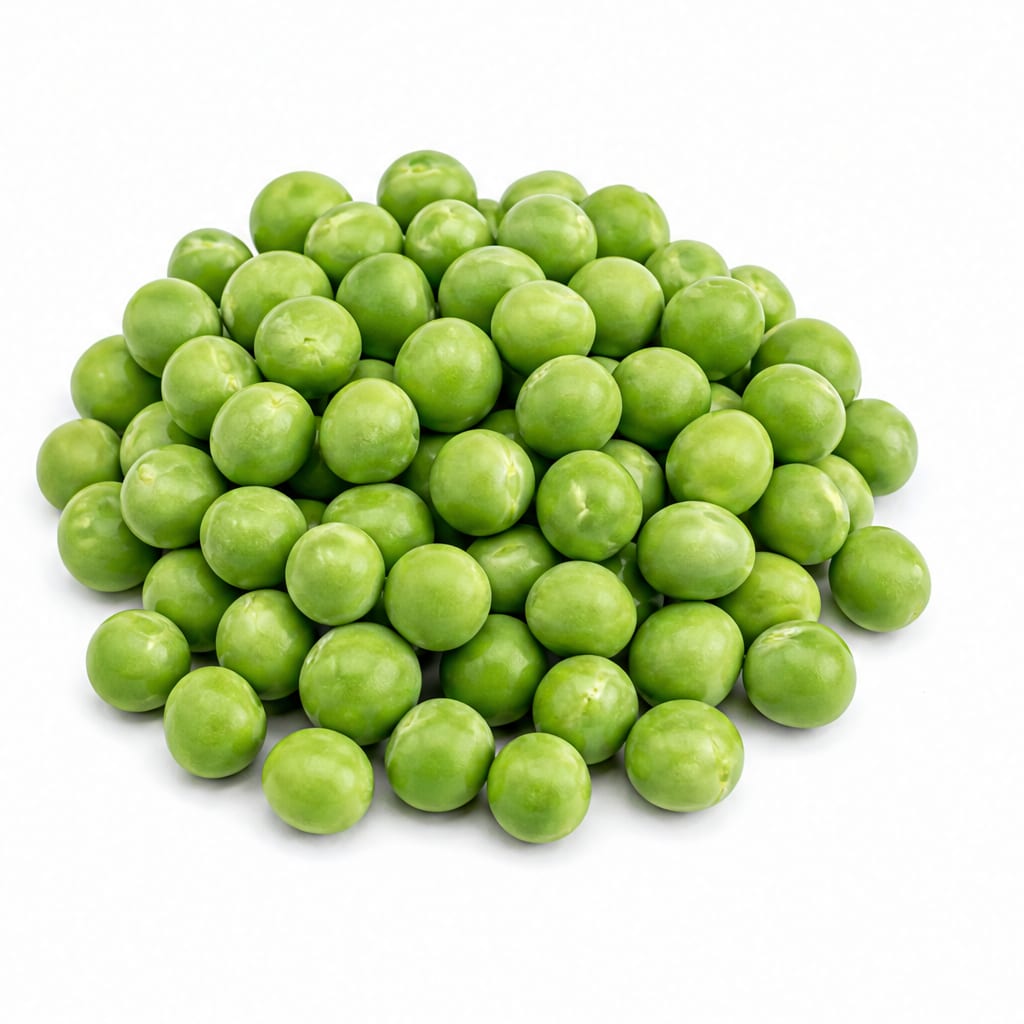
Green Peas
Broad beans offer more protein and fiber for deeper satiety, while green peas win on convenience, vitamin C, and universal digestibility.
Green peas score slightly higher due to everyday practicality and broader safety, though broad beans edge ahead in pure macronutrient density.
Nutritional power and unique compounds versus everyday convenience and broader safety.
At a glance
Executive summary
Overall
It depends
Healthier
It depends
More practical
Green Peas
Daily use
Green Peas
Key comparison lenses
Nutritional density and macronutrient profile
Users often compare legumes to find the best source of plant protein and fiber for satiety and muscle support.
Convenience and preparation effort
Broad beans require double peeling and longer prep, while green peas are a quick-cook staple, heavily influencing daily use.
Safety and genetic considerations
Broad beans carry a specific risk for individuals with G6PD deficiency, a unique safety factor not present in green peas.
Vitamin profile and specific health goals
Broad beans excel in folate and iron, whereas green peas provide more vitamin C and K, directing them toward different health needs.
Best choice for
Broad Bean
- People needing high iron and folate intake
- Those seeking maximum plant protein and fiber from a vegetable
- Individuals looking for natural L-dopa dietary support
Green Peas
- Busy families needing quick veggie sides
- People with G6PD deficiency
- Those who prefer sweeter, lighter legumes
Least suitable for
Broad Bean
- People with G6PD deficiency due to favism risk
- Those wanting quick weeknight cooking
- Picky eaters sensitive to earthy flavors
Green Peas
- People looking for very high protein from a single vegetable
- Those wanting L-dopa for Parkinson's support
Deep comparison
Dimension by dimension
Each lens scores both foods and breaks down who each option suits.
- Dimension 1 · Priority 90Broad Bean
Protein & Fiber Density
Broad Bean · 88Green Peas · 75Broad beans deliver significantly more protein and fiber per serving, making them more filling.
Tradeoff
You get more satiety power from broad beans, but they take longer to prepare.
Why it matters
Higher protein and fiber keep you full longer and stabilize blood sugar more effectively.
Real-world impact
A broad bean side dish will keep you satisfied for hours, whereas green peas might leave you snacking sooner.
Broad Bean
- Long-lasting satiety
- Muscle maintenance
- Blood sugar control
Better for
- Heavier feeling if overeaten
Worse for
Green Peas
- Lighter meals
- Easier digestion
Better for
- Less robust fullness
Worse for
- Dimension 2 · Priority 85Green Peas
Convenience & Preparation
Broad Bean · 45Green Peas · 92Green peas are incredibly easy to cook from frozen, while fresh broad beans require double peeling.
Tradeoff
Broad beans demand prep time but reward with a creamier texture; green peas are ready in minutes.
Why it matters
Prep difficulty often dictates whether a food actually makes it into your weekly diet.
Real-world impact
You can toss green peas into a stir-fry in 30 seconds; broad beans require a dedicated prep session.
Broad Bean
- Gourmet cooking experiences
- Meal prep sessions
Better for
- Time-consuming double peeling
- Low convenience
Worse for
Green Peas
- Weeknight dinners
- Quick lunch additions
- Last-minute meal boosts
Better for
- Less culinary prestige
Worse for
- Dimension 3 · Priority 80Green Peas
Safety & Genetic Risks
Broad Bean · 60Green Peas · 98Broad beans can trigger severe hemolytic anemia in people with G6PD deficiency, a risk green peas do not carry.
Tradeoff
Broad beans offer unique L-dopa for Parkinson's support, but carry a serious genetic risk for a subset of the population.
Why it matters
Favism is a severe, potentially life-threatening reaction for those unaware of their G6PD status.
Real-world impact
While rare globally, the risk makes broad beans a no-go for certain ethnic groups without prior testing.
Broad Bean
- Potential Parkinson's dietary support
Better for
- Favism risk for G6PD deficiency
- Can cause hemolytic anemia in susceptible people
Worse for
Green Peas
- Safe for G6PD deficient individuals
- Universal tolerance
Better for
- None significant
Worse for
- Dimension 4 · Priority 70It depends
Vitamin Profile & Antioxidants
Broad Bean · 82Green Peas · 85Broad beans are richer in folate and iron, while green peas provide much more vitamin K and vitamin C.
Tradeoff
Choose broad beans for blood-building nutrients, or green peas for immunity and bone health vitamins.
Why it matters
Different vitamin profiles support different body systems, from energy production to immune defense.
Real-world impact
Broad beans are great for pregnant women needing folate, while green peas are better for winter immune support.
Broad Bean
- Prenatal nutrition
- Iron deficiency support
Better for
- Lower vitamin C
Worse for
Green Peas
- Immune system support
- Bone health
Better for
- Lower folate and iron
Worse for
Timeline
Health impact over time
Short-term
Hours to days
Broad Bean
- Highly satiating after meals
- Can cause bloating if not used to high fiber
- Risk of acute hemolytic crisis if G6PD deficient
Green Peas
- Gentle on digestion when cooked
- Quick energy from natural sugars
- Mild bloating possible in sensitive individuals
Long-term
Months to years
Broad Bean
- Supports healthy blood cell production via folate and iron
- May support dopamine levels due to L-dopa
- Consistent high fiber improves gut health
Green Peas
- Sustained vitamin K intake supports bone density
- Vitamin C aids long-term immune resilience
- Consistent fiber supports cardiovascular health
Risk profile
Safety & processing
Both are whole, natural foods typically consumed in their unprocessed or minimally processed state, though frozen green peas are flash-frozen with no additives.
Broad Bean
Favism (G6PD deficiency reaction)
highCan cause severe hemolytic anemia in individuals with G6PD deficiency, which is more common in certain Mediterranean, African, and Asian populations.
Green Peas
Pesticide residue (if conventional)
lowAs a legume grown in pods, green peas generally have lower pesticide exposure, but conventional farming still uses some treatments.
Who wins for whom
Audience fit
Same foods, different winners depending on your goal.
children
Green PeasGreen peas are sweeter, easier to chew, and lack the favism risk, making them a much safer and more kid-friendly option.
daily consumption
Green PeasGreen peas are far easier to integrate into daily meals due to their convenience, mild flavor, and universal safety.
diabetes
Broad BeanThe dense fiber and protein matrix in broad beans slows glucose absorption more aggressively than green peas.
elderly
Green PeasGreen peas are easier to chew, gentler on digestion, and safer for those unaware of potential G6PD issues.
muscle gain
Broad BeanBroad beans provide significantly more protein per calorie, supporting muscle repair and growth more effectively.
weight loss
Broad BeanHigher protein and fiber content in broad beans creates stronger satiety, making it easier to eat fewer calories overall.
Your move
Decision guide
Choose Broad Bean
- You want maximum plant protein and fiber
- You are focused on boosting iron and folate intake
- You have the time for proper prep and double peeling
- You are certain you do not have G6PD deficiency
Choose Green Peas
- You need quick, convenient weeknight sides
- You are cooking for children or elderly family members
- You want a lighter, sweeter vegetable
- You are unsure of your G6PD status
Either works if
- You want to increase your daily legume intake
- You are looking for plant-based fiber sources
- You want to support gut health with whole foods
Avoid both if
- You have severe legume allergies
- You are on a strict low-FODMAP diet for active IBS
Final recommendation
Keep green peas as your everyday freezer staple for convenience and safety, but bring in broad beans when you have time to prep and want a heavier, more nutrient-dense meal.
Practical
Consumer tips
- 1
If buying fresh broad beans, look for firm, bright green pods and plan to peel them twice—once from the pod, and again after blanching to remove the tough outer skin.
- 2
Frozen green peas are flash-frozen at peak ripeness, often retaining more vitamin C than fresh peas that have been sitting on a shelf.
- 3
If you have Mediterranean, African, or Asian heritage and have never been tested for G6PD deficiency, consult a doctor before eating broad beans.
- 4
Mash cooked broad beans with garlic and olive oil for a protein-rich dip, or toss green peas into pasta for a quick color and nutrient boost.