
Nutrition comparison
Broad Beans vs Quinoa: Which Plant Protein Is Better for You?
Compare broad beans and quinoa on protein quality, digestion, blood sugar, and convenience. Find out which fits your health goals and daily routine better.
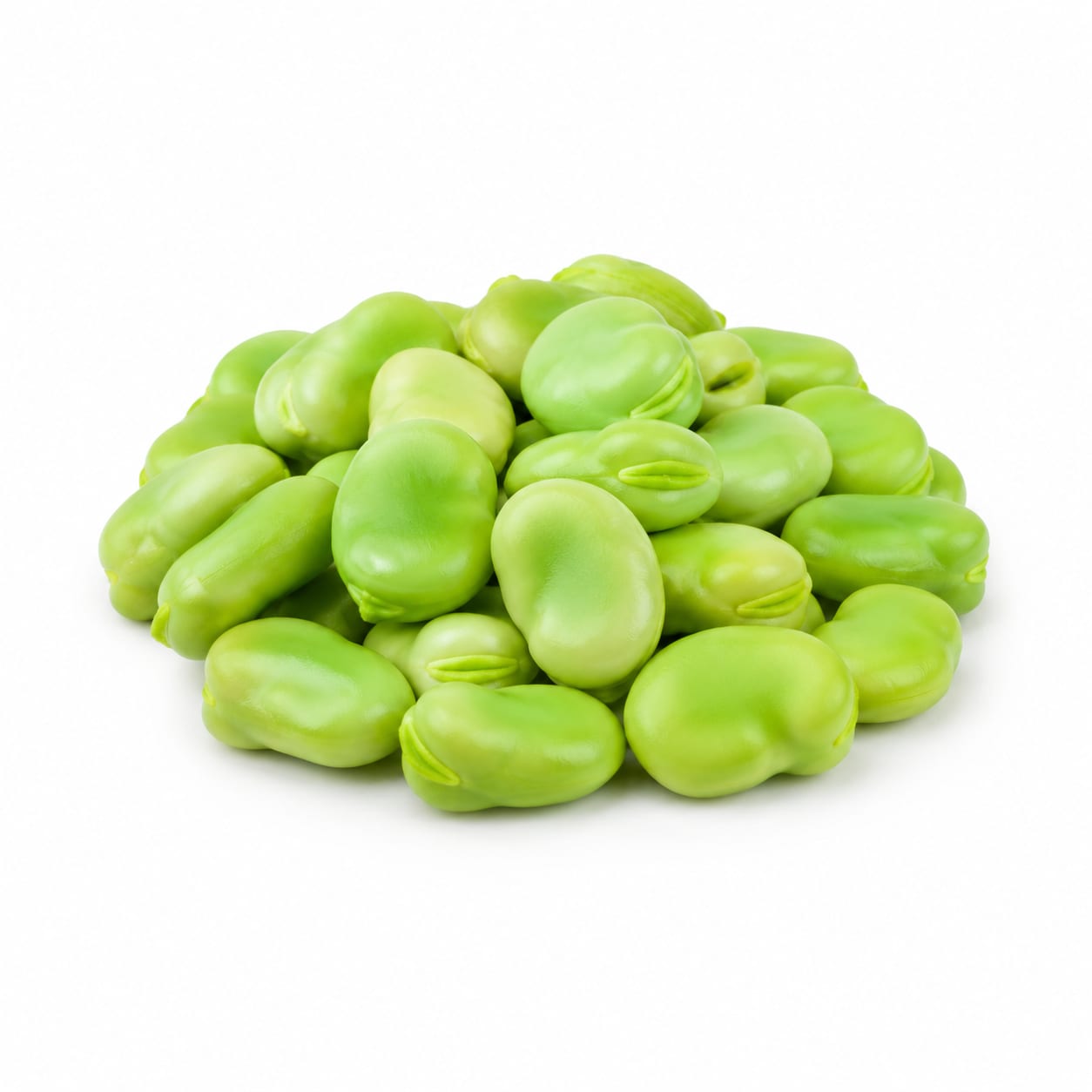
Broad Bean
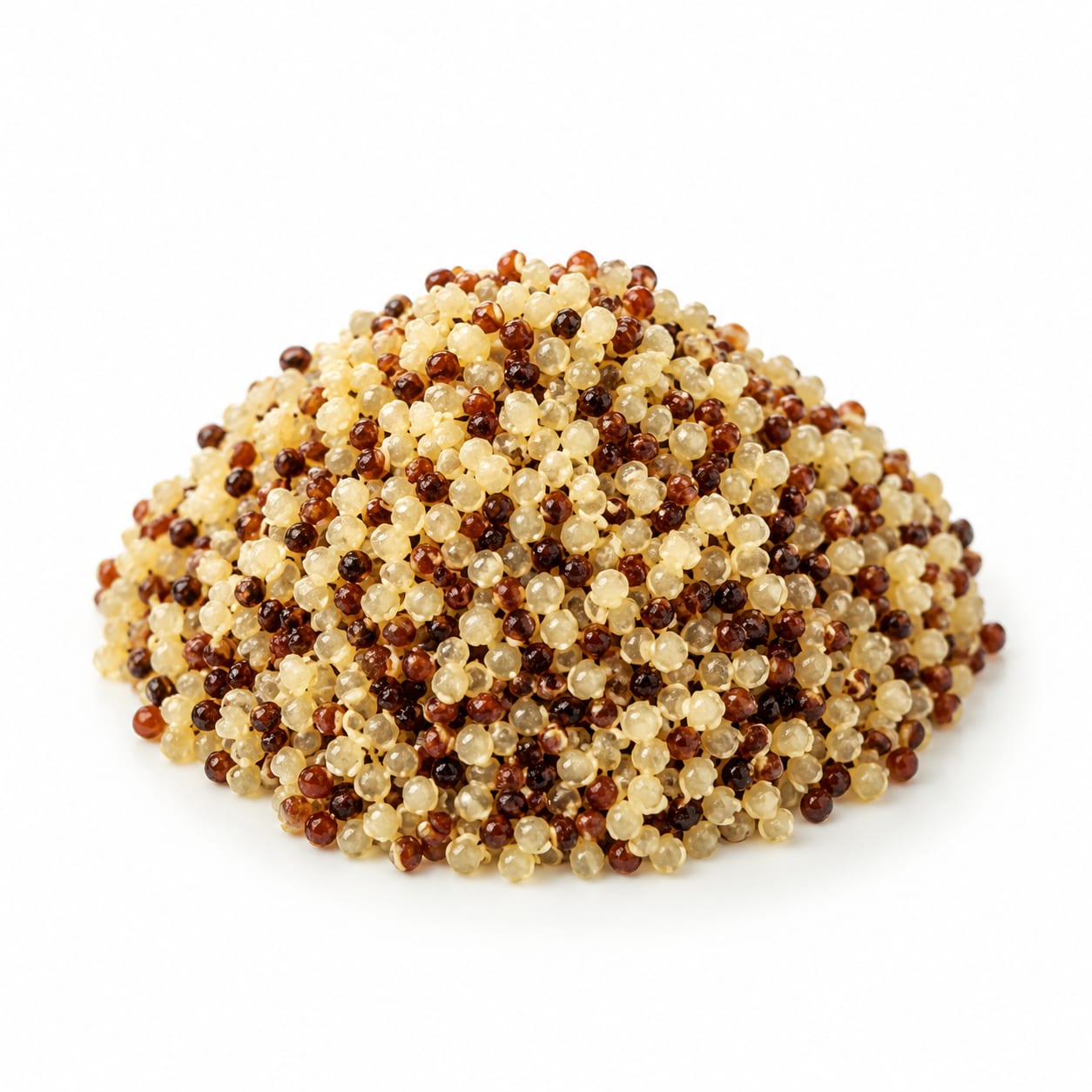
Quinoa
Quinoa offers complete protein and easier digestion, while broad beans deliver more protein per bite and superior fiber for fullness
Quinoa edges ahead mainly through protein completeness, easier digestion, and daily convenience. Broad beans score well on protein density and fiber but lose ground on the rare favism risk, higher bloating potential, and longer prep time. The gap is moderate because both are genuinely nutritious choices.
Protein completeness and convenience versus raw protein quantity and satiety power
At a glance
Executive summary
Overall
It depends
Healthier
It depends
More practical
Quinoa
Daily use
Quinoa
Key comparison lenses
plant-based protein source comparison
Both foods are popular among vegetarians and vegans seeking quality protein, making amino acid profile and protein density the central question
blood sugar and energy management
Users comparing these foods often want sustained energy without crashes, so glycemic impact and fiber content matter greatly
digestive tolerance and meal comfort
Broad beans can cause bloating and have a rare genetic risk, while quinoa can irritate if not rinsed, making digestion a key decision factor
weight management and satiety
Both foods are filling in different ways, so understanding which keeps you satisfied longer helps with portion control and snacking
cooking convenience and versatility
Quinoa cooks faster and works in more dishes, while broad beans require more prep, affecting daily practicality
Best choice for
Broad Bean
- Maximizing protein intake on a plant-based diet
- Improving fullness between meals
- Boosting iron and folate levels naturally
- Supporting heart health with extra fiber
- Those wanting a hearty, comforting legume experience
Quinoa
- Getting all essential amino acids from one food
- Quick weeknight meals with minimal prep
- Gentle digestion and low bloating risk
- Gluten-free grain alternatives
- Busy people needing reliable, easy nutrition
Least suitable for
Broad Bean
- People with G6PD deficiency due to favism risk
- Those prone to severe bloating or IBS flare-ups
- Anyone needing fast meal prep on tight schedules
- Pick eaters sensitive to strong earthy flavors
Quinoa
- People with severe quinoa or saponin sensitivity
- Those watching oxalate intake for kidney stone prevention
- Budget-conscious shoppers in regions where quinoa is expensive
Deep comparison
Dimension by dimension
Each lens scores both foods and breaks down who each option suits.
- Dimension 1 · Priority 95Quinoa
Protein Quality and Completeness
Broad Bean · 62Quinoa · 92Quinoa provides all nine essential amino acids in adequate ratios, while broad beans fall short on methionine and tryptophan.
Tradeoff
Broad beans offer more total protein per serving, but quinoa delivers better-balanced protein your body can use more efficiently
Why it matters
Incomplete proteins require combining with other foods across the day, adding meal-planning complexity for vegetarians
Real-world impact
Eating quinoa alone covers your amino acid needs, while broad beans pair best with grains like rice to fill the gaps
Broad Bean
- Total protein per calorie when paired with grains
- Post-workout protein loading in larger servings
Better for
- Requires complementary proteins for full profile
- Less efficient protein utilization eaten alone
Worse for
Quinoa
- Standalone complete protein source
- Simpler meal planning for vegetarians
- Better amino acid availability per gram consumed
Better for
- Lower total protein per serving compared to broad beans
- Less impactful for aggressive muscle-building diets needing high protein volume
Worse for
- Dimension 2 · Priority 88Broad Bean
Satiety and Fullness
Broad Bean · 89Quinoa · 76Broad beans are significantly more filling per serving due to higher fiber density and thicker, more substantial texture.
Tradeoff
You feel fuller longer with broad beans, but the heaviness can feel uncomfortable before physical activity
Why it matters
Better satiety means fewer between-meal snacks and easier portion control throughout the day
Real-world impact
A broad bean lunch keeps you satisfied until dinner, while quinoa may leave you reaching for a snack by mid-afternoon
Broad Bean
- Controlling hunger between meals
- Reducing overall daily calorie intake naturally
- Hearty comfort meals that feel substantial
Better for
- Can feel overly heavy before workouts
- May reduce appetite too much for those needing calories
Worse for
Quinoa
- Lighter meals before exercise
- Smaller appetites that find broad beans too heavy
- Evening meals where you want less digestive load
Better for
- Less effective at preventing afternoon snacking
- May require larger portions to match broad bean fullness
Worse for
- Dimension 3 · Priority 85Broad Bean
Blood Sugar Stability
Broad Bean · 86Quinoa · 78Broad beans have a lower glycemic index and more fiber to slow glucose absorption, giving steadier energy.
Tradeoff
Both foods are solid choices for blood sugar, but broad beans provide a noticeably gentler and longer-lasting glucose curve
Why it matters
Steadier blood sugar means fewer energy crashes, reduced cravings, and better focus throughout the day
Real-world impact
After broad beans you feel calmly energized for hours; after quinoa the energy is good but fades slightly sooner
Broad Bean
- Diabetics seeking the gentlest blood sugar response
- Sustained energy through long workdays
- Reducing sugar cravings triggered by glucose dips
Better for
- Minimal downside here, both foods perform well
Worse for
Quinoa
- Still a strong low-GI choice compared to most grains
- Better than rice, bread, or pasta for blood sugar
Better for
- Slightly faster glucose rise than broad beans
- May need pairing with healthy fats to match broad bean stability
Worse for
- Dimension 4 · Priority 82Quinoa
Digestive Tolerance
Broad Bean · 58Quinoa · 82Quinoa is gentler on most digestive systems, while broad beans commonly cause bloating and gas due to oligosaccharides.
Tradeoff
Broad beans feed gut bacteria more aggressively, which is beneficial long-term but uncomfortable short-term for sensitive stomachs
Why it matters
Daily comfort matters as much as nutrition; chronic bloating can discourage healthy eating habits entirely
Real-world impact
Quinoa works well before social events or exercise; broad beans are better saved for relaxed evenings at home
Broad Bean
- Building gut microbiome diversity over time
- Those already adapted to high-legume diets with minimal bloating
Better for
- Significant bloating and flatulence risk
- The favism danger for G6PD-deficient individuals
- Uncomfortable for new legume eaters
Worse for
Quinoa
- Sensitive digestion and IBS management
- Eating before physical activity or social situations
- Gradual introduction of plant foods without discomfort
Better for
- Saponins can irritate if unrinsed
- Oxalate concerns for kidney stone formers
Worse for
- Dimension 5 · Priority 75Quinoa
Convenience and Versatility
Broad Bean · 52Quinoa · 88Quinoa cooks in 15 minutes and works in salads, bowls, porridge, and baking, while broad beans need soaking and longer cooking.
Tradeoff
Quinoa fits effortlessly into busy lifestyles; broad beans reward patience with richer flavor and heartier texture
Why it matters
The best nutritious food is the one you actually prepare consistently rather than abandoning for convenience foods
Real-world impact
Quinoa makes it into weeknight dinners; broad beans tend to be weekend projects or require canned shortcuts
Broad Bean
- Slow-cooked stews and soups with deep flavor
- Meal prep sessions where batch cooking makes sense
- Mediterranean and Middle Eastern recipe authenticity
Better for
- Dried beans require overnight soaking
- Longer cooking time discourages spontaneous use
- Less versatile across different meal types
Worse for
Quinoa
- Quick 15-minute weeknight meals
- Breakfast porridge and grain bowls
- Salad additions and side dishes
- Travel and camping meals needing minimal prep
Better for
- Less culinary tradition and recipe depth in some cultures
- Can feel like a less satisfying main dish without additions
Worse for
- Dimension 6 · Priority 78Broad Bean
Micronutrient Density
Broad Bean · 85Quinoa · 79Broad beans deliver exceptional folate, iron, and manganese, while quinoa offers strong magnesium and phosphorus with broader but less concentrated coverage.
Tradeoff
Broad beans excel in specific nutrients critical for blood health and energy metabolism, while quinoa provides wider but shallower coverage
Why it matters
Folate and iron deficiencies are common, especially in women and vegetarians, making broad beans a targeted solution
Real-world impact
Regular broad bean consumption noticeably supports energy and blood health; quinoa provides solid general nutrition without standout peaks
Broad Bean
- Boosting folate for pregnancy preparation
- Combating iron-deficiency fatigue naturally
- Supporting red blood cell production
Better for
- Lower magnesium content than quinoa
- Fewer B-vitamins beyond folate
Worse for
Quinoa
- Broader mineral coverage including magnesium and zinc
- Better manganese-to-calorie ratio for bone health
- More balanced micronutrient spread per serving
Better for
- Less iron per serving than broad beans
- Lower folate, important for women of childbearing age
Worse for
Timeline
Health impact over time
Short-term
Hours to days
Broad Bean
- Noticeable fullness that reduces snacking for hours
- Possible bloating and gas within 30-90 minutes of eating
- Steady energy without the crash that follows refined carbs
- Mild digestive adjustment period if new to legumes
Quinoa
- Comfortable, light energy that supports afternoon productivity
- Minimal digestive discomfort when properly rinsed
- Quick satisfaction without heaviness or sluggishness
- Easy to overeat because it feels lighter than expected
Long-term
Months to years
Broad Bean
- Improved gut microbiome diversity from prebiotic fiber
- Better blood sugar regulation with regular consumption
- Reduced heart disease risk from high soluble fiber intake
- Potential favism crisis if G6PD deficiency goes undiagnosed
- Stronger iron stores, especially valuable for menstruating women
Quinoa
- Consistent complete protein intake supporting muscle maintenance
- Reduced inflammation from regular whole-grain consumption
- Better magnesium status supporting sleep and stress resilience
- Sustained weight management from moderate satiety without restriction
- Possible oxalate accumulation concerns for susceptible individuals
Risk profile
Safety & processing
Both foods are whole, minimally processed options sold close to their natural state. Dried broad beans and raw quinoa are about as clean as nutrition gets. The only processing concern is canned broad beans, which may contain added sodium, and pre-rinsed quinoa products that sometimes include preservatives.
Broad Bean
Favism in G6PD-deficient individuals
highPeople with G6PD deficiency can experience acute hemolytic anemia from broad beans. This genetic condition affects roughly 400 million people worldwide, particularly those of Mediterranean, African, and Southeast Asian descent.
Bacterial contamination in dried beans
mediumImproperly stored dried broad beans can harbor bacteria. Thorough cooking eliminates this risk, but skipping the full cooking time is dangerous.
Quinoa
Saponin irritation
lowUnrinsed quinoa contains bitter saponins that can irritate the digestive tract and reduce nutrient absorption. Rinsing thoroughly before cooking resolves this completely.
Oxalate accumulation
lowQuinoa contains moderate oxalates that may contribute to kidney stone formation in susceptible individuals. This is only a concern for those with a history of calcium oxalate stones.
Who wins for whom
Audience fit
Same foods, different winners depending on your goal.
children
QuinoaGentler digestion, milder flavor, and complete nutrition make quinoa more suitable for developing bodies, plus no favism risk to worry about
daily consumption
QuinoaQuinoa's convenience, gentle digestion, and versatility make it easier to eat consistently day after day without fatigue or discomfort
diabetes
Broad BeanLower glycemic index and higher fiber content provide the gentlest blood sugar response, reducing insulin demand throughout the day
elderly
QuinoaEasier digestion, softer texture when cooked, and complete protein support muscle preservation without the bloating risk that affects older digestive systems more
muscle gain
QuinoaComplete amino acid profile supports muscle protein synthesis more efficiently, even though total protein per serving is slightly lower
weight loss
Broad BeanHigher fiber and protein density make broad beans more filling per calorie, naturally reducing overall food intake without feeling deprived
Your move
Decision guide
Choose Broad Bean
- You want maximum fullness and fiber from every meal
- Blood sugar control is your top health priority
- You need to boost iron or folate intake naturally
- You enjoy slow cooking and hearty, comforting meals
- You have no G6PD deficiency concerns and tolerate legumes well
Choose Quinoa
- You want complete protein without meal-combining effort
- Quick cooking and weeknight convenience matter most
- You have sensitive digestion or IBS tendencies
- You need a versatile grain replacement for multiple recipes
- You prefer lighter meals that do not sit heavy
Either works if
- You rotate protein sources throughout the week anyway
- Both foods fit your budget and are available locally
- You want variety in your plant-based diet for broader nutrition
- Neither food triggers any personal sensitivities or allergies
Avoid both if
- You have specific allergies to either food
- You are on a very low-carb or ketogenic diet, as both are carb-dominant
- You have severe digestive conditions that cannot tolerate fiber increases without medical guidance
Final recommendation
Keep both in your rotation. Use quinoa for busy days when you need quick, gentle, complete nutrition. Reach for broad beans when you have time to cook and want maximum fullness, iron, and blood sugar stability. The best approach is alternating between them across the week to capture their complementary strengths without over-relying on either one.
Practical
Consumer tips
- 1
If bloating from broad beans bothers you, start with small servings and increase gradually over two weeks to adapt your gut bacteria
- 2
Soak dried broad beans overnight and discard the water to reduce gas-causing oligosaccharides significantly
- 3
Always rinse quinoa under running water for 30 seconds to remove bitter saponins, even if the package says pre-rinsed
- 4
Pair broad beans with a grain like rice or bulgur to complete their amino acid profile without extra thought
- 5
Cook a large batch of both on Sunday: quinoa for quick weekday bowls and broad beans for hearty dinners or soup additions
- 6
If you have Mediterranean, African, or Southeast Asian heritage, consider G6PD testing before making broad beans a regular part of your diet
- 7
Toast quinoa in a dry pan for two minutes before adding water to enhance its nutty flavor and reduce the need for added salt or fat