
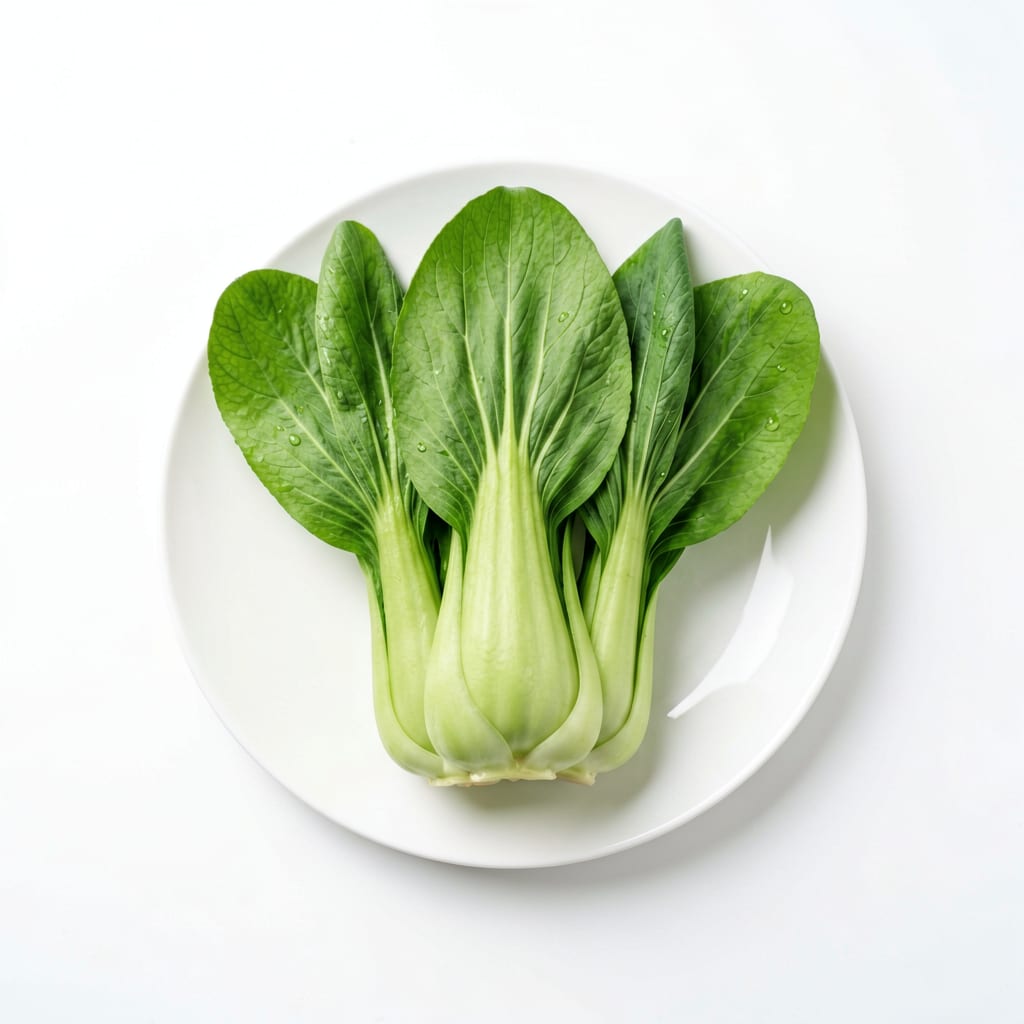
Vegetables
Bok Choy
A low-calorie, nutrient-dense cruciferous vegetable with crisp stalks and dark green leaves.
Bok choy, also known as pak choi, is a type of Chinese white cabbage belonging to the cruciferous vegetable family. It features crisp white stalks and tender dark green leaves, offering a mild, slightly sweet flavor commonly used in Asian cuisine.
high-volume low-calorie cruciferous vegetable
Typical serving · 70g
Common varieties · standard bok choy, baby bok choy, shanghai bok choy, tatsoi
Overall context score across nutrition, safety, and diet fit
At a glance
Quick facts
Simple indicators based on nutrition, processing, and diet fit.
The story
What makes it unique
Bok choy is a cruciferous vegetable with extremely high water content and very low energy density. It digests relatively quickly due to its low fiber and fat content, providing moderate satiety per volume. Its macronutrient profile is negligible, but it is rich in micronutrients, particularly glucosinolates, vitamin K, and bioavailable calcium.
Varieties: standard bok choy · baby bok choy · shanghai bok choy · tatsoi
Per 100g
Nutrition breakdown
Macro balance and key metrics at a glance.
Energy
Density 0.13 kcal/g
Protein
Carbs
Fat
Fiber
Sugar
1.2 g
Sodium
65 mg
Potassium
252 mg
Glycemic index
15
Glycemic load
1
Water content
95%
Standout compounds
Nutrient highlights
Vitamin K
highEssential for bone metabolism and blood clotting.
Vitamin C
moderateSupports immune function and collagen synthesis.
Vitamin A
highCrucial for vision and immune health.
Calcium
moderateHighly bioavailable source for bone health and muscle function.
Glucosinolates
highSulfur-containing compounds with antioxidant and cellular health properties.
Wellness map
Health scores & processing
NOVA processing scale
minimally processed · Whole food
Raw bok choy is an unprocessed whole food. Minimal processing involves washing and cutting.
Diet compatibility
- Weight loss
- Muscle gain
- Diabetes
- Gut health
- Low carb
- High protein
- Heart health
Relative standing
Food rankings
Qualitative ranks compared to similar whole foods.
- Satietygood
- Blood sugarexcellent
- Nutrient densityexcellent
- Fitness fuelmoderate
- Processing qualityexcellent
Eat with confidence
Food safety profile
Bok choy is generally safe but carries a moderate risk of bacterial contamination and pesticide residue common to leafy greens. Thorough washing mitigates most risks.
Evidence confidence 90%
- Pesticidesmoderate
- Antibioticslow
- Heavy metalslow
- Contaminationmoderate
Watch for
- e. coli
- salmonella
- pesticide residue
Safer choices
Organic bok choy to reduce pesticide exposure.
Prep tips
Separate the leaves and wash thoroughly under running water to remove hidden dirt and potential bacteria. Soak in a vinegar solution for added safety.
Leafy greens are frequently monitored for bacterial contamination from irrigation water and pesticide residue limits.
Deep dive
Health analysis
How this food may fit different goals and preparation choices.
Weight loss
Extremely low energy density allows for large portion sizes with minimal caloric intake, promoting fullness.
Blood sugar
Negligible impact on blood sugar due to very low carbohydrate content and glycemic load.
Fitness & energy
Not a direct energy source, but provides hydration and electrolytes like potassium that support muscle function.
Gut health
Contains fiber and glucosinolates that support gut microbiome diversity and reduce inflammation in the digestive tract.
Processing quality
Whole, unprocessed vegetable retaining all natural nutrients and phytochemicals.
Food safety
Primary risks involve pesticide residue and bacterial contamination from agricultural water; washing is essential.
Common mistakes
Overcooking until mushy, which destroys heat-sensitive vitamins like vitamin C and diminishes the crisp texture.
Best preparation
Quick stir-frying, light steaming, or eating raw in salads to preserve nutrients and crunch.
Practical guide
Best use cases
When and how this food fits real eating patterns.
high-volume low-calorie eating
Fill up large plates of food with minimal caloric impact for diet adherence.
low-oxalate calcium source
Ideal for individuals prone to kidney stones who need calcium without high oxalates.
quick stir-fry base
Cooks rapidly in stir-fries, absorbing flavors while maintaining a satisfying crunch.
blood sugar-friendly side dish
Adds bulk and nutrients to meals without impacting blood glucose levels.
Balance sheet
Pros & cons
Upsides
- Extremely low in calories
- Very low glycemic impact
- Highly bioavailable calcium
- Rich in cancer-fighting glucosinolates
- Low in oxalates
- Versatile for raw or cooked dishes
Trade-offs
- Very low in protein and fat
- Can cause gas or bloating if eaten raw in large amounts
- Pesticide residue risk requires thorough washing
- Overcooking quickly destroys vitamin C and texture
- Not a substantial energy source
Fit check
Who is it for?
Great match
- high-volume eating
- low-oxalate diets
- blood sugar management
- bone health support
Consider alternatives
- calorie-dense meal prep
- high-protein diets
- those with severe cruciferous sensitivities
Side by side
How it compares
Open the full head-to-head analysis for nutrition, safety, and practical tradeoffs.
This food
Bok Choy
VS85% alike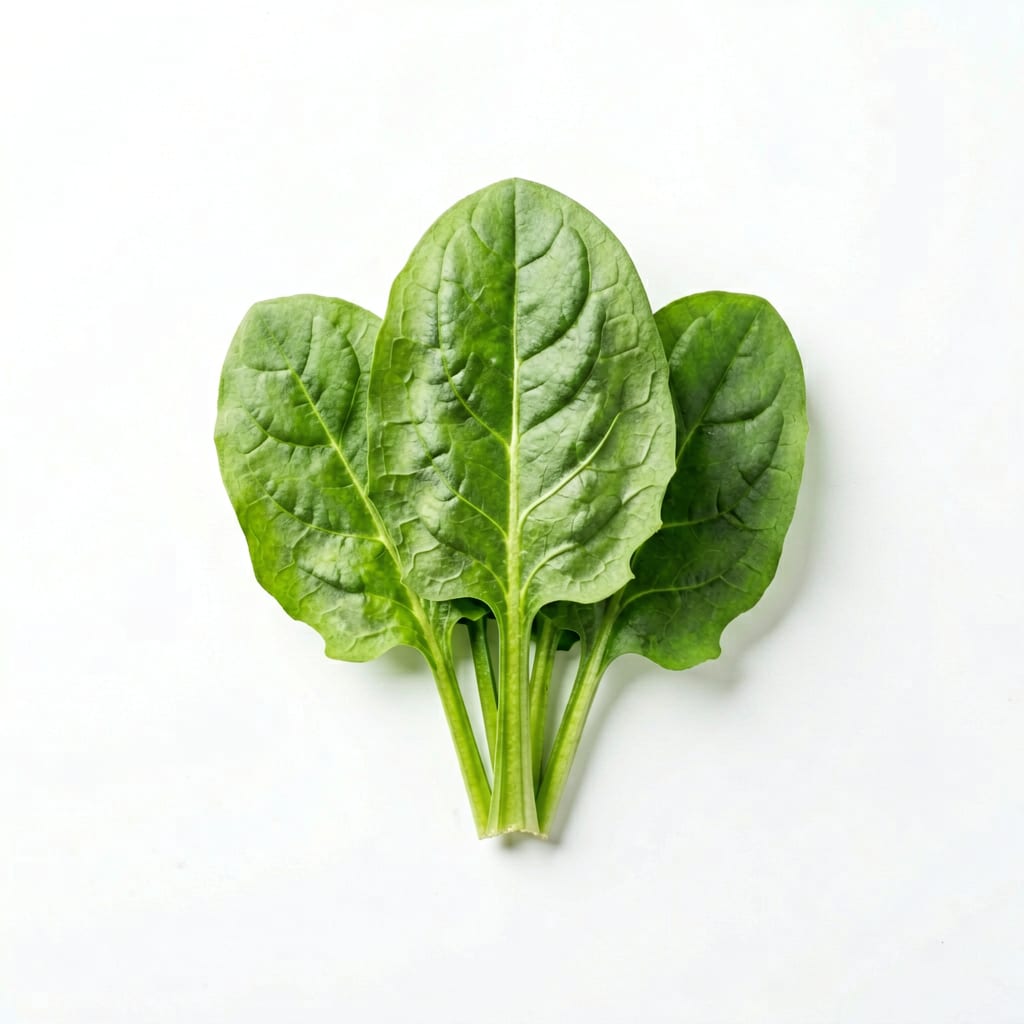
Compare with
Spinach
Spinach provides more iron and folate, while bok choy offers more bioavailable calcium and fewer oxalates.
Spinach provides more iron and folate, while bok choy offers more bioavailable calcium and fewer oxalates.
This food
Bok Choy
VS80% alike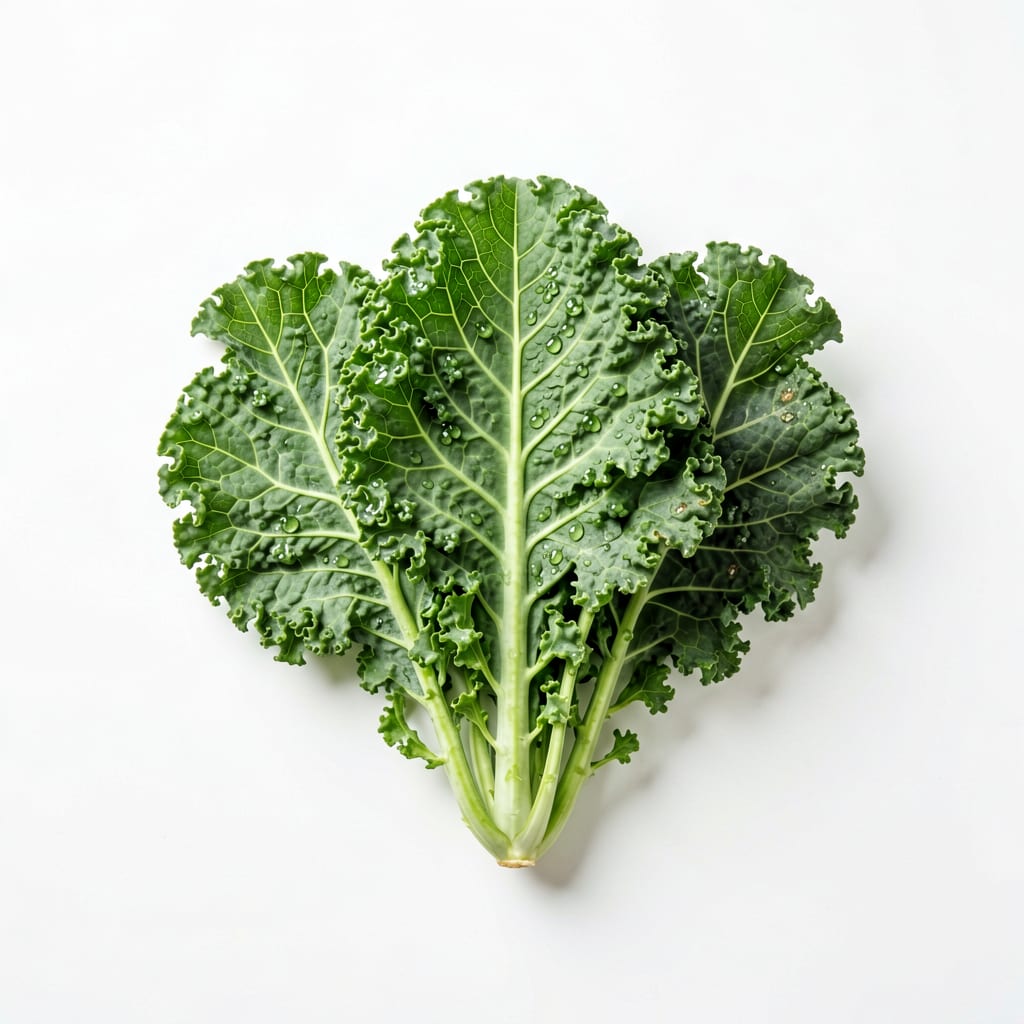
Compare with
Kale
Kale is more nutrient-dense and higher in fiber, but bok choy is lower in calories and has a milder flavor for larger portions.
Kale is more nutrient-dense and higher in protein, but bok choy is lower in calories and has a milder flavor for larger portions.
This food
Bok Choy
VS90% alike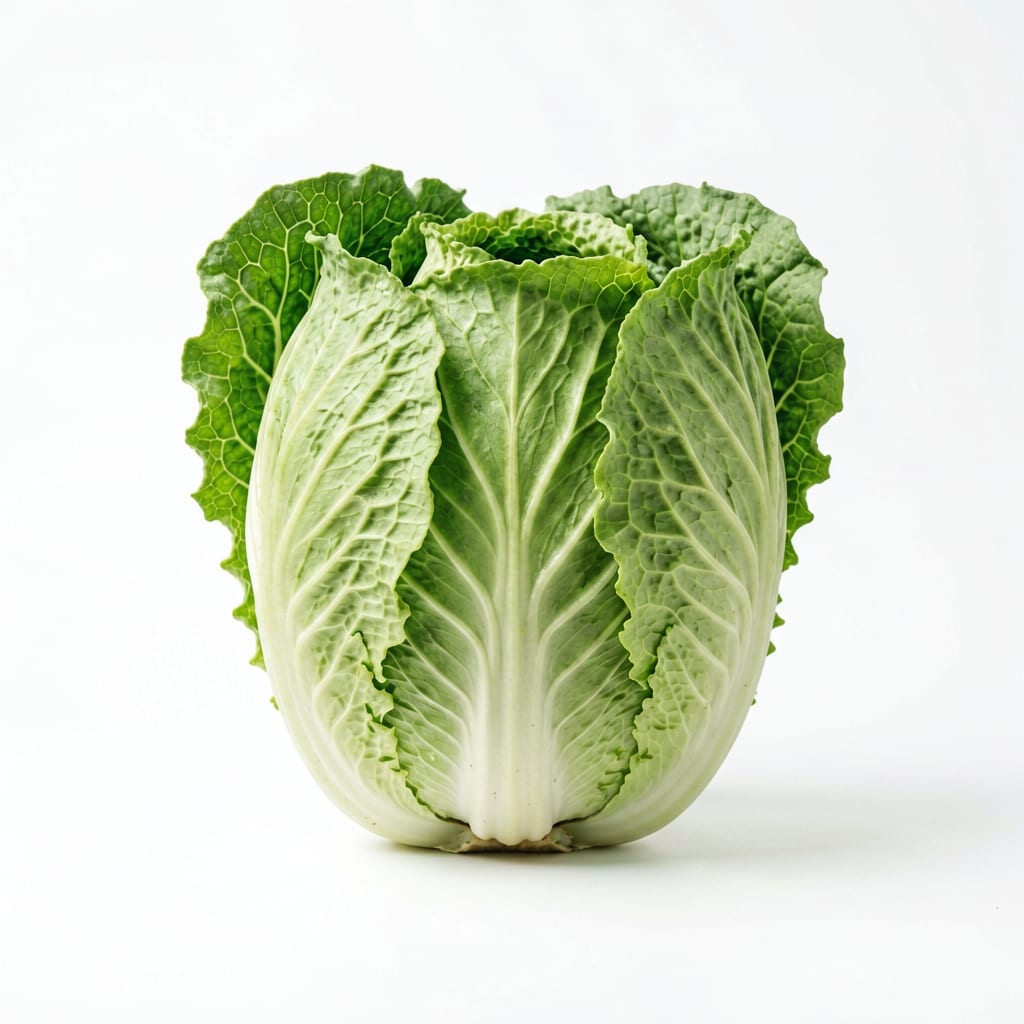
Compare with
Napa Cabbage
Napa cabbage and bok choy are similar, but bok choy offers slightly more vitamin A and calcium per serving.
Napa cabbage and bok choy are similar, but bok choy offers slightly more vitamin A and calcium per serving.
This food
Bok Choy
VS75% alike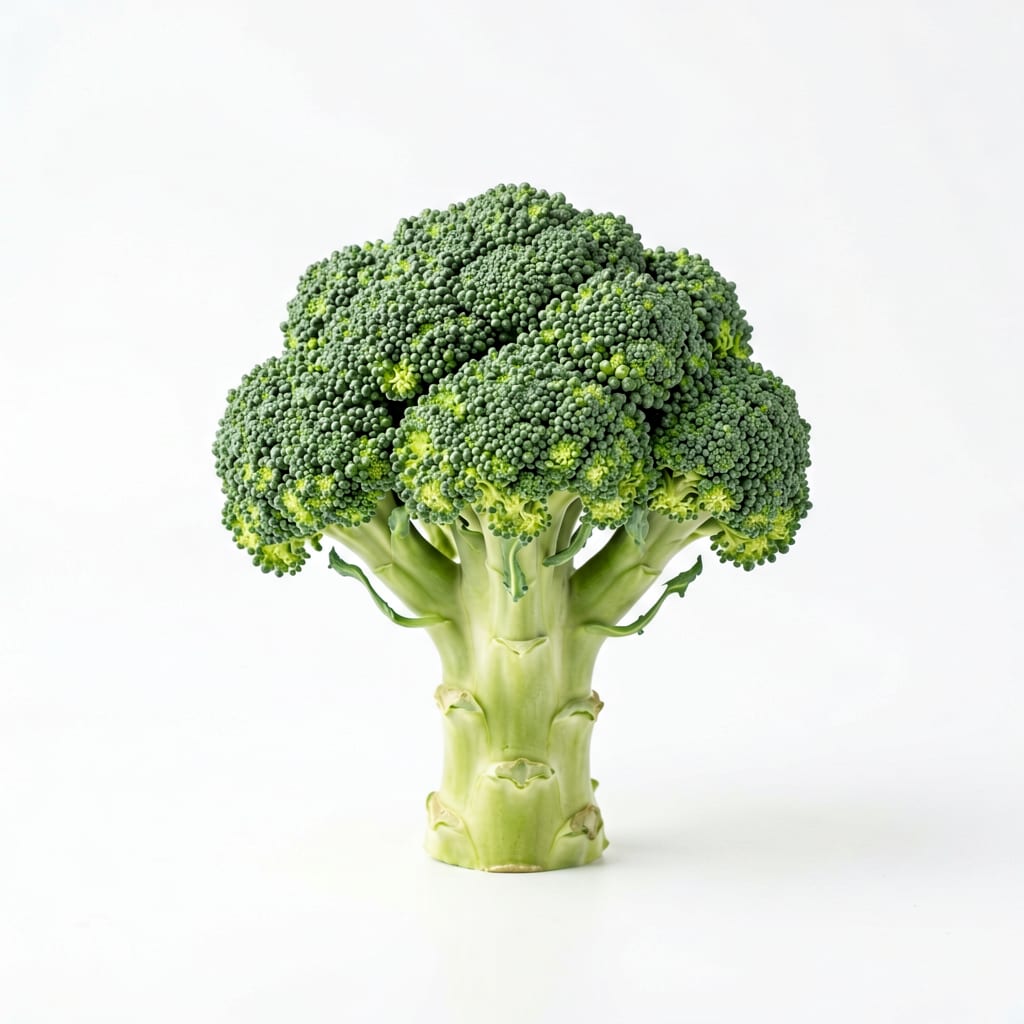
Compare with
Broccoli
Broccoli provides more protein and fiber for satiety, while bok choy is lighter and lower in calories.
Broccoli provides more protein and fiber for satiety, while bok choy is lighter and lower in calories.
This food
Bok Choy
VS70% alike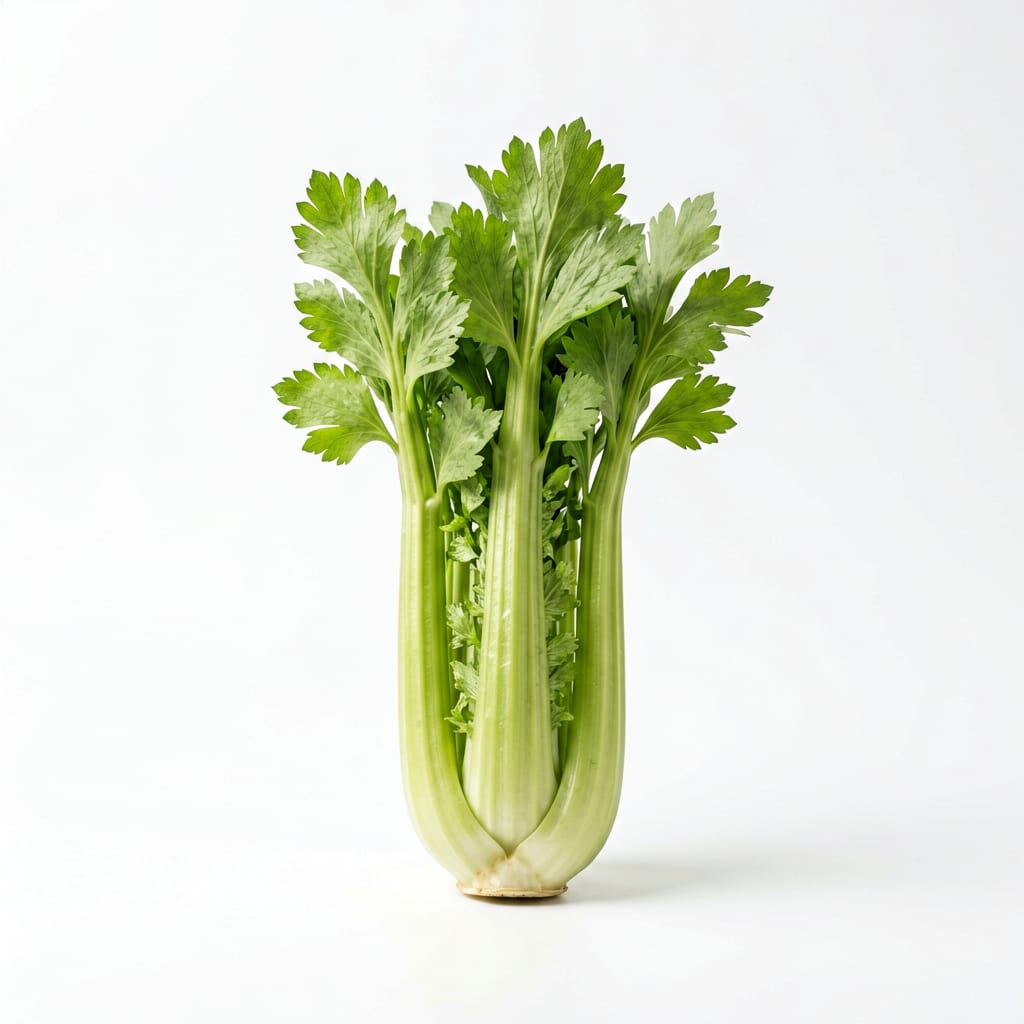
Compare with
Celery
Celery is slightly lower in calories, but bok choy is vastly superior in vitamins A, C, and K.
Celery is slightly lower in calories, but bok choy is vastly superior in vitamins A, C, and K.
This food
Bok Choy
VS65% alike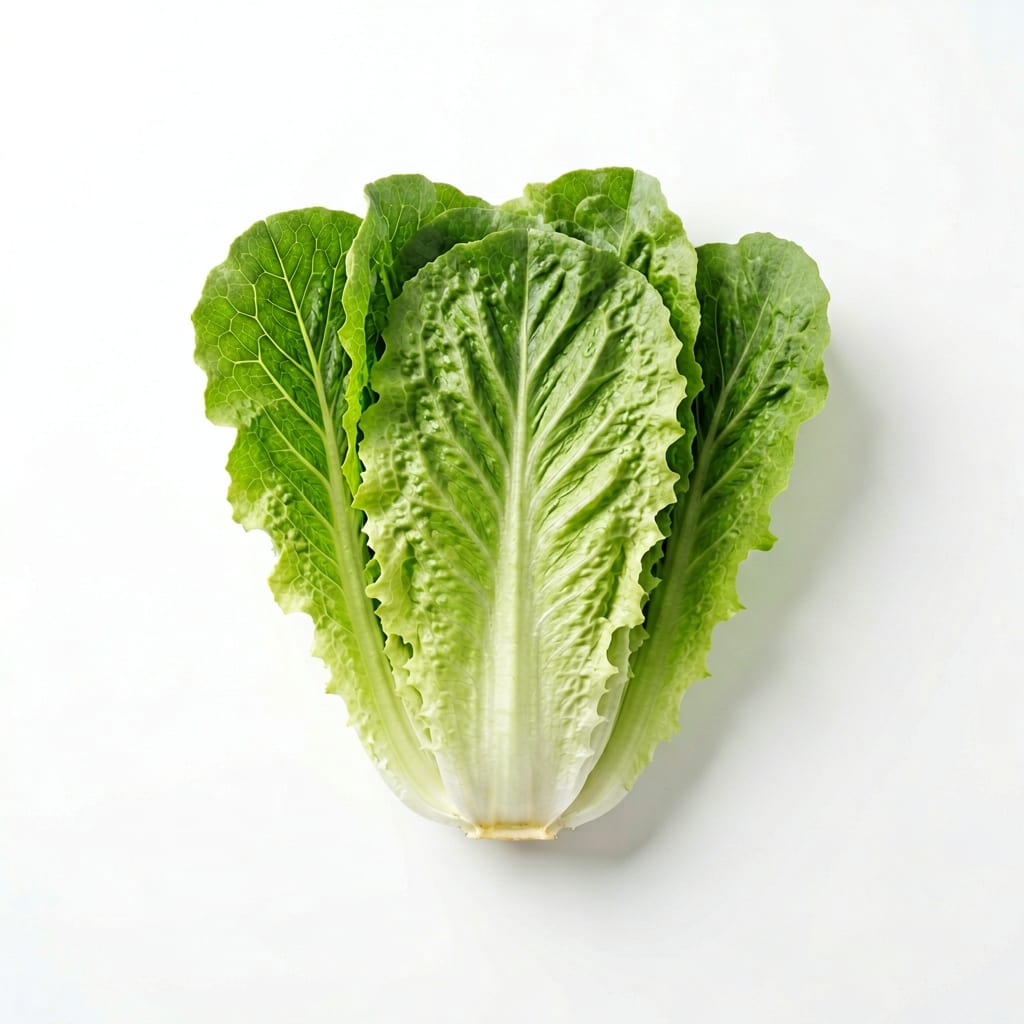
Compare with
Romaine Lettuce
Romaine is lighter for salads, but bok choy provides significantly more vitamin C, calcium, and glucosinolates.
Romaine is lighter for salads, but bok choy provides significantly more vitamin C, calcium, and glucosinolates.
This food
Bok Choy
VS75% alike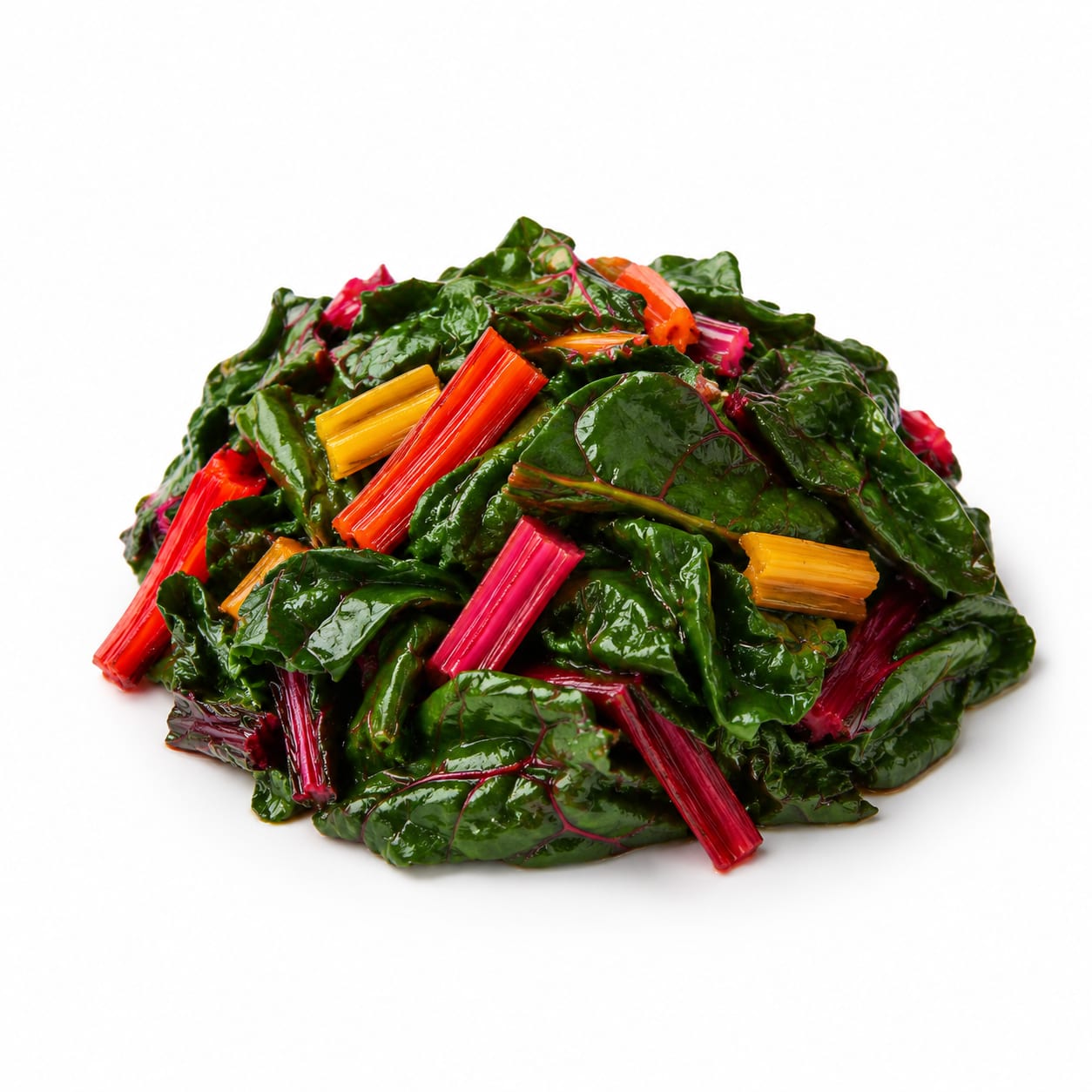
Compare with
Swiss Chard
Swiss chard is richer in magnesium, but bok choy is a better low-oxalate source of calcium.
Swiss chard is richer in magnesium, but bok choy is a better low-oxalate source of calcium.
This food
Bok Choy
VS60% alike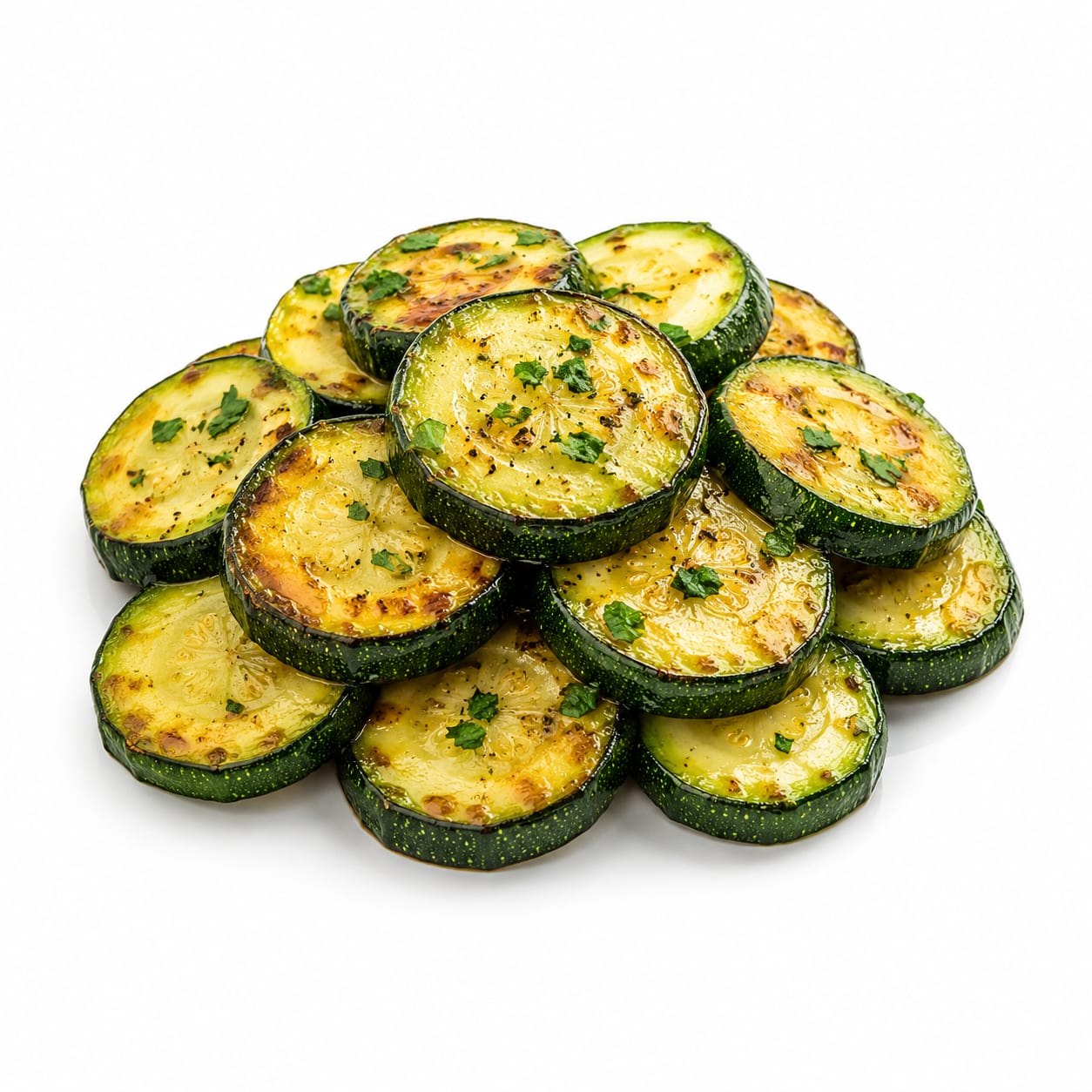
Compare with
Zucchini
Zucchini is great for low-cal volume, but bok choy delivers a stronger profile of bone-supporting vitamins and minerals.
Zucchini is great for low-cal volume, but bok choy delivers a stronger profile of bone-supporting vitamins and minerals.
This food
Bok Choy
VS70% alike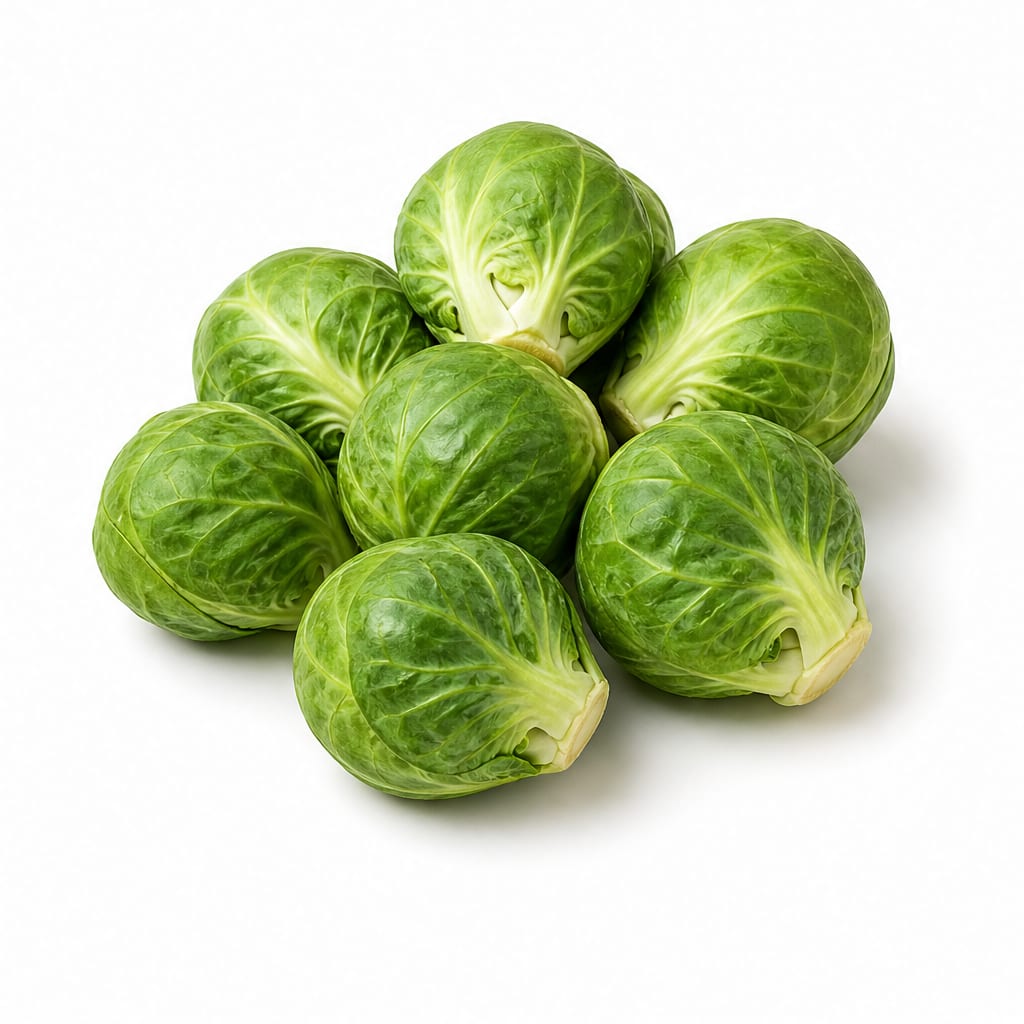
Compare with
Brussels Sprouts
Brussels sprouts offer more fiber and protein, while bok choy is much lower in calories and less dense.
Brussels sprouts offer more fiber and protein, while bok choy is much lower in calories and less dense.
This food
Bok Choy
VS65% alike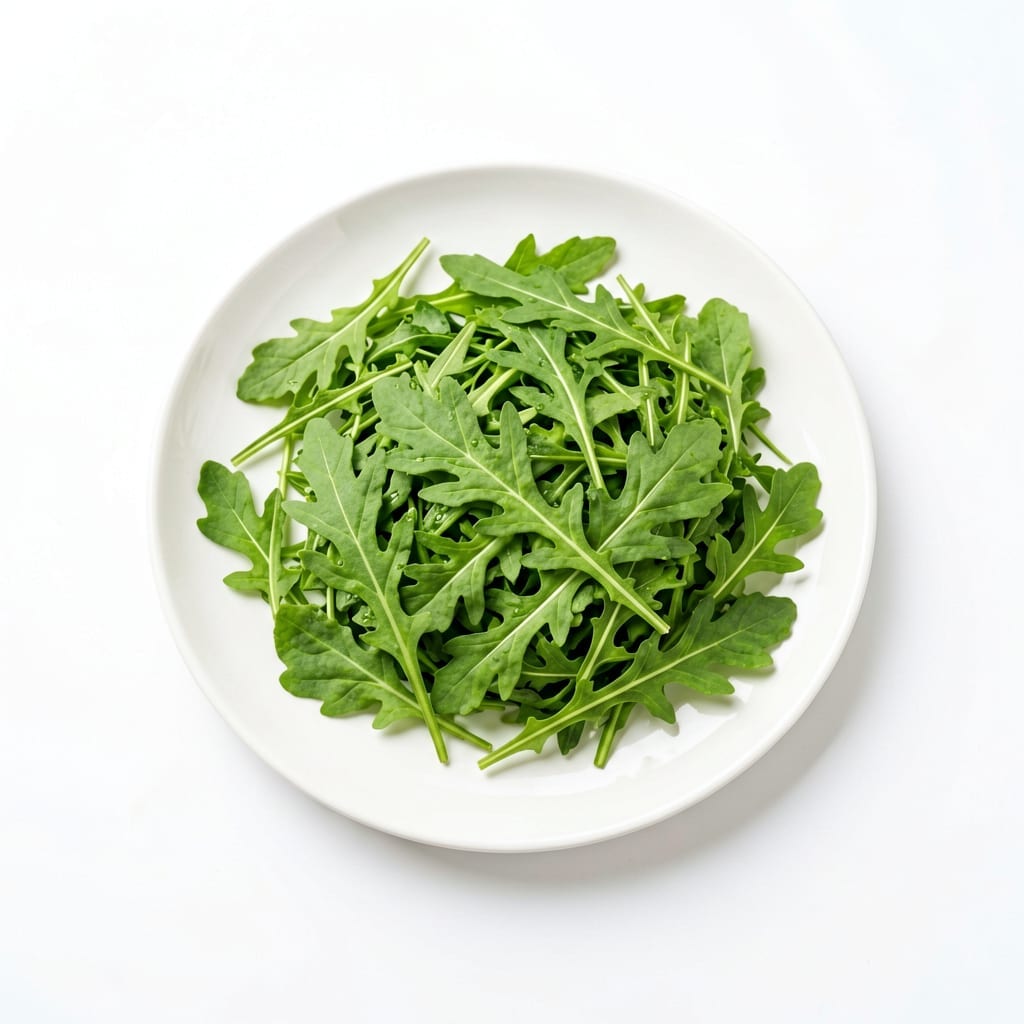
Compare with
Arugula
Arugula is slightly lower in calories and peppery, while bok choy provides a crispier texture and more vitamin C.
Arugula is slightly lower in calories and peppery, while bok choy provides a crispier texture and more vitamin C.
Common questions
FAQ
Answers aligned with how people search for this food.
Is bok choy good for weight loss?
Yes, its extremely low calorie count and high water content allow for high-volume eating without excess calories, promoting satiety.
Can diabetics eat bok choy?
Yes, it has a very low glycemic index and load, causing almost no blood sugar spike, making it highly suitable for diabetic diets.
Is bok choy better than spinach?
Bok choy has fewer calories and oxalates, making its calcium more absorbable, while spinach provides more iron and folate. Both are excellent choices.
Can you eat bok choy raw?
Yes, the tender inner leaves are excellent raw in salads, providing a crisp texture and mild, slightly sweet mustard flavor.
Does bok choy have oxalates?
Very few. Unlike spinach and kale, bok choy is a low-oxalate green, making its minerals like calcium much easier for the body to absorb.
What are the health benefits of bok choy?
It supports bone health via bioavailable calcium and vitamin K, boosts immunity with vitamin C, and provides cancer-fighting glucosinolates.
How many calories are in bok choy?
There are only about 13 calories in 100 grams of raw bok choy, making it one of the lowest-calorie vegetables available.
Does bok choy cause bloating?
Like other cruciferous vegetables, it contains raffinose, a complex sugar that can cause gas or bloating if eaten in large quantities, especially raw.
Transparency
Data confidence
Estimated confidence for nutrition data, interpretation, safety notes, and comparisons.
Nutrition data
Health analysis
Food safety
Comparisons