
Nutrition comparison
Bok Choy vs Romaine Lettuce: Which is Healthier?
Compare Bok Choy and Romaine Lettuce to see which leafy green offers better nutrition, safety, and culinary value for your meals.
Overall winner · Bok Choy
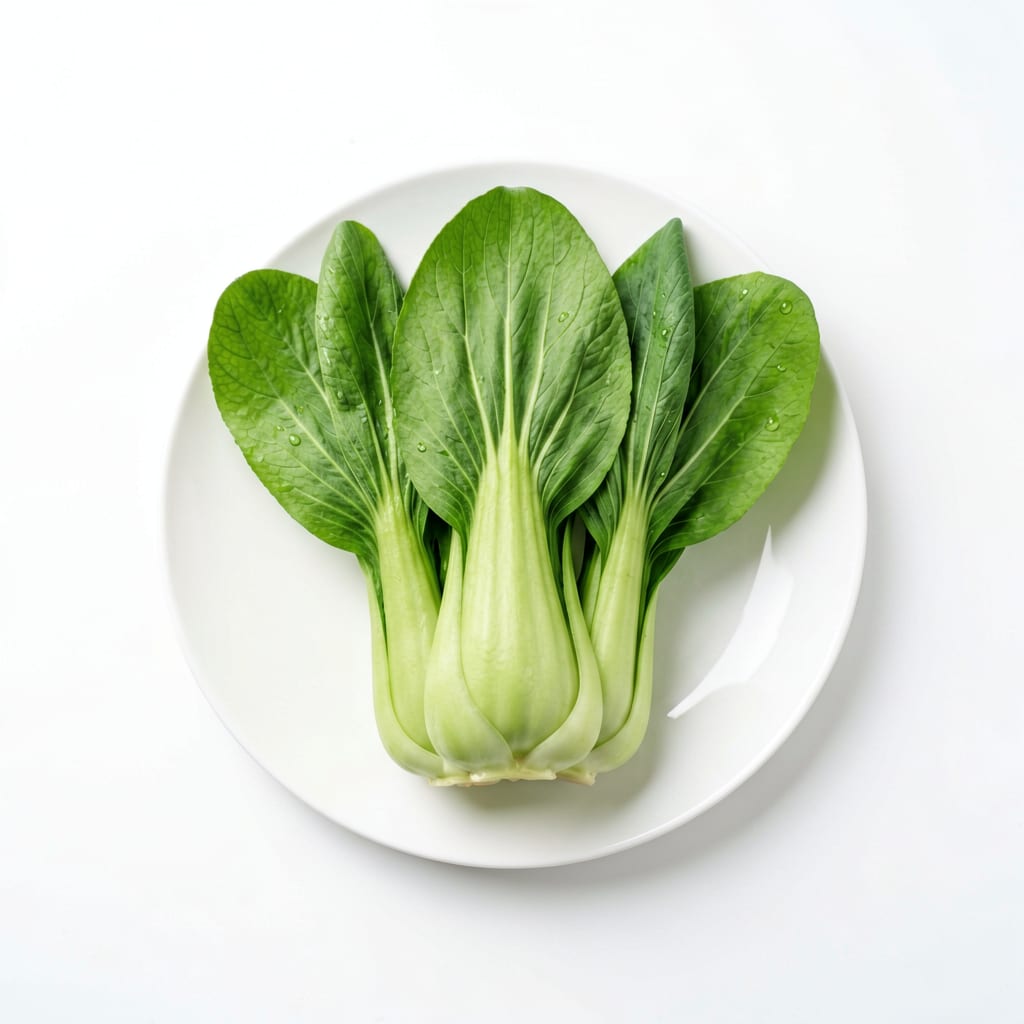
Bok Choy
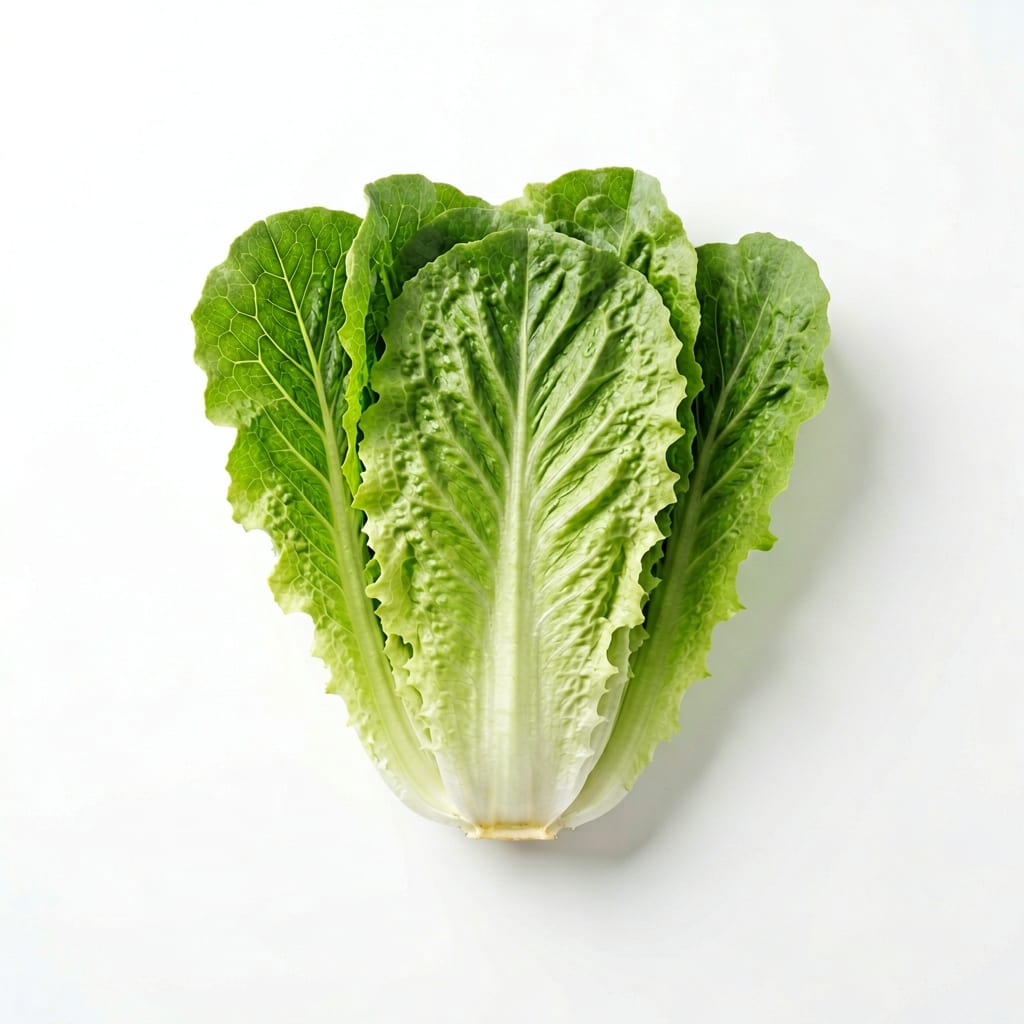
Romaine Lettuce
Bok Choy packs far more nutrition per bite, but Romaine Lettuce offers unmatched crunch and convenience for raw salads.
Bok Choy scores higher due to its exceptional nutrient density and cancer-fighting compounds, while Romaine Lettuce remains a solid but less nutritionally concentrated choice.
You trade the superior vitamin and mineral density of Bok Choy for the refreshing, ready-to-eat crispness of Romaine Lettuce.
At a glance
Executive summary
Overall
Bok Choy
Healthier
Bok Choy
More practical
Romaine Lettuce
Daily use
It depends
Key comparison lenses
Nutrient density and vitamin content
Bok Choy is a cruciferous powerhouse with significantly more vitamins and minerals per calorie than Romaine.
Culinary application and versatility
Bok Choy is typically cooked while Romaine is eaten raw, making them suitable for entirely different meals.
Food safety and contamination risk
Romaine Lettuce has a history of E. coli outbreaks, which is a major consumer concern.
Best choice for
Bok Choy
- Boosting calcium and vitamin intake
- Cooked dishes like stir-fries and soups
- Supporting detox and cellular health
Romaine Lettuce
- Quick, no-cook salads
- Low-calorie volume eating
- Adding crunch to sandwiches and wraps
Least suitable for
Bok Choy
- Raw salads where a light crunch is desired
- People with severe thyroid issues eating it raw in massive amounts
Romaine Lettuce
- Cooked dishes like soups or stir-fries
- Those seeking high nutrient density per calorie
Deep comparison
Dimension by dimension
Each lens scores both foods and breaks down who each option suits.
- Dimension 1 · Priority 95Bok Choy
Nutrient Density
Bok Choy · 92Romaine Lettuce · 60Bok Choy delivers significantly more vitamin C, vitamin A, calcium, and beneficial glucosinolates compared to Romaine Lettuce.
Tradeoff
Romaine Lettuce is mostly water, making it less nutritionally potent but incredibly hydrating and low in calories.
Why it matters
Higher nutrient density means you get more health benefits per serving without needing to eat massive volumes.
Real-world impact
Eating a cup of cooked Bok Choy noticeably boosts your daily vitamin and mineral intake much more effectively than a cup of shredded Romaine.
Bok Choy
- Bone health due to high calcium and vitamin K
- Immune support from concentrated vitamin C
- Cellular defense from glucosinolates
Better for
- Getting a quick, light hydration boost
Worse for
Romaine Lettuce
- Hydration due to extremely high water content
- Extremely low calorie intake for strict dieting
Better for
- Meeting daily vitamin and mineral requirements efficiently
Worse for
- Dimension 2 · Priority 85It depends
Culinary Versatility & Convenience
Bok Choy · 75Romaine Lettuce · 80Romaine Lettuce is the king of quick, raw preparations, while Bok Choy shines in cooked dishes but requires prep.
Tradeoff
You can grab Romaine straight from the fridge for a salad, whereas Bok Choy usually needs washing and cooking to unlock its best texture and flavor.
Why it matters
Convenience often dictates what you actually eat daily, not just what's theoretically healthier.
Real-world impact
Romaine is easier to throw into a lunch wrap, but Bok Choy makes a 10-minute stir-fry feel like a complete, nourishing meal.
Bok Choy
- Warm, comforting meals
- Stir-fries and Asian-inspired dishes
- Absorbing flavorful sauces
Better for
- Grab-and-go raw snacking
Worse for
Romaine Lettuce
- No-cook meal prep
- Sandwiches and burgers
- Refreshing side salads
Better for
- Hot meals like soups or sautés
Worse for
- Dimension 3 · Priority 75Bok Choy
Food Safety & Contamination Risk
Bok Choy · 85Romaine Lettuce · 55Romaine Lettuce has a well-documented history of E. coli outbreaks, while Bok Choy poses fewer bacterial contamination risks, especially when cooked.
Tradeoff
Cooking Bok Choy eliminates most bacterial risks, whereas Romaine is eaten raw, leaving you more reliant on washing and supply chain safety.
Why it matters
Foodborne illness is a severe acute health risk that can overshadow long-term nutritional benefits.
Real-world impact
You need to be more careful sourcing and washing Romaine, especially for vulnerable groups like children or the elderly.
Bok Choy
- Reduced risk of bacterial infection when cooked
- Safer for immune-compromised individuals when heated
Better for
- Mild goitrogenic risk if consumed raw in extreme excess by those with thyroid issues
Worse for
Romaine Lettuce
- Quick rinsing is usually sufficient for home-grown or trusted organic sources
Better for
- Higher susceptibility to E. coli and salmonella from agricultural runoff
Worse for
Timeline
Health impact over time
Short-term
Hours to days
Bok Choy
- Provides a quick boost in hydration and vitamins
- Can cause mild stomach discomfort if eaten raw in large quantities due to fiber
Romaine Lettuce
- Highly hydrating and refreshing
- Very gentle on the stomach, easy to digest
Long-term
Months to years
Bok Choy
- Supports bone density through high calcium and vitamin K
- Glucosinolates may reduce the risk of certain cancers
Romaine Lettuce
- Contributes to steady hydration and eye health via vitamin A
- Supports heart health with folate but to a lesser extent than darker greens
Risk profile
Safety & processing
Both Bok Choy and Romaine Lettuce are whole, natural vegetables typically sold fresh without additives.
Bok Choy
Goitrogens
lowRaw Bok Choy contains compounds that can interfere with thyroid function, but this is only a concern if eaten in massive raw amounts; cooking neutralizes it.
Pesticide residue
mediumAs a leafy green, it can retain pesticides; washing thoroughly is recommended.
Romaine Lettuce
E. coli contamination
highRomaine has been linked to multiple multi-state E. coli outbreaks due to its growing conditions and central processing.
Pesticide residue
mediumOften finds its way onto the EWG's Dirty Dozen list; buying organic is a smart choice.
Who wins for whom
Audience fit
Same foods, different winners depending on your goal.
children
Romaine LettuceRomaine's mild flavor and crisp texture are usually more kid-friendly than the slightly bitter, earthy taste of Bok Choy.
daily consumption
It dependsBok Choy is better for daily nutrition, but Romaine is easier to eat daily due to its convenience in salads and sandwiches.
diabetes
Bok ChoyBok Choy has a slightly better nutrient-to-carb ratio and more fiber, which helps stabilize blood sugar more effectively than the mostly-water composition of Romaine.
elderly
Bok ChoyThe high calcium and vitamin K in Bok Choy are crucial for preventing osteoporosis, a major concern for aging populations.
muscle gain
Bok ChoyBok Choy provides slightly more calcium and vitamin K, which support bone health under the stress of heavy lifting, though neither is a primary protein source.
weight loss
It dependsRomaine Lettuce lets you eat massive volumes for almost no calories, while Bok Choy provides more satiety per bite through higher nutrient and fiber content.
Your move
Decision guide
Choose Bok Choy
- You want to maximize your vitamin and mineral intake per meal
- You are cooking a stir-fry, soup, or warm grain bowl
- You are concerned about food safety and E. coli outbreaks
- You want to boost bone health with plant-based calcium
Choose Romaine Lettuce
- You need a quick, no-cook base for a salad
- You want a satisfying crunch in your wraps or sandwiches
- You are doing volume eating to feel full on very few calories
- You prefer a very mild, neutral-tasting green
Either works if
- You just need a hydrating vegetable to round out a meal
- You are rotating leafy greens to diversify your nutrient intake
Avoid both if
- You are looking for a high-protein food to build muscle
- You need a calorie-dense food for weight gain
Final recommendation
Keep both in your kitchen. Use Romaine Lettuce for quick, raw lunches and Bok Choy for nutrient-dense, cooked dinners to get the best of both worlds.
Practical
Consumer tips
- 1
Cook Bok Choy lightly—just until wilted—to preserve its vitamin C and neutralize goitrogens.
- 2
If eating Romaine raw, wash it thoroughly, even if the package says pre-washed, due to contamination risks.
- 3
Store Romaine in a crisper drawer with a paper towel to absorb moisture and keep it crisp.
- 4
Buy organic Romaine when possible to reduce pesticide exposure, as it frequently appears on the Dirty Dozen list.