
Nutrition comparison
Bok Choy vs Broccoli: Nutrition, Digestion, and Best Uses
Compare Bok Choy vs Broccoli to see which is better for weight loss, digestion, and bone health. Learn the key nutritional differences and culinary tradeoffs.
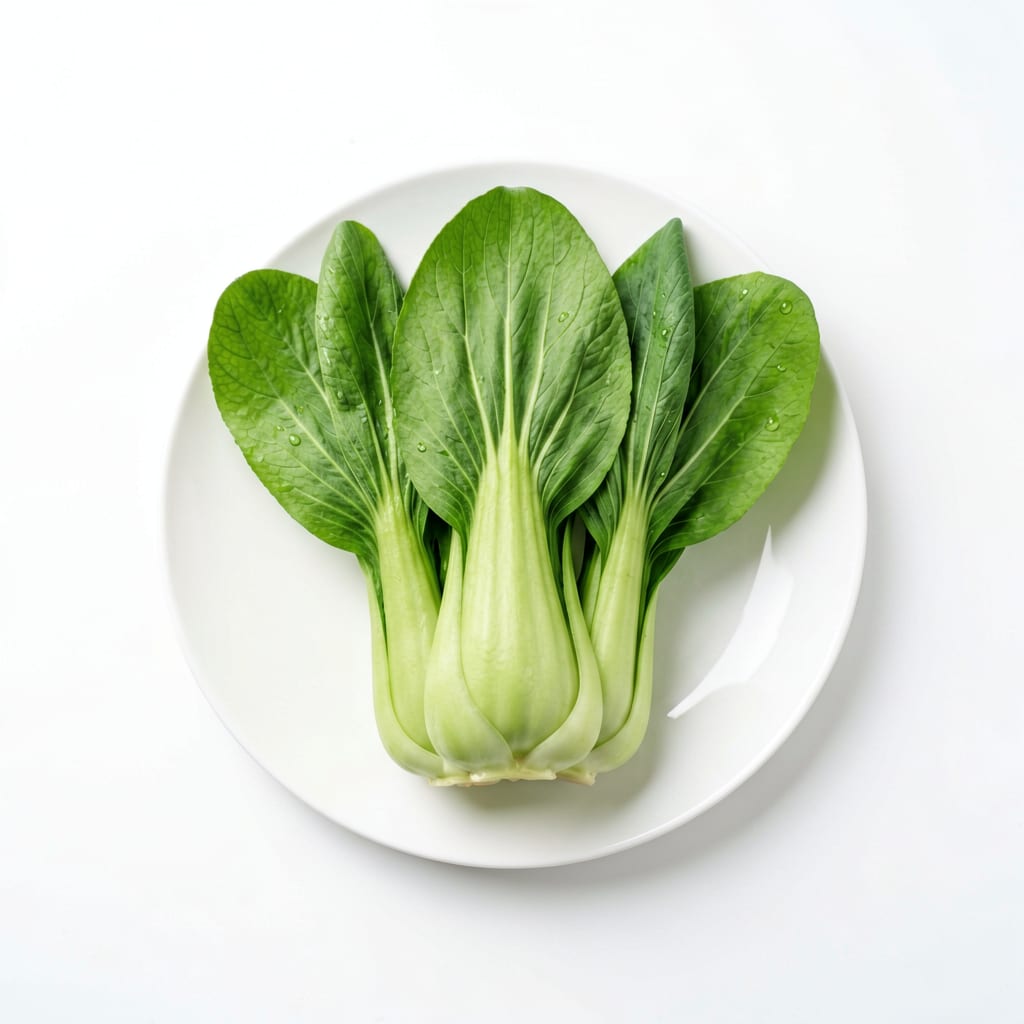
Bok Choy
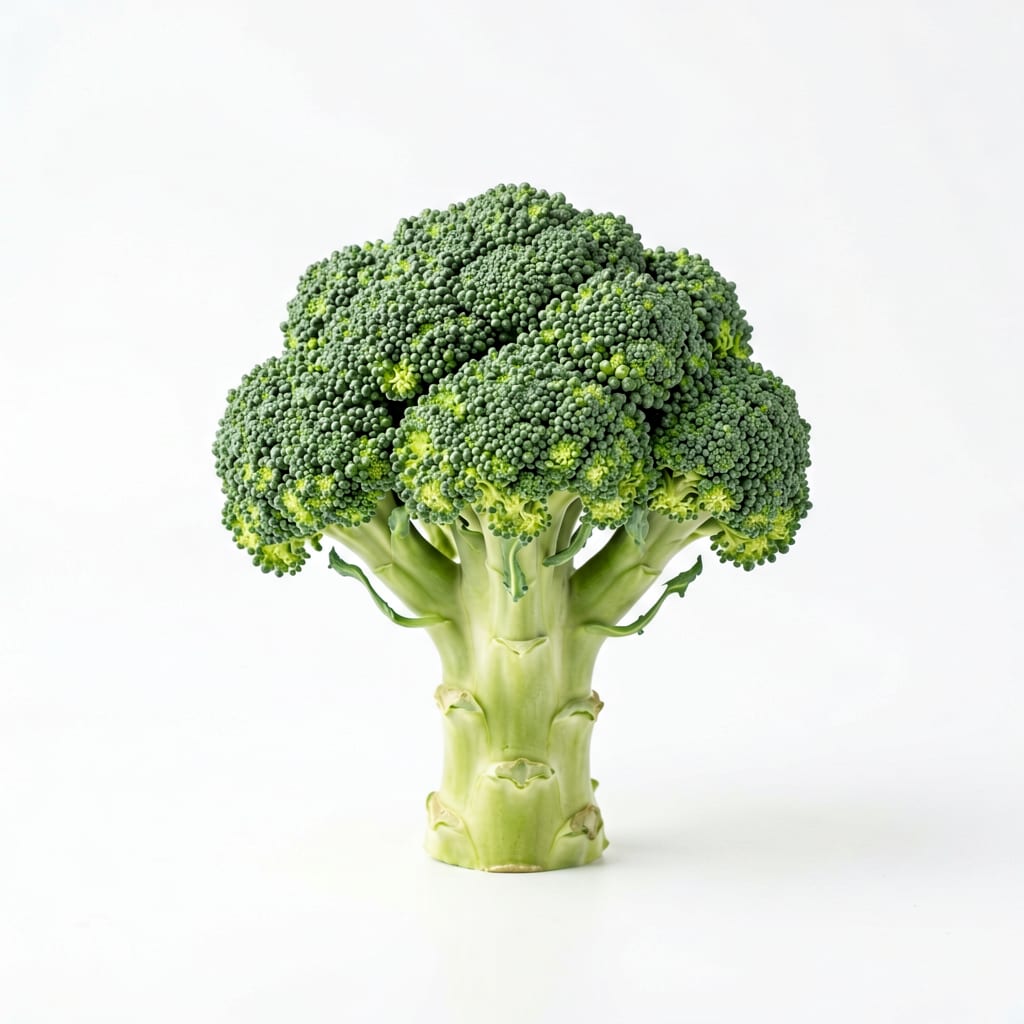
Broccoli
Broccoli offers more Vitamin C and culinary flexibility, but Bok Choy delivers superior calcium and is much easier to digest.
Broccoli slightly edges out Bok Choy due to its broader nutrient profile and versatility, but Bok Choy remains a top-tier choice for specific needs like calcium and digestive gentleness.
Immune-boosting Vitamin C and satiety from Broccoli versus bone-supporting calcium and digestive comfort from Bok Choy.
At a glance
Executive summary
Overall
It depends
Healthier
It depends
More practical
Broccoli
Daily use
It depends
Key comparison lenses
Nutrient density tradeoffs
Bok Choy and Broccoli have distinct micronutrient profiles, with Bok Choy leading in calcium and Broccoli dominating in Vitamin C.
Digestive tolerance
Broccoli is notorious for causing gas and bloating, while Bok Choy is much gentler on the digestive system.
Culinary versatility
Broccoli fits into almost any cuisine, whereas Bok Choy is primarily used in Asian dishes.
Best choice for
Bok Choy
- People prone to bloating or IBS
- Those needing dairy-free calcium for bone health
- Fans of quick-cooking stir-fries
Broccoli
- People looking to boost their immune system
- Those wanting a high-fiber, filling side dish
- Meal preppers who need versatile vegetables
Least suitable for
Bok Choy
- Those seeking high Vitamin C from vegetables
- People who dislike Asian-style flavor profiles
Broccoli
- Individuals with severe IBS or cruciferous sensitivity
- Those wanting a very low-calorie volume vegetable
Deep comparison
Dimension by dimension
Each lens scores both foods and breaks down who each option suits.
- Dimension 1 · Priority 90Bok Choy
Bone Health & Mineral Density
Bok Choy · 92Broccoli · 70Bok Choy is an exceptional source of highly bioavailable calcium, crucial for bone health without needing dairy.
Tradeoff
You get more calcium and Vitamin A from Bok Choy, but miss out on the higher Vitamin K and phosphorus balance found in Broccoli.
Why it matters
Calcium absorption from plant sources can be tricky, but Bok Choy provides it in a form the body easily uses.
Real-world impact
Eating Bok Choy regularly can help maintain bone density, especially for those avoiding dairy.
Bok Choy
- Dairy-free diets
- Older adults needing easily absorbed calcium
- Post-menopausal women
Better for
- Those relying on a single veg for Vitamin C
Worse for
Broccoli
- General mineral balance
- Vitamin K supplementation for bone matrix
Better for
- People who need a low-oxalate calcium source
Worse for
- Dimension 2 · Priority 95Broccoli
Immune Support & Antioxidant Load
Bok Choy · 65Broccoli · 95Broccoli is packed with Vitamin C and potent glucosinolates, making it a powerhouse for immune defense and cellular protection.
Tradeoff
Broccoli gives you a massive Vitamin C boost, while Bok Choy provides a milder antioxidant profile focused on Vitamin A.
Why it matters
Vitamin C is essential for fighting off everyday illnesses and recovering from stress.
Real-world impact
Adding Broccoli to your dinner helps you hit your Vitamin C target easily, reducing sick days.
Bok Choy
- Those specifically wanting beta-carotene for eye health
Better for
- People needing an immune boost during winter
Worse for
Broccoli
- Fighting off colds
- Recovering from intense workouts
- Reducing oxidative stress
Better for
- Those watching their roughage intake during a flare-up
Worse for
- Dimension 3 · Priority 85Bok Choy
Digestive Comfort & Tolerance
Bok Choy · 90Broccoli · 55Bok Choy is soft, low in insoluble fiber, and gentle on the stomach, whereas Broccoli is notoriously gassy and bloating.
Tradeoff
Broccoli offers more fiber for gut health long-term, but Bok Choy is far less likely to cause immediate discomfort.
Why it matters
If you have a sensitive gut, eating cruciferous vegetables like Broccoli can lead to painful bloating and social anxiety.
Real-world impact
Choosing Bok Choy for a weeknight dinner means you can sleep comfortably without unbuttoning your pants.
Bok Choy
- People with IBS
- Those prone to bloating
- Gentle detox diets
Better for
- Those who want a very high-fiber side dish
Worse for
Broccoli
- Individuals needing to increase daily fiber intake
- Promoting regular bowel movements
Better for
- Date nights
- Sensitive stomachs
- Post-surgical low-residue diets
Worse for
- Dimension 4 · Priority 80Broccoli
Culinary Versatility & Meal Prep
Bok Choy · 60Broccoli · 90Broccoli can be roasted, steamed, blended into soups, or eaten raw, while Bok Choy is mostly confined to stir-fries and Asian soups.
Tradeoff
Broccoli fits seamlessly into almost any meal, whereas Bok Choy requires specific flavor pairings to shine.
Why it matters
A vegetable you can cook in multiple ways is easier to eat consistently throughout the week.
Real-world impact
Leftover Broccoli can be tossed into pasta, eggs, or a salad; leftover Bok Choy really only works in another stir-fry.
Bok Choy
- Quick 5-minute meals
- Asian-inspired recipes
- Soups needing a tender green
Better for
- Traditional Western menus
- Cold salads
Worse for
Broccoli
- Meal prepping
- Roasting as a standalone side
- Raw snack trays
Better for
- Dishes requiring a delicate, watery crunch
Worse for
Timeline
Health impact over time
Short-term
Hours to days
Bok Choy
- Provides light, hydrating energy without bloating
- Quick to cook, preserving fast nutrients
Broccoli
- Delivers an immediate Vitamin C surge
- Can cause noticeable gas or stomach rumbling if you aren't used to it
Long-term
Months to years
Bok Choy
- Supports bone density through bioavailable calcium
- Maintains eye health via Vitamin A
Broccoli
- Reduces chronic disease risk through high glucosinolates
- Supports a robust, high-fiber gut microbiome
Risk profile
Safety & processing
Both Bok Choy and Broccoli are whole, natural vegetables with virtually no processing or artificial additives when bought fresh or frozen.
Bok Choy
Pesticide residue
mediumBok Choy often retains pesticides on its leafy folds; washing thoroughly or buying organic is recommended.
Goitrogenic compounds
lowRaw Bok Choy contains goitrogens that can interfere with thyroid function, but cooking neutralizes this risk entirely.
Broccoli
Pesticide residue
highBroccoli is consistently on the EWG's Dirty Dozen list; its tight florets trap pesticides that are hard to wash out.
Digestive distress
mediumThe high raffinose and fiber content can cause significant gas, pain, and bloating in sensitive individuals.
Who wins for whom
Audience fit
Same foods, different winners depending on your goal.
children
BroccoliWhile both can be challenging for kids, Broccoli trees are more culturally familiar and easier to hide in mac and cheese or casseroles.
daily consumption
It dependsBroccoli is better for daily immune and fiber needs, but Bok Choy is better if daily cruciferous veggies cause you stomach upset.
diabetes
It dependsBoth are non-starchy, low-glycemic vegetables that stabilize blood sugar; Bok Choy is lighter, Broccoli is more filling.
elderly
Bok ChoyBok Choy is easier to chew when cooked, gentler on aging digestive systems, and provides highly absorbable calcium for bone protection.
muscle gain
BroccoliBroccoli provides more Vitamin C, which is crucial for collagen synthesis and muscle recovery after heavy training.
weight loss
Bok ChoyBok Choy is incredibly low in calories and high in water volume, allowing you to eat massive portions for minimal caloric cost.
Your move
Decision guide
Choose Bok Choy
- You get bloated easily from fibrous vegetables
- You are dairy-free and need a reliable calcium source
- You are cooking a quick stir-fry or Asian-inspired soup
- You want a light, hydrating vegetable that won't weigh you down
Choose Broccoli
- You want to boost your immune system with Vitamin C
- You need a versatile vegetable for meal prepping
- You want a filling, high-fiber side dish to keep you satisfied
- You enjoy roasting or steaming vegetables as a main side
Either works if
- You just need a non-starchy green vegetable for dinner
- You are looking to increase your daily vegetable intake generally
Avoid both if
- You are on a strict low-FODMAP diet during an elimination phase, as both can trigger symptoms
Final recommendation
Keep both in your rotation. Use Broccoli when you need a hearty, Vitamin C-rich side that fills you up, and turn to Bok Choy when your stomach needs a break or you want a light, calcium-packed addition to a quick meal.
Practical
Consumer tips
- 1
Buy organic Broccoli if possible, as its florets trap pesticides that are difficult to wash away.
- 2
Always cook Bok Choy before eating to neutralize goitrogens and maximize calcium absorption.
- 3
If Broccoli gives you gas, try steaming it instead of eating it raw, which breaks down the problematic raffinose.
- 4
Add Bok Choy at the very end of cooking; it wilts in seconds and retains a pleasant crunch better than overcooking it.