
Nutrition comparison
Bok Choy vs Spinach: Nutrition, Oxalates, and Which is Healthier
Comparing Bok Choy and Spinach? Discover which leafy green is better for calcium absorption, kidney health, and cooking. Learn the hidden tradeoffs.
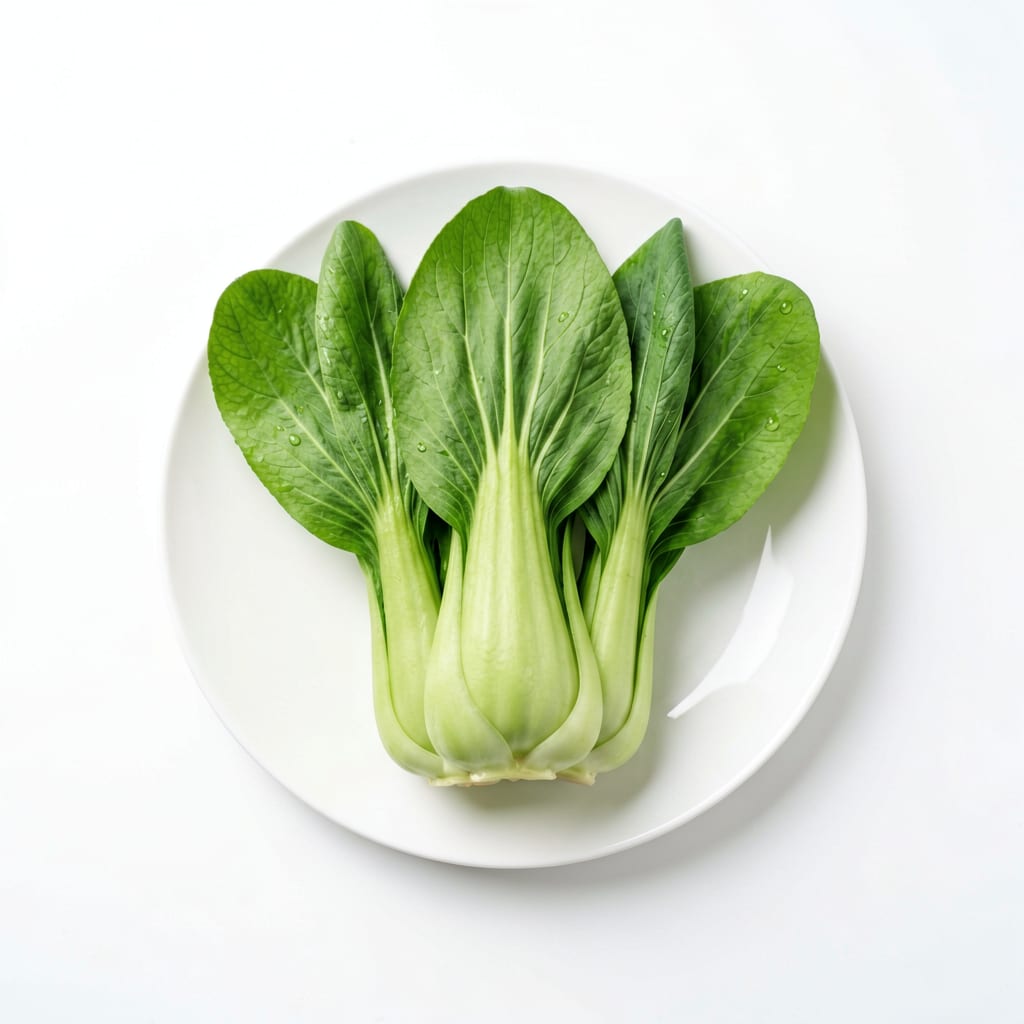
Bok Choy
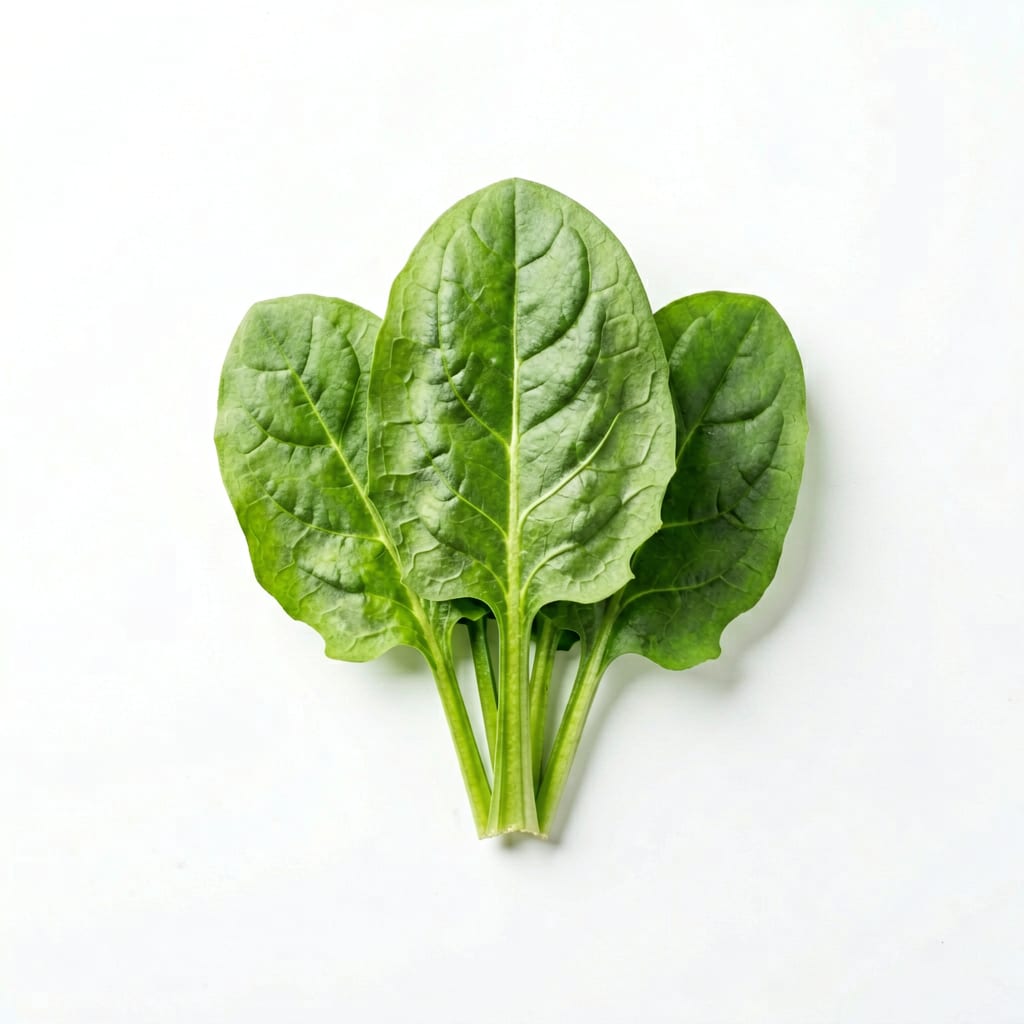
Spinach
Spinach packs more folate and iron on paper, but Bok Choy is the stealth winner for nutrients you actually absorb, especially calcium.
Bok Choy edges out Spinach slightly due to superior mineral bioavailability and lower kidney stone risk, though Spinach's broader vitamin profile keeps it highly competitive.
Spinach offers higher raw vitamin totals but its high oxalates block absorption; Bok Choy gives you slightly less overall but lets your body actually use it.
At a glance
Executive summary
Overall
It depends
Healthier
It depends
More practical
Spinach
Daily use
Bok Choy
Key comparison lenses
Oxalate content and kidney stone risk
Spinach is notoriously high in oxalates which block mineral absorption and can cause kidney stones, while Bok Choy is very low.
Nutrient density and vitamin profile
Both are leafy green powerhouses, but they excel in different vitamins and minerals.
Calcium bioavailability
Bok Choy provides highly absorbable calcium, whereas the calcium in Spinach is largely blocked by oxalates.
Culinary versatility and texture
Spinach wilts down easily for smoothies and salads, while Bok Choy offers a satisfying crunch ideal for stir-fries.
Best choice for
Bok Choy
- People prone to kidney stones
- Those seeking highly absorbable calcium for bone health
- Stir-fry and soup lovers wanting crunch
- Anyone eating large volumes of greens daily
Spinach
- Smoothie enthusiasts
- Women needing high folate intake
- Anyone looking to boost iron levels (when paired with vitamin C)
- Salad lovers preferring tender greens
Least suitable for
Bok Choy
- People with severe thyroid issues if eaten raw in massive amounts
- Those wanting a tender green for raw salads
Spinach
- People with a history of calcium oxalate kidney stones
- Those relying on greens as a primary calcium source
Deep comparison
Dimension by dimension
Each lens scores both foods and breaks down who each option suits.
- Dimension 1 · Priority 90Spinach
Nutrient Density & Vitamin Profile
Bok Choy · 78Spinach · 92Spinach contains significantly more folate, iron, and magnesium per calorie than Bok Choy.
Tradeoff
Spinach wins on paper, but its high oxalates mean you absorb far less of those minerals than the label suggests.
Why it matters
Folate is crucial for cell repair and pregnancy, making Spinach a top choice for those specific needs.
Real-world impact
Eating Spinach boosts your folate intake effectively, but don't rely on it to fix an iron deficiency without adding vitamin C.
Bok Choy
- Getting reliable vitamin C and K1 without absorption blockers
Better for
- Meeting high folate demands
Worse for
Spinach
- Boosting folate for prenatal health
- Increasing raw iron and magnesium totals
Better for
- Absorbing the iron and calcium you think you are getting
Worse for
- Dimension 2 · Priority 95Bok Choy
Oxalate Content & Mineral Absorption
Bok Choy · 95Spinach · 30Bok Choy is very low in oxalates, making its calcium highly absorbable, while Spinach is extremely high in oxalates.
Tradeoff
You get more calcium per serving from Spinach, but your body absorbs almost none of it; Bok Choy gives you less calcium, but you absorb over 50% of it.
Why it matters
High oxalates not only block calcium and iron absorption but can crystallize in the kidneys, causing painful stones.
Real-world impact
If you have ever passed a kidney stone, Bok Choy is your new best friend; Spinach is a major trigger food.
Bok Choy
- Protecting against kidney stones
- Actually absorbing the calcium you eat
- Safe daily consumption in large amounts
Better for
- None regarding oxalates
Worse for
Spinach
- None regarding oxalates
Better for
- Triggering kidney stone formation
- Wasting the calcium content due to blocked absorption
Worse for
- Dimension 3 · Priority 85Spinach
Culinary Versatility & Convenience
Bok Choy · 75Spinach · 90Spinach is incredibly versatile raw or cooked, while Bok Choy shines mainly in cooked Asian-style dishes.
Tradeoff
Spinach blends seamlessly into smoothies and wilts into sauces, whereas Bok Choy requires specific culinary contexts to really shine.
Why it matters
You will only get benefits from a green you actually enjoy eating and know how to prepare.
Real-world impact
Tossing a handful of Spinach into a morning smoothie is effortless; Bok Choy requires chopping and cooking for the best texture.
Bok Choy
- Adding satisfying crunch to stir-fries
- Braising in soups without turning mushy
Better for
- Blending into drinks
- Eating raw in delicate salads
Worse for
Spinach
- Hiding in fruit smoothies
- Eating raw in salads
- Wilting quickly into pasta sauces
Better for
- Providing texture in cooked dishes
Worse for
- Dimension 4 · Priority 70Bok Choy
Satiety & Volume
Bok Choy · 85Spinach · 65Bok Choy has a high water content and crisp texture that makes meals feel larger and more filling.
Tradeoff
Spinach wilts down to almost nothing, making it easy to eat volume but poor at filling your stomach.
Why it matters
Feeling physically full helps prevent overeating later in the day.
Real-world impact
A bowl of Bok Choy soup feels like a substantial meal; a bowl of cooked Spinach feels like a side garnish.
Bok Choy
- Making meals physically larger without adding calories
- Providing a satisfying crunch that tricks your brain into feeling full
Better for
- Quick snacking
Worse for
Spinach
- Sneaking greens into meals for picky eaters without adding bulk
Better for
- Feeling satiated after a meal
Worse for
Timeline
Health impact over time
Short-term
Hours to days
Bok Choy
- Provides immediate hydration from high water content
- Delivers a satisfying crunch that makes meals more enjoyable
Spinach
- Offers a quick hit of folate and vitamin A
- Blends easily into meals without altering texture, boosting veggie intake effortlessly
Long-term
Months to years
Bok Choy
- Supports strong bones with highly absorbable calcium
- Keeps kidneys safe from oxalate buildup with daily use
Spinach
- Supports cardiovascular health through high folate and magnesium
- Risk of kidney stones if consumed in large quantities daily over years
Risk profile
Safety & processing
Both Bok Choy and Spinach are whole, natural vegetables with no artificial additives when bought fresh or frozen.
Bok Choy
Goitrogen exposure
lowRaw Bok Choy contains goitrogens that can interfere with thyroid function, but cooking neutralizes them, and you would need to eat massive raw amounts to cause issues.
Spinach
Kidney stones
highSpinach is one of the highest oxalate foods available. Regular, large consumption significantly increases calcium oxalate kidney stone risk.
Pesticide residue
mediumSpinach consistently ranks on the Environmental Working Group's Dirty Dozen list for high pesticide residue; washing thoroughly or buying organic is advised.
Who wins for whom
Audience fit
Same foods, different winners depending on your goal.
children
Bok ChoyBok Choy has a milder flavor and no oxalate risk, making it safer and often more appealing for kids' portions.
daily consumption
Bok ChoyBok Choy can be eaten in large quantities daily without oxalate accumulation, making it a safer everyday staple.
diabetes
It dependsBoth are incredibly low in carbohydrates and calories, making them excellent for blood sugar control.
elderly
Bok ChoyBok Choy provides highly bioavailable calcium to protect against osteoporosis without the kidney stone risk common in older adults.
muscle gain
SpinachSpinach provides more iron and magnesium, which are critical for oxygen transport and muscle function, despite absorption challenges.
weight loss
SpinachSpinach is easier to blend into smoothies and hide in meals, helping increase volume with almost zero calories.
Your move
Decision guide
Choose Bok Choy
- You have a history of kidney stones or want to prevent them
- You want a reliable, absorbable calcium source for bone health
- You love making stir-fries, ramen, or Asian-inspired soups
- You eat greens daily and need a safe, low-oxalate option
Choose Spinach
- You are pregnant or trying to conceive and need high folate
- You want a tender green for salads and smoothies
- You have no history of kidney stones and want maximum vitamin density
- You prefer a green that wilts down easily into hot dishes
Either works if
- You just want to eat more leafy greens in general
- You are looking for low-calorie volume to fill your plate
- You rotate your greens regularly to get a variety of nutrients
Avoid both if
- You are on a strict vitamin K restriction due to blood thinners like Warfarin
Final recommendation
The best approach is to rotate both. Use Spinach for your smoothies and salads to get that folate boost, but rely on Bok Choy for your cooked dinners and daily calcium needs to keep your kidneys happy.
Practical
Consumer tips
- 1
Boil Spinach and discard the water to reduce its oxalate content by up to 87%, though you lose some water-soluble vitamins.
- 2
Pair Spinach with a source of vitamin C like lemon juice or bell peppers to significantly boost iron absorption.
- 3
Lightly sauté or steam Bok Choy to neutralize goitrogens while keeping its signature crunch.
- 4
Buy organic Spinach when possible to avoid high pesticide residues, or wash conventional bunches thoroughly.
- 5
Keep both in your fridge: Spinach for quick raw uses, Bok Choy for satisfying cooked meals.