
Nutrition comparison
Bok Choy vs Zucchini: Which Vegetable Is Healthier for You?
Compare Bok Choy and Zucchini side by side — nutrient density, bone health benefits, thyroid safety, weight loss value, and which one fits your daily meals better.
Overall winner · Bok Choy
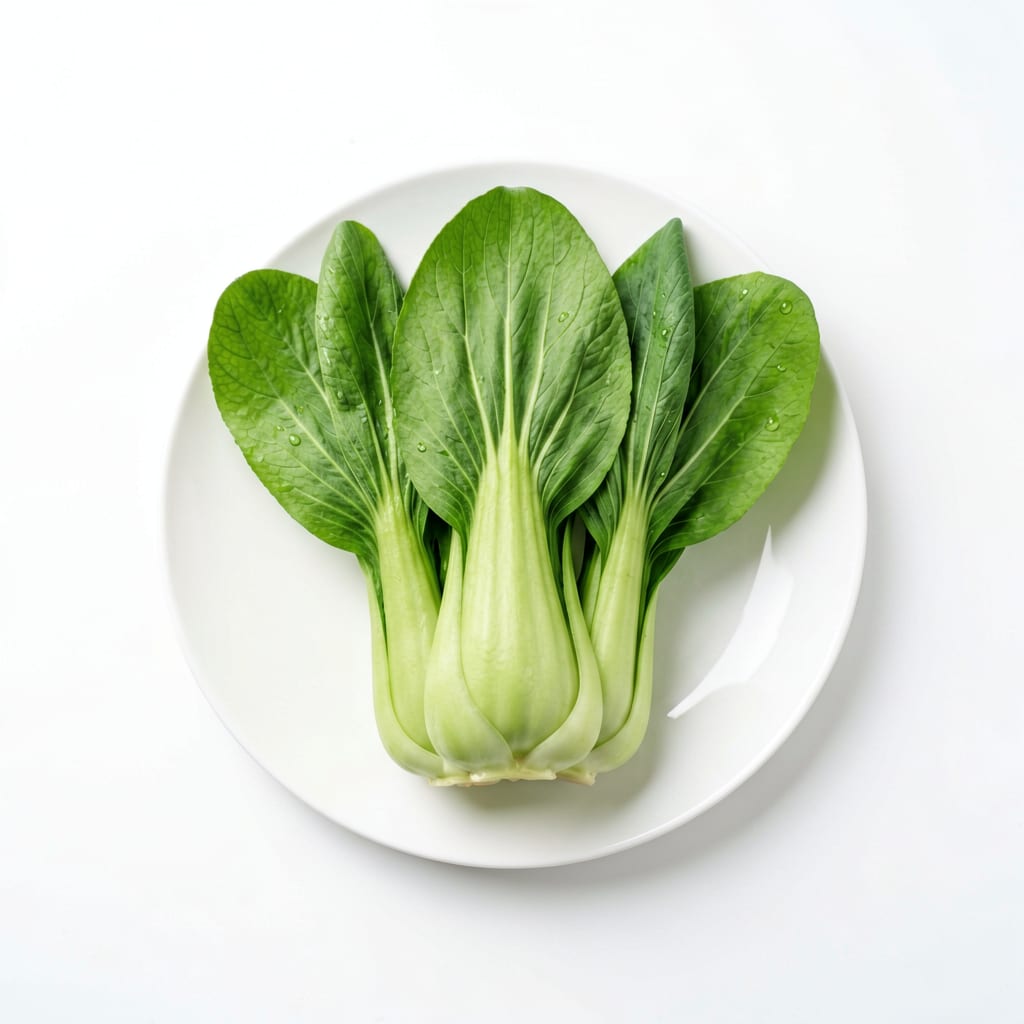
Bok Choy
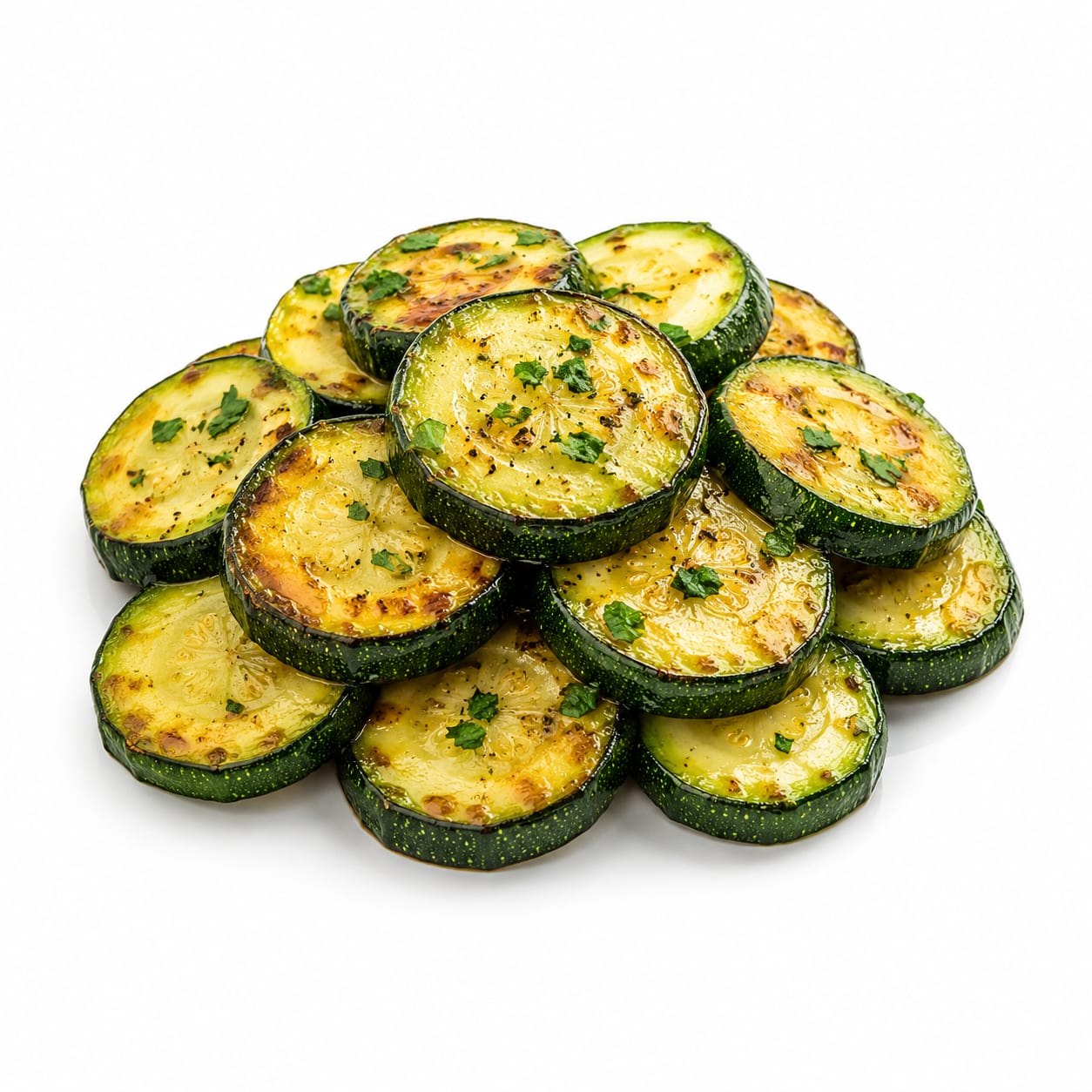
Zucchini
Bok Choy packs dramatically more nutrition per calorie, but Zucchini wins on versatility and digestive comfort.
Bok Choy scores higher on nutrient density and health-protective compounds, but Zucchini stays competitive through superior versatility, digestibility, and everyday usability. The gap is moderate because both are genuinely healthy choices.
Nutritional firepower versus everyday practicality — Bok Choy is the supplement of vegetables, Zucchini is the workhorse.
At a glance
Executive summary
Overall
Bok Choy
Healthier
Bok Choy
More practical
Zucchini
Daily use
Zucchini
Key comparison lenses
nutrient density per calorie
Both are ultra-low-calorie vegetables, so the real question is which delivers more nutrition per bite
everyday versatility and ease of use
Home cooks often choose between these as a side vegetable and need to know which fits more meals
thyroid and digestive safety
Bok Choy contains goitrogens that matter for thyroid-sensitive individuals, while Zucchini is gentler
bone health and mineral support
Bok Choy is surprisingly rich in calcium and vitamin K, making this a key differentiator
weight loss and satiety
Both are diet staples, but fiber type and volume affect how filling they actually feel
Best choice for
Bok Choy
- Maximizing vitamins and minerals on a calorie budget
- Bone health support through natural calcium and vitamin K
- Anti-inflammatory and cancer-fighting compound intake
- Adding nutrient density to soups and stir-fries
Zucchini
- A neutral base that absorbs flavors without overpowering dishes
- Low-carb pasta replacements and meal prep versatility
- Gentle digestion when your stomach is sensitive
- Thyroid-conscious eaters avoiding cruciferous goitrogens
Least suitable for
Bok Choy
- People with thyroid conditions who eat large amounts raw
- Those wanting a mild, neutral vegetable for picky eaters
- Recipes requiring a firm, shape-holding texture like noodle substitutes
Zucchini
- Those seeking high calcium or iron from vegetables
- People wanting strong antioxidant and glucosinolate intake
- Meals where you need a vegetable that carries its own bold flavor
Deep comparison
Dimension by dimension
Each lens scores both foods and breaks down who each option suits.
- Dimension 1 · Priority 92Bok Choy
Nutrient Density Per Calorie
Bok Choy · 94Zucchini · 62Bok Choy delivers far more vitamins and minerals per calorie than Zucchini, especially vitamin K, vitamin A, calcium, and folate.
Tradeoff
You get exceptional nutrition from Bok Choy but a stronger, slightly bitter flavor that not everyone enjoys daily.
Why it matters
When eating low-calorie vegetables, the whole point is nutrient payoff — Bok Choy makes every bite count significantly more.
Real-world impact
A single cup of cooked Bok Choy covers over 50% of your daily vitamin K needs, while Zucchini covers less than 10%.
Bok Choy
- Filling nutritional gaps on restricted diets
- Pregnant women needing folate from food sources
- Older adults concerned about bone density
Better for
- Those who find strong flavors reduce their total vegetable intake
Worse for
Zucchini
- People who struggle to eat enough volume and need a milder-tasting vegetable
Better for
- Anyone relying on it as a primary vegetable for micronutrients
Worse for
- Dimension 2 · Priority 85Zucchini
Versatility and Cooking Convenience
Bok Choy · 60Zucchini · 90Zucchini adapts to almost any cooking method and cuisine, while Bok Choy is more niche and best suited to Asian-style dishes.
Tradeoff
Zucchini's mildness means it needs seasoning to shine, but that same neutrality makes it infinitely adaptable.
Why it matters
The best vegetable for your health is the one you actually cook with regularly — Zucchini's flexibility keeps it in rotation more often.
Real-world impact
You can spiralize Zucchini into noodles, grate it into baked goods, grill it, roast it, or eat it raw. Bok Choy mostly shines in stir-fries and soups.
Bok Choy
- Quick stir-fry meals where you want flavor in under 5 minutes
- Asian soups where the slightly bitter note adds depth
Better for
- Cuisines outside East Asian cooking where the flavor feels out of place
- Raw salads where the bitterness can dominate
Worse for
Zucchini
- Meal prep that needs to work across multiple recipes
- Low-carb pasta alternatives
- Sneaking vegetables into baked goods or fritters
- Grilling and roasting as a standalone side
Better for
- Dishes where you want the vegetable to contribute its own distinct flavor
Worse for
- Dimension 3 · Priority 78Zucchini
Thyroid and Digestive Safety
Bok Choy · 58Zucchini · 92Bok Choy contains goitrogens that can interfere with thyroid function when eaten raw in large amounts, while Zucchini is gentle on nearly every digestive system.
Tradeoff
Cooking Bok Choy reduces goitrogen content significantly, but those with thyroid issues still need to be mindful of portion sizes.
Why it matters
For the roughly 12% of adults with thyroid conditions, this is not a minor detail — it affects daily food choices.
Real-world impact
Someone with hypothyroidism eating large raw Bok Choy salads daily could worsen their condition, while Zucchini poses no such risk.
Bok Choy
- People with healthy thyroid function who cook their cruciferous vegetables
Better for
- Thyroid-compromised individuals who juice or eat large raw portions
- People prone to bloating from cruciferous vegetables
Worse for
Zucchini
- Anyone with hypothyroidism or on thyroid medication
- People with sensitive digestion or IBS who need low-FODMAP options
- Post-surgical recovery when you need the gentlest foods possible
Better for
- No significant digestive or thyroid downsides for Zucchini
Worse for
- Dimension 4 · Priority 74Bok Choy
Bone Health and Mineral Support
Bok Choy · 91Zucchini · 48Bok Choy is one of the best vegetable sources of bioavailable calcium and vitamin K, both critical for bone strength.
Tradeoff
You would need to eat roughly 4 cups of Zucchini to match the calcium in 1 cup of cooked Bok Choy.
Why it matters
For dairy-free eaters, finding well-absorbed calcium from vegetables is a real challenge, and Bok Choy is one of the top sources.
Real-world impact
A serving of cooked Bok Choy provides about 16% of daily calcium needs with excellent absorption, comparable to dairy.
Bok Choy
- Vegans and dairy-free individuals needing plant calcium
- Postmenopausal women focused on bone density
- Anyone recovering from fractures or bone injuries
Better for
- Those who cannot eat it regularly enough to benefit from the mineral content
Worse for
Zucchini
- People already meeting calcium needs through other sources who prioritize variety
Better for
- Dairy-free diets relying on it as a calcium source — it falls short
Worse for
- Dimension 5 · Priority 72Bok Choy
Anti-Cancer and Antioxidant Profile
Bok Choy · 88Zucchini · 55Bok Choy contains glucosinolates and isothiocyanates — the same cancer-fighting compounds found in broccoli — while Zucchini offers milder antioxidant protection.
Tradeoff
These protective compounds are most potent when Bok Choy is lightly cooked or raw, which conflicts with the thyroid concern for some people.
Why it matters
Cruciferous vegetables are consistently linked to lower cancer rates in large population studies, and Bok Choy is a top-tier source.
Real-world impact
Eating cruciferous vegetables like Bok Choy 3-4 times per week is associated with measurable reductions in cancer risk over a lifetime.
Bok Choy
- People with family history of hormone-related cancers
- Anyone wanting to maximize protective phytochemicals from food
- Anti-inflammatory eating patterns like Mediterranean or MIND diets
Better for
- Overcooking destroys much of the glucosinolate benefit, so preparation matters a lot
Worse for
Zucchini
- Those who need lutein and zeaxanthin for eye health — Zucchini has useful amounts
Better for
- Not a significant source of the most studied cancer-fighting vegetable compounds
Worse for
- Dimension 6 · Priority 70Bok Choy
Weight Loss and Satiety
Bok Choy · 76Zucchini · 72Both are excellent for weight loss, but Bok Choy's slightly lower calories and higher fiber per serving give it a narrow edge.
Tradeoff
Zucchini's higher water content and milder flavor may let you eat larger volumes, which helps some people feel more full.
Why it matters
When every calorie counts, the vegetable that delivers more fiber and nutrients per gram helps you stay satisfied without overeating.
Real-world impact
A large bowl of Bok Choy soup feels substantial for under 30 calories, while the same volume of Zucchini is about 40 calories — both great, but Bok Choy is slightly more efficient.
Bok Choy
- Very low-calorie diet phases where nutrient density matters most
- Soup-based meal plans for volume eating
Better for
- Dieters who find the flavor limiting and end up eating less total vegetables
Worse for
Zucchini
- People who feel more satisfied by larger food volumes
- Zucchini noodle meals that replace 400+ calorie pasta portions
Better for
- Those who need maximum micronutrient support during calorie restriction
Worse for
Timeline
Health impact over time
Short-term
Hours to days
Bok Choy
- Provides a noticeable boost in vitamin K and folate within a single serving
- Can cause mild bloating in people unaccustomed to cruciferous vegetables
- Contributes to feeling full quickly due to fiber density with minimal calories
Zucchini
- Very easy on digestion — rarely causes gas or bloating even in sensitive individuals
- Provides quick hydration due to high water content, useful after exercise
- Mild enough to eat in large quantities without digestive discomfort
Long-term
Months to years
Bok Choy
- Regular consumption supports bone density through consistent calcium and vitamin K intake
- Glucosinolate intake is linked to reduced risk of several cancers in long-term studies
- Supports cardiovascular health through folate and potassium content
- Potential thyroid impact if consumed raw in very large amounts over years
Zucchini
- Consistent intake supports eye health through lutein and zeaxanthin accumulation
- Low calorie density helps maintain healthy weight long-term without feeling deprived
- Potassium content supports blood pressure regulation over time
- Very sustainable as a daily vegetable due to neutral flavor and easy preparation
Risk profile
Safety & processing
Both Bok Choy and Zucchini are whole, unprocessed vegetables typically sold fresh. Neither carries meaningful additive concerns unless purchased pre-cut or in prepared meal kits with seasonings.
Bok Choy
Pesticide residue
mediumBok Choy frequently appears on the EWG's Dirty Dozen list for leafy greens. Washing thoroughly or choosing organic significantly reduces exposure.
Goitrogen overconsumption
mediumEating very large amounts of raw Bok Choy daily can suppress thyroid function, particularly in people with existing thyroid conditions. Cooking reduces this risk substantially.
Bacterial contamination
lowLike all leafy greens, raw Bok Choy can harbor E. coli or Salmonella. Proper washing mitigates this.
Zucchini
Pesticide residue
lowZucchini typically has lower pesticide residue than leafy greens, though conventional growing still uses some. Peeling reduces exposure but also removes nutrients.
Bitter zucchini toxicity
lowRarely, zucchini can develop dangerously high levels of cucurbitacins causing a bitter taste and potential illness. If it tastes unusually bitter, discard it immediately.
Who wins for whom
Audience fit
Same foods, different winners depending on your goal.
children
ZucchiniZucchini's mild, slightly sweet flavor and soft texture when cooked make it far more kid-friendly than Bok Choy's slightly bitter taste.
daily consumption
ZucchiniZucchini's digestive gentleness, thyroid safety, and cooking versatility make it easier to eat every single day without concern or palate fatigue.
diabetes
Bok ChoyBok Choy has a slightly lower glycemic impact and more fiber per serving, helping stabilize blood sugar. Both are excellent choices for diabetics overall.
elderly
Bok ChoyBok Choy's calcium and vitamin K are especially valuable for older adults at risk of osteoporosis, provided thyroid function is normal.
muscle gain
It dependsNeither is a protein source, but both work well as low-calorie sides for protein-rich meals. Zucchini's neutrality pairs better with varied protein dishes.
weight loss
Bok ChoyBok Choy delivers more fiber and nutrients per calorie, making calorie-restricted diets more sustainable. However, Zucchini noodles are also a powerful weight loss tool — the edge is slim.
Your move
Decision guide
Choose Bok Choy
- You want to maximize nutrient intake from your vegetables, especially calcium, vitamin K, and folate
- You enjoy or want to explore Asian-style cooking where Bok Choy naturally fits
- Bone health is a priority, especially if you eat little or no dairy
- You are looking for cancer-fighting glucosinolates from a milder cruciferous option than broccoli
Choose Zucchini
- You need a versatile vegetable that works across many cuisines and cooking methods
- You have thyroid concerns and want to avoid goitrogenic vegetables
- You are meal prepping and want a neutral base that adapts to different flavor profiles
- You have picky eaters or children who resist strongly flavored vegetables
- You want to make low-carb pasta replacements or sneak vegetables into baked goods
Either works if
- You simply want more vegetables in your diet and both are available
- You are focusing on weight loss and need low-calorie volume fillers
- You are building a varied vegetable rotation for gut microbiome diversity
Avoid both if
- You have a severe oral allergy syndrome triggered by multiple raw vegetables
- You are on a very strict low-fiber diet for acute digestive conditions like Crohn's flare-ups
Final recommendation
Eat both, but let Bok Choy be your nutrient powerhouse 2-3 times per week and let Zucchini be your daily workhorse vegetable. Bok Choy gives you more health-protective compounds per bite, but Zucchini's versatility means you will likely eat more total vegetables when it is in your kitchen. If you must pick one, choose Bok Choy for health impact and Zucchini for sustainability — the best choice is whichever you will actually cook and eat consistently.
Practical
Consumer tips
- 1
Buy organic Bok Choy when possible — it ranks high for pesticide residue among leafy greens
- 2
Always cook Bok Choy if you have thyroid concerns — steaming or stir-frying for 3-5 minutes reduces goitrogens while preserving most nutrients
- 3
Choose Zucchini that feels heavy for its size and has smooth, unblemished skin — these are freshest and most nutritious
- 4
If Zucchini tastes unusually bitter, throw it out immediately — bitterness signals dangerous cucurbitacin levels
- 5
Store Bok Choy in a damp paper towel in the fridge and use within 4-5 days — it wilts faster than Zucchini
- 6
Zucchini can last over a week refrigerated, making it a better choice for infrequent shopping trips
- 7
Slice Zucchini into ribbons with a vegetable peeler for a quick pasta alternative that requires no special equipment
- 8
Add Bok Choy to soups at the very end of cooking — it wilts in under 2 minutes and retains more nutrients this way