
Nutrition comparison
Bok Choy vs Swiss Chard: Which Leafy Green Is Healthier?
Compare Bok Choy vs Swiss Chard to find out which is better for kidney health, cooking, and nutrients. Learn about oxalates, vitamins, and taste differences.
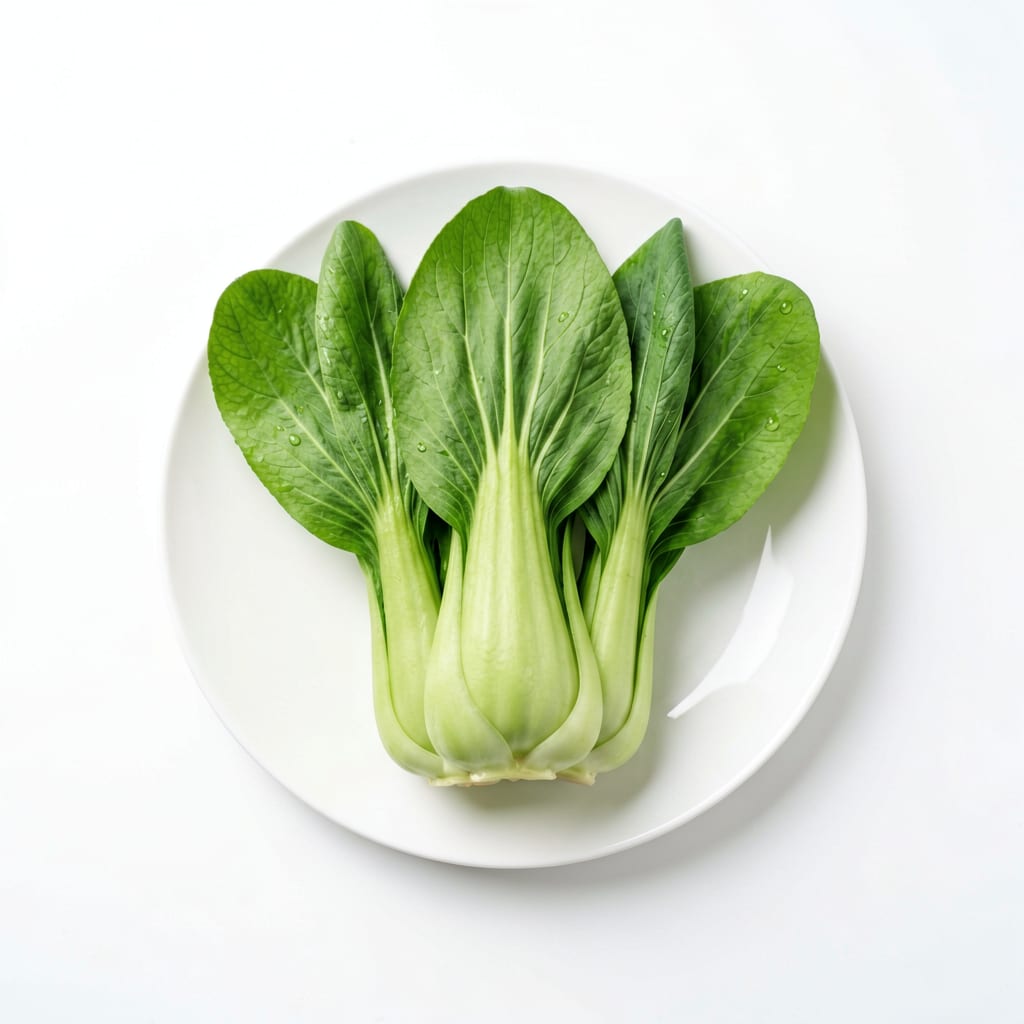
Bok Choy
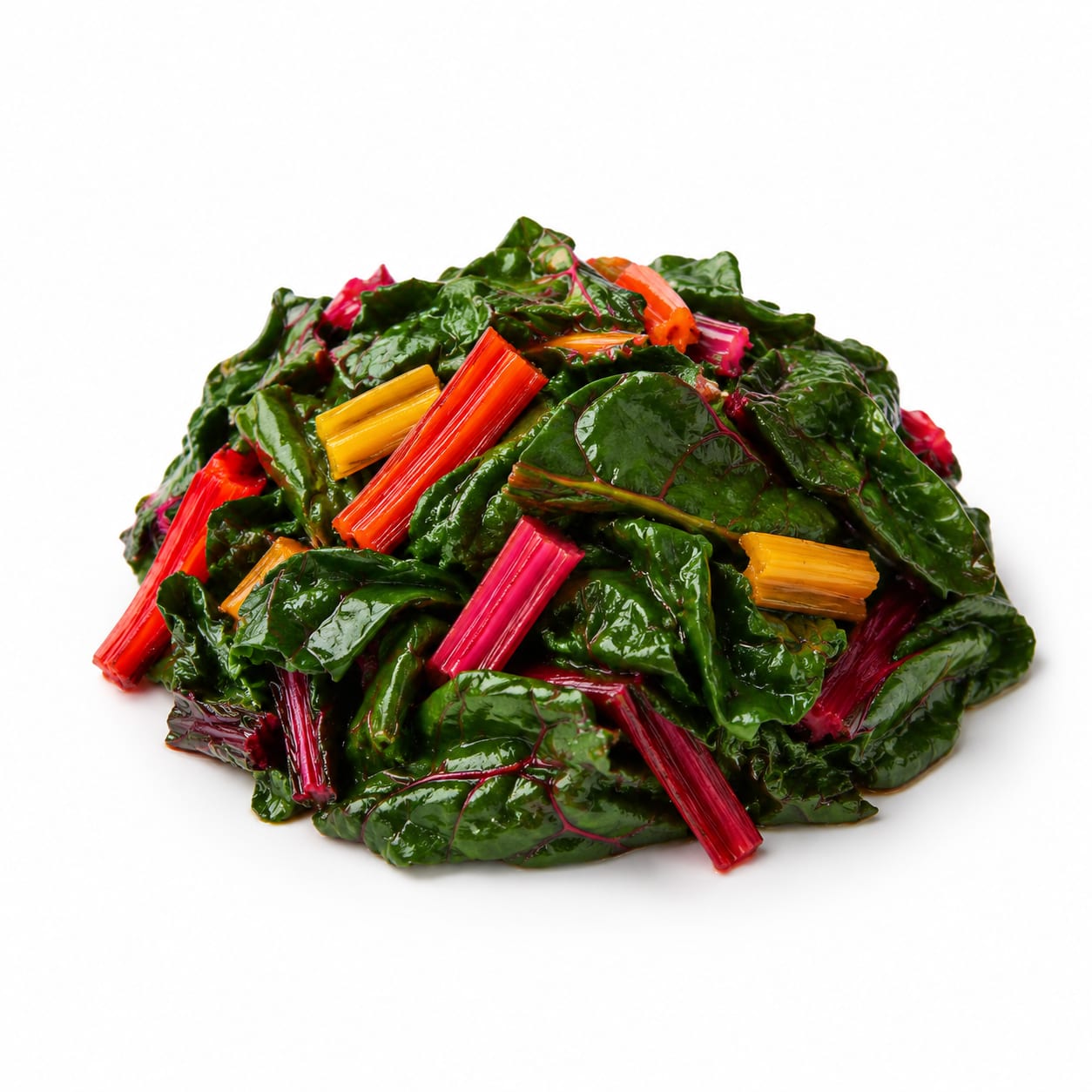
Swiss Chard
Bok Choy is safer for kidneys and easier to cook with, while Swiss Chard is a magnesium and vitamin K powerhouse.
Bok Choy edges out slightly for daily use due to its lower oxalate content and broader digestive tolerance, though Swiss Chard wins on specific mineral density.
Swiss Chard delivers heavier doses of certain minerals but brings high oxalates; Bok Choy offers cancer-fighting compounds with zero kidney stone risk.
At a glance
Executive summary
Overall
It depends
Healthier
It depends
More practical
Bok Choy
Daily use
Bok Choy
Key comparison lenses
Oxalate content and kidney health
Swiss Chard is notoriously high in oxalates while Bok Choy is very low, making this a critical differentiator for many health-conscious users.
Micronutrient profile differences
Swiss Chard dominates in magnesium and Vitamin K, whereas Bok Choy provides more bioavailable calcium and Vitamin C.
Cancer-fighting compounds
Bok Choy is a cruciferous vegetable containing glucosinolates, offering unique cellular defense mechanisms that Swiss Chard lacks.
Culinary ease and flavor preference
Bok Choy's mild flavor and quick cooking time contrast sharply with Swiss Chard's earthy bitterness and longer prep needs.
Best choice for
Bok Choy
- Kidney stone prevention
- Milder flavor preferences
- Quick stir-fries and soups
Swiss Chard
- Boosting magnesium and vitamin K
- Blood sugar regulation
- Adding vibrant color to meals
Least suitable for
Bok Choy
- Those needing very high vitamin K doses
Swiss Chard
- People prone to kidney stones
- Those sensitive to bitter greens
Deep comparison
Dimension by dimension
Each lens scores both foods and breaks down who each option suits.
- Dimension 1 · Priority 90Swiss Chard
Nutrient Density & Micronutrients
Bok Choy · 82Swiss Chard · 90Swiss Chard packs significantly more Vitamin K, magnesium, and iron, while Bok Choy offers more Vitamin C and calcium per calorie.
Tradeoff
You get more bone-supporting minerals with Swiss Chard, but Bok Choy's calcium is more absorbable due to lower oxalates.
Why it matters
If you need a magnesium or Vitamin K boost, Swiss Chard is superior. For general immune support and usable calcium, Bok Choy is better.
Real-world impact
Eating Swiss Chard can help with muscle cramps and bone health, while Bok Choy better supports skin health and immune defense.
Bok Choy
- Absorbable calcium intake
- Vitamin C needs
Better for
- High mineral density
Worse for
Swiss Chard
- Magnesium deficiency
- Vitamin K requirements
Better for
- Bioavailability of calcium due to oxalates
Worse for
- Dimension 2 · Priority 95Bok Choy
Kidney Stone Risk & Oxalate Load
Bok Choy · 95Swiss Chard · 40Bok Choy is extremely low in oxalates, making it kidney-friendly. Swiss Chard is very high in oxalates, which can contribute to kidney stones.
Tradeoff
Swiss Chard's mineral richness comes with a high oxalate tax, whereas Bok Choy gives you peace of mind for kidney health.
Why it matters
For the 1 in 10 people prone to kidney stones, Swiss Chard is a hidden trigger. Bok Choy is a safe everyday green.
Real-world impact
Choosing Bok Choy means no worrying about calcium oxalate stones; Swiss Chard requires boiling and discarding the water to make it safer.
Bok Choy
- Kidney health
- Low-oxalate diets
Better for
Swiss Chard
- History of kidney stones
- Calcium absorption concerns
Worse for
- Dimension 3 · Priority 85Bok Choy
Antioxidant & Disease-Fighting Power
Bok Choy · 90Swiss Chard · 85As a cruciferous vegetable, Bok Choy contains glucosinolates which are linked to cancer prevention. Swiss Chard relies on betalains for antioxidant power.
Tradeoff
Bok Choy offers unique cancer-fighting compounds, while Swiss Chard provides anti-inflammatory betalains.
Why it matters
Cruciferous vegetables like Bok Choy have strong evidence for cancer risk reduction, a benefit Swiss Chard lacks.
Real-world impact
Regularly eating Bok Choy can support cellular detox pathways more effectively than Swiss Chard.
Bok Choy
- Cancer prevention
- Cellular detox
Better for
Swiss Chard
- Reducing chronic inflammation
Better for
- Lacking glucosinolates
Worse for
- Dimension 4 · Priority 80Bok Choy
Culinary Versatility & Taste
Bok Choy · 88Swiss Chard · 75Bok Choy has a mild, slightly sweet flavor and crisp texture that fits easily into soups and stir-fries. Swiss Chard is earthy and slightly bitter.
Tradeoff
Bok Choy is easier to incorporate into family meals due to its mildness, while Swiss Chard requires more culinary skill to balance its bitterness.
Why it matters
If a vegetable is hard to make taste good, you'll eat it less often. Bok Choy is an effortless addition to weeknight dinners.
Real-world impact
Bok Choy cooks in minutes and pleases picky eaters; Swiss Chard often needs garlic, lemon, or cream to mellow its strong flavor.
Bok Choy
- Picky eaters
- Quick cooking
- Asian cuisine
Better for
- Lacks the colorful visual appeal of rainbow chard
Worse for
Swiss Chard
- Mediterranean dishes
- Hearty braises
Better for
- Bitter taste sensitivity
Worse for
- Dimension 5 · Priority 75Bok Choy
Digestive Tolerance
Bok Choy · 90Swiss Chard · 70Bok Choy is gentle on the digestive system and easy to digest. Swiss Chard's high fiber and oxalate content can cause bloating or irritation in sensitive individuals.
Tradeoff
Swiss Chard offers more fiber for gut motility, but Bok Choy is safer for sensitive stomachs.
Why it matters
If you have IBS or a sensitive gut, raw or undercooked Swiss Chard can be aggravating, while Bok Choy is usually well-tolerated.
Real-world impact
Bok Choy feels light and comfortable after eating; Swiss Chard can sometimes feel heavy or cause stomach rumbling if not cooked well.
Bok Choy
- Sensitive digestion
- IBS-friendly diets
Better for
Swiss Chard
- Increasing roughage intake
Better for
- Prone to bloating
- Sensitive stomachs
Worse for
Timeline
Health impact over time
Short-term
Hours to days
Bok Choy
- Provides a light energy boost
- Easy on the stomach
- Hydrating due to high water content
Swiss Chard
- Can cause stomach discomfort if eaten raw in large amounts
- Helps with immediate constipation relief due to fiber
Long-term
Months to years
Bok Choy
- Supports cancer prevention
- Protects kidney health
- Maintains bone density with absorbable calcium
Swiss Chard
- Excellent for cardiovascular health via magnesium
- Strengthens bones with high Vitamin K
- Risk of kidney stones if consumed excessively without preparation
Risk profile
Safety & processing
Both Bok Choy and Swiss Chard are whole, natural vegetables with no artificial additives when purchased fresh.
Bok Choy
Pesticide residue
mediumLeafy greens often carry pesticide residue; washing thoroughly or buying organic is recommended.
Swiss Chard
High oxalate content
highCan contribute to kidney stones in susceptible individuals. Boiling can reduce oxalates significantly.
Pesticide residue
mediumChard tends to hold onto pesticides in its crinkly leaves; requires diligent washing.
Who wins for whom
Audience fit
Same foods, different winners depending on your goal.
children
Bok ChoyThe mild flavor and fun crunchy stems of Bok Choy are much easier for kids to accept than the bitter taste of Swiss Chard.
daily consumption
Bok ChoyLower oxalates and higher digestive tolerance make Bok Choy a safer green to eat every single day.
diabetes
Swiss ChardSwiss Chard contains syringic acid and high fiber, which have been linked to better blood sugar regulation.
elderly
Bok ChoyBok Choy is easier to chew, digest, and provides absorbable calcium without the kidney stone risk common in older adults.
muscle gain
It dependsNeither is a primary muscle-building food, but Swiss Chard offers more magnesium which aids muscle recovery.
weight loss
Bok ChoyBok Choy is extremely low in calories and high in water volume, making it incredibly filling for minimal caloric cost.
Your move
Decision guide
Choose Bok Choy
- You have a history of kidney stones
- You want a mild, kid-friendly green
- You cook a lot of quick stir-fries or soups
- You have a sensitive stomach
Choose Swiss Chard
- You need a magnesium or Vitamin K boost
- You enjoy earthy, robust flavors
- You are managing blood sugar issues
- You want to add vibrant color to your plate
Either works if
- You just need more leafy greens in your diet
- You are rotating vegetables for gut microbiome diversity
Avoid both if
- You are on a strict Vitamin K restriction due to blood thinners like Warfarin
Final recommendation
Make Bok Choy your daily driver for its kidney safety and mild flavor, but rotate in Swiss Chard occasionally for its magnesium and color—just boil it first if you're worried about oxalates.
Practical
Consumer tips
- 1
To reduce Swiss Chard's oxalates by up to 87%, boil it for a few minutes and discard the cooking water.
- 2
Choose Bok Choy with firm white stems and dark green leaves for the best texture and nutrient density.
- 3
Store both greens in a damp paper towel inside an open bag in the fridge to keep them crisp for up to a week.
- 4
Don't throw away Swiss Chard stems—they are delicious sautéed with garlic and olive oil.