
Nutrition comparison
Bok Choy vs Arugula: Which Leafy Green Is Better for You?
Compare Bok Choy and Arugula nutrition, health benefits, and culinary uses. Find out which green wins for calcium, blood pressure, cooking versatility, and daily eating.
Overall winner · Bok Choy
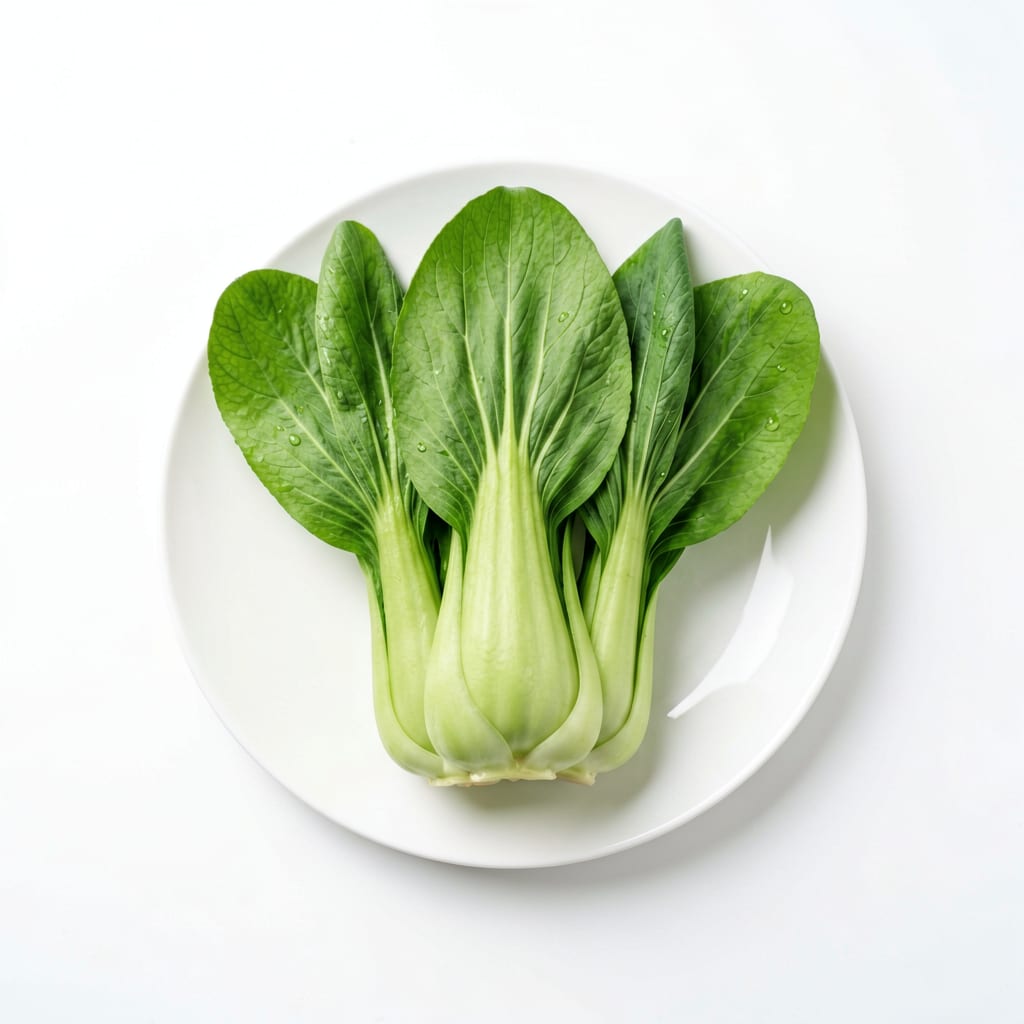
Bok Choy
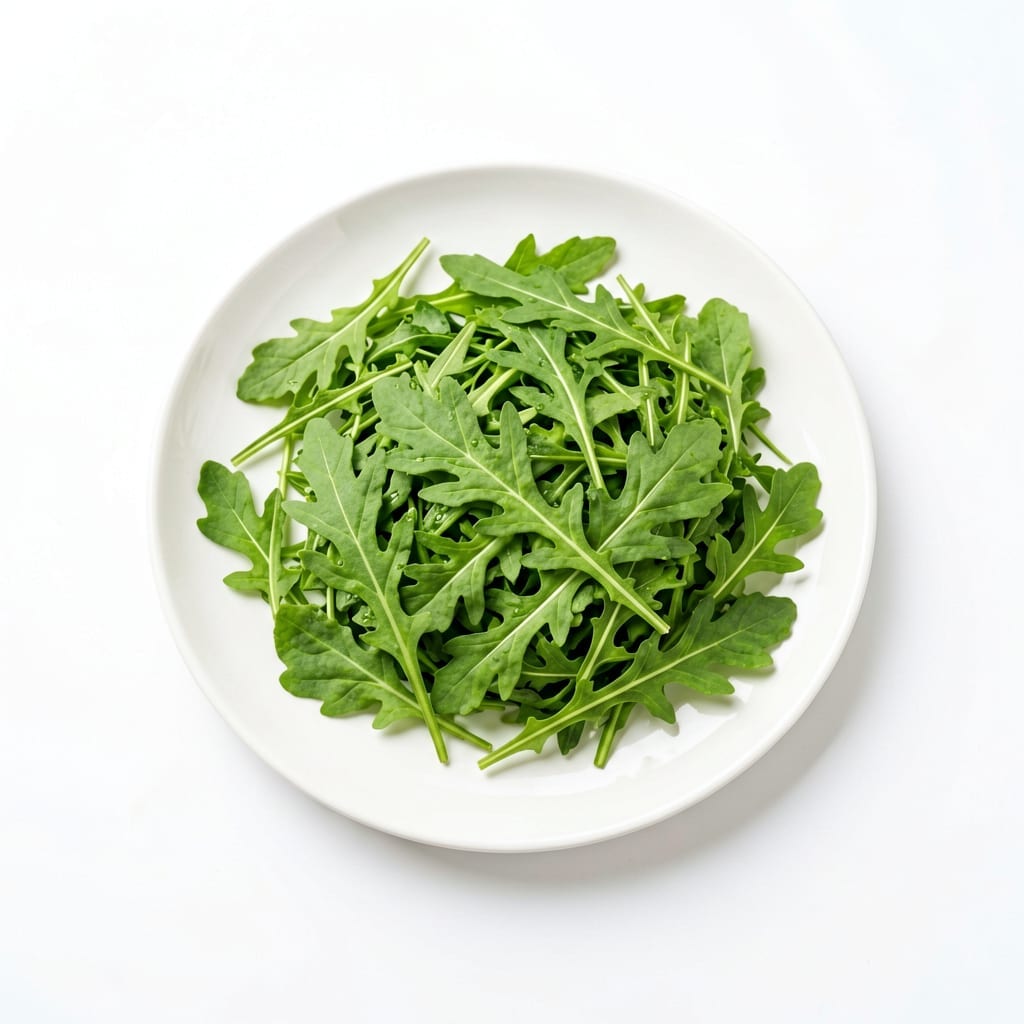
Arugula
Bok Choy edges out Arugula with significantly more calcium, vitamin C, and culinary flexibility, though Arugula delivers stronger flavor and unique nitrates for blood pressure support.
Bok Choy scores higher due to superior calcium content, more vitamin C, and dual cooking versatility. Arugula remains excellent but is more limited in how you can use it and delivers fewer minerals overall.
Bok Choy offers more minerals and cooking versatility; Arugula provides a peppery kick and more nitrates for cardiovascular benefits but is less versatile in hot dishes.
At a glance
Executive summary
Overall
Bok Choy
Healthier
Bok Choy
More practical
Bok Choy
Daily use
Bok Choy
Key comparison lenses
nutrient density comparison
Both are cruciferous leafy greens, so users want to know which packs more nutrition per bite
culinary versatility
Bok Choy works cooked or raw while Arugula is primarily raw, affecting meal planning decisions
bone health mineral support
Both are notable calcium sources, but Bok Choy is exceptionally high in bioavailable calcium
anti inflammatory and detox benefits
Cruciferous vegetables contain glucosinolates; users want to know which offers more protective compounds
pesticide and contamination risk
Leafy greens frequently appear on high-pesticide residue lists, a common consumer concern
Best choice for
Bok Choy
- Bone health and osteoporosis prevention
- Families needing a mild-tasting green kids will eat
- Stir-fry and soup lovers wanting a green that holds up to heat
- Anyone seeking maximum calcium from a non-dairy source
Arugula
- Salad enthusiasts wanting bold flavor without dressing
- Blood pressure management through dietary nitrates
- Low-calorie volume eating with intense taste
- Mediterranean diet followers
Least suitable for
Bok Choy
- Raw salad purists who dislike cooked greens
- People on blood-thinners needing stable vitamin K intake (Bok Choy's variable amounts make dosing unpredictable)
Arugula
- People sensitive to bitter or peppery flavors
- Hot dish cooking where Arugula wilts into nothing and turns bitter
- Those needing reliable calcium intake from a single green
Deep comparison
Dimension by dimension
Each lens scores both foods and breaks down who each option suits.
- Dimension 1 · Priority 90Bok Choy
mineral_density
Bok Choy · 88Arugula · 62Bok Choy delivers dramatically more calcium and potassium per serving, making it a mineral powerhouse compared to Arugula.
Tradeoff
Arugula still provides decent minerals but you would need much larger quantities to match Bok Choy's calcium output.
Why it matters
Calcium from vegetables is highly bioavailable and avoids the digestive issues some people get from dairy.
Real-world impact
A cup of cooked Bok Choy covers roughly 15% of daily calcium needs; Arugula covers only about 6%.
Bok Choy
- Post-menopausal women concerned about bone density
- Dairy-free eaters needing reliable calcium
- Anyone on a mineral-restricted diet wanting maximum return per calorie
Better for
- Those prone to kidney stones who must moderate oxalate and calcium together
Worse for
Arugula
- People already meeting calcium needs through other sources
Better for
- Anyone relying on a single green for bone-supporting minerals
Worse for
- Dimension 2 · Priority 85Bok Choy
vitamin_and_antioxidant_profile
Bok Choy · 82Arugula · 76Bok Choy provides more vitamin C and folate, while Arugula offers more vitamin K and unique flavonoids like quercetin.
Tradeoff
Bok Choy supports immune function and cell repair more directly; Arugula excels at blood clotting regulation and oxidative stress defense.
Why it matters
Vitamin C from food enhances iron absorption and immune resilience; vitamin K is critical for bone metabolism and wound healing.
Real-world impact
Eating Bok Choy with an iron-rich meal boosts iron uptake noticeably; Arugula's vitamin K helps but requires consistent intake to maintain stable levels.
Bok Choy
- Immune support during cold season
- Pregnant women needing folate
- Iron-deficient individuals who eat plant-based meals
Better for
- People on warfarin who need stable, predictable vitamin K
Worse for
Arugula
- People with bruising or slow wound healing
- Those wanting diverse antioxidant coverage beyond vitamin C
Better for
- Anyone expecting strong immune support from a single green
Worse for
- Dimension 3 · Priority 82Arugula
cardiovascular_and_blood_pressure_benefits
Bok Choy · 70Arugula · 85Arugula contains significantly more dietary nitrates, which convert to nitric oxide and help relax blood vessels.
Tradeoff
Bok Choy supports heart health through potassium and fiber but lacks the direct vasodilation effect Arugula's nitrates provide.
Why it matters
Dietary nitrates from leafy greens are one of the most evidence-backed natural approaches to lowering blood pressure.
Real-world impact
A regular Arugula habit can contribute measurably to lower blood pressure readings within weeks; Bok Choy helps indirectly through mineral balance.
Bok Choy
- General heart health through potassium intake
- Cholesterol management via fiber
Better for
- Those specifically targeting blood pressure reduction through diet
Worse for
Arugula
- Hypertension management
- Athletes seeking natural performance enhancement through nitric oxide
- Older adults with stiffening blood vessels
Better for
- People on nitrate-sensitive medications should consult their doctor
Worse for
- Dimension 4 · Priority 80Bok Choy
culinary_versatility_and_satiety
Bok Choy · 86Arugula · 64Bok Choy's crunchy stems and tender leaves work raw, stir-fried, steamed, grilled, or in soups. Arugula is best raw and wilts unappealingly when cooked.
Tradeoff
Arugula delivers instant flavor impact raw; Bok Choy requires more seasoning but absorbs flavors beautifully and provides textural contrast.
Why it matters
A green you can cook multiple ways gets eaten more often, reducing food waste and improving diet quality sustainably.
Real-world impact
Bok Choy can be the base of three different weeknight meals; Arugula mostly sits in salads or as a garnish.
Bok Choy
- Meal preppers wanting one green for multiple recipes
- Stir-fry and Asian cuisine enthusiasts
- Families who need milder flavors for picky eaters
- Soup lovers wanting greens that hold texture
Better for
- Raw food purists who never cook
Worse for
Arugula
- Quick salad builders wanting flavor without heavy dressing
- Pizza and sandwich toppers
- People who rarely cook and prefer no-prep greens
Better for
- Home cooks wanting a green that survives sautéing
- Anyone tired of salads wanting hot vegetable dishes
Worse for
- Dimension 5 · Priority 72Bok Choy
digestive_tolerance_and_gut_friendliness
Bok Choy · 78Arugula · 68Bok Choy is gentler on digestion with milder fiber and lower FODMAP content. Arugula's peppery compounds and slightly higher roughage can irritate sensitive stomachs.
Tradeoff
Arugula's bitterness stimulates digestive enzymes, which helps some people but bothers others with IBS or sensitive guts.
Why it matters
The healthiest green only works if your body tolerates it well enough to eat regularly.
Real-world impact
People with IBS often tolerate cooked Bok Choy better than raw Arugula; the cooking further softens the fiber.
Bok Choy
- IBS sufferers who need gentle fiber
- People recovering from gastrointestinal illness
- Anyone introducing more greens after a low-vegetable period
Better for
- Those who find cooked greens unappealing and need raw options
Worse for
Arugula
- People with sluggish digestion who benefit from bitter compound stimulation
Better for
- Anyone with active gut inflammation or acid sensitivity
- People on low-FODMAP diets during elimination phases
Worse for
- Dimension 6 · Priority 70It depends
pesticide_and_contamination_risk
Bok Choy · 65Arugula · 65Both leafy greens are prone to pesticide residue and can harbor E. coli or salmonella on their surfaces. Neither has a clear safety advantage.
Tradeoff
Bok Choy's tighter leaf structure can trap more residue but also protects inner leaves; Arugula's open leaves are easier to wash but more exposed in the field.
Why it matters
Leafy greens consistently rank among the top produce items for pesticide residue and foodborne illness outbreaks.
Real-world impact
Buying organic for either green meaningfully reduces pesticide exposure; thorough washing is essential for both regardless of origin.
Bok Choy
- Slightly lower surface area means potentially less pesticide contact on inner leaves
Better for
- Tight leaf bases can trap soil and bacteria requiring careful separation during washing
Worse for
Arugula
- Open leaf structure makes thorough washing easier and more effective
Better for
- Fully exposed leaves in the field absorb more spray directly
Worse for
Timeline
Health impact over time
Short-term
Hours to days
Bok Choy
- Provides quick hydration from high water content
- Mild fiber supports comfortable digestion without bloating
- Vitamin C from a single serving boosts iron absorption from accompanying foods
Arugula
- Dietary nitrates may lower blood pressure within hours of consumption
- Bitter compounds stimulate bile flow and digestive enzyme release
- Peppery flavor naturally reduces the need for high-calorie dressings
Long-term
Months to years
Bok Choy
- Consistent calcium intake supports bone mineral density over decades
- Glucosinolates contribute to reduced cancer risk with regular consumption
- Potassium and fiber together lower long-term cardiovascular disease risk
Arugula
- Sustained nitrate intake helps maintain healthier blood pressure long-term
- Vitamin K consistency supports bone strength and reduces fracture risk
- Diverse antioxidant profile protects against cellular aging and chronic inflammation
Risk profile
Safety & processing
Both Bok Choy and Arugula are whole, unprocessed vegetables typically sold fresh. Neither carries meaningful additive concerns unless purchased pre-washed in bagged form, which may involve chlorine washes.
Bok Choy
Pesticide residue
mediumBok Choy frequently appears on EWG's Dirty Dozen list. Organic options significantly reduce exposure. Always wash thoroughly between leaf stems.
Foodborne illness
lowLess commonly implicated in outbreaks than Arugula, but tight leaf bases can harbor bacteria. Separate leaves and wash individually.
Arugula
Pesticide residue
mediumArugula's open leaf structure absorbs spray directly. Organic is strongly recommended. Washing is straightforward but must be thorough.
Foodborne illness
mediumArugula has been linked to multiple E. coli outbreaks, particularly pre-washed bagged versions. Whole bunches you wash yourself are safer.
Nitrate accumulation
lowHigh nitrate content is generally beneficial but could be problematic for infants under 6 months or people with specific methemoglobinemia conditions.
Who wins for whom
Audience fit
Same foods, different winners depending on your goal.
children
Bok ChoyBok Choy's mild flavor and crunchy texture are far more kid-friendly than Arugula's peppery bite. It also hides easily in soups and stir-fries.
daily consumption
Bok ChoyGreater culinary versatility means less monotony. Bok Choy can rotate through salads, stir-fries, soups, and steamed dishes without getting boring.
diabetes
Bok ChoyBok Choy's higher fiber and mineral content supports steadier blood sugar. Both are excellent choices, but Bok Choy offers slightly more metabolic support per serving.
elderly
Bok ChoySuperior calcium content, easier digestion when cooked, and softer texture make Bok Choy more appropriate for aging bodies concerned about bones and gut comfort.
muscle gain
Bok ChoyBok Choy provides more vitamin C which aids collagen synthesis for joint health, and more minerals that support muscle contraction and recovery.
weight loss
ArugulaArugula's intense flavor lets you eat large volumes with minimal dressing, keeping calories extremely low while feeling satisfied.
Your move
Decision guide
Choose Bok Choy
- You want maximum calcium and minerals from your greens
- You cook regularly and need a versatile vegetable for hot dishes
- You have kids or picky eaters who dislike bitter flavors
- You are concerned about bone health or have a family history of osteoporosis
- You have a sensitive stomach and need gentle fiber
Choose Arugula
- You eat mostly raw foods and salads
- You are actively managing high blood pressure through diet
- You love bold, peppery flavors and want to reduce dressing reliance
- You follow a Mediterranean diet pattern
- You want a low-effort green that requires no cooking
Either works if
- You simply want more leafy greens in your life and enjoy both
- You rotate vegetables weekly for nutrient diversity
- You buy organic and wash thoroughly regardless of which green you pick
Avoid both if
- You are on warfarin and cannot maintain consistent vitamin K intake from day to day
- You have a known cruciferous vegetable allergy or severe sensitivity
Final recommendation
Keep both in your rotation but lean toward Bok Choy as your daily workhorse green. Its mineral density, cooking versatility, and gentler digestion make it easier to eat consistently. Use Arugula strategically for salads and blood pressure support. The best approach is Bok Choy most days, Arugula when you crave that peppery punch or want a raw-only meal.
Practical
Consumer tips
- 1
Buy organic for both greens — they are among the most pesticide-exposed vegetables
- 2
Wash Arugula leaves individually under running water; separate Bok Choy stems and wash between them
- 3
Pre-washed bagged greens carry higher foodborne illness risk — buy whole bunches and wash yourself
- 4
Store both with a paper towel in a sealed bag; Bok Choy lasts about 5 days, Arugula about 3-4 days
- 5
If Arugula wilts before you finish it, blend it into pesto or soup — the flavor holds well
- 6
Cut Bok Choy stems and leaves separately when cooking — stems need 2-3 minutes more heat than the leaves
- 7
A squeeze of lemon on cooked Bok Choy boosts iron absorption and adds brightness without sodium