
Nutrition comparison
Bok Choy vs Celery: Which Low-Calorie Vegetable Actually Delivers More Nutrition?
Bok Choy crushes celery in vitamin density, but celery wins for raw snacking convenience. Compare nutrition, health benefits, and best uses for each vegetable.
Overall winner · Bok Choy
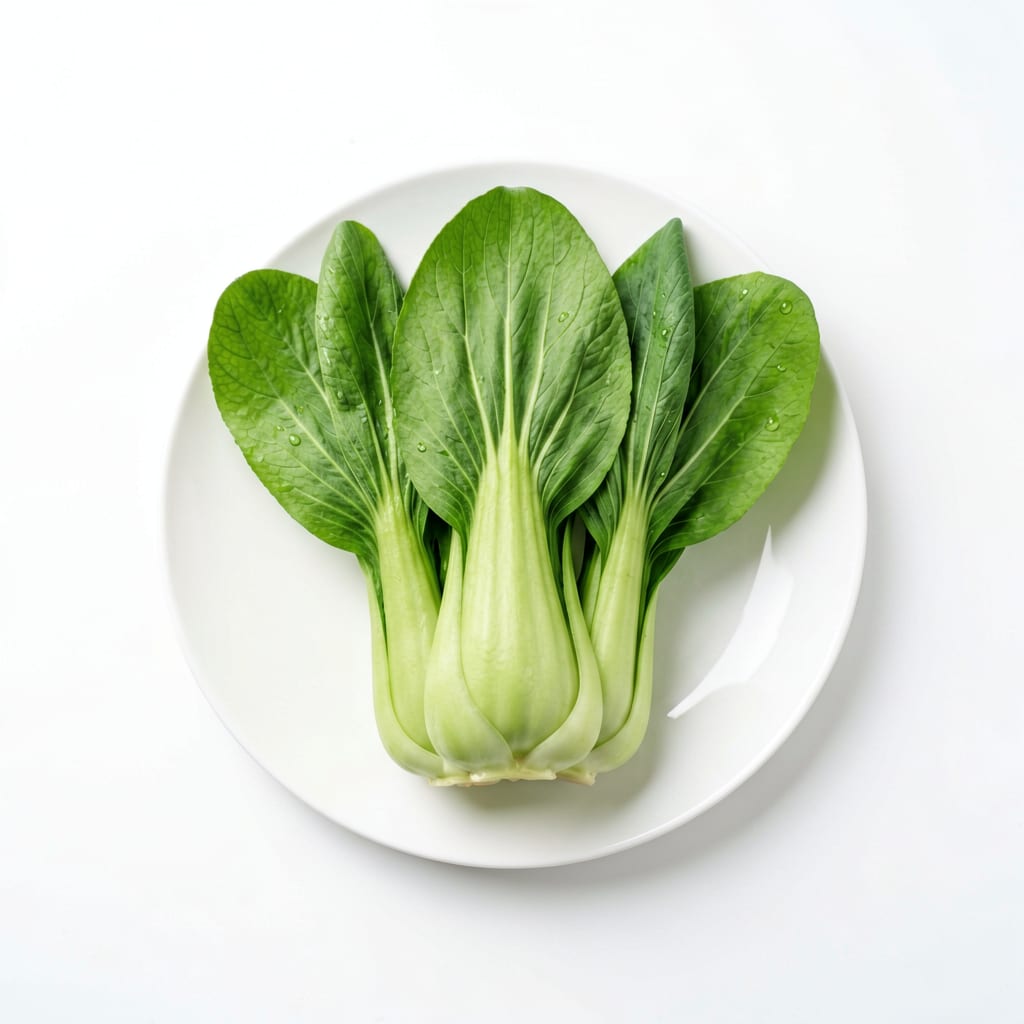
Bok Choy
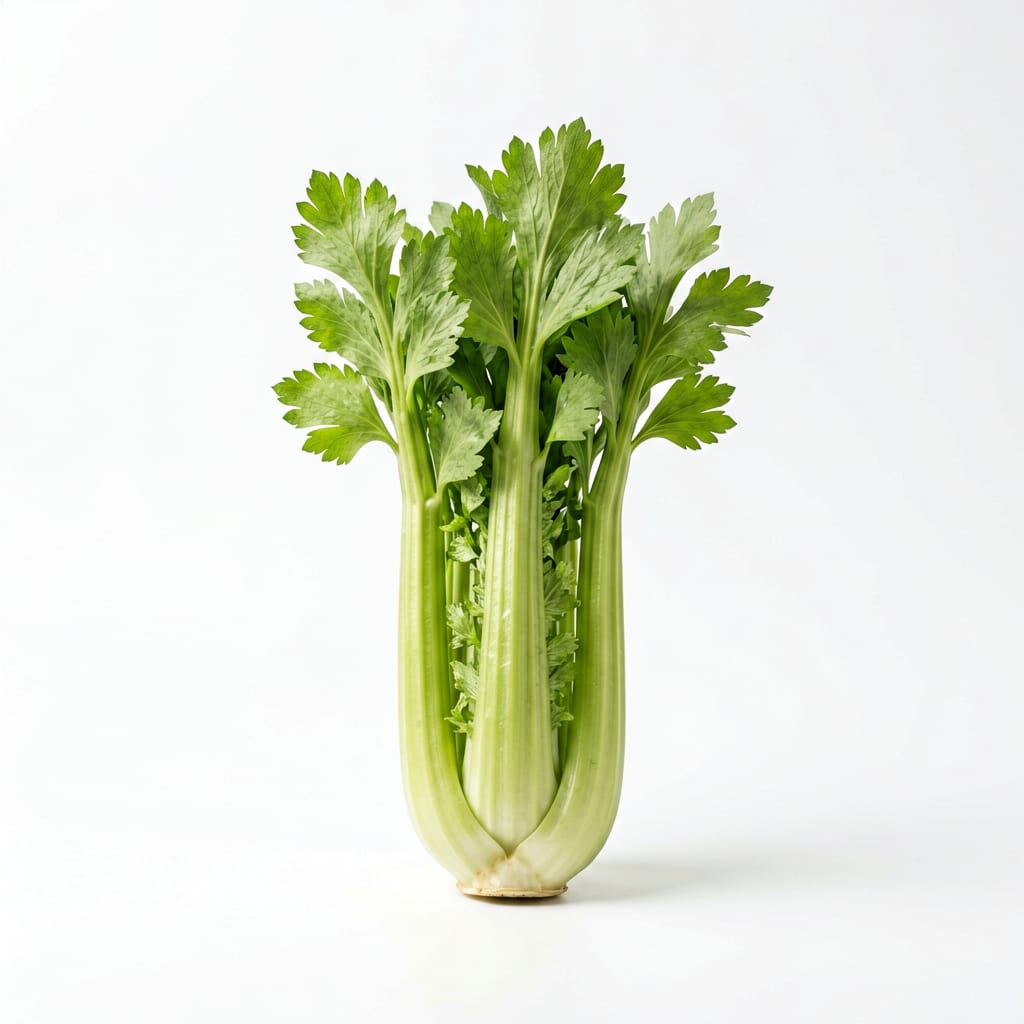
Celery
Bok Choy delivers far more nutrition per calorie, but celery wins on raw snacking convenience and hydration.
Bok Choy scores substantially higher due to its dramatically superior vitamin and mineral density. Celery remains useful but is nutritionally thin, functioning more as a hydration and crunch tool than a meaningful nutrient source.
Nutritional powerhouse that requires cooking versus crunchy hydration tool that's ready instantly.
At a glance
Executive summary
Overall
Bok Choy
Healthier
Bok Choy
More practical
Celery
Daily use
It depends
Key comparison lenses
nutrient density per calorie
Both foods are extremely low calorie, so which delivers more nutrition per bite matters enormously
vitamin and mineral gap
Bok Choy dramatically outperforms celery in several key vitamins, making this the most consequential nutritional difference
snacking convenience
Celery is a classic grab-and-go snack; Bok Choy requires preparation, making practicality a key differentiator
cooking versatility
Bok Choy shines in cooked dishes while celery serves as an aromatic base, creating distinct use-case splits
pesticide exposure risk
Both appear on EWG's Dirty Dozen list, so safety-conscious users need clear guidance
Best choice for
Bok Choy
- Maximizing vitamins A, C, and K on minimal calories
- Bone health support through calcium and vitamin K
- Adding bulk and nutrition to stir-fries and soups
- People seeking cancer-fighting glucosinolates
- Anyone wanting the most nutrient-dense leafy green option
Celery
- Quick raw snacking without any prep
- Staying hydrated throughout the day
- Low-effort appetite management between meals
- Building flavor bases for soups, stews, and stuffings
- People who need portable, mess-free crunch
Least suitable for
Bok Choy
- Raw snacking on the go
- Anyone avoiding goitrogenic foods in large raw quantities
- Quick no-cook meal assembly
Celery
- Meeting significant vitamin or mineral needs
- Those watching sodium who eat very large quantities
- Anyone seeking a nutritionally complete vegetable side
Deep comparison
Dimension by dimension
Each lens scores both foods and breaks down who each option suits.
- Dimension 1 · Priority 95Bok Choy
Nutrient Density Per Calorie
Bok Choy · 94Celery · 42Bok Choy is one of the most nutrient-dense foods on the planet per calorie. Celery is mostly water with trace nutrients.
Tradeoff
You get dramatically more vitamins and minerals from Bok Choy, but you need to cook or chop it to access them.
Why it matters
When calories are limited, every bite should count. Bok Choy makes each calorie work much harder.
Real-world impact
A cup of cooked Bok Choy delivers over 50% of your daily vitamin A and vitamin K needs for under 20 calories. Celery would require unrealistic volumes to approach those numbers.
Bok Choy
- Vitamin A (over 60x more per calorie)
- Vitamin C (about 4x more per calorie)
- Vitamin K (about 3x more per calorie)
- Calcium (about 6x more per calorie)
- Folate (about 3x more per calorie)
Better for
- Requires cooking or fine chopping to maximize nutrient absorption
Worse for
Celery
- Slightly more potassium per cup raw
Better for
- Very little vitamin A or calcium per serving
- Minimal folate contribution
Worse for
- Dimension 2 · Priority 85Celery
Raw Snacking Convenience
Bok Choy · 30Celery · 92Celery is the ultimate grab-and-eat vegetable. Bok Choy is rarely eaten raw and requires preparation.
Tradeoff
Celery sacrifices nutrition for instant accessibility. Bok Choy demands effort but rewards you with far more nutrients.
Why it matters
The best vegetable is the one you actually eat. If cooking feels like a barrier, celery keeps you in the game.
Real-world impact
You can toss celery sticks in a bag for work in 30 seconds. Bok Choy needs washing, chopping, and typically cooking before it becomes palatable.
Bok Choy
- More satisfying when cooked into a complete meal
Better for
- Wilts quickly and demands prompt cooking
- Raw texture is unappealing to most people
Worse for
Celery
- Zero prep time for raw consumption
- Portable and mess-free
- Pairs easily with nut butters and dips
- Shelf-stable longer in the crisper drawer
Better for
- Nutrient delivery is low without cooking or large volumes
Worse for
- Dimension 3 · Priority 70Celery
Hydration and Water Content
Bok Choy · 72Celery · 90Celery is roughly 95% water, making it one of the most hydrating solid foods available. Bok Choy is also very watery but slightly less so.
Tradeoff
Celery's extreme water content makes it more hydrating but also less nutritionally concentrated per bite.
Why it matters
For people who struggle to drink enough water, high-water vegetables can meaningfully supplement intake.
Real-world impact
Munching through celery sticks on a hot afternoon provides noticeable hydration. Bok Choy contributes water too, but usually as part of a cooked dish with other ingredients.
Bok Choy
- Still provides substantial hydration when consumed as soup
Better for
- Cooking reduces the direct hydration benefit
Worse for
Celery
- Higher water content per gram
- More effective as a standalone hydration snack
- Refreshing crunch enhances the sensation of hydration
Better for
- High water content dilutes nutrient concentration
Worse for
- Dimension 4 · Priority 80Bok Choy
Cooking Versatility
Bok Choy · 85Celery · 70Bok Choy is a star in stir-fries, soups, and braised dishes. Celery is more of a supporting aromatic than a featured vegetable.
Tradeoff
Bok Choy becomes the centerpiece of a dish. Celery disappears into the background, adding flavor but not substance.
Why it matters
If you cook regularly, having a vegetable that can carry a meal matters more than raw snackability.
Real-world impact
A quick garlic-and-ginger Bok Choy stir-fry is a satisfying side in under 5 minutes. Celery rarely earns a standalone dish and usually plays a mirepoix role.
Bok Choy
- Holds up beautifully in stir-fries and braises
- Works as a standalone vegetable side dish
- Absorbs sauces and seasonings well
- Both stems and leaves are usable
Better for
- Limited use in raw applications
- Does not work well in Western-style salads
Worse for
Celery
- Essential aromatic base for soups and stews
- Adds crunch to tuna and chicken salads
- Works raw in salads without any modification
Better for
- Rarely satisfying as a cooked standalone side
- Loses most character when overcooked
Worse for
- Dimension 5 · Priority 82Bok Choy
Antioxidant and Cancer-Fighting Compounds
Bok Choy · 88Celery · 48Bok Choy contains glucosinolates, which break down into cancer-fighting compounds. Celery offers some flavonoids but at much lower concentrations.
Tradeoff
Bok Choy belongs to the cruciferous family with well-documented chemoprotective benefits. Celery's antioxidant profile is modest by comparison.
Why it matters
Long-term disease prevention is one of the most compelling reasons to eat vegetables, and cruciferous vegetables lead the evidence.
Real-world impact
Regular consumption of cruciferous vegetables like Bok Choy is associated with lower rates of several cancers. Celery cannot make a comparable claim.
Bok Choy
- Glucosinolates with established cancer-fighting research
- Higher total antioxidant capacity per calorie
- Belongs to the cruciferous family with the strongest protective evidence
Better for
- Glucosinolate content decreases with prolonged high-heat cooking
Worse for
Celery
- Contains apigenin, a flavonoid with some anti-inflammatory research
Better for
- Flavonoid content is relatively low compared to other vegetables
- No glucosinolate compounds
Worse for
- Dimension 6 · Priority 72Celery
Digestive Tolerance
Bok Choy · 60Celery · 82Celery is gentle on most digestive systems. Bok Choy contains goitrogens and fiber that can bother sensitive stomachs, especially raw.
Tradeoff
Celery is easier to digest raw. Bok Choy requires cooking to reduce compounds that may cause discomfort.
Why it matters
People with thyroid issues or sensitive digestion need to know which vegetable requires caution.
Real-world impact
Eating large amounts of raw Bok Choy could interfere with thyroid function in susceptible people. Celery's main digestive issue is its stringy fiber, which is manageable.
Bok Choy
- Well-tolerated when cooked, which neutralizes most goitrogens
Better for
- Goitrogens may affect thyroid when consumed raw in large amounts
- Can cause bloating in sensitive individuals
Worse for
Celery
- Gentle on the stomach for most people
- No goitrogenic concerns
- Useful for settling mild nausea or appetite loss
Better for
- Stringy fibers can be hard to break down for some people
Worse for
Timeline
Health impact over time
Short-term
Hours to days
Bok Choy
- Quick feeling of fullness from fiber and water content with minimal calories
- Mild blood sugar stabilization when eaten with meals
- Slight digestive adjustment period if not used to cruciferous vegetables
Celery
- Immediate hydration boost from high water content
- Crunch-based satisfaction that can reduce urge to snack on heavier foods
- Very low risk of any short-term digestive discomfort
Long-term
Months to years
Bok Choy
- Stronger bone density support from vitamin K and calcium
- Potential reduction in cancer risk from regular glucosinolate intake
- Better overall micronutrient status due to high vitamin density
- Thyroid considerations only if consumed raw in extreme quantities
Celery
- Modest contribution to hydration habits over time
- Minimal long-term disease risk reduction compared to nutrient-dense alternatives
- Helpful for maintaining low-calorie snacking patterns
Risk profile
Safety & processing
Both Bok Choy and celery are whole, unprocessed vegetables with no artificial additives when purchased fresh. The main concern for both is pesticide residue, not processing.
Bok Choy
Pesticide residue
mediumLeafy greens like Bok Choy frequently retain pesticide residue. Washing thoroughly or choosing organic reduces exposure significantly.
Goitrogenic compounds when raw
lowRaw Bok Choy contains goitrogens that can interfere with thyroid function, but only at unrealistic consumption volumes. Cooking neutralizes most of this concern.
Celery
Pesticide residue
highCelery consistently ranks on the EWG Dirty Dozen list due to high pesticide detection rates. Its porous structure retains chemicals. Organic is strongly recommended.
Natural sodium content
lowCelery contains about 80mg sodium per large stalk. Not a concern for most people, but worth noting for strict sodium-restricted diets.
Who wins for whom
Audience fit
Same foods, different winners depending on your goal.
children
CeleryCelery sticks with peanut butter or hummus are a kid-friendly classic. Bok Choy's flavor and texture are harder sells for most children.
daily consumption
Bok ChoyBok Choy's nutrient density rewards daily consumption. Celery is safe daily too, but contributes less nutritional value over time.
diabetes
Bok ChoyBoth have negligible blood sugar impact, but Bok Choy's superior magnesium and fiber content offers better long-term glycemic support.
elderly
Bok ChoyBok Choy's high vitamin K and calcium content directly supports bone health, a critical concern for older adults. Cooked Bok Choy is also easier to chew than raw celery strings.
muscle gain
It dependsNeither food contributes meaningful protein. Both serve as low-calorie sides to protein-rich meals. Bok Choy offers slightly more mineral support for muscle function.
weight loss
Bok ChoyBoth are extremely low calorie, but Bok Choy provides substantially more nutrition per calorie, supporting metabolic health during caloric deficit.
Your move
Decision guide
Choose Bok Choy
- You want maximum nutrition from every calorie you eat
- You cook regularly and want a vegetable that carries a dish
- Bone health, vitamin K, and cancer prevention are priorities
- You enjoy Asian-style cooking and stir-fries
- You are in a caloric deficit and need nutrients without energy cost
Choose Celery
- You need a zero-prep raw snack right now
- Staying hydrated between meals matters to you
- You want crunch without cooking
- You are building flavor bases for soups, stews, or stuffings
- You need a vehicle for nut butters or dips
Either works if
- You simply want more vegetables in your diet regardless of specifics
- You are managing weight and need low-calorie volume
- Blood sugar control is your primary concern
Avoid both if
- You have a severe oral allergy syndrome triggered by raw vegetables
- You need calorie-dense foods to recover from undernutrition
Final recommendation
Keep both in your kitchen but assign them different jobs. Use Bok Choy when you cook and want your meal to actually nourish you. Use celery when you need something to crunch on between meals or want to stay hydrated without thinking. If you can only choose one for health impact, Bok Choy wins decisively.
Practical
Consumer tips
- 1
Buy organic celery whenever possible — it consistently ranks among the most pesticide-contaminated vegetables
- 2
Wash Bok Choy thoroughly between the leaves where dirt and residue accumulate
- 3
Quick-steam or stir-fry Bok Choy for 3-4 minutes to preserve glucosinolates while neutralizing goitrogens
- 4
Pair celery with protein-rich dips like hummus or almond butter to turn a hydration snack into something more satisfying
- 5
Store Bok Choy in a perforated bag in the crisper and use within 4-5 days before wilting sets in
- 6
Freeze celery scraps for homemade stock — they add excellent aromatic depth