
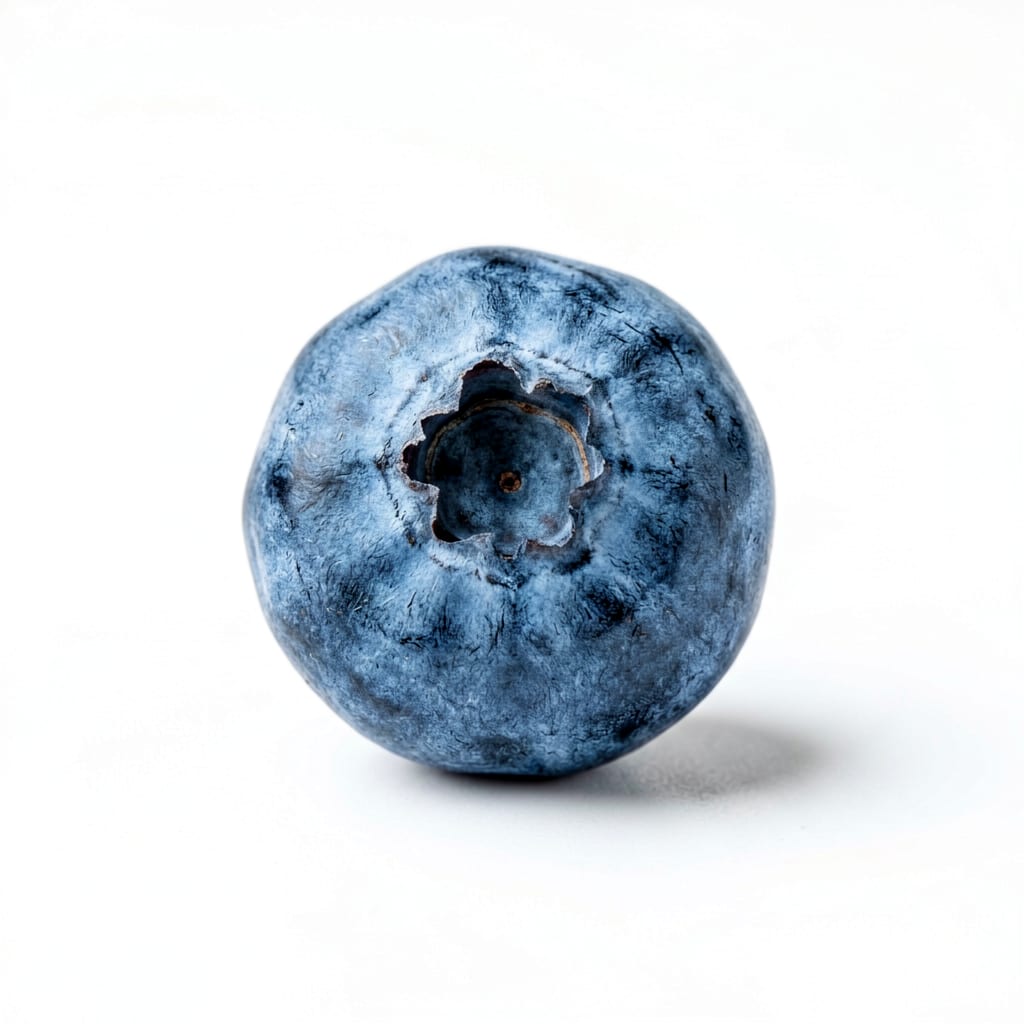
Fruit
Blueberry
A nutrient-dense, low-calorie berry celebrated for its high antioxidant levels and blood sugar-friendly profile.
Small, sweet, blue-purple berries known for their high antioxidant content, specifically anthocyanins, and versatility in fresh, frozen, and culinary applications.
high-antioxidant low-glycemic fruit
Typical serving · 148g
Common varieties · highbush, lowbush, rabbiteye, half-high, wild
Overall context score across nutrition, safety, and diet fit
At a glance
Quick facts
Simple indicators based on nutrition, processing, and diet fit.
The story
What makes it unique
Blueberries are digested at a moderate pace due to their fiber content, which slows the absorption of their natural sugars. They provide a low glycemic response and moderate satiety. Their macronutrient profile is low in protein and fat, consisting mostly of water and simple carbohydrates. As a minimally processed whole food, they retain their cellular structure and phytochemical integrity.
Varieties: highbush · lowbush · rabbiteye · half-high · wild
Per 100g
Nutrition breakdown
Macro balance and key metrics at a glance.
Energy
Density 0.57 kcal/g
Protein
Carbs
Fat
Fiber
Sugar
10 g
Sodium
1 mg
Potassium
77 mg
Glycemic index
53
Glycemic load
6
Water content
84%
Standout compounds
Nutrient highlights
Anthocyanins
highReduces oxidative stress and inflammation
Vitamin C
moderateSupports immune function and collagen synthesis
Vitamin K
moderateImportant for blood clotting and bone metabolism
Manganese
moderatePlays a role in fat and carbohydrate metabolism
Dietary Fiber
moderatePromotes digestive regularity and satiety
Wellness map
Health scores & processing
NOVA processing scale
minimally processed · Whole food
Fresh or frozen blueberries are whole, unprocessed fruits with no added ingredients, retaining their natural nutrient matrix.
Diet compatibility
- Weight loss
- Muscle gain
- Diabetes
- Gut health
- Low carb
- High protein
- Heart health
Relative standing
Food rankings
Qualitative ranks compared to similar whole foods.
- Satietygood
- Blood sugarexcellent
- Nutrient densityexcellent
- Fitness fuelmoderate
- Processing qualityexcellent
Eat with confidence
Food safety profile
Blueberries can carry pesticide residues from conventional farming. Washing thoroughly or choosing organic significantly reduces exposure risk.
Evidence confidence 90%
- Pesticidesmoderate
- Antibioticslow
- Heavy metalslow
- Contaminationlow
Watch for
- pesticide residues
- mold
Safer choices
Organic blueberries
Prep tips
Rinse under cold running water just before eating rather than before storing to prevent premature spoilage and remove surface residues.
Conventional blueberries frequently appear on the EWG's Dirty Dozen list due to detectable pesticide residues.
Deep dive
Health analysis
How this food may fit different goals and preparation choices.
Weight loss
Low energy density and high water content allow for generous portions without excess calories, aiding volume eating strategies.
Blood sugar
Low glycemic index and glycemic load prevent sharp blood sugar spikes, making them suitable for glucose management.
Fitness & energy
Provides quick-digesting natural sugars for light activity, but lacks the substantial carbs or protein needed for intense endurance or recovery.
Gut health
Dietary fiber and polyphenols act as prebiotics, supporting beneficial gut bacteria diversity and colon health.
Processing quality
Typically consumed as a whole, unprocessed fruit, retaining all natural micronutrients, fiber, and antioxidants.
Food safety
Conventional blueberries often retain pesticide residues; washing thoroughly or buying organic mitigates this risk.
Common mistakes
Assuming dried blueberries or blueberry-flavored baked goods offer the same low-sugar, high-antioxidant profile as fresh or frozen whole berries.
Best preparation
Eaten fresh or frozen; adding them to oatmeal or yogurt increases meal satiety and slows sugar absorption.
Practical guide
Best use cases
When and how this food fits real eating patterns.
Antioxidant boost
Add to morning oatmeal or smoothies for a quick influx of protective polyphenols.
Weight loss snack
A sweet, low-calorie option to satisfy sugar cravings without breaking calorie limits.
Gut health support
Fiber and polyphenols feed beneficial gut bacteria when consumed regularly.
Post-meal blood sugar control
Eating berries after a meal can help blunt the glycemic response of the overall meal.
Balance sheet
Pros & cons
Upsides
- Extremely rich in antioxidants, particularly anthocyanins
- Low glycemic index supports stable blood sugar
- High water content keeps calorie density very low
- Convenient, portable, and requires no preparation
- Polyphenols support cognitive and cardiovascular health
Trade-offs
- Moderate sugar content requires portion control for strict low-carb diets
- Not a significant source of protein or dietary fat
- Conventional varieties often carry pesticide residues
- Dried and sweetened versions are calorie-dense and high in sugar
Fit check
Who is it for?
Great match
- antioxidant supplementation
- low-calorie snacking
- blood sugar management
- cognitive health maintenance
Consider alternatives
- strict ketogenic diets
- high-protein diets
- calorie-dense bulking phases
Side by side
How it compares
Open the full head-to-head analysis for nutrition, safety, and practical tradeoffs.
This food
Blueberry
VS90% alike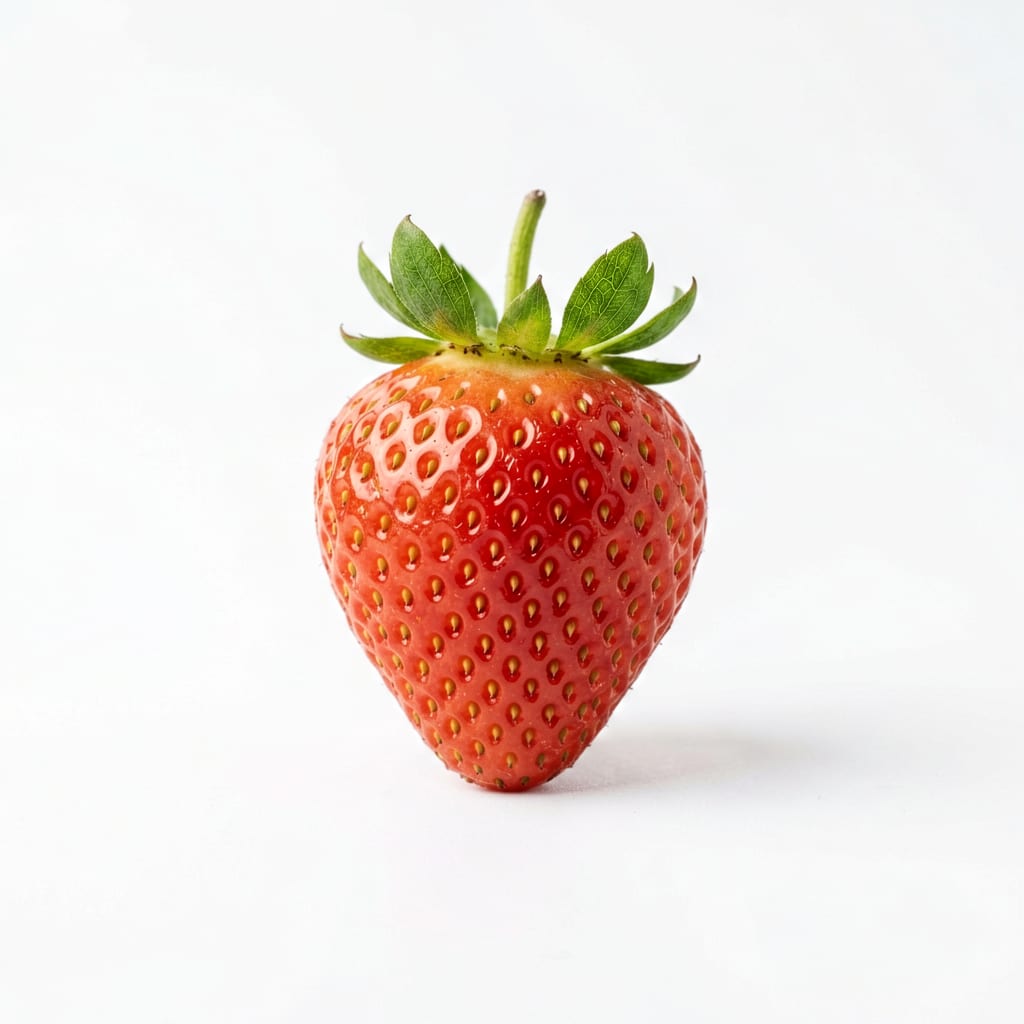
Compare with
Strawberry
Strawberries are slightly lower in calories and sugar, while blueberries offer more antioxidants per serving.
Strawberries are slightly lower in calories and sugar, while blueberries offer more antioxidants per serving.
This food
Blueberry
VS90% alike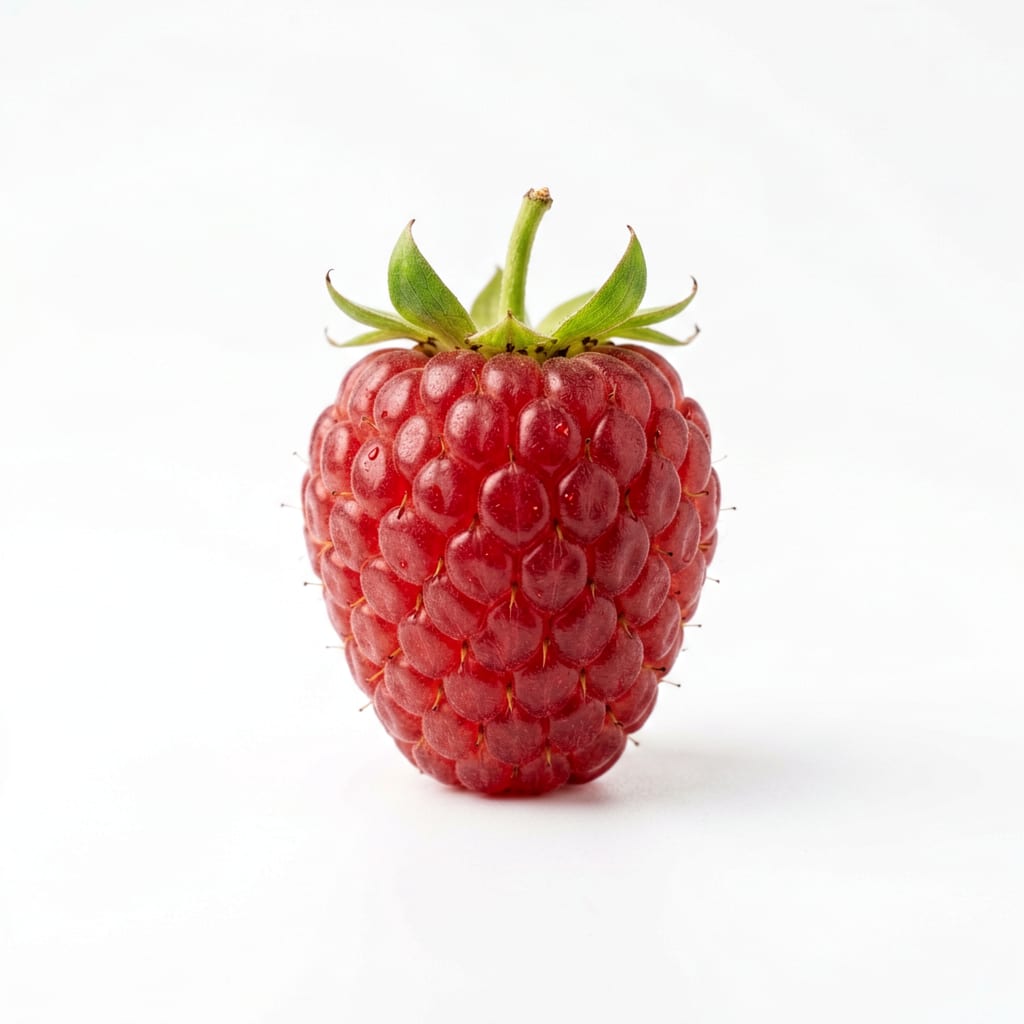
Compare with
Raspberry
Raspberries provide significantly more fiber and less sugar, making them better for satiety, while blueberries have a stronger antioxidant profile.
Raspberries provide significantly more fiber and less sugar, making them better for satiety, while blueberries have a stronger antioxidant profile.
This food
Blueberry
VS90% alike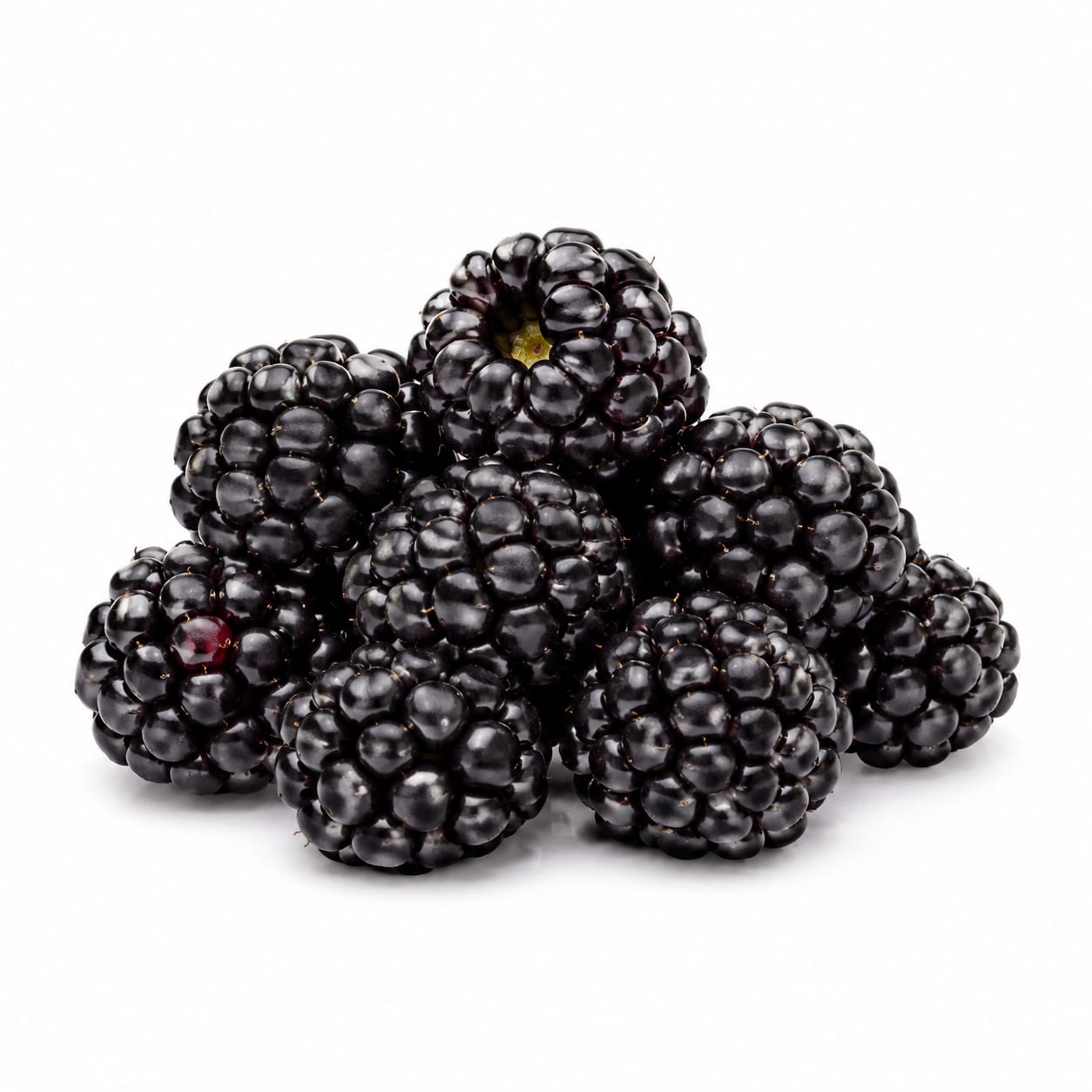
Compare with
Blackberry
Blackberries are higher in fiber and lower in sugar than blueberries, offering better blood sugar control, though both are rich in antioxidants.
Blackberries are higher in fiber and lower in sugar than blueberries, offering better blood sugar control, though both are rich in antioxidants.
This food
Blueberry
VS60% alike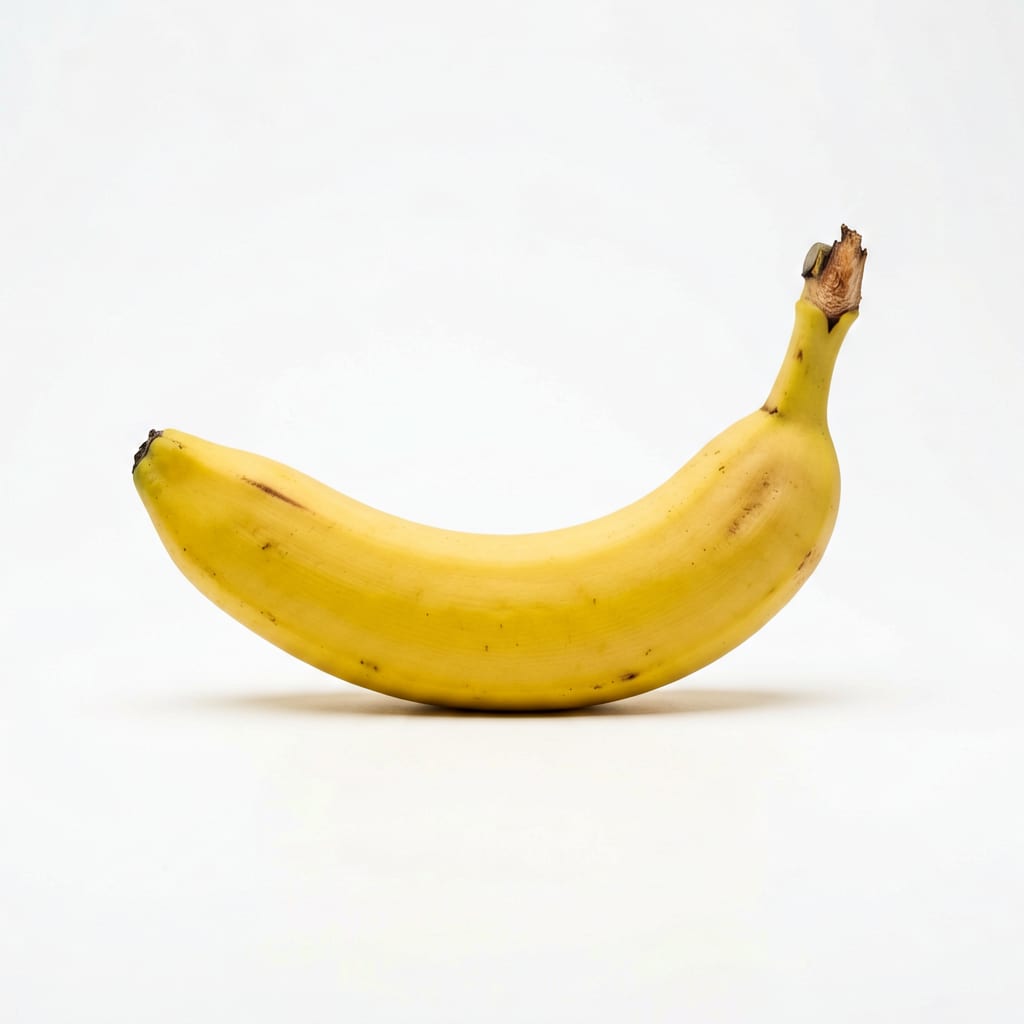
Compare with
Banana
Bananas offer more potassium and quick energy for fitness, while blueberries are far lower in calories and sugar, making them better for weight loss.
Bananas offer more potassium and quick energy for fitness, while blueberries are far lower in calories and sugar, making them better for weight loss.
This food
Blueberry
VS70% alike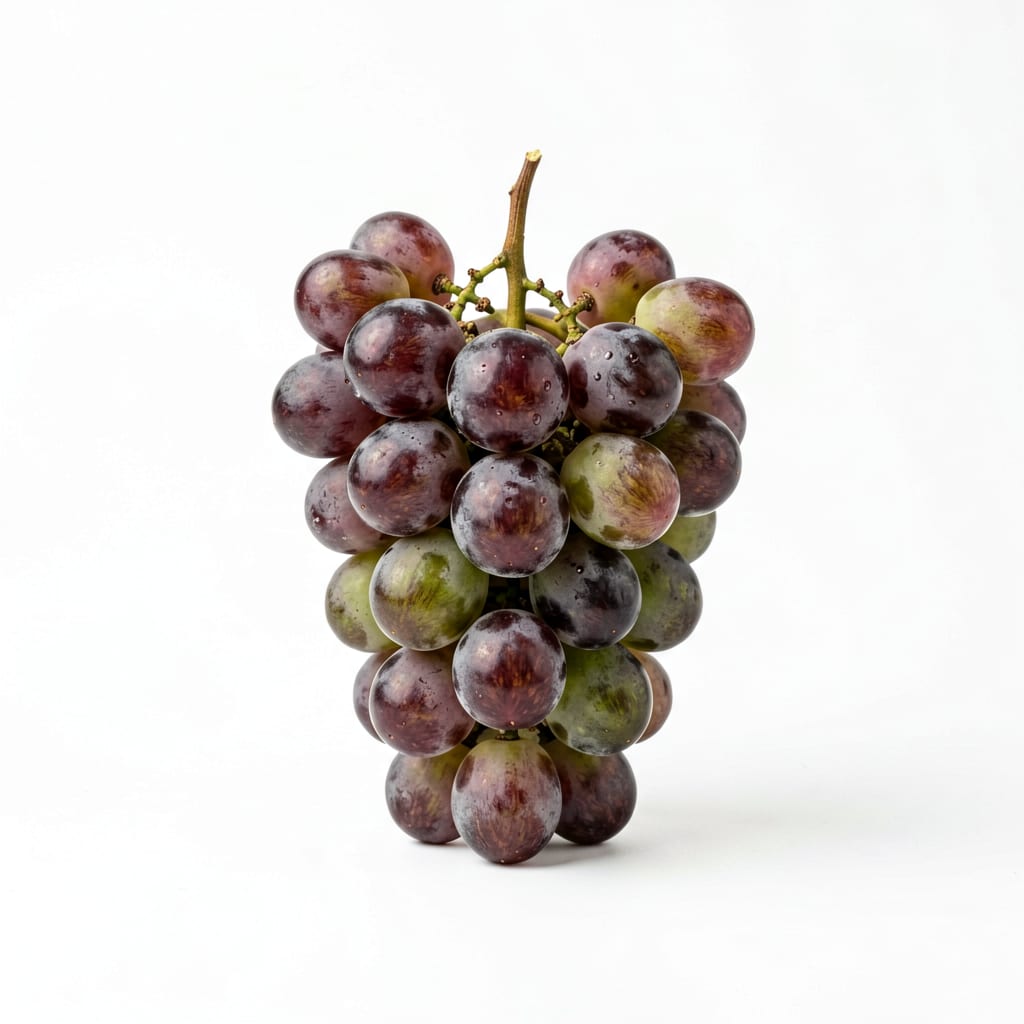
Compare with
Grape
Blueberries provide more fiber and antioxidants with less sugar per serving compared to high-sugar grapes.
Blueberries provide more fiber and antioxidants with less sugar per serving compared to high-sugar grapes.
This food
Blueberry
VS70% alike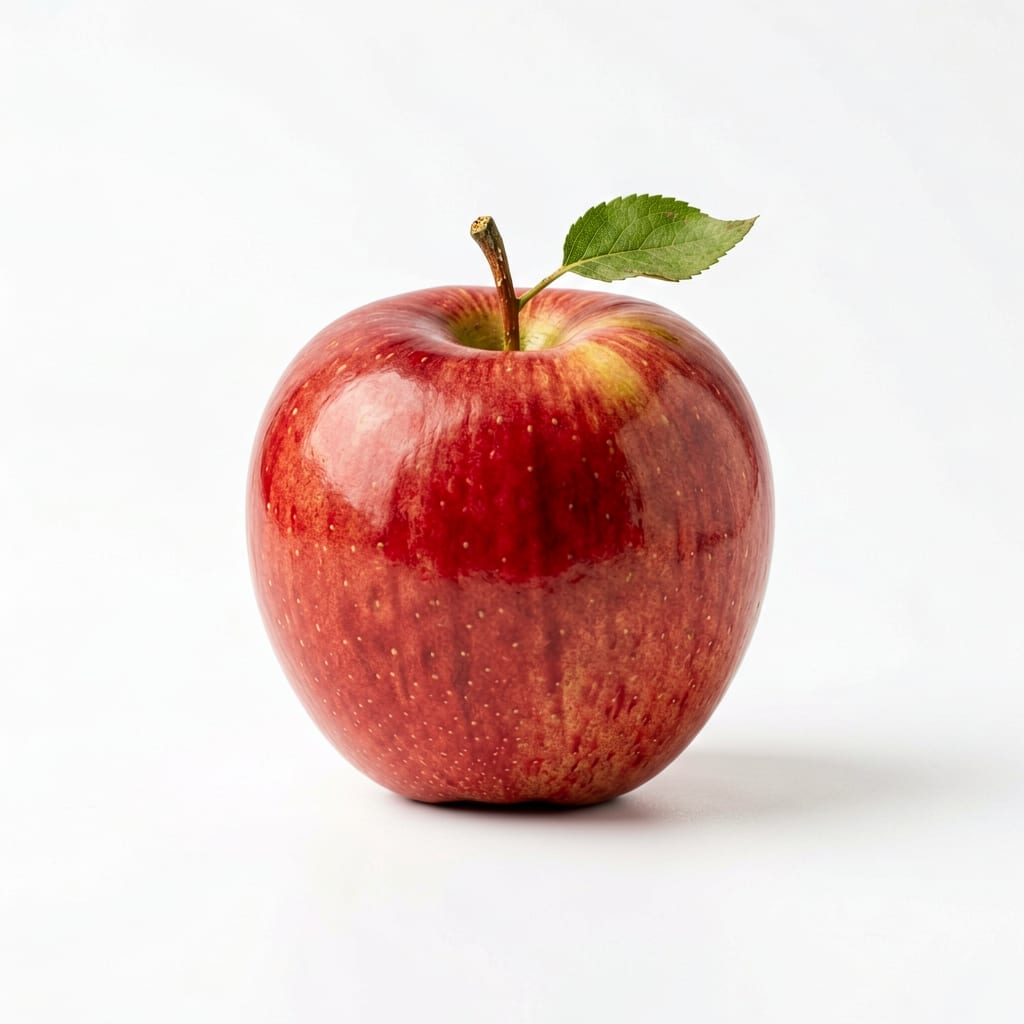
Compare with
Apple
Apples offer more satiety due to pectin and volume, but blueberries provide a denser concentration of antioxidants per calorie.
Apples offer more satiety due to pectin and volume, but blueberries provide a denser concentration of antioxidants per calorie.
This food
Blueberry
VS85% alike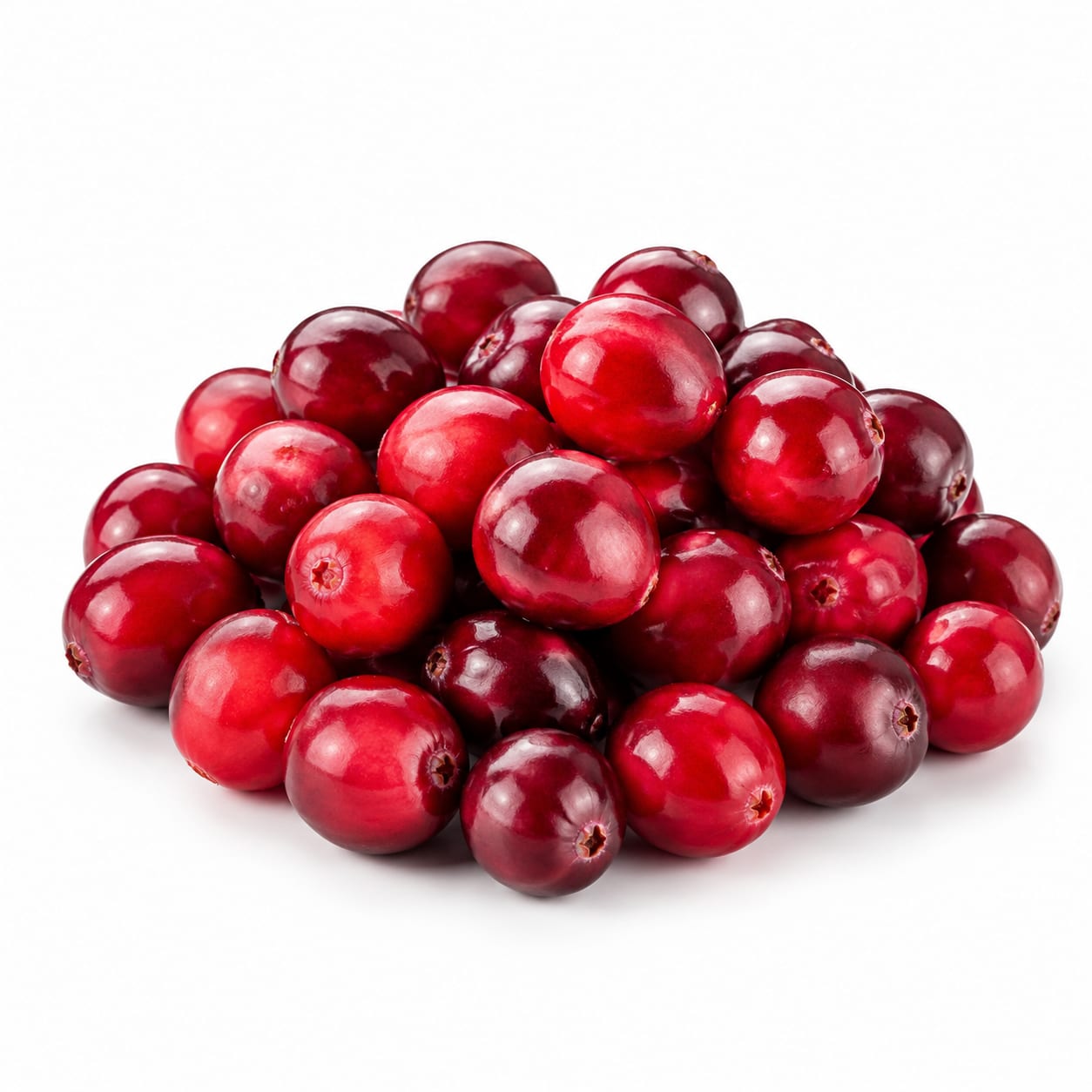
Compare with
Cranberry
Unsweetened cranberries are lower in sugar but extremely tart; blueberries are more palatable raw and still low-glycemic.
Unsweetened cranberries are lower in sugar but extremely tart; blueberries are more palatable raw and still low-glycemic.
This food
Blueberry
VS75% alike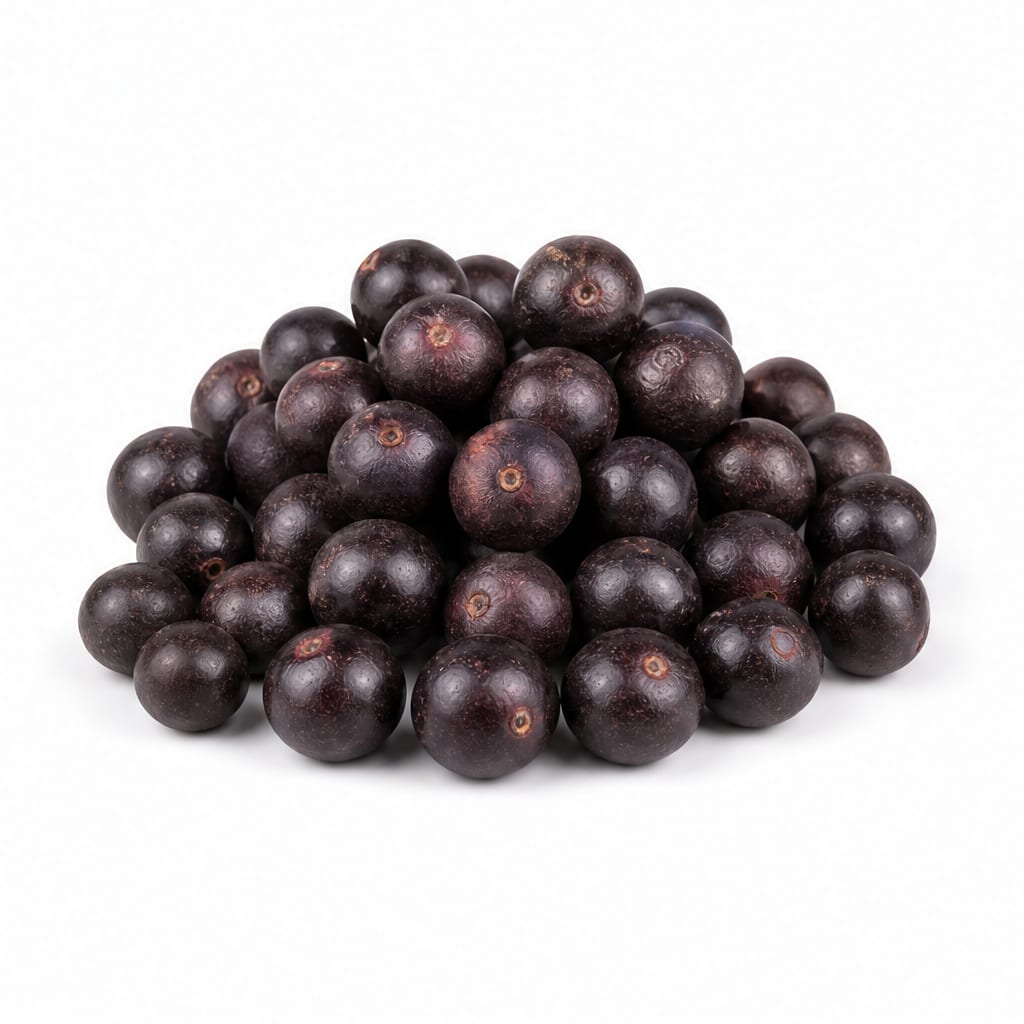
Compare with
Acai Berry
Acai has slightly more antioxidants and healthy fats, but blueberries are far more accessible, affordable, and easier to eat whole.
Acai has slightly more antioxidants and healthy fats, but blueberries are far more accessible, affordable, and easier to eat whole.
This food
Blueberry
VS65% alike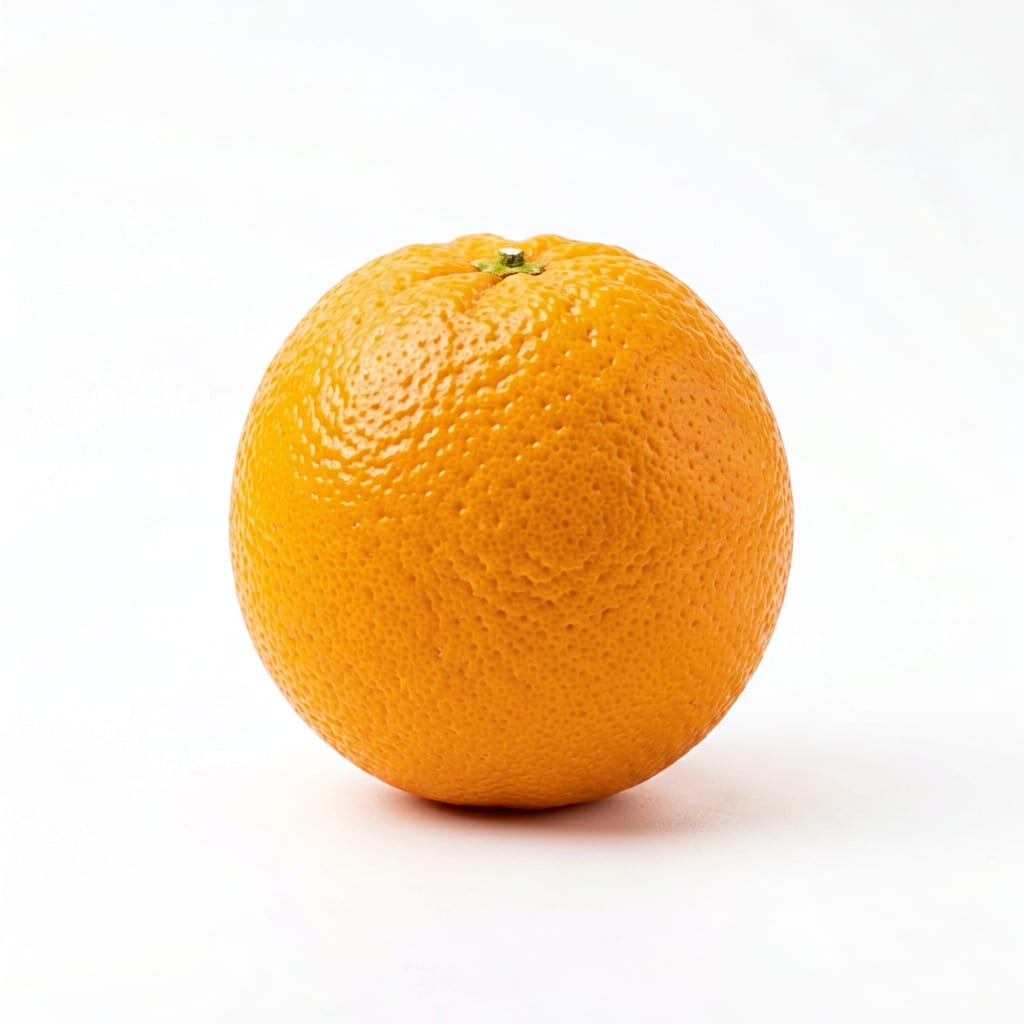
Compare with
Orange
Oranges provide more vitamin C and hydration, while blueberries offer superior antioxidant benefits and lower sugar content.
Oranges provide more vitamin C and hydration, while blueberries offer superior antioxidant benefits and lower sugar content.
This food
Blueberry
VS60% alike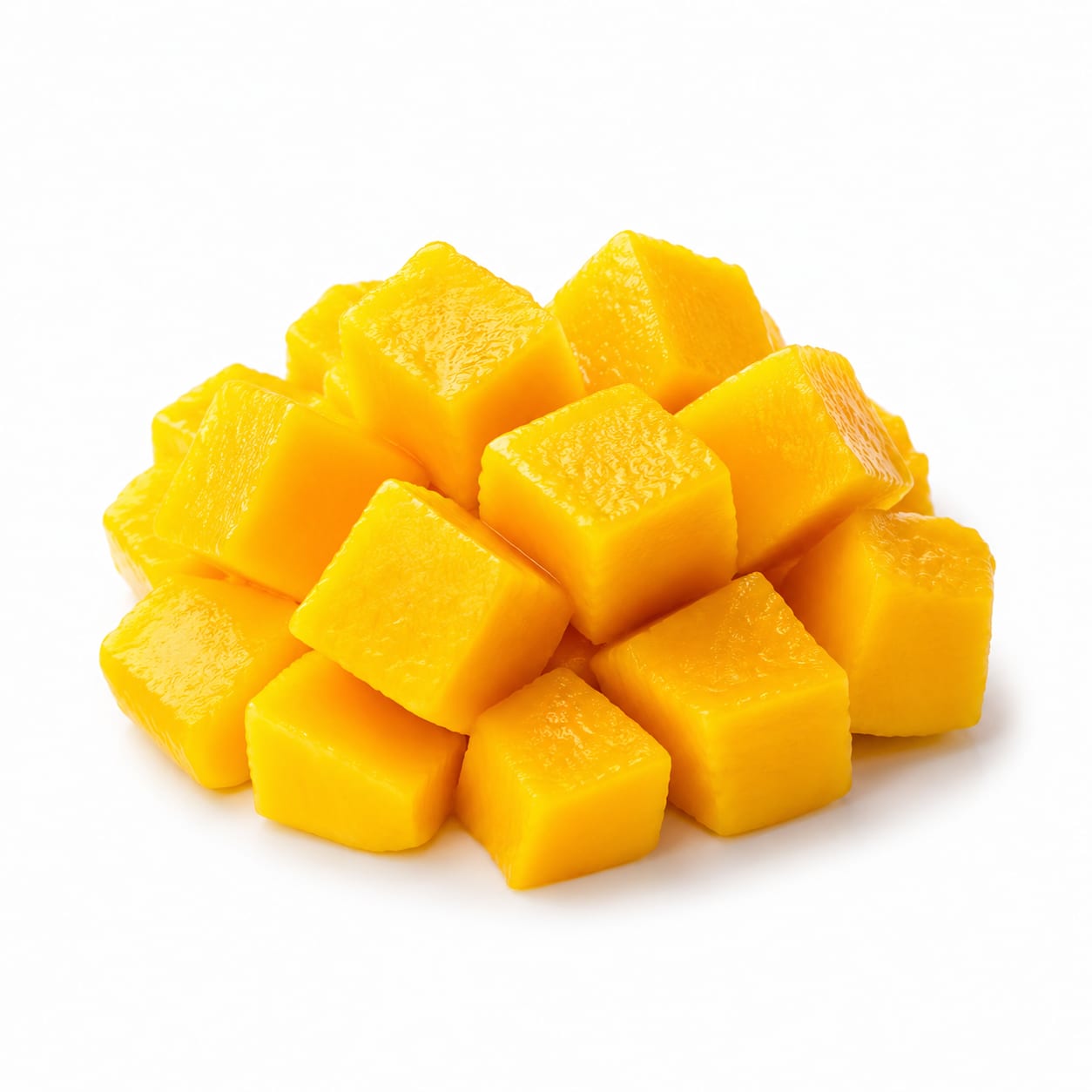
Compare with
Mango
Mangoes are significantly higher in sugar and calories, whereas blueberries provide a more blood-sugar-friendly option with similar sweet appeal.
Mangoes are significantly higher in sugar and calories, whereas blueberries provide a more blood-sugar-friendly option with similar sweet appeal.
Common questions
FAQ
Answers aligned with how people search for this food.
Are blueberries good for weight loss?
Yes, blueberries are excellent for weight loss due to their low calorie count and high water and fiber content, which promotes fullness without excess calories.
Do blueberries spike blood sugar?
No, blueberries have a low glycemic index and glycemic load, meaning they cause a slow, steady rise in blood sugar rather than a sharp spike.
Are frozen blueberries as healthy as fresh?
Yes, frozen blueberries are flash-frozen at peak ripeness, preserving their vitamins and antioxidants, often making them equally or more nutritious than fresh berries that sit on shelves.
Can diabetics eat blueberries?
Yes, diabetics can safely eat blueberries in moderation. Their fiber and low GI help manage glucose levels effectively.
What makes blueberries a superfood?
Blueberries are considered a superfood primarily due to their exceptionally high concentration of anthocyanins, a type of antioxidant that fights inflammation and supports brain health.
Are blueberries high in sugar?
Blueberries contain natural sugars (about 10g per 100g), but their fiber content slows absorption, making them a healthy choice compared to added-sugar foods.
Should I buy organic blueberries?
Conventional blueberries often test positive for pesticide residues, so buying organic is recommended if you want to minimize chemical exposure.
How many blueberries should I eat a day?
Eating about 1/2 to 1 cup (75-150g) of blueberries daily is a great way to get their health benefits without overconsuming natural sugars.
Transparency
Data confidence
Estimated confidence for nutrition data, interpretation, safety notes, and comparisons.
Nutrition data
Health analysis
Food safety
Comparisons