
Nutrition comparison
Blueberries vs Bananas: Which Fruit Is Healthier for You?
Compare blueberries vs bananas on blood sugar, antioxidants, weight loss, and daily practicality. Find out which fruit fits your health goals and lifestyle better.
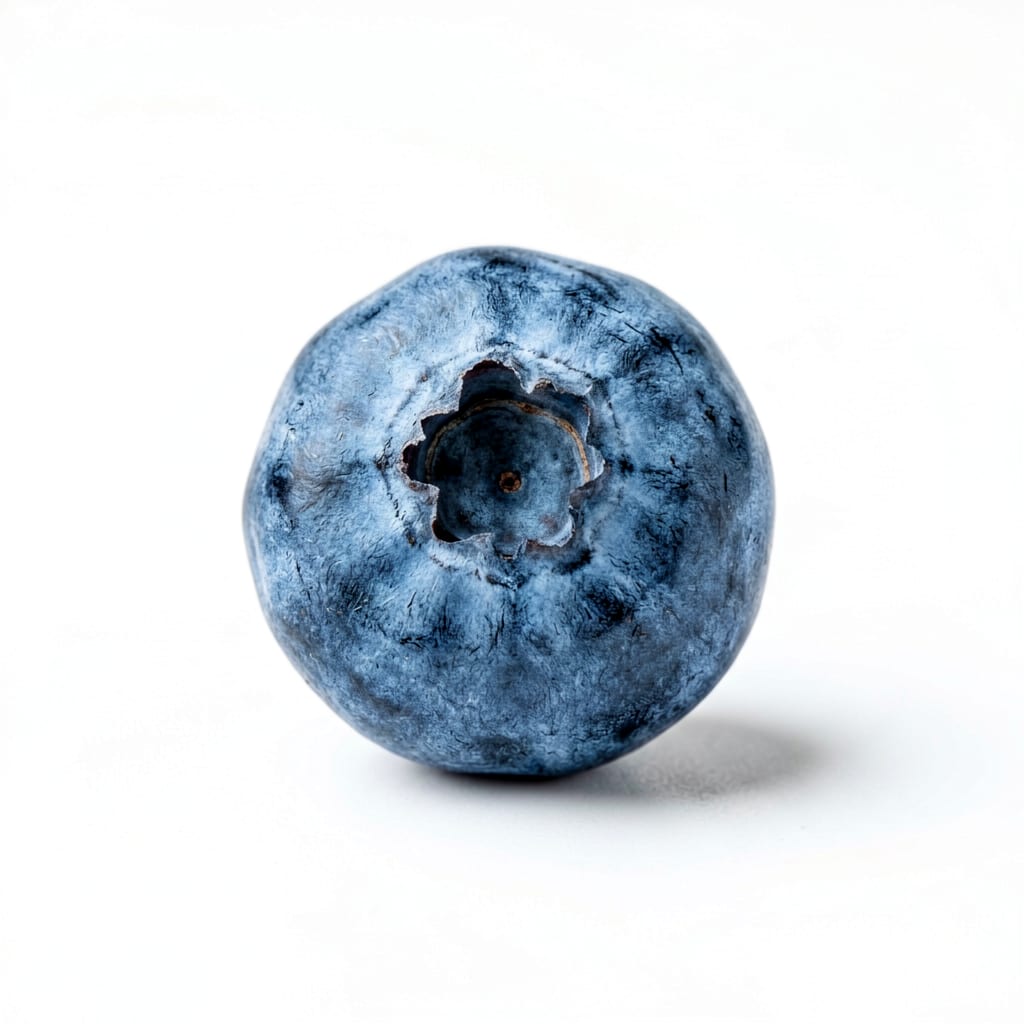
Blueberry
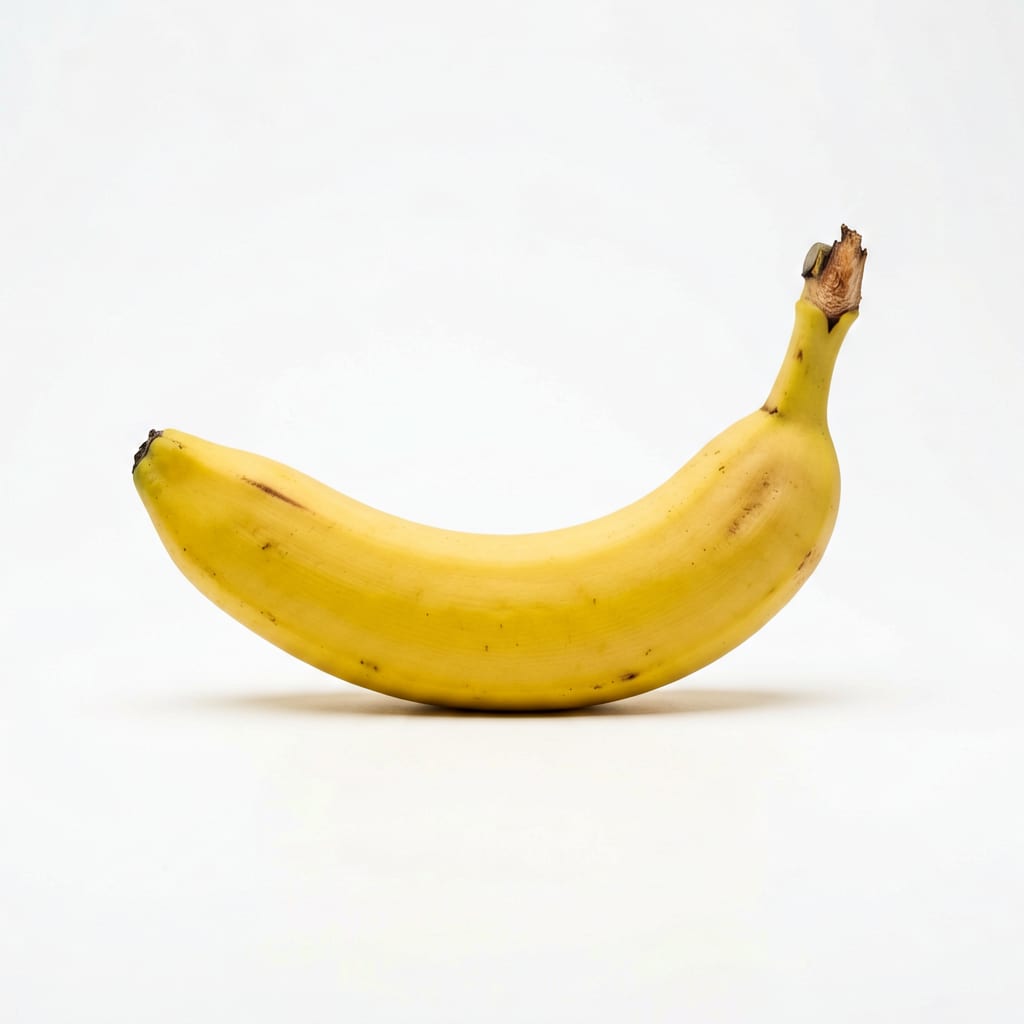
Banana
Blueberries win for antioxidant power and blood sugar control; bananas win for energy, satiety, and affordability.
Blueberries score higher for micronutrient density and metabolic health, but bananas earn strong marks for satiety, potassium, and real-world practicality. The gap is modest because both are whole fruits with genuine health benefits.
Do you want steady, low-impact nutrition (blueberries) or filling, fast energy on a budget (bananas)?
At a glance
Executive summary
Overall
It depends
Healthier
Blueberry
More practical
Banana
Daily use
It depends
Key comparison lenses
blood sugar impact and glycemic load
Bananas spike blood sugar noticeably while blueberries barely move the needle — critical for anyone managing energy or diabetes
antioxidant density and longevity benefits
Blueberries are among the highest antioxidant foods on earth; bananas cannot compete here
satiety and pre-workout energy
Bananas provide fast, satisfying energy that blueberries simply cannot match in volume or carb load
weight management and calorie control
Blueberries deliver intense flavor at a fraction of the calories, making them easier to enjoy without overeating
convenience and everyday practicality
Bananas are cheaper, more filling, and need no refrigeration — real-world factors that drive daily choices
Best choice for
Blueberry
- People managing blood sugar or insulin resistance
- Anyone prioritizing antioxidant and anti-aging benefits
- Those counting calories who still want big flavor
- Smoothie lovers adding nutrition without sugar spikes
Banana
- Athletes needing quick pre-workout fuel
- Busy people wanting a cheap, filling snack
- Anyone prone to cramps needing more potassium
- Students or workers needing sustained morning energy
Least suitable for
Blueberry
- Very hungry people needing volume on a budget
- Endurance athletes mid-run who need fast carbs
- Anyone finding premium produce prices stressful
Banana
- People with diabetes or severe insulin resistance
- Those on strict low-carb or keto diets
- Anyone sensitive to blood sugar crashes
Deep comparison
Dimension by dimension
Each lens scores both foods and breaks down who each option suits.
- Dimension 1 · Priority 92Blueberry
blood sugar stability
Blueberry · 88Banana · 52Blueberries have a glycemic index around 53 versus bananas at 51-62 depending on ripeness, but blueberries carry far less glycemic load per typical serving.
Tradeoff
Bananas deliver energy fast but can cause a crash; blueberries provide gentler, steadier energy with less insulin demand.
Why it matters
If you get sleepy after eating fruit or struggle with cravings, this difference is daily-life significant.
Real-world impact
A banana at 10am can leave you hungry by 11am. A cup of blueberries keeps you on a more even keel.
Blueberry
- Diabetics and prediabetics
- Afternoon snackers avoiding crashes
- Intermittent fasters breaking their fast gently
Better for
- Someone mid-marathon needing instant fuel
Worse for
Banana
- Athletes mid-workout who need sugar
- Hikers burning carbs in real time
- Underweight individuals needing easy calories
Better for
- Insulin-resistant individuals
- Anyone prone to post-carb fatigue
Worse for
- Dimension 2 · Priority 88Blueberry
antioxidant and anti-aging power
Blueberry · 96Banana · 38Blueberries are one of the most antioxidant-rich foods available, loaded with anthocyanins. Bananas offer modest antioxidant content.
Tradeoff
You eat blueberries partly as medicine; you eat bananas mostly as fuel.
Why it matters
Anthocyanins protect blood vessels, brain cells, and skin over decades. This compounds over a lifetime.
Real-world impact
Regular blueberry eaters show measurable differences in memory and vascular health within months in studies.
Blueberry
- Older adults protecting cognitive function
- Anyone with family history of dementia
- People focused on skin and visible aging
Better for
- No real downside here
Worse for
Banana
- Not a meaningful factor for bananas
Better for
- Anyone relying on bananas alone for fruit antioxidants
Worse for
- Dimension 3 · Priority 85Banana
satiety and fillingness
Blueberry · 55Banana · 82A medium banana feels like a snack. A cup of blueberries feels like a garnish. Volume and starch make bananas far more satisfying.
Tradeoff
Bananas fill you up but cost more carbs; blueberries are light and easy to overeat if you are already hungry.
Why it matters
If a snack does not satisfy you, you eat again within the hour — defeating the purpose.
Real-world impact
A banana at 3pm can hold you until dinner. Blueberries at 3pm often leave you reaching for something else.
Blueberry
- Light snackers who prefer small bites
- People eating blueberries alongside protein or fat
Better for
- Very active or hungry people needing volume
Worse for
Banana
- Shift workers needing one snack to last hours
- Kids who need something substantial after school
- Anyone trying to skip a meal gracefully
Better for
- Those who find heavy snacks trigger more cravings
Worse for
- Dimension 4 · Priority 78Banana
mineral density especially potassium
Blueberry · 42Banana · 90One banana delivers about 9% of daily potassium needs. Blueberries offer a fraction of that per serving.
Tradeoff
Bananas are a legitimate potassium source; blueberries require you to get minerals elsewhere.
Why it matters
Most people are potassium-deficient, and it matters for blood pressure, cramps, and heart rhythm.
Real-world impact
If you cramp during exercise or have borderline high blood pressure, a daily banana is an easy intervention.
Blueberry
- Not a meaningful factor for blueberries
Better for
- Those relying on fruit alone for potassium
Worse for
Banana
- Active people prone to cramps
- Anyone on a low-potassium diet correction
- Older adults managing blood pressure naturally
Better for
- Kidney disease patients restricting potassium
Worse for
- Dimension 5 · Priority 80Blueberry
calorie efficiency and weight management
Blueberry · 85Banana · 62A cup of blueberries has about 84 calories. A medium banana has about 105. But blueberries feel like more food visually and flavor-wise per calorie.
Tradeoff
Blueberries give more sensory satisfaction per calorie; bananas give more physical fullness per dollar.
Why it matters
When cutting calories, food that feels indulgent without costing much is a huge psychological advantage.
Real-world impact
You can eat a full cup of blueberries as a dessert for under 90 calories. Half a banana is already 50+.
Blueberry
- Calorie counters wanting big flavor
- Emotional eaters needing volume and sweetness
- Anyone replacing dessert with fruit
Better for
- Those who find small fruits unsatisfying
Worse for
Banana
- Underweight people needing easy calories
- Active teens who can afford the carbs
Better for
- Strict calorie restrictors
Worse for
- Dimension 6 · Priority 75Banana
cost and accessibility
Blueberry · 40Banana · 92Bananas are consistently one of the cheapest fruits worldwide. Blueberries are premium-priced and seasonal in many regions.
Tradeoff
Bananas are affordable year-round; blueberries can cost 3-5 times more per serving.
Why it matters
The best fruit is the one you can actually afford to eat daily. Cost determines consistency more than nutrition facts.
Real-world impact
A week of bananas costs under $3. A week of fresh blueberries can exceed $15 in many markets.
Blueberry
- Anyone with flexible grocery budgets
- People with access to frozen blueberries which are cheaper
Better for
- Budget-constrained shoppers
Worse for
Banana
- Families feeding multiple people
- Students and low-income households
- Anyone living in areas with limited fresh produce
Better for
- No real downside on cost
Worse for
Timeline
Health impact over time
Short-term
Hours to days
Blueberry
- Steady energy without a sugar crash
- Mild satiety — may not feel like enough alone
- Quick digestive comfort due to low fermentable carbs
Banana
- Noticeable energy boost within 20-30 minutes
- Real fullness that can replace a small meal
- Possible blood sugar dip 1-2 hours after eating a ripe one
Long-term
Months to years
Blueberry
- Measurable improvements in vascular flexibility and memory scores
- Lower cumulative insulin demand over years
- Strong anti-inflammatory protection from consistent anthocyanin intake
Banana
- Better potassium status supporting healthy blood pressure
- Consistent fiber intake supporting regular digestion
- Higher cumulative sugar exposure if eaten daily without portion awareness
Risk profile
Safety & processing
Both are whole, unprocessed fruits as typically consumed. Neither raises ultra-processing concerns. The only processing risk comes from dried or sweetened blueberry products and banana chips, which are entirely different foods.
Blueberry
pesticide residue
mediumBlueberries consistently appear on the EWG Dirty Dozen list. Organic significantly reduces exposure. Washing helps but does not eliminate all residue due to thin skin.
Banana
pesticide residue
lowBananas have thick peels that protect the edible portion. Pesticide exposure from the fruit itself is minimal even in conventional farming.
Who wins for whom
Audience fit
Same foods, different winners depending on your goal.
children
BananaKids love the sweetness and texture, it fills them up, and the potassium supports growth. Blueberries are fine but less likely to satisfy a hungry child alone.
daily consumption
It dependsIf budget allows, blueberries daily offer superior long-term health benefits. If budget matters, bananas daily are a perfectly healthy and practical choice.
diabetes
BlueberryLower glycemic load and anthocyanins that actually improve insulin sensitivity make blueberries clearly safer for blood sugar management.
elderly
BlueberryThe brain-protective anthocyanins and vascular benefits matter enormously for aging. Blood sugar stability also becomes more critical with age.
muscle gain
BananaMore carbs for glycogen replenishment and more potassium for cramp prevention give bananas the edge around training.
weight loss
BlueberryLower calories per serving, less sugar impact, and more antioxidant support for metabolic health make blueberries the smarter choice when cutting.
Your move
Decision guide
Choose Blueberry
- You want maximum antioxidant and anti-aging benefits per bite
- Blood sugar control is a personal or family health priority
- You eat fruit as part of a meal or snack with protein anyway
- Budget is not a primary constraint
- You care about cognitive longevity and vascular health
Choose Banana
- You need affordable, filling fuel for active days
- You exercise regularly and want natural pre-workout energy
- You or your kids need a satisfying snack that actually holds
- Potassium intake is a known gap in your diet
- You want a no-refrigeration, no-prep fruit for commuting or travel
Either works if
- You simply want a whole fruit instead of processed snacks
- You rotate fruits throughout the week for variety
- You are generally healthy with no blood sugar concerns
Avoid both if
- You have a severe latex allergy (banana cross-reactivity risk)
- You are on a strict ketogenic diet tracking all carb grams
- You need high-protein snacks and keep reaching for fruit instead
Final recommendation
Eat both, but let blueberries do the heavy lifting for long-term health and bananas do the heavy lifting for daily energy and budget. If you can only pick one, choose blueberries for health optimization and bananas for practical sustainability. The best choice is the one you will actually eat consistently.
Practical
Consumer tips
- 1
Buy frozen blueberries in bulk bags — they are cheaper, just as nutritious, and perfect for smoothies or oatmeal
- 2
Choose bananas with some green on the stem for lower sugar and more resistant starch, which feeds gut bacteria
- 3
Wash blueberries thoroughly or buy organic to reduce pesticide exposure — they are a high-residue crop
- 4
Freeze overripe bananas for smoothies or banana bread rather than throwing them out
- 5
Pair blueberries with Greek yogurt or nuts to fix the satiety gap — the combo is vastly more satisfying
- 6
Avoid banana chips and dried sweetened blueberries — they are calorie bombs disguised as healthy snacks