
Nutrition comparison
Blueberries vs Grapes: Which Fruit Is Healthier for Daily Snacking?
Compare blueberries and grapes on sugar, antioxidants, fiber, and weight loss impact. Find out which berry is better for blood sugar, brain health, and everyday eating.
Overall winner · Blueberry
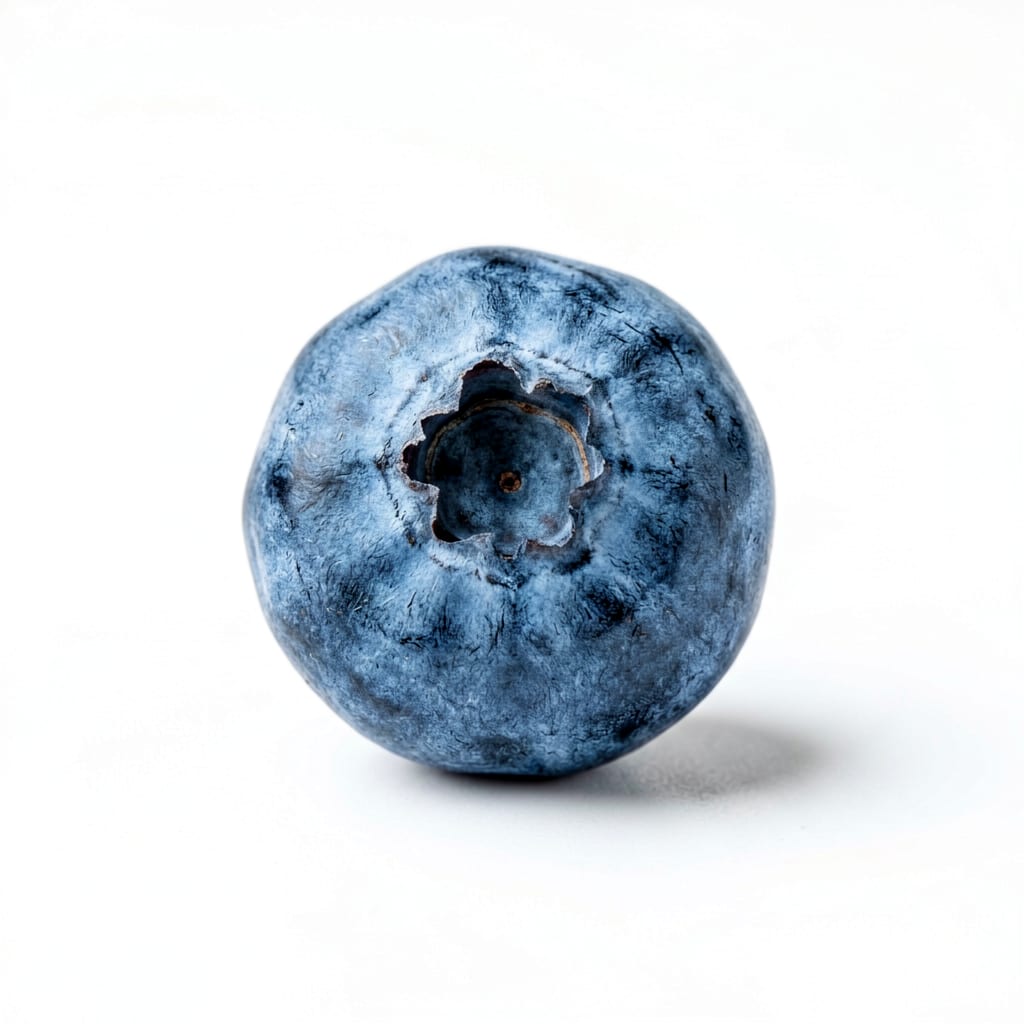
Blueberry
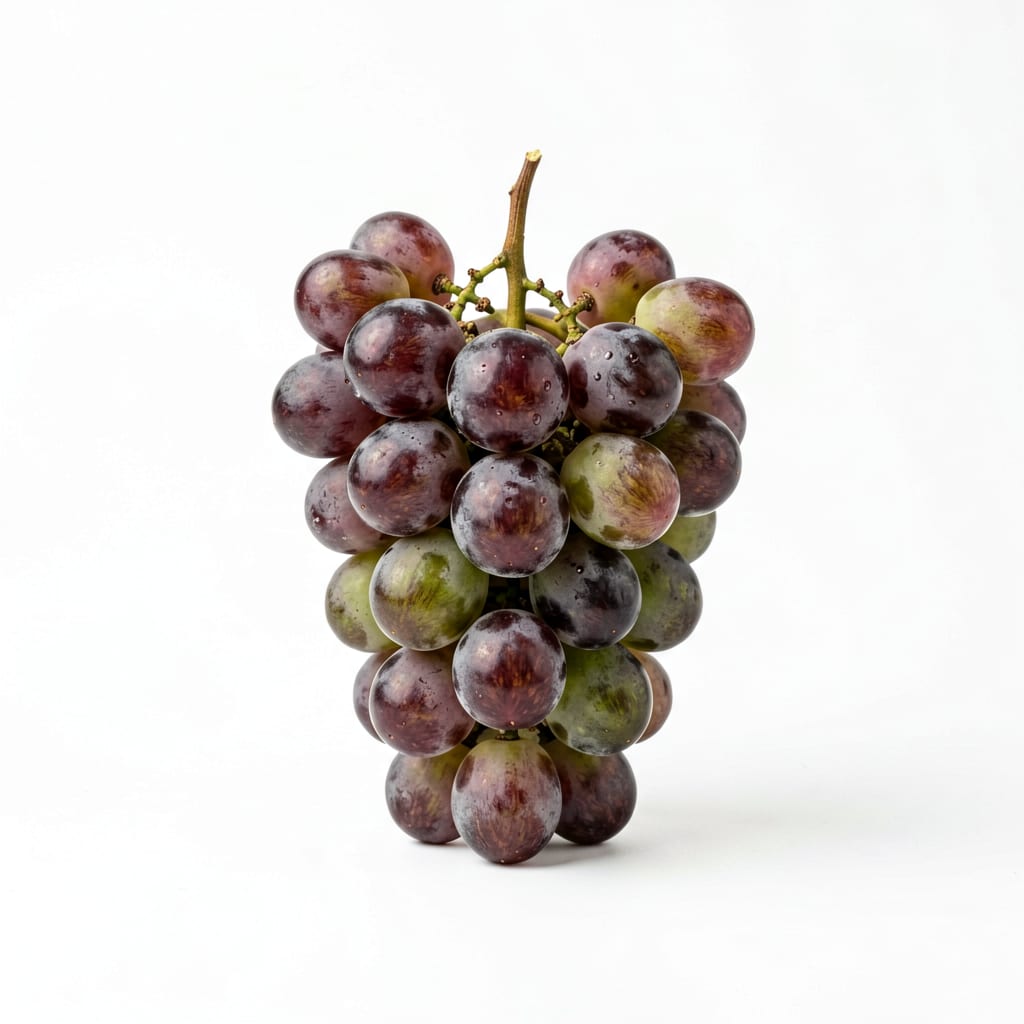
Grape
Blueberries win on nutrition density and blood sugar control, while grapes offer sweeter satisfaction and easier eating at a sugar cost.
Blueberries score notably higher due to superior antioxidant density, lower sugar, and better fiber content. Grapes remain a solid whole fruit choice but their higher sugar and lower nutrient density per calorie create a meaningful gap for health-conscious daily use.
More antioxidants and fiber with a tart flavor versus sweeter taste and convenience with higher sugar load.
At a glance
Executive summary
Overall
Blueberry
Healthier
Blueberry
More practical
Grape
Daily use
Blueberry
Key comparison lenses
antioxidant density and longevity benefits
Both berries are prized for antioxidants but blueberries deliver significantly more per calorie, making this the defining tradeoff
sugar load and blood stability
Grapes are notably sweeter and higher in sugar, which directly affects energy crashes and overeating risk
daily snacking sustainability
Users choosing between these often want a go-to fruit snack they can eat daily without consequences
weight management friendliness
Calorie density and sugar content differ enough to matter for anyone watching intake
pesticide exposure concerns
Both frequently appear on pesticide concern lists, but sourcing and preparation differ
Best choice for
Blueberry
- People managing blood sugar or insulin resistance
- Anyone prioritizing antioxidant intake for aging and brain health
- Weight-conscious snackers who want maximum nutrition per calorie
- Those who find sweet fruit triggers overeating
Grape
- Active individuals needing quick natural energy
- Kids or picky eaters who reject tart flavors
- Hot weather hydration when water-rich fruit helps
- Budget-conscious shoppers wanting affordable fruit
Least suitable for
Blueberry
- People with salicylate sensitivity
- Anyone needing rapid carbohydrate replenishment post-workout
- Tight budgets where cost per serving matters greatly
Grape
- People with diabetes or prediabetes monitoring sugar intake
- Anyone prone to mindless snacking on sweet foods
- Those following low-carb or keto approaches
Deep comparison
Dimension by dimension
Each lens scores both foods and breaks down who each option suits.
- Dimension 1 · Priority 94Blueberry
antioxidant_power
Blueberry · 95Grape · 65Blueberries are among the most antioxidant-dense foods on earth, far outpacing grapes in anthocyanin concentration.
Tradeoff
You get dramatically more cell-protective compounds per bite with blueberries, but grapes still offer respectable resveratrol especially in red varieties.
Why it matters
Higher antioxidant intake correlates with slower cognitive decline, reduced inflammation, and better aging outcomes over decades.
Real-world impact
Regular blueberry eaters may notice steadier mental clarity and less afternoon brain fog compared to relying on lower-antioxidant fruits.
Blueberry
- Brain health and memory preservation
- Reducing chronic inflammation
- Skin aging protection
Better for
- No significant antioxidant downside
Worse for
Grape
- Red grape varieties provide resveratrol for heart health
- Occasional antioxidant variety in diet rotation
Better for
- Lower total antioxidant capacity means less protective benefit per serving
Worse for
- Dimension 2 · Priority 90Blueberry
sugar_and_blood_stability
Blueberry · 82Grape · 52Blueberries have roughly half the sugar of grapes per serving with more fiber to slow absorption.
Tradeoff
Grapes deliver quick energy from natural sugars but can spike blood glucose faster, while blueberries provide steadier, longer-lasting fuel.
Why it matters
Frequent blood sugar spikes from high-sugar fruits can increase cravings, energy crashes, and long-term metabolic strain.
Real-world impact
A bowl of grapes can feel like eating candy where stopping is hard. Blueberries satisfy without triggering the same compulsion.
Blueberry
- Stable energy without the crash
- Less likely to trigger sugar cravings
- Safer for insulin-resistant individuals
Better for
- Not ideal when you need rapid carbohydrate refueling
Worse for
Grape
- Fast fuel before or after intense exercise
- Quick blood sugar recovery for endurance athletes
Better for
- Easy to overeat due to sweetness
- Can destabilize blood sugar in sensitive people
Worse for
- Dimension 3 · Priority 82Blueberry
fiber_and_satiety
Blueberry · 78Grape · 48Blueberries provide nearly double the fiber per calorie, making them more filling and gut-friendly.
Tradeoff
You stay fuller longer after blueberries, while grapes disappear quickly and leave you reaching for more.
Why it matters
Fiber slows digestion, feeds gut bacteria, and prevents the hollow feeling that leads to overeating.
Real-world impact
A cup of blueberries feels like a substantive snack. A cup of grapes feels like a light appetizer before the real food.
Blueberry
- Better gut microbiome support
- More satisfying between meals
- Helps maintain healthy digestion
Better for
- Minor digestive discomfort if eating very large quantities
Worse for
Grape
- Lighter option when you want something refreshing without fullness
Better for
- Low satiety means you may eat more total calories to feel satisfied
Worse for
- Dimension 4 · Priority 68Grape
hydration_and_refreshment
Blueberry · 55Grape · 82Grapes are significantly more water-dense, making them more refreshing and hydrating especially in heat.
Tradeoff
That juicy burst from grapes feels more satisfying on a hot day, but it comes with less nutritional substance per bite.
Why it matters
In summer or after exercise, water-rich fruit can supplement hydration while providing natural electrolytes.
Real-world impact
Frozen grapes on a hot afternoon hit differently than frozen blueberries. The juiciness is genuinely more refreshing.
Blueberry
- More nutrient-dense even when less hydrating
Better for
- Less satisfying when you crave something juicy and refreshing
Worse for
Grape
- Superior hot-weather refreshment
- Better post-exercise hydration snack
- More enjoyable frozen as a cooling treat
Better for
- Water content dilutes nutrient concentration per serving
Worse for
- Dimension 5 · Priority 72Grape
cost_and_accessibility
Blueberry · 48Grape · 78Grapes are generally cheaper and more widely available year-round, especially in conventional supermarkets.
Tradeoff
Blueberries cost more per serving but deliver more nutritional value for the price if your budget allows.
Why it matters
Cost affects whether a food becomes a daily habit or an occasional luxury, which matters more than ideal nutrition.
Real-world impact
A pound of grapes often costs half what a pint of blueberries does, making grapes the realistic daily choice for many families.
Blueberry
- Higher nutrient value per dollar if budget allows
Better for
- Premium pricing limits access for many households
- Seasonal availability can be inconsistent
Worse for
Grape
- More affordable for regular consumption
- Easier to find in any grocery store
- Larger serving sizes feel more substantial for the price
Better for
- Cheaper per pound but less nutritional return on spending
Worse for
- Dimension 6 · Priority 65Blueberry
versatility_and_culinary_use
Blueberry · 80Grape · 62Blueberries integrate into more recipes from smoothies and oatmeal to salads and baking, while grapes are mostly eaten alone.
Tradeoff
Blueberries enhance almost any dish without overwhelming it, whereas grapes have a narrower culinary role.
Why it matters
A food you can use multiple ways across meals gets eaten more consistently and wastes less.
Real-world impact
Blueberries in morning yogurt, afternoon smoothies, and evening salads feels natural. Grapes mostly sit in a bowl for snacking.
Blueberry
- Smoothies and breakfast bowls
- Baking and cooking applications
- Salad additions that complement rather than dominate
Better for
- Can stain surfaces and clothing more easily
Worse for
Grape
- Charcuterie boards and entertaining
- Roasted grape dishes for savory-sweet contrast
Better for
- Limited cooking versatility
- Texture changes dramatically when heated
Worse for
Timeline
Health impact over time
Short-term
Hours to days
Blueberry
- Steady energy without sugar rush or crash
- Mild satiety from fiber helps control between-meal hunger
- Tart flavor naturally limits overconsumption
Grape
- Quick energy boost from natural sugars
- Refreshing hydration especially in warm conditions
- Sweet taste can trigger wanting more than intended
Long-term
Months to years
Blueberry
- Consistent antioxidant intake supports cognitive preservation and reduced inflammation
- Lower sugar load protects metabolic health over years
- Fiber supports gut microbiome diversity and digestive regularity
Grape
- Resveratrol from red varieties supports cardiovascular health
- Higher sugar intake from frequent consumption may contribute to metabolic strain
- Still provides vitamins and hydration but less protective density than darker berries
Risk profile
Safety & processing
Both blueberries and grapes are whole foods typically consumed fresh and unprocessed. Neither carries meaningful additive concerns in their natural state, though dried and juiced versions change the picture significantly.
Blueberry
pesticide_residue
mediumBlueberries frequently appear on EWG's Dirty Dozen list. Conventional berries carry notable pesticide residues. Organic significantly reduces exposure.
mold_and_spoilage
lowBlueberries spoil quickly due to moisture and delicate skin. Inspect containers and refrigerate promptly to avoid mold growth.
Grape
pesticide_residue
highGrapes consistently rank among the most pesticide-contaminated fruits. Non-organic grapes often carry multiple residue types. Washing helps but does not eliminate all exposure.
choking_hazard
mediumWhole grapes are a leading choking hazard for children under five. Always cut grapes lengthwise before serving to young kids.
Who wins for whom
Audience fit
Same foods, different winners depending on your goal.
children
It dependsBlueberries are safer for toddlers due to choking risk from whole grapes, but many kids prefer the sweeter taste of grapes if cut properly.
daily consumption
BlueberryBetter nutrient density and lower sugar make blueberries more sustainable as a daily habit without metabolic downsides.
diabetes
BlueberrySignificantly less sugar and more fiber create a gentler blood sugar response that is safer for glucose management.
elderly
BlueberryAntioxidant benefits for cognitive health and lower sugar load make blueberries more protective for aging bodies and brains.
muscle gain
GrapeGrapes provide faster carbohydrates that can support glycogen replenishment around training windows.
weight loss
BlueberryLower sugar, higher fiber, and more satiety per calorie make blueberries easier to enjoy without overeating.
Your move
Decision guide
Choose Blueberry
- You want maximum health benefit per bite and budget allows
- Blood sugar control or weight management is a priority
- You enjoy or can tolerate tart flavors in smoothies, oatmeal, or salads
- You are concerned about sugar cravings and overeating patterns
Choose Grape
- You need quick natural energy before or after physical activity
- Cost is a major factor and you want affordable daily fruit
- You find blueberries too tart and would skip fruit entirely without sweeter options
- Hot weather refreshment and hydration matter most to you
Either works if
- You simply want whole fruit variety in your diet
- Neither food is a dietary staple but an occasional snack
- You rotate fruits seasonally and enjoy both at different times
Avoid both if
- You have a severe salicylate sensitivity affecting berry tolerance
- You are following a strict very-low-carb protocol where even small fruit sugar matters
- You exclusively consume fruit as juice rather than whole, which eliminates fiber benefits
Final recommendation
Make blueberries your default daily berry for the antioxidant and fiber advantage. Add grapes occasionally when you want something sweeter and more refreshing, especially around exercise or hot days. If budget forces a choice, grapes still beat most processed snacks, but invest in organic for either fruit to minimize pesticide exposure.
Practical
Consumer tips
- 1
Buy organic for both fruits when possible, as both carry significant pesticide residues conventionally
- 2
Freeze blueberries in bulk when on sale for year-round smoothie use at lower cost
- 3
Cut grapes lengthwise for any child under five to eliminate choking risk
- 4
Wash both fruits thoroughly right before eating rather than before storing to prevent faster spoilage
- 5
Choose red or purple grapes over green for more resveratrol and antioxidant content
- 6
Mix both together for a snack bowl that balances sweet satisfaction with nutritional density
- 7
Avoid grape juice and dried fruit versions which concentrate sugar dramatically compared to whole fruit