
Nutrition comparison
Blueberry vs Mango: Which Fruit Is Healthier for You?
Compare Blueberry and Mango on antioxidants, sugar, vitamins, and blood sugar impact. Find out which fruit fits your health goals and when to choose each.
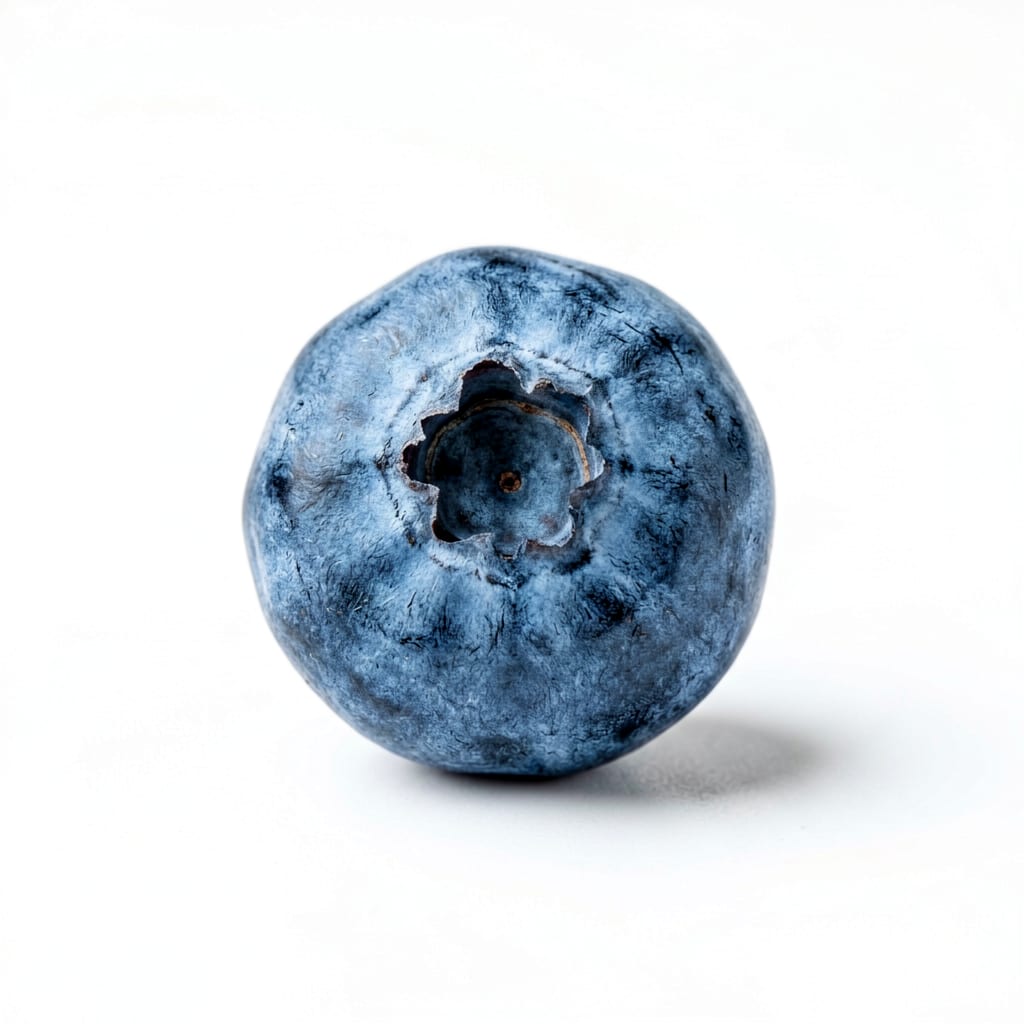
Blueberry
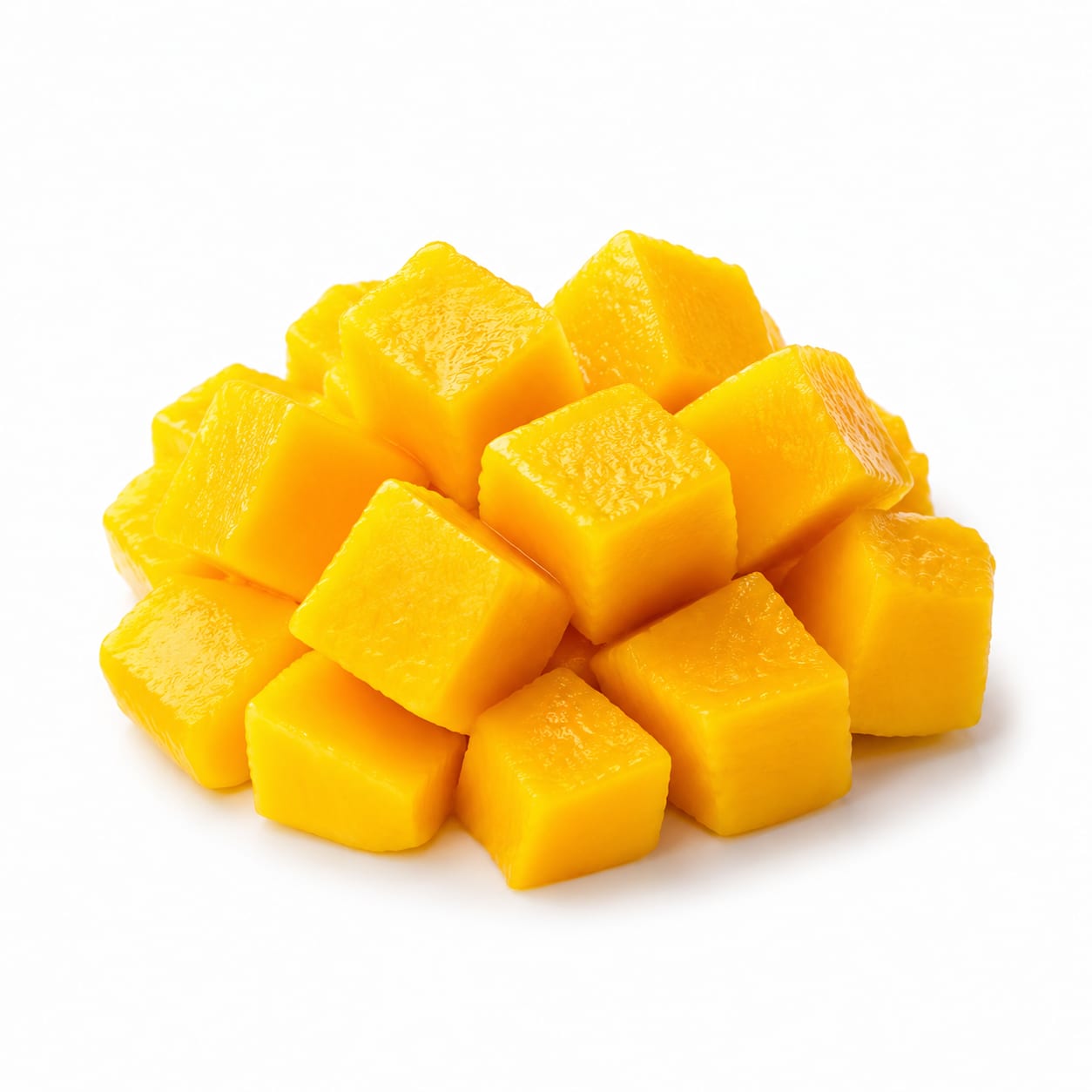
Mango
Blueberries win for antioxidants and blood sugar control; Mango wins for vitamin C, vitamin A, and tropical sweetness satisfaction.
Blueberry edges ahead due to superior antioxidant content, lower sugar, and better blood sugar stability. Mango remains excellent but its higher sugar load narrows its suitability for daily unrestricted consumption.
Antioxidant power and steadier blood sugar versus a massive vitamin boost and richer natural sweetness.
At a glance
Executive summary
Overall
It depends
Healthier
Blueberry
More practical
Mango
Daily use
Blueberry
Key comparison lenses
antioxidant density
Blueberries are among the highest antioxidant fruits available, making this a key differentiator
blood sugar management
Mango has notably more sugar per serving, which matters for glucose-sensitive users
vitamin C and A intake
Mango dramatically outperforms Blueberry in these vitamins, a major nutritional tradeoff
weight loss friendliness
Lower sugar and higher fiber make Blueberry more filling per calorie
everyday versatility
Both are popular snack and smoothie fruits, but differ in sweetness and culinary use
Best choice for
Blueberry
- People managing blood sugar or insulin resistance
- Anyone prioritizing antioxidant and anti-inflammatory benefits
- Those tracking calories who want more volume per serving
- Smoothie and oatmeal lovers wanting low-sugar fruit
Mango
- People needing vitamin C and A support
- Anyone craving sweet fruit without turning to processed desserts
- Kids who reject tart flavors
- Active individuals wanting quick natural energy
Least suitable for
Blueberry
- People with severe fructose malabsorption
- Those seeking high vitamin A from fruit
- Anyone wanting a naturally sweet dessert substitute
Mango
- People with diabetes or prediabetes watching sugar closely
- Those on strict low-carb or keto diets
- Anyone trying to minimize blood sugar spikes
Deep comparison
Dimension by dimension
Each lens scores both foods and breaks down who each option suits.
- Dimension 1 · Priority 95Blueberry
antioxidant_power
Blueberry · 96Mango · 52Blueberries are one of the most antioxidant-dense fruits on earth, thanks to extremely high anthocyanin levels.
Tradeoff
You sacrifice the vitamin A and C surge of Mango but gain far more cellular protection per bite.
Why it matters
Anthocyanins support brain health, reduce inflammation, and may slow age-related cognitive decline.
Real-world impact
Eating Blueberries regularly is like adding a daily shield for your brain and blood vessels.
Blueberry
- Aging adults concerned about cognitive decline
- People with chronic inflammation
- Anyone seeking long-term cellular protection
Better for
- People who mistakenly assume all berries are equal in antioxidant power
Worse for
Mango
- Those who get antioxidants elsewhere and need vitamins instead
Better for
- Anyone relying on Mango as their primary antioxidant source
Worse for
- Dimension 2 · Priority 90Blueberry
blood_sugar_stability
Blueberry · 82Mango · 55Blueberries have significantly less sugar and more fiber, leading to gentler blood sugar responses.
Tradeoff
Mango delivers quick energy and satisfaction but at the cost of a sharper glucose rise.
Why it matters
Frequent blood sugar spikes drive cravings, fatigue, and long-term metabolic risk.
Real-world impact
A bowl of Blueberries won't give you that afternoon crash. A large Mango might.
Blueberry
- People with insulin resistance or prediabetes
- Anyone trying to reduce sugar cravings
- Those practicing intermittent fasting who want low-glycemic break-fast fruit
Better for
- Anyone needing quick caloric energy during intense activity
Worse for
Mango
- Athletes needing fast natural carbs post-workout
- Hikers or endurance athletes mid-activity
Better for
- Diabetics who underestimate the sugar load in a single Mango
Worse for
- Dimension 3 · Priority 88Mango
vitamin_C_and_A_content
Blueberry · 35Mango · 93Mango delivers roughly 4x the vitamin C and 20x the vitamin A of Blueberries per serving.
Tradeoff
You gain outstanding immune and skin support but take on more sugar to get it.
Why it matters
Vitamin A is critical for vision, skin, and immune function. Vitamin C supports collagen, wound healing, and iron absorption.
Real-world impact
One cup of Mango covers most of your daily vitamin C and nearly a quarter of your vitamin A needs.
Blueberry
- Those who already supplement vitamin C and A
Better for
- People relying on Blueberries alone for broad vitamin coverage
Worse for
Mango
- People with low vitamin A or C intake from other foods
- Anyone recovering from illness needing immune support
- Those wanting skin and vision benefits from whole food
Better for
- Those already meeting vitamin needs who would just add unnecessary sugar
Worse for
- Dimension 4 · Priority 78Blueberry
satiety_and_fullness
Blueberry · 76Mango · 62More fiber and less sugar make Blueberries more filling per calorie.
Tradeoff
Mango feels more like a treat but leaves you hungry again sooner.
Why it matters
Foods that satisfy with fewer calories make weight management dramatically easier.
Real-world impact
A cup of Blueberries with yogurt keeps you full. A Mango alone may have you reaching for more food within an hour.
Blueberry
- Anyone managing portion sizes for weight loss
- People who snack between meals and need lasting fullness
Better for
- Those wanting a calorie-rich pre-workout snack
Worse for
Mango
- Underweight individuals needing calorie-dense fruit
Better for
- Emotional eaters who may overconsume sweet fruit
Worse for
- Dimension 5 · Priority 75Mango
taste_and_sweetness_satisfaction
Blueberry · 62Mango · 88Mango is one of the sweetest, most satisfying fruits available, making it a natural dessert replacement.
Tradeoff
That sweetness comes from significantly more sugar, which can trigger cravings in sensitive people.
Why it matters
Enjoyment drives consistency. A fruit you love eating is better than one you force yourself to eat.
Real-world impact
Mango can replace ice cream cravings. Blueberries are more of a subtle, tart addition to meals.
Blueberry
- Those who prefer tart, complex flavors
- People adding fruit to savory dishes or salads
Better for
- Those who find Blueberries too tart to enjoy alone
Worse for
Mango
- Anyone transitioning away from processed sweets
- Kids and picky eaters who reject tart fruit
- People wanting a satisfying dessert-like experience
Better for
- People for whom extreme sweetness triggers binge eating
Worse for
- Dimension 6 · Priority 72Blueberry
fiber_content
Blueberry · 74Mango · 52Blueberries provide roughly 50% more fiber per serving than Mango.
Tradeoff
Better digestion and gut support with Blueberries versus Mango's richer vitamin payload.
Why it matters
Fiber slows sugar absorption, feeds gut bacteria, and supports regular digestion.
Real-world impact
Blueberries with breakfast helps your gut and stabilizes energy. Mango alone moves through faster.
Blueberry
- People with sluggish digestion
- Anyone increasing daily fiber intake gradually
Better for
- People already at high fiber intake who don't need more
Worse for
Mango
- Those with sensitive digestion who need lower-fiber options
Better for
- Anyone relying on Mango as a significant fiber source
Worse for
Timeline
Health impact over time
Short-term
Hours to days
Blueberry
- Steady energy without a sugar crash
- Mild satiety boost when paired with protein or fat
- Gentle digestive support from fiber
Mango
- Quick energy lift from natural sugars
- Immediate vitamin C immune support
- Satisfying sweet taste that curbs dessert cravings
Long-term
Months to years
Blueberry
- Stronger antioxidant defense against cellular aging
- Better blood sugar regulation with consistent consumption
- Potential cognitive benefits from regular anthocyanin intake
Mango
- Improved vitamin A status supporting vision and skin health
- Enhanced immune resilience from high vitamin C
- Possible increased sugar exposure if portions are not managed
Risk profile
Safety & processing
Both Blueberries and Mango are whole, unprocessed fruits. Neither contains additives when purchased fresh or frozen without syrups.
Blueberry
Pesticide residue
mediumBlueberries have appeared on the EWG Dirty Dozen list. Organic options significantly reduce exposure.
Mold and spoilage
lowBlueberries spoil quickly. Inspect containers and refrigerate promptly. Discard any mushy or moldy berries.
Mango
Pesticide residue
mediumMango peel can retain pesticides, but the thick skin protects the flesh. Peeling removes most concern.
Allergic cross-reaction
lowSome people with latex allergy experience reactions to Mango due to similar proteins. Usually mild but worth knowing.
Excess sugar consumption
mediumA single large Mango can contain over 40g of sugar. Easy to overconsume, especially as a smoothie ingredient.
Who wins for whom
Audience fit
Same foods, different winners depending on your goal.
children
MangoMango's natural sweetness and soft texture make it far more appealing to most kids.
daily consumption
BlueberryLower cumulative sugar intake and broader protective benefits make Blueberries safer to eat every day without portion anxiety.
diabetes
BlueberrySignificantly less sugar and more fiber result in a gentler glycemic response.
elderly
BlueberryAntioxidant support for cognitive health and lower sugar load align better with aging-related concerns.
muscle gain
MangoMango provides faster-digesting carbs that can support glycogen replenishment after training.
weight loss
BlueberryLower sugar, more fiber, and greater satiety per calorie make Blueberries easier to fit into a calorie deficit.
Your move
Decision guide
Choose Blueberry
- You want maximum antioxidant benefits from fruit
- You are watching your blood sugar or managing insulin resistance
- You prefer a tart fruit that pairs well with yogurt, oatmeal, or salads
- You eat fruit daily and want the lowest sugar option
- You are focused on long-term brain and vascular health
Choose Mango
- You need a vitamin C and A boost from whole food
- You want a naturally sweet treat that replaces processed desserts
- You are feeding kids who reject tart flavors
- You need quick energy before or after physical activity
- You are underweight or have high caloric needs
Either works if
- You simply want more whole fruit variety in your diet
- You rotate fruits seasonally and enjoy both
- You pair fruit with protein or fat to blunt sugar absorption
Avoid both if
- You have severe fructose intolerance or hereditary fructose malabsorption
- You are on a strict ketogenic diet limiting all fruit carbs
Final recommendation
Eat Blueberries most days for their antioxidant and blood sugar advantages. Enjoy Mango a few times a week as a vitamin-rich treat. Rotating both gives you the broadest nutrient coverage without overloading sugar.
Practical
Consumer tips
- 1
Buy organic Blueberries when possible to reduce pesticide exposure, especially since they rank on the Dirty Dozen list
- 2
Freeze Blueberries in bulk when in season — they retain nutrients well and are cheaper than fresh year-round
- 3
Peel Mangoes to avoid pesticide residue on the skin, and stick to roughly half a Mango per sitting to manage sugar
- 4
Pair either fruit with Greek yogurt, nuts, or chia seeds to slow sugar absorption and stay full longer
- 5
Avoid dried Mango, which concentrates sugar dramatically and removes the water that makes fresh Mango filling
- 6
Add Blueberries to overnight oats or smoothies for an effortless antioxidant upgrade with almost no sugar penalty