
Nutrition comparison
Raspberry vs Blueberry: Nutrition Comparison, Health Benefits & Which to Choose
Raspberries vs blueberries compared on fiber, sugar, antioxidants, and practicality. Learn which berry is better for weight loss, diabetes, brain health, and daily snacking.
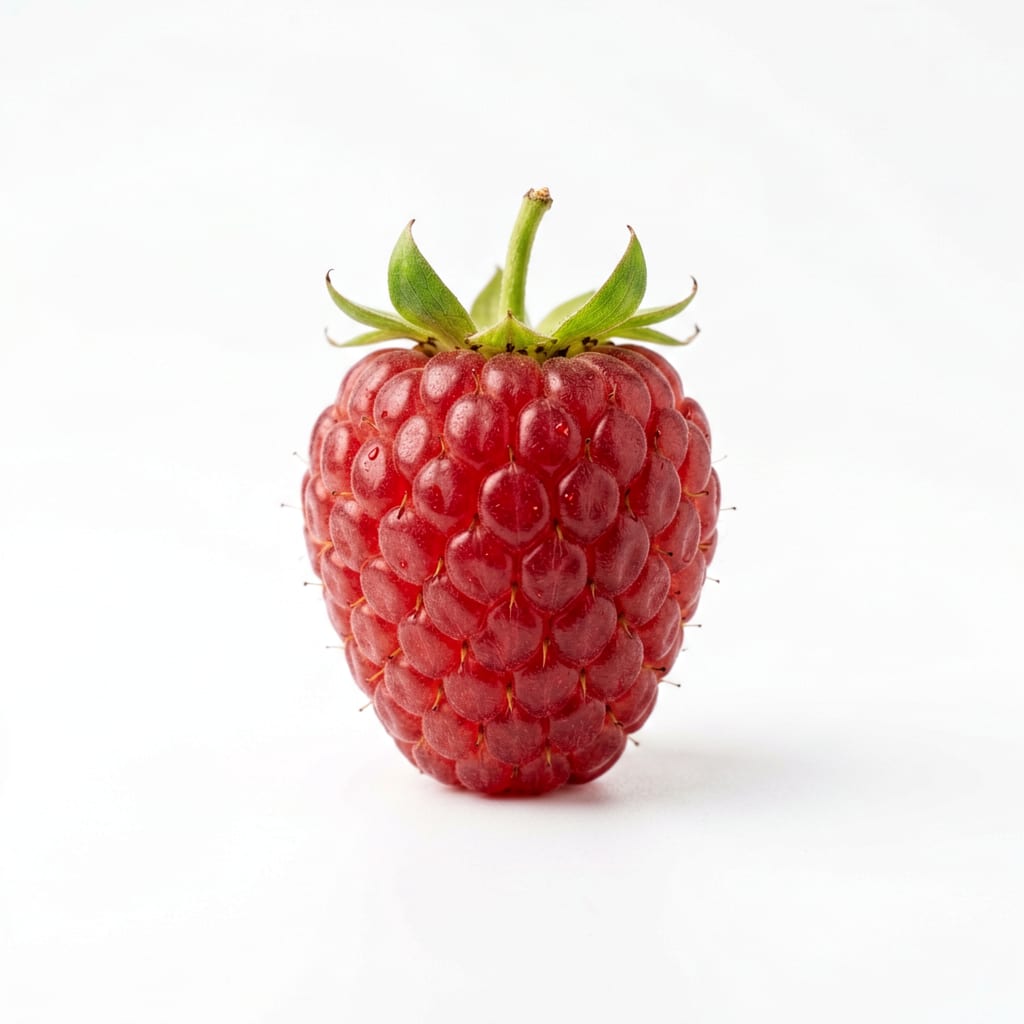
Raspberry
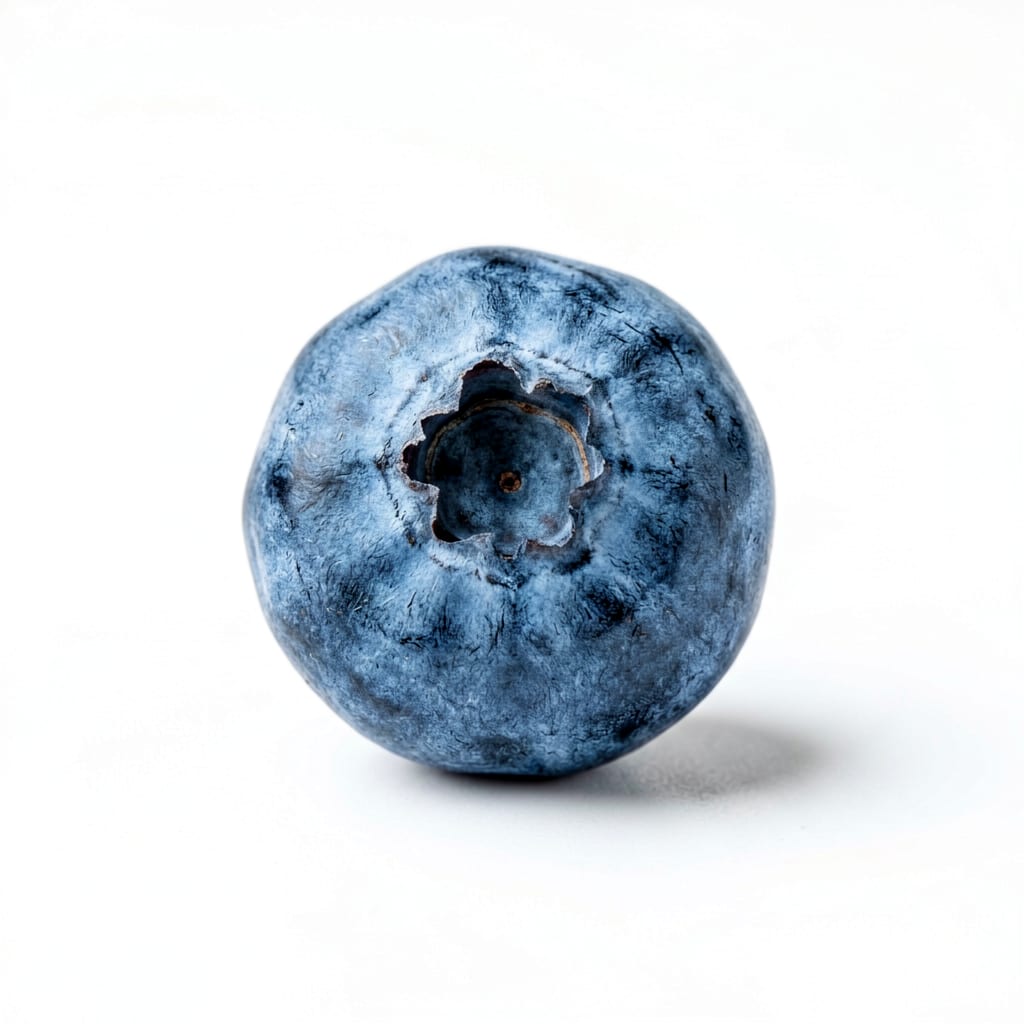
Blueberry
Raspberries win on fiber and blood sugar control; blueberries win on antioxidant diversity and everyday eatability. Both are elite fruit choices.
Raspberries edge ahead nutritionally due to superior fiber and lower sugar, but blueberries close the gap with broader antioxidant benefits and better real-world consistency. The 3-point gap reflects a slight nutritional advantage that may not matter if you simply enjoy blueberries more and eat them more often.
Raspberries offer nearly double the fiber and less sugar per serving, but blueberries deliver more anthocyanins and are sweeter, more versatile, and easier to find year-round.
At a glance
Executive summary
Overall
It depends
Healthier
Raspberry
More practical
Blueberry
Daily use
Blueberry
Key comparison lenses
antioxidant profile comparison
Both berries are prized for antioxidants but differ significantly in type and concentration, making this the core differentiator
fiber and satiety
Raspberries have dramatically more fiber, which changes how filling each berry feels and their blood sugar impact
sugar and glycemic impact
Users comparing berries often care about sugar content, especially for diabetes management or low-carb diets
everyday snacking practicality
Perishability, availability, and taste preference heavily influence which berry people actually eat consistently
pesticide exposure risk
Both berries frequently appear on the Dirty Dozen list, so contamination concerns are highly relevant
Best choice for
Raspberry
- Low-carb and keto dieters seeking maximum fiber with minimal sugar
- People managing diabetes or insulin resistance
- Anyone wanting to feel fuller from a fruit snack
- Those prioritizing vitamin C intake
Blueberry
- Families with children who prefer sweeter fruit
- People seeking brain and cognitive health benefits
- Anyone wanting a berry that freezes and thaws well
- Smoothie enthusiasts wanting a milder flavor that blends easily
Least suitable for
Raspberry
- People with sensitive digestion who struggle with high fiber intake
- Anyone bothered by seeds in texture
- Tight budgets where raspberries are significantly pricier per ounce
Blueberry
- Strict low-carb dieters watching every gram of sugar
- People wanting maximum satiety from fruit alone
- Those specifically seeking high vitamin C from berries
Deep comparison
Dimension by dimension
Each lens scores both foods and breaks down who each option suits.
- Dimension 1 · Priority 92Raspberry
fiber_and_satiety
Raspberry · 95Blueberry · 55Raspberries deliver roughly twice the fiber per cup, making them significantly more filling and better for digestive regularity.
Tradeoff
That fiber comes with seeds that some find annoying in texture, and large servings can cause bloating in sensitive people.
Why it matters
Fiber is the single most undervalued nutrient for weight management, gut health, and blood sugar stability. One cup of raspberries provides nearly a third of your daily fiber needs.
Real-world impact
A cup of raspberries as an afternoon snack will keep you satisfied noticeably longer than the same amount of blueberries.
Raspberry
- Weight loss and appetite control
- Constipation prevention
- Blood sugar stabilization after meals
Better for
- IBS flare-ups when fiber aggravates symptoms
- Smoothies where seeds create gritty texture
Worse for
Blueberry
- Light snacking without feeling heavy
- Post-workout when you want quick energy without digestive load
Better for
- Staying full between meals without adding protein or fat
Worse for
- Dimension 2 · Priority 90Blueberry
antioxidant_diversity
Raspberry · 78Blueberry · 92Blueberries are richer in anthocyanins linked to brain health, while raspberries excel in ellagic acid and vitamin C. Both are antioxidant powerhouses but target different systems.
Tradeoff
Blueberries have broader research on cognitive benefits, but raspberries offer more direct immune support through vitamin C.
Why it matters
Anthocyanins cross the blood-brain barrier and may protect memory and focus over time. Ellagic acid supports cellular defense and skin health.
Real-world impact
Eating blueberries regularly is one of the simplest evidence-backed habits for long-term brain health. Raspberries are better if you frequently catch colds or want immune resilience.
Raspberry
- Immune system support during cold season
- Skin health and collagen maintenance
- Anti-inflammatory benefits for joints
Better for
- Brain-specific antioxidant needs in older adults
Worse for
Blueberry
- Cognitive longevity and memory protection
- Eye health and night vision support
- Cardiovascular antioxidant defense
Better for
- Acute immune challenges where vitamin C matters most
Worse for
- Dimension 3 · Priority 82Raspberry
sugar_and_glycemic_impact
Raspberry · 90Blueberry · 72Raspberries contain roughly half the sugar of blueberries per cup, giving them a meaningfully lower glycemic load.
Tradeoff
Blueberries taste sweeter, which makes them more enjoyable for most people and easier to eat without added sweeteners.
Why it matters
For anyone monitoring blood sugar, the difference between 5g and 15g of sugar per cup is substantial and can influence meal planning decisions.
Real-world impact
A diabetic person can eat a full cup of raspberries with minimal glucose impact, while the same serving of blueberries requires more portion awareness.
Raspberry
- Type 2 diabetes management
- Keto and very-low-carb diets
- Preventing afternoon energy crashes
Better for
- Endurance athletes needing fast carbohydrate availability
Worse for
Blueberry
- Pre-workout fuel when you want natural sugars
- Active individuals who burn through carbohydrates quickly
Better for
- Insulin-resistant individuals tracking every sugar gram
- Late-night snacking when blood sugar should stay low
Worse for
- Dimension 4 · Priority 75Blueberry
practicality_and_availability
Raspberry · 60Blueberry · 85Blueberries are more widely available, freeze better, and have a longer shelf life. Raspberries are fragile and spoil quickly.
Tradeoff
Raspberries are more delicate and expensive, but their tart flavor adds complexity to dishes that blueberries cannot match.
Why it matters
The healthiest berry only matters if you actually buy and eat it. Spoilage and cost are real barriers to consistency.
Real-world impact
A carton of blueberries lasts a week in the fridge. Raspberries often mold within two days, requiring faster consumption or freezing.
Raspberry
- Elevating desserts and salads with tart complexity
- Fresh garnishes where visual impact matters
Better for
- Anyone who shops once a week and expects produce to last
- Hot climates where delicate fruit spoils during transport home
Worse for
Blueberry
- Meal prep and weekly grocery planning
- Freezing in bulk for smoothies and baking
- Budget-conscious shoppers buying in larger quantities
Better for
- Gourmet cooking where tartness balances sweet dishes
Worse for
- Dimension 5 · Priority 70Raspberry
vitamin_and_mineral_density
Raspberry · 83Blueberry · 72Raspberries provide significantly more vitamin C and manganese, while blueberries offer modest amounts of vitamin K and slightly more vitamin B6.
Tradeoff
The vitamin C gap is the most meaningful difference, as many people fall short on this immune-critical nutrient.
Why it matters
Vitamin C is water-soluble and must be replenished daily. Getting it from berries is more sustainable than supplementation for most people.
Real-world impact
A cup of raspberries covers over 50% of daily vitamin C needs. Blueberries cover about 25%.
Raspberry
- Boosting daily vitamin C without supplements
- Manganese intake for bone and connective tissue health
Better for
- Vitamin K needs in older adults on certain medications
Worse for
Blueberry
- Vitamin K for blood clotting and bone metabolism
Better for
- Anyone relying on fruit as a primary vitamin C source
Worse for
Timeline
Health impact over time
Short-term
Hours to days
Raspberry
- Quick satiety from high fiber content, reducing between-meal hunger
- Moderate blood sugar rise compared to sweeter fruits
- Possible bloating if eating a large serving without gradual fiber adaptation
Blueberry
- Faster energy availability from higher natural sugar content
- Gentler on digestion due to lower fiber load
- Mild blood sugar bump that active people may welcome
Long-term
Months to years
Raspberry
- Improved gut microbiome diversity from consistent high fiber intake
- Better long-term blood sugar regulation and insulin sensitivity
- Stronger immune resilience from sustained vitamin C consumption
Blueberry
- Potential cognitive protection from regular anthocyanin consumption
- Cardiovascular benefits through improved vascular function
- Eye health preservation from consistent antioxidant intake
Risk profile
Safety & processing
Both raspberries and blueberries are whole, unprocessed foods when purchased fresh or frozen. Neither typically contains added sugars or preservatives in their natural form. The only processing concern arises with dried sweetened versions or pre-packaged mixed berry products with added syrups.
Raspberry
Pesticide residue
highRaspberries consistently rank on the EWG Dirty Dozen list. Their delicate skin and bumpy surface trap pesticides that are difficult to wash off. Buying organic significantly reduces exposure.
Mold and spoilage
mediumRaspberries are highly perishable and can develop mold within 48 hours. Mold spores can spread quickly through an entire container. Inspect carefully before eating and discard any soft or fuzzy berries.
Foodborne illness
lowAs with all berries consumed raw, there is a small risk of contamination from norovirus or salmonella, particularly from imported fruit. Washing reduces but does not eliminate this risk.
Blueberry
Pesticide residue
mediumBlueberries have improved in pesticide rankings but still frequently show detectable residues. Their waxy skin retains some chemicals, though less than raspberries. Organic is preferable but less critical than with raspberries.
Mold and spoilage
lowBlueberries last significantly longer than raspberries in the fridge, often up to a week or more. Discard any shriveled or leaking berries to prevent spread.
Foodborne illness
lowSimilar low-level risk as other raw berries. Washing before consumption is recommended, especially for conventionally grown fruit.
Who wins for whom
Audience fit
Same foods, different winners depending on your goal.
children
BlueberryMost children prefer the sweeter, milder taste of blueberries. Their uniform shape and lack of seeds also make them easier and safer for toddlers to self-feed.
daily consumption
BlueberryBlueberries are more affordable, last longer in the fridge, and are easier to find year-round. Consistency matters more than marginal nutritional differences, and blueberries are simply easier to keep stocked.
diabetes
RaspberryWith roughly 5g of sugar per cup versus 15g in blueberries, raspberries have a meaningfully lower glycemic load and are easier to fit into carb-conscious meal plans.
elderly
BlueberryBlueberries have stronger evidence for cognitive protection in aging populations, and their softer texture without seeds is gentler on dental issues common in older adults.
muscle gain
It dependsNeither berry is a meaningful protein source. Blueberries offer slightly more quick-digesting carbs useful post-workout, but the difference is negligible for muscle building.
weight loss
RaspberryRaspberries provide nearly double the fiber with half the sugar, keeping you fuller on fewer calories and reducing the likelihood of overeating later.
Your move
Decision guide
Choose Raspberry
- You are managing blood sugar, insulin resistance, or following a low-carb diet
- Fiber intake is a priority for gut health or weight management
- You want maximum vitamin C from a whole food source
- You enjoy tart, complex flavors and do not mind the seeds
Choose Blueberry
- You want a brain-healthy habit you can sustain for decades
- You are buying for a family where taste preference drives whether fruit gets eaten
- You meal prep weekly and need berries that survive in the fridge
- You make smoothies regularly and want a smooth, sweet base
Either works if
- You simply want more fruit in your diet and will eat whichever is fresher or on sale
- You rotate berries for antioxidant diversity, which is ideal anyway
- You are healthy, active, and not managing a specific condition
Avoid both if
- You have a known berry allergy or salicylate sensitivity
- You are on a very tight budget and cannot afford fresh or frozen berries regularly
Final recommendation
Eat both. Raspberries and blueberries complement each other beautifully, covering different antioxidant families, fiber levels, and flavor roles. If forced to pick one, choose raspberries for metabolic health and blood sugar control, or blueberries for brain health and everyday practicality. The best berry is the one you will actually eat consistently.
Practical
Consumer tips
- 1
Buy organic for both berries when possible, especially raspberries, which top the Dirty Dozen list most years
- 2
Freeze raspberries on a baking sheet first before bagging to prevent clumping into an unusable block
- 3
Inspect raspberry containers at the store carefully — even one moldy berry will ruin the whole carton within a day
- 4
Frozen blueberries retain nearly all their antioxidants and are often more affordable than fresh
- 5
Mix both berries together for a bowl that balances tartness, sweetness, fiber, and antioxidant diversity
- 6
Wash berries right before eating, not before storing, to prevent moisture-accelerated spoilage
- 7
Avoid dried sweetened versions of either berry — the added sugar negates most of the health benefits