
Nutrition comparison
Blueberries vs Apples: Which Fruit Is Healthier for You?
Compare Blueberries vs Apples on antioxidants, fiber, blood sugar impact, and daily practicality. Find out which fruit fits your health goals and lifestyle better.
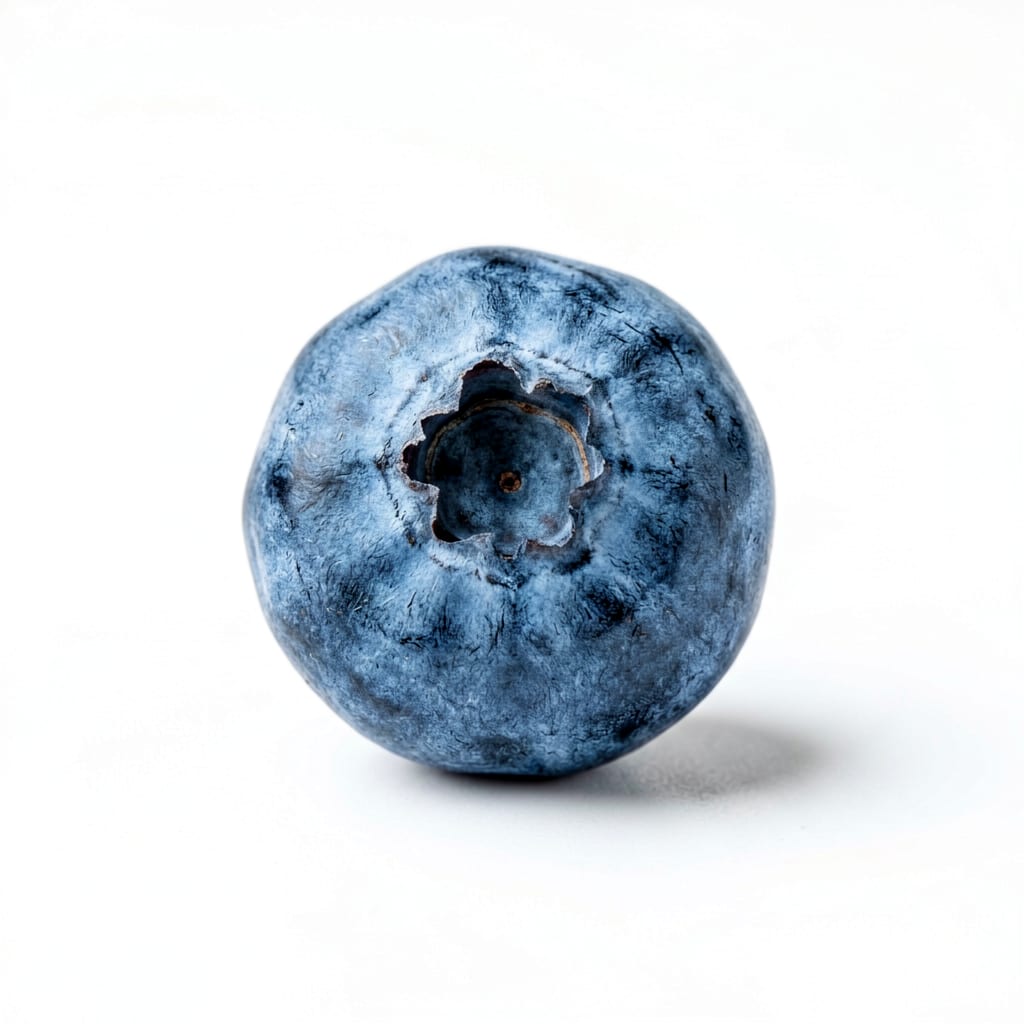
Blueberry
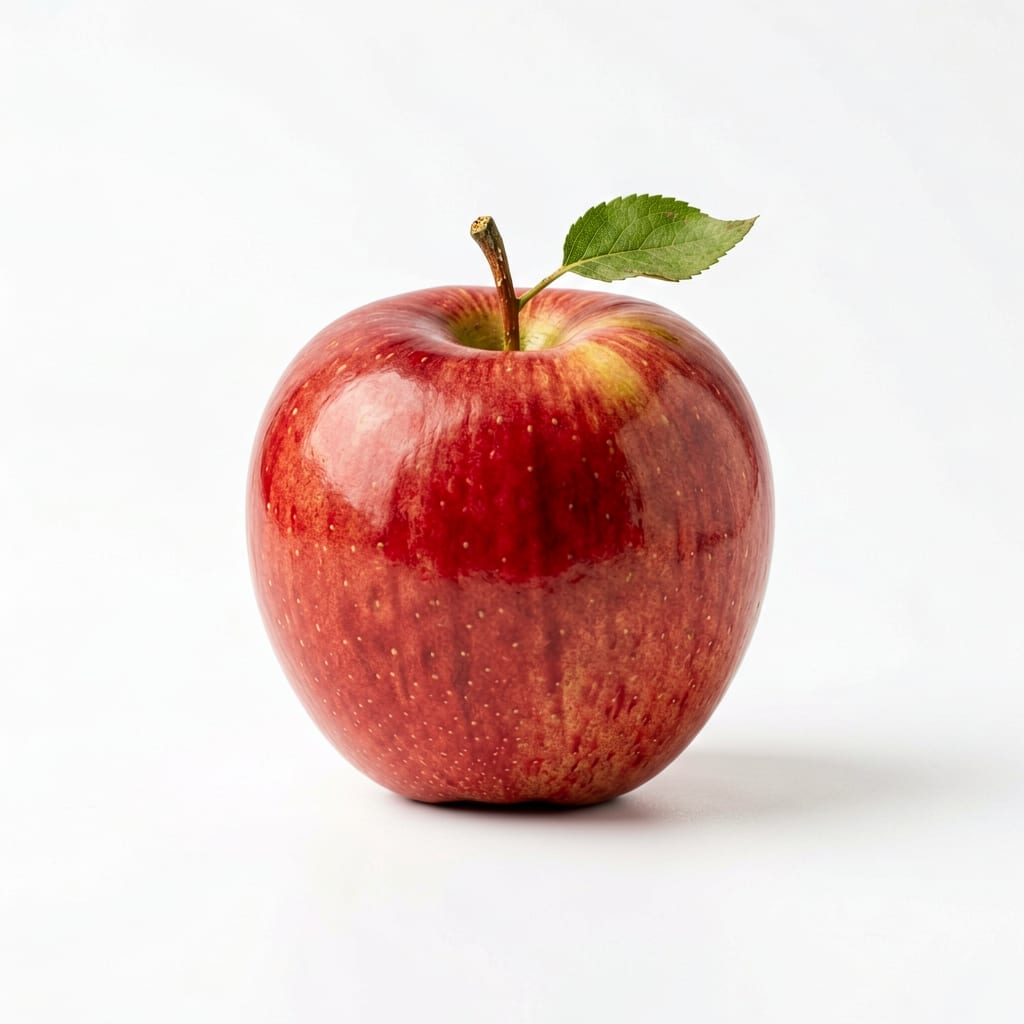
Apple
Blueberries deliver unmatched antioxidant power in a tiny package, while apples win on fiber, fullness, and everyday practicality.
Blueberries edge ahead on nutrient density and antioxidant power, but apples close the gap with superior fiber, satiety, and real-world practicality. The 3-point difference reflects a slight nutritional edge that may not matter in daily life.
Antioxidant density versus satiety and convenience — Blueberries are the superfood, apples are the reliable workhorse.
At a glance
Executive summary
Overall
It depends
Healthier
It depends
More practical
Apple
Daily use
Apple
Key comparison lenses
antioxidant density
Blueberries are among the highest antioxidant foods available, making this the starkest difference between the two
satiety and fiber
Apples provide significantly more fiber and physical bulk, keeping you fuller longer
blood sugar management
Both are low-glycemic fruits but differ in sugar load and glycemic impact per typical serving
convenience and cost
Apples are cheaper, more portable, and less perishable — real-world factors that drive daily choices
everyday snacking practicality
People choose between these two fruits constantly for snacks, breakfast additions, and lunchbox staples
Best choice for
Blueberry
- People prioritizing brain health and cognitive longevity
- Anyone seeking maximum antioxidant intake per calorie
- Those managing blood sugar who want lower sugar fruit options
- Smoothie and yogurt bowl enthusiasts wanting nutrient density
Apple
- People who need a filling snack that actually satisfies hunger
- Budget-conscious shoppers wanting affordable daily fruit
- Anyone needing portable, non-perishable fruit for commuting or travel
- Those seeking digestive regularity through higher fiber intake
Least suitable for
Blueberry
- People on tight grocery budgets needing volume for the price
- Those wanting a single-serve snack that feels substantial
- Anyone bothered by delicate, perishable fruit that spoils quickly
Apple
- People strictly limiting carbohydrate or sugar intake
- Those wanting peak antioxidant concentration per bite
- Anyone with oral allergy syndrome to birch pollen
Deep comparison
Dimension by dimension
Each lens scores both foods and breaks down who each option suits.
- Dimension 1 · Priority 92Blueberry
Antioxidant Power
Blueberry · 96Apple · 58Blueberries are one of the most antioxidant-rich foods on the planet, far outpacing apples in anthocyanins and total ORAC value.
Tradeoff
You get dramatically more cell-protective compounds from Blueberries, but you'd need to eat a large volume to match the physical fullness of an Apple.
Why it matters
Antioxidants from berries are linked to better memory, reduced inflammation, and slower cognitive decline — benefits that accumulate over years.
Real-world impact
Eating Blueberries regularly is like adding a long-term insurance policy for your brain. Apples support health too, but through different, more general mechanisms.
Blueberry
- Aging adults concerned about cognitive decline
- People with inflammatory conditions
- Anyone wanting maximum nutrient payoff per calorie
Better for
- Anyone expecting a single serving to provide noticeable effects — benefits are cumulative
Worse for
Apple
- People who prioritize fiber-related health benefits over antioxidant metrics
- Those who find antioxidant messaging confusing and just want a solid daily fruit
Better for
- People specifically targeting antioxidant intake for therapeutic reasons
Worse for
- Dimension 2 · Priority 88Apple
Satiety and Fullness
Blueberry · 55Apple · 88An Apple is significantly more filling than a typical serving of Blueberries due to more fiber, more volume, and the physical act of chewing.
Tradeoff
Apples quiet hunger effectively for 1-2 hours. Blueberries vanish quickly and may leave you reaching for more food soon after.
Why it matters
If a snack doesn't satisfy you, you end up eating more overall. Satiety per calorie matters more than calorie count alone for weight management.
Real-world impact
An Apple at 3pm can genuinely bridge you to dinner. A handful of Blueberries at 3pm often leads to a second snack search by 4pm.
Blueberry
- People who graze intentionally and prefer small, frequent bites
- Anyone adding fruit to a meal that's already filling
Better for
- People relying on fruit alone to bridge long gaps between meals
Worse for
Apple
- People using fruit as a standalone between-meal snack
- Anyone trying to reduce overall daily calorie intake through better satiety
- Those who emotionally need to feel like they ate something substantial
Better for
- Those who find Apples bloating or overly filling when paired with other food
Worse for
- Dimension 3 · Priority 80Blueberry
Blood Sugar Impact
Blueberry · 82Apple · 70Blueberries have a lower glycemic load per typical serving and less total sugar, making them gentler on blood sugar.
Tradeoff
Blueberries deliver less sugar per serving but also less fiber to slow absorption. Apples have more sugar but also significantly more fiber, which blunts the spike.
Why it matters
For people with insulin resistance or diabetes, the total sugar load and glycemic response of fruit matters more than most consumers realize.
Real-world impact
A cup of Blueberries causes a smaller blood sugar rise than a medium Apple, but pairing either with protein or fat makes the difference nearly vanish.
Blueberry
- People with prediabetes or type 2 diabetes
- Those monitoring sugar intake on low-carb approaches
- Anyone sensitive to post-meal energy crashes
Better for
- Anyone assuming low sugar means they can eat unlimited quantities
Worse for
Apple
- Active people who benefit from the sustained energy of fiber-bound natural sugars
- Athletes needing fruit-based fuel before or after exercise
Better for
- People counting carbs carefully who find a medium Apple pushes them over their target
Worse for
- Dimension 4 · Priority 82Apple
Fiber Content
Blueberry · 52Apple · 85A medium Apple provides about 4.5g of fiber versus 3.6g in a full cup of Blueberries. Per calorie, Apples deliver fiber more efficiently.
Tradeoff
Apples give you more fiber per dollar and per bite. Blueberries require eating a large volume to match the fiber of one Apple.
Why it matters
Fiber drives digestive regularity, feeds gut bacteria, lowers cholesterol, and helps control appetite — it's the nutrient most people consistently underconsume.
Real-world impact
One Apple covers roughly 15% of your daily fiber needs. You'd need nearly two cups of Blueberries to match that, which costs significantly more.
Blueberry
- People already meeting fiber needs through other foods who want to focus on antioxidants instead
Better for
- People relying on Blueberries as their primary fruit fiber source
Worse for
Apple
- Anyone struggling to hit 25-30g of daily fiber
- People prone to constipation who need reliable digestive support
- Those wanting heart-health benefits from soluble fiber specifically
Better for
- Those who peel their Apples, discarding half the fiber and most of the nutrients
Worse for
- Dimension 5 · Priority 75Apple
Convenience and Portability
Blueberry · 50Apple · 90Apples are nature's perfect portable snack — no refrigeration, no container, no washing required on the go. Blueberries are delicate, perishable, and need careful handling.
Tradeoff
You can toss an Apple in a bag and eat it hours later. Blueberries need refrigeration, bruise easily, and mold within days.
Why it matters
The healthiest fruit is the one you actually eat consistently. Convenience often determines whether a food becomes a habit or a sometimes-food.
Real-world impact
An Apple can live in your car, desk, or gym bag. Blueberries demand fridge space, a container, and consumption within 5-7 days of purchase.
Blueberry
- Home-based snackers who eat from the fridge or add to prepared meals
- People who prep meals and snacks in advance
Better for
- People who want grab-and-go fruit without planning ahead
Worse for
Apple
- Commuters and travelers needing durable, no-prep fruit
- Parents packing school lunches where bruising is guaranteed
- Anyone who buys fruit once a week and needs it to last
Better for
- Those who find whole Apples annoying to eat at a desk or in meetings
Worse for
- Dimension 6 · Priority 70Apple
Cost and Value
Blueberry · 45Apple · 85Apples are among the most affordable fruits per pound. Blueberries are consistently one of the most expensive, especially fresh and organic.
Tradeoff
You get more calories, fiber, and physical satisfaction per dollar from Apples. Blueberries cost more but deliver nutrients you simply cannot get from Apples.
Why it matters
For daily consumption, cost determines whether a food is a realistic staple or an occasional upgrade. Budget shapes real diets more than nutrition knowledge.
Real-world impact
A week of daily Apples might cost $3-5. A week of daily Blueberries can easily run $12-20, especially if buying organic.
Blueberry
- People who can afford to prioritize nutrient density over cost
- Anyone buying frozen Blueberries, which are cheaper and equally nutritious
Better for
- People on tight food budgets who feel priced out of eating berries regularly
Worse for
Apple
- Families feeding multiple people on a grocery budget
- Anyone wanting maximum fruit volume per dollar spent
Better for
- Those willing to pay more for specific health benefits they can't get elsewhere
Worse for
Timeline
Health impact over time
Short-term
Hours to days
Blueberry
- Quick, light energy without a sugar crash due to lower glycemic load
- Minimal immediate fullness — unlikely to satisfy hunger alone
- Mild anti-inflammatory effect even from a single serving
Apple
- Noticeable fullness that can delay the next meal by 1-2 hours
- Steadier blood sugar curve thanks to soluble fiber slowing sugar absorption
- Possible bloating if eaten quickly or in large amounts on an empty stomach
Long-term
Months to years
Blueberry
- Strong evidence for cognitive protection and memory preservation with regular consumption
- Reduced oxidative stress and inflammation markers over months and years
- Better vascular health linked to anthocyanin intake from berries
Apple
- Improved digestive regularity and gut microbiome diversity from consistent pectin intake
- Lower LDL cholesterol associated with daily Apple consumption
- Reduced stroke risk shown in large population studies linking Apple intake to cardiovascular health
Risk profile
Safety & processing
Both Blueberries and Apples are whole, unprocessed fruits you can eat exactly as nature delivers them. Neither contains added ingredients when purchased fresh.
Blueberry
Pesticide residue
mediumBlueberries are on the EWG Dirty Dozen list. Conventional Blueberries frequently test positive for multiple pesticide residues. Buying organic significantly reduces exposure.
Mold and spoilage
mediumBlueberries mold quickly, sometimes within 3-5 days. Mold on one berry spreads fast. Always inspect before eating and discard any soft or fuzzy berries.
Apple
Pesticide residue
mediumConventional Apples consistently rank among the most pesticide-contaminated fruits. The skin holds most residues, but peeling removes much of the fiber and nutrients. Organic is strongly recommended for Apples.
Wax coating
lowConventional Apples are often coated with food-grade wax to improve shelf appearance. While generally recognized as safe, some consumers prefer to wash thoroughly or buy organic to avoid it.
Oral allergy syndrome
lowPeople with birch pollen allergy may experience itching or swelling in the mouth when eating raw Apples. Cooking usually eliminates this reaction.
Who wins for whom
Audience fit
Same foods, different winners depending on your goal.
children
AppleApples are easier for kids to hold, less messy, and more filling for active growing bodies. Blueberries are a choking hazard for children under 4 and more likely to stain clothing.
daily consumption
AppleApples are more affordable, more convenient, and more satiating — three factors that make daily consumption realistic and sustainable for most people year-round.
diabetes
BlueberryBlueberries have a lower glycemic load and less sugar per serving, causing a smaller blood sugar rise. Studies also suggest Blueberries improve insulin sensitivity over time.
elderly
BlueberryBlueberries' cognitive protective effects are especially relevant for aging adults. Their soft texture is also easier to eat for those with dental issues. Apples can be difficult to chew for people with dentures or jaw problems.
muscle gain
It dependsNeither fruit is a meaningful protein source. Apples offer slightly more carbs for post-workout glycogen replenishment, but the difference is negligible. Choose based on personal preference.
weight loss
AppleApples provide more volume and fiber per calorie, making them more effective at controlling hunger between meals. The physical act of eating a whole Apple also slows consumption compared to easily-downed Blueberries.
Your move
Decision guide
Choose Blueberry
- You want maximum antioxidant and brain-health benefits per calorie
- You're managing blood sugar or following a lower-carb approach
- You eat at home often and can store delicate produce properly
- You're adding fruit to yogurt, oatmeal, or smoothies where small berries shine
Choose Apple
- You need a filling snack that genuinely holds you over between meals
- Budget matters and you want the most fruit for your dollar
- You want portable, durable fruit for work, travel, or school lunches
- Digestive regularity is a priority and you need reliable daily fiber
Either works if
- You simply want to eat more whole fruit and both sound good
- You rotate fruits throughout the week for nutrient variety
- You pair fruit with protein or fat, which minimizes the blood sugar differences
Avoid both if
- You have a severe fructose intolerance or FODMAP sensitivity that triggers symptoms from both fruits
- You're on a strict ketogenic diet limiting all fruit carbohydrate
Final recommendation
Eat both if you can. Blueberries and Apples complement each other beautifully — one delivers unmatched antioxidants, the other delivers reliable fiber and fullness. If budget forces a choice, Apples win on practicality and daily sustainability. If you can afford both, Blueberries in the morning with breakfast and an Apple as an afternoon snack gives you the best of both worlds. Buy organic when possible for both, since conventional versions of each carry notable pesticide residues.
Practical
Consumer tips
- 1
Buy frozen Blueberries — they're picked at peak ripeness, cost half the price of fresh, and retain all their antioxidants. Thaw overnight in the fridge for best texture.
- 2
Wash Apples under running water and rub the skin thoroughly to remove wax and pesticide residue. A baking soda soak for 12-15 minutes removes even more surface residues.
- 3
Don't discard Apple skins — that's where half the fiber and most of the antioxidants live. Peeling an Apple removes its biggest nutritional advantage over Blueberries.
- 4
Store Blueberries in the fridge in their original container with a paper towel to absorb moisture. Don't wash until right before eating to prevent mold.
- 5
If organic Blueberries are too expensive, don't skip them entirely — frozen organic Blueberries are often cheaper than fresh conventional ones.
- 6
Pair either fruit with a handful of nuts or a spoonful of nut butter. The added fat and protein smooth out blood sugar response and dramatically improve satiety.