
Nutrition comparison
Blueberry vs Cranberry: Which Berry Is Better for You?
Compare blueberries and cranberries on taste, sugar, brain health, and UTI prevention. Find out which berry fits your health goals best.
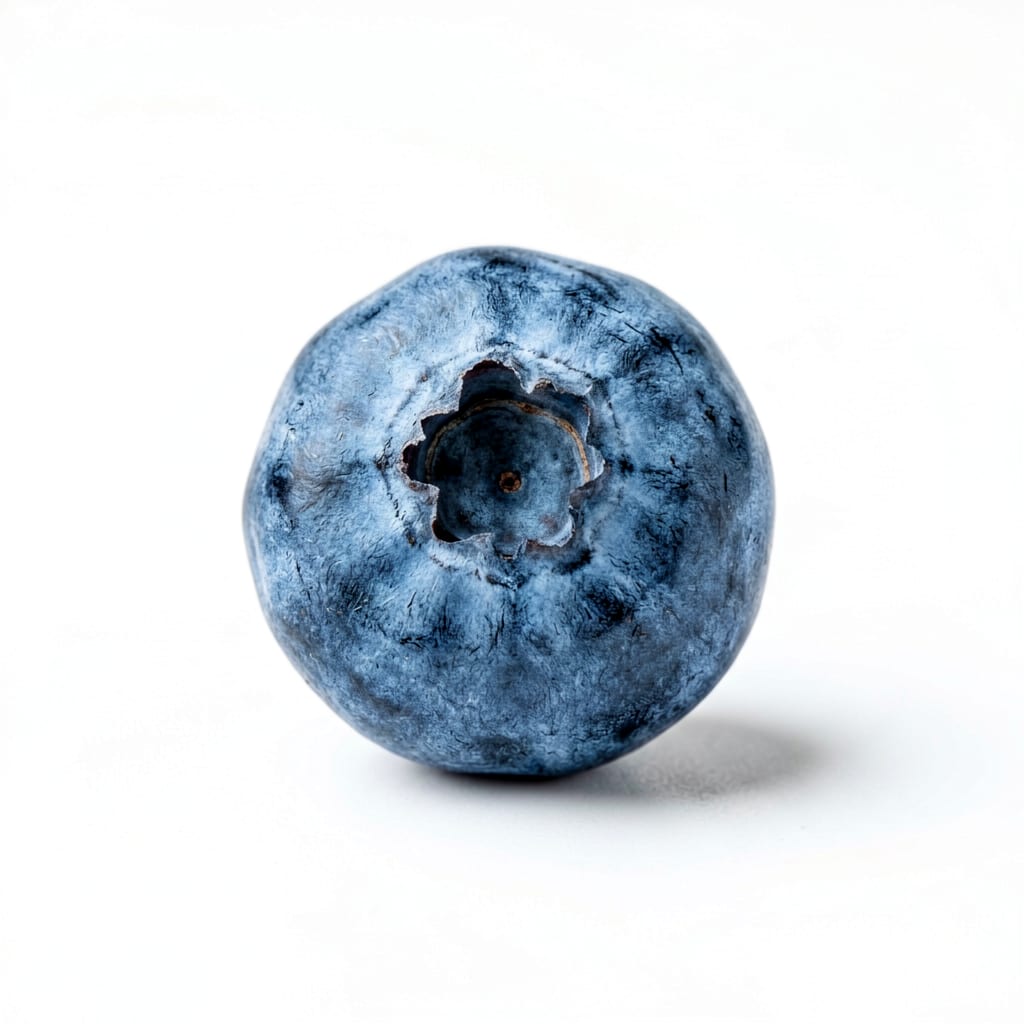
Blueberry
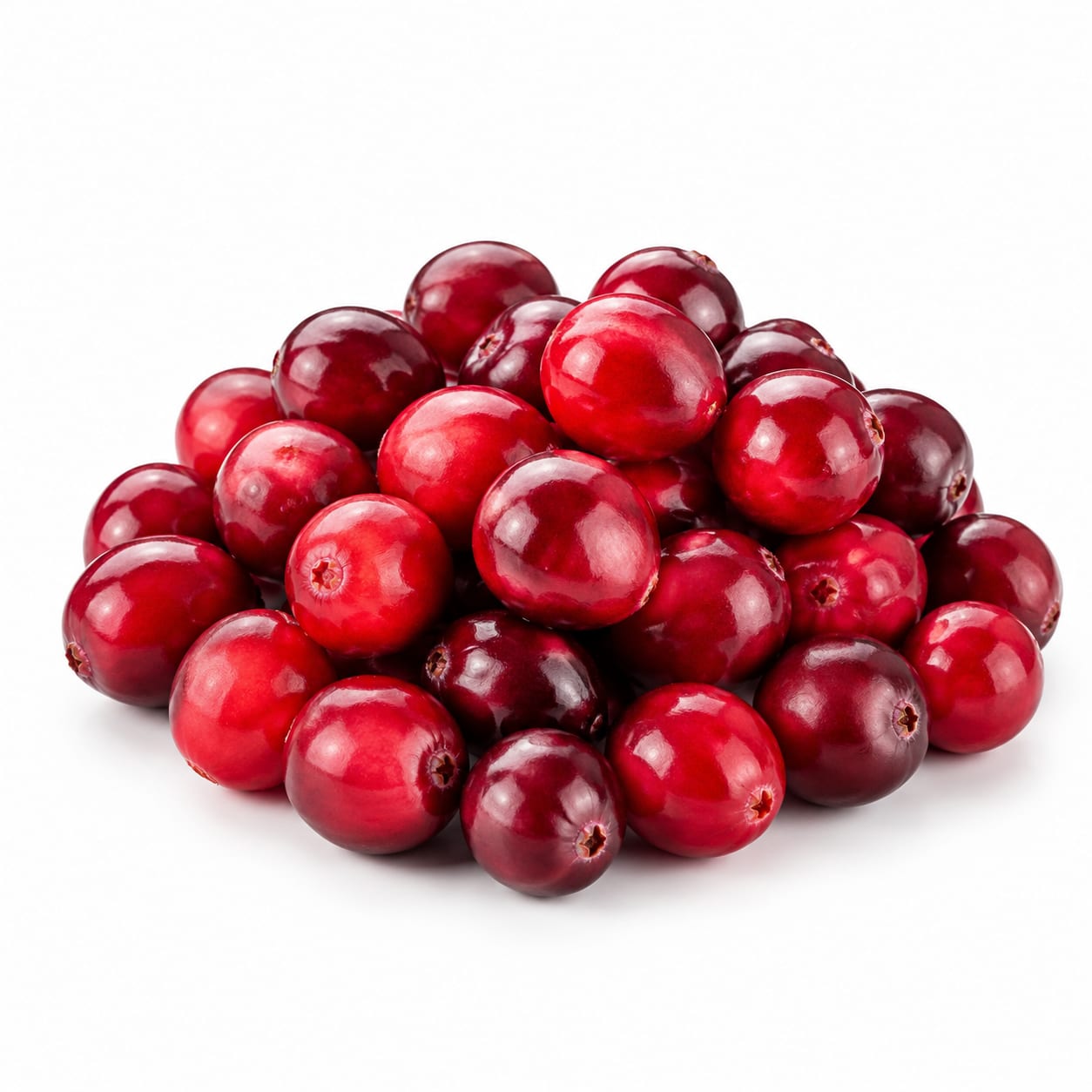
Cranberry
Blueberries win for daily snacking and brain health, while cranberries dominate for urinary tract protection and oral hygiene.
Blueberries score higher overall because they are naturally palatable and versatile for daily eating without added sugar. Cranberries score lower for daily practicality due to their extreme tartness, but they offer unmatched, specialized health benefits that keep them highly competitive.
You trade the sweet, cognitive-boosting convenience of blueberries for the unique infection-fighting power of cranberries.
At a glance
Executive summary
Overall
It depends
Healthier
Blueberry
More practical
Blueberry
Daily use
Blueberry
Key comparison lenses
Antioxidant and specific health benefit comparison
Users typically compare these berries to understand their unique functional benefits, like brain health versus urinary tract health.
Sugar content and natural taste
Fresh cranberries are extremely tart and rarely eaten raw, while blueberries are naturally sweet and snack-ready, heavily impacting how each is consumed.
Daily snacking practicality
Blueberries are an easy everyday fresh snack, whereas cranberries usually require processing, drying, or sweetening to be palatable.
Best choice for
Blueberry
- People wanting a palatable, antioxidant-rich daily snack
- Older adults focusing on memory and cognitive preservation
- Kids who need a naturally sweet whole fruit
Cranberry
- Women prone to recurrent urinary tract infections (UTIs)
- People looking to improve oral health and reduce gum disease
- Those wanting a tart flavor addition to meals and smoothies
Least suitable for
Blueberry
- People strictly limiting fructose or natural sugars
- Those looking specifically for UTI prevention
Cranberry
- People sensitive to highly tart or acidic foods
- Anyone trying to avoid added sugars (since cranberries are rarely eaten raw)
Deep comparison
Dimension by dimension
Each lens scores both foods and breaks down who each option suits.
- Dimension 1 · Priority 90Blueberry
Cognitive & Brain Health
Blueberry · 95Cranberry · 70Blueberries are widely recognized as a top brain food for delaying cognitive aging.
Tradeoff
You get more memory-protecting anthocyanins in blueberries, while cranberries offer less direct brain benefit.
Why it matters
Regular blueberry intake is linked to better memory recall and focus as you age.
Real-world impact
Eating blueberries regularly can help you stay mentally sharp and avoid that foggy afternoon feeling.
Blueberry
- Aging adults preserving memory
- Students needing sustained focus
Better for
Cranberry
- Quick mental energy needs
Worse for
- Dimension 2 · Priority 95Cranberry
Urinary Tract & Infection Defense
Blueberry · 40Cranberry · 98Cranberries are the gold standard for preventing urinary tract infections naturally.
Tradeoff
You gain powerful infection-fighting PACs with cranberries, a benefit blueberries barely provide.
Why it matters
Cranberry proanthocyanidins stop bacteria from sticking to the urinary tract wall.
Real-world impact
If you suffer from chronic UTIs, cranberry juice or extract can drastically reduce your infections and antibiotic reliance.
Blueberry
- UTI prevention
Worse for
Cranberry
- Women with recurrent UTIs
- Individuals prone to bacterial infections
Better for
- Dimension 3 · Priority 85Blueberry
Sugar Content & Palatability
Blueberry · 90Cranberry · 45Blueberries are naturally sweet and easy to eat raw; cranberries are intensely tart and usually require sweeteners.
Tradeoff
Blueberries are a grab-and-go whole food, while cranberries often come packed with added sugars to mask their sourness.
Why it matters
How you consume a berry dictates its metabolic impact. Sweetened dried cranberries or juices can spike blood sugar.
Real-world impact
You can easily overeat sweetened cranberry products, while fresh blueberries satisfy a sweet tooth naturally.
Blueberry
- Low-sugar snacking
- Clean-eating diets
Better for
Cranberry
- Blood sugar management
- Reducing added sugar intake
Worse for
- Dimension 4 · Priority 75Cranberry
Oral & Gut Health
Blueberry · 70Cranberry · 88Cranberries have unique anti-adhesion properties that protect your teeth and gums, plus they feed gut bacteria well.
Tradeoff
Cranberries actively prevent cavity-causing bacteria from sticking to teeth, whereas blueberries are neutral for oral health.
Why it matters
The same compounds that stop UTI bacteria also stop plaque-forming bacteria in your mouth.
Real-world impact
Adding unsweetened cranberry to your diet can lead to cleaner teeth at your next dental checkup.
Blueberry
- Targeted oral hygiene
Worse for
Cranberry
- People prone to cavities
- Those managing gum health
Better for
Timeline
Health impact over time
Short-term
Hours to days
Blueberry
- Provides quick, steady energy without a sugar crash
- Satisfies sweet cravings with whole-food fiber
Cranberry
- Fresh cranberries are too tart to eat in large quantities, naturally limiting portions
- Cranberry juice can act as a rapid digestive aid
Long-term
Months to years
Blueberry
- Supports sustained cognitive function and memory retention
- Lowers oxidative stress and supports heart health
Cranberry
- Significantly reduces the frequency of bacterial infections
- Protects against gum disease and dental decay
Risk profile
Safety & processing
Fresh or frozen blueberries are typically consumed as-is. Fresh cranberries are minimally processed but extremely tart, driving most consumers toward dried cranberries or juices, which frequently contain added sugars, syrups, or preservatives.
Blueberry
Pesticide residue
mediumBlueberries are frequently on the EWG's Dirty Dozen list; buying organic significantly reduces exposure.
Cranberry
Added sugars in processed forms
highMost dried cranberries and cranberry juice cocktails contain massive amounts of added sugar to balance the natural tartness.
Kidney stone risk
lowCranberries contain oxalates, which could contribute to kidney stones in highly susceptible individuals if consumed in large amounts.
Who wins for whom
Audience fit
Same foods, different winners depending on your goal.
children
BlueberryKids love the sweet, pop-able nature of fresh blueberries, whereas raw cranberries are too sour and dried ones are sticky and sugary.
daily consumption
BlueberryBlueberries are far easier and more enjoyable to eat daily in their natural, unprocessed state.
diabetes
BlueberryFresh blueberries have a lower glycemic impact and no need for added sugar, whereas sweetened cranberry products can spike blood glucose.
elderly
It dependsBlueberries are better for cognitive preservation, but cranberries are essential for preventing UTIs, which are common and dangerous in older adults.
muscle gain
It dependsNeither berry is a significant protein source, though both provide antioxidants that aid workout recovery.
weight loss
BlueberryBlueberries are naturally sweet and low in calories, making them a satisfying dessert alternative. Cranberry products often contain hidden added sugars that derail weight loss.
Your move
Decision guide
Choose Blueberry
- You want a delicious, everyday antioxidant boost
- Brain health and memory are top priorities
- You need a naturally sweet, low-sugar snack
Choose Cranberry
- You struggle with recurring urinary tract infections
- You want to protect your gums and reduce oral bacteria
- You enjoy tart flavors and want to flavor water or smoothies
Either works if
- You are looking to increase your overall daily antioxidant intake
- You want to support heart health through fruit consumption
Avoid both if
- You are on a strict low-oxalate diet for kidney stones
- You have a severe allergy to berries
Final recommendation
Keep blueberries in your fridge for daily snacking and brain health, but keep unsweetened cranberry extract or juice on hand for targeted UTI and oral health defense.
Practical
Consumer tips
- 1
If buying cranberry juice, always choose 100% pure unsweetened juice, not juice cocktails.
- 2
Buy frozen blueberries—they are cheaper, last longer, and are just as nutritious as fresh.
- 3
If you eat dried cranberries, check the label for added sugars; look for unsweetened dried options.
- 4
Wash fresh blueberries thoroughly to remove pesticide residues, or buy organic.
- 5
Add a handful of fresh cranberries to your smoothie for a tart kick without the added sugar of dried versions.