
Nutrition comparison
Blueberry vs Orange: Which Fruit is Healthier?
Compare blueberries vs oranges for vitamins, antioxidants, sugar, and health benefits. Discover which fruit is better for brain health, immunity, and your daily diet.
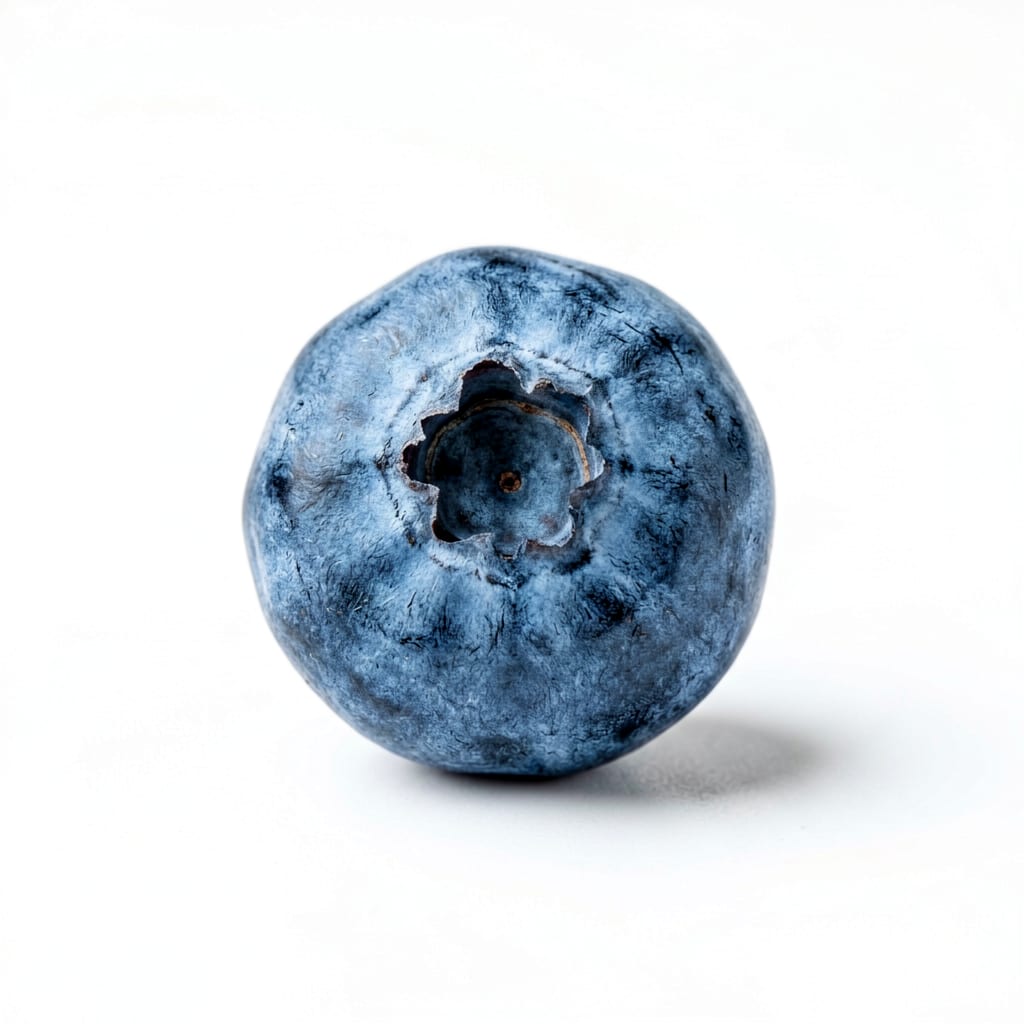
Blueberry
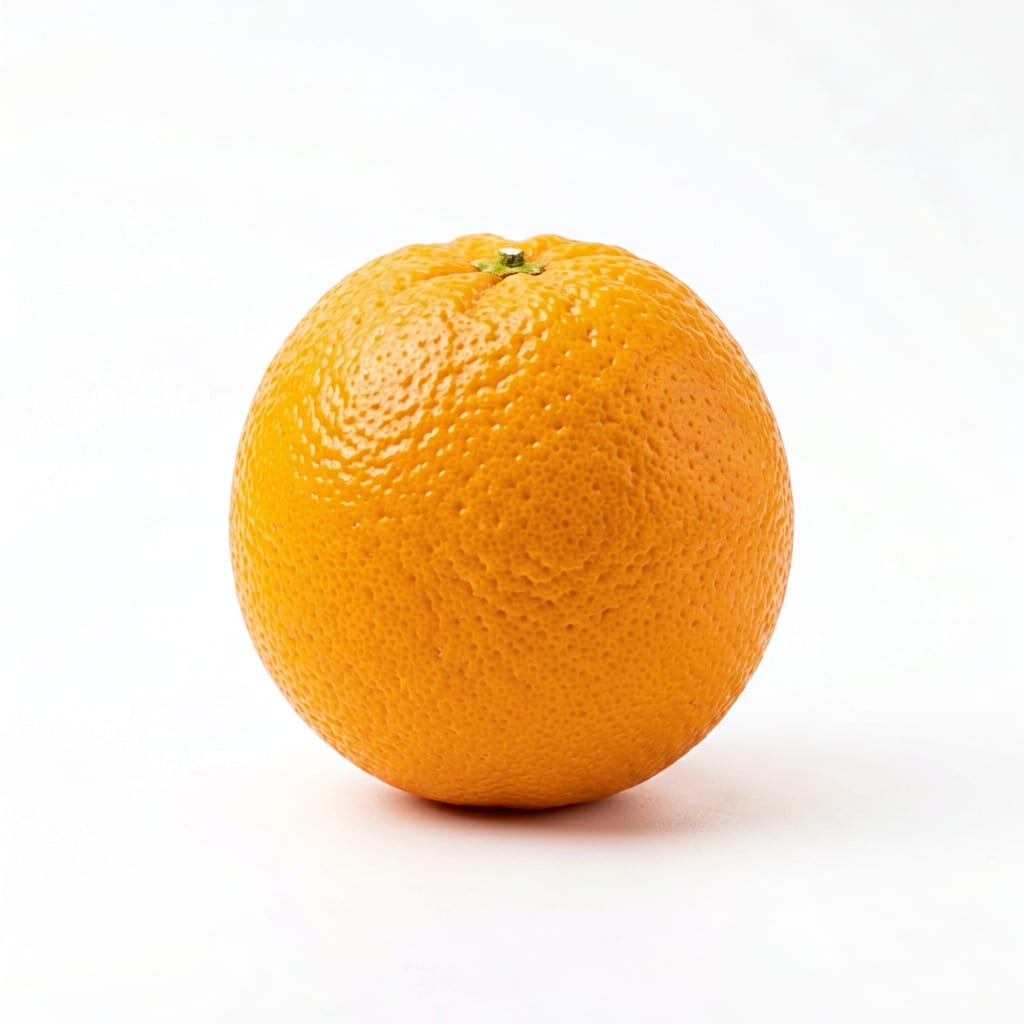
Orange
Blueberries edge ahead for brain health and blood sugar control, while oranges win for immune support and hydration.
Blueberries score slightly higher due to their superior antioxidant profile and lower sugar content, but oranges remain highly competitive because of exceptional Vitamin C and hydration benefits.
Deep antioxidant protection and lower sugar versus high Vitamin C and juiciness.
At a glance
Executive summary
Overall
It depends
Healthier
It depends
More practical
Orange
Daily use
It depends
Key comparison lenses
Antioxidant density and brain health
Blueberries are renowned for their anthocyanin content, which directly contrasts with the Vitamin C focus of oranges.
Immune support and hydration
Oranges are a staple for Vitamin C and water content, making this a key divergence point.
Blood sugar impact and snacking suitability
Users often wonder which fruit is better for steady energy without a sugar crash.
Convenience and real-world eating habits
Fragile berries versus sturdy citrus creates a practical tradeoff for lunchboxes and on-the-go snacking.
Best choice for
Blueberry
- Smoothie and oatmeal toppers
- Brain health and cognitive aging
- Low-glycemic snacking
- Managing blood sugar spikes
Orange
- Immune system boosts
- Post-workout hydration
- On-the-go sturdy snacking
- Collagen support and skin health
Least suitable for
Blueberry
- Tight grocery budgets for fresh produce
- Messy on-the-go snacking without prep
Orange
- Severe acid reflux or GERD
- Strict low-fructose diets
Deep comparison
Dimension by dimension
Each lens scores both foods and breaks down who each option suits.
- Dimension 1 · Priority 90Blueberry
Antioxidant & Brain Health
Blueberry · 95Orange · 65Blueberries are an antioxidant powerhouse, specifically loaded with anthocyanins that cross the blood-brain barrier to support memory and cognitive function.
Tradeoff
You get deeper cellular and brain protection with blueberries, but miss out on the massive Vitamin C dose oranges provide.
Why it matters
Daily antioxidant intake compounds over time, protecting against cognitive decline and cellular aging.
Real-world impact
Eating blueberries regularly is like adding a shield to your brain against aging, keeping your thinking sharper over the years.
Blueberry
- Aging adults wanting cognitive preservation
- People with high oxidative stress
Better for
- Those specifically needing high Vitamin C for immune defense
Worse for
Orange
- Quick recovery from oxidative stress like a sunburn
Better for
- Long-term neuroprotective benefits
Worse for
- Dimension 2 · Priority 85Orange
Immune Support & Vitamin C
Blueberry · 55Orange · 98One orange provides over 100% of your daily Vitamin C needs, making it a far more potent immune booster than blueberries.
Tradeoff
Oranges deliver rapid immune support and collagen building, but lack the diverse phytonutrients found in blueberries.
Why it matters
Vitamin C is essential for fighting off infections and maintaining skin integrity, and it must be consumed daily since the body cannot store it.
Real-world impact
When you feel a cold coming on, an orange gives your immune system the immediate fuel it needs to fight back.
Blueberry
- People relying on diverse antioxidants rather than single vitamins
Better for
- Acute immune support when sick
Worse for
Orange
- Ward off seasonal colds
- Support skin elasticity and wound healing
Better for
- People avoiding acidic foods during stomach illness
Worse for
- Dimension 3 · Priority 80Blueberry
Blood Sugar & Satiety
Blueberry · 85Orange · 70Blueberries have a lower glycemic index and more fiber relative to their sugar content, providing steadier energy without the crash.
Tradeoff
Blueberries keep your blood sugar more stable, while oranges offer quicker energy but with a slightly higher glycemic impact.
Why it matters
Stable blood sugar prevents the afternoon energy crash and reduces cravings for more sweets.
Real-world impact
A bowl of blueberries won't leave you reaching for a coffee an hour later, whereas a large orange might give you a quicker spike and dip.
Blueberry
- Diabetics or pre-diabetics
- Those trying to curb sugar cravings
Better for
- Immediate energy replenishment after intense exercise
Worse for
Orange
- Athletes needing fast-digesting carbs post-workout
Better for
- Sustained energy without a blood sugar dip
Worse for
- Dimension 4 · Priority 75Orange
Hydration & Digestion
Blueberry · 60Orange · 90Oranges are 86% water and rich in citrus fiber, making them superior for hydration and keeping digestion moving smoothly.
Tradeoff
Oranges are incredibly hydrating and refreshing, but blueberries offer a more concentrated source of nutrients per bite.
Why it matters
Many people are chronically under-hydrated, and eating water-rich fruits helps meet daily fluid needs effortlessly.
Real-world impact
Eating an orange on a hot day or after a workout feels instantly refreshing and rehydrating in a way blueberries simply cannot match.
Blueberry
- Adding nutrients to already-hydrating smoothies
Better for
- Replacing lost fluids quickly
Worse for
Orange
- Hot summer days
- Post-workout rehydration
- Relieving constipation
Better for
- Situations requiring lightweight, low-volume food
Worse for
- Dimension 5 · Priority 70Orange
Convenience & Portability
Blueberry · 65Orange · 85Oranges come in their own durable, protective packaging, while blueberries are fragile, stain easily, and require careful storage.
Tradeoff
Oranges are tougher to pack and eat without sticky hands, but blueberries are less messy to eat quickly if pre-washed.
Why it matters
The best fruit for you is the one you actually eat, and convenience heavily influences daily choices.
Real-world impact
Tossing an orange into a gym bag is stress-free, whereas a container of blueberries might get crushed and leak purple juice everywhere.
Blueberry
- Adding to morning yogurt or cereal at home
- Quick hand-to-mouth snacking at a desk
Better for
- Backpacking or rough travel
Worse for
Orange
- Packing in a lunchbox
- Commuting or hiking snacks
Better for
- Eating cleanly while typing or working
Worse for
Timeline
Health impact over time
Short-term
Hours to days
Blueberry
- Provides steady, crash-free energy
- Satisfies sweet cravings with minimal sugar impact
Orange
- Instantly boosts hydration levels
- Delivers a quick hit of Vitamin C for immune defense
- Can trigger heartburn in sensitive individuals
Long-term
Months to years
Blueberry
- Supports memory retention and cognitive sharpness with age
- Reduces cumulative oxidative stress linked to chronic diseases
Orange
- Strengthens immune resilience over time
- Improves skin elasticity and joint health through collagen synthesis
- Excess daily consumption could contribute to enamel erosion due to acidity
Risk profile
Safety & processing
Both blueberries and oranges are whole, natural fruits with minimal processing when eaten fresh. The main concern is agricultural residue rather than artificial additives.
Blueberry
Pesticide residue
highBlueberries frequently appear on the EWG's Dirty Dozen list due to high pesticide residues. Always buy organic or wash thoroughly.
Orange
Pesticide residue on peel
mediumNon-organic oranges hold pesticides on the peel, but since the peel is discarded, the edible flesh is much safer. Avoid using the zest unless organic.
Citrus allergy or intolerance
lowSome individuals experience oral allergy syndrome or digestive upset from citrus.
Who wins for whom
Audience fit
Same foods, different winners depending on your goal.
children
OrangeOranges are fun to peel, highly hydrating, and provide essential Vitamin C for growing immune systems, though blueberries are also excellent.
daily consumption
It dependsRotating both is ideal. Blueberries offer daily brain protection, while oranges ensure you easily meet your daily Vitamin C needs.
diabetes
BlueberryBlueberries have a significantly lower glycemic index and glycemic load, causing gentler blood sugar shifts compared to oranges.
elderly
BlueberryThe anthocyanins in blueberries are specifically linked to delaying cognitive decline and supporting brain health in aging adults.
muscle gain
It dependsNeither is a protein source, but oranges provide quick-digesting carbs useful post-workout, while blueberries offer better antioxidant recovery.
weight loss
BlueberryBlueberries offer more fiber and antioxidants per calorie with a lower sugar content, making them more satiating and less likely to trigger cravings.
Your move
Decision guide
Choose Blueberry
- You want to protect your brain and memory as you age
- You are watching your blood sugar or trying to lose weight
- You need a low-mess topping for oatmeal, yogurt, or salads
Choose Orange
- You feel a cold coming on or need an immune system boost
- You need serious hydration after a workout or on a hot day
- You want a sturdy, packable snack for travel or lunchboxes
Either works if
- You simply want a fresh, whole-food fruit to satisfy a sweet tooth
- You are looking to increase your daily fiber intake
Avoid both if
- You have a severe fructose intolerance or malabsorption issue
- You are on a strict very-low-carb ketogenic diet
Final recommendation
Keep both in your kitchen rotation. Blueberries are your daily brain-protecting, blood-sugar-friendly staple, while oranges are your go-to for immune defense and hydration. If forced to choose based on overall metabolic benefit and long-term health impact, blueberries hold a slight edge.
Practical
Consumer tips
- 1
Wash blueberries right before eating, not before storing, to prevent mold and mushiness.
- 2
Don't skip the white pith on oranges—it contains half the fruit's fiber and most of its antioxidants.
- 3
Buy organic blueberries when possible to avoid high pesticide residues.
- 4
Freeze blueberries when they are on sale; they retain their nutrients and are perfect for smoothies.
- 5
If you have acid reflux, eat oranges earlier in the day rather than on an empty stomach.