
Nutrition comparison
Açai Berry vs Blueberry: Which Is Actually Better for You?
Compare açai berry vs blueberry on antioxidants, calories, cost, and daily practicality. Find out which berry deserves a spot in your fridge and when to choose each.

Açai Berry
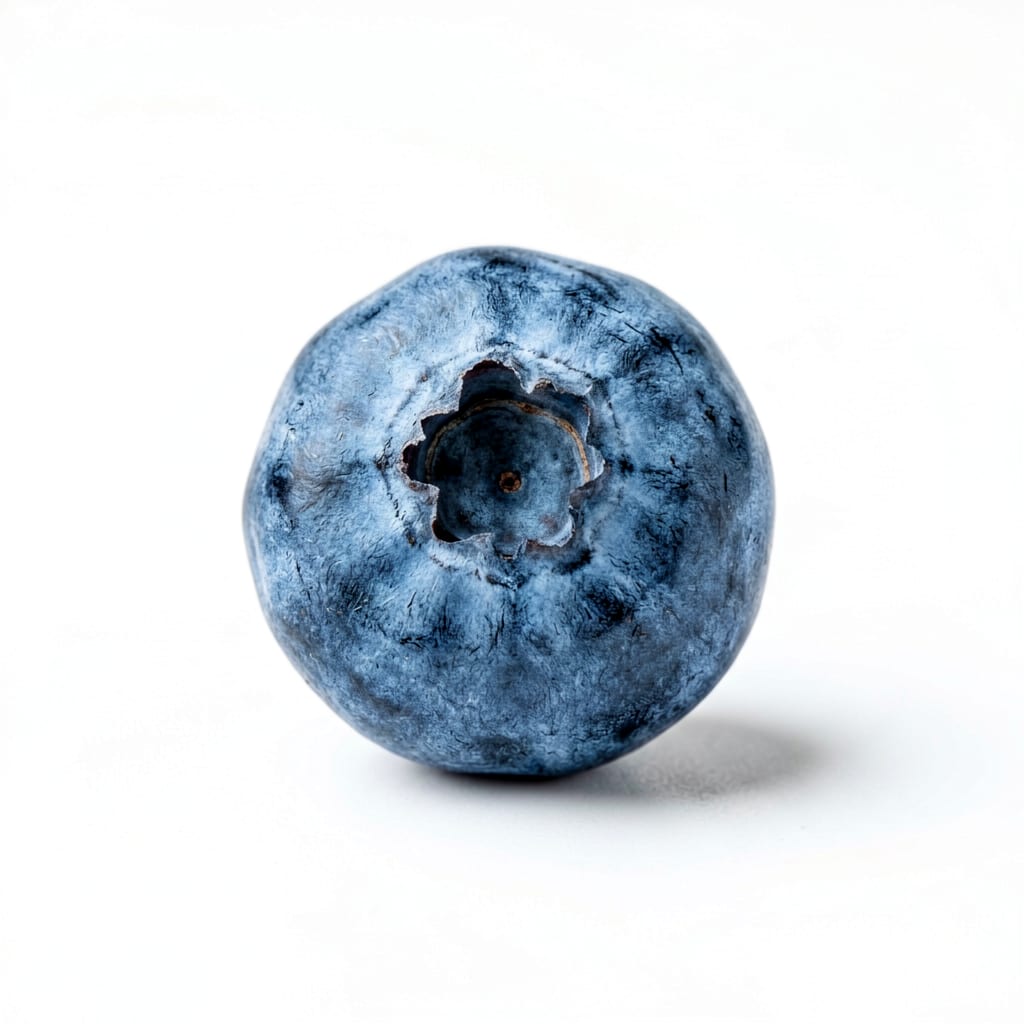
Blueberry
Blueberries win on practicality and value; açai delivers more antioxidants per bite but at higher cost and calorie density.
Blueberries score higher due to accessibility, affordability, and stronger research backing. Açai earns points for antioxidant concentration and unique fat content but loses ground on cost, availability, and calorie density.
Açai offers concentrated antioxidants and healthy fats but costs more and is harder to find fresh. Blueberries are affordable, versatile, and backed by stronger long-term research.
At a glance
Executive summary
Overall
It depends
Healthier
It depends
More practical
Blueberry
Daily use
Blueberry
Key comparison lenses
antioxidant superiority
Both berries are famous for antioxidants, so users want to know which actually delivers more
value for money
Açai is significantly more expensive, making cost-benefit analysis crucial
daily practicality
Blueberries are easy to find fresh; açai usually comes frozen or powdered, affecting convenience
authenticity vs hype
Açai carries superfood marketing hype that may not match reality
weight management
Açai bowls are calorie-dense while blueberries are light, creating a real decision point
Best choice for
Açai Berry
- Maximum antioxidant density in a small serving
- Tropical smoothie bowls with healthy fat content
- Occasional nutrient-dense treat
Blueberry
- Affordable daily berry intake
- Easy snacking straight from the container
- Weight-conscious meal prep
Least suitable for
Açai Berry
- Budget-conscious weekly grocery runs
- Low-calorie snacking
- Anyone avoiding imported foods with high carbon footprint
Blueberry
- Situations demanding high fat-soluble nutrient density
- Tropical recipe authenticity
Deep comparison
Dimension by dimension
Each lens scores both foods and breaks down who each option suits.
- Dimension 1 · Priority 95Açai Berry
Antioxidant Density
Açai Berry · 93Blueberry · 82Açai delivers more antioxidants per gram, especially anthocyanins and polyphenols, thanks to its deep purple pigmentation and fat-soluble compounds.
Tradeoff
Açai's antioxidant edge shrinks when you account for typical serving sizes and the fact that blueberries are easier to eat in larger quantities.
Why it matters
Higher antioxidant intake helps combat oxidative stress, supports brain health, and may slow cellular aging.
Real-world impact
If you eat a small açai bowl, you get a concentrated dose. If you snack on a cup of blueberries daily, the cumulative antioxidant intake may match or exceed açai over time.
Açai Berry
- Targeted antioxidant supplementation in small servings
- Smoothie bowls where you want nutrient density
Better for
- Portion control needed due to calorie density
- Antioxidant advantage diminishes with small servings
Worse for
Blueberry
- Consistent daily antioxidant intake through habit
- Larger serving sizes without calorie overload
Better for
- Need to eat more volume for equivalent antioxidant dose
Worse for
- Dimension 2 · Priority 88Blueberry
Practicality and Availability
Açai Berry · 45Blueberry · 94Blueberries are available fresh year-round in most grocery stores. Açai is almost always frozen, powdered, or in pouches, limiting how you use it.
Tradeoff
Açai's exotic appeal comes at the cost of freshness and flexibility. You cannot easily toss fresh açai into a salad.
Why it matters
Convenience determines whether a healthy food actually gets eaten consistently or sits in the freezer forgotten.
Real-world impact
Blueberries can be grabbed as a snack, tossed in oatmeal, or baked into muffins without planning. Açai requires thawing, blending, or mixing, which adds friction.
Açai Berry
- Pre-planned smoothie or bowl recipes
- Supplement-style nutrition where you prepare once daily
Better for
- Cannot eat fresh without specialty sourcing
- Limited culinary versatility
Worse for
Blueberry
- Spontaneous snacking
- Meal prep across multiple recipes
- Travel and on-the-go eating
Better for
- Less exotic appeal for recipe variety
Worse for
- Dimension 3 · Priority 82Blueberry
Calorie and Sugar Profile
Açai Berry · 58Blueberry · 85Blueberries are lighter in calories and lower in fat. Açai carries more calories from healthy fats, which is beneficial in small amounts but adds up quickly in bowls.
Tradeoff
Açai's healthy fats support satiety and nutrient absorption but make portion control harder. Blueberries let you eat more volume for fewer calories.
Why it matters
For weight management or blood sugar awareness, calorie density and sugar load directly impact daily outcomes.
Real-world impact
A typical açai bowl can hit 400-600 calories with toppings. A cup of blueberries stays around 85 calories with no preparation needed.
Açai Berry
- Meals where you want healthy fats for satiety
- Keto or low-carb eating styles
Better for
- Easy to overconsume in bowl form
- Commercial açai products often add hidden sugar
Worse for
Blueberry
- Low-calorie snacking
- Managing blood sugar throughout the day
- Eating larger portions without guilt
Better for
- Less satiating per calorie without added fat or protein
Worse for
- Dimension 4 · Priority 85Blueberry
Value for Money
Açai Berry · 38Blueberry · 88Blueberries deliver excellent nutrition per dollar. Açai is a premium-priced import that costs significantly more for marginal nutritional gains.
Tradeoff
You pay a luxury tax for açai's antioxidant density. Whether that premium is worth it depends on your budget and priorities.
Why it matters
Sustainable healthy eating requires affordability. Overpriced superfoods often get abandoned when budgets tighten.
Real-world impact
A pound of frozen açai pulp costs roughly double what a pound of frozen blueberries costs, with overlapping nutritional benefits.
Açai Berry
- Occasional splurge for recipe variety
- When budget is not a constraint
Better for
- Hard to justify as a daily staple financially
- Price volatility due to import dependence
Worse for
Blueberry
- Weekly grocery budgets
- Families feeding multiple people
- Students or fixed incomes
Better for
- Less perceived premium experience
Worse for
- Dimension 5 · Priority 75Açai Berry
Heart Health and Fat Profile
Açai Berry · 84Blueberry · 68Açai contains notable amounts of omega-6 and omega-9 fatty acids, which support cardiovascular function. Blueberries have minimal fat content.
Tradeoff
Açai's fat content is genuinely beneficial but not unique. You can get similar fats from avocado, nuts, or olive oil at lower cost.
Why it matters
Heart-healthy fats reduce inflammation and support cholesterol balance when they replace saturated fats in your diet.
Real-world impact
If your diet lacks healthy fat sources, açai provides a convenient package of fats plus antioxidants. If you already eat avocado or olive oil daily, the fat benefit is redundant.
Açai Berry
- Diets low in plant-based fat sources
- Smoothie meals that need satiety boost
Better for
- Redundant if you already consume healthy fats daily
- Omega-6 dominance without sufficient omega-3 balance
Worse for
Blueberry
- Diets already rich in healthy fats elsewhere
- Lower overall fat intake goals
Better for
- Negligible fat-soluble nutrient contribution
Worse for
- Dimension 6 · Priority 80Blueberry
Research Backing and Evidence
Açai Berry · 52Blueberry · 90Blueberries have decades of human clinical research supporting cognitive, cardiovascular, and metabolic benefits. Açai research is promising but mostly limited to lab and animal studies.
Tradeoff
Açai may indeed be as powerful as claimed, but the evidence is thinner. Blueberries offer proven benefits you can trust.
Why it matters
Health decisions based on strong evidence tend to deliver more predictable outcomes.
Real-world impact
If you want a berry with demonstrated brain-protective effects in human studies, blueberries are the safer bet. Açai's benefits are plausible but less confirmed.
Açai Berry
- Early adopters comfortable with emerging science
- Antioxidant-focused supplementation
Better for
- Risk of overclaiming based on limited data
- Marketing hype may exceed actual benefits
Worse for
Blueberry
- Evidence-based nutrition decisions
- Clinical dietary recommendations
Better for
- Less exotic appeal in wellness culture
Worse for
Timeline
Health impact over time
Short-term
Hours to days
Açai Berry
- Quick antioxidant boost after consumption
- Satiety from fat content reduces between-meal snacking
- Potential energy dip if consumed in high-sugar bowl form
Blueberry
- Light, refreshing energy without sugar crash
- Easy digestion with no heaviness
- Hydration support from high water content
Long-term
Months to years
Açai Berry
- Consistent antioxidant intake may support cellular aging defenses
- Healthy fat contribution supports cardiovascular markers over time
- Risk of calorie creep if frequently consumed as loaded bowls
Blueberry
- Well-documented cognitive protection with regular consumption
- Improved vascular function and blood pressure markers
- Sustainable daily habit that supports consistent fruit intake
Risk profile
Safety & processing
Fresh blueberries are essentially unprocessed. Açai almost always undergoes freezing, pasteurization, or freeze-drying before reaching consumers, and commercial açai products frequently contain added sugars or fillers.
Açai Berry
Added sugars in commercial products
mediumMany frozen açai packets and bowls contain significant added sugar, undermining the health benefits. Always check labels.
Import contamination
lowAçai is harvested in the Amazon and travels far, increasing handling steps. Reputable brands test for contaminants, but supply chain oversight varies.
Mislabeling and adulteration
mediumSome açai products are diluted with cheaper berries or fillers. Third-party testing is not universal.
Blueberry
Pesticide residue
mediumBlueberries consistently appear on the EWG Dirty Dozen list. Organic options significantly reduce exposure.
Mold spoilage
lowBlueberries spoil quickly. Inspect containers and discard any moldy berries immediately to avoid spreading.
Who wins for whom
Audience fit
Same foods, different winners depending on your goal.
children
BlueberryKids enjoy fresh blueberries as a finger food. Açai bowls are fun but often sugar-loaded and less convenient for lunchboxes.
daily consumption
BlueberryAffordability, availability, and versatility make blueberries the more sustainable daily habit.
diabetes
BlueberryBlueberries have a lower glycemic load and more consistent sugar content. Commercial açai products often contain added sugars that spike blood glucose.
elderly
BlueberryBlueberries have strong human evidence for cognitive protection in aging populations, making them a more reliable choice for brain health.
muscle gain
It dependsNeither berry is a protein source. Açai's healthy fats pair better with protein shakes for satiety, but the difference is minimal.
weight loss
BlueberryBlueberries offer more volume per calorie, making them easier to incorporate into calorie-controlled eating without feeling restricted.
Your move
Decision guide
Choose Açai Berry
- You want concentrated antioxidants in a small serving and budget is not a concern
- You enjoy making smoothie bowls and want a nutrient-dense base
- You are looking for a berry with healthy fats already built in
Choose Blueberry
- You want an affordable, research-backed berry you can eat every day
- Convenience matters more than exotic appeal
- You are watching calories or managing blood sugar
- You prefer eating fruit fresh rather than blended or thawed
Either works if
- You simply want more berries in your diet regardless of type
- You rotate between different antioxidant sources weekly
- You enjoy both in different recipes and contexts
Avoid both if
- You have a berry allergy or salicylate sensitivity
- You are on a strict very-low-carb diet and cannot afford fruit sugars
Final recommendation
Make blueberries your daily berry for consistency, affordability, and proven benefits. Add açai occasionally as a treat or when you want a more indulgent, nutrient-dense smoothie bowl. The best approach is rotation: blueberries most days, açai when the mood or recipe calls for it.
Practical
Consumer tips
- 1
Buy organic blueberries when possible to reduce pesticide exposure, especially for children
- 2
Read açai product labels carefully and avoid any with added sugar in the first three ingredients
- 3
Freeze fresh blueberries yourself if you find them on sale; they freeze beautifully
- 4
Make açai bowls at home rather than buying them out to control sugar and calorie content
- 5
Store blueberries unwashed in the container and rinse just before eating to extend shelf life
- 6
Consider frozen blueberries as a cost-effective alternative that retains most nutrients