
Nutrition comparison
Strawberry vs Blueberry: Which Berry Is Healthier for You?
Compare strawberries and blueberries on antioxidants, vitamin C, sugar, pesticides, and brain health. Find out which berry fits your goals better with our expert breakdown.
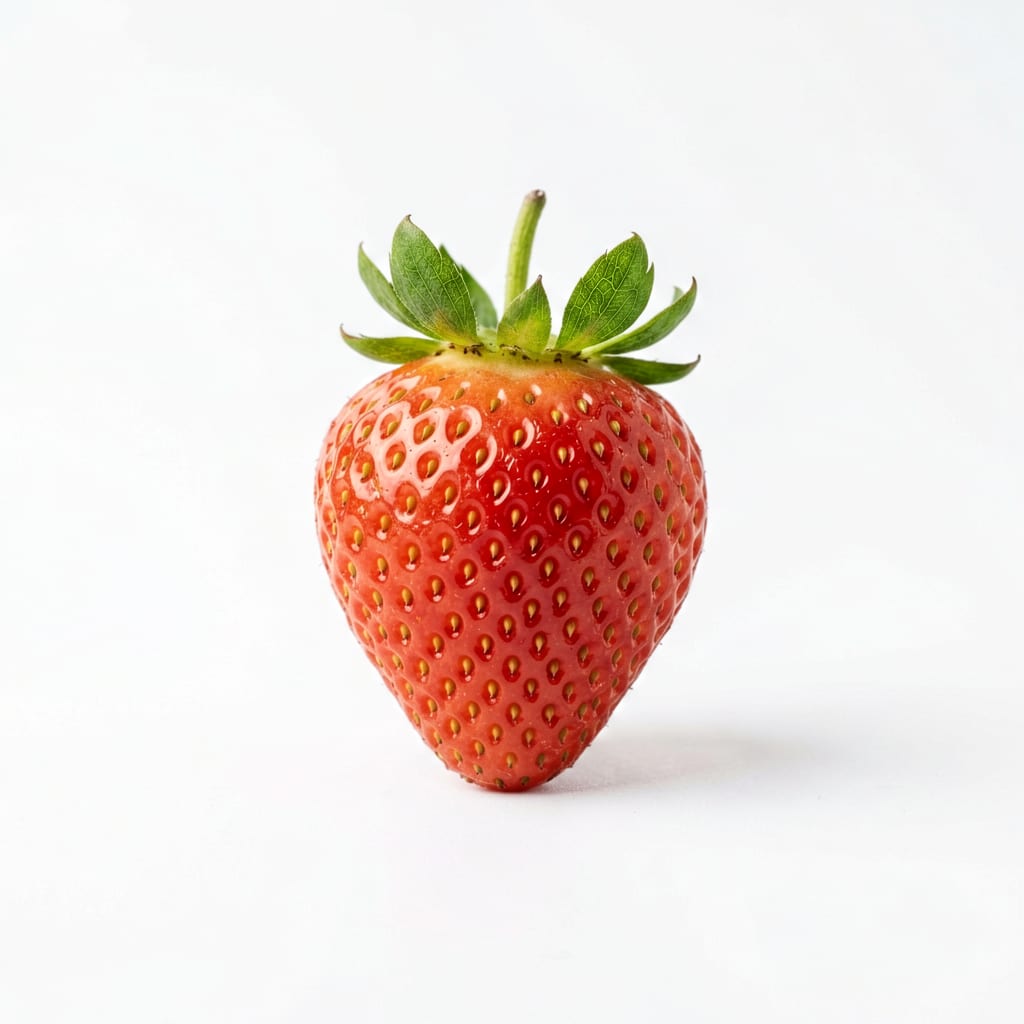
Strawberry
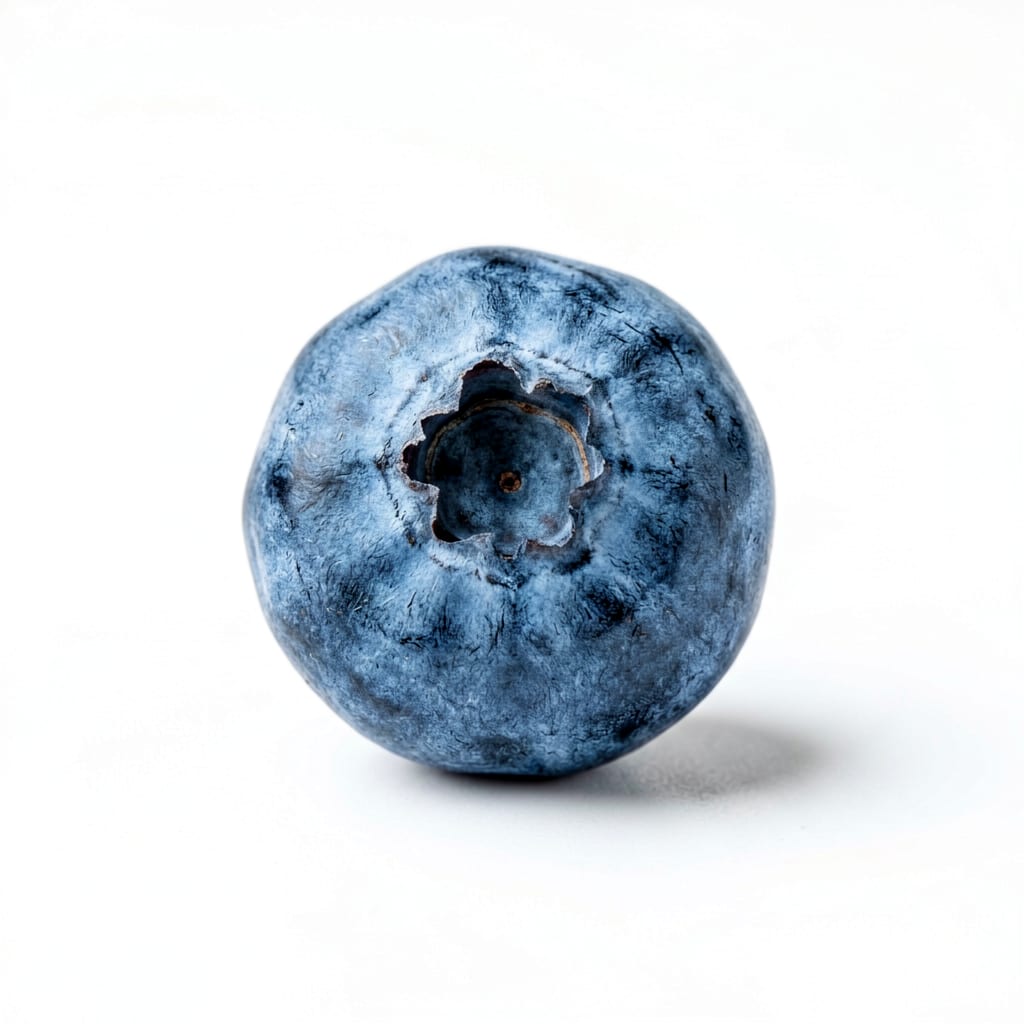
Blueberry
Blueberries win on antioxidants and brain health; strawberries dominate vitamin C and are more filling per calorie. Both are excellent choices with different strengths.
Blueberries score slightly higher due to superior antioxidant density, better blood sugar profile, and stronger cognitive health evidence. Strawberries remain excellent and win on vitamin C, satiety, and affordability.
Anthocyanin power and cognitive benefits (blueberries) versus vitamin C abundance and greater satiety per serving (strawberries).
At a glance
Executive summary
Overall
It depends
Healthier
It depends
More practical
Strawberry
Daily use
Blueberry
Key comparison lenses
antioxidant density
Both berries are prized for antioxidants but blueberries deliver significantly more anthocyanins per serving
pesticide exposure
Strawberries consistently rank #1 on the EWG Dirty Dozen list, making organic choice critical
vitamin C intake
Strawberries are one of the richest fruit sources of vitamin C, far exceeding blueberries
blood sugar management
Both are low-glycemic but blueberries edge ahead with slightly less sugar and more fiber
brain health and aging
Blueberries have strong clinical evidence for cognitive benefits, earning them the nickname 'brain berries'
Best choice for
Strawberry
- Immune support and vitamin C needs
- Larger satisfying portions on a calorie budget
- Smoothie bulk without calorie overload
- Post-workout recovery needing vitamin C
Blueberry
- Brain health and cognitive longevity
- Antioxidant and anti-inflammatory priorities
- Blood sugar sensitive individuals
- Long-term aging and disease prevention
Least suitable for
Strawberry
- People highly concerned about pesticide exposure who cannot access organic
- Those needing maximum antioxidant density per bite
Blueberry
- Budget-conscious shoppers (blueberries cost significantly more per pound)
- Those who need a vitamin C boost from fruit
Deep comparison
Dimension by dimension
Each lens scores both foods and breaks down who each option suits.
- Dimension 1 · Priority 95Blueberry
antioxidant_power
Strawberry · 72Blueberry · 94Blueberries deliver far more anthocyanins per serving, the pigments linked to brain health, anti-aging, and inflammation reduction.
Tradeoff
Strawberries still offer strong antioxidants like ellagic acid and pelargonidin, just in lower total concentration.
Why it matters
Higher antioxidant intake correlates with slower cellular aging and reduced chronic disease risk over decades.
Real-world impact
Eating blueberries regularly is like adding a longevity supplement to your diet that actually tastes good.
Strawberry
- Ellagic acid content which has unique anti-cancer properties
Better for
- Lower total antioxidant capacity per calorie
Worse for
Blueberry
- Anthocyanin density for brain and vascular protection
- ORAC score significantly higher per serving
- More diverse polyphenol profile overall
Better for
- Less ellagic acid than strawberries
Worse for
- Dimension 2 · Priority 85Strawberry
vitamin_and_mineral_density
Strawberry · 88Blueberry · 68Strawberries crush blueberries on vitamin C, delivering nearly 100% of daily needs per cup versus about 25% from blueberries.
Tradeoff
Blueberries provide more vitamin K and manganese, but the vitamin C gap is massive and more impactful for most people.
Why it matters
Vitamin C supports immunity, collagen production, iron absorption, and stress resilience on a daily basis.
Real-world impact
A cup of strawberries at breakfast covers your vitamin C for the day. You would need four cups of blueberries to match that.
Strawberry
- Exceptional vitamin C content per serving
- More folate per cup
- Better potassium-to-calorie ratio
Better for
- Lower vitamin K than blueberries
Worse for
Blueberry
- More vitamin K for bone and blood health
- Higher manganese content
Better for
- Significantly less vitamin C
- Lower folate content
Worse for
- Dimension 3 · Priority 82Blueberry
blood_sugar_and_fiber
Strawberry · 74Blueberry · 82Blueberries have slightly less sugar and slightly more fiber per serving, giving them a gentler impact on blood sugar.
Tradeoff
The difference is modest. Both are low-glycemic fruits that most people with diabetes can enjoy safely.
Why it matters
Steadier blood sugar means fewer energy crashes, less cravings, and better metabolic health over time.
Real-world impact
Both are safe for afternoon snacking without a sugar crash, but blueberries are the slightly safer bet for diabetics.
Strawberry
- Still very low glycemic load overall
- More filling per cup due to larger volume
Better for
- About 3g more sugar per cup than blueberries
Worse for
Blueberry
- Lower sugar per serving
- Slightly more fiber per calorie
- Better glycemic profile for insulin-sensitive individuals
Better for
- Smaller serving size means less physical fullness
Worse for
- Dimension 4 · Priority 78Strawberry
satiety_and_portion_satisfaction
Strawberry · 84Blueberry · 70A full cup of strawberries is physically more filling than a cup of blueberries due to water volume and size, despite similar calories.
Tradeoff
Blueberries are more calorie-dense per bite, so mindful portion control matters more with them.
Why it matters
Feeling full on fewer calories is one of the most practical tools for weight management.
Real-world impact
A bowl of strawberries feels like a substantial snack. The same calorie amount of blueberries looks tiny and may leave you reaching for more.
Strawberry
- More volume per calorie eaten
- Greater physical satiety from water content
- Easier to feel satisfied without overeating
Better for
- Lower calorie density means less energy per serving for active people
Worse for
Blueberry
- More nutrient-dense per bite if portion control is easy
Better for
- Easy to overeat due to small size and sweet taste
- Less physical fullness signal per cup
Worse for
- Dimension 5 · Priority 88Blueberry
pesticide_and_contamination_risk
Strawberry · 45Blueberry · 72Strawberries are the #1 most pesticide-contaminated fruit in the US according to EWG. Blueberries have moderate concern but less consistently.
Tradeoff
Organic strawberries eliminate most risk but cost significantly more. Conventional strawberries remain problematic.
Why it matters
Chronic pesticide exposure is linked to hormonal disruption, neurological issues, and cancer risk over time.
Real-world impact
If you eat strawberries regularly, buying organic is almost non-negotiable. With blueberries, conventional is a more reasonable compromise.
Strawberry
- Organic options widely available
Better for
- Ranked #1 on EWG Dirty Dozen for years
- Multiple pesticide residues commonly detected
- Conventional strawberries carry real cumulative risk
Worse for
Blueberry
- Lower and less consistent pesticide residue levels
- Not consistently on the Dirty Dozen list
- Safer conventional option when organic is unavailable
Better for
- Still a berry with some pesticide concern
- Organic still preferable
Worse for
- Dimension 6 · Priority 75Strawberry
affordability_and_accessibility
Strawberry · 85Blueberry · 60Strawberries are significantly cheaper per pound and more available year-round, especially fresh.
Tradeoff
Blueberries cost more but freeze exceptionally well, and frozen blueberries are a more affordable way to get their benefits.
Why it matters
The best food for you is the one you can actually afford to eat consistently.
Real-world impact
A pound of strawberries often costs half what a pound of blueberries does. For families on a budget, this matters weekly.
Strawberry
- Lower cost per pound year-round
- More consistent fresh availability
- Better value for large servings
Better for
- Shorter peak season for best flavor
Worse for
Blueberry
- Frozen blueberries are affordable and retain nutrients well
Better for
- Premium pricing especially for fresh organic
- Less available in some regions
Worse for
Timeline
Health impact over time
Short-term
Hours to days
Strawberry
- Quick vitamin C boost supporting immune function
- Hydrating and refreshing due to high water content
- Natural energy lift without blood sugar spike
Blueberry
- Noticeable anti-inflammatory effect after regular consumption
- Gentle on blood sugar even in slightly larger portions
- Supports mental clarity and focus in the hours after eating
Long-term
Months to years
Strawberry
- Consistent vitamin C intake supports collagen and skin health over years
- Ellagic acid may reduce certain cancer risks with regular consumption
- Affordability makes long-term daily consumption more sustainable
Blueberry
- Strong evidence for slowing cognitive decline with aging
- Anthocyanins protect cardiovascular health over decades
- Regular consumption associated with reduced diabetes risk in longitudinal studies
Risk profile
Safety & processing
Both strawberries and blueberries are whole, unprocessed fruits. Concerns are about agricultural chemicals, not additives. Always wash thoroughly regardless of organic status.
Strawberry
Pesticide residue
highStrawberries consistently test with the highest pesticide load of any fruit. Multiple residues per sample are common. Organic dramatically reduces this.
Mold and spoilage
mediumStrawberries spoil quickly and mold growth can produce mycotoxins. Use within 2-3 days of purchase and discard any moldy berries immediately.
Blueberry
Pesticide residue
mediumBlueberries carry moderate pesticide risk, less severe than strawberries but still worth choosing organic when possible.
Contamination from handling
lowBlueberries are often eaten unwashed directly from the container, which can transfer surface bacteria. Always rinse before eating.
Who wins for whom
Audience fit
Same foods, different winners depending on your goal.
children
StrawberryStrawberries are larger, more fun to eat, more affordable in kid-friendly quantities, and provide essential vitamin C for growing immune systems. Just choose organic.
daily consumption
BlueberryBlueberries offer a slightly better overall nutrient-to-calorie ratio with less sugar, fewer pesticide concerns, and broader long-term health protection when eaten daily.
diabetes
BlueberryBlueberries have a slightly better glycemic profile with less sugar and more fiber per serving, plus strong evidence for improving insulin sensitivity.
elderly
BlueberryBlueberries have the strongest clinical evidence for protecting cognitive function and slowing age-related memory decline, which becomes critical in later decades.
muscle gain
It dependsNeither berry is a significant protein source. Strawberries offer more vitamin C for exercise recovery, but the difference is minor for this goal.
weight loss
StrawberryStrawberries provide more volume and satiety per calorie, making it easier to feel full on fewer calories throughout the day.
Your move
Decision guide
Choose Strawberry
- You want maximum vitamin C from a whole food source
- Satiety and portion size matter more to you than antioxidant density
- You are on a budget and need affordable daily fruit
- You enjoy larger, more satisfying fruit servings
- You are focused on immune support and skin health
Choose Blueberry
- Brain health and cognitive longevity are top priorities
- You want the most antioxidant power per bite
- You are managing blood sugar or diabetes risk
- You can afford the premium price for daily consumption
- You care about lower pesticide exposure from conventional options
Either works if
- You simply want a low-calorie, nutrient-rich fruit snack
- You are building a varied berry mix for smoothies or oatmeal
- You rotate fruits seasonally and enjoy both at different times
- You already eat a diverse diet and just want something sweet and healthy
Avoid both if
- You have a rare berry allergy or salicylate sensitivity
- You are on a very strict very-low-carb ketogenic diet and must minimize all fruit sugar
Final recommendation
Eat both when possible. Blueberries are the slightly better daily habit for long-term brain and metabolic health. Strawberries are the better vitamin C source and more satisfying snack. If budget forces a choice, strawberries give you more food for less money, but invest in organic. If you can afford both, blueberries in your morning oatmeal and strawberries as an afternoon snack is an ideal split.
Practical
Consumer tips
- 1
If buying conventional strawberries, soak them in a baking soda solution (1 tablespoon per 2 cups water) for 12-15 minutes to reduce surface pesticide residue.
- 2
Frozen blueberries retain nearly all their antioxidants and cost far less than fresh. Keep a bag in your freezer for smoothies and oatmeal.
- 3
Buy strawberries in season locally for the best flavor and lowest pesticide risk. Out-of-season imported strawberries have higher residue levels.
- 4
A mix of both berries gives you the vitamin C of strawberries plus the anthocyanins of blueberries. Together they cover more nutritional ground than either alone.
- 5
Store strawberries unwashed in a paper towel-lined container. Wash only right before eating to prevent mold and mushiness.
- 6
Wild blueberries have nearly double the antioxidants of cultivated ones. Look for frozen wild blueberries, which are often affordable.