
Legume
Black Lentil
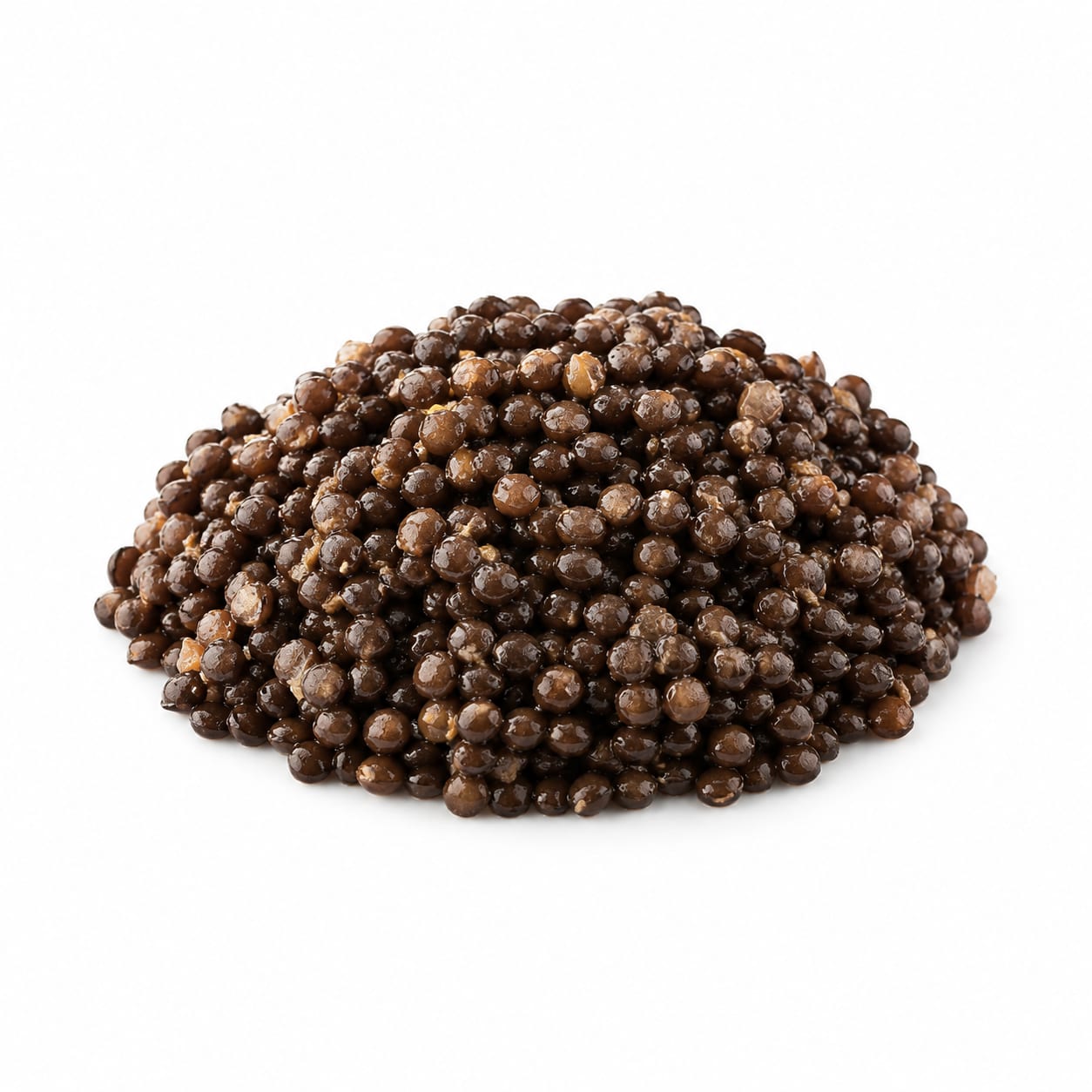
A small, dark legume prized for its high protein, fiber, and mineral content, and firm texture when cooked.
Small, lens-shaped legume with a dark black seed coat, known for its robust, earthy flavor and ability to hold its shape during cooking.
protein-dense high-fiber legume
Typical serving · 100g
Common varieties · Beluga, Black Gram (Urad Dal), Puy (Dark Green/Black)
Overall context score across nutrition, safety, and diet fit
At a glance
Quick facts
Simple indicators based on nutrition, processing, and diet fit.
The story
What makes it unique
Black lentils are slowly digested due to high fiber and resistant starch, leading to prolonged satiety and stable blood glucose levels. They provide a dense plant-based protein profile with minimal fat, and their intact cellular structure limits rapid starch hydrolysis.
Varieties: Beluga · Black Gram (Urad Dal) · Puy (Dark Green/Black)
Per 100g
Nutrition breakdown
Macro balance and key metrics at a glance.
Energy
Density 1.10 kcal/g
Protein
Carbs
Fat
Fiber
Sugar
1.5 g
Sodium
2 mg
Potassium
350 mg
Glycemic index
30
Glycemic load
6
Water content
68%
Standout compounds
Nutrient highlights
Fiber
highPromotes digestive regularity and gut microbiome health
Plant Protein
highSupports muscle repair and prolonged satiety
Iron
moderateEssential for oxygen transport in the blood
Folate
highCrucial for cell division and DNA synthesis
Resistant Starch
moderateEscapes digestion to feed beneficial gut bacteria
Wellness map
Health scores & processing
NOVA processing scale
Minimally processed · Whole food
Dried black lentils are simply harvested, dried, and sorted with no added ingredients.
Diet compatibility
- Weight loss
- Muscle gain
- Diabetes
- Gut health
- Low carb
- High protein
- Heart health
Relative standing
Food rankings
Qualitative ranks compared to similar whole foods.
- Satietyexcellent
- Blood sugarexcellent
- Nutrient densityexcellent
- Fitness fuelgood
- Processing qualityexcellent
Eat with confidence
Food safety profile
Black lentils are generally safe with low contamination risk. Phytic acid can reduce mineral absorption but is mitigated by soaking or sprouting.
Evidence confidence 85%
- Pesticideslow
- Antibioticslow
- Heavy metalsmoderate
- Contaminationlow
Watch for
- cadmium
- phytic acid (antinutrient)
Safer choices
Organic certified to minimize pesticide residue and heavy metal exposure.
Prep tips
Rinse thoroughly under cold water to remove debris; soaking for 4-8 hours can reduce phytic acid and improve digestibility.
Standard agricultural monitoring for heavy metal accumulation in legume crops.
Deep dive
Health analysis
How this food may fit different goals and preparation choices.
Weight loss
High fiber and protein create strong satiety, reducing overall calorie intake by keeping you full longer.
Blood sugar
Low glycemic index and resistant starch prevent rapid blood sugar spikes, providing steady glucose release.
Fitness & energy
Provides sustained, slow-releasing carbohydrates ideal for endurance rather than quick explosive energy.
Gut health
Prebiotic fibers and resistant starch feed beneficial gut bacteria, supporting microbiome diversity and short-chain fatty acid production.
Processing quality
Whole food with intact cellular structure, requiring no industrial processing to be shelf-stable and edible.
Food safety
Very safe agricultural product; primary concern is phytic acid reducing mineral absorption, easily managed by soaking.
Common mistakes
Skipping the rinse or soak, which can lead to digestive discomfort and reduced nutrient bioavailability.
Best preparation
Simmering in water or broth until tender; soaking beforehand improves texture, reduces cooking time, and enhances digestion.
Practical guide
Best use cases
When and how this food fits real eating patterns.
Plant-based protein base
Ideal for vegan bowls and salads needing a firm, meaty texture that doesn't turn mushy.
Satiety-enhancing side dish
Keeps you full for hours when paired with vegetables and healthy fats, reducing snacking urges.
Gut-friendly meal prep
Resistant starch feeds gut bacteria and the cooked lentils hold up well to refrigeration and reheating.
Balance sheet
Pros & cons
Upsides
- Highly satiating due to dual protein and fiber content
- Maintains firm texture after cooking, ideal for salads
- Low glycemic impact makes it safe for diabetics
- Rich in plant-based iron and folate
- Excellent source of prebiotic resistant starch
- Quick cooking time compared to other legumes
Trade-offs
- Contains phytic acid which can bind minerals and reduce absorption
- Not suitable for strict low-carb or ketogenic diets
- Can cause bloating or gas in individuals unaccustomed to high-fiber diets
- Lacks methionine, requiring grain pairing for complete protein
Fit check
Who is it for?
Great match
- plant-based diets
- blood sugar management
- high-volume eating
- endurance athletes
- meal prepping
Consider alternatives
- strict ketogenic diets
- low-FODMAP diets
- acute digestive distress (IBS flare-ups)
Side by side
How it compares
Open the full head-to-head analysis for nutrition, safety, and practical tradeoffs.
This food
Black Lentil
VS95% alike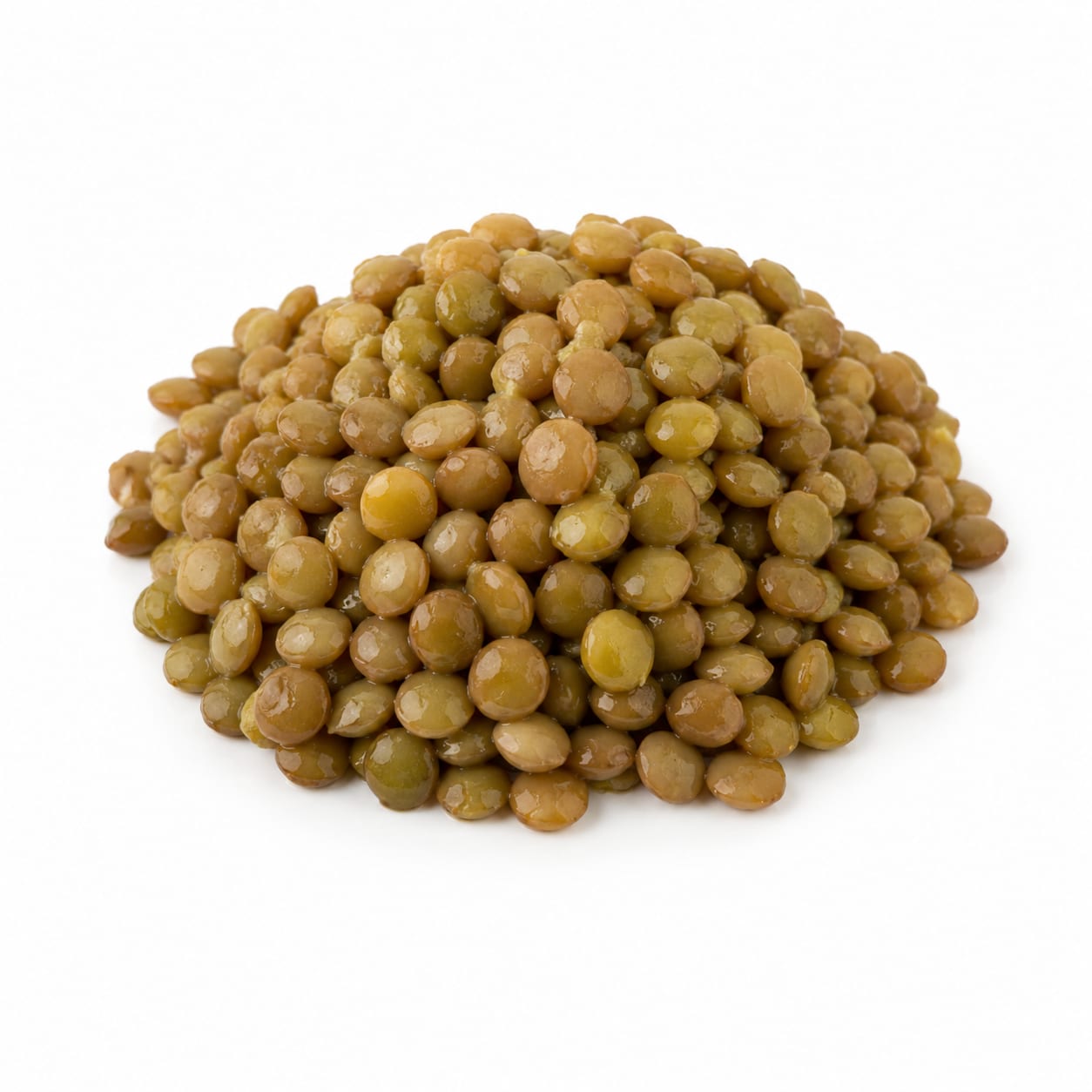
Compare with
Green Lentil
Black lentils offer slightly more protein and iron than green lentils, while both provide excellent blood sugar control and satiety.
Black lentils provide slightly more protein and iron than green lentils, but both are excellent for satiety and blood sugar control.
This food
Black Lentil
VS90% alike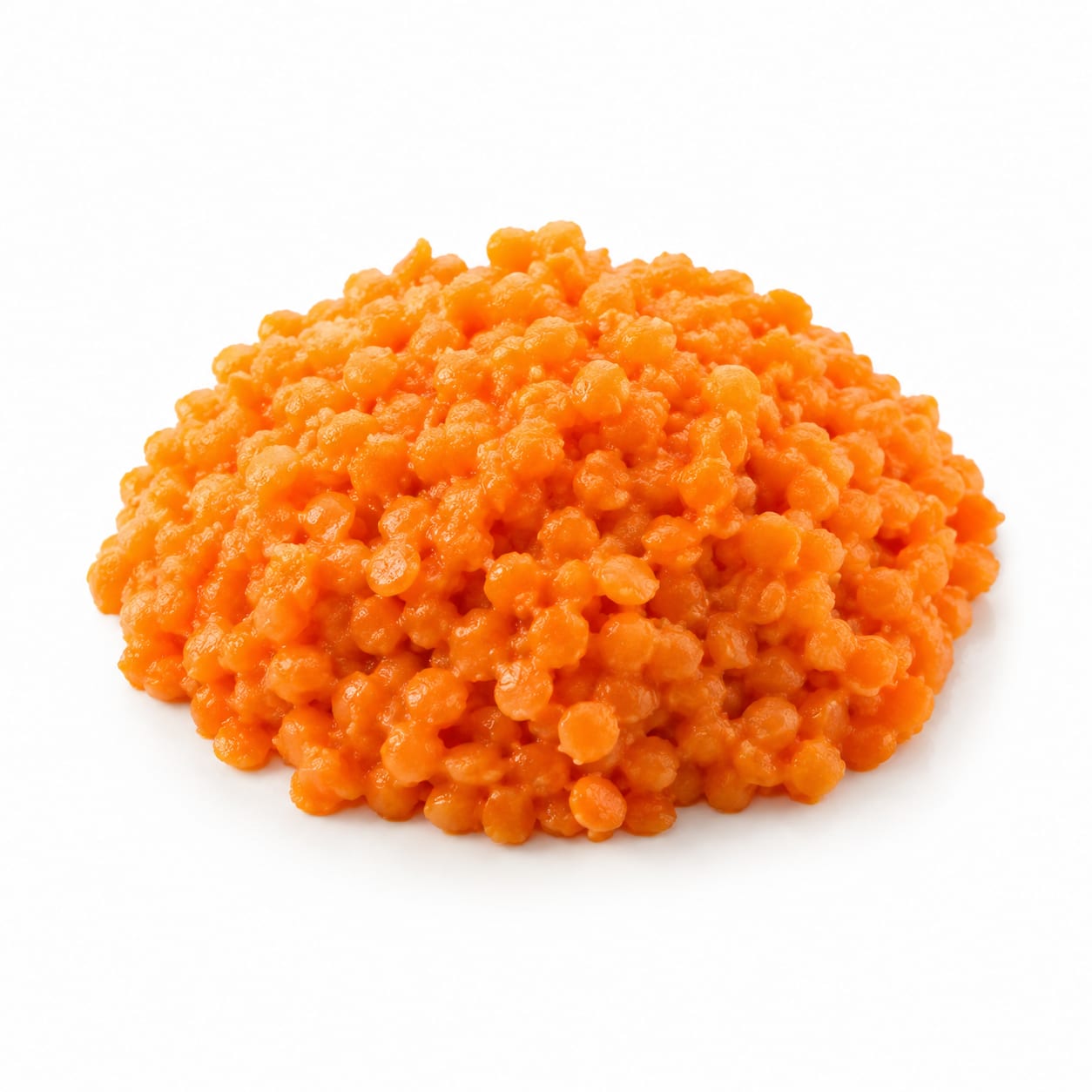
Compare with
Red Lentil
Black lentils hold their shape better and have a lower glycemic impact than quickly digesting red lentils, making them better for blood sugar control.
Black lentils hold their shape and digest slower than red lentils, offering better blood sugar control, while red lentils provide faster energy.
This food
Black Lentil
VS90% alike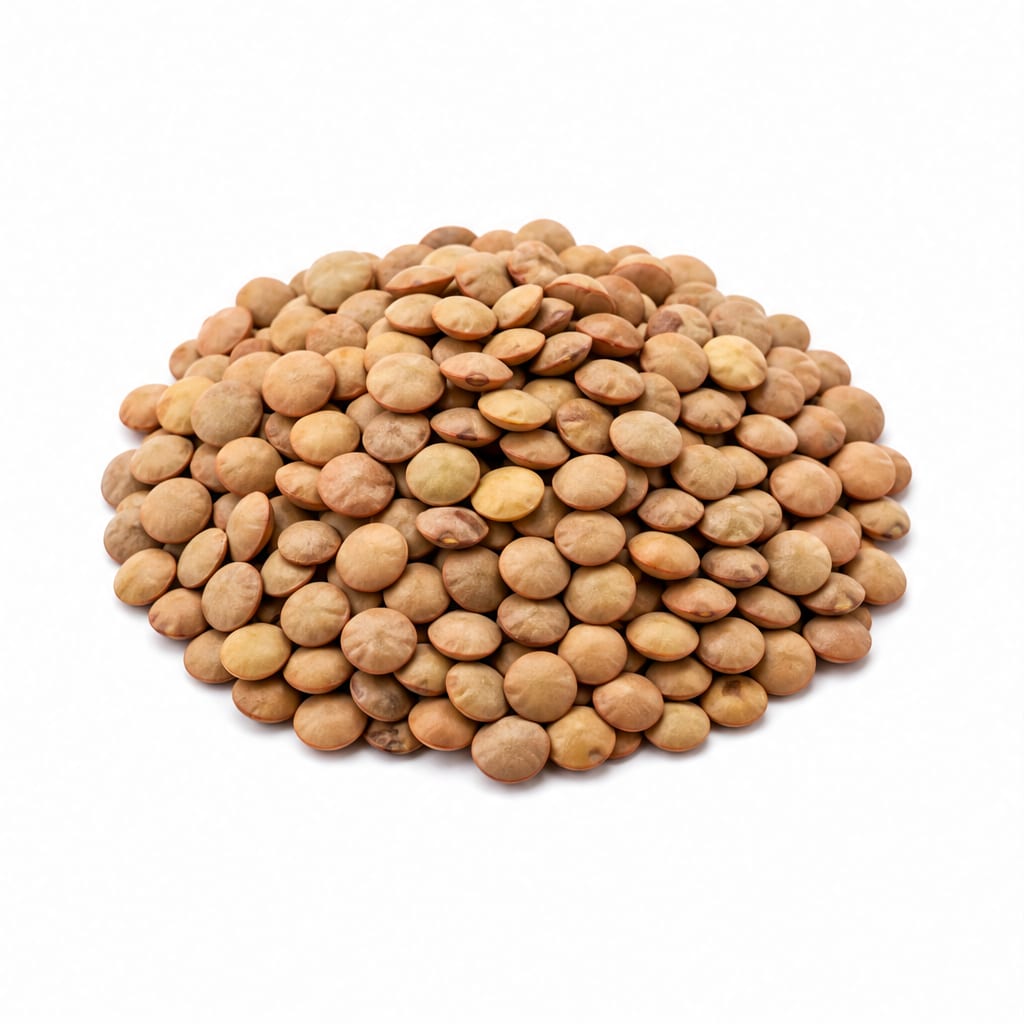
Compare with
Brown Lentil
Black lentils are nutritionally similar to brown lentils but contain more protein and antioxidants, with a slightly firmer texture.
Black lentils edge out brown lentils with slightly more protein and a firmer texture, though both are highly nutritious.
This food
Black Lentil
VS80% alike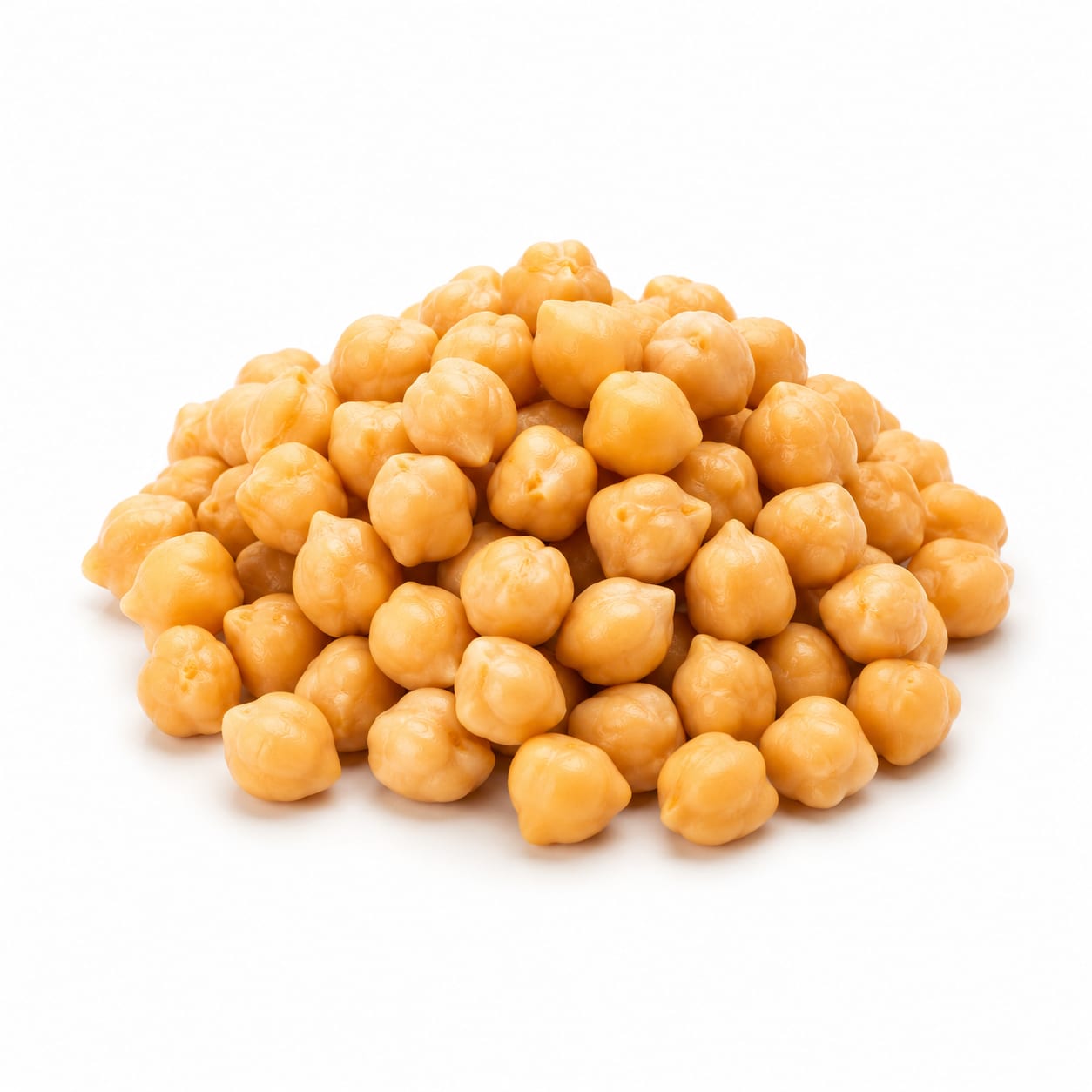
Compare with
Chickpea
Black lentils are lower in calories and carbohydrates than chickpeas, offering better weight loss suitability, while chickpeas provide slightly more folate.
Black lentils are lower in calories and carbs than chickpeas, making them better for weight loss, while chickpeas offer slightly more folate.
This food
Black Lentil
VS85% alike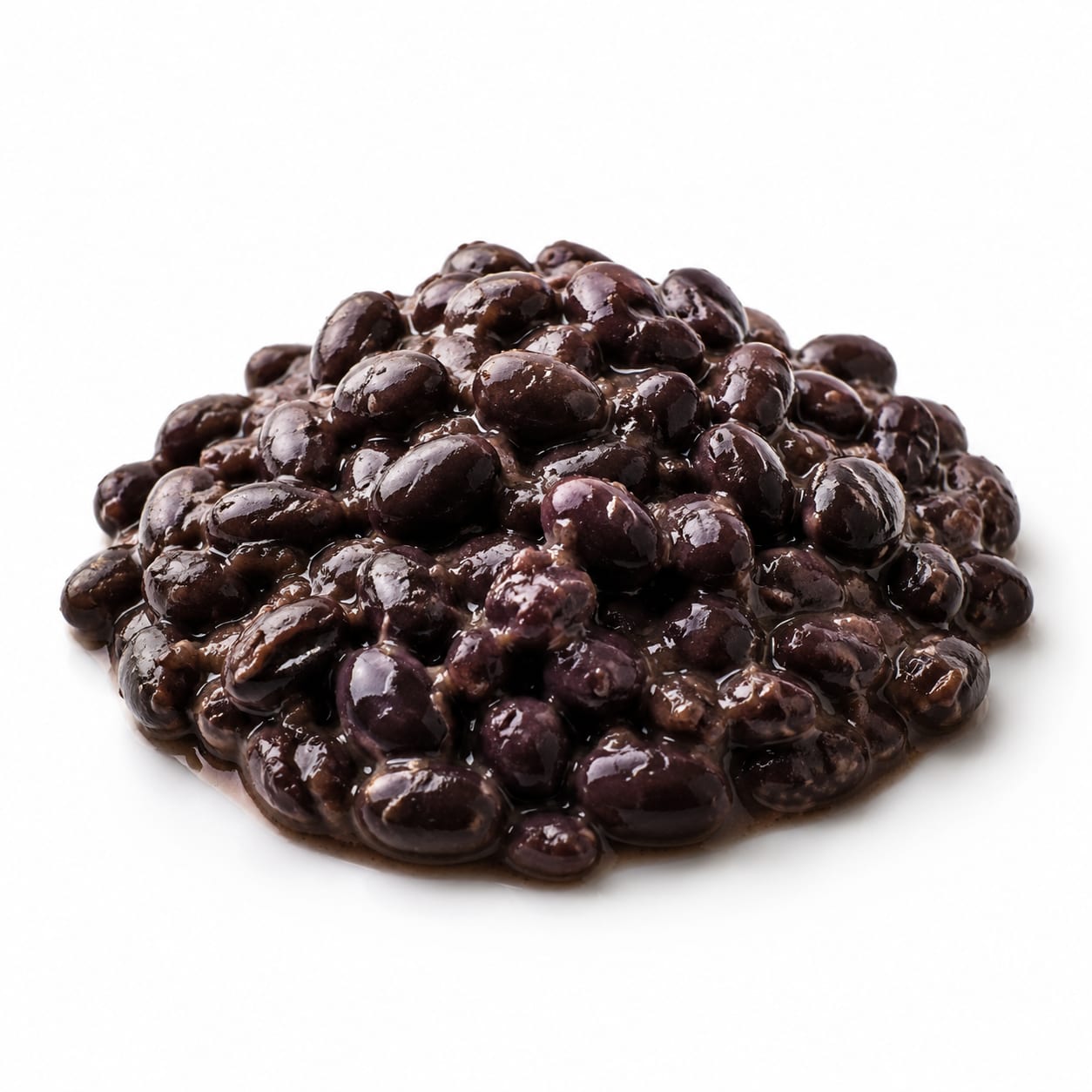
Compare with
Black Bean
Black beans are higher in carbs and calories than black lentils, but both are excellent for gut health; lentils cook faster without soaking.
Black lentils are lower in calories and cook faster than black beans, making them a more convenient choice for weight loss.
This food
Black Lentil
VS70% alike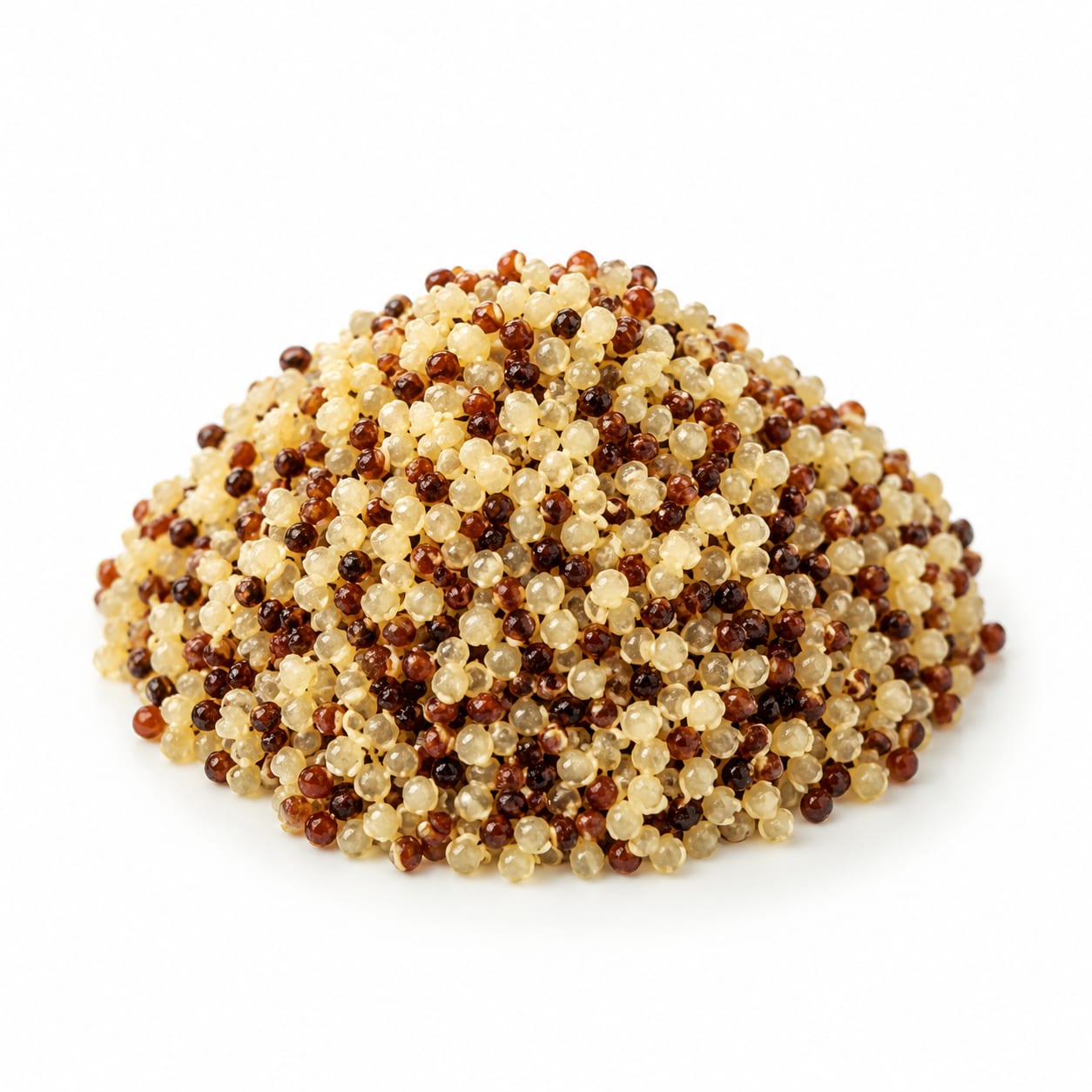
Compare with
Quinoa
Quinoa is a complete protein but much higher in calories and carbs; black lentils are better for satiety and blood sugar control.
Quinoa offers complete protein, but black lentils win for weight loss and blood sugar control due to lower calories and higher fiber.
This food
Black Lentil
VS75% alike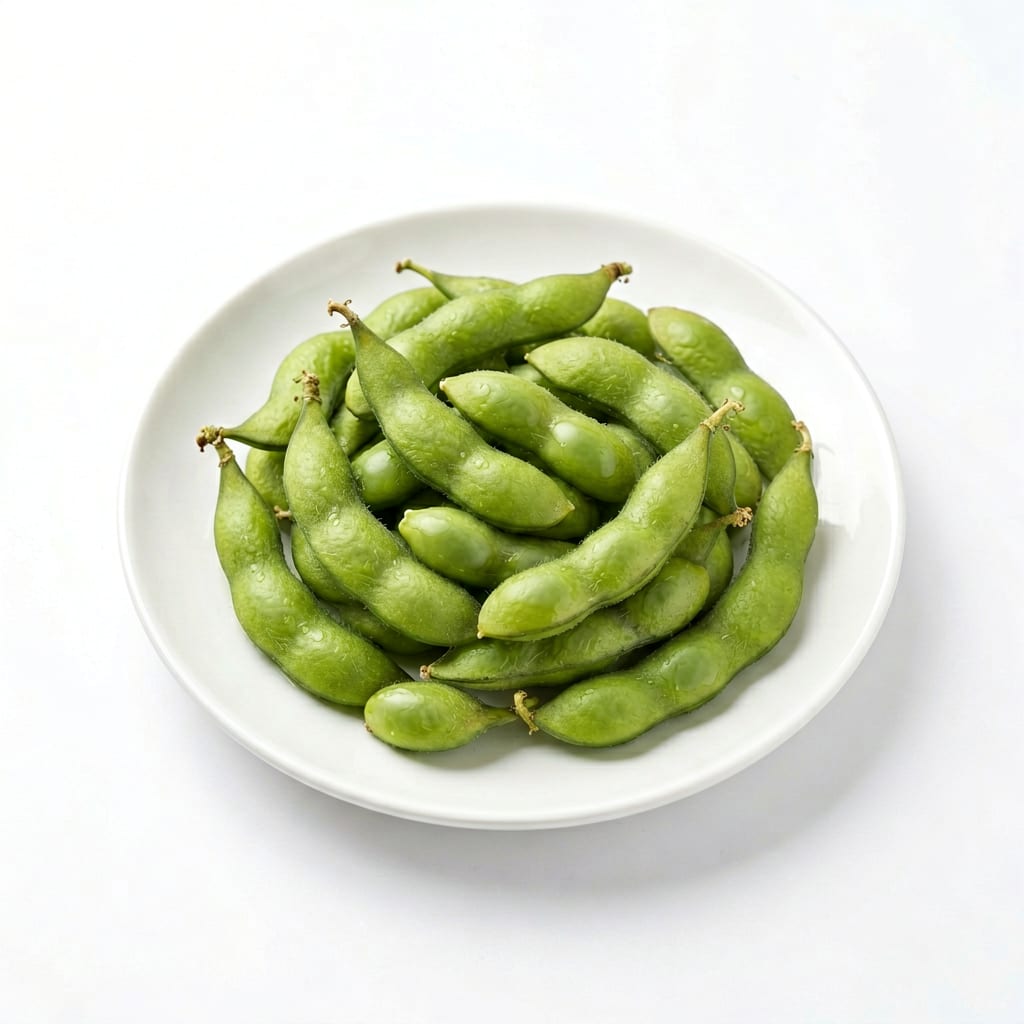
Compare with
Edamame
Edamame provides complete protein and healthy fats, while black lentils offer more carbohydrates and fiber for gut health at a lower calorie cost.
Edamame provides complete protein and healthy fats, while black lentils offer more fiber for gut health at a lower calorie cost.
This food
Black Lentil
VS75% alike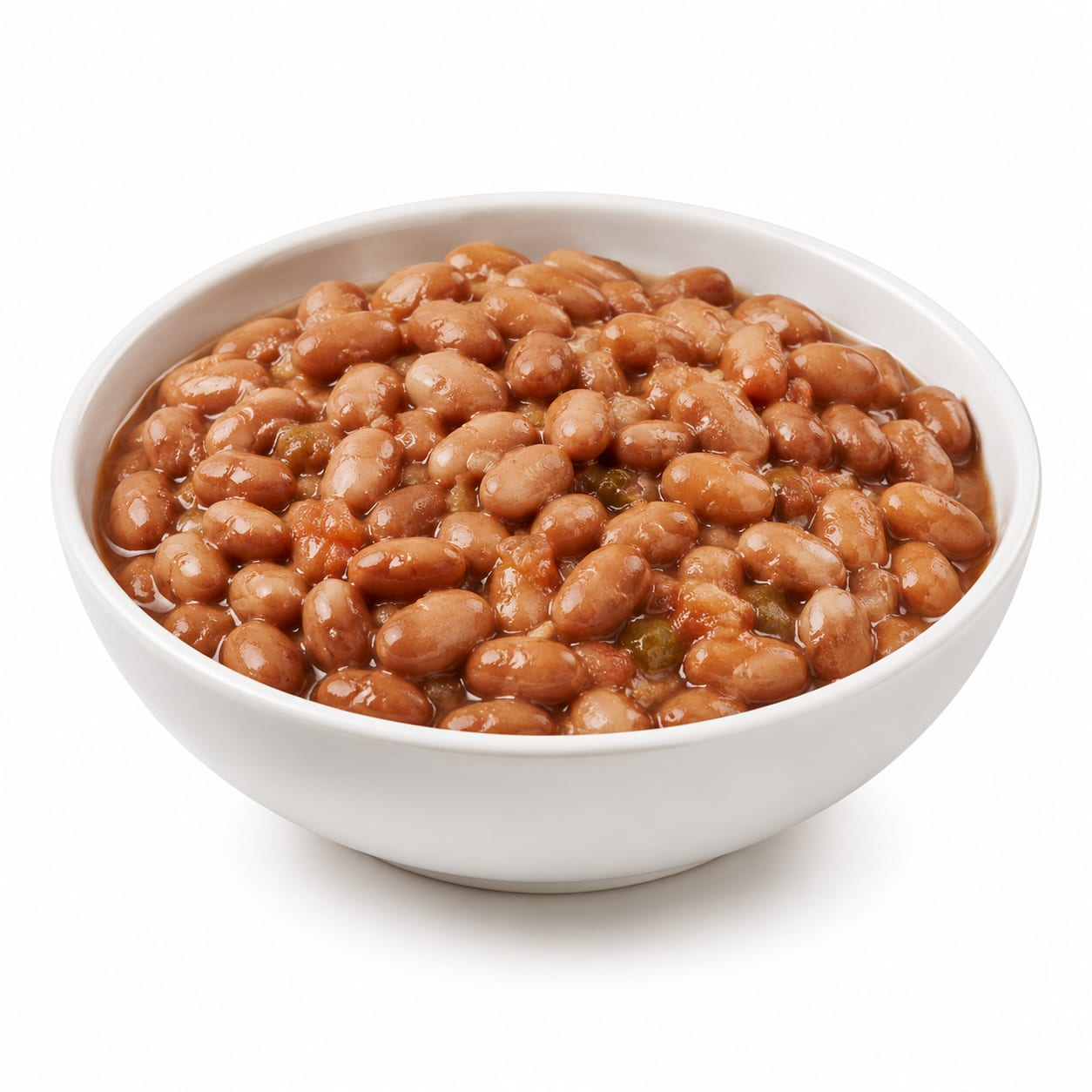
Compare with
Pinto Bean
Black lentils digest slower and have a lower glycemic load than pinto beans, making them superior for blood sugar management.
Black lentils have a lower glycemic load than pinto beans, making them a better choice for stable blood sugar and weight loss.
This food
Black Lentil
VS80% alike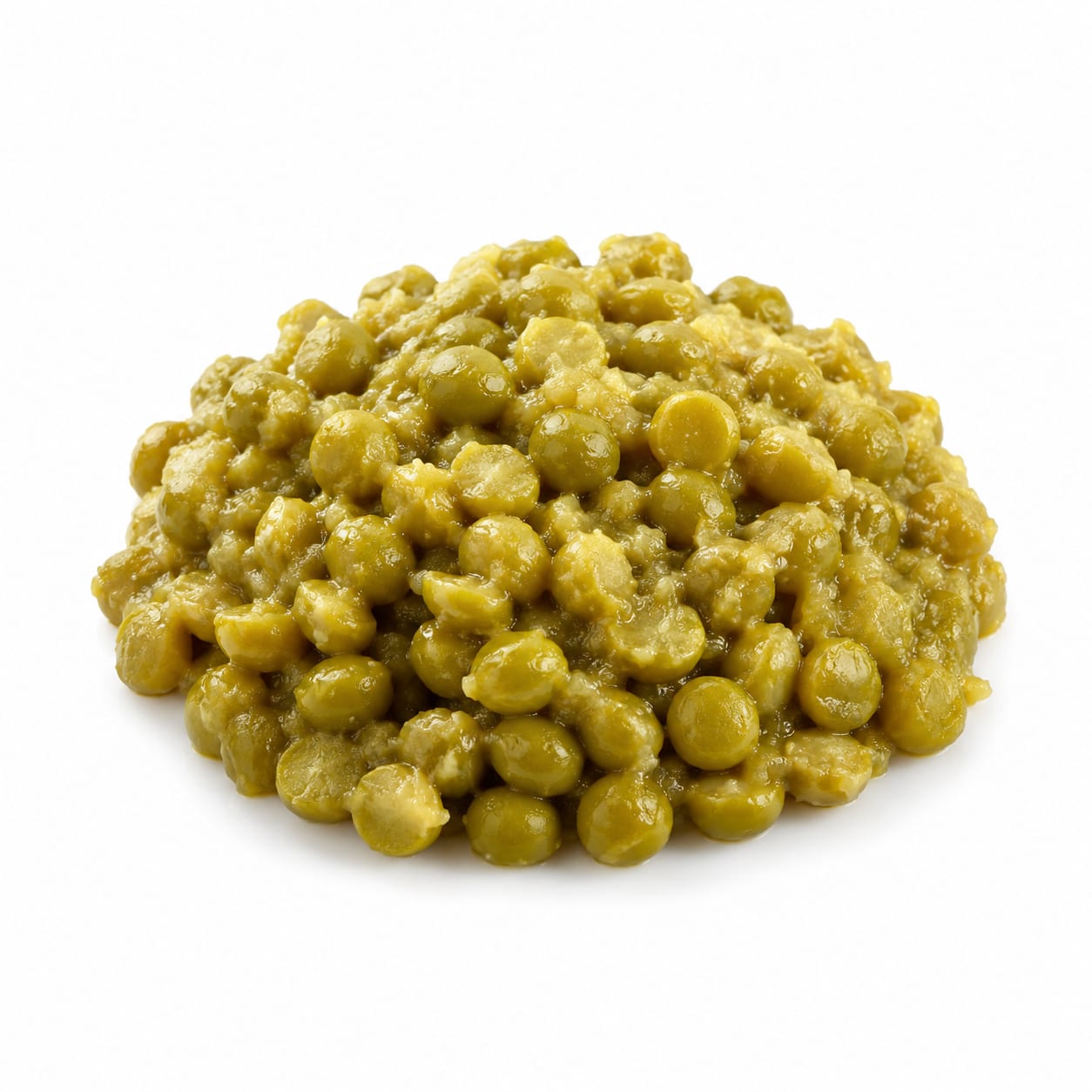
Compare with
Split Pea
Split peas are higher in sugar and break down faster than black lentils, which maintain their structure and provide steadier energy.
Black lentils maintain their structure better than split peas and provide steadier energy, making them superior for blood sugar control.
This food
Black Lentil
VS30% alike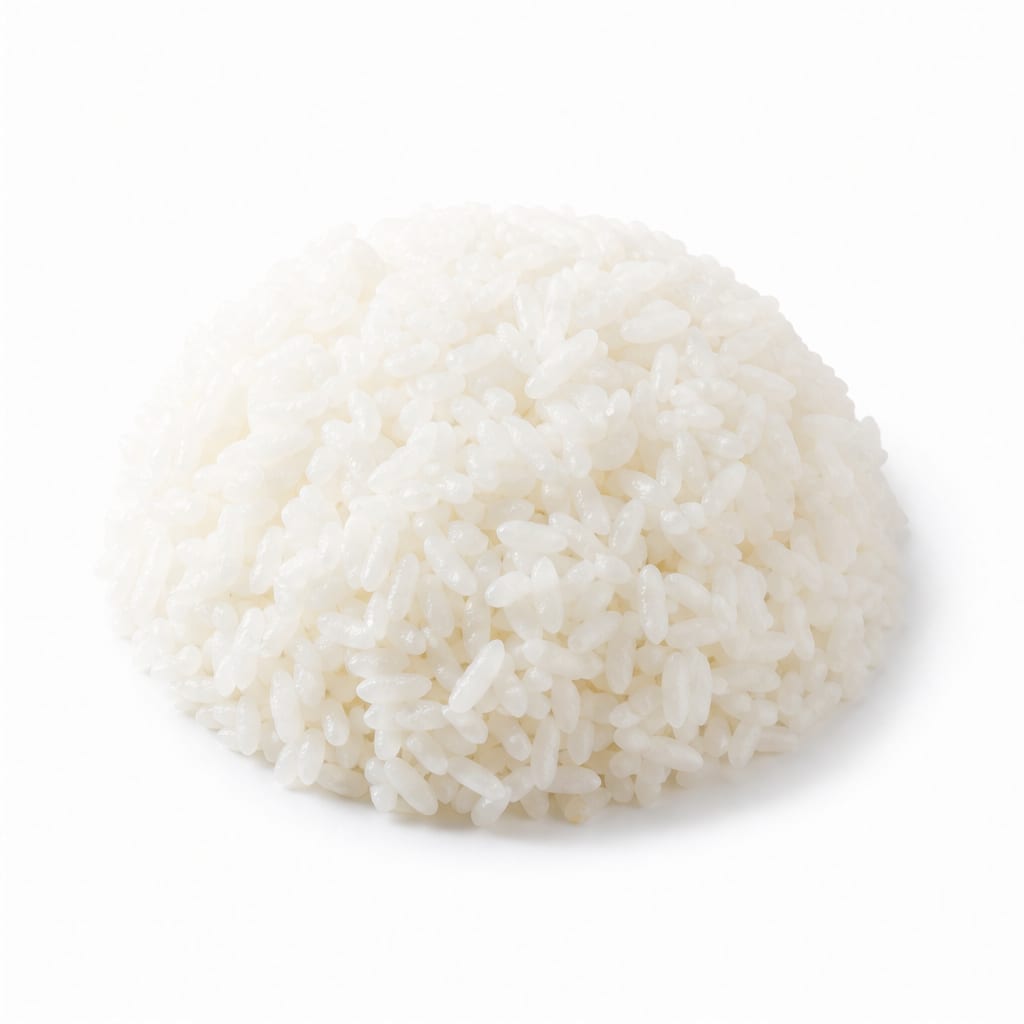
Compare with
White Rice
Black lentils provide vastly more protein, fiber, and micronutrients than white rice, which spikes blood sugar and offers little satiety.
Black lentils are vastly superior to white rice for weight loss and blood sugar control, offering far more protein and fiber per calorie.
Common questions
FAQ
Answers aligned with how people search for this food.
Are black lentils good for weight loss?
Yes, their high protein and fiber content increase satiety and help control appetite, making them an excellent food for weight loss.
Do black lentils spike blood sugar?
No, they have a low glycemic index and contain resistant starch, which ensures a slow, steady release of glucose into the bloodstream.
Are black lentils healthier than green or red lentils?
Black lentils are nutritionally similar to green lentils but generally contain slightly more protein and iron, and hold their shape better when cooked compared to red lentils.
Do you need to soak black lentils before cooking?
Soaking is not strictly necessary as they cook relatively fast, but soaking for 2-4 hours reduces phytic acid and improves mineral absorption and digestibility.
Can you eat black lentils on a low-carb diet?
In strict moderation, yes, but they are relatively high in carbohydrates (20g per 100g cooked), making them better suited for moderate-carb diets rather than keto.
Why are black lentils called beluga lentils?
They are named after beluga caviar because their small, round, glistening black appearance closely resembles the luxury fish eggs.
Are black lentils a complete protein?
No, like most legumes, they are low in methionine. Pairing them with grains like rice or quinoa creates a complete amino acid profile.
How long do black lentils take to cook?
Unsoaked black lentils typically take 20-25 minutes to simmer until tender, which is faster than many other beans and legumes.
Transparency
Data confidence
Estimated confidence for nutrition data, interpretation, safety notes, and comparisons.
Nutrition data
Health analysis
Food safety
Comparisons