
Nutrition comparison
Black Lentils vs Chickpeas: Which Is Healthier for You?
Black lentils pack more protein and iron per calorie with steadier blood sugar. Chickpeas win on versatility and recipe variety. Compare nutrition, digestion, and best uses side by side.
Overall winner · Black Lentil
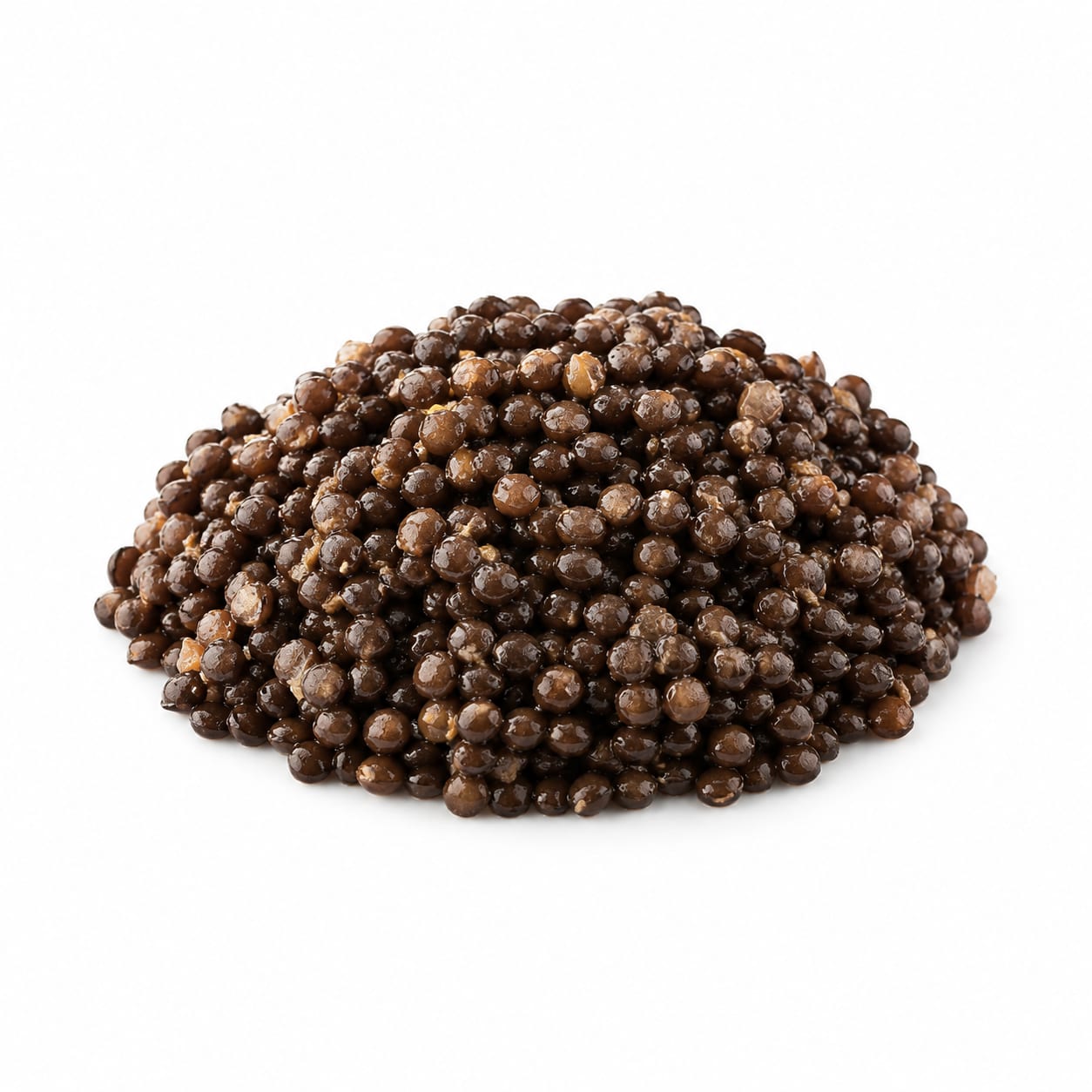
Black Lentil
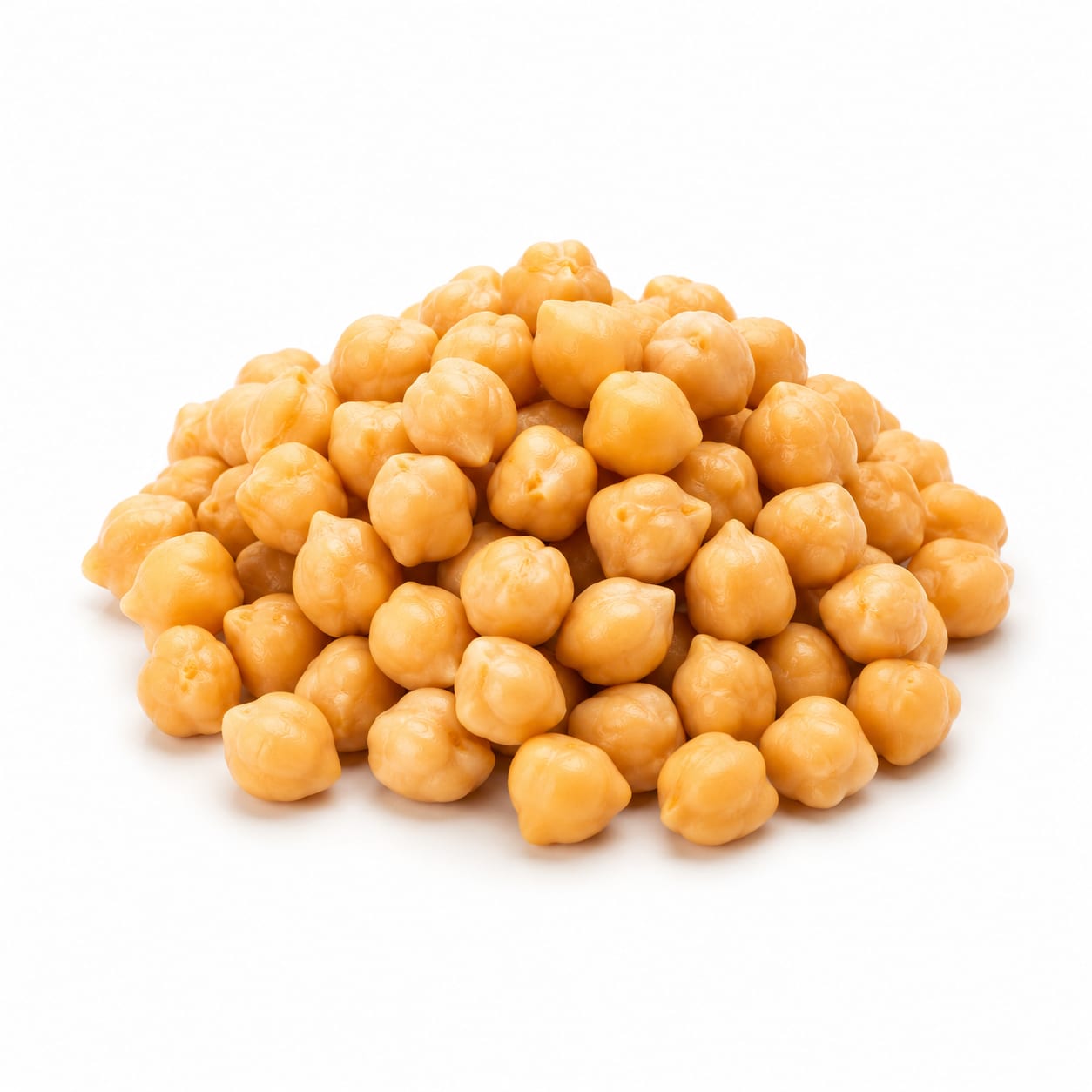
Chickpea
Black lentils win on nutritional density—more protein, more iron, fewer calories, and steadier blood sugar. Chickpeas win on versatility and availability.
Black lentils score higher due to superior protein density, lower calories, higher iron, and better blood sugar impact. Chickpeas remain strong on versatility, folate, and everyday practicality, closing the gap for casual users who prioritize convenience over nutritional optimization.
Nutritional efficiency versus kitchen flexibility. Black lentils give you more per bite, but chickpeas fit into far more meals and are easier to find.
At a glance
Executive summary
Overall
Black Lentil
Healthier
Black Lentil
More practical
Chickpea
Daily use
Black Lentil
Key comparison lenses
protein density per calorie
Black lentils deliver significantly more protein per calorie, making them critical for anyone tracking macros or eating in a calorie deficit
blood sugar stability
Both are low-glycemic but black lentils have a slight edge due to lower starch and higher fiber ratio, relevant for diabetes and energy management
meal versatility and practicality
Chickpeas dominate in recipe flexibility—hummus, curries, roasted snacks, salads—while black lentils work best in soups and grain bowls
iron and mineral density
Black lentils provide notably more iron per serving, a key concern for vegetarians and women of reproductive age
digestive tolerance
Chickpeas are notorious for causing bloating in some people; black lentils are generally easier to digest despite still being high-fiber
Best choice for
Black Lentil
- Weight loss and calorie-conscious eating
- Iron-deficient vegetarians and vegans
- Blood sugar management and diabetes
- High-protein plant-based diets
- Quick weeknight soups and grain bowls
Chickpea
- Meal prep variety and recipe flexibility
- Making hummus, falafel, and dips
- Roasted crunchy snacks
- Families needing crowd-pleasing options
- Budget shoppers wanting wide availability
Least suitable for
Black Lentil
- People who need quick pantry staples at any grocery store
- Those wanting to make creamy dips or spreads
- Pickier eaters unfamiliar with lentil textures
Chickpea
- People highly sensitive to bloating and gas
- Strict calorie counters wanting maximum protein per calorie
- Those managing iron deficiency who need dense mineral sources
Deep comparison
Dimension by dimension
Each lens scores both foods and breaks down who each option suits.
- Dimension 1 · Priority 93Black Lentil
Protein Density
Black Lentil · 91Chickpea · 68Black lentils pack roughly 50% more protein per calorie than chickpeas, making them the clear winner for anyone eating plant-based or watching portions.
Tradeoff
You sacrifice the creaminess and bulk that chickpeas provide in meals, which can leave plates feeling less substantial.
Why it matters
Higher protein per calorie means you stay full longer without overshooting your daily intake—critical for weight management and muscle maintenance.
Real-world impact
A cup of black lentils gives you about 18g of protein for 230 calories. The same protein from chickpeas costs roughly 340 calories.
Black Lentil
- Plant-based athletes hitting protein targets
- Anyone in a calorie deficit
- People replacing meat with legumes
Better for
- Recipes needing a creamy, starchy base
Worse for
Chickpea
- Those who prioritize meal satisfaction over macro efficiency
Better for
- Tight calorie budgets requiring protein efficiency
Worse for
- Dimension 2 · Priority 88Black Lentil
Blood Sugar Stability
Black Lentil · 86Chickpea · 74Both are low-glycemic, but black lentils have a lower glycemic load per serving thanks to less starch and a higher fiber-to-carb ratio.
Tradeoff
Chickpeas provide faster energy recovery after intense exercise due to slightly more available carbohydrates.
Why it matters
Steadier blood sugar means fewer afternoon crashes, less cravings, and better long-term metabolic health.
Real-world impact
A black lentil lunch keeps energy smoother through the afternoon. Chickpeas may cause a milder dip 2-3 hours post-meal for sensitive individuals.
Black Lentil
- People with prediabetes or type 2 diabetes
- Anyone prone to afternoon energy crashes
- Low-carb or moderate-carb eaters
Better for
- Situations requiring quick glycogen refueling
Worse for
Chickpea
- Endurance athletes needing post-workout carb replenishment
Better for
- Frequent snackers triggered by blood sugar dips
Worse for
- Dimension 3 · Priority 82Black Lentil
Iron and Mineral Content
Black Lentil · 88Chickpea · 65Black lentils are notably richer in iron—roughly 37% of daily value per cup cooked versus 26% for chickpeas. They also edge ahead in magnesium and phosphorus.
Tradeoff
Chickpeas offer more folate and manganese, minerals important for cell repair and bone health.
Why it matters
Iron deficiency is the most common nutrient shortfall worldwide, especially for menstruating women and plant-based eaters who lack heme iron sources.
Real-world impact
Regularly choosing black lentils over chickpeas can meaningfully move the needle on iron intake without supplements.
Black Lentil
- Vegetarians and vegans at risk for iron deficiency
- Women with heavy menstrual cycles
- Frequent blood donors
Better for
- Those specifically supplementing folate intake through food
Worse for
Chickpea
- Pregnant women needing extra folate
- People focused on bone mineral density
Better for
- Anyone already borderline on iron levels
Worse for
- Dimension 4 · Priority 86Chickpea
Versatility and Practicality
Black Lentil · 58Chickpea · 90Chickpeas are the Swiss army knife of legumes—hummus, curries, roasted snacks, pasta alternatives, salads, and baking. Black lentils are more niche.
Tradeoff
You give up some nutritional density for a pantry staple that works in almost any cuisine or meal format.
Why it matters
The best healthy food is the one you actually enjoy cooking and eating repeatedly. Versatility drives long-term adherence.
Real-world impact
Chickpeas can anchor five different meals in a week without feeling repetitive. Black lentils start to feel samey after two or three.
Black Lentil
- Minimalist cooks happy with soups and bowls on rotation
Better for
- People who get bored eating similar textures repeatedly
Worse for
Chickpea
- Meal preppers wanting variety across the week
- Families with diverse taste preferences
- Home cooks exploring Mediterranean and Indian recipes
- Snackers who want roasted crunchy options
Better for
- None significant—versatility is a pure advantage here
Worse for
- Dimension 5 · Priority 76Black Lentil
Digestive Tolerance
Black Lentil · 78Chickpea · 62Black lentils are generally easier on the gut, producing less gas and bloating than chickpeas for most people.
Tradeoff
Chickpeas contain more resistant starch, which feeds beneficial gut bacteria—but the fermentation process causes discomfort in sensitive individuals.
Why it matters
Digestive distress can undermine otherwise healthy eating habits, making people abandon legumes entirely.
Real-world impact
If chickpeas leave you bloated for hours, black lentils are a gentler entry point into eating more legumes without the discomfort.
Black Lentil
- People with IBS or sensitive digestion
- Legume newcomers building tolerance gradually
- Those who stopped eating beans due to bloating
Better for
- Situations where prebiotic resistant starch is specifically desired
Worse for
Chickpea
- People with robust digestion seeking prebiotic benefits
Better for
- Social situations where bloating is uncomfortable
- Date nights or events after a legume-heavy meal
Worse for
- Dimension 6 · Priority 84Black Lentil
Calorie Efficiency
Black Lentil · 87Chickpea · 66Black lentils deliver more protein, fiber, and iron per calorie than chickpeas, making them the better choice when every calorie counts.
Tradeoff
Chickpeas provide more volume and creaminess per serving, which can feel more satisfying for people who eat by plate fullness rather than tracking macros.
Why it matters
For anyone managing weight, calorie density determines whether a food supports or sabotages portion control.
Real-world impact
You can eat a generous bowl of black lentil soup for under 300 calories with 18g of protein. The same bowl with chickpeas runs closer to 400 calories.
Black Lentil
- Weight loss diets
- Intermittent fasting eaters with limited meal windows
- Anyone counting calories or macros
Better for
- Those who find small portions unsatisfying regardless of nutrient density
Worse for
Chickpea
- People who need to feel physically full to be satisfied
- Underweight individuals seeking calorie surplus
Better for
- Mindless snacking scenarios where calorie density leads to overconsumption
Worse for
Timeline
Health impact over time
Short-term
Hours to days
Black Lentil
- Steady energy without blood sugar spikes or crashes
- Mild satiety from high protein and fiber—keeps you full for hours
- Low bloating risk compared to other legumes
Chickpea
- Moderate energy with a slightly faster rise and gentle dip
- Good fullness from volume and starch content
- Higher likelihood of gas and bloating, especially if not accustomed to legumes
Long-term
Months to years
Black Lentil
- Better iron status reduces fatigue and supports cognitive function over time
- Consistent low-glycemic eating supports insulin sensitivity
- High protein intake helps preserve lean muscle during aging
Chickpea
- Excellent folate intake supports cell repair and cardiovascular health
- Resistant starch feeds gut microbiome diversity with regular consumption
- Manganese contributes to bone health and metabolic enzyme function
Risk profile
Safety & processing
Both black lentils and chickpeas are whole, minimally processed foods in their dried form. Canned versions may contain added sodium, so rinsing is recommended. Neither raises concerns about artificial additives, preservatives, or ultra-processing when bought dried or low-sodium canned.
Black Lentil
Lectin content if undercooked
mediumRaw or undercooked lentils contain lectins that can cause nausea and digestive upset. Always cook thoroughly—lentils should be soft throughout, not crunchy.
Pesticide residue on conventional crops
lowLentils generally have low pesticide residues, but organic options further reduce exposure if budget allows.
Chickpea
Lectin content if undercooked
mediumChickpeas have higher lectin levels than lentils when raw. Dried chickpeas must be fully cooked; canned chickpeas are pre-cooked and safe.
Canned sodium load
mediumCanned chickpeas often contain 300-500mg sodium per serving. Rinsing removes about 40%, but sodium-conscious individuals should check labels or cook from dried.
Pesticide residue on conventional crops
lowChickpeas are not typically high-pesticide crops, but conventional farming uses glyphosate as a pre-harvest desiccant in some regions.
Who wins for whom
Audience fit
Same foods, different winners depending on your goal.
children
ChickpeaChickpeas are milder in flavor, creamier in texture, and more familiar in kid-friendly formats like hummus and roasted snacks.
daily consumption
Black LentilSuperior nutritional density and easier digestion make black lentils better suited as an everyday staple, assuming you enjoy their flavor and texture.
diabetes
Black LentilLower glycemic load and higher fiber-to-carb ratio provide steadier blood sugar responses, reducing post-meal glucose spikes.
elderly
ChickpeaChickpeas offer more folate for cellular repair and are easier to puree or mash for those with dental or swallowing difficulties.
muscle gain
Black LentilHigher protein density per calorie supports muscle protein synthesis more efficiently, especially when total calorie intake needs to be managed.
weight loss
Black LentilMore protein and fiber per calorie means better satiety with fewer calories, making it easier to maintain a deficit without feeling deprived.
Your move
Decision guide
Choose Black Lentil
- You want maximum nutrition per calorie—more protein, more iron, fewer carbs
- Blood sugar management is a priority for you
- You experience bloating with chickpeas but still want legume benefits
- You are vegetarian or vegan and need efficient iron and protein sources
- You enjoy simple meals like soups, stews, and grain bowls
Choose Chickpea
- You value recipe variety and want one legume that works across cuisines
- You make hummus, falafel, or roasted snacks regularly
- You are cooking for a family with diverse preferences
- You need folate support, especially during pregnancy
- You find lentils uninspiring and would actually eat chickpeas more consistently
Either works if
- You simply want more plant-based meals and will eat whichever is available
- You rotate legumes weekly for microbiome diversity
- Budget is the primary driver—buy whichever is on sale
Avoid both if
- You have a diagnosed legume allergy
- You are in the strict elimination phase of a low-FODMAP diet
- You experience severe GI distress from all legumes even after gradual introduction
Final recommendation
Keep both in your pantry but lean on black lentils as your daily driver for nutritional density. Use chickpeas when you need versatility, want hummus, or are cooking for a crowd. If you must pick one, black lentils give you more health payoff per bite—but only if you will actually cook and eat them regularly.
Practical
Consumer tips
- 1
Buy dried black lentils in bulk—they cook in 20-25 minutes without soaking, unlike chickpeas which need overnight soaking or 1+ hour cooking
- 2
Rinse canned chickpeas thoroughly to remove about 40% of added sodium
- 3
Add a splash of lemon juice or vinegar to lentil cooking water—it improves iron absorption by making the iron more bioavailable
- 4
Start with half-cup portions if you are new to legumes and increase gradually over two weeks to let your gut adapt
- 5
Freeze cooked lentils in portioned bags—they thaw quickly and eliminate the 25-minute cook time on busy nights
- 6
Look for low-sodium or no-salt-added canned chickpeas if convenience matters more than cooking from dried
- 7
Pair either legume with a vitamin C source like bell peppers or tomatoes to boost iron absorption by up to 6x