
Nutrition comparison
Green Lentils vs Black Lentils: Nutrition, Protein, and Which to Buy
Compare Green Lentils vs Black Lentils on protein, antioxidants, iron, cost, and taste. Find out which lentil is better for weight loss, muscle gain, and daily meals.
Overall winner · Black Lentil
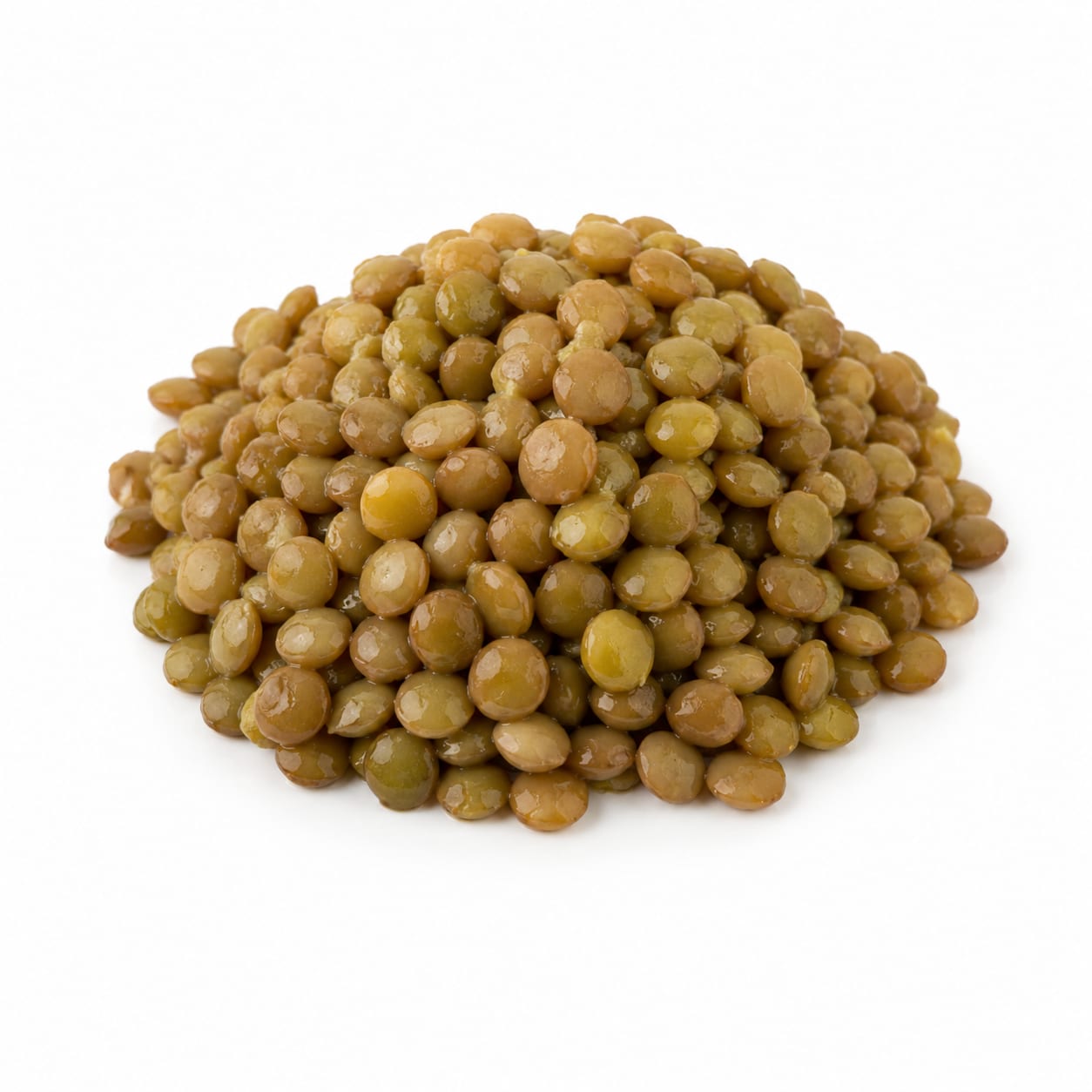
Green Lentil
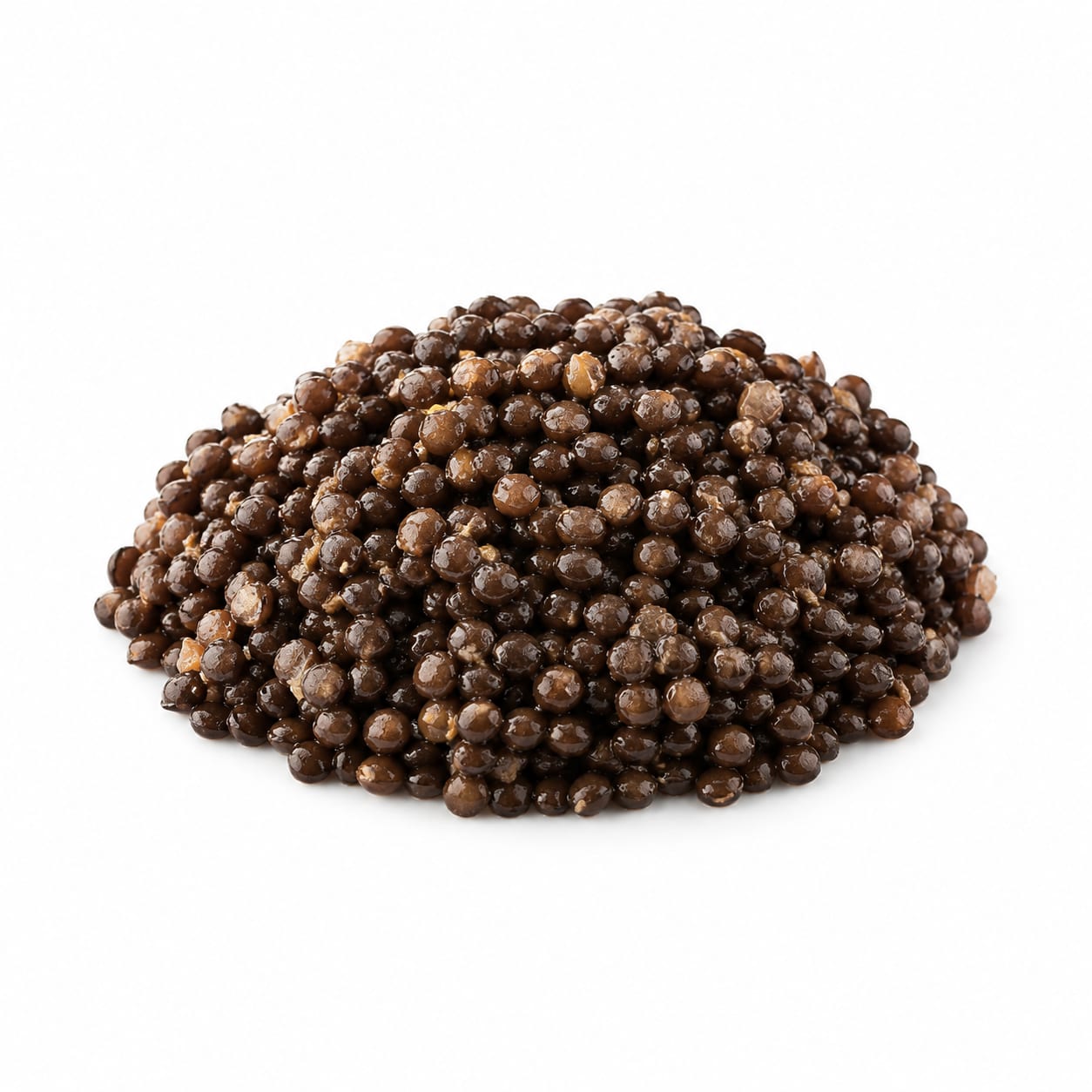
Black Lentil
Black Lentils narrowly win on nutrition density, especially protein and antioxidants, but Green Lentils are the smarter everyday choice for budget and availability.
Black Lentils score higher due to superior protein, iron, and antioxidant content, but the margin is modest because Green Lentils are nutritionally strong and far more practical for daily use.
You trade higher antioxidant and protein content for a significantly higher price tag and less grocery store availability.
At a glance
Executive summary
Overall
Black Lentil
Healthier
Black Lentil
More practical
Green Lentil
Daily use
Green Lentil
Key comparison lenses
Protein density and muscle support
Both are top-tier plant proteins, but Black Lentils edge ahead with slightly more protein per serving, making the gap relevant for athletes and vegetarians
Antioxidant and anti-inflammatory value
Black Lentils derive their dark color from anthocyanins, offering significantly more antioxidant power than Green Lentils
Blood sugar stability and satiety
Both are excellent for steady energy, but subtle fiber and starch differences affect how full you stay and how gradually glucose enters your bloodstream
Mineral density and anemia prevention
Iron and folate content differs meaningfully, which matters for vegetarians, pregnant women, and anyone prone to fatigue
Cost and everyday practicality
Green Lentils are far more affordable and widely available, while Black Lentils often carry a premium price
Best choice for
Green Lentil
- Budget-conscious meal preppers
- Families cooking in bulk
- Anyone who values easy grocery availability
- People new to cooking lentils
Black Lentil
- Vegetarians maximizing protein per calorie
- Those prioritizing antioxidant intake
- Home cooks wanting an elegant presentation
- Anyone fighting inflammation or oxidative stress
Least suitable for
Green Lentil
- Those seeking peak antioxidant density from lentils
- Diners wanting a visually striking dish
Black Lentil
- Tight grocery budgets
- Quick weeknight cooking when only standard lentils are stocked
Deep comparison
Dimension by dimension
Each lens scores both foods and breaks down who each option suits.
- Dimension 1 · Priority 92Black Lentil
Protein Density
Green Lentil · 78Black Lentil · 88Black Lentils pack roughly 25-26g protein per cooked cup versus about 18g for Green Lentils, a meaningful gap for plant-based eaters.
Tradeoff
That extra protein comes with a higher price per gram of protein, so the value depends on how much you rely on lentils as your primary protein source.
Why it matters
If lentils are your main protein, even a few extra grams per meal add up over the week and reduce the need for supplemental proteins.
Real-world impact
A vegetarian eating Black Lentils daily gets closer to protein targets without adding another protein source to their plate.
Green Lentil
- Casual lentil eaters who get protein from other sources too
Better for
- Those relying heavily on lentils as a sole protein staple
Worse for
Black Lentil
- Vegans and vegetarians counting every protein gram
- Athletes recovering between training sessions
Better for
- Budget-limited households where cost per gram of protein matters most
Worse for
- Dimension 2 · Priority 88Black Lentil
Antioxidant Power
Green Lentil · 55Black Lentil · 90The dark pigment in Black Lentils signals high anthocyanin content, the same compound found in blueberries. Green Lentils have far less.
Tradeoff
You pay a premium for that antioxidant boost, and you could also get anthocyanins from cheaper sources like frozen berries.
Why it matters
Chronic inflammation drives aging and disease. Getting antioxidants from staple foods like lentils means consistent protection without extra supplements.
Real-world impact
Eating Black Lentils regularly is like getting a mild anti-inflammatory benefit built into your base meal, rather than having to add a separate superfood.
Green Lentil
- Those already eating a colorful antioxidant-rich diet
Better for
- Those relying on lentils as a primary antioxidant source
Worse for
Black Lentil
- People with inflammatory conditions like arthritis
- Anyone wanting to maximize antioxidant intake from savory foods
Better for
- People who assume the antioxidant advantage justifies any price
Worse for
- Dimension 3 · Priority 85It depends
Blood Sugar Stability
Green Lentil · 82Black Lentil · 84Both lentils are low-glycemic powerhouses. Black Lentils have slightly more fiber and resistant starch, giving a marginal edge in slowing glucose absorption.
Tradeoff
The difference is small enough that either choice keeps blood sugar remarkably steady compared to most other carb sources.
Why it matters
Stable blood sugar means no afternoon crash, fewer cravings, and more consistent energy throughout the day.
Real-world impact
Either lentil variety beats rice, pasta, or bread for avoiding the post-meal energy dip. The gap between them is barely noticeable in daily life.
Green Lentil
- Those who find Green Lentils easier to digest and can eat larger portions
Better for
- No significant downside here
Worse for
Black Lentil
- Diabetics optimizing every marginal glycemic advantage
Better for
- No significant downside here
Worse for
- Dimension 4 · Priority 80Black Lentil
Iron and Mineral Density
Green Lentil · 72Black Lentil · 85Black Lentils deliver significantly more iron per serving, along with higher folate and magnesium. This matters especially for menstruating women and vegetarians.
Tradeoff
Iron from lentils is non-heme iron, which absorbs less efficiently than heme iron from meat. Pairing with vitamin C helps close that gap.
Why it matters
Iron deficiency is the most common nutrient deficiency worldwide. Getting more from a staple food reduces reliance on supplements.
Real-world impact
A woman prone to low iron who switches to Black Lentils and adds a squeeze of lemon gets a meaningful boost toward her daily iron needs.
Green Lentil
- Those with adequate iron status who do not need to optimize
Better for
- Those specifically trying to boost iron through food
Worse for
Black Lentil
- Menstruating women with low iron stores
- Pregnant women needing folate and iron together
- Vegetarians at risk for anemia
Better for
- People with hemochromatosis who need to limit iron
Worse for
- Dimension 5 · Priority 75Green Lentil
Cost and Accessibility
Green Lentil · 90Black Lentil · 55Green Lentils are cheap, stocked in every grocery store, and sold in bulk. Black Lentils are often specialty items costing two to three times more.
Tradeoff
Paying more for Black Lentils only makes sense if you specifically value their nutritional edge or visual appeal for certain dishes.
Why it matters
The healthiest food is the one you can afford to eat consistently. A cheaper lentil eaten daily beats a premium one eaten rarely.
Real-world impact
A family of four can eat Green Lentils three times a week without budget strain. Black Lentils might be a once-a-week splurge.
Green Lentil
- Large families cooking on a budget
- Meal preppers buying in bulk
- Rural shoppers with limited store options
Better for
- No real downside on cost
Worse for
Black Lentil
- Single diners where the cost difference is small in absolute terms
- Special occasion meals where presentation matters
Better for
- Anyone feeding a household on a tight grocery budget
Worse for
- Dimension 6 · Priority 70It depends
Culinary Versatility
Green Lentil · 80Black Lentil · 78Green Lentils hold their shape well and work in soups, salads, and sides. Black Lentils hold shape even better and look stunning but have a more specific flavor profile.
Tradeoff
Green Lentils blend into more dishes neutrally. Black Lentils stand out visually but can dominate simpler preparations.
Why it matters
If a food is versatile, you cook it more often and waste less. Boring versatility beats exciting novelty that you never use.
Real-world impact
Green Lentils disappear into a stew without anyone noticing. Black Lentils turn a simple salad into something that looks like it came from a restaurant.
Green Lentil
- Hearty soups and stews where lentils should blend in
- Comfort food preparations
- Recipes where neutral flavor is preferred
Better for
- Plated dishes where appearance matters
Worse for
Black Lentil
- Elegant salads and grain bowls
- Dinner parties where visual appeal matters
- Dishes where a firm, distinct lentil texture shines
Better for
- Recipes needing a soft, melting lentil texture
Worse for
Timeline
Health impact over time
Short-term
Hours to days
Green Lentil
- Steady energy without a sugar crash due to low glycemic index
- Good satiety that keeps you full for hours
- Possible bloating or gas if you are not used to high-fiber foods
Black Lentil
- Similar steady energy with slightly longer satiety from extra protein and fiber
- Mild anti-inflammatory effect from anthocyanins within hours of eating
- Slightly firmer texture may feel heavier in the stomach for sensitive digesters
Long-term
Months to years
Green Lentil
- Consistent intake supports heart health and cholesterol management
- Affordable enough to eat regularly, making long-term adherence realistic
- Good but not exceptional antioxidant protection compared to darker lentils
Black Lentil
- Superior long-term anti-inflammatory and cellular protection from anthocyanins
- Higher iron intake reduces anemia risk over years, especially for vegetarians
- Cost may discourage daily consumption, weakening the long-term benefit
Risk profile
Safety & processing
Both Green Lentils and Black Lentils are whole, dried legumes with no additives. They are among the least processed protein sources available. The only concern is potential pesticide residue on conventional crops, which rinsing and cooking largely addresses.
Green Lentil
Pesticide residue on conventional crops
lowLentils are not among the highest pesticide crops, but conventional farming uses them. Rinsing thoroughly and choosing organic reduces exposure.
Phytic acid reducing mineral absorption
lowAll lentils contain phytic acid, which can bind iron and zinc. Soaking before cooking significantly reduces this effect.
Black Lentil
Pesticide residue on conventional crops
lowSimilar to Green Lentils. The darker skin may retain slightly more surface residue, so rinsing is especially important.
Phytic acid reducing mineral absorption
lowSame concern as Green Lentils. Soaking or sprouting before cooking mitigates this effectively.
Who wins for whom
Audience fit
Same foods, different winners depending on your goal.
children
Green LentilGreen Lentils are milder in flavor, softer when cooked, and cheaper for growing appetites. Kids are more likely to accept them without fuss.
daily consumption
Green LentilAffordability and availability make Green Lentils realistic as a daily staple. The best lentil for daily use is the one you can afford to eat every day.
diabetes
It dependsBoth are excellent low-glycemic choices. The marginal fiber advantage of Black Lentils is less impactful than simply eating lentils instead of refined carbs.
elderly
Black LentilOlder adults benefit more from the extra iron, folate, and anti-inflammatory antioxidants in Black Lentils, supporting cardiovascular and cognitive health.
muscle gain
Black LentilThe higher protein density per serving makes Black Lentils a more efficient plant-based muscle-building food.
weight loss
Black LentilBlack Lentils offer more protein and slightly more fiber per calorie, keeping you fuller longer with less temptation to snack.
Your move
Decision guide
Choose Green Lentil
- You are feeding a family on a budget
- You want a neutral-tasting lentil that works in any recipe
- Your grocery store does not reliably stock Black Lentils
- You are new to cooking lentils and want a forgiving, easy option
Choose Black Lentil
- You are vegetarian and optimizing protein and iron intake
- You want maximum antioxidant benefit from your staple foods
- You are cooking a dish where visual elegance matters
- You are willing to pay more for a nutritionally superior lentil
Either works if
- You simply want a low-glycemic, high-fiber carb replacement for rice or pasta
- You are looking for steady energy without blood sugar spikes
- You want a plant-based food that supports heart health
Avoid both if
- You have severe legume allergies
- You are in an acute gout flare and need to limit purines temporarily
- You experience significant digestive distress from high-fiber foods even after gradual introduction
Final recommendation
For most people, Green Lentils are the smarter everyday choice because they deliver 85% of the nutritional value at a fraction of the cost. Reserve Black Lentils for occasions where their visual appeal and antioxidant edge truly shine, like salads, grain bowls, or when you are actively trying to boost iron and anti-inflammatory intake. The healthiest lentil is the one you eat consistently.
Practical
Consumer tips
- 1
Soak both lentil varieties for 4 to 8 hours before cooking to reduce phytic acid and improve mineral absorption
- 2
Add a splash of lemon juice or vinegar to cooked lentils to significantly boost iron absorption from non-heme sources
- 3
Buy Green Lentils in bulk for everyday cooking and a smaller bag of Black Lentils for special dishes
- 4
Rinse all dried lentils thoroughly before cooking to remove dust, debris, and surface pesticide residue
- 5
If Black Lentils are hard to find, check online retailers or specialty stores rather than overpaying at boutique grocers
- 6
Freeze cooked lentils in portioned bags so you always have ready-to-use protein without cooking from scratch each time