
Nutrition comparison
Black Lentils vs Black Beans: Protein, Fiber, and Which One to Eat
Black Lentils pack more protein and cook faster. Black Beans deliver more fiber and antioxidants. Compare nutrition, digestion, and best uses for each legume.
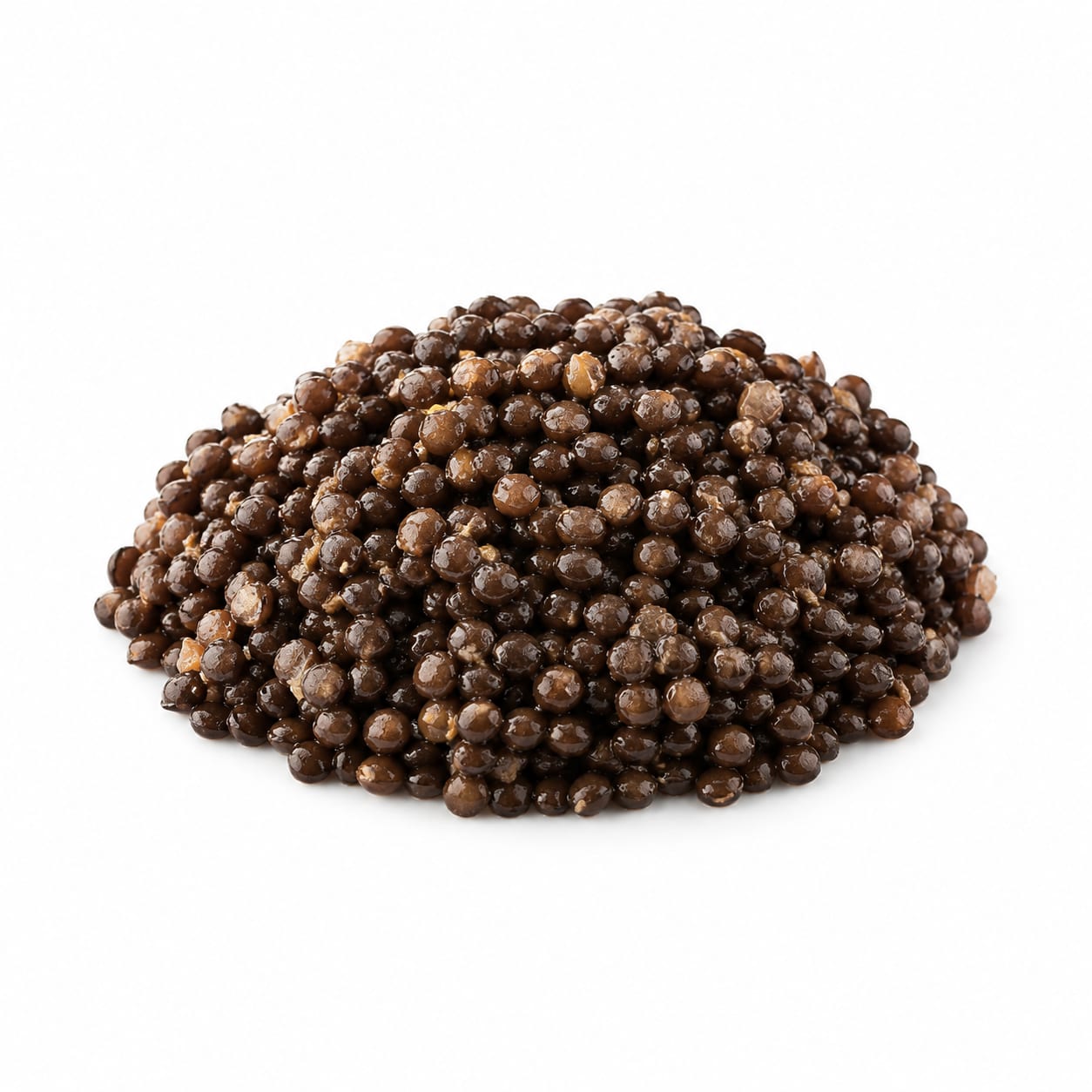
Black Lentil
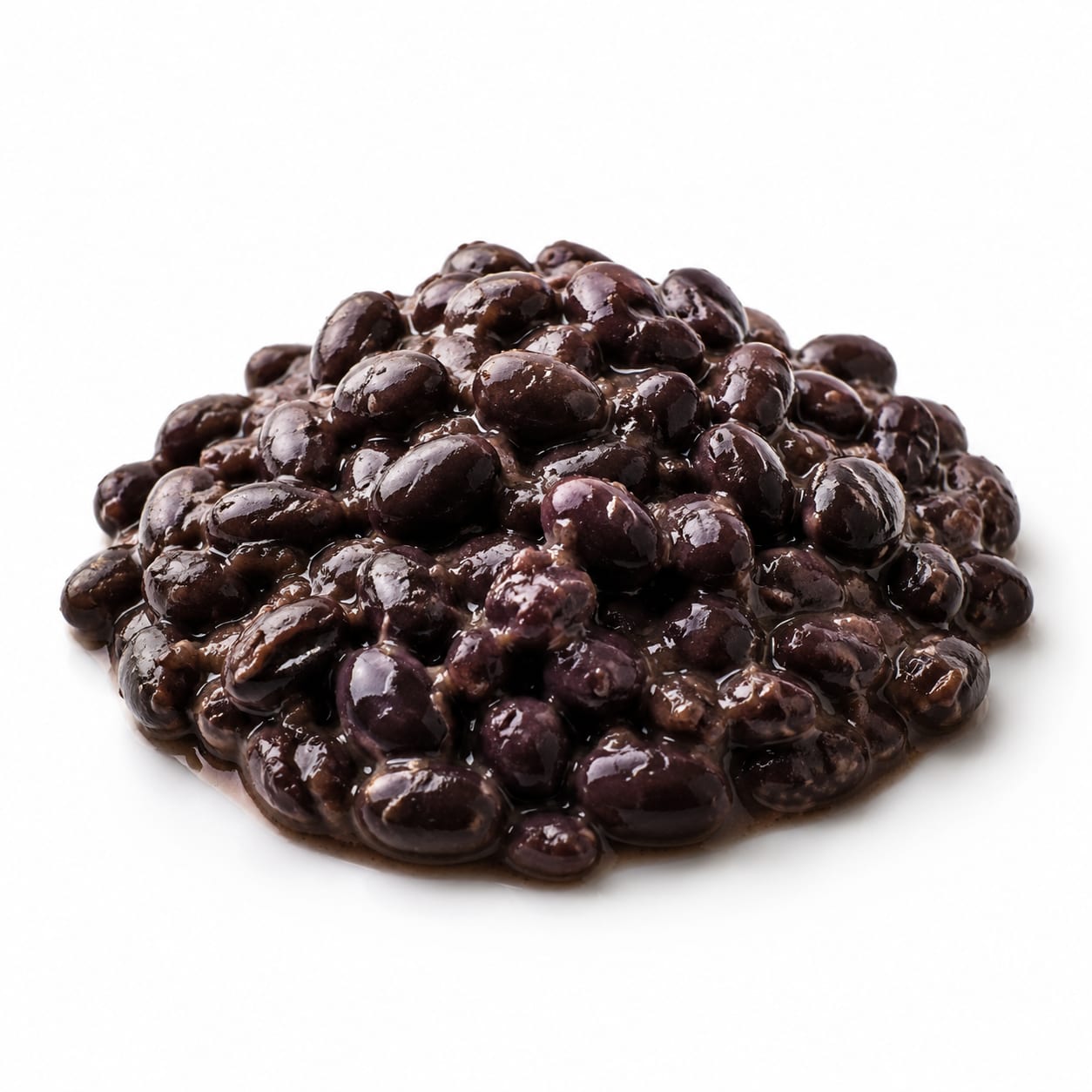
Black Bean
Black Lentils win on protein density and digestibility; Black Beans win on fiber, antioxidants, and recipe versatility. Your choice depends on what your plate needs most.
Black Lentils score higher due to superior protein density, faster cooking time, and easier digestion. Black Beans stay competitive with stronger fiber content, richer antioxidant profile, and unmatched culinary versatility. The gap is narrow because both are excellent whole-food legume choices.
More protein and easier digestion with Black Lentils versus more fiber, more antioxidants, and broader culinary flexibility with Black Beans.
At a glance
Executive summary
Overall
It depends
Healthier
Black Lentil
More practical
Black Bean
Daily use
It depends
Key comparison lenses
protein density per calorie
Black Lentils deliver significantly more protein per calorie, making them the go-to for anyone tracking macros or building muscle on a plant-based diet
blood sugar management
Both are low-glycemic, but Black Lentils have a slight edge with slower glucose release and lower starch density, which matters for diabetes and energy stability
meal versatility and cultural familiarity
Black Beans are a staple in Latin American cooking with endless recipe options, while Black Lentils are less familiar but excel in salads and bowls
digestive tolerance and gas production
Both can cause bloating, but Black Lentils are generally easier to digest and produce less gas than Black Beans for sensitive stomachs
iron and mineral density
Black Lentils pack more iron per serving, which is critical for vegetarians and women prone to deficiency
Best choice for
Black Lentil
- Plant-based athletes needing high protein per calorie
- People with sensitive digestion who still want legumes
- Anyone managing blood sugar closely
- Iron-deficient vegetarians and vegans
- Quick weeknight meals since Black Lentils cook faster
Black Bean
- Fiber-focused eaters aiming for gut health
- Latin American and Caribbean recipe enthusiasts
- Budget-conscious shoppers buying in bulk
- People wanting antioxidant variety from anthocyanins
- Meal preppers who want a versatile base for many dishes
Least suitable for
Black Lentil
- People unfamiliar with lentil cooking who want simple canned options
- Those seeking maximum fiber per serving
- Traditional recipes that specifically require beans
Black Bean
- People with severe IBS or bean sensitivity
- Those counting calories tightly who want maximum protein efficiency
- Anyone short on time since dried Black Beans need long soaking and cooking
Deep comparison
Dimension by dimension
Each lens scores both foods and breaks down who each option suits.
- Dimension 1 · Priority 93Black Lentil
Protein Density and Quality
Black Lentil · 88Black Bean · 72Black Lentils deliver roughly 25-30% more protein per calorie than Black Beans, making them one of the most protein-efficient plant foods available.
Tradeoff
You get more protein per bite with Black Lentils, but Black Beans still offer solid protein with more fiber to keep you full longer.
Why it matters
For anyone eating plant-based, every gram of protein per calorie counts. Black Lentils make hitting protein targets easier without overeating.
Real-world impact
A cup of Black Lentils gets you noticeably closer to your daily protein goal than the same portion of Black Beans, with fewer calories.
Black Lentil
- Building lean muscle on a vegan diet
- Keeping meals protein-rich without excess calories
Better for
- Recipes where you want the creamier, starchier texture beans provide
Worse for
Black Bean
- Meals where fiber-driven fullness matters more than protein density
Better for
- Protein-forward meals like post-workout bowls where lentils deliver more efficiently
Worse for
- Dimension 2 · Priority 88Black Bean
Fiber and Gut Health
Black Lentil · 75Black Bean · 86Black Beans provide more total fiber per serving, including more soluble fiber that feeds beneficial gut bacteria.
Tradeoff
More fiber in Black Beans means better gut health support but also more potential for gas and bloating if your body is not used to it.
Why it matters
Fiber is the most underconsumed nutrient in most diets. Black Beans are one of the easiest ways to close that gap significantly.
Real-world impact
Regular Black Bean eaters often notice improved digestion regularity, though the adjustment period can involve some bloating.
Black Lentil
- People easing into high-fiber diets who need a gentler starting point
Better for
- Those relying on a single legume to meet all fiber needs
Worse for
Black Bean
- Anyone actively trying to hit 30g+ fiber daily
- Gut microbiome optimization through prebiotic soluble fiber
Better for
- People with IBS or FODMAP sensitivities who find bean fiber overwhelming
Worse for
- Dimension 3 · Priority 86Black Lentil
Blood Sugar Stability
Black Lentil · 84Black Bean · 78Both are low-glycemic, but Black Lentils release glucose more slowly due to their lower starch-to-protein ratio and denser cellular structure.
Tradeoff
Black Lentils give steadier energy with less spike, while Black Beans have slightly more starch that can cause a gentler rise in some people.
Why it matters
For prediabetics and anyone avoiding afternoon energy crashes, the slower glucose release from Black Lentils makes a real difference.
Real-world impact
A Black Lentil lunch is less likely to leave you reaching for a snack at 3pm compared to a Black Bean meal with similar portions.
Black Lentil
- Diabetics and prediabetics managing post-meal glucose
- Sustained energy through long workdays
Better for
- Post-workout recovery where faster carbohydrate availability helps
Worse for
Black Bean
- Athletes who want some starch available for glycogen replenishment
Better for
- Sedentary evenings where even mild starch can feel heavy
Worse for
- Dimension 4 · Priority 82Black Bean
Antioxidant and Micronutrient Profile
Black Lentil · 73Black Bean · 83Black Beans are rich in anthocyanins from their dark seed coat, offering antioxidant power that Black Lentils cannot fully match despite their own polyphenol content.
Tradeoff
Black Beans give you more antioxidant diversity, while Black Lentils compensate with higher iron and folate per serving.
Why it matters
Anthocyanins are the same compounds that make blueberries famous. Getting them from a savory staple like Black Beans is a practical win.
Real-world impact
Regular Black Bean consumption contributes to long-term cellular protection and reduced inflammation, especially when paired with other colorful foods.
Black Lentil
- Iron-deficient individuals who need mineral density over antioxidant breadth
- Pregnant women needing extra folate
Better for
- Those specifically seeking anthocyanin-rich foods for antioxidant benefits
Worse for
Black Bean
- Long-term anti-inflammatory eating patterns
- People who do not eat berries regularly and need anthocyanin sources
Better for
- Situations where iron intake is the priority
Worse for
- Dimension 5 · Priority 79Black Lentil
Cooking Convenience and Speed
Black Lentil · 82Black Bean · 65Black Lentils cook in 20-25 minutes without soaking, while dried Black Beans require overnight soaking plus 60-90 minutes of cooking.
Tradeoff
Black Lentils save significant time on busy nights, but canned Black Beans close the convenience gap if you do not mind the sodium.
Why it matters
The difference between a 25-minute meal and a 2-hour cook time determines whether you actually cook legumes or reach for something processed.
Real-world impact
Black Lentils make spontaneous weeknight cooking realistic. Black Beans usually require planning ahead or relying on canned versions.
Black Lentil
- Last-minute dinners on busy weeknights
- Meal prep sessions where time is tight
Better for
- Recipes where a creamier, more broken-down texture is desired
Worse for
Black Bean
- Slow-cooked stews and soups where long cooking deepens flavor
- Batch cooking with a pressure cooker that neutralizes the time difference
Better for
- Impromptu cooking when you forgot to soak beans overnight
Worse for
- Dimension 6 · Priority 77Black Lentil
Digestive Tolerance
Black Lentil · 80Black Bean · 68Black Lentils are generally easier on the digestive system, producing less gas and bloating than Black Beans for most people.
Tradeoff
Easier digestion with Black Lentils means you can eat them more comfortably, but you miss out on the higher soluble fiber that makes Black Beans a prebiotic powerhouse.
Why it matters
If legumes make you bloated, Black Lentils are often the more comfortable entry point before working your way up to beans.
Real-world impact
People who gave up on beans due to gas often tolerate Black Lentils well enough to keep legumes in their diet.
Black Lentil
- Legume beginners with sensitive stomachs
- Anyone who wants plant protein without the bloating
Better for
- Situations where you want the full prebiotic load that beans deliver
Worse for
Black Bean
- Adapted gut microbiomes that handle beans without discomfort
- People who want maximum prebiotic fiber for gut bacteria
Better for
- Social situations where gas and bloating are unacceptable
Worse for
- Dimension 7 · Priority 75Black Bean
Culinary Versatility
Black Lentil · 70Black Bean · 85Black Beans are a backbone ingredient across Latin American, Caribbean, and Brazilian cuisines with thousands of established recipes. Black Lentils are more niche.
Tradeoff
Black Beans integrate into more dishes seamlessly, while Black Lentils shine in specific contexts like salads, grain bowls, and soups but have fewer traditional uses.
Why it matters
A food you know how to cook ten ways gets eaten more often than one you struggle to incorporate.
Real-world impact
Black Beans can become burritos, dips, soups, stews, and sides without thinking. Black Lentils require more creativity to keep interesting.
Black Lentil
- Elegant salads and grain bowls where texture matters
- Indian-inspired dal and spiced lentil dishes
Better for
- Comfort food recipes that expect a creamy, starchy bean texture
Worse for
Black Bean
- Tacos, burritos, and enchiladas
- Dips like black bean salsa and refried beans
- Hearty soups and stews with deep flavor
Better for
- Light, warm-weather meals where beans feel too heavy
Worse for
Timeline
Health impact over time
Short-term
Hours to days
Black Lentil
- Steady energy without a sugar crash due to low glycemic load
- Mild satiety from protein density, keeping hunger at bay for hours
- Minimal bloating compared to other legumes for most people
Black Bean
- Strong fullness from high fiber content that physically fills the stomach
- Possible gas and bloating during the first week if your gut is not adapted
- Slower digestion that sustains energy but can feel heavy in large portions
Long-term
Months to years
Black Lentil
- Better iron status over time, especially valuable for menstruating women and vegetarians
- Consistent blood sugar control that reduces diabetes risk with regular consumption
- Easier long-term adherence for people who previously avoided legumes due to digestive issues
Black Bean
- Improved gut microbiome diversity from consistent soluble fiber intake
- Reduced chronic inflammation from regular anthocyanin consumption
- Lower colorectal cancer risk associated with high-fiber legume diets
Risk profile
Safety & processing
Both Black Lentils and Black Beans are whole-food legumes with minimal processing when bought dried. Canned versions of both may contain added sodium, so rinsing is recommended. Neither carries meaningful additive concerns in their natural form.
Black Lentil
Phytic acid reducing mineral absorption
lowLike all legumes, Black Lentils contain phytic acid that can reduce iron and zinc absorption. Cooking and soaking mitigate this significantly.
Lectin content in undercooked lentils
mediumRaw or undercooked lentils contain lectins that can cause nausea. Always cook Black Lentils fully until tender.
Black Bean
Phytic acid reducing mineral absorption
lowBlack Beans contain phytic acid similar to other legumes. Soaking before cooking reduces this substantially.
Undercooked kidney bean lectin cross-contamination concern
mediumWhile Black Beans are less toxic than red kidney beans when undercooked, they still contain lectins that require proper cooking to neutralize.
BPA exposure from canned varieties
lowCanned Black Beans may have BPA in can linings. Choosing dried beans or BPA-free cans eliminates this concern.
Who wins for whom
Audience fit
Same foods, different winners depending on your goal.
children
Black BeanBlack Beans are more familiar, easier to mash into kid-friendly forms, and their milder flavor profile is more accepted by children.
daily consumption
It dependsRotating both is ideal. Black Lentils for protein-forward days and lighter meals, Black Beans for fiber-focused days and heartier dishes.
diabetes
Black LentilLower glycemic impact and slower glucose release give Black Lentils a meaningful edge for blood sugar management.
elderly
Black LentilEasier digestion and higher iron content make Black Lentils more suitable for older adults with reduced stomach acid and absorption capacity.
muscle gain
Black LentilHigher protein density per calorie makes Black Lentils more efficient for supporting muscle repair and growth on a plant-based diet.
weight loss
Black LentilBlack Lentils provide more protein and slightly fewer calories per serving, making it easier to stay in a deficit while feeling full.
Your move
Decision guide
Choose Black Lentil
- You want maximum protein from a plant source without excess calories
- Beans usually make you bloated but you still want legumes in your diet
- You cook dinner on the fly and need something ready in under 30 minutes
- You are managing blood sugar or insulin resistance
- You need more iron in your diet, especially as a vegetarian or vegan
Choose Black Bean
- You want to maximize fiber for gut health and regularity
- You cook Latin American, Caribbean, or Brazilian food regularly
- You are meal prepping and want a versatile base for multiple recipes
- You are looking for anthocyanin antioxidants without eating berries
- You have a pressure cooker and the long cooking time is not an issue
Either works if
- You simply want a nutritious, affordable, plant-based staple
- You are building a grain bowl and either works as the protein component
- You are already eating a varied diet and just need another legume option
Avoid both if
- You have a diagnosed legume allergy
- You are in the strict elimination phase of a low-FODMAP diet
- You have severe IBS that has not been adapted to legumes with gradual introduction
Final recommendation
Keep both in your pantry. Black Lentils are your weekday efficiency pick for protein-rich, fast-cooking meals. Black Beans are your weekend and meal-prep staple for fiber-loaded, flavor-deep dishes. Alternating between them gives you the broadest nutritional coverage without getting bored.
Practical
Consumer tips
- 1
Rinse canned Black Beans thoroughly to remove up to 40% of the sodium
- 2
Cook Black Lentils in vegetable broth instead of water for a flavor boost without extra effort
- 3
Soak Black Beans overnight with a pinch of baking soda to reduce cooking time and gas-producing compounds
- 4
Add a piece of kombu seaweed when cooking either legume to further reduce gas-causing oligosaccharides
- 5
Freeze cooked Black Lentils in portioned bags for instant protein additions to salads and bowls throughout the week
- 6
Pair both with vitamin C-rich foods like bell peppers or tomatoes to dramatically boost iron absorption
- 7
If transitioning to legumes, start with half-cup servings of Black Lentils and gradually increase before adding Black Beans