
Nutrition comparison
Black Lentils vs Edamame: Which Plant Protein Is Better for You?
Compare black lentils and edamame on protein quality, fiber, iron, convenience, and safety. Find out which plant-based protein fits your health goals better.
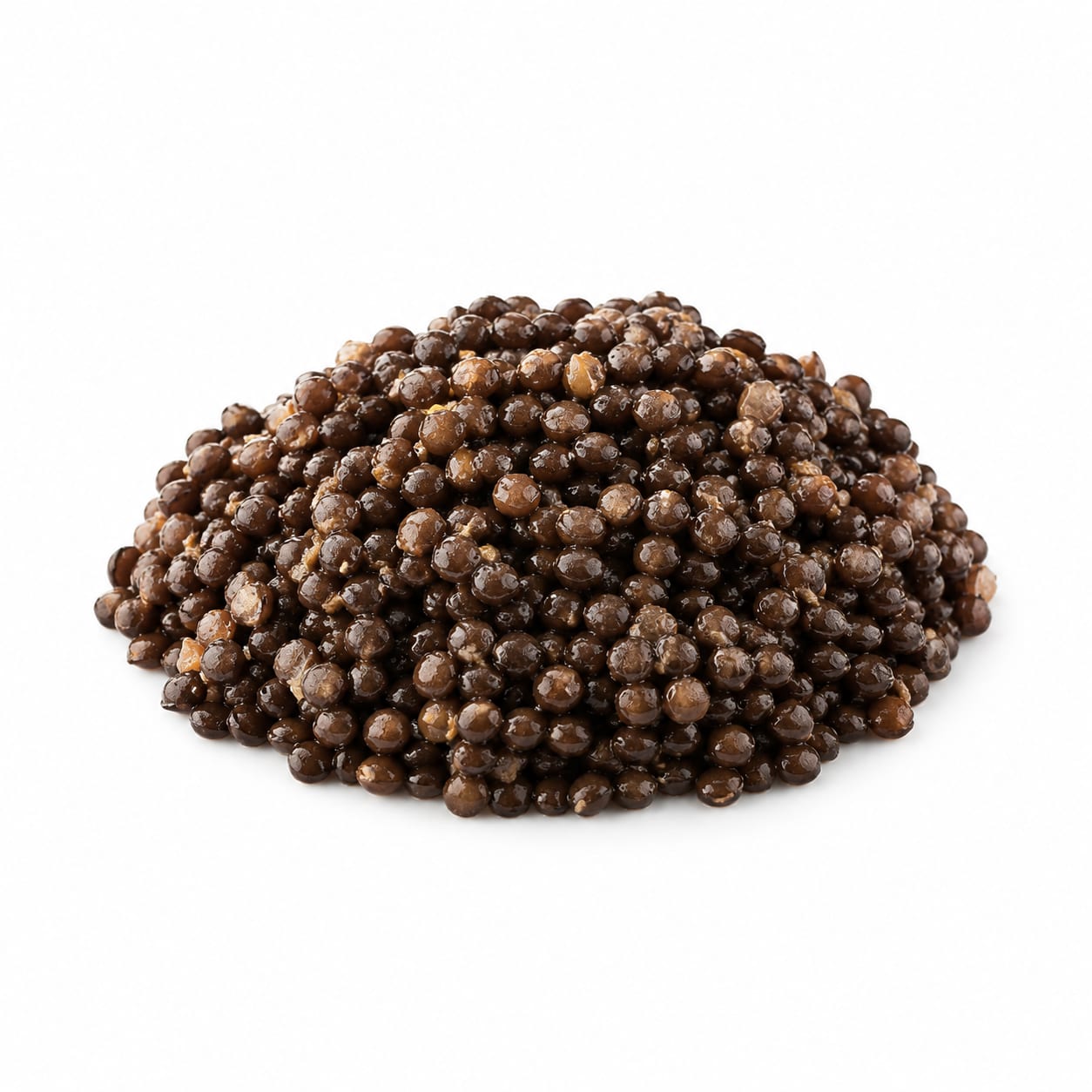
Black Lentil

Edamame
Black lentils win on fiber, iron, and calorie efficiency. Edamame wins on protein quality, healthy fats, and convenience. Your pick depends on what gap you are filling.
Black lentils edge ahead on fiber, mineral density, and broader daily usability, but edamame's complete protein and convenience keep it competitive. Neither dominates universally.
Complete protein and healthy fats from edamame versus unmatched fiber and mineral density from black lentils
At a glance
Executive summary
Overall
It depends
Healthier
It depends
More practical
Edamame
Daily use
Black Lentil
Key comparison lenses
plant-based protein source selection
Both are top-tier plant proteins, but differ significantly in protein completeness, fat content, and amino acid profile
satiety and blood sugar management
Black lentils offer dramatically more fiber, making them superior for steady energy and fullness
allergen and hormone sensitivity avoidance
Edamame carries soy allergen risks and phytoestrogen concerns that black lentils completely avoid
meal prep and cooking convenience
Edamame can be ready in minutes from frozen; black lentils require longer cooking unless canned
weight loss and calorie density optimization
Black lentils are significantly lower in calories per serving while being more filling
Best choice for
Black Lentil
- People managing blood sugar or insulin resistance
- Anyone maximizing fullness on fewer calories
- Iron-deficient individuals needing plant-based iron
- Those avoiding soy due to allergy or hormone sensitivity
- Meal preppers who cook in bulk weekly
Edamame
- Athletes needing complete protein after workouts
- People falling short on healthy fat intake
- Anyone wanting a ready-in-minutes protein source
- Those who need higher calorie intake from nutritious sources
- Vegetarians seeking omega-3 ALA sources
Least suitable for
Black Lentil
- People who need quick meals with zero prep time
- Those requiring high fat intake for ketogenic diets
- Anyone sensitive to legume-based digestive discomfort
Edamame
- People with soy allergies
- Those avoiding phytoestrogens due to hormone-sensitive conditions
- Anyone strictly limiting calorie density
Deep comparison
Dimension by dimension
Each lens scores both foods and breaks down who each option suits.
- Dimension 1 · Priority 95Edamame
Protein Quality and Content
Black Lentil · 68Edamame · 88Edamame delivers more protein per serving and contains all nine essential amino acids. Black lentils provide solid protein but are slightly low in methionine.
Tradeoff
Edamame gives you complete protein in one food; black lentils need a grain pairing to become complete but offer more total protein per calorie
Why it matters
Complete proteins support muscle repair and maintenance without needing food combining at every meal
Real-world impact
After a workout, edamame alone covers your amino acid needs. Black lentils paired with rice do the same but require planning.
Black Lentil
- Higher protein per calorie when paired with grains
- More sustainable protein source for large-batch cooking
Better for
- Missing adequate methionine without grain pairing
- Lower total protein per serving than edamame
Worse for
Edamame
- Complete protein requiring no food combining
- Higher total protein per serving
- Better post-workout recovery option standalone
Better for
- Less protein per calorie consumed
- Not ideal for those managing total calorie intake tightly
Worse for
- Dimension 2 · Priority 92Black Lentil
Fiber and Satiety
Black Lentil · 94Edamame · 62Black lentils roughly double edamame's fiber content, making them dramatically more filling and better for digestive regularity.
Tradeoff
Black lentils keep you full for hours on fewer calories; edamame satisfies with protein and fat but less lasting fullness
Why it matters
Higher fiber means steadier blood sugar, fewer cravings between meals, and better long-term gut health
Real-world impact
A bowl of black lentils at lunch can prevent the 3 PM energy crash and snack attack. Edamame may leave you hungry again sooner.
Black Lentil
- Significantly more fiber per serving
- Longer-lasting satiety on fewer calories
- Better for digestive regularity
- Superior blood sugar stabilization
Better for
- High fiber can cause bloating if you increase intake too quickly
Worse for
Edamame
- Fat content adds a different satiety signal
- Still more filling than most snack foods
Better for
- Noticeably less fiber means less lasting fullness
- May not prevent between-meal snacking as effectively
Worse for
- Dimension 3 · Priority 88Black Lentil
Blood Sugar Stability
Black Lentil · 90Edamame · 72Black lentils have a lower glycemic impact thanks to their exceptional fiber-to-carb ratio. Edamame is still solid but has less fiber to slow glucose absorption.
Tradeoff
Black lentils provide rock-steady energy for hours; edamame is good but less protective against blood sugar spikes when eaten with carbs
Why it matters
Stable blood sugar means consistent energy, better mood, and reduced risk of type 2 diabetes over time
Real-world impact
If you are prediabetic or managing insulin resistance, black lentils are the safer bet for everyday meals.
Black Lentil
- Lower glycemic impact per serving
- More fiber to slow carbohydrate absorption
- Better choice for insulin-resistant individuals
Better for
- Higher total carbohydrate content may concern very low-carb dieters
Worse for
Edamame
- Lower total carbs may suit very low-carb eaters
- Still a low-glycemic food overall
Better for
- Less fiber means less buffering against blood sugar rises
- Not as protective for metabolic conditions
Worse for
- Dimension 4 · Priority 80Edamame
Healthy Fat Profile
Black Lentil · 35Edamame · 85Edamame provides meaningful amounts of polyunsaturated fats including omega-3 ALA. Black lentils are nearly fat-free.
Tradeoff
Edamame contributes essential fats your body needs; black lentils require you to get fats elsewhere in your diet
Why it matters
Healthy fats support hormone production, brain function, and nutrient absorption from other foods
Real-world impact
Eating edamame with a salad helps absorb fat-soluble vitamins. Black lentils need a dressing or avocado to do the same.
Black Lentil
- Virtually no fat means more calorie budget flexibility
- Easy to pair with your preferred fat source
Better for
- Nearly zero fat means you must source essential fats elsewhere
- Cannot support fat-soluble vitamin absorption on its own
Worse for
Edamame
- Contains omega-3 ALA for anti-inflammatory benefits
- Supports hormone health naturally
- Helps absorb fat-soluble vitamins when eaten with vegetables
Better for
- Higher calorie density from fat
- Less room in calorie budget for other foods
Worse for
- Dimension 5 · Priority 82Black Lentil
Iron and Mineral Density
Black Lentil · 88Edamame · 65Black lentils are an exceptional iron source, providing roughly double the iron of edamame per serving. They also lead in folate and magnesium.
Tradeoff
Black lentils are a mineral powerhouse especially for iron-deficient eaters; edamame provides decent minerals but cannot match lentil density
Why it matters
Iron deficiency is the most common nutrient deficiency worldwide, especially among women and vegetarians
Real-world impact
If you feel tired or cold often, black lentils are one of the best plant foods to rebuild iron stores naturally.
Black Lentil
- Significantly more iron per serving
- Higher folate for cell repair and pregnancy support
- More magnesium for muscle and nerve function
Better for
- Non-heme iron is less absorbable than animal sources without vitamin C pairing
Worse for
Edamame
- Decent mineral content overall
- Vitamin K contributes to bone health
Better for
- Lower iron content is a real gap for plant-based eaters
- Less folate per serving
Worse for
- Dimension 6 · Priority 75Edamame
Convenience and Preparation
Black Lentil · 48Edamame · 82Frozen edamame steams in 3-5 minutes. Dry black lentils need 20-25 minutes on the stovetop, though canned versions close the gap.
Tradeoff
Edamame is a grab-and-go protein; black lentils reward planning with better batch-cooking economics
Why it matters
The best nutritious food is the one you actually prepare and eat consistently
Real-world impact
On a busy weeknight, edamame gets on the plate in minutes. Black lentils require foresight or canned shortcuts.
Black Lentil
- Excellent for weekly meal prep batches
- Canned versions offer reasonable convenience
- Holds texture well for leftovers and salads
Better for
- Dry cooking takes 20-25 minutes minimum
- Requires more planning and kitchen time
Worse for
Edamame
- Ready in under 5 minutes from frozen
- No soaking or long cooking required
- Easy portable snack straight from the pod
Better for
- Less versatile for batch cooking across multiple meals
Worse for
- Dimension 7 · Priority 78Black Lentil
Allergen and Sensitivity Safety
Black Lentil · 90Edamame · 55Black lentils are allergen-friendly for nearly everyone. Edamame carries soy allergy risks and phytoestrogen concerns for hormone-sensitive individuals.
Tradeoff
Black lentils are the safer choice for broad dietary compatibility; edamame requires caution for a meaningful subset of people
Why it matters
Soy is a top 8 allergen, and phytoestrogens can interact with hormone-sensitive conditions like breast cancer or thyroid issues
Real-world impact
If you have thyroid issues or a history of hormone-sensitive conditions, black lentils let you eat freely. Edamame warrants a conversation with your doctor.
Black Lentil
- No major allergen concerns
- No phytoestrogen exposure
- Safe for hormone-sensitive individuals
- Suitable for soy-free diets
Better for
- Legume sensitivity can still affect some individuals
Worse for
Edamame
- Most people tolerate soy without issue
- Phytoestrogens may benefit some postmenopausal women
Better for
- Soy is a top 8 allergen
- Phytoestrogens may concern those with hormone-sensitive conditions
- Potential thyroid interference in susceptible people
Worse for
Timeline
Health impact over time
Short-term
Hours to days
Black Lentil
- High fiber provides lasting fullness and reduces between-meal snacking
- Steady energy without blood sugar crashes
- May cause temporary bloating if fiber intake increases suddenly
- Iron contributes to reduced fatigue within hours of eating
Edamame
- Protein and fat combination provides satisfying but less prolonged fullness
- Quick energy from easily digestible protein
- Healthy fats support immediate nutrient absorption from accompanying foods
- Soy may cause mild digestive discomfort in sensitive individuals
Long-term
Months to years
Black Lentil
- Consistent fiber intake reduces risk of heart disease and type 2 diabetes
- Iron accumulation supports prevention of anemia over time
- Gut microbiome diversity improves with regular high-fiber intake
- Sustained blood sugar control from daily lentil consumption
Edamame
- Omega-3 intake supports cardiovascular health long-term
- Complete protein helps preserve muscle mass with aging
- Soy isoflavones may reduce menopausal symptoms for some women
- Potential thyroid effects warrant monitoring in susceptible individuals
Risk profile
Safety & processing
Both foods are whole, minimally processed plant foods. Dry black lentils and frozen edamame in the pod are about as natural as it gets. Watch for added sodium in canned lentils or seasoned edamame packs.
Black Lentil
Lectin content in undercooked lentils
mediumRaw or undercooked lentils contain lectins that can cause digestive distress. Always cook thoroughly until tender.
Canned lentil sodium
lowCanned varieties can be high in sodium. Rinse thoroughly or choose low-sodium options.
Edamame
GMO soy exposure
mediumMost US-grown soy is genetically modified. Choose organic edamame to avoid GMOs if that matters to you.
Pesticide residue on conventional soy
mediumSoy crops are heavily treated with pesticides. Organic edamame significantly reduces this exposure.
Phytoestrogen effects on hormone-sensitive conditions
mediumSoy isoflavones can mimic estrogen. Those with breast cancer history or thyroid conditions should consult their doctor about regular consumption.
Who wins for whom
Audience fit
Same foods, different winners depending on your goal.
children
EdamameEdamame is fun to eat from the pod, requires no cooking skills, and provides complete protein and healthy fats for growing bodies.
daily consumption
Black LentilBlack lentils have fewer controversy flags, broader allergen safety, and a more favorable calorie-to-nutrient ratio for everyday use.
diabetes
Black LentilBlack lentils have a lower glycemic impact and more fiber to stabilize blood sugar, making them the stronger choice for glucose management.
elderly
Black LentilBlack lentils offer more iron and folate per bite, which matters for older adults with reduced appetite and higher anemia risk.
muscle gain
EdamameEdamame's complete protein and higher total protein per serving better support muscle repair and growth after training.
weight loss
Black LentilBlack lentils provide more fullness per calorie thanks to exceptional fiber content, making it easier to eat less without feeling deprived.
Your move
Decision guide
Choose Black Lentil
- You want maximum fullness on minimum calories
- You are managing blood sugar, insulin resistance, or prediabetes
- You need to boost iron intake without supplements
- You avoid soy due to allergy, thyroid concerns, or hormone sensitivity
- You batch-cook meals for the week and value shelf stability
Choose Edamame
- You need complete protein without food combining
- You want a quick protein source that requires almost no prep
- You are falling short on healthy fat intake
- You are an athlete needing efficient post-workout recovery
- You enjoy snacking and want something satisfying by the handful
Either works if
- You are building a plant-based bowl and want a protein base
- You are generally healthy with no soy or digestive sensitivities
- You rotate protein sources throughout the week for variety
Avoid both if
- You have severe legume sensitivities that trigger both foods
- You are on a strict very-low-carb or ketogenic diet
- You are allergic to both soy and legumes, though this is rare
Final recommendation
Eat both on rotation. Black lentils are your daily workhorse for fiber, iron, and calorie efficiency. Edamame is your quick protein and healthy fat boost when time is short or you need complete amino acids. Pair black lentils with a vitamin C source to maximize iron absorption, and choose organic edamame to avoid GMO and pesticide concerns.
Practical
Consumer tips
- 1
Pair black lentils with bell peppers, tomatoes, or lemon juice to boost iron absorption by up to 3x
- 2
Choose organic edamame to avoid GMO soy and reduce pesticide exposure
- 3
Rinse canned black lentils to remove about 40% of added sodium
- 4
If new to high-fiber foods, increase black lentil portions gradually over two weeks to avoid bloating
- 5
Keep frozen edamame on hand for nights when cooking feels like too much effort
- 6
Black lentils hold their shape better than red or green lentils, making them ideal for salads and meal prep
- 7
If you have a thyroid condition, limit edamame to a few times per week and discuss with your doctor
- 8
Season black lentils with cumin and garlic to enhance flavor without adding sodium