
Nutrition comparison
Black Lentils vs Quinoa: Which is Better for Protein and Satiety?
Compare Black lentils and Quinoa for protein, fiber, blood sugar impact, and cooking convenience. Find out which plant-based staple is best for your goals.
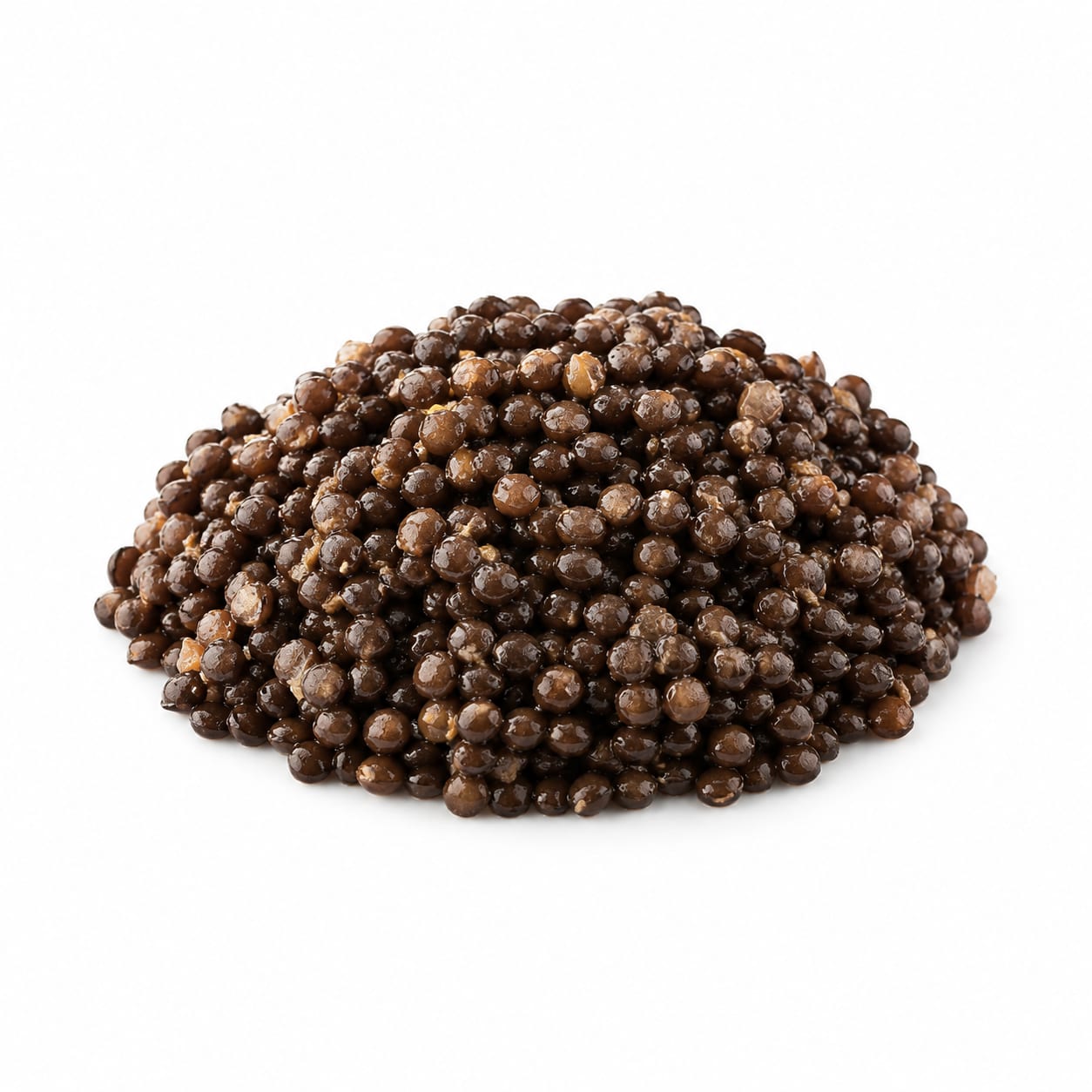
Black Lentil
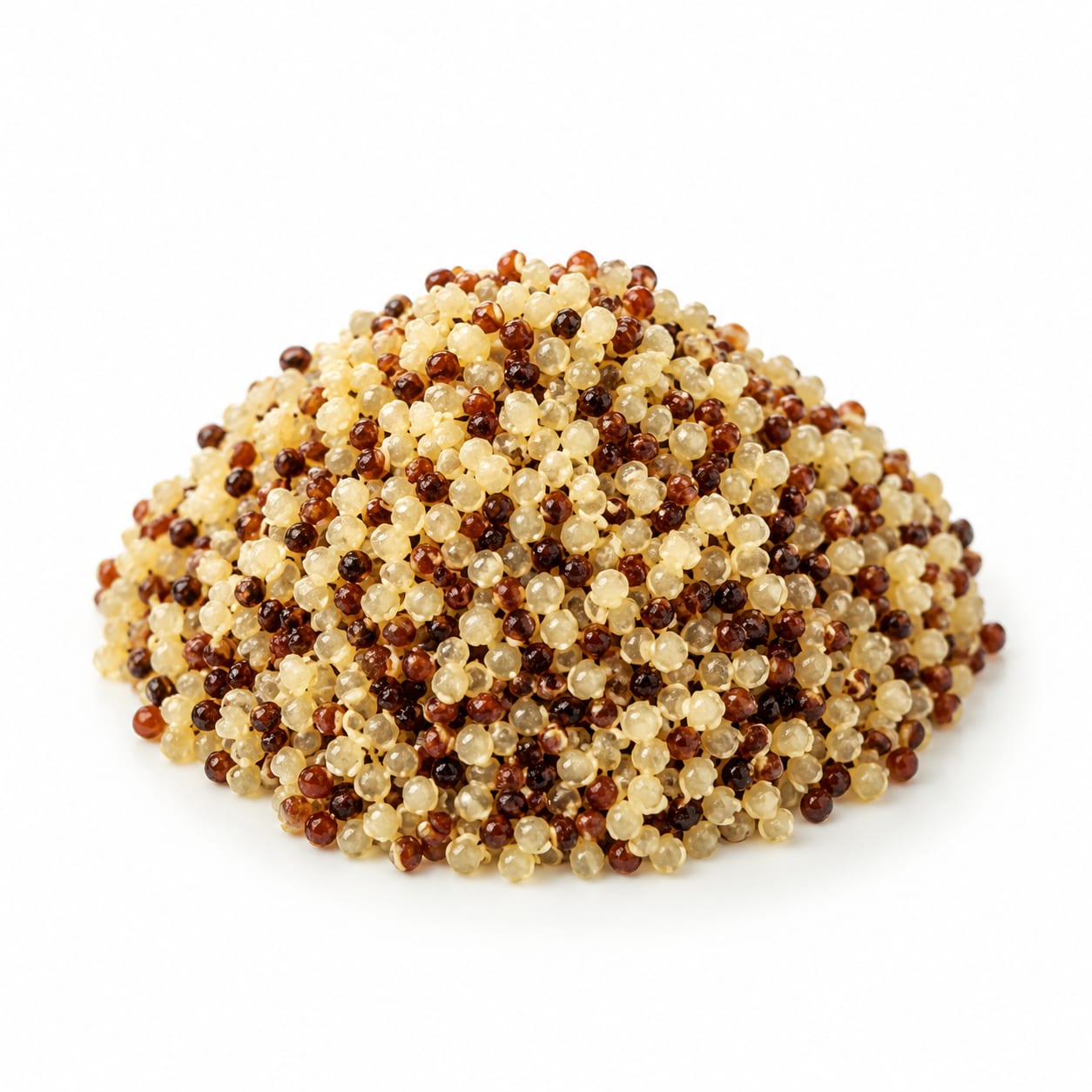
Quinoa
Black lentils win on protein, fiber, and blood sugar control, while Quinoa wins on cooking speed, lighter texture, and complete amino acids.
Black lentils score slightly higher due to superior protein and fiber density, but Quinoa remains a top-tier choice for convenience and complete protein.
Dense, slow-burning satiety from Black lentils versus quicker, lighter versatility from Quinoa.
At a glance
Executive summary
Overall
It depends
Healthier
Black Lentil
More practical
Quinoa
Daily use
It depends
Key comparison lenses
Plant-based protein density vs completeness
Users comparing these two are usually looking to maximize vegetarian protein, where Black lentils offer more total protein but Quinoa offers a complete amino acid profile.
Blood sugar management and carb tolerance
Legumes and pseudocereals affect blood sugar very differently, a major concern for energy and metabolic health.
Meal prep convenience and cooking time
Quinoa cooks in 15 minutes while lentils take longer, heavily influencing weeknight dinner decisions.
Digestive comfort and gut tolerance
High-fiber legumes can cause bloating for some, while seeds like Quinoa have their own digestive quirks.
Best choice for
Black Lentil
- People managing diabetes or insulin resistance
- Those seeking maximum plant-based protein per calorie
- Anyone wanting long-lasting fullness to prevent snacking
Quinoa
- Busy people needing fast weeknight dinners
- Those wanting a light, fluffy grain alternative
- Anyone needing a quick-cooking complete protein
Least suitable for
Black Lentil
- People sensitive to legumes or FODMAPs
- Those short on cooking time on busy weeknights
Quinoa
- Strict low-carb dieters
- Those prioritizing maximum fiber intake for gut health
Deep comparison
Dimension by dimension
Each lens scores both foods and breaks down who each option suits.
- Dimension 1 · Priority 95Black Lentil
Protein Power & Fullness
Black Lentil · 92Quinoa · 75Black lentils deliver significantly more protein and fiber per serving, making them a heavyweight for fullness.
Tradeoff
You get more total protein and satiety with Black lentils, but Quinoa provides all nine essential amino acids in one package.
Why it matters
Staying full between meals prevents snacking and makes it easier to stick to your dietary goals.
Real-world impact
A Black lentil bowl will likely keep you full from lunch until dinner, whereas a Quinoa bowl might leave you hunting for a snack by 3 PM.
Black Lentil
- Black lentils are better for post-workout muscle recovery when paired with grains
- Black lentils are better for staying full during long workdays
Better for
- Black lentils are worse if you want a light, fluffy side dish
- Black lentils are worse when eaten alone for complete protein needs
Worse for
Quinoa
- Quinoa is better for a light pre-workout meal
- Quinoa is better for picky eaters who dislike dense textures
Better for
- Quinoa is worse for heavy lifters needing massive protein hits
- Quinoa is worse for controlling mid-afternoon cravings
Worse for
- Dimension 2 · Priority 90Black Lentil
Blood Sugar & Carb Impact
Black Lentil · 94Quinoa · 80Black lentils have a much lower glycemic index and higher fiber content, leading to slower, steadier carb absorption.
Tradeoff
Quinoa offers quicker energy but with a higher carb load, while Black lentils provide stable, crash-free energy.
Why it matters
Stable blood sugar means fewer energy crashes and better metabolic health over time.
Real-world impact
Eating Black lentils helps avoid the afternoon energy slump that sometimes follows Quinoa or rice bowls.
Black Lentil
- Black lentils are better for preventing energy crashes
- Black lentils are better for insulin-resistant individuals
Better for
- Black lentils are worse if you need fast-acting carbs for immediate energy
Worse for
Quinoa
- Quinoa is better for refueling quickly after endurance exercise
Better for
- Quinoa is worse for strict blood sugar management compared to legumes
Worse for
- Dimension 3 · Priority 85Quinoa
Cooking Convenience & Versatility
Black Lentil · 65Quinoa · 90Quinoa cooks in about 15 minutes, while Black lentils take closer to 25-30 minutes and require more attention for texture.
Tradeoff
Quinoa saves time and works as a seamless rice substitute, whereas Black lentils require more planning but hold up well in soups and salads.
Why it matters
Convenience often dictates what you actually cook on a Tuesday night versus what sits in your pantry.
Real-world impact
You can easily throw Quinoa into a weeknight stir-fry, but Black lentils usually need weekend meal prep or a canned alternative.
Black Lentil
- Black lentils are better for meal-prepping large batches
- Black lentils are better for hearty soups that need structure
Better for
- Black lentils are worse for spontaneous, last-minute meals
- Black lentils are worse if you forget to soak or simmer them properly
Worse for
Quinoa
- Quinoa is better for quick weeknight dinners
- Quinoa is better for breakfast porridge
Better for
- Quinoa is worse for slow-cooker recipes where it turns mushy
- Quinoa is worse for dishes requiring a firm, meaty bite
Worse for
- Dimension 4 · Priority 80It depends
Micronutrient Profile
Black Lentil · 85Quinoa · 85Black lentils are rich in iron and folate, while Quinoa shines with magnesium, manganese, and zinc.
Tradeoff
You trade blood-building minerals in Black lentils for bone and muscle-supporting minerals in Quinoa.
Why it matters
Micronutrient diversity prevents hidden deficiencies that can drain your energy over time.
Real-world impact
Eating Black lentils helps combat fatigue from low iron, while Quinoa helps with muscle cramps and sleep quality via magnesium.
Black Lentil
- Black lentils are better for menstruating women needing iron
- Black lentils are better for pregnancy due to high folate
Better for
- Black lentils are worse if you rely solely on them for a broad mineral spectrum
Worse for
Quinoa
- Quinoa is better for athletes needing magnesium for muscle recovery
- Quinoa is better for bone health support
Better for
- Quinoa is worse for those specifically trying to boost iron levels
Worse for
- Dimension 5 · Priority 75It depends
Digestive Comfort
Black Lentil · 70Quinoa · 75Quinoa is generally lighter on the stomach, while Black lentils can cause bloating if you aren't used to high fiber.
Tradeoff
Black lentils feed your gut bacteria beautifully but can cause gas during adjustment; Quinoa is gentler but has saponins that require rinsing.
Why it matters
Digestive discomfort can ruin an otherwise healthy meal and make you reluctant to eat that food again.
Real-world impact
A big bowl of Black lentils might make you bloated if you usually eat low-fiber meals, while Quinoa feels much lighter if rinsed well.
Black Lentil
- Black lentils are better for long-term gut microbiome health if introduced slowly
Better for
- Black lentils are worse for people with IBS or FODMAP sensitivities
- Black lentils are worse if you suddenly increase your fiber intake
Worse for
Quinoa
- Quinoa is better for sensitive stomachs
- Quinoa is better for a light dinner before bed
Better for
- Quinoa is worse if you fail to rinse it, as saponins cause bitterness and stomach upset
Worse for
Timeline
Health impact over time
Short-term
Hours to days
Black Lentil
- Prolonged fullness and satiety
- Stable energy without a sugar crash
- Potential bloating if unaccustomed to high fiber
Quinoa
- Quick, light energy boost
- Easy digestion when properly rinsed
- Slightly faster return of hunger compared to legumes
Long-term
Months to years
Black Lentil
- Improved insulin sensitivity
- Better heart health from soluble fiber
- Sustained iron levels preventing fatigue
Quinoa
- Stronger bones from magnesium content
- Reduced muscle cramps
- Balanced overall nutrition from complete protein
Risk profile
Safety & processing
Both Black lentils and Quinoa are whole, minimally processed foods sold in their natural form, making them clean pantry staples.
Black Lentil
Lectins
mediumRaw or undercooked lentils contain lectins that can cause digestive distress; always boil thoroughly.
Phytic acid
lowCan bind to minerals like iron and zinc, slightly reducing absorption, though cooking and soaking mitigate this.
Quinoa
Saponins
lowNaturally occurring coating that tastes bitter and can cause stomach upset; rinsing Quinoa thoroughly before cooking eliminates this.
Who wins for whom
Audience fit
Same foods, different winners depending on your goal.
children
QuinoaQuinoa has a milder flavor and fluffier texture that kids usually prefer over dense legumes.
daily consumption
It dependsRotating both is ideal to get the benefits of legume fiber and seed-based complete proteins without overloading on one type of carb or fiber.
diabetes
Black LentilThe exceptionally low glycemic index and high fiber of Black lentils make them superior for blood sugar control.
elderly
QuinoaQuinoa is easier to chew and gentler on the digestive system, which can slow down with age.
muscle gain
Black LentilHigher total protein content in Black lentils supports muscle repair better, though combining them with a grain creates an optimal amino acid profile.
weight loss
Black LentilBlack lentils provide more protein and fiber per calorie, which dramatically increases fullness and reduces overeating.
Your move
Decision guide
Choose Black Lentil
- You want to stay full for hours without snacking
- You are managing blood sugar or insulin resistance
- You need a dense, meaty texture for salads and bowls
- You are meal-prepping for the week on a Sunday
Choose Quinoa
- You need a fast-cooking base for a weeknight dinner
- You want a complete protein without combining foods
- You prefer lighter, fluffier textures
- You are sensitive to heavy legumes but want a nutritious carb
Either works if
- You are building a plant-based bowl and want a nutritious base
- You want to increase your intake of whole, unprocessed foods
Avoid both if
- You are on a strict ketogenic or very low-carb diet
Final recommendation
Keep both in your pantry. Use Black lentils when you have time to meal-prep and need maximum fullness, and rely on Quinoa for quick, lighter meals. Rotating them gives you the best of both worlds—legume-level fiber and seed-level convenience.
Practical
Consumer tips
- 1
Rinse Quinoa in a fine-mesh strainer until the water runs clear to remove bitter saponins.
- 2
Cook Black lentils in broth instead of water to add depth and savory flavor.
- 3
Combine Black lentils and Quinoa in the same bowl for a meal that balances complete protein with massive fiber.
- 4
If Black lentils cause bloating, start with smaller portions and gradually increase your intake over a few weeks.
- 5
Make a big batch of Black lentils on Sunday and store them in the fridge to cut down on weeknight cooking time.