
Nutrition comparison
Black Lentils vs Brown Lentils: Nutrition, Taste, and Which to Buy
Compare black lentils vs brown lentils on protein, antioxidants, blood sugar impact, price, and cooking uses. Find out which lentil is better for your health goals and recipes.
Overall winner · Black Lentil
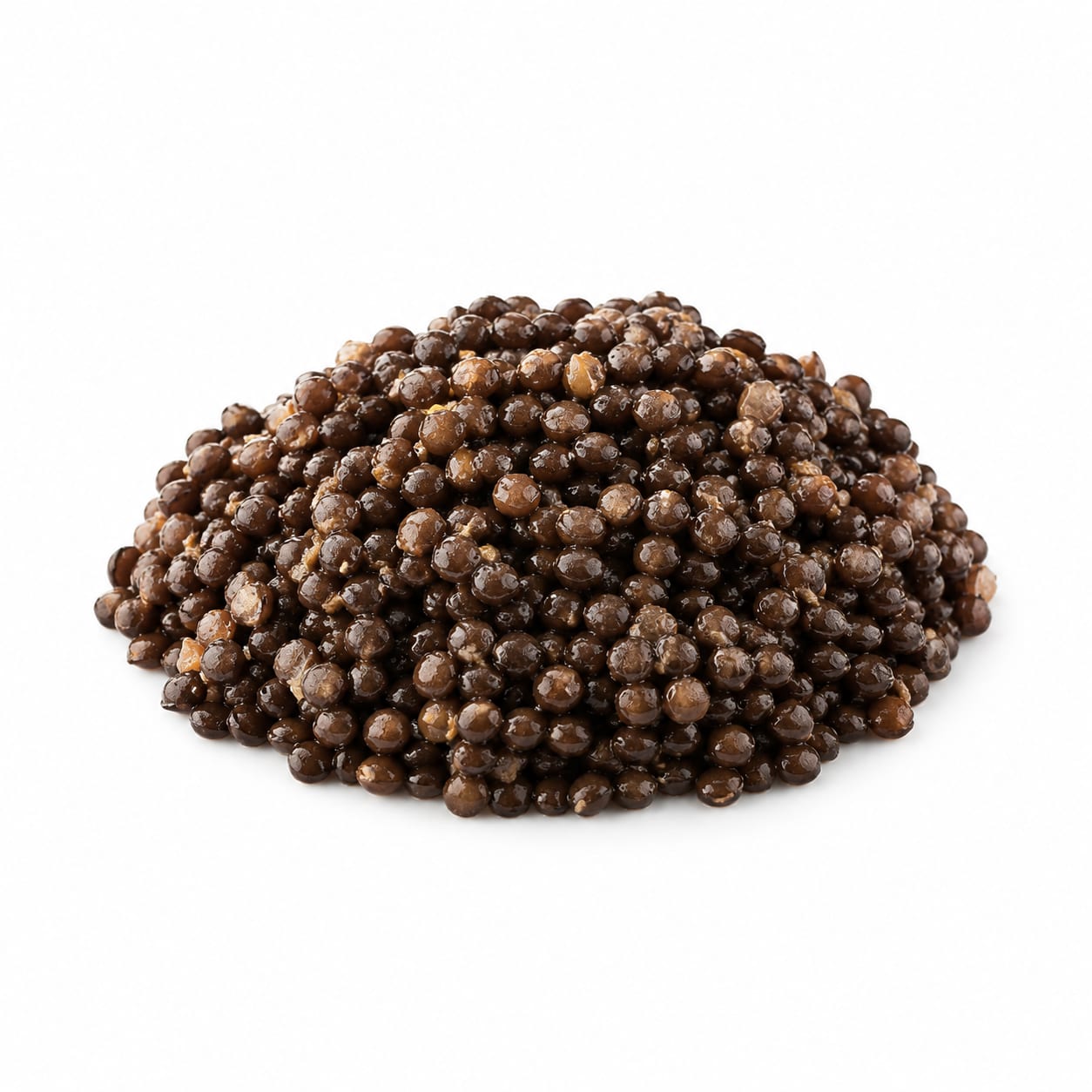
Black Lentil
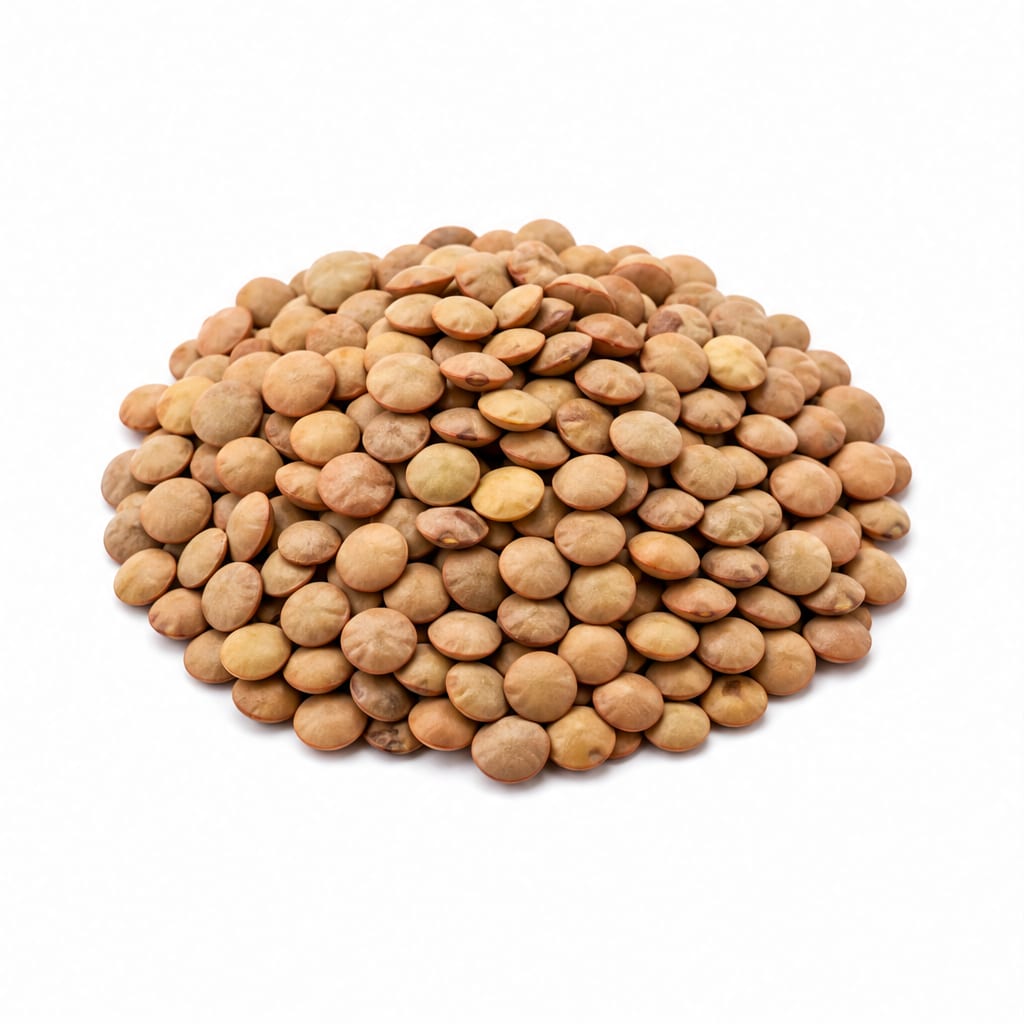
Brown Lentil
Black lentils edge out brown lentils on nutrition, but brown lentils win on price and everyday convenience.
Black lentils score higher due to superior protein, anthocyanin content, and lower glycemic impact. Brown lentils remain competitive through affordability, availability, and cooking convenience. The gap is meaningful but not dramatic.
You gain more protein, antioxidants, and steadier blood sugar with black lentils, but pay more and find them less easily.
At a glance
Executive summary
Overall
Black Lentil
Healthier
Black Lentil
More practical
Brown Lentil
Daily use
Brown Lentil
Key comparison lenses
nutritional density comparison
Black lentils are known for superior protein and antioxidant content, making nutrient density the primary decision factor
blood sugar management
Lentils are staple foods for glycemic control; differences in starch content and glycemic impact matter significantly
culinary versatility and texture
Black lentils hold their shape while brown lentils soften, creating very different cooking experiences and recipe suitability
budget and accessibility
Brown lentils are far more available and affordable, making practicality a key tradeoff
antioxidant and anti-inflammatory benefits
The dark pigments in black lentils provide anthocyanins that brown lentils lack entirely
Best choice for
Black Lentil
- Maximizing protein per calorie
- Blood sugar management and diabetes-friendly meals
- Salads and side dishes where texture matters
- Boosting antioxidant intake from legumes
- Iron-deficient individuals seeking plant-based iron
Brown Lentil
- Budget-conscious households
- Soups, stews, and curries where a creamy texture is desired
- Easy weekly meal prep with widely available ingredients
- Families wanting a mild-flavored lentil kids will eat
- Quick-cooking weeknight dinners
Least suitable for
Black Lentil
- Tight grocery budgets
- Rural areas with limited specialty store access
- Recipes requiring lentils that break down into a thick base
Brown Lentil
- Those prioritizing maximum antioxidant intake
- High-protein diets where every gram counts
- Elegant presentation dishes where lentil shape matters
Deep comparison
Dimension by dimension
Each lens scores both foods and breaks down who each option suits.
- Dimension 1 · Priority 90Black Lentil
Protein Content & Quality
Black Lentil · 88Brown Lentil · 78Black lentils deliver roughly 25-30% more protein per serving than brown lentils, making them the clear winner for protein-focused eaters.
Tradeoff
The protein advantage comes with a higher price tag and less availability at standard grocery stores.
Why it matters
For plant-based eaters, every extra gram of protein per serving adds up significantly across the day.
Real-world impact
A cup of black lentils can provide 3-4 more grams of protein than brown lentils — roughly the equivalent of half an egg.
Black Lentil
- Vegans and vegetarians counting protein
- Athletes recovering from training
- Anyone replacing meat with legumes
Better for
- Budget-limited households needing affordable protein
Worse for
Brown Lentil
- Casual lentil eaters not tracking macros
Better for
- Those relying heavily on lentils as a primary protein source
Worse for
- Dimension 2 · Priority 82Black Lentil
Antioxidant & Anti-Inflammatory Power
Black Lentil · 91Brown Lentil · 55Black lentils contain anthocyanins — the same antioxidant family found in blueberries — that brown lentils simply lack.
Tradeoff
You pay a premium for those pigments, and the antioxidant gap may not matter if your diet is already rich in colorful fruits and vegetables.
Why it matters
Chronic low-grade inflammation drives aging and disease; anthocyanins are among the most potent dietary anti-inflammatories.
Real-world impact
Regularly eating black lentils instead of brown is like adding a small daily serving of berries to your antioxidant intake.
Black Lentil
- People with inflammatory conditions
- Older adults concerned about oxidative stress
- Those eating limited fruit variety
Better for
- People who cannot justify the cost for marginal antioxidant gains
Worse for
Brown Lentil
- Anyone already consuming a diverse colorful diet
Better for
- Those relying on lentils as a primary antioxidant food source
Worse for
- Dimension 3 · Priority 85Black Lentil
Blood Sugar Stability
Black Lentil · 86Brown Lentil · 77Black lentils have a slightly lower glycemic load due to higher protein and lower starch content, providing steadier energy.
Tradeoff
Both lentil varieties are excellent for blood sugar compared to most carb sources; the difference between them is modest.
Why it matters
Even small glycemic improvements matter for prediabetics and anyone fighting afternoon energy crashes.
Real-world impact
After a black lentil meal you may notice slightly less of a post-meal dip, but both options outperform rice, bread, or pasta by a wide margin.
Black Lentil
- People with diabetes or prediabetes
- Those sensitive to blood sugar swings
- Anyone eating lentils as a standalone meal
Better for
Brown Lentil
- Active individuals who need faster glycogen replenishment after exercise
Better for
- Sedentary individuals with metabolic concerns
Worse for
- Dimension 4 · Priority 78It depends
Culinary Versatility & Texture
Black Lentil · 80Brown Lentil · 82Black lentils hold their shape beautifully for salads and sides; brown lentils soften into comforting, creamy textures for soups and stews.
Tradeoff
Neither is universally better — it depends entirely on what you are cooking.
Why it matters
Texture determines whether a dish feels elegant or rustic, and using the wrong lentil can ruin a recipe's intended experience.
Real-world impact
Black lentils in a salad feel like caviar; brown lentils in a soup feel like a warm hug. Swapping them leads to disappointment.
Black Lentil
- Cold salads and grain bowls
- Elegant dinner party sides
- Any dish where distinct lentil shape matters
Better for
- Recipes requiring a creamy, broken-down texture
Worse for
Brown Lentil
- Hearty soups and stews
- Indian dal and thick curries
- Veggie burgers and loaves needing binding
Better for
- Dishes where mushy lentils look unappetizing
Worse for
- Dimension 5 · Priority 75Brown Lentil
Price & Accessibility
Black Lentil · 52Brown Lentil · 92Brown lentils are one of the cheapest protein sources on earth and available everywhere; black lentils cost significantly more and require specialty stores.
Tradeoff
Saving money with brown lentils means giving up the nutritional edge of black lentils.
Why it matters
The best food is the one you can actually afford and find consistently.
Real-world impact
Brown lentils often cost half the price of black lentils per pound and are stocked in every grocery store.
Black Lentil
- Those with access to specialty or online stores
- People willing to spend more for nutritional optimization
Better for
- Anyone on a tight food budget
- People without specialty grocery access
Worse for
Brown Lentil
- Budget-conscious families
- Rural shoppers with limited store options
- Bulk buyers stocking a pantry
Better for
- Dimension 6 · Priority 72Black Lentil
Iron & Micronutrient Density
Black Lentil · 84Brown Lentil · 74Black lentils tend to contain more iron and zinc per serving, which matters for plant-based eaters at risk of deficiency.
Tradeoff
The difference is helpful but not dramatic enough to be the sole deciding factor.
Why it matters
Iron deficiency is the most common nutrient deficiency worldwide, and plant-based iron is harder to absorb than heme iron.
Real-world impact
Choosing black lentils gives you a small but meaningful iron boost — especially valuable for menstruating women and vegan athletes.
Black Lentil
- Women with heavy periods
- Vegans and vegetarians at risk for iron deficiency
- Growing teenagers needing extra minerals
Better for
Brown Lentil
- Those who regularly eat red meat and already meet iron needs
Better for
- Plant-based eaters not supplementing iron
Worse for
Timeline
Health impact over time
Short-term
Hours to days
Black Lentil
- Steadier post-meal energy due to higher protein-to-carb ratio
- Very filling — helps prevent between-meal snacking
- May cause less bloating than brown lentils for some people due to lower starch content
Brown Lentil
- Slightly faster energy availability from higher starch content
- Very comforting and satisfying in warm dishes
- Can cause more gas in sensitive individuals due to higher fermentable starch
Long-term
Months to years
Black Lentil
- Greater cumulative antioxidant protection from regular anthocyanin intake
- Better long-term blood sugar management reducing diabetes risk
- Higher mineral intake supporting bone and immune health over decades
Brown Lentil
- Consistent affordable plant-based eating that is easier to sustain long-term
- Reliable fiber intake supporting gut health and regularity
- Lower financial stress makes healthy eating more maintainable
Risk profile
Safety & processing
Both black and brown lentils are whole, minimally processed foods with no additives. Neither contains preservatives, artificial colors, or emulsifiers. This is a rare comparison where both options are equally clean.
Black Lentil
Lectin content
lowLike all lentils, black lentils contain lectins that are neutralized by proper cooking. Undercooked lentils can cause digestive upset.
Phytic acid reducing mineral absorption
lowPhytic acid binds iron and zinc, slightly reducing absorption. Soaking before cooking mitigates this significantly.
Brown Lentil
Lectin content
lowSame lectin concern as black lentils — fully resolved by adequate cooking time.
Phytic acid reducing mineral absorption
lowBrown lentils have slightly more phytic acid relative to mineral content, making soaking even more beneficial.
Who wins for whom
Audience fit
Same foods, different winners depending on your goal.
children
Brown LentilMilder flavor and softer texture make brown lentils more kid-friendly, and the lower cost matters for growing families.
daily consumption
Brown LentilAffordability and availability make brown lentils far more realistic as an everyday staple for most households.
diabetes
Black LentilLower glycemic load and higher protein content create steadier blood sugar responses after meals.
elderly
Black LentilHigher iron, zinc, and antioxidant content addresses common老年 nutritional gaps, and the firmer texture is easier to chew than mushy alternatives.
muscle gain
Black LentilMore protein per serving directly supports muscle repair and growth, especially important on plant-based diets.
weight loss
Black LentilHigher protein and lower starch make black lentils slightly more satiating per calorie, helping control overall intake.
Your move
Decision guide
Choose Black Lentil
- You want maximum nutrition per bite and cost is not a barrier
- You eat lentils in salads, bowls, or as a distinct side dish
- You are managing blood sugar, iron levels, or inflammation
- You follow a plant-based diet and need every protein advantage
Choose Brown Lentil
- You want the most affordable, accessible lentil for daily use
- You cook soups, stews, dal, or any dish needing a creamy texture
- You feed picky eaters who prefer milder flavors
- You buy in bulk and stock a practical pantry
Either works if
- You simply want a healthy, high-fiber, plant-based meal base
- You are not tracking specific macros or micronutrients
- You plan to combine lentils with other protein sources in the same meal
Avoid both if
- You have a diagnosed legume allergy
- You experience severe digestive distress from all lentils even after soaking
- You are on a very low-carb or ketogenic diet
Final recommendation
Keep both in your pantry. Use black lentils when nutrition matters most — salads, meal prep bowls, and blood-sugar-conscious meals. Use brown lentils for everyday soups, stews, and comfort food where budget and texture matter more. If you must pick one, black lentils give you a slight nutritional edge, but brown lentils make healthy eating easier to sustain.
Practical
Consumer tips
- 1
Soak either lentil for 4-8 hours before cooking to reduce phytic acid and improve mineral absorption — this simple step significantly boosts nutritional value
- 2
Pair lentils with vitamin C-rich foods like tomatoes, bell peppers, or lemon juice to dramatically improve iron absorption
- 3
Buy black lentils online in bulk to narrow the price gap with brown lentils — specialty store markups are often the real cost driver
- 4
If switching from brown to black lentils, reduce cooking liquid slightly — black lentils absorb less water and stay firmer
- 5
Salt your lentil cooking water generously; it seasons from within and improves texture without making them tough