
Nutrition comparison
Black Lentils vs Split Peas: Which Is Healthier for You?
Compare Black Lentils and Split Peas on protein, fiber, blood sugar impact, cost, and cooking convenience. Find out which legume fits your health goals and lifestyle better.
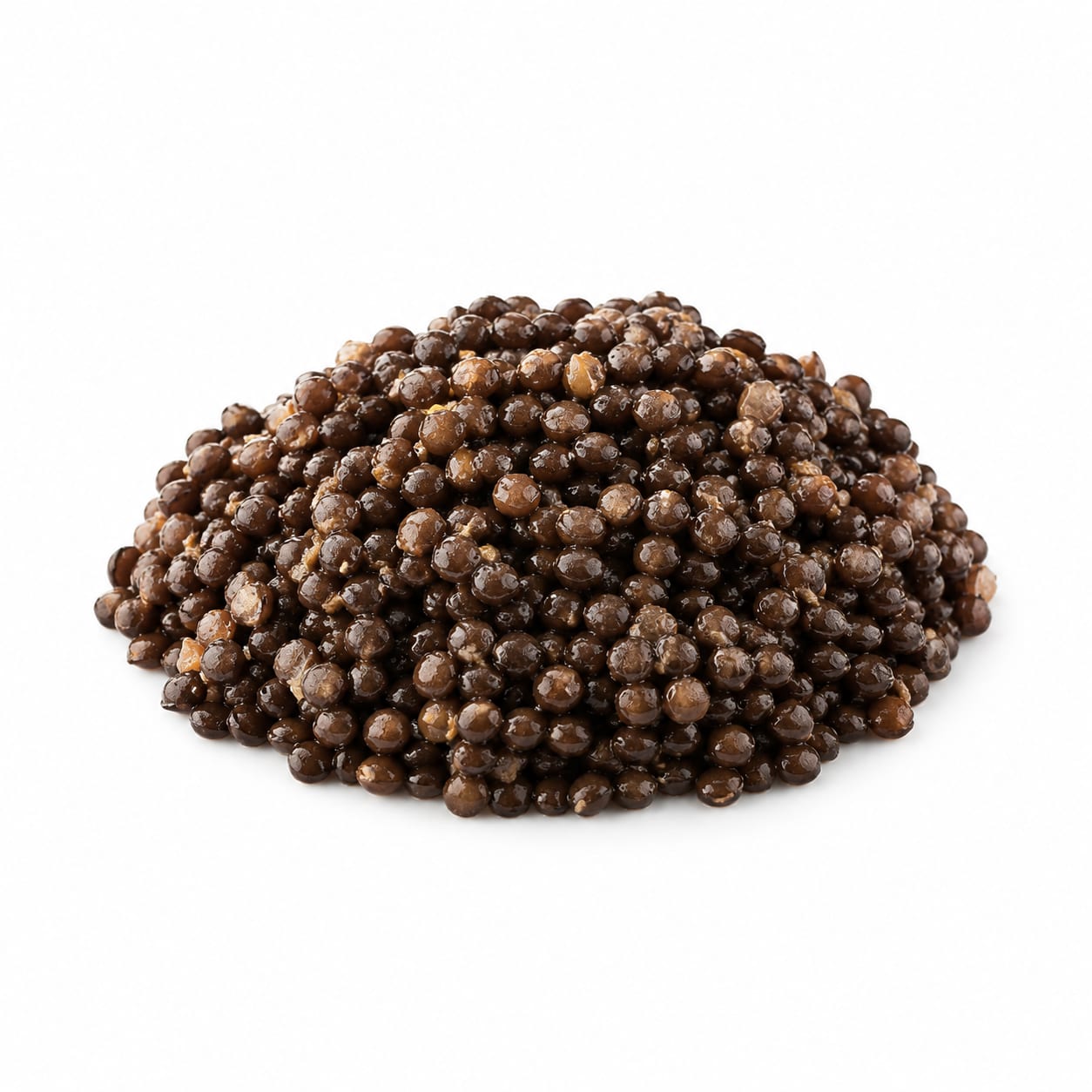
Black Lentil
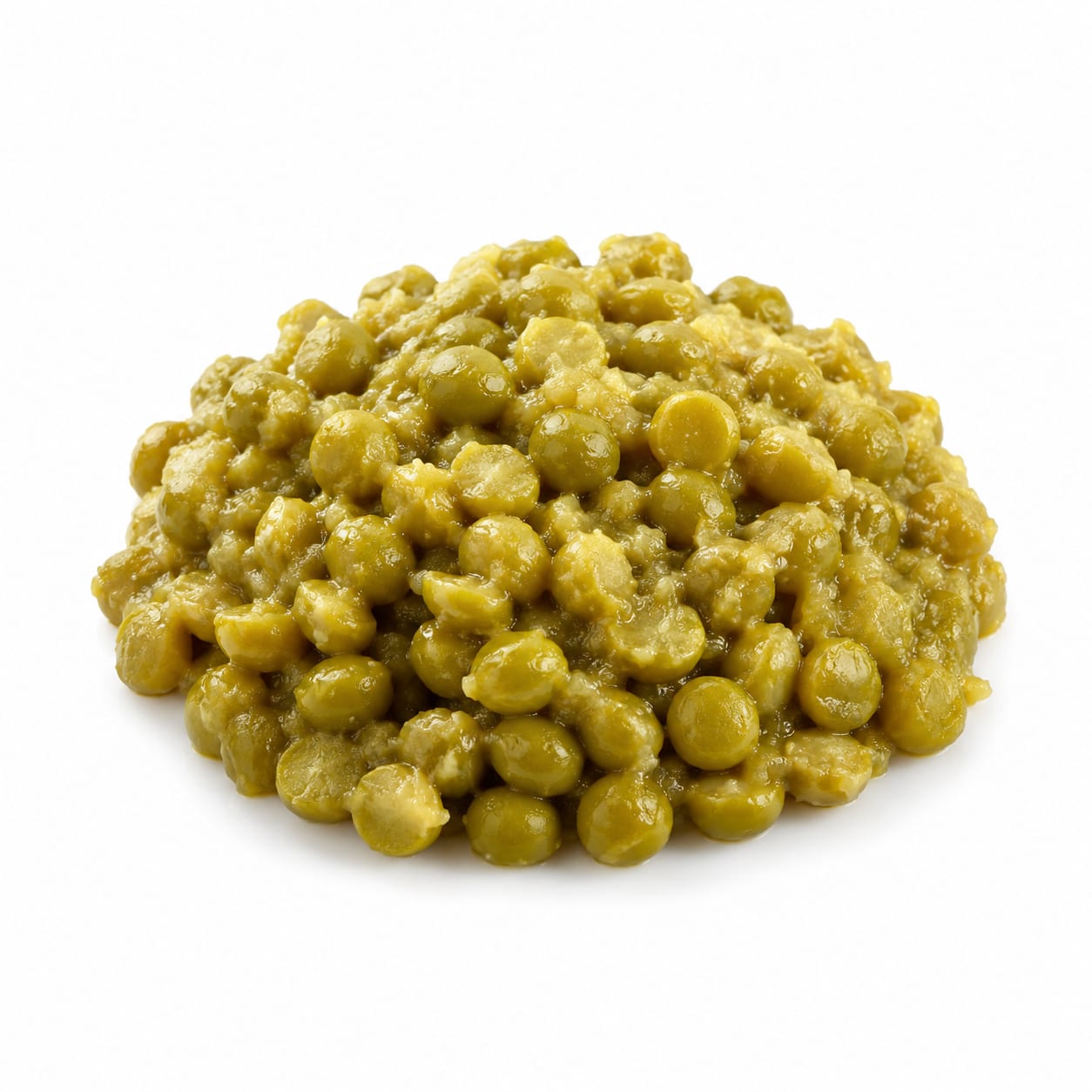
Split Pea
Black Lentils win on protein density and blood sugar control; Split Peas win on cost, comfort, and cooking speed. Pick based on what your day demands.
Black Lentils score higher for nutritional density and glycemic control, but Split Peas close the gap with affordability, cooking convenience, and comfort appeal. The 5-point gap reflects a slight nutritional edge that may not matter if cost or speed is your priority.
Higher protein and steadier energy from Black Lentils versus cheaper, faster-cooking, more comforting Split Peas
At a glance
Executive summary
Overall
It depends
Healthier
Black Lentil
More practical
Split Pea
Daily use
It depends
Key comparison lenses
protein density and quality
Both are plant protein staples, but Black Lentils deliver meaningfully more protein per calorie, which matters for vegetarians and anyone tracking macros
blood sugar and satiety
Split Peas are starchier and digest faster, while Black Lentils have a lower glycemic load and keep you fuller longer
cooking convenience and versatility
Split Peas cook faster and break down naturally into soups, while Black Lentils hold their shape and work in salads and bowls
digestive tolerance
Both can cause bloating, but Split Peas are often easier to digest when cooked thoroughly into a soft soup
cost and accessibility
Split Peas are one of the cheapest proteins available; Black Lentils tend to cost more and are harder to find in some regions
Best choice for
Black Lentil
- People prioritizing protein intake per calorie
- Those managing blood sugar or insulin resistance
- Salad and grain bowl builders who want texture
- Anyone wanting longer-lasting fullness between meals
Split Pea
- Budget-conscious households needing cheap protein
- Comfort food lovers wanting hearty soups
- People with limited cooking time or patience
- Those who prefer softer, easier-to-chew legumes
Least suitable for
Black Lentil
- Anyone needing a quick 20-minute weeknight meal
- Tight grocery budgets where every dollar counts
- People sensitive to firmer textures after dental issues
Split Pea
- Those strictly limiting starch or carbohydrate intake
- People wanting a firm texture for salads or cold dishes
- Anyone bothered by mushy consistency in legumes
Deep comparison
Dimension by dimension
Each lens scores both foods and breaks down who each option suits.
- Dimension 1 · Priority 92Black Lentil
protein_density
Black Lentil · 88Split Pea · 72Black Lentils pack more protein per calorie and per serving, making them the stronger choice for muscle maintenance and satiety.
Tradeoff
You pay more per gram of protein with Black Lentils, and they take longer to cook to an edible texture.
Why it matters
If you are vegetarian, vegan, or just trying to hit protein targets without overeating calories, every gram per bite counts.
Real-world impact
A cup of cooked Black Lentils gives you roughly 18g of protein versus about 16g from Split Peas — not massive, but meaningful over a full day of eating.
Black Lentil
- Lean muscle maintenance on plant-based diets
- Staying full through a long afternoon without snacking
Better for
- Quick post-workout meals when time matters more than optimization
Worse for
Split Pea
- Reaching protein goals on a very tight budget
Better for
- Low-carb or keto-adjacent eating styles where starch is limited
Worse for
- Dimension 2 · Priority 88Black Lentil
blood sugar_stability
Black Lentil · 85Split Pea · 68Black Lentils digest more slowly and cause a gentler blood sugar rise, while Split Peas release starch faster due to their higher carbohydrate content.
Tradeoff
The slower digestion of Black Lentils means more stable energy but requires more cooking time and chewing effort.
Why it matters
Steadier blood sugar means fewer energy crashes, less cravings, and better long-term metabolic health.
Real-world impact
After a Split Pea soup lunch, you might feel a heavier carb crash an hour later. Black Lentils in a bowl keep you cruising longer before hunger returns.
Black Lentil
- People with prediabetes or insulin resistance
- Anyone trying to avoid the 3pm energy dip
Better for
- Situations where you actually want quick energy refueling
Worse for
Split Pea
- Athletes who need faster carb replenishment after training
Better for
- Sedentary days where a big starch load just sits in your system
Worse for
- Dimension 3 · Priority 82Split Pea
fiber_and_digestive_health
Black Lentil · 76Split Pea · 84Split Peas edge out Black Lentils in total fiber, especially soluble fiber, which feeds gut bacteria and supports healthy cholesterol.
Tradeoff
More fiber can also mean more bloating if your gut is not used to it, and Split Peas can be gas-producing for sensitive people.
Why it matters
Fiber is the nutrient most people consistently under-eat, and both foods are excellent sources — Split Peas just deliver a bit more.
Real-world impact
A bowl of Split Pea soup can cover nearly half your daily fiber needs in one sitting, but go too fast and your stomach will complain.
Black Lentil
- People who want fiber but are sensitive to large doses at once
Better for
- Those relying on a single meal to hit high fiber targets
Worse for
Split Pea
- Anyone actively trying to lower cholesterol through diet
- People needing to dramatically boost their daily fiber intake
Better for
- People with IBS who need to limit fermentable fibers
Worse for
- Dimension 4 · Priority 80Split Pea
cooking_convenience
Black Lentil · 55Split Pea · 82Split Peas cook faster and break down into a creamy texture without extra effort. Black Lentils need longer cooking and hold their shape, which is great for some dishes but not others.
Tradeoff
The firm texture of Black Lentils is a feature in salads but a frustration when you want a quick comforting soup.
Why it matters
On a busy weeknight, the legume that cooks in 30 minutes beats the one that takes 45-50 minutes, even if the slower one is slightly more nutritious.
Real-world impact
Split Pea soup can go from pantry to bowl in under 40 minutes. Black Lentils often need soaking or a solid 45+ minutes at a simmer.
Black Lentil
- Meal prep sessions where you cook a big batch for the week
Better for
- Impatient cooks or weeknights with limited time
Worse for
Split Pea
- Last-minute dinners when you forgot to plan ahead
- Anyone who wants a one-pot meal with zero pre-soaking
Better for
- Recipes where you want distinct individual lentil textures
Worse for
- Dimension 5 · Priority 75Black Lentil
iron_and_micronutrients
Black Lentil · 82Split Pea · 70Black Lentils provide more iron and antioxidants per serving, thanks to their dark pigments and denser nutrient profile.
Tradeoff
Iron from both is non-heme and less absorbable than meat sources, so pairing with vitamin C matters more than small differences between them.
Why it matters
Iron deficiency is common, especially for women and plant-based eaters, and every bit of extra intake helps.
Real-world impact
Squeezing lemon over Black Lentils or adding bell pepper to a Split Pea soup both boost iron absorption — the difference in iron content matters less than how you eat them.
Black Lentil
- Women of reproductive age concerned about iron intake
- Plant-based eaters trying to maximize micronutrient density
Better for
- Anyone with hemochromatosis who needs to limit iron
Worse for
Split Pea
- People who already eat iron-rich foods elsewhere in their diet
Better for
- Those relying heavily on legumes as their primary iron source
Worse for
- Dimension 6 · Priority 65Split Pea
cost_and_accessibility
Black Lentil · 50Split Pea · 90Split Peas are among the cheapest protein sources in any grocery store. Black Lentils cost significantly more and are harder to find in some areas.
Tradeoff
Paying more for Black Lentils gets you better nutrition per bite, but the cost difference can add up over weeks and months.
Why it matters
The healthiest food is the one you can actually afford to eat regularly, not the one that looks best on paper.
Real-world impact
A pound of Split Peas often costs under $2 and makes a massive pot of soup. Black Lentils can run $4-6 per pound depending on the brand and store.
Black Lentil
- Shoppers with flexible budgets who prioritize nutrient density
Better for
- Food bank or SNAP-reliant households
Worse for
Split Pea
- Families feeding multiple people on a tight budget
- Bulk-buying and long-term pantry stocking
Better for
- Those willing to pay more for culinary versatility and texture
Worse for
Timeline
Health impact over time
Short-term
Hours to days
Black Lentil
- Steadier energy with less post-meal drowsiness
- Longer-lasting fullness that delays snacking
- Possible bloating if you eat a large portion without gradual adjustment
Split Pea
- Faster satisfaction from the creamy, comforting texture
- More pronounced fullness from higher starch volume, but quicker return of hunger
- Higher likelihood of gas and bloating due to greater soluble fiber load
Long-term
Months to years
Black Lentil
- Better blood sugar control with regular consumption
- Higher iron intake supporting energy and immune function
- Improved satiety patterns that may support weight management
Split Pea
- Stronger cholesterol-lowering effect from higher soluble fiber
- Excellent gut microbiome support from consistent fiber intake
- Very affordable long-term protein source that supports diet sustainability
Risk profile
Safety & processing
Both Black Lentils and Split Peas are whole, minimally processed foods with essentially zero additive concerns. Neither contains preservatives, artificial flavors, or emulsifiers. This is a rare comparison where processing is a non-issue on both sides.
Black Lentil
lectin_content_if_undercooked
mediumLike all legumes, undercooked Black Lentils contain lectins that can cause nausea or digestive distress. Always cook thoroughly.
Split Pea
lectin_content_if_undercooked
mediumSplit Peas also contain lectins when undercooked, though their faster cooking time and tendency to break down makes undercooking less common.
mold_or_rancidity_in_long_stored_peas
lowOld Split Peas stored in humid conditions can develop mold. Check for off smells or discoloration, especially in bulk purchases.
Who wins for whom
Audience fit
Same foods, different winners depending on your goal.
children
Split PeaSplit Pea soup is softer, easier to chew, and has a milder flavor that kids often accept more readily than firm, earthy lentils.
daily consumption
It dependsBlack Lentils are nutritionally superior for daily use, but Split Peas are more affordable and practical for daily rotation, especially in colder months.
diabetes
Black LentilLower glycemic load and slower carbohydrate release make Black Lentils gentler on blood sugar, reducing insulin spikes after meals.
elderly
Split PeaThe creamy texture of cooked Split Peas is easier on aging teeth and digestion, and the higher soluble fiber supports heart health.
muscle gain
Black LentilHigher protein density per serving supports muscle repair and growth more efficiently, especially important on plant-based diets.
weight loss
Black LentilMore protein and fewer carbs per calorie means better satiety with less caloric load, helping you eat less overall without feeling deprived.
Your move
Decision guide
Choose Black Lentil
- You want maximum protein per calorie from a plant source
- Blood sugar management is a daily priority for you
- You enjoy firm textures in salads, bowls, and side dishes
- Budget is not the primary constraint on your food choices
Choose Split Pea
- Cost is a major factor in your weekly meal planning
- You love hearty, comforting soups and stews
- You need a legume that cooks quickly on busy nights
- You want the highest fiber per dollar you can get
Either works if
- You are simply trying to eat more legumes overall and both are available
- You rotate between different legumes weekly for variety
- You are already eating a balanced diet and the differences are marginal for your needs
Avoid both if
- You have a diagnosed legume allergy
- You are in an acute IBS flare and need a low-FODMAP period
- You cannot tolerate any fermentable fiber without severe discomfort
Final recommendation
Keep both in your pantry. Use Black Lentils when protein and blood sugar control matter most — think grain bowls, salads, and active days. Use Split Peas when comfort, cost, and convenience lead — think cold-weather soups, tight weeks, and tired evenings. The best legume is the one you will actually cook and eat.
Practical
Consumer tips
- 1
Add a splash of lemon juice or diced tomatoes to either legume to boost iron absorption by up to 3x
- 2
Rinse both thoroughly before cooking to reduce gas-causing compounds
- 3
If bloating is a concern, start with smaller portions and increase gradually over a week or two
- 4
Black Lentils hold their shape best when simmered gently — aggressive boiling turns them mushy
- 5
Split Pea soup thickens naturally as it cools, so add extra liquid if you plan to reheat leftovers
- 6
Buy both in bulk when possible — dried legumes last over a year in a cool, dry pantry
- 7
Soaking Black Lentils for 2-4 hours before cooking cuts simmer time by about 15 minutes