
Nutrition comparison
Black Lentils vs Red Lentils: Nutrition, Protein, and Cooking Comparison
Black lentils offer more protein, fiber, and antioxidants but take longer to cook. Red lentils are faster, creamier, and easier to digest. See which lentil fits your goals.
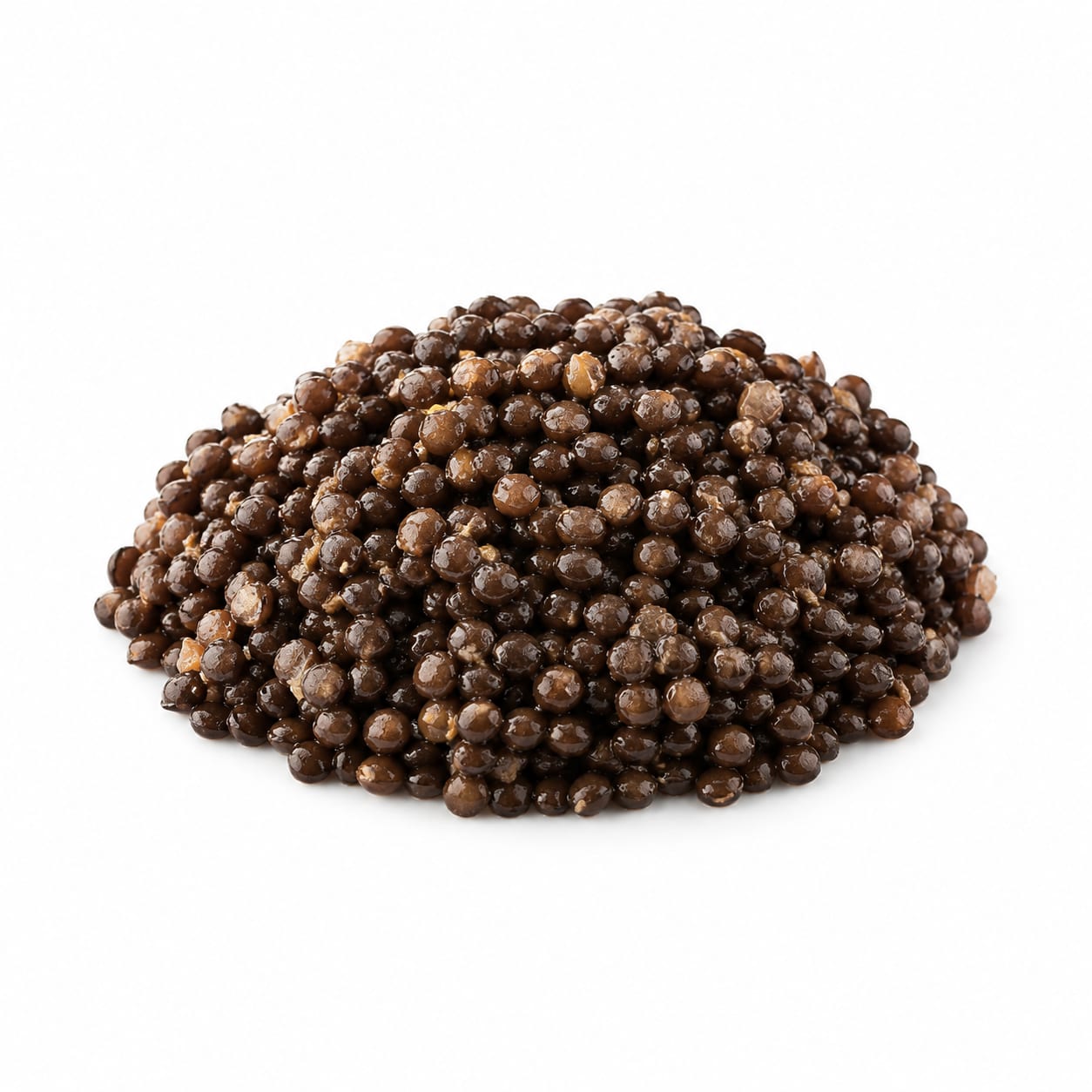
Black Lentil
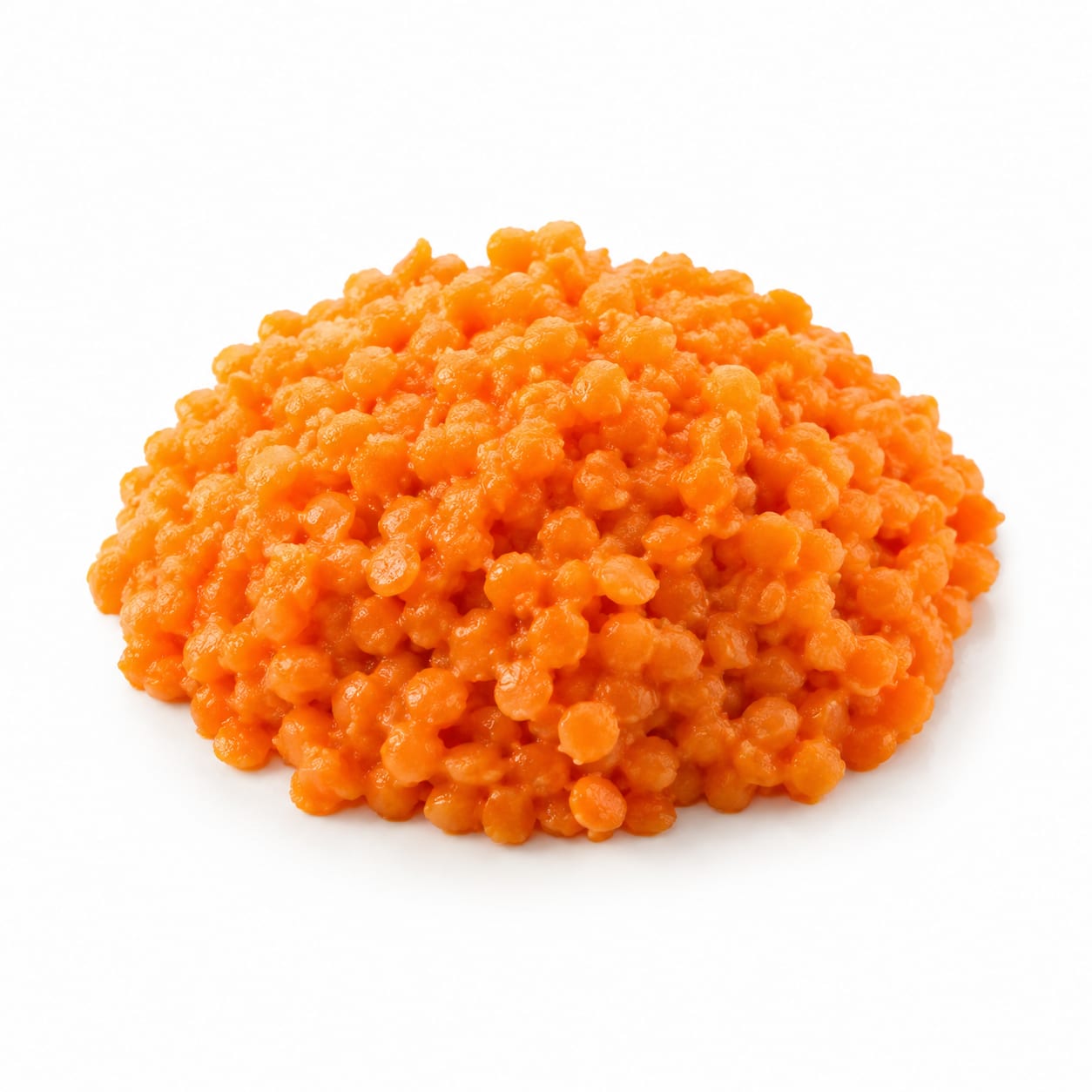
Red Lentil
Black lentils win on nutrition density and satiety; red lentils win on convenience and digestibility. Your choice depends on whether you prioritize fuel or practicality.
Black lentils score higher on nutritional merit alone, but red lentils close the gap through superior convenience and digestibility. The 4-point gap reflects that most people eat what is easy to prepare consistently.
More protein and fiber with longer cook time versus faster cooking with slightly less nutritional punch
At a glance
Executive summary
Overall
It depends
Healthier
Black Lentil
More practical
Red Lentil
Daily use
Red Lentil
Key comparison lenses
protein density and muscle support
Black lentils are among the highest-protein legumes, making this a key differentiator for fitness-focused users
blood sugar stability and glycemic impact
Fiber and structural differences significantly affect how each lentil impacts blood sugar after meals
cooking convenience and meal prep practicality
Red lentils cook in half the time and break down easily, making them far more convenient for weeknight meals
antioxidant and micronutrient density
Black lentils contain unique anthocyanins from their dark pigments, offering antioxidant benefits red lentils lack
digestive tolerance and gut comfort
Red lentils are generally easier to digest due to their softer structure and lower fiber load
Best choice for
Black Lentil
- Maximizing protein intake on a plant-based diet
- Building long-lasting satiety between meals
- Salads and grain bowls where texture matters
- Blood sugar management through high fiber intake
Red Lentil
- Quick weeknight soups, stews, and dal
- Gentle digestion after stomach upset or illness
- Meal prepping under time pressure
- Thickening dishes without added flour or cream
Least suitable for
Black Lentil
- Rush-hour cooking when time is tight
- People with sensitive digestion who struggle with high-fiber foods
- Recipes requiring a smooth, creamy texture
Red Lentil
- Dishes where you want lentils to hold their shape
- Maximizing protein per calorie for athletic goals
- Low-glycemic eating plans requiring the slowest digestion
Deep comparison
Dimension by dimension
Each lens scores both foods and breaks down who each option suits.
- Dimension 1 · Priority 92Black Lentil
Protein Density
Black Lentil · 88Red Lentil · 78Black lentils deliver roughly 26g protein per 100g dry versus 23-25g for red lentils, giving them a meaningful edge for plant-based protein goals.
Tradeoff
The protein advantage is real but modest — roughly 1-3g per serving — which matters most when lentils are your primary protein source.
Why it matters
On a vegan or vegetarian diet, every gram of protein counts. Black lentils help close the gap without needing protein powder.
Real-world impact
A bowl of black lentils at lunch keeps you fuller longer and reduces the urge to snack before dinner.
Black Lentil
- Vegans relying on legumes as a protein cornerstone
- Athletes needing sustained amino acid intake
Better for
- People who find higher-protein meals too heavy at night
Worse for
Red Lentil
- Casual eaters who get protein from multiple sources anyway
Better for
- Anyone trying to hit high protein targets from plants alone
Worse for
- Dimension 2 · Priority 88Black Lentil
Fiber and Satiety
Black Lentil · 90Red Lentil · 75Black lentils contain significantly more fiber — especially insoluble fiber — which slows digestion and extends fullness for hours.
Tradeoff
More fiber means better blood sugar control but also more gas and bloating if your gut is not accustomed to high-fiber meals.
Why it matters
Fiber is the single most underrated nutrient for weight management. It silently reduces how much you eat at the next meal.
Real-world impact
Black lentils at noon can suppress the 3pm snack craving that derails your afternoon. Red lentils may leave you hungry sooner.
Black Lentil
- People trying to lose weight without counting calories
- Anyone managing prediabetes or insulin resistance
Better for
- People with IBS or sensitive bowels who react to insoluble fiber
Worse for
Red Lentil
- Those transitioning to a high-fiber diet who need a gentler entry point
Better for
- Dieters relying on satiety to naturally reduce portions
Worse for
- Dimension 3 · Priority 86Black Lentil
Blood Sugar Stability
Black Lentil · 85Red Lentil · 72Black lentils have a lower effective glycemic impact because their intact structure and higher fiber slow glucose absorption significantly.
Tradeoff
Red lentils break down during cooking, releasing starches faster. This makes them creamier but less blood-sugar-friendly.
Why it matters
Steadier blood sugar means fewer energy crashes, less brain fog, and reduced cravings throughout the day.
Real-world impact
After a red lentil dal, you might feel a quicker energy rise and dip. Black lentils provide a slower, steadier burn.
Black Lentil
- People with type 2 diabetes or metabolic syndrome
- Anyone trying to eliminate afternoon energy crashes
Better for
- Endurance athletes needing quick glycogen replenishment
Worse for
Red Lentil
- Athletes who want faster carbohydrate availability post-workout
Better for
- People monitoring their HbA1c who need the slowest glucose release
Worse for
- Dimension 4 · Priority 85Red Lentil
Cooking Convenience
Black Lentil · 55Red Lentil · 92Red lentils cook in 10-15 minutes and break down into a creamy texture effortlessly. Black lentils take 20-30 minutes and stay firm.
Tradeoff
Speed and ease versus texture control. Red lentils practically cook themselves; black lentils require more attention and planning.
Why it matters
The best lentil for you is the one you actually cook. Convenience often beats marginal nutritional advantages in real life.
Real-world impact
On a Tuesday at 6:30pm, red lentils are dinner in 15 minutes. Black lentils require soaking or a longer simmer window.
Black Lentil
- Weekend meal prep when time is not a constraint
- Recipes where a firm, distinct lentil texture is essential
Better for
- Anyone who regularly eats dinner at 8pm after a long day
Worse for
Red Lentil
- Weeknight cooking under time pressure
- Beginners intimidated by cooking dried legumes
Better for
- Cooks who want lentils that hold shape in salads or side dishes
Worse for
- Dimension 5 · Priority 80Black Lentil
Antioxidant and Micronutrient Density
Black Lentil · 88Red Lentil · 68The dark pigment in black lentils comes from anthocyanins — the same antioxidants found in blueberries — which red lentils essentially lack.
Tradeoff
Antioxidant benefits are cumulative and long-term. You will not feel them immediately, but they matter for aging and inflammation over decades.
Why it matters
Chronic low-grade inflammation drives most lifestyle diseases. Anthocyanins are one of nature's best anti-inflammatory tools.
Real-world impact
Choosing black lentils over red is like choosing blueberries over green grapes — a quiet investment in long-term cellular health.
Black Lentil
- People focused on anti-aging and longevity nutrition
- Anyone with chronic inflammatory conditions
Better for
- People who will not eat lentils unless they cook quickly
Worse for
Red Lentil
- Those who eat a variety of colorful fruits and vegetables already
Better for
- Anyone relying on lentils as a primary antioxidant food source
Worse for
- Dimension 6 · Priority 75Red Lentil
Digestive Tolerance
Black Lentil · 62Red Lentil · 82Red lentils are gentler on the digestive system because their lower fiber content and softer cooked texture require less effort to break down.
Tradeoff
Easier digestion comes at the cost of less fiber benefit. You trade gut stimulation for gut comfort.
Why it matters
The healthiest food is only healthy if you can actually eat it without discomfort. Digestive tolerance is deeply personal.
Real-world impact
If lentils normally make you bloated, red lentils are a much safer starting point. Black lentils may require a gradual adjustment period.
Black Lentil
- People with well-adapted gut microbiomes used to high-fiber diets
Better for
- People with IBS, SIBO, or sensitive digestion
Worse for
Red Lentil
- Those new to legumes or recovering from digestive illness
- Anyone who experiences gas and bloating from other lentils
Better for
- Those who need maximum fiber for constipation management
Worse for
Timeline
Health impact over time
Short-term
Hours to days
Black Lentil
- Extended fullness that reduces between-meal snacking
- Potential gas and bloating if your body is unaccustomed to high fiber intake
- Steady energy without the post-meal crash
Red Lentil
- Quick comfort from a warm, easily digestible meal
- Faster digestion that may leave you hungry again sooner
- Gentle on the stomach during recovery from illness
Long-term
Months to years
Black Lentil
- Better blood sugar regulation reducing diabetes risk over time
- Anthocyanin intake supporting cardiovascular and cognitive health
- Improved gut microbiome diversity from consistent high-fiber feeding
Red Lentil
- Easier long-term adherence due to cooking convenience
- Moderate fiber intake supporting regularity without overwhelming the gut
- Consistent plant protein intake that reduces reliance on animal sources
Risk profile
Safety & processing
Both lentils are whole, minimally processed foods with no additives. The only processing is harvesting and drying. This is a tie — both are as natural as it gets in the legume world.
Black Lentil
Phytic acid reducing mineral absorption
lowBlack lentils contain phytic acid which can bind iron and zinc. Soaking or sprouting before cooking largely neutralizes this concern.
Lectin content if undercooked
mediumLike all legumes, undercooked black lentils contain lectins that can cause nausea. Always cook fully — the longer cook time makes accidental undercooking less likely.
Red Lentil
Phytic acid reducing mineral absorption
lowRed lentils also contain phytic acid, though slightly less than black lentils. Cooking reduces it significantly.
Lectin content if undercooked
lowRed lentils cook quickly and break down thoroughly, making undercooking less common. The risk is lower than with firmer lentils.
Who wins for whom
Audience fit
Same foods, different winners depending on your goal.
children
Red LentilRed lentils cook into a soft, mild mash that is easier for kids to eat and digest. The texture is far more child-friendly.
daily consumption
Red LentilConvenience wins for daily use. Red lentils are faster to cook, easier to digest, and more versatile in everyday recipes.
diabetes
Black LentilLower effective glycemic index and higher fiber slow glucose absorption, creating flatter blood sugar curves after meals.
elderly
Red LentilSofter texture and easier digestion make red lentils more suitable for aging digestive systems that struggle with high-fiber foods.
muscle gain
Black LentilSlightly more protein per serving and better amino acid retention from the intact seed structure support muscle repair.
weight loss
Black LentilHigher fiber and protein create stronger satiety signals, naturally reducing total calorie intake without conscious restriction.
Your move
Decision guide
Choose Black Lentil
- You are plant-based and need to maximize protein and iron from every meal
- Blood sugar control is a health priority for you
- You enjoy cooking and do not mind the extra simmer time
- You want the antioxidant benefits of dark pigmented foods
- You are meal prepping on weekends for the week ahead
Choose Red Lentil
- You need dinner on the table in under 20 minutes on weeknights
- You have a sensitive stomach or are new to eating legumes regularly
- You love making soups, stews, dal, or curries that benefit from a creamy texture
- You are cooking for children or elderly family members
- You want the easiest possible entry point into eating more lentils
Either works if
- You eat a varied diet and rotate between different lentil types anyway
- You are neither diabetic nor digestive-sensitive, making the differences minor
- You value both nutrition and convenience and simply alternate based on the recipe
Avoid both if
- You have a diagnosed legume allergy
- You are on a very low-carb or ketogenic diet
- You have severe IBS and have not yet tolerated any lentil variety
Final recommendation
Keep both in your pantry. Use black lentils when you have time and want maximum nutritional impact — salads, bowls, and intentional meal prep. Use red lentils when you need comfort and speed — soups, dal, and weeknight dinners. The best lentil is the one you actually cook.
Practical
Consumer tips
- 1
Rinse both lentils thoroughly before cooking to remove debris and reduce gas-causing compounds
- 2
Soak black lentils for 1-2 hours before cooking to cut simmer time and improve digestibility
- 3
Add a pinch of asafoetida or cumin while cooking either lentil to reduce bloating — a traditional Ayurvedic trick that works
- 4
Red lentils turn golden when cooked — do not wait for them to stay red, the color shift is normal
- 5
Store both in airtight containers away from light. Old lentils take longer to cook and never fully soften
- 6
If switching from red to black lentils, increase your portion gradually over a week to let your gut adjust to the extra fiber
- 7
Freeze cooked lentils in portioned bags — both varieties freeze well and thaw quickly for instant meal additions