
Nutrition comparison
Black Lentils vs Pinto Beans: Nutrition, Protein, Iron, and Which to Choose
Black lentils deliver more protein and iron per calorie. Pinto beans win on budget and comfort food versatility. Compare nutrition, digestion, blood sugar impact, and best uses for each legume.
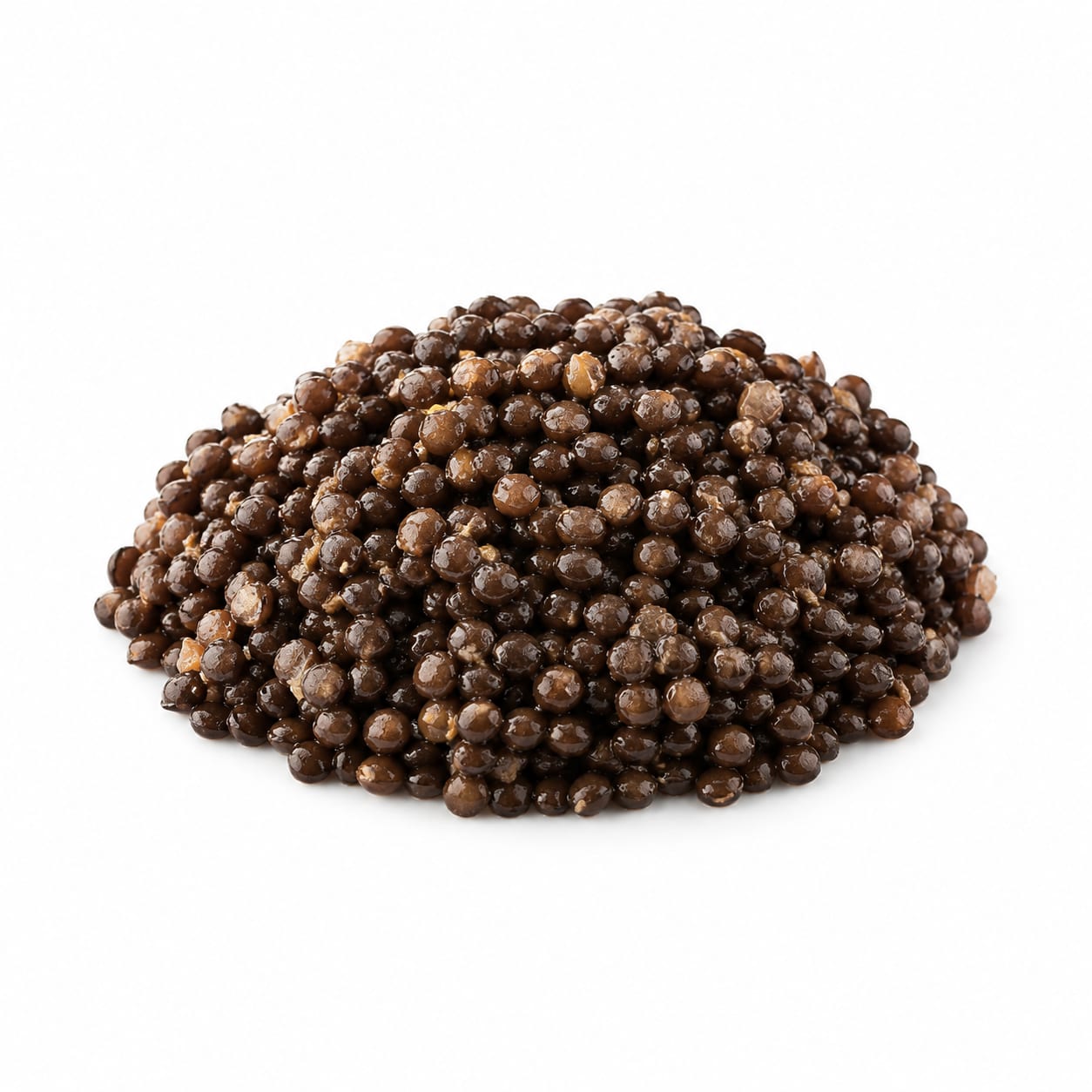
Black Lentil
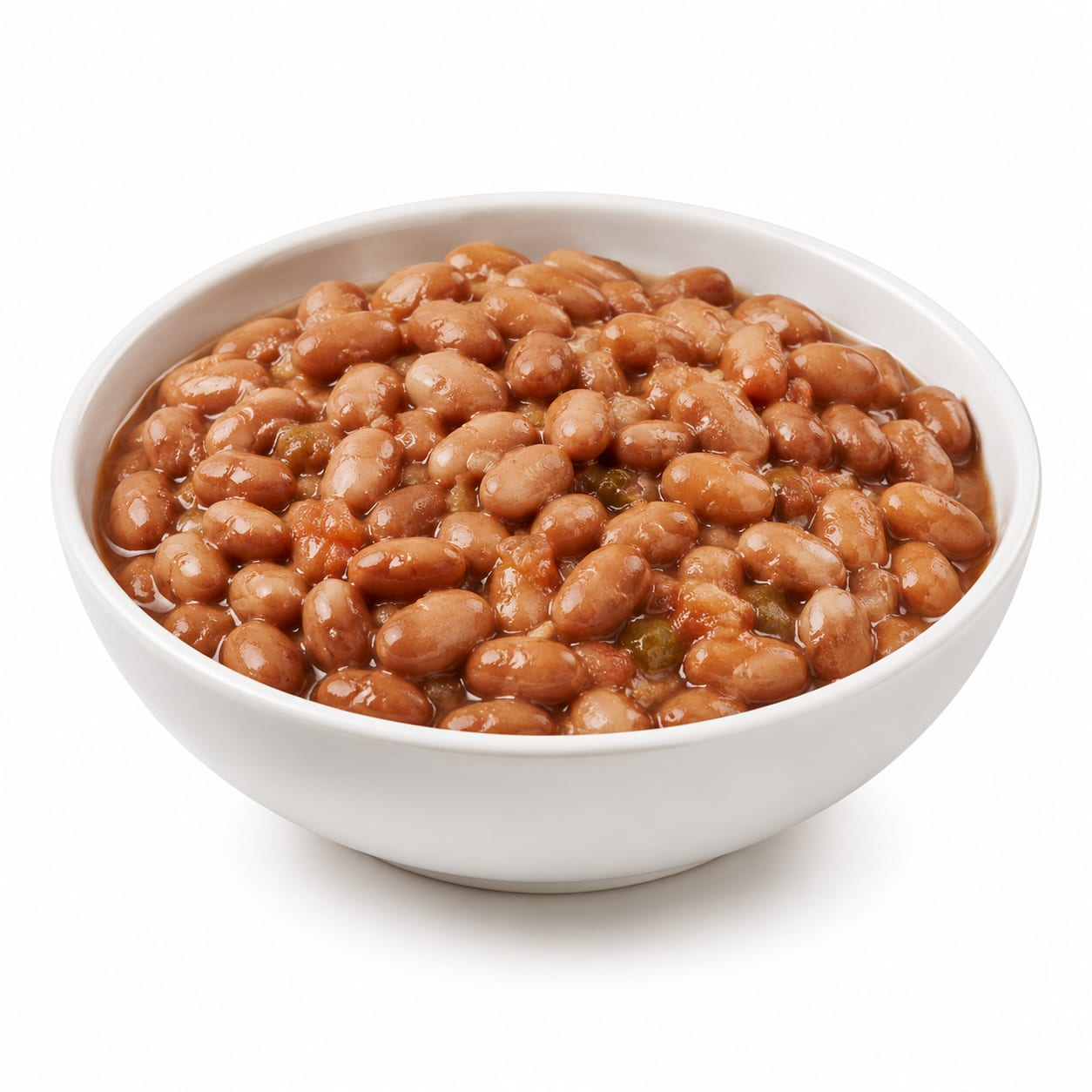
Pinto Bean
Black lentils win on nutrition density and iron; pinto beans win on budget and comfort food versatility. Both are excellent legumes worth rotating.
Black lentils score higher on nutritional merit alone — more protein, more iron, more antioxidants, lower glycemic load. Pinto beans close the gap significantly through affordability, folate content, potassium, and everyday practicality. The 6-point gap reflects that nutrition density edges out convenience, but real-world sustainability of either choice depends on your budget and cooking habits.
Nutritional potency versus practical affordability. Black lentils concentrate more protein and iron into fewer calories, while pinto beans offer more food volume and comfort for less money.
At a glance
Executive summary
Overall
It depends
Healthier
Black Lentil
More practical
Pinto Bean
Daily use
Pinto Bean
Key comparison lenses
protein density per calorie
Black lentils deliver significantly more protein per calorie, making them critical for anyone tracking macros or eating plant-based
blood sugar stability and glycemic impact
Both are low-glycemic but black lentils have a slight edge due to lower carbohydrate density and higher fiber ratio
iron and mineral intake
Black lentils are notably richer in iron, which matters especially for vegetarians and women prone to deficiency
budget and accessibility
Pinto beans are far more affordable and widely available, making them the practical staple for most households
digestive tolerance and gas production
Both can cause bloating but pinto beans are often harder on digestion for sensitive individuals due to larger oligosaccharide content
culinary versatility and recipe fit
Pinto beans dominate in comfort food traditions while black lentils suit salads and grain bowls better
Best choice for
Black Lentil
- Plant-based eaters needing maximum iron and protein per calorie
- People managing blood sugar who want lower carbohydrate density
- Athletes and active individuals tracking macros closely
- Anyone eating smaller portions who needs nutrient density
- Salad and grain bowl enthusiasts wanting texture without heaviness
Pinto Bean
- Families on a budget needing affordable protein at scale
- Comfort food lovers wanting creamy, satisfying bean dishes
- People who eat larger volumes and find small portions unsatisfying
- Anyone seeking folate support during pregnancy
- Cooking traditional Mexican or Southern US cuisine
Least suitable for
Black Lentil
- Those needing large filling portions on a tight calorie budget — the cost adds up fast
- People who dislike firm or chewy textures in their legumes
- Anyone struggling to find them locally or affordably
Pinto Bean
- Individuals highly sensitive to digestive gas and bloating from larger beans
- People strictly limiting carbohydrates who need tighter glycemic control
- Those wanting maximum iron intake from a single serving
Deep comparison
Dimension by dimension
Each lens scores both foods and breaks down who each option suits.
- Dimension 1 · Priority 93Black Lentil
Protein Density and Quality
Black Lentil · 91Pinto Bean · 72Black lentils pack roughly 50% more protein per calorie than pinto beans, making them the clear winner for anyone prioritizing protein intake.
Tradeoff
You get more protein per bite with black lentils but pay more per gram of protein. Pinto beans deliver adequate protein at a fraction of the cost.
Why it matters
For plant-based eaters, every gram of protein requires intentionality. Black lentils make hitting targets easier without overeating calories.
Real-world impact
A cup of black lentils gets you noticeably closer to your daily protein goal than the same volume of pinto beans, which matters when you are tracking macros or recovering from training.
Black Lentil
- Post-workout meals where protein density matters
- Plant-based meal planning with tight calorie budgets
- Smaller eaters who need concentrated nutrition
Better for
- Situations where you need cheap protein in bulk quantities
Worse for
Pinto Bean
- Feeding a family where total protein volume matters more than density
- Budget meal prep where cost per gram of protein is the priority
Better for
- Any context where you are counting calories and protein simultaneously
Worse for
- Dimension 2 · Priority 88Black Lentil
Iron and Micronutrient Density
Black Lentil · 89Pinto Bean · 68Black lentils are a standout iron source, delivering nearly double the iron of pinto beans per serving. Their dark pigment also signals higher antioxidant content.
Tradeoff
Pinto beans compensate with more folate and potassium, which matter for different health goals like pregnancy support and blood pressure regulation.
Why it matters
Iron deficiency is the most common nutrient deficiency worldwide, especially among women. Black lentils are one of the best plant-based iron sources available.
Real-world impact
If you have ever felt lightheaded, cold, or chronically tired from low iron, black lentils are the smarter choice. Pair them with vitamin C for better absorption.
Black Lentil
- Women with heavy menstrual cycles needing iron support
- Vegetarians and vegans at higher risk for iron deficiency
- Anyone recovering from blood loss or anemia
Better for
- Situations where folate is the priority nutrient
Worse for
Pinto Bean
- Pregnant women prioritizing folate intake
- People managing blood pressure who need more dietary potassium
Better for
- Anyone specifically targeting iron intake from food
Worse for
- Dimension 3 · Priority 86Black Lentil
Blood Sugar Stability
Black Lentil · 84Pinto Bean · 76Both legumes are low-glycemic, but black lentils have a lower carbohydrate-to-fiber ratio, resulting in slightly steadier blood sugar responses.
Tradeoff
The difference is modest. Pinto beans are still far better than most starches for blood sugar — they just are not quite as tight as black lentils.
Why it matters
For people with insulin resistance, prediabetes, or diabetes, small glycemic differences compound over thousands of meals across years.
Real-world impact
After a black lentil meal you may notice slightly less afternoon energy dip compared to pinto beans, though both beat rice or bread by a wide margin.
Black Lentil
- People with diabetes or prediabetes seeking the tightest glycemic control
- Those who experience energy crashes after carbohydrate-heavy meals
Better for
- Very active individuals who actually need more carbohydrate fuel
Worse for
Pinto Bean
- Anyone who finds black lentils too light and needs more satisfying volume to avoid snacking later
Better for
- Those monitoring every glycemic increment carefully
Worse for
- Dimension 4 · Priority 82It depends
Satiety and Fullness
Black Lentil · 80Pinto Bean · 82Pinto beans offer more volume and a creamier mouthfeel that many find more satisfying. Black lentils fill you up with less food, which can feel either efficient or insufficient depending on your appetite.
Tradeoff
Volume eaters prefer pinto beans for the feeling of a full plate. Nutrient-density seekers prefer black lentils for feeling nourished without heaviness.
Why it matters
Satiety is deeply personal. Some people feel satisfied by nutrient density, others by physical fullness. The wrong match leads to snacking or overeating later.
Real-world impact
If a small dense meal leaves you hunting for snacks an hour later, pinto beans are the better bet. If heavy meals make you sluggish, black lentils keep things lighter.
Black Lentil
- People who prefer lighter meals that do not sit heavy
- Those eating multiple smaller meals throughout the day
Better for
- Big eaters who feel deprived by small portions
Worse for
Pinto Bean
- Volume eaters who need a full plate to feel satisfied
- Anyone replacing meat with beans who wants a hearty substitute
Better for
- People who dislike the heavy full feeling after large bean meals
Worse for
- Dimension 5 · Priority 78Black Lentil
Digestive Tolerance
Black Lentil · 77Pinto Bean · 65Black lentils are generally easier to digest and produce less gas than pinto beans, which contain higher levels of oligosaccharides that ferment in the gut.
Tradeoff
Neither is as gentle as split peas or dal. If you have a very sensitive gut, both require gradual introduction and thorough cooking.
Why it matters
Social discomfort and bloating from beans is one of the top reasons people abandon legume-heavy diets. The easier option is more sustainable long-term.
Real-world impact
If you have ever avoided beans before a social event because of bloating, black lentils are the safer choice. Soaking either legume overnight helps both significantly.
Black Lentil
- People with mild IBS or sensitive digestion
- Anyone new to legumes who wants a gentler entry point
- Those who eat beans before social events and worry about gas
Better for
- Anyone who finds even small lentils triggering — in that case both are problematic
Worse for
Pinto Bean
- People with well-adapted gut microbiomes who tolerate beans easily
Better for
- Individuals prone to bloating, especially when eating large portions
Worse for
- Dimension 6 · Priority 85Pinto Bean
Budget and Accessibility
Black Lentil · 55Pinto Bean · 92Pinto beans are one of the most affordable protein sources on the planet. Black lentils cost significantly more and are harder to find in many regions.
Tradeoff
You pay a premium for the nutritional density of black lentils. For households watching every grocery dollar, pinto beans deliver outstanding value.
Why it matters
The healthiest food only works if you can afford to eat it consistently. Budget often determines what lands on the plate long before nutrition does.
Real-world impact
A family of four can eat pinto beans multiple times per week for pennies per serving. Black lentils may be reserved for occasional use depending on income.
Black Lentil
- Those with flexible grocery budgets prioritizing nutrition over cost
- Meal preppers who use small portions of premium ingredients
Better for
- Households where food cost is a primary decision driver
Worse for
Pinto Bean
- Families on tight food budgets
- Anyone buying in bulk for cost savings
- People in regions where black lentils are unavailable or imported at high cost
Better for
- Situations where you are willing to pay more for better nutrient density
Worse for
- Dimension 7 · Priority 72It depends
Culinary Versatility and Enjoyment
Black Lentil · 74Pinto Bean · 80Pinto beans shine in comfort food — burritos, chili, refried beans, soups. Black lentils excel in lighter dishes — salads, grain bowls, side dishes where texture matters.
Tradeoff
Pinto beans have deeper roots in beloved traditional recipes. Black lentils feel more modern and versatile but lack the emotional comfort factor.
Why it matters
People eat what they enjoy. Nutritional superiority means nothing if the food sits unused in the pantry because nobody wants to cook it.
Real-world impact
If your family loves taco night and bean chili, pinto beans are the obvious choice. If you meal-prep grain bowls and salads, black lentils fit more naturally.
Black Lentil
- Grain bowl and salad meal preppers
- People who enjoy firm, chewy textures in their legumes
- Those exploring Mediterranean or Middle Eastern recipe styles
Better for
- Traditional bean dish recipes where a firm lentil feels out of place
Worse for
Pinto Bean
- Anyone cooking Mexican, Tex-Mex, or Southern comfort food
- People who love creamy, melt-in-your-mouth bean textures
- Families with established bean recipes everyone already enjoys
Better for
- Lighter meals and cold dishes where creamy beans feel too heavy
Worse for
Timeline
Health impact over time
Short-term
Hours to days
Black Lentil
- Steady energy with minimal blood sugar spike after meals
- Moderate fullness from nutrient density rather than volume
- Lower likelihood of bloating compared to larger beans
- Sustained satiety that reduces between-meal snacking
Pinto Bean
- Hearty fullness from larger food volume and creamier texture
- More pronounced digestive gas for those unaccustomed to high-fiber beans
- Satisfying comfort food experience that feels like a real meal
- Slightly larger blood sugar response, though still well within healthy range
Long-term
Months to years
Black Lentil
- Better iron status over time, especially important for menstruating women
- Lower cumulative glycemic load supporting metabolic health
- Higher antioxidant intake from anthocyanins in the dark seed coat
- Easier long-term digestive sustainability for sensitive guts
Pinto Bean
- Stronger folate intake supporting cellular repair and pregnancy health
- More potassium contributing to long-term blood pressure management
- Excellent fiber intake supporting gut microbiome diversity
- Greater dietary affordability enabling more consistent legume consumption
Risk profile
Safety & processing
Both black lentils and pinto beans are whole, minimally processed foods in their dried form. Canned versions may contain added sodium, so rinsing is recommended. Neither carries meaningful additive concerns when purchased dried or low-sodium canned.
Black Lentil
Undercooking
mediumLike all legumes, undercooked black lentils contain lectins that can cause digestive distress. Thorough cooking eliminates this risk completely.
Contamination in bulk bins
lowOpen bulk bins can introduce moisture or cross-contamination. Inspect for debris and store properly after purchase.
Pinto Bean
Undercooking and lectin toxicity
highPinto beans contain phytohaemagglutinin, a lectin that can cause severe gastrointestinal illness if beans are eaten raw or undercooked. Slow cookers may not reach safe temperatures — boil for at least 10 minutes before slow cooking.
Canned sodium load
mediumCanned pinto beans often contain 400-600mg sodium per serving. Rinsing removes about 40% but not all. Dried cooking gives full control.
BPA exposure from can linings
lowSome canned beans use BPA-lined cans. Choosing dried beans or BPA-free cans eliminates this concern.
Who wins for whom
Audience fit
Same foods, different winners depending on your goal.
children
Pinto BeanPinto beans are milder, creamier, and easier for kids to accept, especially as refried beans or in burritos. The softer texture and familiar flavor profile make them more kid-friendly.
daily consumption
Pinto BeanAffordability and culinary familiarity make pinto beans easier to eat daily without budget strain or recipe fatigue. Black lentils are nutritionally superior but harder to sustain as a daily staple for most people.
diabetes
Black LentilLower carbohydrate density and a tighter fiber-to-carb ratio produce steadier blood sugar responses. Both are excellent choices, but black lentils have a measurable edge for glycemic control.
elderly
Pinto BeanSofter texture when cooked is easier to chew and digest for aging digestive systems. Higher potassium supports blood pressure management common in older adults.
muscle gain
Black LentilHigher protein density per serving makes it easier to hit daily protein targets without excess calories. Both need complementary grains for complete amino acids, but black lentils get you closer faster.
weight loss
Black LentilBlack lentils deliver more protein and fiber per calorie, keeping you full on fewer calories. The lower energy density supports portion control more naturally.
Your move
Decision guide
Choose Black Lentil
- You are plant-based and need maximum iron and protein from each meal
- You track macros or calories and want the most nutrition per bite
- You have mild digestive sensitivity and want a gentler legume
- You prefer lighter meals that do not leave you feeling heavy
- You eat a lot of salads and grain bowls and want a textured protein addition
Choose Pinto Bean
- Budget is a primary factor in your food decisions
- You love comfort food and want beans that feel hearty and satisfying
- You cook for a family and need affordable protein at scale
- You are pregnant or trying to conceive and want maximum folate
- You enjoy traditional Mexican or Southern cooking and want authentic results
Either works if
- You simply want more legumes in your diet and both are available
- You are rotating protein sources throughout the week
- You have no specific nutrient deficiencies and eat a varied diet
- You are gradually increasing your fiber intake and tolerate both well
Avoid both if
- You have a diagnosed legume allergy
- You are in an acute IBS flare and need a low-FODMAP elimination phase
- You are on a very low-carb or ketogenic diet — both exceed carbohydrate limits
Final recommendation
Keep both in your pantry if possible. Use black lentils when nutrition density matters most — weekday lunches, post-workout meals, iron-focused days. Use pinto beans when comfort, budget, and family satisfaction lead — weekend cooking, batch meal prep, taco night. Rotating between them gives you the iron and antioxidant boost of black lentils alongside the folate, potassium, and affordability of pinto beans. If you must choose only one, pick based on what you will actually cook and eat consistently. The best legume is the one that does not sit forgotten in the back of your cupboard.
Practical
Consumer tips
- 1
Soak both legumes overnight and discard the soaking water to significantly reduce gas-causing oligosaccharides
- 2
Add a strip of kombu seaweed while cooking beans — it helps break down tough fibers and reduces bloating
- 3
Rinse canned pinto beans thoroughly to remove about 40% of the added sodium
- 4
Pair black lentils with bell peppers, tomatoes, or citrus to boost iron absorption with vitamin C
- 5
If new to eating legumes regularly, start with half-cup servings and increase gradually over two weeks to let your gut adapt
- 6
Black lentils cook in 20-25 minutes without soaking, making them surprisingly convenient for a weeknight meal
- 7
Pinto beans need a full 10-minute boil before slow cooking to destroy lectins — skipping this step can cause serious stomach illness
- 8
Buy dried beans in bulk when possible — they store for over a year in airtight containers and cost a fraction of canned