
Legume
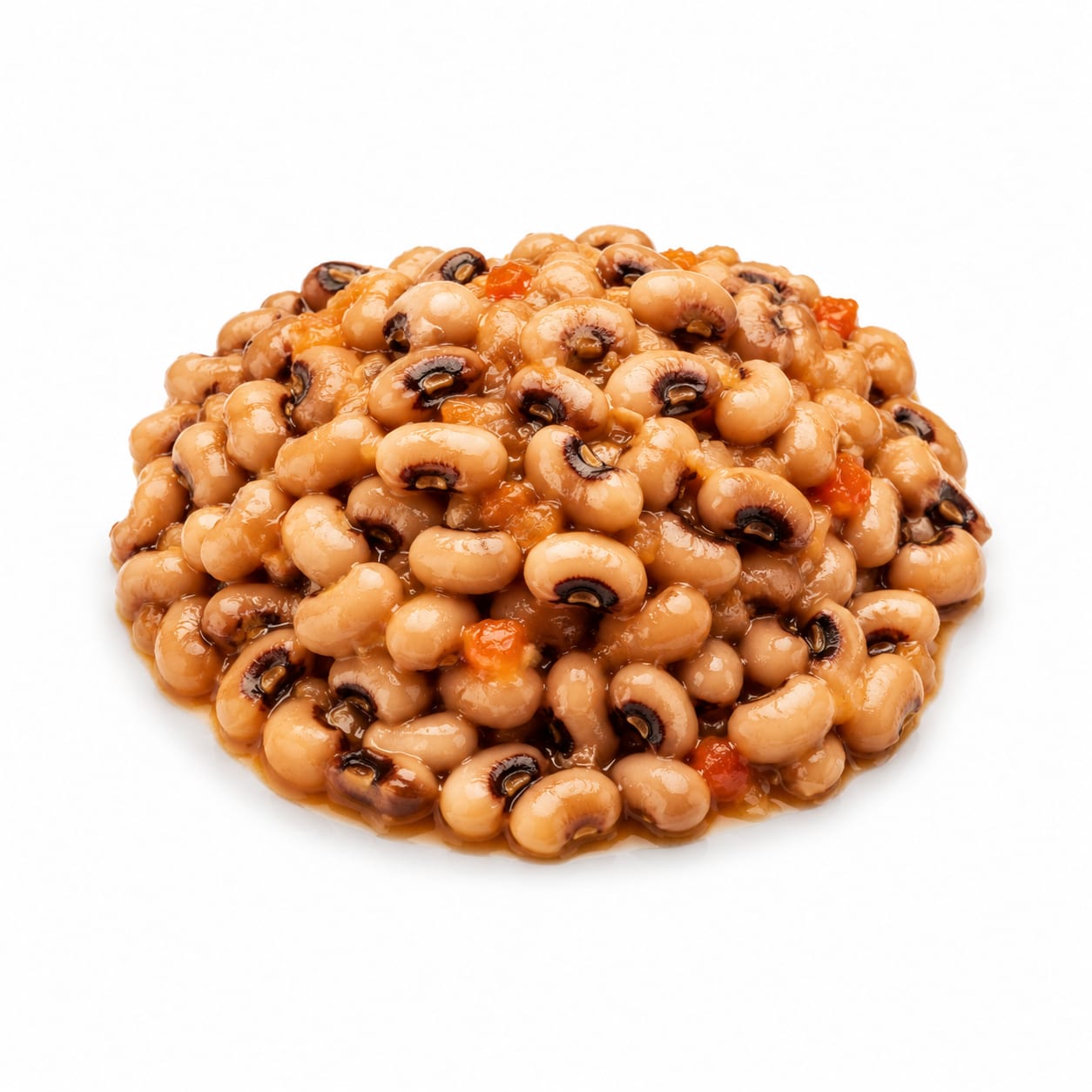
Black Eyed Pea
A fiber-rich legume known for its low glycemic impact and sustained energy release.
A creamy-textured, pale-colored legume with a distinctive black spot, widely consumed as a nutrient-dense pulse and Southern culinary staple.
fiber-rich plant protein pulse
Typical serving · 130g
Common varieties · California Blackeye, Pinkeye Purple Hull, Queen Anne, Hercules, Crowder
Overall context score across nutrition, safety, and diet fit
At a glance
Quick facts
Simple indicators based on nutrition, processing, and diet fit.
The story
What makes it unique
Moderate digestion speed due to a robust matrix of soluble and insoluble fiber, which extends satiety and blunts glycemic response. Macronutrient profile features complex carbohydrates and moderate plant protein with minimal fat. Minimally processed when prepared from dry form.
Varieties: California Blackeye · Pinkeye Purple Hull · Queen Anne · Hercules · Crowder
Per 100g
Nutrition breakdown
Macro balance and key metrics at a glance.
Energy
Density 0.77 kcal/g
Protein
Carbs
Fat
Fiber
Sugar
2.8 g
Sodium
3 mg
Potassium
278 mg
Glycemic index
33
Glycemic load
5
Water content
70%
Standout compounds
Nutrient highlights
Folate
highSupports cell division and DNA synthesis
Fiber
highPromotes satiety and feeds gut microbiome
Magnesium
moderateSupports muscle and nerve function
Iron
moderateEssential for oxygen transport in blood
Potassium
moderateHelps regulate blood pressure and fluid balance
Wellness map
Health scores & processing
NOVA processing scale
minimally processed · Whole food
Whole food cooked from its natural dried state without chemical additives or artificial preservatives.
Diet compatibility
- Weight loss
- Muscle gain
- Diabetes
- Gut health
- Low carb
- High protein
- Heart health
Relative standing
Food rankings
Qualitative ranks compared to similar whole foods.
- Satietygood
- Blood sugarexcellent
- Nutrient densitygood
- Fitness fuelgood
- Processing qualityexcellent
Eat with confidence
Food safety profile
Safe when properly cooked. Raw or undercooked legumes contain lectins that can cause gastrointestinal distress, but boiling completely neutralizes them.
Evidence confidence 95%
- Pesticideslow
- Antibioticslow
- Heavy metalslow
- Contaminationlow
Watch for
- phytohemagglutinin
Safer choices
Organic dried beans to minimize pesticide residue exposure.
Prep tips
Rinse dried beans, soak overnight, and boil thoroughly. If using canned, rinse well to remove excess sodium and starchy liquid.
None significant.
Deep dive
Health analysis
How this food may fit different goals and preparation choices.
Weight loss
Low energy density and high fiber create prolonged fullness, making overeating difficult and reducing overall calorie intake.
Blood sugar
Low glycemic index and high fiber slow glucose absorption, preventing blood sugar spikes and supporting insulin sensitivity.
Fitness & energy
Provides steady, slow-releasing complex carbohydrates ideal for endurance activities rather than rapid post-workout glycogen replenishment.
Gut health
Rich in soluble fiber that feeds beneficial gut bacteria and promotes regular, healthy bowel movements.
Processing quality
Whole food in its natural state; canned versions may contain added sodium but remain minimally processed structurally.
Food safety
Safe when thoroughly cooked; boiling eliminates naturally occurring lectins found in raw legumes.
Common mistakes
Assuming canned versions are low in sodium without rinsing, or pairing with excessive fatty meats which negates weight loss benefits.
Best preparation
Boiling from dried or using low-sodium canned versions after thorough rinsing.
Practical guide
Best use cases
When and how this food fits real eating patterns.
High-fiber side dish
Replaces refined grains with a low-glycemic, high-fiber alternative that stabilizes blood sugar.
Plant-based meal base
Provides a sturdy, protein-rich foundation for vegan and vegetarian bowls alongside whole grains.
Slow-release energy
Fueling endurance activities with complex carbohydrates that avoid sugar crashes.
Balance sheet
Pros & cons
Upsides
- Excellent blood sugar control due to low glycemic index
- High fiber supports digestive regularity and satiety
- Affordable and shelf-stable plant protein source
- Rich in folate for cellular health
- Naturally very low in fat
Trade-offs
- Contain complex sugars that can cause bloating or gas
- Not a complete protein, lacking sufficient methionine
- Canned versions often contain high sodium
- Moderate in carbs, not suitable for strict ketogenic diets
Fit check
Who is it for?
Great match
- blood sugar management
- high-volume eating
- plant-based diets
- heart-healthy diets
Consider alternatives
- strict ketogenic diets
- low-FODMAP diets
- acute gastrointestinal distress recovery
Side by side
How it compares
Open the full head-to-head analysis for nutrition, safety, and practical tradeoffs.
This food
Black Eyed Pea
VS85% alike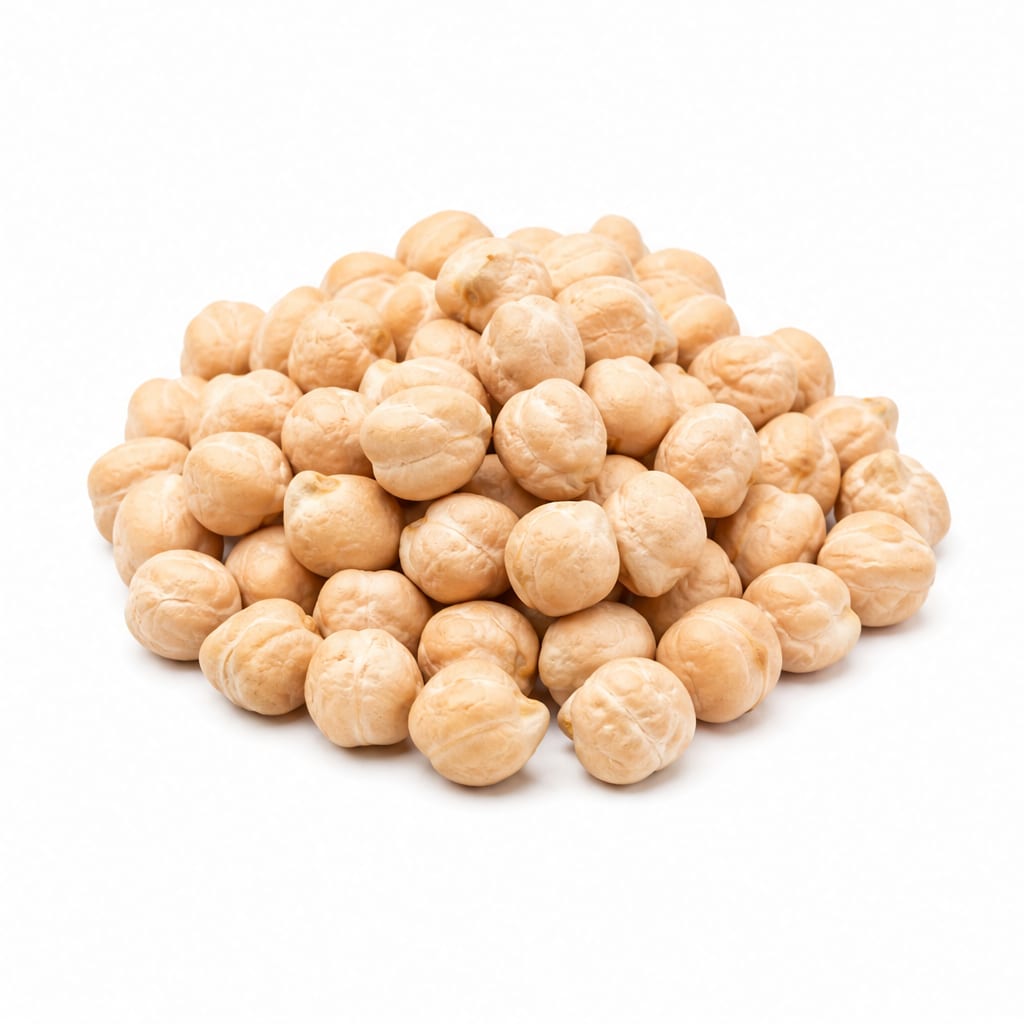
Compare with
Chickpeas
Chickpeas are slightly higher in calories and fiber, while black-eyed peas offer more folate and a lower glycemic load.
Black-eyed peas are better for blood sugar control and lower in calories, while chickpeas provide slightly more fiber and sustained energy for fitness.
This food
Black Eyed Pea
VS90% alike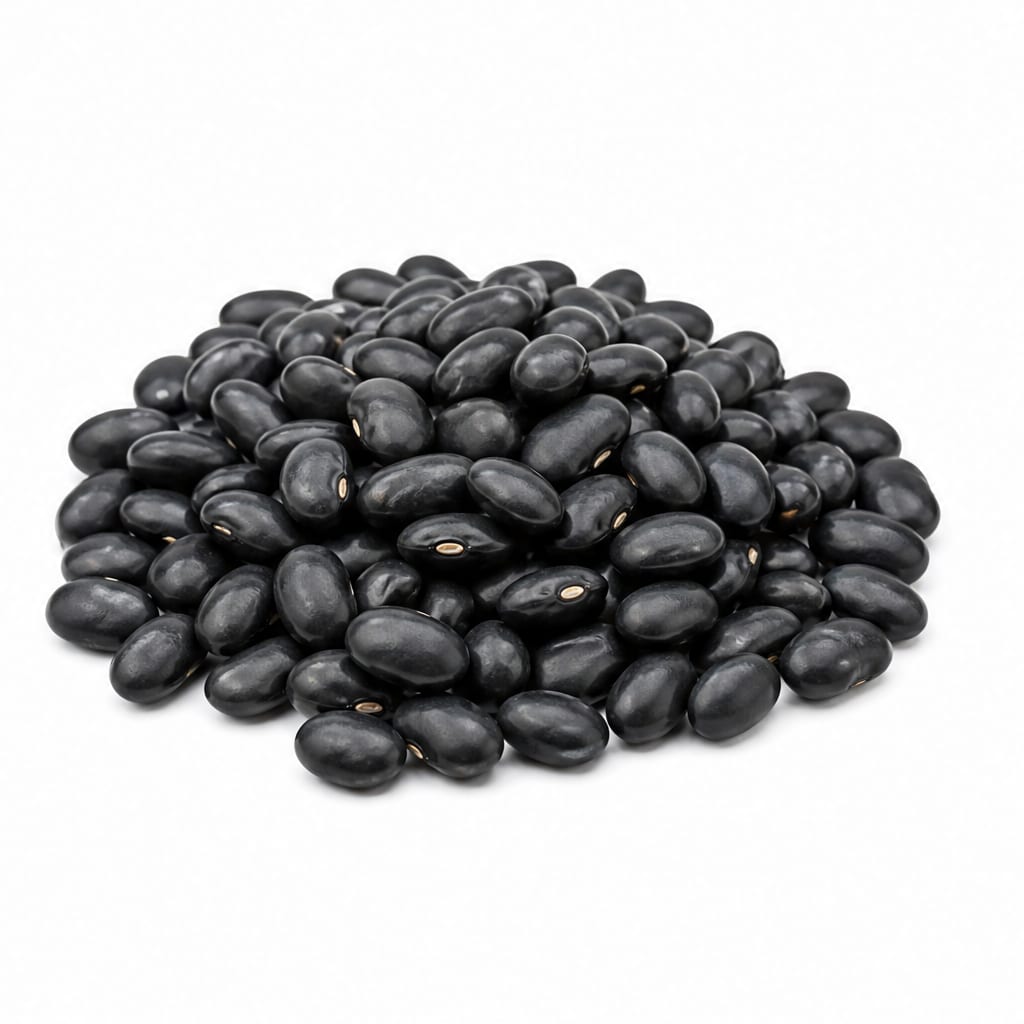
Compare with
Black Beans
Black beans are denser in fiber and antioxidants, whereas black-eyed peas are lighter in calories and higher in folate.
Black beans offer more fiber and antioxidants for satiety, while black-eyed peas are lower in calories and better for strict calorie deficits.
This food
Black Eyed Pea
VS85% alike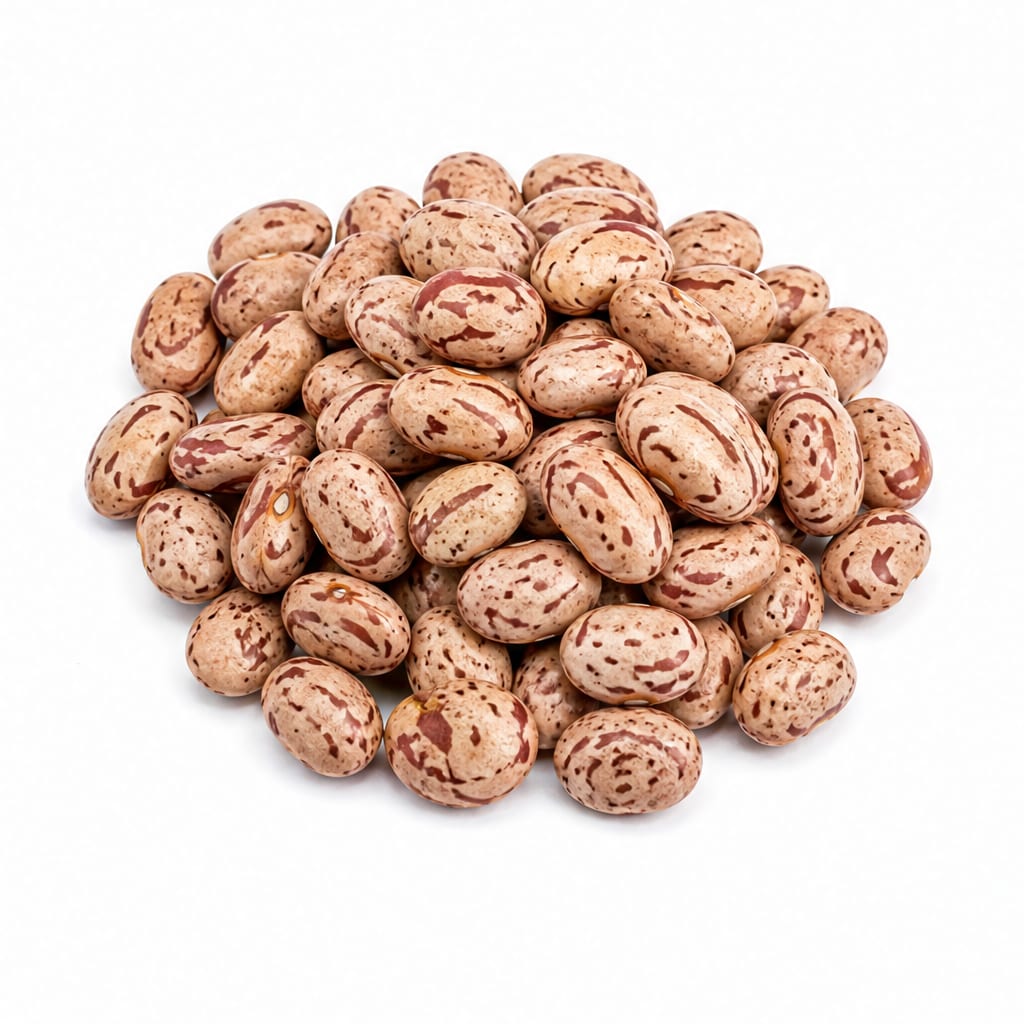
Compare with
Pinto Beans
Pinto beans are slightly higher in carbohydrates and fiber, while black-eyed peas have a marginally better glycemic profile.
Black-eyed peas edge out pinto beans for blood sugar control and lower calories, but pinto beans are slightly more filling.
This food
Black Eyed Pea
VS80% alike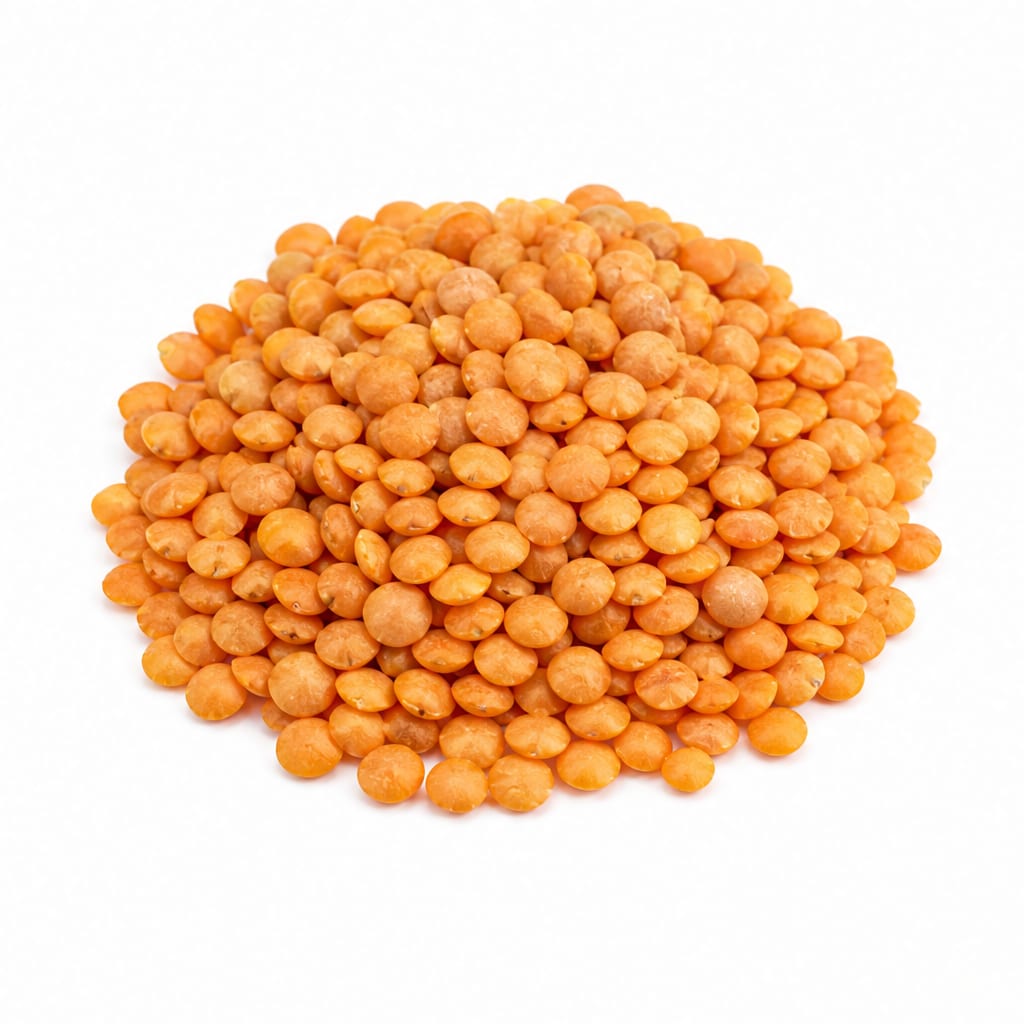
Compare with
Lentils
Lentils cook faster and offer more protein and fiber per calorie, making them superior for most health metrics.
Lentils provide more protein and fiber per serving than black-eyed peas, making them better for satiety and muscle support.
This food
Black Eyed Pea
VS75% alike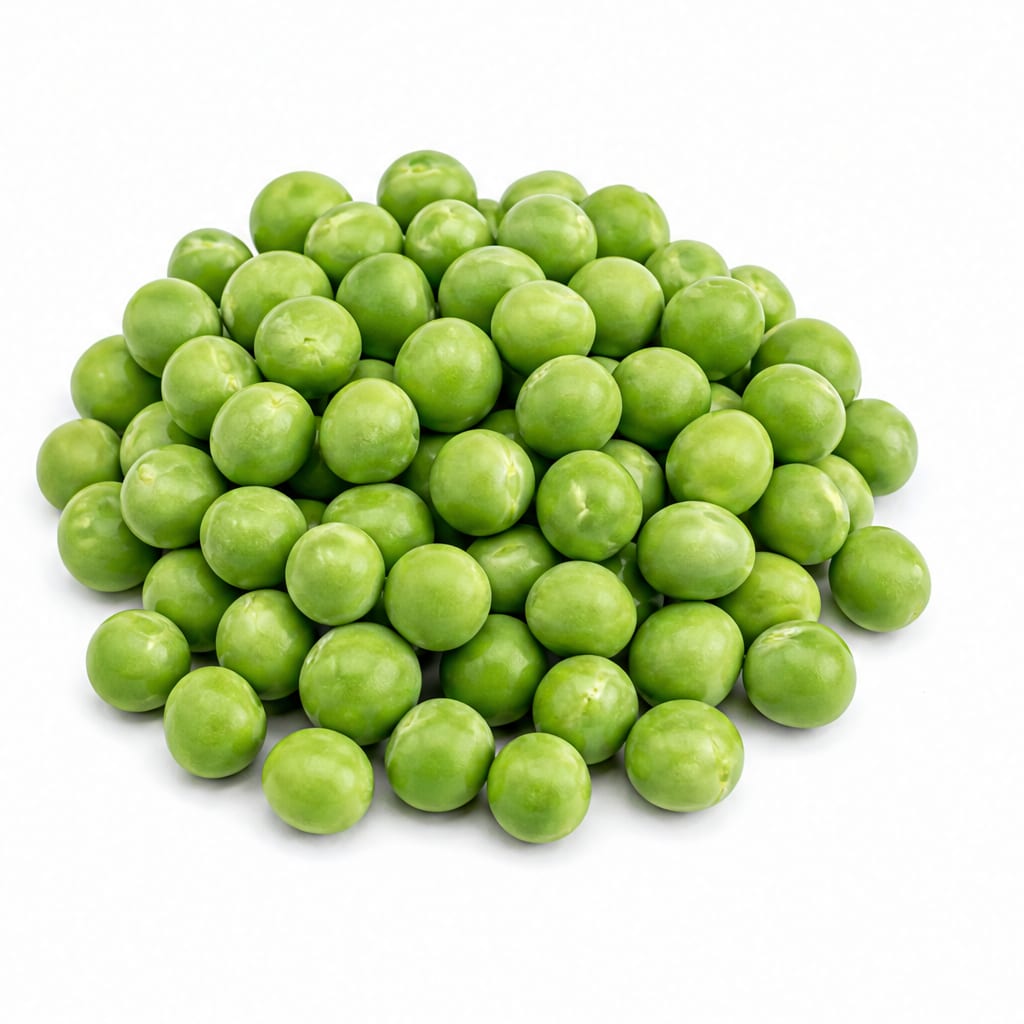
Compare with
Green Peas
Green peas are sweeter with a higher glycemic index, while black-eyed peas are starchier, lower in sugar, and higher in folate.
Black-eyed peas are lower in sugar and better for blood sugar control than green peas, which act more like a starchy vegetable.
This food
Black Eyed Pea
VS85% alike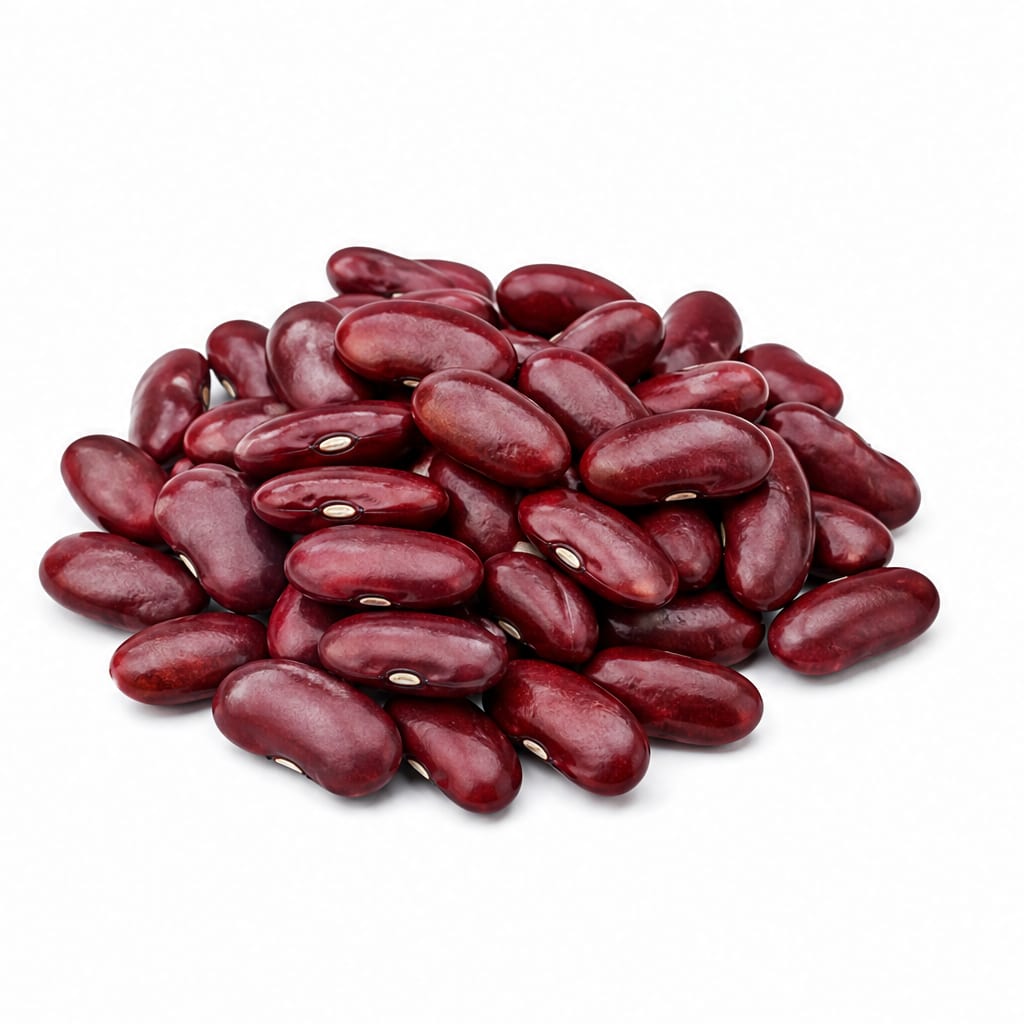
Compare with
Kidney Beans
Kidney beans are higher in fiber and protein, but black-eyed peas are lower in calories and have a milder, quicker-cooking profile.
Kidney beans win for fiber and protein content, while black-eyed peas are a lighter, lower-calorie alternative.
This food
Black Eyed Pea
VS80% alike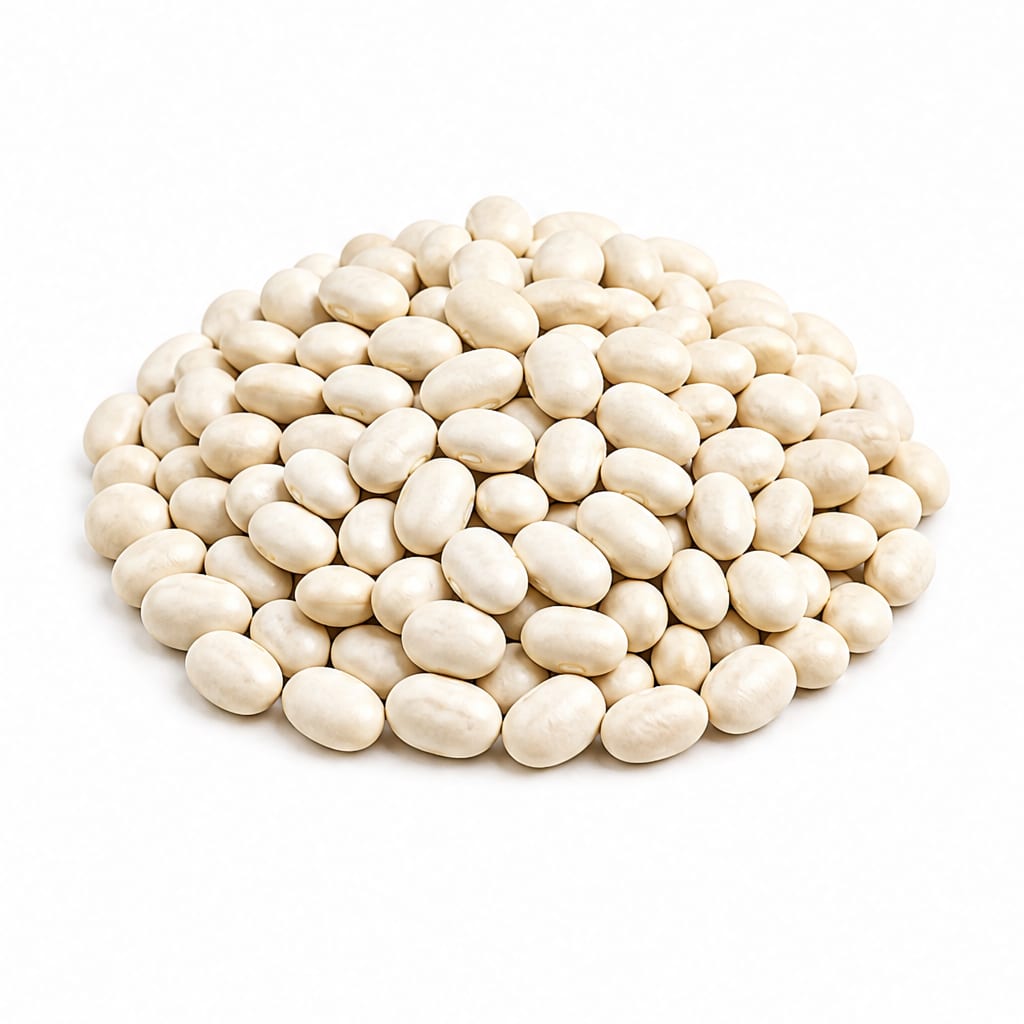
Compare with
Navy Beans
Navy beans are higher in fiber and protein but slightly higher in calories than black-eyed peas.
Navy beans provide more protein and fiber for satiety, while black-eyed peas offer a lower-calorie option for weight loss.
This food
Black Eyed Pea
VS70% alike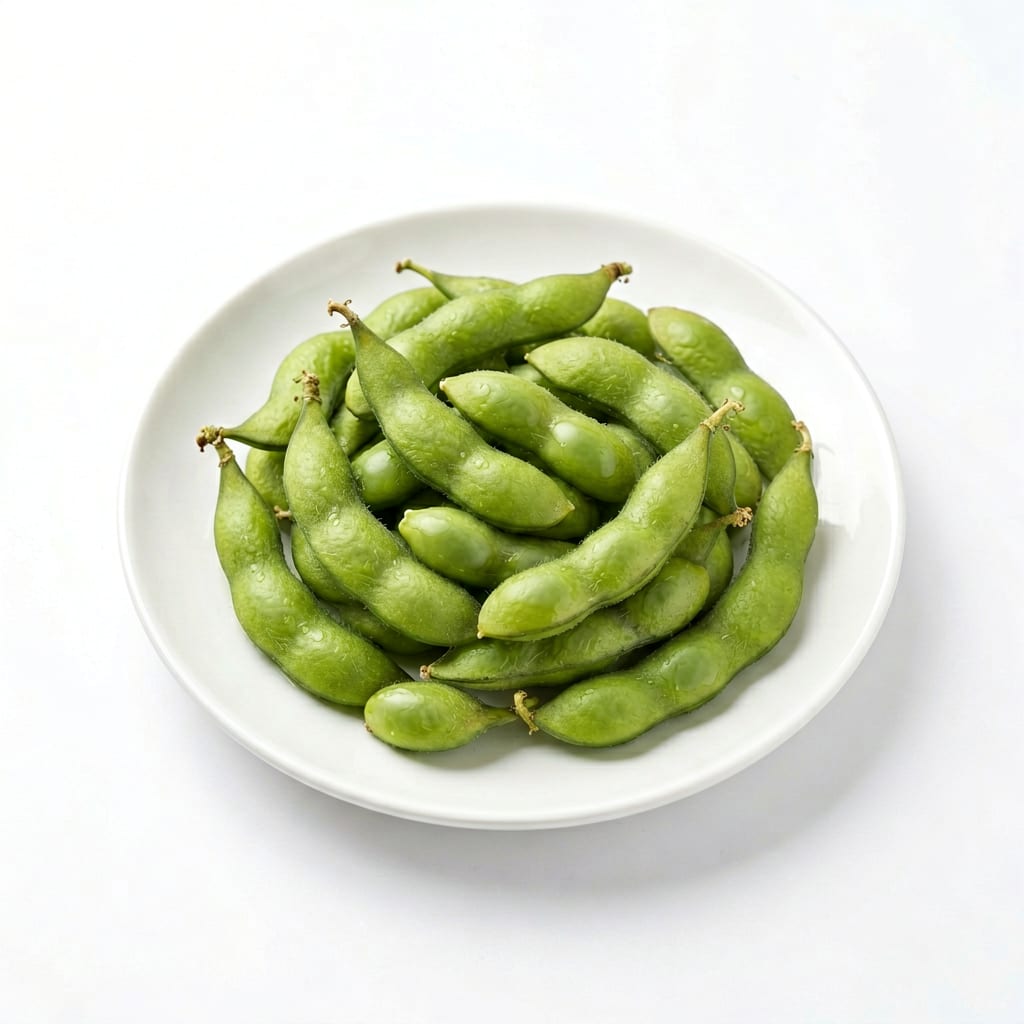
Compare with
Edamame
Edamame is a complete protein with far more fat and protein, while black-eyed peas are primarily a carbohydrate and fiber source.
Edamame is superior for high-protein and low-carb diets, while black-eyed peas are better for low-fat, high-carb energy needs.
This food
Black Eyed Pea
VS85% alike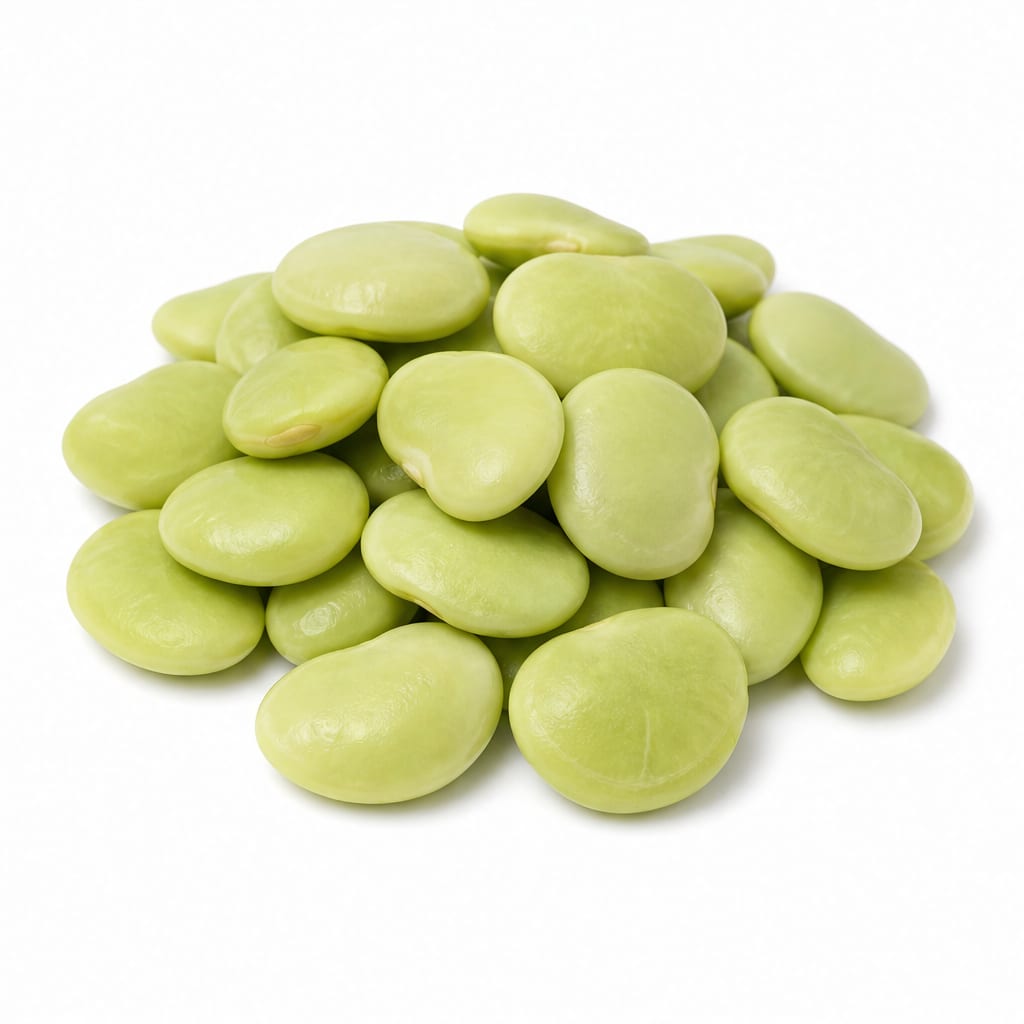
Compare with
Lima Beans
Lima beans are slightly higher in carbohydrates and potassium, while black-eyed peas are richer in folate.
Black-eyed peas are better for blood sugar management, whereas lima beans offer slightly more potassium and dense energy.
This food
Black Eyed Pea
VS80% alike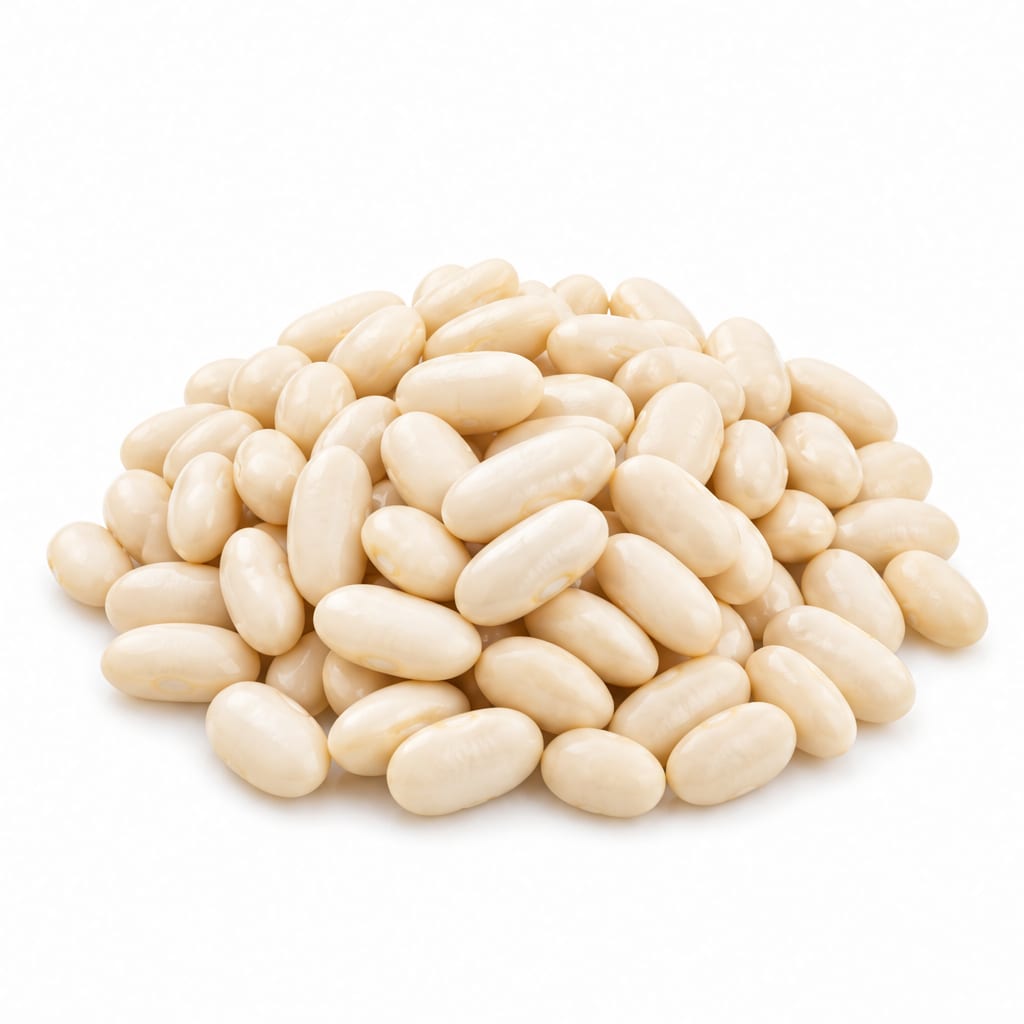
Compare with
Cannellini Beans
Cannellini beans are richer in protein and iron, while black-eyed peas are lower in calories and higher in folate.
Cannellini beans offer more protein and iron for muscle health, while black-eyed peas are a lighter, lower-calorie choice.
Common questions
FAQ
Answers aligned with how people search for this food.
Are black eyed peas good for weight loss?
Yes, they are excellent for weight loss. They are low in calories but high in fiber and protein, which helps you feel full longer and reduces overall calorie intake.
Can diabetics eat black eyed peas?
Yes, they have a low glycemic index and glycemic load. Their high fiber content slows down sugar absorption, preventing blood glucose spikes.
Are black eyed peas a carb or a protein?
They contain both. Black eyed peas are primarily a complex carbohydrate, but they also provide a moderate amount of plant-based protein.
Do black eyed peas make you gassy?
They can cause bloating or gas in some people due to their high fiber and oligosaccharide content. Soaking dried beans before cooking and increasing water intake can help reduce this effect.
Are canned black eyed peas healthy?
Canned black eyed peas are convenient and retain most nutrients, but they can be high in sodium. Rinsing them thoroughly under water removes up to 40% of the added sodium.
What happens if you eat black eyed peas everyday?
Eating them daily can improve digestion, support heart health, and stabilize blood sugar due to their high fiber and nutrient density, provided your body adapts well to the increased fiber intake.
Do you need to soak black eyed peas before cooking?
Unlike many other beans, black eyed peas do not strictly require soaking, but a quick soak will reduce cooking time and help decrease the compounds that cause gas.
Which is healthier, black beans or black eyed peas?
Both are highly nutritious. Black beans are slightly higher in fiber and antioxidants, while black eyed peas are higher in folate. Choosing between them depends on specific nutritional goals.
Transparency
Data confidence
Estimated confidence for nutrition data, interpretation, safety notes, and comparisons.
Nutrition data
Health analysis
Food safety
Comparisons