
Nutrition comparison
Black Eyed Peas vs Navy Beans: Nutrition, Fiber, and Health Comparison
Compare Black Eyed Peas and Navy Beans side by side. Discover which bean has more fiber, better blood sugar benefits, and which is right for your health goals.
Overall winner · Navy Beans
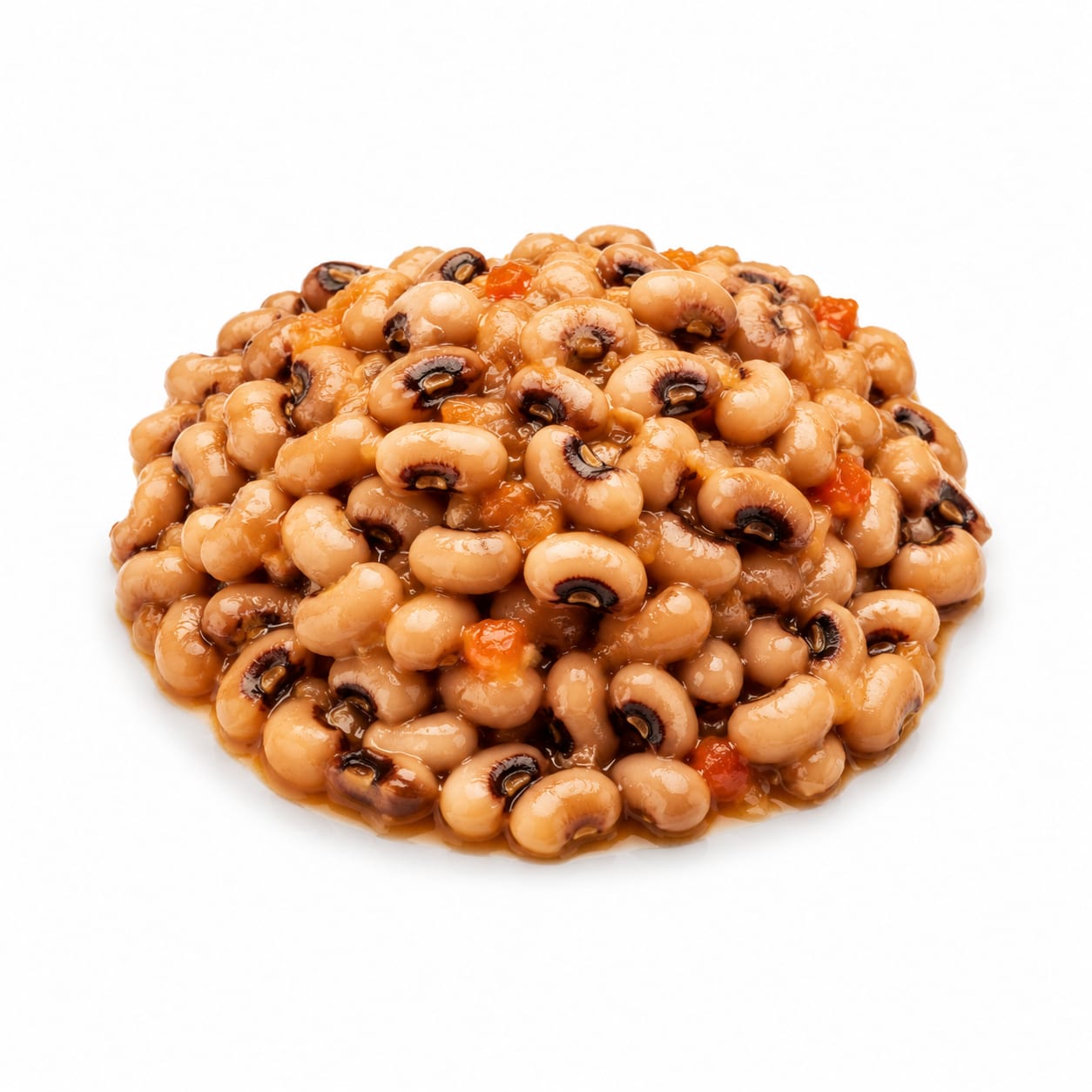
Black Eyed Pea
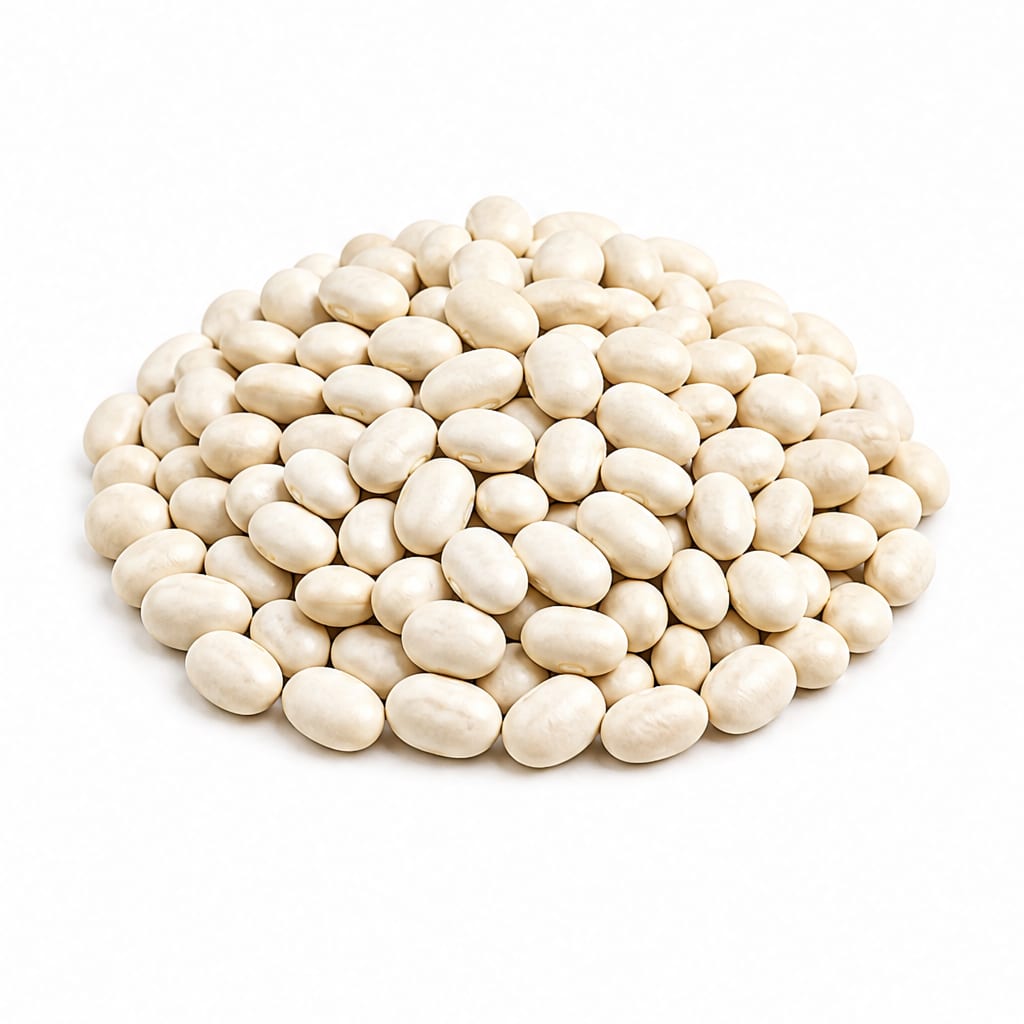
Navy Beans
Navy Beans edge ahead with significantly more fiber, higher protein, and better blood sugar stability, though Black Eyed Peas cook faster and offer more folate.
Navy Beans score higher due to superior fiber, protein, and mineral content. Black Eyed Peas remain a strong choice but fall behind on satiety and blood sugar metrics that matter most for daily health decisions.
Navy Beans give you deeper satiety and steadier energy, but Black Eyed Peas are quicker to the table and slightly gentler on digestion for some people.
At a glance
Executive summary
Overall
Navy Beans
Healthier
Navy Beans
More practical
Black Eyed Pea
Daily use
Navy Beans
Key comparison lenses
fiber and satiety comparison
Navy Beans are among the highest-fiber beans available, making fullness and digestive benefits a central decision factor
blood sugar management
Both are low-glycemic legumes but Navy Beans have more resistant starch, which matters significantly for glucose control
mineral density and micronutrition
Navy Beans deliver more iron and magnesium while Black Eyed Peas excel in folate and calcium, creating a real tradeoff
cooking convenience and meal integration
Black Eyed Peas cook faster and absorb flavors differently, affecting weekly meal prep decisions
digestive tolerance
Bean choice often comes down to what your stomach handles comfortably, and fiber type matters here
Best choice for
Black Eyed Pea
- People who want faster-cooking legumes for weeknight meals
- Those prioritizing folate intake, especially during pregnancy
- Anyone finding higher-fiber beans cause bloating
- Home cooks wanting a creamier texture that absorbs bold seasonings
- Southern and Caribbean recipe traditions where flavor matters
Navy Beans
- People focused on weight loss or appetite control
- Anyone managing diabetes or insulin resistance
- Those wanting maximum fiber per calorie
- Meal preppers who cook big batches once a week
- Anyone seeking the most mineral-dense bean option
Least suitable for
Black Eyed Pea
- Those needing the highest possible fiber intake
- People strictly managing blood sugar who want the lowest glycemic load
- Anyone looking for maximum protein from plant sources
Navy Beans
- People sensitive to very high fiber who experience gas or bloating
- Those wanting a quick-cooking bean for last-minute meals
- Anyone who dislikes the denser, starchier texture of small white beans
Deep comparison
Dimension by dimension
Each lens scores both foods and breaks down who each option suits.
- Dimension 1 · Priority 95Navy Beans
fiber and satiety
Black Eyed Pea · 65Navy Beans · 92Navy Beans deliver roughly 50% more fiber per serving, making them significantly more filling and better at keeping hunger away for hours.
Tradeoff
That extra fiber can mean more bloating if your body is not used to it, while Black Eyed Peas offer a gentler entry point.
Why it matters
Fiber is the single biggest predictor of how long a meal keeps you satisfied, and Navy Beans are among the best sources in the entire legume family.
Real-world impact
A Navy Bean lunch keeps you full until dinner. A Black Eyed Pea lunch might leave you snacking by mid-afternoon.
Black Eyed Pea
- Those easing into high-fiber eating
- Anyone who finds most beans too heavy
Better for
- Those needing maximum fullness from their meals
Worse for
Navy Beans
- Weight loss efforts where appetite control matters
- Anyone trying to reduce between-meal snacking
- People needing help with regularity
Better for
- Anyone ramping up fiber too quickly who experiences gas
Worse for
- Dimension 2 · Priority 90Navy Beans
blood sugar stability
Black Eyed Pea · 70Navy Beans · 88Navy Beans have more resistant starch and a lower glycemic load, leading to slower glucose release and steadier energy.
Tradeoff
Black Eyed Peas are still far better than most carb sources, just not quite as steady as Navy Beans.
Why it matters
For anyone watching blood sugar, even small differences in resistant starch content translate to noticeably different energy crashes or sustained focus.
Real-world impact
After Navy Beans, you feel even-keeled for hours. After Black Eyed Peas, the energy curve is slightly steeper but still far gentler than rice or bread.
Black Eyed Pea
- Active people who burn through carbs quickly and want slightly faster energy
Better for
- Those needing the flattest possible glucose response
Worse for
Navy Beans
- People with diabetes or prediabetes
- Anyone trying to eliminate afternoon energy crashes
- Those doing intermittent fasting who need stable blood sugar
Better for
- Endurance athletes who might want slightly quicker carb availability
Worse for
- Dimension 3 · Priority 82Navy Beans
protein content
Black Eyed Pea · 68Navy Beans · 82Navy Beans provide about 15g of protein per cooked cup versus roughly 13g in Black Eyed Peas, giving a meaningful edge for muscle maintenance and satiety.
Tradeoff
Neither bean is a complete protein alone, so both need pairing with grains or other proteins for optimal amino acid balance.
Why it matters
A few grams of protein difference per meal adds up over a week, especially for plant-based eaters tracking intake carefully.
Real-world impact
Over a week of daily servings, Navy Beans give you the equivalent of an extra protein snack compared to Black Eyed Peas.
Black Eyed Pea
- Meals already rich in protein where bean protein is supplementary
Better for
- Vegetarians relying heavily on beans as a primary protein source
Worse for
Navy Beans
- Plant-based diets where every protein gram counts
- Post-workout meals needing solid protein contribution
Better for
- Those already exceeding protein needs from other sources
Worse for
- Dimension 4 · Priority 85Navy Beans
mineral density
Black Eyed Pea · 72Navy Beans · 86Navy Beans win on iron and magnesium while Black Eyed Peas take folate and calcium, but the iron and magnesium advantage is more impactful for most people.
Tradeoff
If folate is your priority, especially during pregnancy, Black Eyed Peas are actually the better pick despite losing overall on minerals.
Why it matters
Iron deficiency is the most common nutrient deficiency worldwide, and magnesium supports sleep, stress, and muscle recovery.
Real-world impact
Regular Navy Bean consumption better supports energy levels and recovery. Black Eyed Peas better support cell repair and bone health through folate and calcium.
Black Eyed Pea
- Pregnant women needing extra folate
- Those concerned about bone density who want more calcium from food
Better for
- Those with low iron who need the most iron-dense food choices
Worse for
Navy Beans
- Women prone to iron deficiency
- Anyone dealing with stress or poor sleep who needs more magnesium
- Athletes recovering from intense training
Better for
- Pregnant women where folate is the top mineral priority
Worse for
- Dimension 5 · Priority 78Black Eyed Pea
cooking convenience
Black Eyed Pea · 82Navy Beans · 65Black Eyed Peas cook significantly faster, often ready in 45-60 minutes without soaking, while Navy Beans typically need longer cooking even after soaking.
Tradeoff
The convenience gap shrinks if you use a pressure cooker or canned versions, but from dried, Black Eyed Peas are clearly faster.
Why it matters
When beans take too long to cook, people simply do not eat them. Convenience directly impacts how often you actually get these health benefits.
Real-world impact
Black Eyed Peas can be a spontaneous weeknight dinner. Navy Beans usually require planning ahead or using canned options.
Black Eyed Pea
- Busy weeknights when you forgot to soak beans
- Anyone cooking without a pressure cooker
- Spontaneous meal decisions
Better for
- Those who always meal prep in advance anyway
Worse for
Navy Beans
- Batch cooking on weekends when time is not a factor
- Slow cooker or Instant Pot users who can set and forget
Better for
- Anyone prone to abandoning recipes that take too long
Worse for
- Dimension 6 · Priority 75Black Eyed Pea
digestive tolerance
Black Eyed Pea · 78Navy Beans · 68Black Eyed Peas are slightly easier to digest for many people due to lower total fiber and a different oligosaccharide profile that produces less gas.
Tradeoff
Proper soaking and gradual introduction can make Navy Beans perfectly tolerable, but the adjustment period is longer.
Why it matters
The number one reason people avoid beans is digestive discomfort, so tolerance often trumps nutrition in real-world choices.
Real-world impact
Black Eyed Peas are a safer bet for bean beginners or sensitive stomachs. Navy Beans may require a few weeks of gradual adjustment.
Black Eyed Pea
- People new to eating beans regularly
- Anyone with a sensitive digestive system
- Those who have abandoned beans before due to gas
Better for
- Those wanting maximum digestive regularity from fiber
Worse for
Navy Beans
- Long-term bean eaters with well-adapted gut bacteria
- Anyone already comfortable with high-fiber diets
Better for
- Anyone who has struggled with bean-related bloating before
Worse for
Timeline
Health impact over time
Short-term
Hours to days
Black Eyed Pea
- Moderate sustained energy with a slightly quicker rise than Navy Beans
- Comfortable fullness without feeling overly heavy
- Lower likelihood of gas and bloating compared to denser beans
- Quick preparation supports more frequent home-cooked meals
Navy Beans
- Long-lasting satiety that reduces snacking for hours
- Very stable blood sugar with minimal crash risk
- Possible bloating or gas if you are not used to high fiber intake
- Slower digestion that keeps you feeling full well into the next meal
Long-term
Months to years
Black Eyed Pea
- Solid cardiovascular support from regular legume consumption
- Good folate intake supports cell repair and healthy pregnancy
- Consistent but not maximal fiber intake for digestive health
- Easier long-term adherence for people who dislike denser beans
Navy Beans
- Superior cholesterol reduction from higher soluble fiber
- Better long-term blood sugar management reducing diabetes risk
- Higher iron and magnesium intake supports energy and recovery over years
- Maximum gut health benefits from abundant resistant starch feeding beneficial bacteria
Risk profile
Safety & processing
Both Black Eyed Peas and Navy Beans are whole, minimally processed foods when bought dried or plain canned. The main concern is sodium in canned versions, which applies equally to both. Choose no-salt-added canned options or cook from dried for the cleanest option.
Black Eyed Pea
sodium in canned versions
mediumCanned Black Eyed Peas often contain 400-600mg sodium per serving. Rinsing helps but does not eliminate it entirely.
undercooking
lowLike all legumes, undercooked Black Eyed Peas can cause digestive upset, though they are less toxic raw than some other beans.
Navy Beans
sodium in canned versions
mediumCanned Navy Beans carry the same sodium concern as other canned beans. Always check labels for no-salt-added options.
phytohemagglutinin exposure from undercooking
mediumNavy Beans belong to the white bean family, which can have higher levels of lectins that require thorough cooking to neutralize. Always cook fully.
Who wins for whom
Audience fit
Same foods, different winners depending on your goal.
children
Black Eyed PeaMilder flavor, creamier texture, and easier digestion make Black Eyed Peas more kid-friendly and less likely to cause tummy aches.
daily consumption
Navy BeansThe superior nutrient density and satiety profile of Navy Beans makes them the better daily staple, assuming your digestion tolerates the fiber.
diabetes
Navy BeansLower glycemic load and more resistant starch make Navy Beans the clearly safer choice for blood sugar management.
elderly
Navy BeansHigher iron, magnesium, and fiber address common elderly deficiencies, and the softer cooked texture of Navy Beans is easy to eat.
muscle gain
Navy BeansMore protein per serving gives Navy Beans a slight edge, though both should be paired with grains or other protein sources for complete amino acids.
weight loss
Navy BeansHigher fiber and protein per calorie make Navy Beans more filling, which naturally reduces overeating without requiring willpower.
Your move
Decision guide
Choose Black Eyed Pea
- You want a faster-cooking bean for weeknight dinners
- Higher-fiber beans cause you bloating or discomfort
- You are pregnant or planning pregnancy and want more folate
- You prefer a creamier texture that absorbs bold seasonings well
- You are introducing beans to kids or bean-averse eaters
Choose Navy Beans
- Weight loss or appetite control is your primary goal
- You are managing diabetes, prediabetes, or insulin resistance
- You want the most nutrient-dense bean per calorie
- You meal prep in batches and cooking time is not a barrier
- You are already comfortable eating high-fiber foods regularly
Either works if
- You simply want a healthy plant-based protein source
- You are already eating a varied diet and both fit your rotation
- You use canned beans where cooking time differences disappear
- You are focused on general heart health where both excel equally
Avoid both if
- You have a diagnosed legume allergy
- You are in an acute gout flare and need to limit purines temporarily
- You are on a very low-carb or ketogenic diet
Final recommendation
Make Navy Beans your default daily bean for maximum health benefits, but keep Black Eyed Peas in your rotation for faster meals, easier digestion, and folate needs. The best approach is alternating both weekly rather than choosing only one.
Practical
Consumer tips
- 1
Buy dried beans when possible for the lowest sodium and best value per serving
- 2
If using canned beans, choose no-salt-added versions and always rinse thoroughly
- 3
Soak both beans overnight to reduce cooking time and improve digestibility
- 4
Add a strip of kombu seaweed while cooking to help break down gas-causing compounds
- 5
Introduce Navy Beans gradually with small portions if you are not used to high fiber
- 6
Black Eyed Peas pair especially well with smoky, spicy, or acidic seasonings
- 7
Navy Beans excel in soups and stews where their starchiness naturally thickens the broth
- 8
Freeze cooked beans in portioned bags for instant meal-ready protein that eliminates cooking time concerns