
Nutrition comparison
Black Eyed Peas vs Lentils: Which Legume Is Better for You?
Compare black eyed peas and lentils on protein, fiber, cooking time, blood sugar impact, and digestion. Find out which legume fits your health goals and kitchen routine.
Overall winner · Lentils
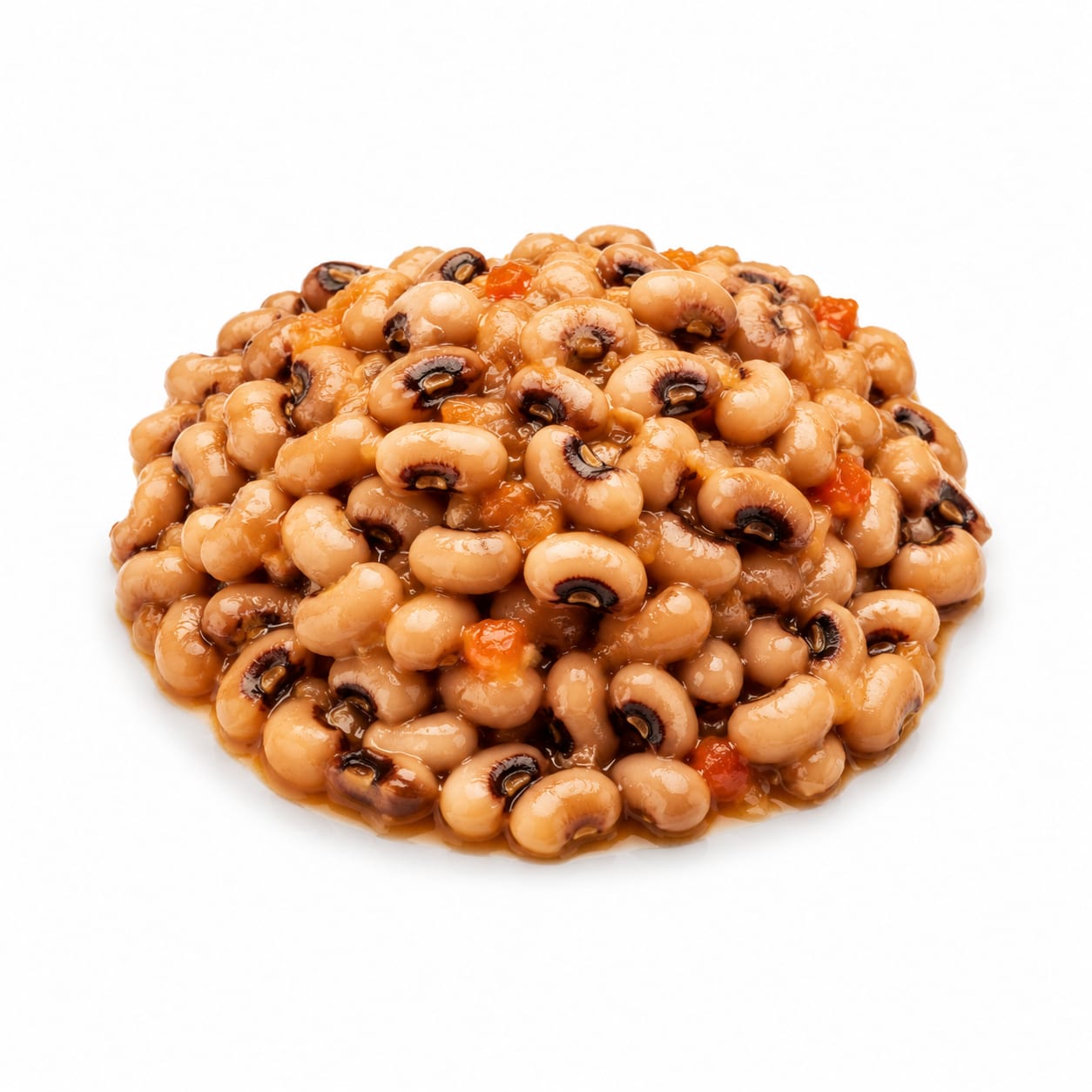
Black Eyed Pea
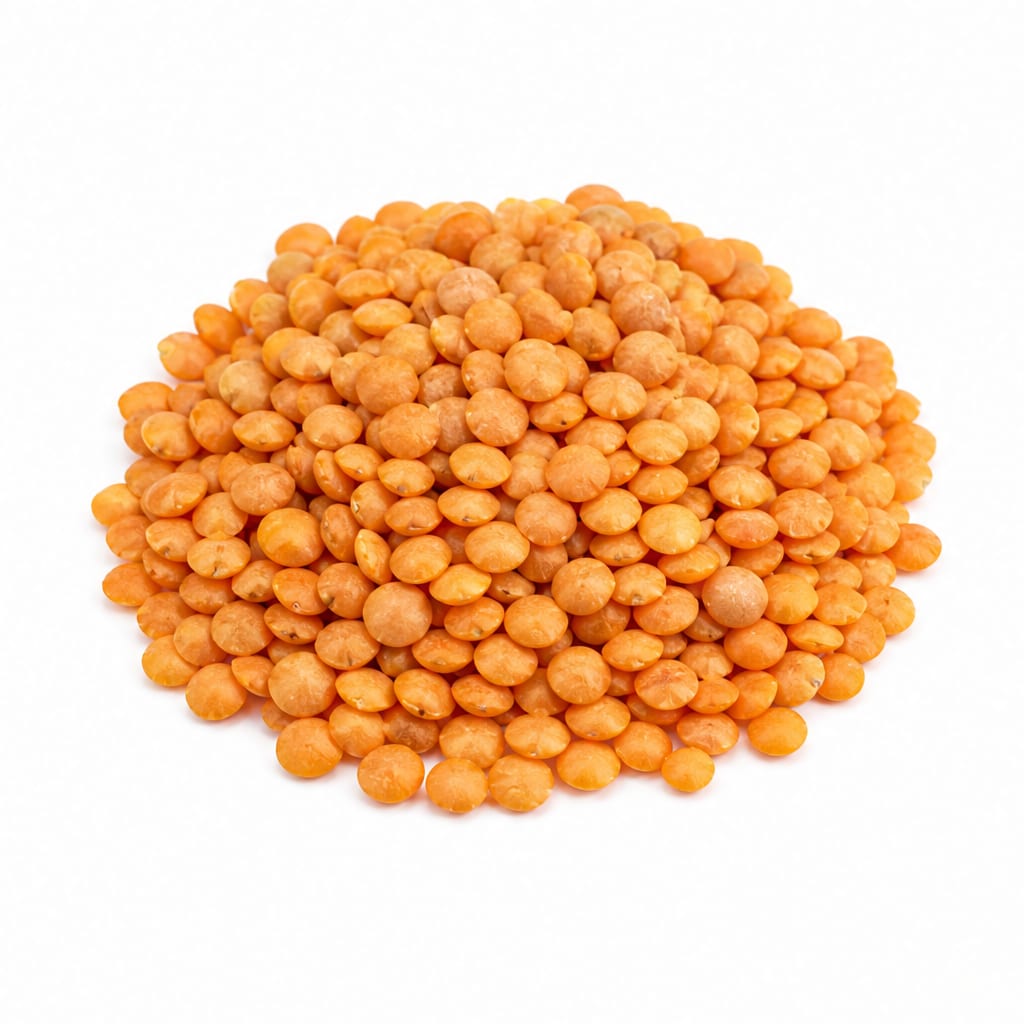
Lentils
Lentils edge out black eyed peas with more protein, faster cooking, and slightly better blood sugar control, though both are excellent legume choices.
Lentils score higher due to stronger protein content, faster cooking time, better iron delivery, and slightly superior blood sugar stability. Black eyed peas remain solid but trail in efficiency and convenience.
Lentils deliver superior nutrition and convenience, but black eyed peas offer a creamier texture and cultural familiarity that keeps them relevant.
At a glance
Executive summary
Overall
Lentils
Healthier
Lentils
More practical
Lentils
Daily use
Lentils
Key comparison lenses
protein quality and plant-based meal planning
Both are staple plant proteins, so users want to know which delivers more muscle-supporting nutrition per serving
blood sugar management and satiety
Legumes are often chosen for steady energy, making glycemic impact and fullness critical comparison points
cooking convenience and weeknight practicality
Lentils cook far faster than most legumes, a major real-world deciding factor for busy households
digestive comfort and gas reduction
Bean selection often comes down to which is easier on the stomach and less likely to cause bloating
micronutrient density for anemia and deficiency prevention
Iron and folate content matters heavily for vegetarians, pregnant women, and fatigue-prone individuals
Best choice for
Black Eyed Pea
- Southern and soul food recipes where texture and tradition matter
- Anyone wanting a creamier, softer legume for stews and dips
- People who find lentils too earthy or bland
- New Year's traditions and cultural celebrations
Lentils
- Weeknight meals needing a fast-cooking protein source
- Vegetarians and vegans maximizing protein per calorie
- Anyone managing blood sugar or trying to stay full longer
- Meal preppers wanting versatile, quick-cooking legumes
Least suitable for
Black Eyed Pea
- Last-minute dinners requiring under 30 minutes of cook time
- Those strictly tracking protein intake per serving
- People sensitive to longer digestion times from larger beans
Lentils
- Recipes specifically calling for a creamy, soft bean texture
- Traditional Southern dishes where substitution feels wrong
- People who experience lentil-specific digestive discomfort
Deep comparison
Dimension by dimension
Each lens scores both foods and breaks down who each option suits.
- Dimension 1 · Priority 95Lentils
Protein Content and Quality
Black Eyed Pea · 65Lentils · 88Lentils pack roughly 18g of protein per cooked cup versus 13g in black eyed peas, a meaningful gap for plant-based eaters.
Tradeoff
That 5g difference may not sound huge, but over a week of daily legume meals it adds up to 35g more total protein from lentils.
Why it matters
Plant-based diets already struggle with protein density, so choosing the legume that delivers more per bite reduces the need for supplementation.
Real-world impact
A lentil-based lunch keeps you fuller through the afternoon, while a black eyed pea lunch may have you reaching for a snack sooner.
Black Eyed Pea
- Lighter meals where lower protein feels appropriate
Better for
- Athletes needing efficient protein delivery
- Anyone relying on legumes as their primary protein source
Worse for
Lentils
- Post-workout recovery meals
- Vegetarians trying to hit protein targets without powder
- Anyone eating one main plant-based meal per day
Better for
- Smaller appetites who find high-protein meals too heavy
Worse for
- Dimension 2 · Priority 90Lentils
Fiber and Satiety
Black Eyed Pea · 72Lentils · 87Lentils deliver about 15g of fiber per cooked cup compared to 11g in black eyed peas, making them more filling and better for digestion.
Tradeoff
More fiber means better fullness but also more potential for bloating if your body is not used to it.
Why it matters
Fiber is the single most underrated nutrient for weight management and gut health, and lentils are among the best sources.
Real-world impact
A lentil soup at noon typically prevents the 3pm energy crash and vending machine visit better than a black eyed pea dish.
Black Eyed Pea
- Gradual fiber introduction for people with sensitive digestion
Better for
- Those needing maximum satiety from limited calories
Worse for
Lentils
- Weight loss efforts relying on natural appetite suppression
- Anyone trying to reduce between-meal snacking
- Gut health improvement through diverse fiber intake
Better for
- Sudden fiber increases causing gas and discomfort
Worse for
- Dimension 3 · Priority 85Lentils
Cooking Speed and Convenience
Black Eyed Pea · 45Lentils · 90Red and yellow lentils cook in 15-20 minutes with no soaking. Black eyed peas need 45-60 minutes even after overnight soaking.
Tradeoff
The time difference is dramatic on weeknights but irrelevant for slow cooker or pressure cooker meals planned ahead.
Why it matters
Convenience is the number one reason people abandon healthy eating plans. Faster cooking means lentils actually get used.
Real-world impact
Lentils can go from pantry to plate in the time it takes to cook rice. Black eyed peas require forethought most weeknights lack.
Black Eyed Pea
- Weekend meal prep with slow cookers or pressure cookers
- Batch cooking where cook time matters less
Better for
- Impromptu cooking after a long workday
- Anyone who forgets to soak beans overnight
Worse for
Lentils
- Last-minute weeknight dinners
- Anyone without a pressure cooker or soaking discipline
- Spontaneous healthy cooking decisions
Better for
- Recipes requiring a firmer bean that holds shape longer
Worse for
- Dimension 4 · Priority 88Lentils
Blood Sugar Stability
Black Eyed Pea · 73Lentils · 85Lentils have a lower glycemic index and more fiber, resulting in slower glucose release and steadier energy after meals.
Tradeoff
Both are far better than refined carbs for blood sugar, so the difference matters most for diabetics and prediabetics.
Why it matters
Post-meal energy crashes drive cravings, overeating, and metabolic strain. The right legume choice softens that spike.
Real-world impact
After a lentil bowl, you feel steady for hours. After black eyed peas with rice, the energy dip comes slightly sooner.
Black Eyed Pea
- Active individuals who burn through carbs quickly
Better for
- Blood sugar sensitive individuals pairing with white rice
Worse for
Lentils
- Type 2 diabetes management
- Prediabetics working to stabilize glucose
- Anyone prone to afternoon energy crashes
Better for
- Endurance athletes needing faster carb availability
Worse for
- Dimension 5 · Priority 78Lentils
Iron and Micronutrient Density
Black Eyed Pea · 68Lentils · 84Lentils provide about 6.6mg iron per cooked cup versus 4mg in black eyed peas, a significant advantage for preventing deficiency.
Tradeoff
Both contain non-heme iron which absorbs poorly without vitamin C, so pairing strategy matters more than the raw numbers.
Why it matters
Iron deficiency is the most common nutrient deficiency worldwide, and plant-based eaters are at highest risk.
Real-world impact
Choosing lentils over black eyed peas is like getting a free iron supplement at every meal, especially with a squeeze of lemon.
Black Eyed Pea
- Folate-focused nutrition during early pregnancy
Better for
- Anyone relying on legumes as a primary iron source
Worse for
Lentils
- Vegetarians and vegans at risk for iron deficiency
- Women with heavy menstrual cycles needing iron support
- Fatigue-prone individuals checking for low iron
Better for
- Those with hemochromatosis who must limit iron intake
Worse for
- Dimension 6 · Priority 80Black Eyed Pea
Digestive Tolerance
Black Eyed Pea · 78Lentils · 65Black eyed peas are generally easier to digest and cause less bloating than lentils for many people, despite lower fiber content.
Tradeoff
Easier digestion comes with less fiber benefit, so sensitive stomachs gain comfort but sacrifice some gut health upside.
Why it matters
The healthiest food on paper does nothing if you avoid eating it because it makes you uncomfortable.
Real-world impact
After a bowl of black eyed peas you feel satisfied and comfortable. After lentils, you may need to unbutton your jeans.
Black Eyed Pea
- IBS sufferers introducing legumes cautiously
- Anyone new to high-fiber diets needing a gentler entry
- People who have abandoned beans due to gas
Better for
- Those wanting maximum gut health benefits from fiber
Worse for
Lentils
- Adapted digestive systems handling high fiber well
- Anyone already eating legumes regularly
Better for
- First-time legume eaters
- People with sensitive digestion or chronic bloating
Worse for
Timeline
Health impact over time
Short-term
Hours to days
Black Eyed Pea
- Gentle sustained energy without heavy fullness
- Less post-meal bloating compared to denser legumes
- Comforting, mild flavor that does not overwhelm the palate
Lentils
- Stronger and longer-lasting satiety after meals
- Possible gas and bloating if intake increases too quickly
- More noticeable steady energy throughout the afternoon
Long-term
Months to years
Black Eyed Pea
- Consistent fiber intake supporting regular digestion
- Moderate protein contribution to muscle maintenance
- Lower iron accumulation, beneficial for those monitoring iron stores
Lentils
- Superior heart health markers from higher fiber and lower glycemic load
- Better anemia prevention from higher iron content
- Stronger gut microbiome diversity from richer fiber feeding
- Sustained blood sugar improvement reducing diabetes risk
Risk profile
Safety & processing
Both black eyed peas and lentils are whole, minimally processed foods when bought dried or canned with simple ingredients. Canned versions may contain added sodium, so rinsing or choosing low-sodium options is recommended.
Black Eyed Pea
Phytohemagglutinin toxicity from undercooking
lowBlack eyed peas contain lower levels of this toxin than red kidney beans, but thorough cooking is still important to prevent gastrointestinal illness.
Canned sodium content
mediumCanned black eyed peas often contain 400-600mg sodium per serving. Rinsing reduces this by roughly 40%, but low-sodium or dried options are better.
Lentils
Phytohemagglutinin from undercooked lentils
lowLentils contain minimal levels compared to kidney beans, but eating large quantities of undercooked lentils can still cause digestive upset.
Canned sodium content
mediumSame concern as black eyed peas. Canned lentils often carry high sodium. Rinsing helps, but cooking from dried is ideal.
Who wins for whom
Audience fit
Same foods, different winners depending on your goal.
children
Black Eyed PeaBlack eyed peas have a milder flavor and softer texture that kids often accept more readily than earthy lentils.
daily consumption
LentilsFaster cooking and higher nutrient density make lentils more practical and rewarding for everyday meals.
diabetes
LentilsLower glycemic index and higher fiber make lentils slightly better for glucose control, though both are excellent choices.
elderly
Black Eyed PeaEasier digestion and softer texture make black eyed peas more comfortable for aging digestive systems with reduced tolerance.
muscle gain
LentilsWith 5g more protein per cup, lentils are the more efficient plant-based muscle support food when paired with grains.
weight loss
LentilsLentils provide more protein and fiber per calorie, creating stronger satiety that naturally reduces overeating without counting.
Your move
Decision guide
Choose Black Eyed Pea
- You want a gentler legume that is easier on sensitive digestion
- You are cooking Southern, Caribbean, or West African recipes where tradition matters
- You prefer a creamier, softer texture in soups and stews
- You are introducing legumes to children or picky eaters
- You have iron overload concerns and want lower iron content
Choose Lentils
- You want maximum protein and fiber per serving from a plant source
- You need a fast-cooking legume for weeknight dinners
- You are managing blood sugar, weight, or iron deficiency
- You meal prep and want the most nutritionally efficient base
- You eat plant-based regularly and need reliable protein density
Either works if
- You are already eating a varied legume-rich diet and want rotation
- You use a pressure cooker and cook time is irrelevant
- You are getting enough protein from other sources and just want fiber
- You enjoy both and alternate based on recipe needs
Avoid both if
- You have a diagnosed legume allergy
- You are in an acute gout flare and purines are a concern
- You are on a very low-fiber diet for a medical procedure
Final recommendation
Keep both in your pantry but reach for lentils more often. They cook faster, nourish deeper, and keep you fuller. Save black eyed peas for recipes where their creamy texture and cultural roots shine. The best legume is the one you actually cook, so if lentils feel unfamiliar, start with black eyed peas and branch out when ready.
Practical
Consumer tips
- 1
Buy dried lentils and black eyed peas in bulk for the best value and lowest sodium
- 2
Red lentils cook fastest and break down into a comforting porridge, perfect for soups
- 3
Green and brown lentils hold their shape better for salads and grain bowls
- 4
Soak black eyed peas overnight even if not strictly required, as it improves digestion
- 5
Rinse canned versions thoroughly to remove roughly 40% of added sodium
- 6
Pair either legume with a vitamin C source like tomatoes or lemon juice to boost iron absorption by up to 6 times
- 7
Start with half-cup servings if you are new to legumes and increase gradually over two weeks to reduce gas
- 8
Add kombu seaweed to cooking water for both legumes to help break down gas-causing oligosaccharides
- 9
Freeze cooked lentils in portioned bags for instant protein additions to any meal