
Nutrition comparison
Black Eyed Peas vs Green Peas: Which Legume Is Healthier?
Compare black eyed peas and green peas on protein, fiber, blood sugar impact, and convenience. Find out which legume fits your health goals and lifestyle better.
Overall winner · Black Eyed Pea
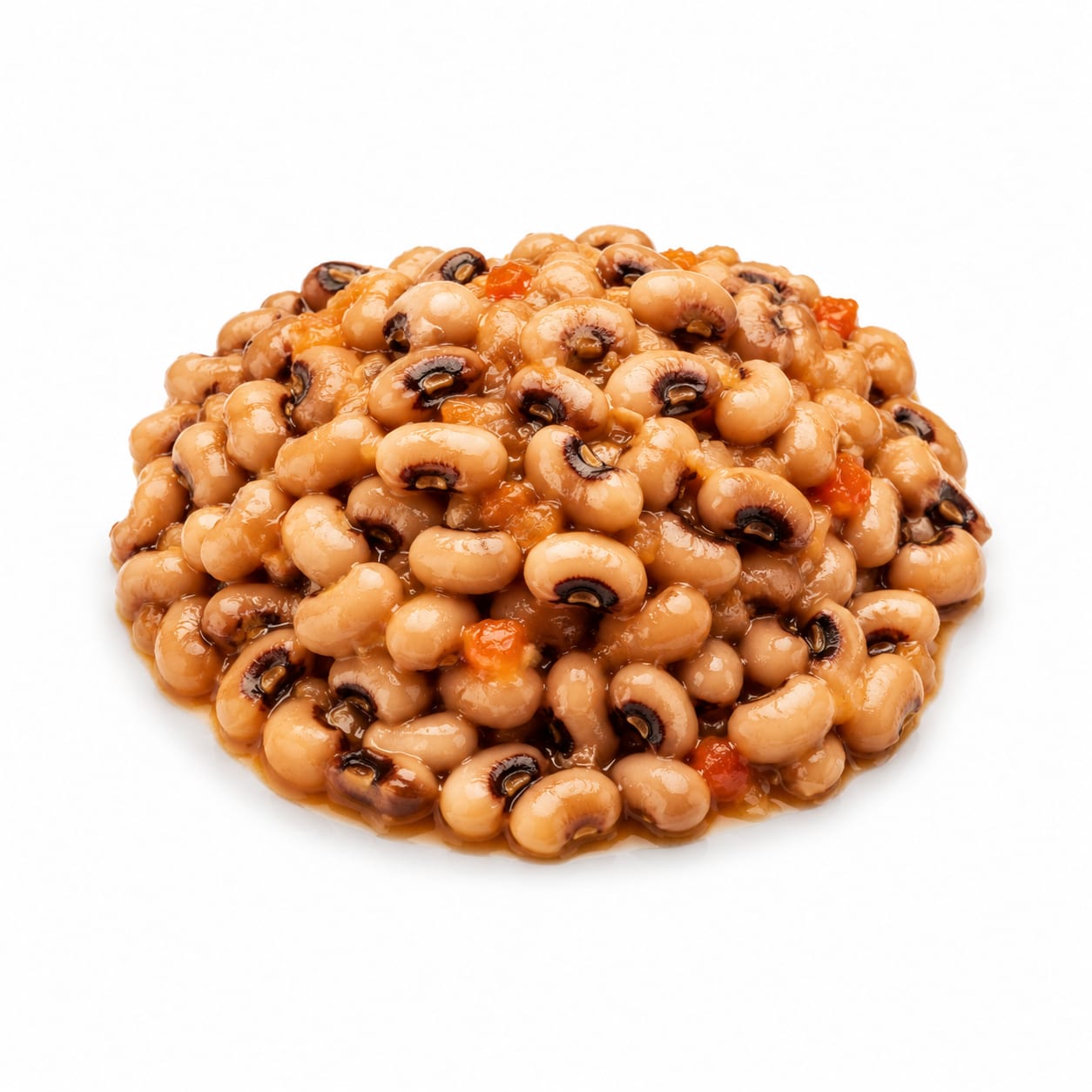
Black Eyed Pea
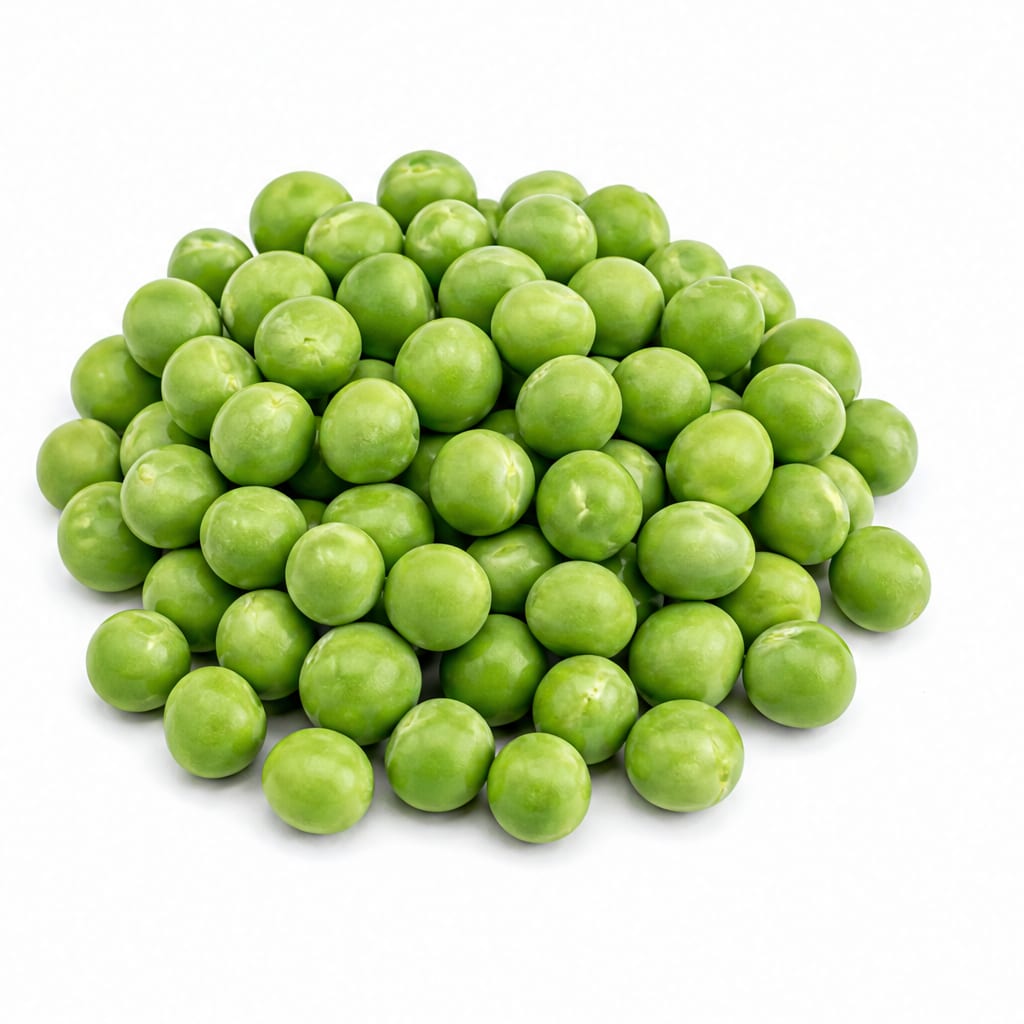
Green Peas
Black eyed peas deliver more protein, more fiber, and steadier blood sugar, making them the stronger everyday staple. Green peas offer quicker convenience and more vitamin C but fall short on satiety.
Black eyed peas score higher due to superior protein, fiber, and blood sugar stability. Green peas remain valuable for convenience and micronutrient diversity but are less filling and glycemicly less favorable.
Sustained fullness and protein density versus speed and vitamin C richness
At a glance
Executive summary
Overall
Black Eyed Pea
Healthier
Black Eyed Pea
More practical
Green Peas
Daily use
Black Eyed Pea
Key comparison lenses
protein and satiety comparison for plant-based eaters
Both are legumes frequently used as protein sources, but their protein density and filling power differ significantly
blood sugar management and glycemic impact
These legumes have meaningfully different glycemic profiles that affect energy stability throughout the day
everyday meal versatility and convenience
Green peas are often a quick frozen side while black eyed peas require more planning, affecting real-world usage
fiber quality and digestive effects
Both deliver fiber but in different amounts and types, influencing digestion and gut health differently
micronutrient diversity for balanced nutrition
Each legume shines in different vitamin and mineral categories, making the tradeoff nutritionally meaningful
Best choice for
Black Eyed Pea
- Plant-based eaters needing reliable protein
- Anyone managing blood sugar or insulin resistance
- Meal preppers who cook in batches
- People trying to stay full longer between meals
- Budget-conscious shoppers seeking nutrient density
Green Peas
- Busy households needing a 5-minute side dish
- People wanting more vitamin C and antioxidants
- Those who find denser legumes too heavy
- Anyone craving a lighter vegetable addition to meals
- Families with kids who prefer sweeter, milder flavors
Least suitable for
Black Eyed Pea
- People sensitive to higher fiber loads
- Anyone needing a truly instant side dish
- Those who find dense legumes uncomfortable before physical activity
Green Peas
- Athletes or lifters relying on legumes as a primary protein source
- People managing diabetes who need lower glycemic options
- Those seeking maximum satiety from their meals
Deep comparison
Dimension by dimension
Each lens scores both foods and breaks down who each option suits.
- Dimension 1 · Priority 93Black Eyed Pea
Protein Density and Quality
Black Eyed Pea · 82Green Peas · 58Black eyed peas provide roughly 60% more protein per cooked cup, making them far more useful as a protein anchor in meals.
Tradeoff
You get significantly more muscle-supporting and satiety-driving protein from black eyed peas, but green peas are quicker to prepare and still contribute meaningfully
Why it matters
For plant-based eaters especially, every gram of protein counts. Black eyed peas help close that gap more effectively per serving.
Real-world impact
A cup of black eyed peas with rice feels like a complete meal. A cup of green peas with rice still leaves you hunting for more protein.
Black Eyed Pea
- Post-workout recovery meals
- Vegetarian and vegan protein targets
- Anyone trying to reduce meat consumption
Better for
- Quick snack needs where cooking time is a barrier
Worse for
Green Peas
- Light meals where protein is not the priority
- Situations where speed matters more than macros
Better for
- Meals where legumes are your main protein source
Worse for
- Dimension 2 · Priority 88Black Eyed Pea
Blood Sugar Stability
Black Eyed Pea · 80Green Peas · 60Black eyed peas have a lower glycemic index and more fiber to slow glucose absorption, leading to steadier energy after eating.
Tradeoff
Green peas digest faster and can cause a quicker blood sugar rise, though they are still far better than refined carbs
Why it matters
Steadier blood sugar means fewer energy crashes, less cravings, and better long-term metabolic health.
Real-world impact
After a black eyed peas lunch, you are less likely to hit a 3 PM energy slump. After green peas, you might reach for a snack sooner.
Black Eyed Pea
- People with prediabetes or type 2 diabetes
- Anyone prone to afternoon energy crashes
- Those trying to reduce sugar cravings
Better for
- Situations requiring rapid energy replenishment
Worse for
Green Peas
- Post-exercise meals where faster carbohydrate availability is acceptable
- Active individuals with healthy insulin sensitivity
Better for
- Sedentary evenings where blood sugar spikes are least useful
Worse for
- Dimension 3 · Priority 85Black Eyed Pea
Fiber and Satiety
Black Eyed Pea · 83Green Peas · 62Black eyed peas deliver noticeably more fiber per serving, keeping you fuller for longer and supporting better digestion.
Tradeoff
More fiber means more fullness but also more potential for bloating if your gut is not accustomed to high-fiber foods
Why it matters
Fiber is the single most underrated factor in weight management and digestive health. The difference here is practically meaningful.
Real-world impact
A black eyed peas dinner typically keeps you satisfied until morning. Green peas may leave you scanning the kitchen before bed.
Black Eyed Pea
- Weight management through natural appetite control
- Improving bowel regularity
- Reducing between-meal snacking
Better for
- Those with IBS or severe fiber sensitivity
Worse for
Green Peas
- People with sensitive digestion who need gentler fiber intake
- Anyone transitioning to higher fiber diets gradually
Better for
- Anyone relying on a single serving to stay full for hours
Worse for
- Dimension 4 · Priority 72It depends
Vitamin and Mineral Diversity
Black Eyed Pea · 76Green Peas · 74Black eyed peas win on folate, iron, and magnesium. Green peas win on vitamin C, vitamin K, and certain antioxidants. It is a genuine tie with different strengths.
Tradeoff
You trade iron and folate for vitamin C and carotenoids depending on which legume you choose
Why it matters
Micronutrient diversity matters more over weeks than single meals. Rotating both gives the best coverage.
Real-world impact
Eating black eyed peas supports energy and blood health. Eating green peas supports immunity and eye health. Both are valuable.
Black Eyed Pea
- Pregnant women needing folate
- Anyone at risk of iron deficiency
- People wanting more magnesium for sleep and relaxation
Better for
- Those specifically seeking vitamin C from food sources
Worse for
Green Peas
- Immune support during cold season
- Eye health with lutein and zeaxanthin
- Vitamin K needs for bone health
Better for
- Anyone needing iron or folate supplementation through food
Worse for
- Dimension 5 · Priority 78Green Peas
Convenience and Meal Speed
Black Eyed Pea · 45Green Peas · 85Frozen green peas are ready in minutes. Dried black eyed peas require soaking and longer cooking, though canned versions narrow the gap.
Tradeoff
Speed and ease favor green peas, but canned black eyed peas are a reasonable middle ground with slightly higher sodium
Why it matters
The healthiest food only matters if you actually eat it. Convenience often determines what makes it onto the plate.
Real-world impact
Green peas can be dumped frozen into a pot on a Tuesday night. Black eyed peas usually require weekend planning or canned shortcuts.
Black Eyed Pea
- Meal prep sessions where you cook large batches
- Slow cooker and instant pot users
Better for
- Spontaneous cooking with no planning
- Households with limited cooking time
Worse for
Green Peas
- Weeknight dinners with limited time
- Last-minute side dish needs
- Anyone without meal prep habits
Better for
- Batch cooking where you want maximum nutrient density per effort
Worse for
- Dimension 6 · Priority 68Green Peas
Calorie Efficiency
Black Eyed Pea · 60Green Peas · 75Green peas are slightly lower in calories per cup, making them a lighter addition to meals when calorie budgeting matters.
Tradeoff
Fewer calories also means less protein and fiber, so the calorie savings may cost you satiety
Why it matters
For strict calorie counters, every calorie needs to work harder. Green peas offer more volume per calorie but less nutritional payload.
Real-world impact
If you are counting calories strictly, green peas let you eat a larger portion. But you may be hungrier sooner than with black eyed peas.
Black Eyed Pea
- Anyone prioritizing nutrient density over calorie minimization
- People who value fullness over portion size
Better for
- Very low-calorie diet phases
Worse for
Green Peas
- Strict calorie counters needing volume
- Those who prefer larger visual portions
Better for
- Anyone finding that low-calorie meals leave them unsatisfied
Worse for
Timeline
Health impact over time
Short-term
Hours to days
Black Eyed Pea
- Stronger and longer-lasting fullness after meals
- More stable energy without sharp crashes
- Potential bloating or gas if you are not used to high fiber intake
- Slower digestion that may feel heavy before intense exercise
Green Peas
- Lighter feeling after eating, less digestive heaviness
- Faster energy availability which can be useful or destabilizing depending on context
- Easier on the stomach for most people
- Possible quicker return of hunger compared to denser legumes
Long-term
Months to years
Black Eyed Pea
- Better blood sugar regulation over months and years
- Improved bowel regularity and gut microbiome support from higher fiber
- More effective weight maintenance through natural appetite regulation
- Stronger contribution to iron and folate status, especially important for women
Green Peas
- Consistent vitamin C and antioxidant intake supporting immune and eye health
- Gentle fiber contribution that is sustainable for sensitive digestive systems
- Lower barrier to daily legume consumption due to convenience
- Good long-term heart health support from plant compounds and fiber
Risk profile
Safety & processing
Both foods are naturally whole legumes with minimal processing concerns. Dried black eyed peas and frozen green peas are both clean choices. The only watchpoint is canned black eyed peas, which may contain added sodium.
Black Eyed Pea
Sodium from canned varieties
mediumCanned black eyed peas can contain 400-600mg of sodium per cup. Rinsing helps but does not eliminate it entirely. Choose low-sodium or no-salt-added versions when possible.
Purine content
lowBlack eyed peas contain moderate purines. People with gout may need to monitor intake, though the risk is lower than with animal-based purine sources.
Green Peas
Pesticide residue on conventional fresh peas
lowFresh green peas can carry pesticide residues, though frozen peas typically have lower levels due to processing and washing. Choosing organic or frozen reduces this concern.
Added sodium in canned varieties
lowCanned green peas are less common than frozen but when used can contain added sodium. Frozen peas are the dominant form and typically have no added sodium.
Who wins for whom
Audience fit
Same foods, different winners depending on your goal.
children
Green PeasMilder sweeter flavor and softer texture make green peas more appealing to kids, and the vitamin C supports immune health during growth
daily consumption
Black Eyed PeaThe stronger nutritional profile and satiety benefit make black eyed peas a more impactful daily staple, assuming you have time to prepare them
diabetes
Black Eyed PeaLower glycemic index and higher fiber slow glucose absorption, reducing blood sugar spikes after meals
elderly
It dependsBlack eyed peas offer more folate and iron which elderly people often lack, but green peas are gentler on digestion which matters for aging digestive systems
muscle gain
Black Eyed PeaSignificantly more protein per serving supports muscle repair and growth, especially important in plant-based diets
weight loss
Black Eyed PeaHigher protein and fiber create stronger natural appetite suppression, making it easier to eat less overall without feeling deprived
Your move
Decision guide
Choose Black Eyed Pea
- You want maximum protein and fiber from a single legume serving
- Blood sugar management is a priority for you
- You meal prep or use a slow cooker regularly
- You are plant-based and need every protein advantage
- You want to stay full for hours after eating
Choose Green Peas
- You need a quick side dish on busy weeknights
- You prefer lighter meals that do not feel heavy
- You want more vitamin C and eye-health antioxidants
- You or your kids prefer milder sweeter flavors
- You are gradually increasing fiber intake and need a gentler option
Either works if
- You are building a diverse legume rotation for gut microbiome health
- You want plant-based meal variety without overthinking it
- You have no specific health concerns and enjoy both flavors
Avoid both if
- You have a diagnosed legume allergy
- You are in an acute gout flare and your doctor has advised limiting purines
- You are on a very low-fiber diet for a medical procedure
Final recommendation
Make black eyed peas your primary legume staple for the protein, fiber, and blood sugar benefits. Keep frozen green peas on hand for nights when you need something fast or want a lighter option. Rotating both gives you the best of both worlds nutritionally.
Practical
Consumer tips
- 1
If using canned black eyed peas, rinse thoroughly to remove about 40% of the added sodium
- 2
Frozen green peas retain nearly all their nutrients and are often fresher than fresh peas that have been sitting on shelves
- 3
Cook a large batch of black eyed peas and freeze portions for weeknight convenience that rivals frozen green peas
- 4
Season black eyed peas with smoked paprika or cumin to make them more exciting if you find them plain
- 5
Add green peas to pasta or rice dishes in the last two minutes of cooking for a quick nutritional upgrade
- 6
If you are new to high-fiber legumes, start with smaller portions of black eyed peas and increase gradually to avoid bloating
- 7
Combine both in soups and stews for a broader amino acid and micronutrient profile