
Nutrition comparison
Black Eyed Pea vs Edamame: Nutrition, Protein & Health Comparison
Compare Black Eyed Peas vs Edamame to see which is better for protein, weight loss, and daily nutrition. Learn the key differences in carbs, fats, and meal prep.
Overall winner · Edamame
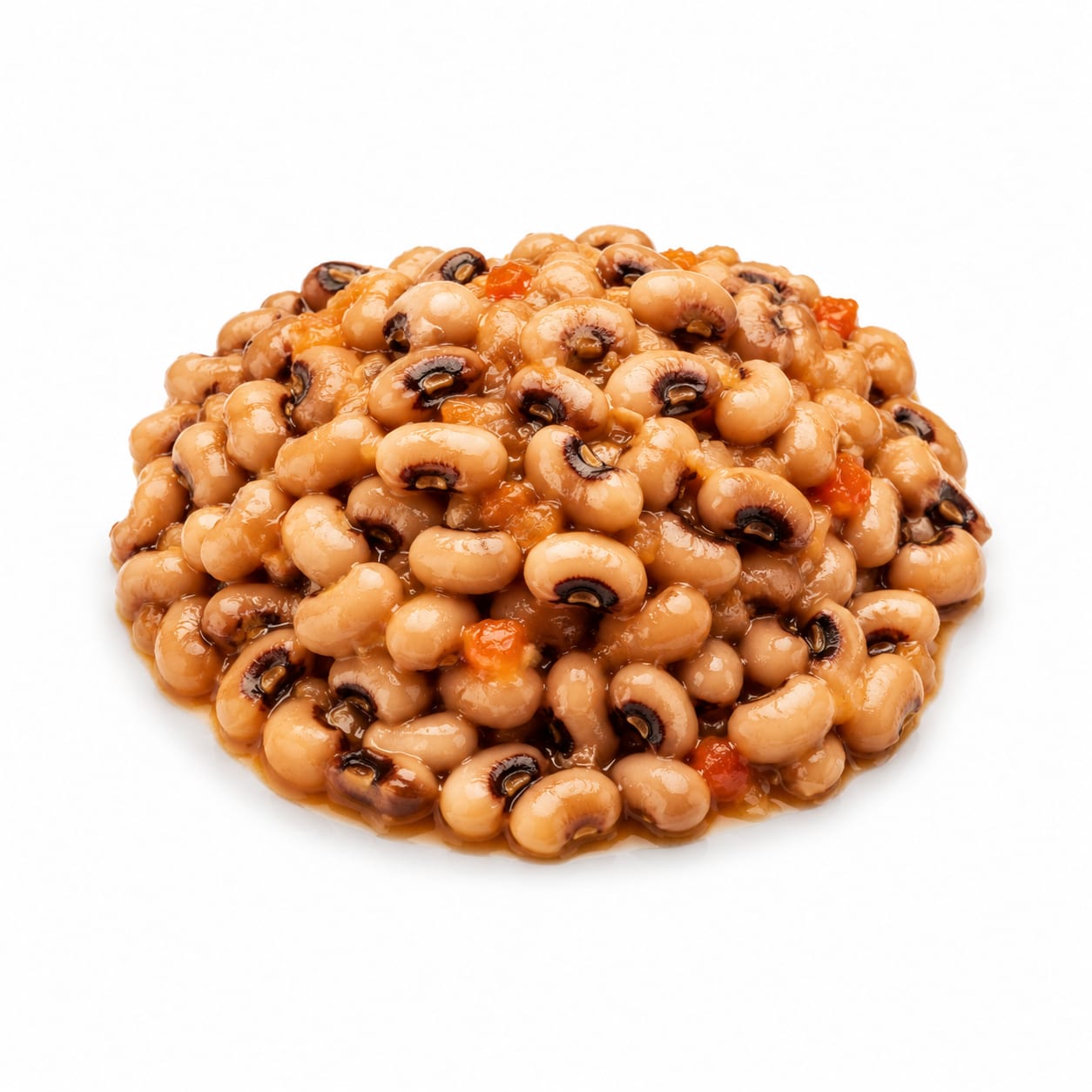
Black Eyed Pea
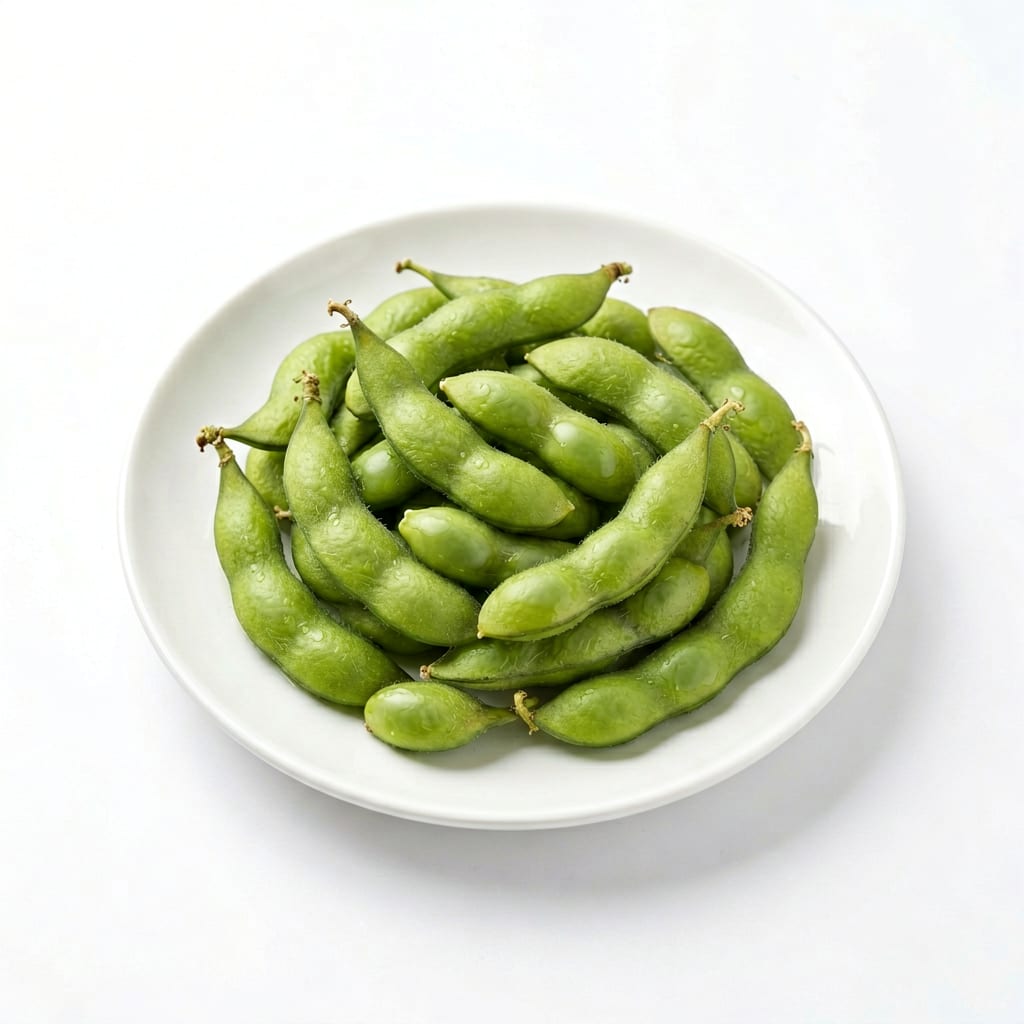
Edamame
Edamame wins for protein density and healthy fats, but Black Eyed Peas offer superior carbohydrate fuel for active days at a lower cost.
Edamame scores higher due to its complete protein profile and healthy fat content, which are harder to find in plant foods. Black Eyed Peas remain highly nutritious but are more carb-dense and lack the same protein quality.
You are trading the slow-burning complex carbs and folate of Black Eyed Peas for the complete protein and healthy fats of Edamame.
At a glance
Executive summary
Overall
Edamame
Healthier
Edamame
More practical
Edamame
Daily use
It depends
Key comparison lenses
protein quality and satiety
Edamame is a rare plant-based complete protein, while Black Eyed Peas rely on carbs for their calorie density, making protein quality the biggest differentiator.
carb vs fat energy profile
Black Eyed Peas are carb-dense for sustained energy, whereas Edamame provides steady energy through healthy fats and fiber, creating a clear dietary tradeoff.
soy concerns and allergies
Edamame introduces soy and phytoestrogens into the diet, which some consumers actively avoid, whereas Black Eyed Peas are a soy-free legume alternative.
convenience and prep
Frozen Edamame is ready in minutes, while dried Black Eyed Peas require soaking and boiling, impacting daily practicality.
Best choice for
Black Eyed Pea
- Endurance athletes needing carb fuel
- Budget-conscious meal preppers
- Those strictly avoiding soy
Edamame
- Vegetarians needing complete protein
- Low-carb dieters seeking plant options
- Anyone wanting a quick, filling savory snack
Least suitable for
Black Eyed Pea
- Those on strict low-carb diets
- People needing high protein without excess calories
Edamame
- People with soy allergies
- Those avoiding phytoestrogens
Deep comparison
Dimension by dimension
Each lens scores both foods and breaks down who each option suits.
- Dimension 1 · Priority 95Edamame
Protein Quality & Satiety
Black Eyed Pea · 60Edamame · 92Edamame provides nearly double the protein per serving and contains all essential amino acids, keeping you full much longer.
Tradeoff
Black Eyed Peas offer less protein per calorie, meaning you have to eat more calories to get the same protein satisfaction.
Why it matters
Complete proteins are crucial for muscle repair and sustained fullness, especially on plant-based diets.
Real-world impact
A bowl of Edamame will kill afternoon hunger pangs for hours, while Black Eyed Peas might leave you reaching for a snack sooner.
Black Eyed Pea
- Providing a lighter protein accompaniment to a meat-based meal
Better for
- Muscle building on a vegan diet
Worse for
Edamame
- Post-workout recovery
- Standalone plant-based lunch protein
Better for
- Those who find high-protein meals too heavy on the stomach
Worse for
- Dimension 2 · Priority 90Black Eyed Pea
Carbohydrate & Energy Profile
Black Eyed Pea · 88Edamame · 55Black Eyed Peas are rich in complex carbohydrates, making them excellent for sustained, slow-burning energy.
Tradeoff
Edamame is much lower in carbs, which is great for blood sugar but means it lacks the immediate glycogen replenishment of Black Eyed Peas.
Why it matters
Your energy source dictates whether you crash or cruise through physical activity and busy afternoons.
Real-world impact
Eating Black Eyed Peas before a long hike or busy workday provides lasting stamina, whereas Edamame is better for a low-carb lunch that won't cause a food coma.
Black Eyed Pea
- Pre-workout fuel
- Carb-loading for endurance events
Better for
- Sedentary evenings where excess carbs might be stored as fat
Worse for
Edamame
- Managing blood sugar spikes
- Keto-friendly snacking
Better for
- Replenishing energy after intense cardio
Worse for
- Dimension 3 · Priority 85Edamame
Healthy Fat Content
Black Eyed Pea · 30Edamame · 90Edamame is a great source of anti-inflammatory omega-3 and polyunsaturated fats, while Black Eyed Peas are virtually fat-free.
Tradeoff
You miss out on essential fatty acids with Black Eyed Peas, requiring you to source healthy fats elsewhere in your meal.
Why it matters
Dietary fats are essential for hormone production, brain health, and absorbing fat-soluble vitamins.
Real-world impact
Adding Edamame to a salad helps absorb the vitamins from your leafy greens, whereas a fat-free Black Eyed Pea dish needs a dressing with olive oil to achieve the same benefit.
Black Eyed Pea
- Keeping overall calorie density low
Better for
- Meals relying on the legume as the sole fat source
Worse for
Edamame
- Supporting heart health
- Boosting meal satiety without carbs
Better for
- Strict low-fat dietary protocols
Worse for
- Dimension 4 · Priority 75Edamame
Convenience & Prep Time
Black Eyed Pea · 55Edamame · 90Frozen Edamame steams in the pod in under 5 minutes, while dried Black Eyed Peas require soaking and long simmering.
Tradeoff
Canned Black Eyed Peas close the convenience gap but introduce sodium and texture compromises.
Why it matters
The easier a healthy food is to prepare, the more likely you are to eat it on a busy weeknight.
Real-world impact
Edamame is a zero-thought snack ready in minutes; Black Eyed Peas require meal planning or the effort of rinsing and heating a can.
Black Eyed Pea
- Batch cooking for the week ahead
Better for
- Spontaneous meal prep
Worse for
Edamame
- Last-minute side dishes
- Quick after-work snacking
Better for
- Slow-cooker recipes where a starchy base is needed
Worse for
Timeline
Health impact over time
Short-term
Hours to days
Black Eyed Pea
- Provides steady, slow-burning energy without a sugar crash
- High fiber can cause mild bloating if you aren't used to legumes
Edamame
- High protein and fat content quickly kills hunger pangs
- Very gentle on blood sugar, preventing afternoon energy dips
Long-term
Months to years
Black Eyed Pea
- Excellent for heart health thanks to high soluble fiber
- Supports healthy digestion and regularity
Edamame
- Isoflavones may help reduce cholesterol and support bone density
- High-quality plant protein helps prevent age-related muscle loss
Risk profile
Safety & processing
Both are whole foods in their natural state. The only processing concern is the sodium in canned Black Eyed Peas and any added salt or preservatives in frozen Edamame.
Black Eyed Pea
Sodium from canning
mediumCanned Black Eyed Peas can be very high in sodium unless you buy low-sodium versions or rinse them thoroughly before eating.
Undercooking digestive distress
lowWhile not as dangerous as raw kidney beans, undercooked Black Eyed Peas can still cause stomach upset and gas.
Edamame
Soy allergy
highSoy is a top 8 allergen. Edamame is strictly off-limits for anyone with a diagnosed soy allergy.
GMO and pesticide exposure
mediumThe vast majority of soy grown in the US is genetically modified and heavily sprayed. Choosing organic Edamame eliminates this concern.
Who wins for whom
Audience fit
Same foods, different winners depending on your goal.
children
EdamameKids often find popping Edamame out of the pod fun, and the high protein supports their rapid growth. Just ensure they are old enough to avoid choking on the pods.
daily consumption
It dependsEdamame is better for daily low-carb protein needs, but daily soy consumption concerns some people. Black Eyed Peas are an excellent daily staple if you need affordable, steady energy.
diabetes
EdamameEdamame's low carbohydrate and high fiber/protein ratio prevents blood sugar spikes, whereas Black Eyed Peas have a higher carb load that requires more insulin management.
elderly
EdamameThe complete protein in Edamame is vital for preventing sarcopenia (age-related muscle loss), and it is easy to chew when cooked.
muscle gain
EdamameEdamame provides a complete protein profile with all essential amino acids, which is critical for muscle repair and growth.
weight loss
EdamameEdamame's high protein and fat content create stronger satiety on fewer calories, making it easier to stick to a calorie deficit without feeling deprived.
Your move
Decision guide
Choose Black Eyed Pea
- You need affordable, carb-heavy fuel for an active lifestyle
- You are avoiding soy due to allergy or personal preference
- You are making soups, stews, or traditional Southern dishes
Choose Edamame
- You need a quick, high-protein plant-based snack
- You are following a low-carb or diabetic-friendly diet
- You want a complete protein source without eating meat
Either works if
- You simply want to boost your daily fiber intake
- You are building a nourish bowl and need a legume base
Avoid both if
- You have a severe legume allergy
Final recommendation
Keep both in your rotation. Use Edamame when you need a quick, low-carb protein hit, and rely on Black Eyed Peas when you need comforting, slow-burning energy for a physically demanding day.
Practical
Consumer tips
- 1
Rinsing canned Black Eyed Peas under cold water removes up to 40% of the sodium.
- 2
Buy frozen organic Edamame to avoid GMOs and pesticide residues while maintaining maximum convenience.
- 3
Pair Black Eyed Peas with a grain like rice to form a complete protein profile for the meal.
- 4
Do not eat Edamame pods; only eat the beans inside.