
Nutrition comparison
Black Eyed Peas vs Chickpeas: Nutrition, Protein, and Health Comparison
Black eyed peas vs chickpeas compared on protein, fiber, blood sugar impact, cooking time, and digestive tolerance. Find out which legume fits your health goals better.
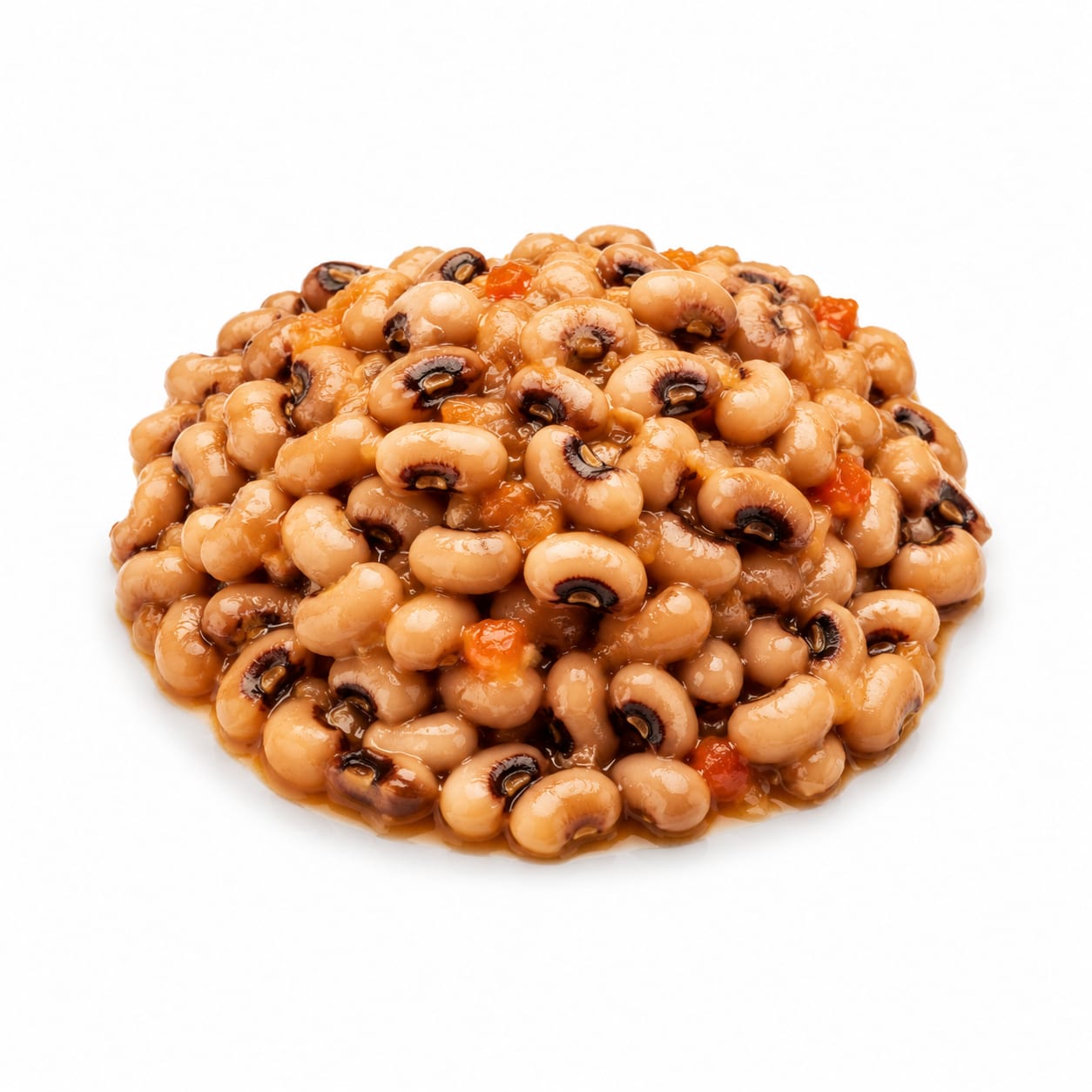
Black Eyed Pea
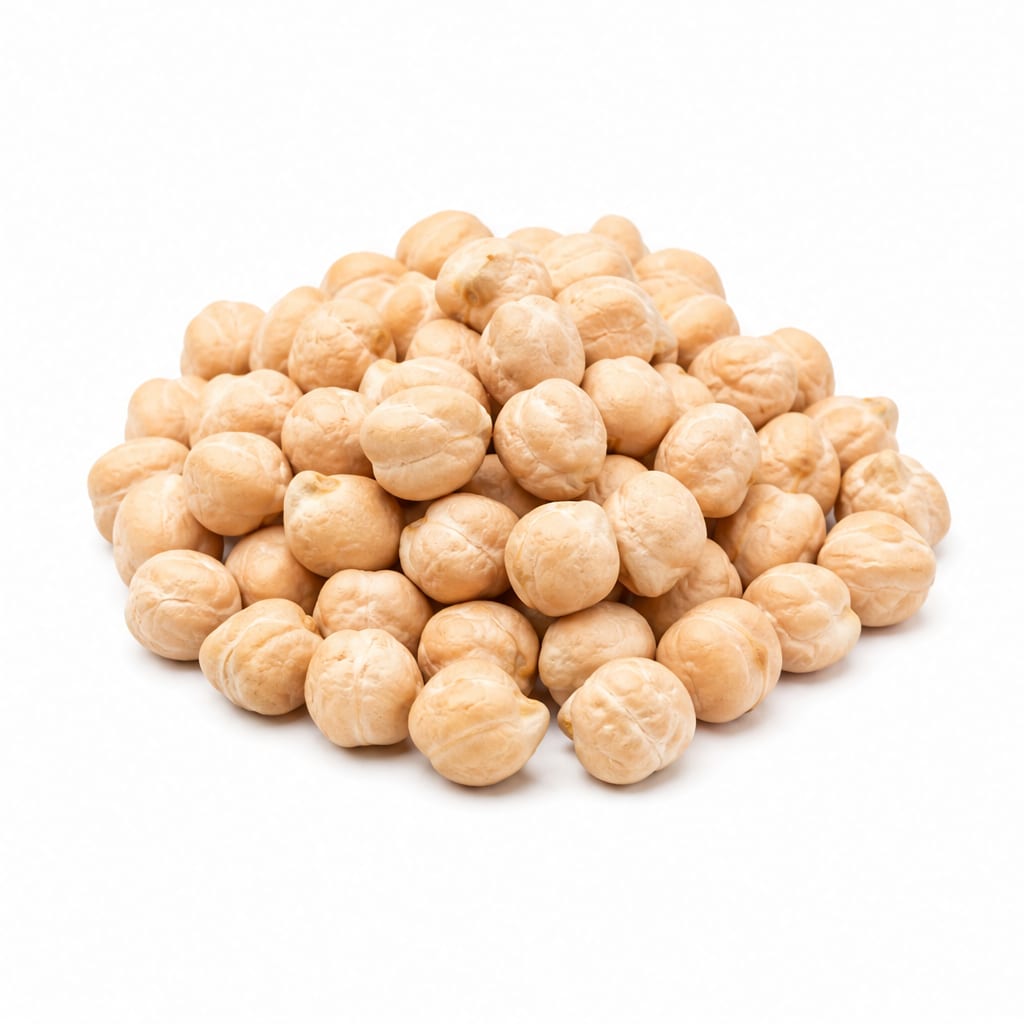
Chickpeas
Chickpeas win on protein and versatility, while black eyed peas win on folate, faster cooking, and gentler blood sugar impact.
Chickpeas score higher due to superior protein, fiber, and culinary versatility. Black eyed peas remain competitive through faster cooking, higher folate, and lower glycemic impact. The gap is narrow because both are excellent whole-food legume choices.
More protein and recipe flexibility with chickpeas versus quicker cooking and steadier energy with black eyed peas.
At a glance
Executive summary
Overall
It depends
Healthier
It depends
More practical
Chickpeas
Daily use
It depends
Key comparison lenses
protein and satiety comparison
Both are legumes but chickpeas deliver significantly more protein per serving, affecting fullness and muscle maintenance
blood sugar and glycemic impact
Black eyed peas have a lower glycemic index, making them more relevant for diabetes management and steady energy
cooking convenience and meal prep practicality
Black eyed peas cook much faster from dried, which matters for weekly meal planning and scratch cooking
digestive tolerance and gas production
Both can cause bloating but chickpeas are often harder to digest, especially for sensitive stomachs
folate and micronutrient density
Black eyed peas are notably richer in folate, which matters for pregnancy and cellular health
Best choice for
Black Eyed Pea
- Pregnant women needing extra folate
- People managing blood sugar or diabetes
- Home cooks wanting faster dried bean preparation
- Those with sensitive digestion who find chickpeas too heavy
- Anyone seeking a lighter, lower-calorie legume option
Chickpeas
- Vegetarians and vegans maximizing protein intake
- Meal preppers who value recipe versatility
- Athletes and active individuals needing more protein
- People making hummus, curries, or roasted snacks
- Anyone wanting a more filling, satisfying base for meals
Least suitable for
Black Eyed Pea
- Those prioritizing high protein per calorie
- People wanting maximum satiety from smaller portions
- Anyone unfamiliar with Southern or West African cooking traditions
Chickpeas
- People with severe digestive sensitivity to legumes
- Those wanting quick-cooking dried beans on busy weeknights
- Anyone closely monitoring calorie density in large portions
Deep comparison
Dimension by dimension
Each lens scores both foods and breaks down who each option suits.
- Dimension 1 · Priority 93Chickpeas
protein content and quality
Black Eyed Pea · 62Chickpeas · 85Chickpeas deliver roughly 50% more protein per cooked cup than black eyed peas, making them a stronger plant-based protein anchor.
Tradeoff
You sacrifice some protein density with black eyed peas but gain a lighter meal feel that some people prefer.
Why it matters
Protein is the main satiety driver in legumes. More protein means you stay full longer and need fewer snacks between meals.
Real-world impact
A chickpea bowl at lunch keeps you satisfied until dinner. A black eyed pea bowl might leave you reaching for a snack by 4pm.
Black Eyed Pea
- Lighter meals where you want less heaviness
- Meals already rich in protein from other sources
Better for
- Building muscle on a plant-based diet
- Reducing between-meal snacking
Worse for
Chickpeas
- Vegetarian and vegan main dishes
- Post-workout recovery meals
- Single-dish meals relying on legumes as the protein source
Better for
- Light summer salads where density feels heavy
- Eating large volumes on a calorie-restricted diet
Worse for
- Dimension 2 · Priority 86Black Eyed Pea
blood sugar stability
Black Eyed Pea · 82Chickpeas · 72Black eyed peas have a lower glycemic index and slightly lower carbohydrate density, leading to steadier blood sugar after meals.
Tradeoff
Chickpeas still have a moderate glycemic load and are far better than grains, but black eyed peas offer an extra edge for glucose control.
Why it matters
Steadier blood sugar means fewer energy crashes, less cravings, and better long-term metabolic health.
Real-world impact
After a black eyed pea meal, you feel calm and steady. After chickpeas, some people notice a slight energy dip an hour later.
Black Eyed Pea
- Pre-diabetes and type 2 diabetes management
- Avoiding afternoon energy crashes
- Pairing with higher-glycemic foods to blunt their impact
Better for
- Situations where faster energy delivery is actually desired
Worse for
Chickpeas
- Post-exercise meals where faster glycogen replenishment helps
- Active individuals who tolerate moderate glycemic loads well
Better for
- Blood sugar-sensitive individuals eating large portions
- Sedentary evening meals where glucose spikes linger
Worse for
- Dimension 3 · Priority 80Black Eyed Pea
cooking convenience and speed
Black Eyed Pea · 85Chickpeas · 60Dried black eyed peas cook in 30-45 minutes without soaking, while chickpeas typically need overnight soaking plus 1-2 hours of cooking.
Tradeoff
Black eyed peas save significant time when cooking from scratch, but both are equally convenient when using canned versions.
Why it matters
Cooking time determines whether you actually use dried beans or default to canned. Shorter cooking means more nutrient retention and better texture.
Real-world impact
You can decide to make black eyed peas at 5pm and eat by 6pm. Chickpeas require planning a day ahead or settling for canned.
Black Eyed Pea
- Last-minute weeknight dinners
- People who prefer cooking from dried over using canned
- Reducing sodium intake by avoiding canned beans
Better for
- Situations where you want the creamier texture of longer-cooked legumes
Worse for
Chickpeas
- Batch cooking on weekends when time is not a constraint
- Recipes where canned chickpeas work perfectly fine
Better for
- Spontaneous cooking without prior planning
- Avoiding the sodium load of canned options
Worse for
- Dimension 4 · Priority 76Black Eyed Pea
digestive tolerance
Black Eyed Pea · 74Chickpeas · 62Black eyed peas tend to produce less gas and bloating than chickpeas, which have higher oligosaccharide content that feeds gut bacteria aggressively.
Tradeoff
Chickpeas feed gut bacteria more aggressively, which is good for microbiome diversity but uncomfortable during adjustment periods.
Why it matters
Digestive discomfort is the number one reason people abandon legume-rich diets. Tolerance determines long-term adherence.
Real-world impact
Black eyed peas are a gentler entry point for people new to eating beans regularly. Chickpeas may require a gradual ramp-up period.
Black Eyed Pea
- People reintroducing legumes after a low-fiber diet
- Those with irritable bowel syndrome sensitivities
- Social situations where bloating is unwelcome
Better for
- Situations where maximum prebiotic fiber is the goal
Worse for
Chickpeas
- Building microbiome diversity through prebiotic fiber exposure
- People already adapted to regular legume consumption
Better for
- First-time or infrequent bean eaters
- Those prone to gas and bloating
Worse for
- Dimension 5 · Priority 72It depends
micronutrient density
Black Eyed Pea · 78Chickpeas · 76Black eyed peas dominate in folate and thiamine, while chickpeas lead in manganese, copper, and iron. Both are micronutrient powerhouses with different strengths.
Tradeoff
Choosing between them micronutrient-wise depends on what your diet is already rich in and what gaps you need to fill.
Why it matters
Folate supports cell division and is critical in pregnancy. Manganese and copper support bone health and energy production.
Real-world impact
A pregnant woman benefits more from black eyed peas. An active adult with adequate folate intake may get more from chickpeas.
Black Eyed Pea
- Prenatal nutrition and pregnancy planning
- Diets low in B vitamins
- Supporting cardiovascular health through folate
Better for
- Addressing trace mineral deficiencies
Worse for
Chickpeas
- Bone health and mineral support
- Diets low in trace minerals
- Supporting iron needs on a plant-based diet
Better for
- Meeting elevated folate needs during pregnancy
Worse for
- Dimension 6 · Priority 82Chickpeas
culinary versatility
Black Eyed Pea · 60Chickpeas · 90Chickpeas are one of the most versatile legumes globally, starring in hummus, curries, roasted snacks, salads, and pasta alternatives. Black eyed peas have a narrower but deeply comforting recipe range.
Tradeoff
Chickpeas open more recipe doors, but black eyed peas deliver a unique earthy comfort that chickpeas cannot replicate in Southern and West African dishes.
Why it matters
Versatility determines how often you actually use an ingredient. More recipes means less boredom and better long-term dietary adherence.
Real-world impact
Chickpeas can be breakfast (shakshuka), lunch (salad), snack (roasted), or dinner (curry). Black eyed peas shine in stews, Hoppin' John, and fritters.
Black Eyed Pea
- Traditional Southern, Caribbean, and West African recipes
- Comforting stews and braised dishes
- Unique fritters and croquettes
Better for
- Making creamy dips and spreads
- Roasted crunchy snacks
Worse for
Chickpeas
- Meal prep across multiple cuisines and meal types
- Dips, spreads, and snack preparations
- Grain-free and gluten-free baking alternatives
Better for
- Authentic Southern and West African comfort food traditions
Worse for
Timeline
Health impact over time
Short-term
Hours to days
Black Eyed Pea
- Steady energy without significant blood sugar spikes
- Mild digestive comfort compared to heavier legumes
- Moderate satiety that may require pairing with other proteins
Chickpeas
- Stronger and longer-lasting fullness after meals
- More pronounced digestive adjustment with gas and bloating possible
- Slightly higher short-term calorie intake per serving
Long-term
Months to years
Black Eyed Pea
- Consistent folate intake supporting cardiovascular and cellular health
- Easier long-term legume adherence due to better digestive tolerance
- Lower cumulative glycemic load supporting metabolic health
Chickpeas
- Higher sustained protein intake supporting muscle preservation with aging
- Greater microbiome diversity from aggressive prebiotic fiber exposure
- More dietary variety through versatile recipe options reducing meal fatigue
Risk profile
Safety & processing
Both black eyed peas and chickpeas are whole-food legumes with minimal processing in their dried form. Canned versions introduce sodium and potential BPA exposure from can linings, but the beans themselves remain clean. Dried cooking is the gold standard for both.
Black Eyed Pea
lectin content in undercooked beans
mediumRaw or undercooked black eyed peas contain lectins that can cause nausea and digestive distress. Thorough cooking eliminates this risk entirely.
canned sodium load
mediumCanned black eyed peas often contain 400-600mg sodium per serving. Rinsing reduces this by roughly 40%, but dried cooking avoids it completely.
Chickpeas
lectin content in undercooked beans
mediumChickpeas contain lectins that require proper cooking to neutralize. Slow cookers may not reach sufficient temperatures for dried chickpeas without prior boiling.
canned sodium and BPA exposure
mediumCanned chickpeas carry similar sodium concerns as other canned legumes. Some brands use BPA-free linings, but verification requires label checking.
chickpea allergy
lowThough rare, chickpea allergy exists and is more common in Mediterranean populations. Cross-reactivity with other legumes like lentils is possible.
Who wins for whom
Audience fit
Same foods, different winners depending on your goal.
children
ChickpeasChickpeas can be transformed into hummus, roasted snacks, and pasta alternatives that children accept more readily. The higher protein also supports growth needs.
daily consumption
It dependsChickpeas suit active people needing more protein and variety. Black eyed peas suit those prioritizing digestive comfort and blood sugar stability. Rotating both is ideal.
diabetes
Black Eyed PeaLower glycemic index and slightly lower carbohydrate content per serving provide steadier glucose response with less insulin demand.
elderly
Black Eyed PeaEasier digestion, higher folate for cellular health, and lower glycemic load align better with aging metabolic and digestive changes.
muscle gain
ChickpeasHigher protein content per serving supports muscle protein synthesis more effectively, especially important on plant-based diets where protein targets are harder to hit.
weight loss
Black Eyed PeaLower calorie density per cup makes it easier to eat satisfying portions while maintaining a deficit. The lighter feel also reduces meal fatigue on restricted diets.
Your move
Decision guide
Choose Black Eyed Pea
- You want faster cooking from dried beans without overnight soaking
- Blood sugar management is a priority for you
- You are pregnant or planning pregnancy and need extra folate
- Chickpeas cause you uncomfortable bloating or gas
- You love Southern, Caribbean, or West African comfort food traditions
- You prefer lighter meals that do not sit heavy for hours
Choose Chickpeas
- You are vegetarian or vegan and need more protein per meal
- You meal prep across multiple cuisines and want maximum versatility
- You want to make hummus, roasted snacks, or chickpea curries
- You are active and need satisfying post-workout meals
- You are building a plant-based diet with diverse recipe options
- You find chickpeas filling and enjoy their creamy texture
Either works if
- You are simply trying to eat more legumes for health benefits
- You want affordable, shelf-stable plant protein sources
- You are comfortable rotating both for nutritional diversity
- You use canned beans and find both equally convenient
Avoid both if
- You have a diagnosed legume allergy
- You are on a strict low-FODMAP elimination phase
- You experience severe digestive distress from all beans despite gradual introduction
Final recommendation
Keep both in your pantry. Use chickpeas when protein and versatility matter most, and black eyed peas when you want faster cooking, steadier energy, or a lighter meal. Rotating between them gives you the broadest micronutrient coverage and prevents recipe boredom. If you must choose only one, chickpeas edge ahead for most people due to protein and versatility, but black eyed peas are the smarter pick for diabetes management, pregnancy nutrition, and digestive sensitivity.
Practical
Consumer tips
- 1
Buy dried black eyed peas for quick weeknight cooking without soaking, and dried chickpeas for weekend batch cooking
- 2
Rinse canned beans thoroughly to remove roughly 40% of added sodium
- 3
Introduce chickpeas gradually if you are new to legumes, starting with quarter-cup servings to let your gut adjust
- 4
Freeze cooked chickpeas in portioned bags after batch cooking to have ready-to-use beans without the wait
- 5
Add a strip of kombu seaweed when cooking either bean to help reduce gas-producing compounds
- 6
Try black eyed pea fritters as an alternative to falafel for a lighter, faster option
- 7
Soak chickpeas with a pinch of baking soda to soften skins and reduce cooking time by 20-30 minutes
- 8
Both beans absorb flavors aggressively, so season boldly with aromatics, herbs, and spices