
Nutrition comparison
Black Eyed Peas vs Black Beans: Which Legume Is Healthier?
Black Beans pack nearly double the protein and fiber of Black Eyed Peas, but which one should you eat? Compare nutrition, digestion, blood sugar impact, and real-world tradeoffs.
Overall winner · Black Beans
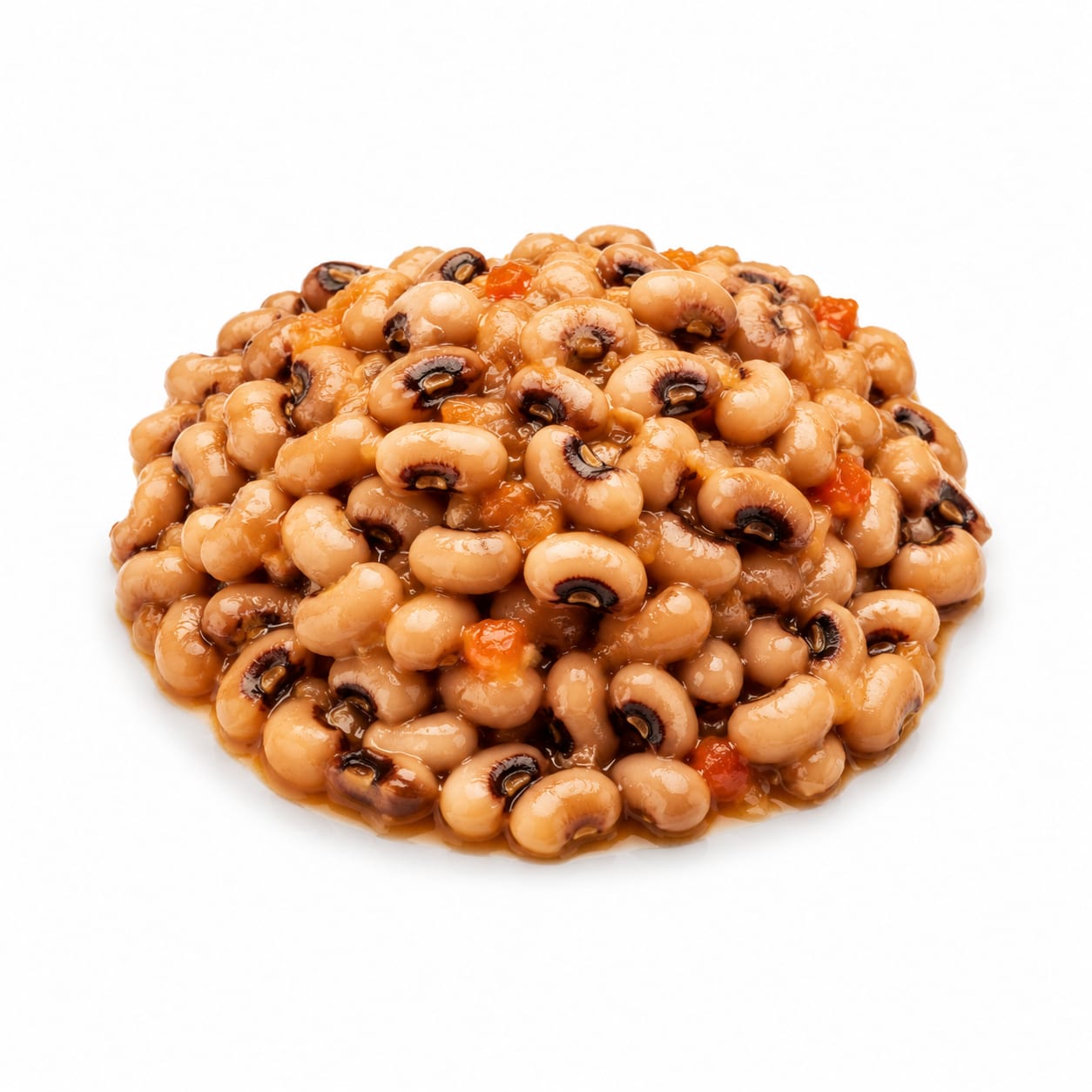
Black Eyed Pea
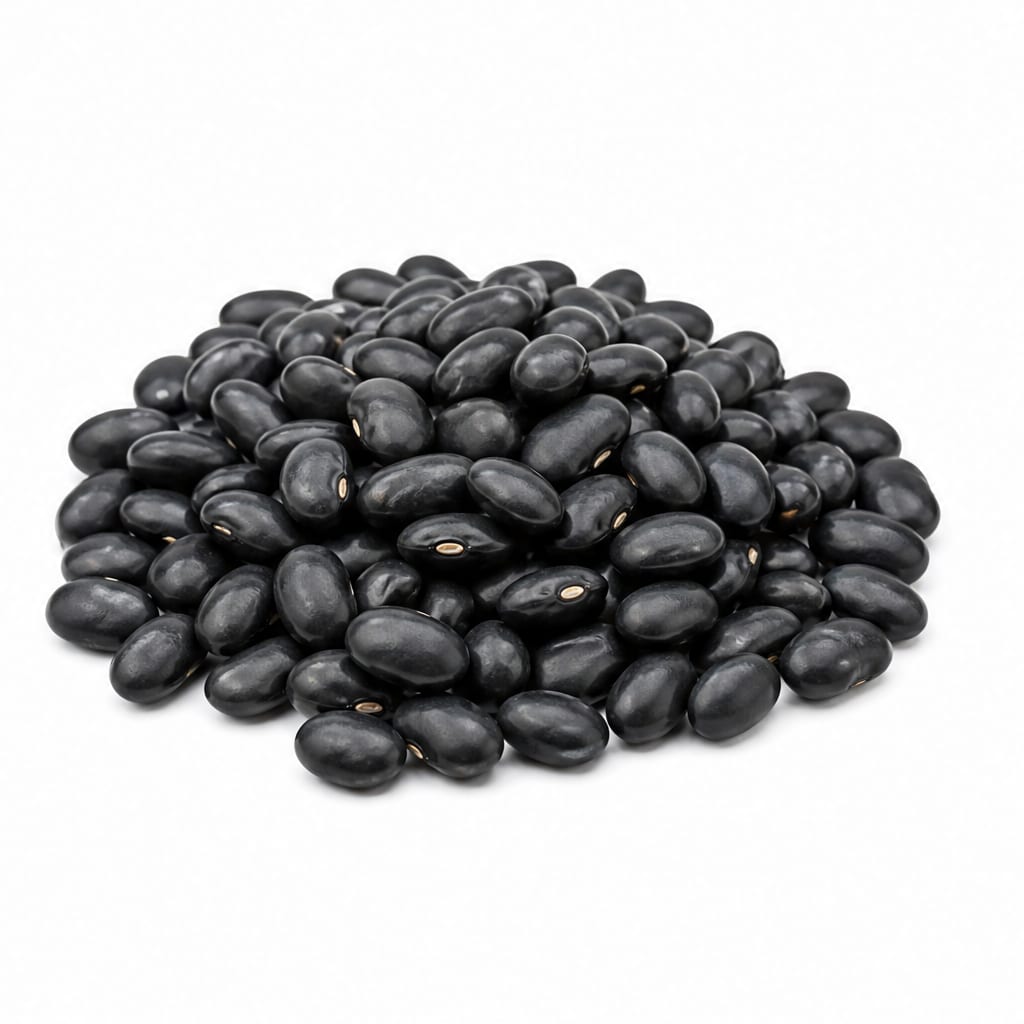
Black Beans
Black Beans win on most nutritional metrics — especially protein, fiber, and antioxidants — but Black Eyed Peas remain the better choice when you need easier digestion or lighter meals.
Black Beans score significantly higher due to their superior protein, fiber, and antioxidant profile. Black Eyed Peas remain solid but sit clearly below in nutritional density. The gap narrows if digestive comfort or calorie lightness is your priority.
Black Beans give you more protein and fiber per bite, but that density can feel heavy and cause digestive discomfort. Black Eyed Peas are gentler and lower in calories but nutritionally less potent.
At a glance
Executive summary
Overall
Black Beans
Healthier
Black Beans
More practical
It depends
Daily use
Black Beans
Key comparison lenses
protein and fiber density for satiety and muscle support
Black Beans deliver nearly double the protein and fiber per serving, making this the most consequential nutritional difference between the two
blood sugar management and glycemic control
The fiber gap directly impacts how steadily these legumes release energy, critical for diabetes and metabolic health decisions
calorie efficiency and weight management
Black Eyed Peas offer a lighter calorie load per serving, which matters for portion-conscious eaters
digestive tolerance and comfort
Lower fiber in Black Eyed Peas can mean less bloating and gas, a real concern for many people increasing legume intake
antioxidant and anti-inflammatory benefits
Black Beans' dark pigment signals concentrated anthocyanins, giving them a distinct edge in cellular protection
Best choice for
Black Eyed Pea
- Sensitive digestion or IBS-prone individuals
- Lighter meals where you want less fullness
- Quick-cooking weeknight dinners
- Traditional Southern and African dishes
- Gradual transition into eating more legumes
Black Beans
- Athletes and anyone chasing higher protein intake
- Blood sugar management and diabetes prevention
- Weight loss through high satiety
- Long-term heart health and inflammation reduction
- Plant-based meal builders needing nutritional density
Least suitable for
Black Eyed Pea
- Those needing high protein from plant sources
- People relying on legumes as a primary fiber source
- Very low-calorie diets where every bite must be nutrient-dense
Black Beans
- People with severe digestive sensitivity to high fiber
- Anyone unaccustomed to legumes who needs a gentler entry point
- Meals where a lighter texture is preferred
Deep comparison
Dimension by dimension
Each lens scores both foods and breaks down who each option suits.
- Dimension 1 · Priority 95Black Beans
Protein Content
Black Eyed Pea · 55Black Beans · 88Black Beans deliver roughly 15g of protein per cooked cup versus about 8g in Black Eyed Peas — nearly double the muscle-fueling power.
Tradeoff
That protein density comes with more calories and a heavier feel in the stomach, which may not suit lighter meals.
Why it matters
If you're plant-based or trying to hit protein targets without supplements, this difference compounds across every meal.
Real-world impact
A Black Bean bowl keeps you full longer after the gym. A Black Eyed Pea salad may leave you reaching for a snack sooner.
Black Eyed Pea
- Smaller appetites who find high-protein meals too filling
Better for
- Post-workout recovery meals
- Anyone using legumes as a primary protein source
Worse for
Black Beans
- Athletes and active individuals
- Plant-based eaters relying on legumes for protein
- Anyone trying to stay full between meals
Better for
- Light lunches where heaviness slows you down
Worse for
- Dimension 2 · Priority 92Black Beans
Fiber and Satiety
Black Eyed Pea · 52Black Beans · 90Black Beans pack about 15g of fiber per cup compared to roughly 7g in Black Eyed Peas. That is a dramatic difference in how full you feel.
Tradeoff
High fiber means more gas and bloating risk, especially if your gut is not used to it. Black Eyed Peas are far gentler.
Why it matters
Fiber is the single most underrated factor in weight management and blood sugar control. Doubling your fiber per serving is a big deal.
Real-world impact
A Black Bean burrito bowl can keep hunger away for 5+ hours. Black Eyed Peas might only buy you 3.
Black Eyed Pea
- Sensitive stomachs adjusting to more plant foods
- Days when you want a lighter meal without bloating
Better for
- Anyone falling short of daily fiber goals
- Chronic snackers needing more staying power
Worse for
Black Beans
- Weight loss efforts relying on natural appetite suppression
- Blood sugar stabilization between meals
- Gut microbiome feeding over the long term
Better for
- First-time legume eaters not yet adapted to high fiber
Worse for
- Dimension 3 · Priority 88Black Beans
Blood Sugar Stability
Black Eyed Pea · 65Black Beans · 88Both legumes have low glycemic indexes, but Black Beans' higher fiber slows glucose absorption more effectively.
Tradeoff
Black Eyed Peas still beat most refined carbs by a wide margin, so the gap matters most for people with diabetes or insulin resistance.
Why it matters
Steadier blood sugar means fewer energy crashes, fewer cravings, and better metabolic health over decades.
Real-world impact
After a Black Bean meal, you are less likely to hit that 3 PM energy dip. Black Eyed Peas are still solid but slightly less protective.
Black Eyed Pea
- Moderate metabolic health where any legume is already a win
Better for
- Strict glycemic control protocols
Worse for
Black Beans
- Prediabetes or diabetes management
- PCOS and insulin-sensitive conditions
- Anyone fighting afternoon energy crashes
Better for
- Dimension 4 · Priority 78Black Beans
Antioxidant and Anti-Inflammatory Power
Black Eyed Pea · 50Black Beans · 88Black Beans are one of the most antioxidant-rich legumes on the planet thanks to their dark anthocyanin-rich skin. Black Eyed Peas are pale by comparison.
Tradeoff
Antioxidant benefits are cumulative and long-term — you will not feel them immediately, but they matter enormously over years of eating.
Why it matters
Chronic inflammation drives heart disease, cancer, and aging. Anthocyanin-rich foods are one of the most accessible defenses.
Real-world impact
Eating Black Beans regularly is like a long-term investment in cellular resilience. Black Eyed Peas offer modest returns by comparison.
Black Eyed Pea
- Short-term meals where antioxidant content is not the priority
Better for
- Long-term anti-inflammatory eating patterns
Worse for
Black Beans
- Heart disease prevention
- Anti-aging and longevity-focused diets
- Chronic inflammation conditions like arthritis
Better for
- Dimension 5 · Priority 72Black Eyed Pea
Calorie Efficiency
Black Eyed Pea · 82Black Beans · 65Black Eyed Peas deliver solid nutrition at roughly 116 calories per cup versus about 227 for Black Beans. That makes them more calorie-efficient per serving.
Tradeoff
The calorie difference reflects smaller portion sizes and less nutritional payload. You get less of everything — including the good stuff.
Why it matters
For calorie-restricted diets, every calorie must work harder. Black Eyed Peas let you eat a full portion without blowing your budget.
Real-world impact
On a 1500-calorie day, a cup of Black Eyed Peas fits easily. A cup of Black Beans takes up more of your allowance but gives more back.
Black Eyed Pea
- Low-calorie diet phases
- Smaller eaters who find a full cup of Black Beans too heavy
- Side dishes where you want legume presence without dominance
Better for
- Anyone struggling to eat enough calories or protein
Worse for
Black Beans
- Bulk-eating athletes who need calorie density
- Weight maintenance phases where satiety matters more than calories
Better for
- Strict calorie-counting days
Worse for
- Dimension 6 · Priority 75Black Eyed Pea
Digestive Tolerance
Black Eyed Pea · 82Black Beans · 58Black Eyed Peas are easier on the digestive system thanks to lower fiber and a softer texture when cooked. Black Beans are notorious for causing gas.
Tradeoff
Better tolerance today means less fiber feeding your gut microbiome long-term. Comfort now can cost you microbiome resilience later.
Why it matters
If legumes make you bloated, you will stop eating them. Starting with Black Eyed Peas can build tolerance for denser options later.
Real-world impact
A Black Eyed Pea stew sits comfortably. A Black Bean bowl might have you unbuttoning your jeans and avoiding social plans.
Black Eyed Pea
- IBS or sensitive digestion
- Legume beginners building gut tolerance gradually
- Date nights or social meals where bloating is unacceptable
Better for
- Maximizing microbiome diversity through fiber
Worse for
Black Beans
- Adapted digestive systems that handle high fiber well
- Long-term gut microbiome investment
Better for
- Unadapted guts experiencing gas, cramping, or discomfort
Worse for
- Dimension 7 · Priority 65Black Eyed Pea
Cooking Convenience
Black Eyed Pea · 80Black Beans · 68Black Eyed Peas cook faster — about 30-45 minutes from dry versus 60-90 minutes for Black Beans. Both are available canned for instant use.
Tradeoff
The time difference vanishes with canned versions or a pressure cooker. From dry, it matters on busy weeknights.
Why it matters
Convenience determines whether you actually cook legumes or reach for something processed instead.
Real-world impact
Black Eyed Peas from dry can be a spontaneous weeknight decision. Black Beans usually require planning or a pressure cooker.
Black Eyed Pea
- Last-minute meal prep
- Stovetop cooking without special equipment
- Beginner cooks intimidated by long cook times
Better for
Black Beans
- Meal prep Sundays with a pressure cooker or slow cooker
- Canned convenience where cook time is irrelevant
Better for
- Spontaneous dry-legume cooking on busy evenings
Worse for
Timeline
Health impact over time
Short-term
Hours to days
Black Eyed Pea
- Comfortable fullness without heaviness
- Moderate blood sugar stabilization
- Lower risk of post-meal bloating or gas
- Steady but less sustained energy compared to Black Beans
Black Beans
- Strong satiety that can last 4-5 hours
- Excellent blood sugar stabilization after meals
- Higher likelihood of gas and bloating if unaccustomed
- More sustained energy release throughout the afternoon
Long-term
Months to years
Black Eyed Pea
- Moderate protection against heart disease and diabetes
- Easier long-term adherence for sensitive digestions
- Lower cumulative antioxidant intake compared to darker legumes
- Solid but not exceptional fiber benefits for gut health
Black Beans
- Significant reduction in cardiovascular risk markers
- Strong gut microbiome support from high resistant starch and fiber
- Substantial anti-inflammatory and antioxidant protection from anthocyanins
- Better long-term weight management through sustained satiety
- Risk of persistent digestive discomfort if intake increases too quickly
Risk profile
Safety & processing
Both Black Eyed Peas and Black Beans are whole, minimally processed foods in their dried or plain canned forms. The only concern is canned versions with added sodium — always check labels or rinse thoroughly.
Black Eyed Pea
Sodium in canned varieties
mediumCanned Black Eyed Peas can contain 400-600mg of sodium per serving. Rinsing removes about 40% but not all. Choose low-sodium or no-salt-added versions when possible.
Undercooking from dry
lowProperly soaked and cooked Black Eyed Peas are safe, but insufficient cooking can leave lectins intact, causing mild digestive upset.
Black Beans
Sodium in canned varieties
mediumSame concern as Black Eyed Peas — canned Black Beans often carry heavy sodium loads. Rinsing helps, but low-sodium cans are the better choice.
Undercooking from dry
mediumBlack Beans require longer cooking than Black Eyed Peas. Undercooked Black Beans contain higher levels of phytohaemagglutinin, a lectin that can cause nausea and vomiting. Always ensure full cooking.
Who wins for whom
Audience fit
Same foods, different winners depending on your goal.
children
Black Eyed PeaMilder flavor, softer texture, and easier digestion make Black Eyed Peas more kid-friendly and less likely to cause tummy aches.
daily consumption
Black BeansThe nutritional density of Black Beans — protein, fiber, antioxidants, and minerals — makes them the stronger daily staple for most healthy adults.
diabetes
Black BeansHigher fiber content slows glucose absorption more effectively, providing better post-meal blood sugar control and lower glycemic impact.
elderly
It dependsBlack Beans win for nutrient density and chronic disease protection, but Black Eyed Peas win for digestive comfort. It depends on individual tolerance.
muscle gain
Black BeansNearly double the protein per cup makes Black Beans the clear choice for supporting muscle repair and growth from plant sources.
weight loss
Black BeansBlack Beans' higher fiber and protein create stronger satiety signals, naturally reducing overall calorie intake throughout the day.
Your move
Decision guide
Choose Black Eyed Pea
- You experience bloating or gas with other legumes
- You want a lighter meal that will not weigh you down
- You are cooking from dry on a weeknight without a pressure cooker
- You are introducing legumes to kids or picky eaters
- You are making traditional Southern, African, or Middle Eastern dishes
Choose Black Beans
- You want maximum protein and fiber from a plant source
- Blood sugar management or diabetes prevention is a priority
- You are eating for long-term heart health and inflammation reduction
- You are plant-based and need nutrient-dense calorie sources
- You already tolerate legumes well and want the strongest nutritional return
Either works if
- You are simply trying to eat more legumes and both are available
- You are making a mixed bean soup, stew, or chili where variety matters
- You rotate between them for dietary diversity and microbiome benefits
Avoid both if
- You have a diagnosed legume allergy
- You are on a very low-carb or ketogenic diet
- You are in an acute IBS flare and need a temporary low-fiber reset
Final recommendation
Make Black Beans your default legume for their superior nutritional payoff, but keep Black Eyed Peas in rotation for lighter meals, sensitive digestion days, and cooking convenience. The best long-term strategy is eating both — variety always beats choosing just one.
Practical
Consumer tips
- 1
Rinse canned legumes thoroughly to remove about 40% of added sodium
- 2
If gas is a problem, start with Black Eyed Peas and gradually introduce Black Beans over weeks to let your gut adapt
- 3
Soak dry legumes overnight and discard the soaking water to reduce gas-causing oligosaccharides
- 4
A pressure cooker eliminates the cook-time advantage of Black Eyed Peas — both become equally convenient
- 5
Buy no-salt-added canned versions when available — they cost the same and save you hundreds of milligrams of sodium
- 6
Mix both in a single dish for a balance of lightness and nutritional density
- 7
Add a small amount of kombu seaweed when cooking dry legumes — it helps break down gas-causing compounds