
Nutrition comparison
Black Eyed Peas vs Kidney Beans: Nutrition, Digestion, and Safety Compared
Black Eyed Peas are easier to digest and safer to cook, while Kidney Beans offer more protein and iron. Learn which legume fits your health goals and cooking style.
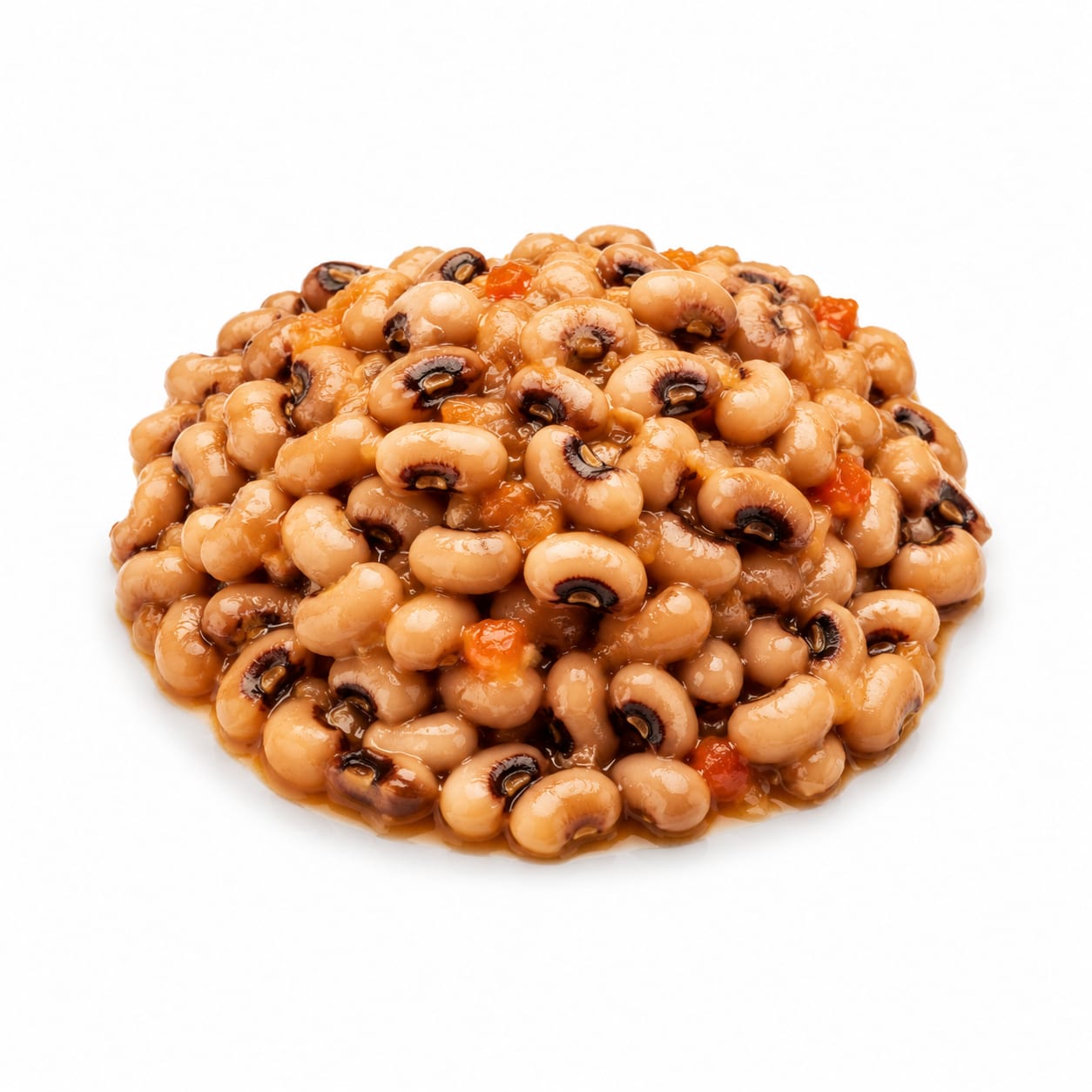
Black Eyed Pea
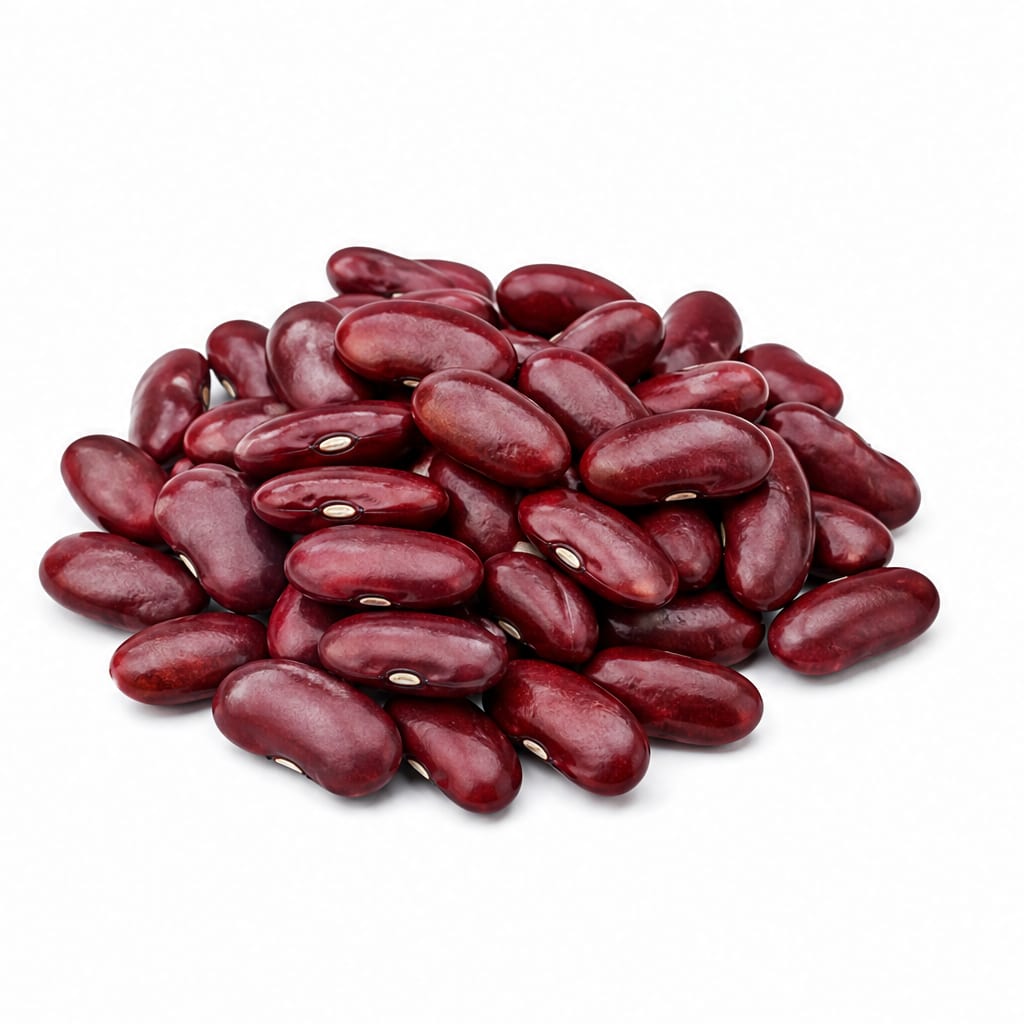
Kidney Beans
Kidney Beans deliver more protein and minerals per serving, but Black Eyed Peas are easier to digest, faster to cook, and carry no toxin risk.
Kidney Beans edge ahead on raw nutritional metrics, especially protein and iron. Black Eyed Peas close the gap through superior digestibility, faster cooking, and zero toxin risk. The 3-point difference reflects that nutritional density slightly outweighs convenience for most health-focused users, but the margin is thin enough that personal tolerance should decide.
Nutrient density versus digestive comfort and safety convenience
At a glance
Executive summary
Overall
It depends
Healthier
Kidney Beans
More practical
Black Eyed Pea
Daily use
Black Eyed Pea
Key comparison lenses
plant protein quality
Both are staple legumes often chosen as primary protein sources in plant-based diets
digestive tolerance
Bean selection often comes down to which one causes less bloating and gas
food safety toxin risk
Kidney beans carry a unique and underappreciated toxin risk if undercooked
blood sugar management
Both are low-glycemic legumes favored by people managing diabetes or insulin resistance
cooking convenience
Preparation time and soaking requirements differ significantly between these legumes
mineral density
Iron and potassium content can be a deciding factor for anemia-prone or active individuals
Best choice for
Black Eyed Pea
- People with sensitive digestion or IBS
- Busy home cooks wanting faster meal prep
- Anyone who has experienced bean-related bloating
- Older adults needing gentler fiber sources
- Families wanting a safer bean for kids to help cook
Kidney Beans
- Athletes and lifters chasing higher plant protein
- People with iron deficiency or anemia risk
- Chili and stew recipes needing firm texture
- Anyone wanting maximum nutrients per calorie
- Meal preppers who batch-cook once a week
Least suitable for
Black Eyed Pea
- Those needing maximum protein from legumes alone
- Recipes requiring a bean that holds firm shape during long cooking
- People looking for the highest iron content per serving
Kidney Beans
- Anyone prone to skipping the full cooking step
- People with severe digestive sensitivity to beans
- Quick weeknight meals with limited cooking time
- Households with young children helping in the kitchen
Deep comparison
Dimension by dimension
Each lens scores both foods and breaks down who each option suits.
- Dimension 1 · Priority 92Kidney Beans
Protein Power
Black Eyed Pea · 66Kidney Beans · 84Kidney Beans supply roughly 15g of protein per cooked cup versus about 13g in Black Eyed Peas, giving them a meaningful edge for muscle maintenance and satiety.
Tradeoff
The protein gap is modest per serving but compounds over daily or weekly intake if legumes are your primary protein source.
Why it matters
For plant-based eaters, every gram of protein counts. Over a week, that 2g difference per cup adds up to nearly 14g — equivalent to two extra eggs.
Real-world impact
If you rely on beans as your main protein, choosing Kidney Beans means slightly less need to supplement with other protein sources.
Black Eyed Pea
- Lighter meals where you want less heaviness
- Days when protein is already covered by other foods
Better for
- Making a high-protein vegan chili that needs to be filling on its own
Worse for
Kidney Beans
- Post-workout recovery meals
- Plant-based diets needing every protein gram
- Building satisfying grain bowls
Better for
- Light summer salads where dense protein feels too heavy
Worse for
- Dimension 2 · Priority 88Black Eyed Pea
Digestive Comfort
Black Eyed Pea · 78Kidney Beans · 52Black Eyed Peas are widely reported to cause less gas and bloating than Kidney Beans, which contain higher levels of oligosaccharides that ferment in the gut.
Tradeoff
Choosing the easier-to-digest option means accepting slightly less protein and mineral content per serving.
Why it matters
Digestive discomfort is the number one reason people abandon bean-heavy diets. A bean you tolerate well is a bean you will actually eat regularly.
Real-world impact
If Kidney Beans leave you bloated for hours after lunch, you will start avoiding them — even though they are technically more nutritious.
Black Eyed Pea
- Office lunches where bloating is socially uncomfortable
- Introducing beans to kids or bean-averse adults
- Evening meals before sleep
Better for
- Situations where you want maximum satiety and the heavier feeling is welcome
Worse for
Kidney Beans
- Those with iron-gut digestion who never notice bean-related gas
Better for
- Date nights, important meetings, or any situation where bloating is a problem
Worse for
- Dimension 3 · Priority 85Black Eyed Pea
Food Safety
Black Eyed Pea · 90Kidney Beans · 58Kidney Beans contain phytohaemagglutinin, a natural toxin that can cause severe nausea and vomiting if the beans are not boiled thoroughly. Black Eyed Peas carry no such risk.
Tradeoff
The toxin is completely neutralized by proper boiling, but many home cooks undercook beans in slow cookers or skip boiling in favor of just soaking.
Why it matters
This is not a theoretical risk. Outbreaks of kidney bean poisoning have been documented, particularly from slow cookers that never reach boiling temperature.
Real-world impact
If you toss soaked Kidney Beans into a slow cooker on low, you could serve a meal that makes your family sick within hours. Black Eyed Peas simply do not carry this risk.
Black Eyed Pea
- Slow cooker recipes without pre-boiling
- Cooking with children or beginners
- Any scenario where you might rush the cooking step
Better for
- No meaningful safety downside
Worse for
Kidney Beans
- Experienced cooks who always boil beans for at least 10 minutes before further cooking
Better for
- Slow cooker meals without pre-boiling
- Camping or off-grid cooking with uncertain temperatures
- Meal prep routines where shortcuts are tempting
Worse for
- Dimension 4 · Priority 70Kidney Beans
Mineral Density
Black Eyed Pea · 62Kidney Beans · 82Kidney Beans deliver significantly more iron, potassium, and magnesium per serving, making them a stronger choice for mineral replenishment.
Tradeoff
Higher mineral content comes with the digestive and safety tradeoffs already noted — you must tolerate and properly cook them to access those minerals.
Why it matters
Iron deficiency is the most common nutrient deficiency worldwide. For plant-based eaters, Kidney Beans are one of the better non-heme iron sources available.
Real-world impact
If you are borderline anemic or physically active and sweating out minerals, Kidney Beans offer more replenishment per cup than Black Eyed Peas.
Black Eyed Pea
- Those whose mineral needs are met through other foods or supplements
Better for
- Recovery from iron deficiency without supplementation
Worse for
Kidney Beans
- Menstruating individuals needing extra iron
- Athletes losing potassium through sweat
- Plant-based eaters at risk for mineral shortfalls
Better for
- Situations where digestive distress prevents you from eating them consistently enough to benefit
Worse for
- Dimension 5 · Priority 78Kidney Beans
Blood Sugar Stability
Black Eyed Pea · 72Kidney Beans · 79Both legumes are low-glycemic, but Kidney Beans have slightly more fiber and resistant starch, leading to a marginally slower blood sugar rise.
Tradeoff
The difference is small enough that both are excellent choices for blood sugar management compared to nearly any other carb source.
Why it matters
For people with diabetes or insulin resistance, both beans are among the best carb choices available. The gap between them is far smaller than the gap between either bean and grains or potatoes.
Real-world impact
Either bean will give you steadier energy than rice, bread, or pasta. Choosing between them for blood sugar alone is splitting hairs.
Black Eyed Pea
- Smaller portions where the slightly faster digestion provides quicker satisfaction
Better for
- None significant — both are strong performers
Worse for
Kidney Beans
- Maximum blood sugar flattening over many hours
- Diabetic meal plans optimizing every marginal gain
Better for
- None significant — both are strong performers
Worse for
- Dimension 6 · Priority 75Black Eyed Pea
Cooking Convenience
Black Eyed Pea · 82Kidney Beans · 55Black Eyed Peas cook faster, require less soaking, and have no toxin risk to manage. Kidney Beans demand longer cooking and mandatory boiling to neutralize phytohaemagglutinin.
Tradeoff
Faster, simpler cooking means less meal prep friction — which translates to actually eating beans more often instead of reaching for convenience junk food.
Why it matters
The best nutritious food is the one you actually prepare. If Kidney Beans sit in your pantry because cooking them feels like a project, their superior nutrition profile is irrelevant.
Real-world impact
Black Eyed Peas can go from dry to dinner in under an hour with no soaking. Kidney Beans really need overnight soaking plus a full boil — plan ahead or open a can.
Black Eyed Pea
- Weeknight dinners with no prep foresight
- Cooking while traveling or in borrowed kitchens
- Beginner bean cooks building confidence
Better for
- Recipes where a firmer, slower-cooking bean is desired for texture
Worse for
Kidney Beans
- Weekend batch cooking where time is not a factor
- Canned bean users who skip the cooking step entirely
Better for
- Spontaneous cooking without canned beans on hand
- Anyone who finds multi-step prep demotivating
Worse for
- Dimension 7 · Priority 65Kidney Beans
Antioxidant Content
Black Eyed Pea · 55Kidney Beans · 80Dark red Kidney Beans are among the top antioxidant-rich foods tested, far exceeding Black Eyed Peas in anthocyanin and total ORAC score.
Tradeoff
Antioxidant content sounds important but the clinical impact of eating one bean over another for antioxidants alone is modest compared to overall diet quality.
Why it matters
If you eat few other antioxidant-rich foods like berries or leafy greens, Kidney Beans offer more insurance. If your diet is already colorful, this gap matters less.
Real-world impact
A chili made with red Kidney Beans contributes more cellular defense compounds than one made with Black Eyed Peas — but the difference is incremental, not transformative.
Black Eyed Pea
- Meals already paired with antioxidant-rich vegetables and fruits
Better for
- Being the sole antioxidant source in a monotonous diet
Worse for
Kidney Beans
- Diets low in colorful fruits and vegetables
- Long-term cellular health optimization
Better for
- Overvaluing antioxidant content while ignoring digestibility issues that reduce overall intake
Worse for
Timeline
Health impact over time
Short-term
Hours to days
Black Eyed Pea
- Gentle satiety without heaviness, making them comfortable for lunch
- Minimal gas compared to most other beans if introduced gradually
- Quick energy from easier-to-digest carbohydrates
Kidney Beans
- Stronger and longer-lasting fullness due to higher protein and fiber
- Potential for noticeable bloating or gas, especially if you are not used to them
- Risk of nausea and vomiting if undercooked due to phytohaemagglutinin toxin
Long-term
Months to years
Black Eyed Pea
- Consistent legume intake without digestive friction encourages sustainable healthy eating habits
- Steady folate intake supports cardiovascular and cellular health over decades
- Lower mineral density means you need to ensure iron and potassium from other sources
Kidney Beans
- Superior iron and potassium intake supports blood health and athletic performance long-term
- High antioxidant load contributes to reduced oxidative stress over years
- Digestive discomfort may cause you to eat them less often, reducing their theoretical long-term benefits
Risk profile
Safety & processing
Both Black Eyed Peas and Kidney Beans are whole, minimally processed legumes in their dried form. Canned versions may contain added sodium, so rinsing is recommended. Neither carries concerns about artificial additives, emulsifiers, or preservatives when bought dried.
Black Eyed Pea
Standard legume digestive compounds
lowOligosaccharides can cause gas but are not harmful. Soaking and discarding water reduces this significantly.
Pesticide residue on conventionally grown crops
lowLegumes generally have lower pesticide residues than leafy greens or soft fruits. Organic options are available but not critical.
Kidney Beans
Phytohaemagglutinin toxicity from undercooking
highRaw or undercooked Kidney Beans contain a lectin that causes severe nausea, vomiting, and abdominal pain within 1-3 hours. As few as 4-5 raw beans can trigger symptoms. Slow cookers often fail to reach temperatures high enough to destroy the toxin. Always boil Kidney Beans for at least 10 minutes before slow cooking or serving.
Canned bean BPA exposure
mediumSome canned Kidney Beans are lined with BPA-containing resins. Look for BPA-free cans or use dried beans to avoid this entirely.
Pesticide residue on conventionally grown crops
lowSimilar to other legumes, pesticide risk is low. The thick seed coat provides natural protection.
Who wins for whom
Audience fit
Same foods, different winners depending on your goal.
children
Black Eyed PeaEasier digestion, no toxin risk if undercooked, and a milder flavor that kids often accept more readily. Kidney Beans are safe when properly cooked but the consequences of a cooking mistake are more serious.
daily consumption
Black Eyed PeaThe combination of easier digestion, faster cooking, and zero safety concerns makes Black Eyed Peas more sustainable as a daily staple. A food you comfortably eat every day beats a theoretically superior food you avoid half the time.
diabetes
Kidney BeansMarginally more fiber and resistant starch slow glucose absorption slightly more. Both are excellent diabetic-friendly foods — the gap between them is tiny compared to the gap between either bean and refined carbs.
elderly
Black Eyed PeaGentler on the digestive system and the folate content supports cardiovascular health. Reduced toxin risk matters more for older adults who may have inconsistent cooking habits or weaker stomach acid.
muscle gain
Kidney BeansMore protein per serving gives Kidney Beans a clear advantage for muscle repair and growth, especially in plant-based diets where protein sources are limited.
weight loss
Kidney BeansHigher protein and fiber per calorie make Kidney Beans slightly more satiating, which helps control overall food intake. However, the difference is small enough that the bean you actually eat regularly is the better choice.
Your move
Decision guide
Choose Black Eyed Pea
- You have experienced bloating or gas from other beans
- You want a weeknight-friendly legume that cooks without soaking
- You use a slow cooker and do not want to worry about pre-boiling
- You are feeding children or elderly family members
- You want a bean you can eat daily without digestive fatigue
Choose Kidney Beans
- You are an experienced cook who always properly boils beans
- Maximizing protein and iron intake is a priority
- You are building muscle or recovering from intense training
- You want the highest antioxidant content per serving
- You are making chili, rajma, or other dishes where firm texture and deep flavor matter
Either works if
- You are managing blood sugar — both are excellent low-glycemic choices
- You eat a varied diet and rotate between different legumes weekly
- You use canned beans and rinse them — the cooking differences disappear
- You are getting protein and iron from other sources already
Avoid both if
- You have a diagnosed legume allergy
- You are in the elimination phase of a low-FODMAP diet under professional guidance
- You have severe IBS that flares with any bean intake regardless of type
Final recommendation
Let your digestion decide. If Kidney Beans sit well with you and you cook them properly, they offer more nutrition per bite. If they cause discomfort or you find the cooking process annoying, Black Eyed Peas are the smarter daily choice — a bean you enjoy and eat regularly will always outperform one you avoid. For most people, the best approach is rotating both: Kidney Beans when you have time to cook properly, Black Eyed Peas for quick everyday meals.
Practical
Consumer tips
- 1
Always boil Kidney Beans for at least 10 minutes before using in any recipe — slow cookers alone are not hot enough to destroy the natural toxin
- 2
Soak any dried bean overnight and discard the soaking water to significantly reduce gas-causing compounds
- 3
Rinse canned beans thoroughly to remove up to 40% of the added sodium
- 4
If you are new to eating beans regularly, start with Black Eyed Peas and gradually introduce Kidney Beans as your gut adapts
- 5
Pair either bean with vitamin C-rich foods like tomatoes or bell peppers to dramatically boost iron absorption
- 6
Store dried beans in airtight containers away from light — they last years but become harder to cook as they age
- 7
For the best of both worlds, cook a large batch of Kidney Beans on weekends and keep Black Eyed Peas for quick weeknight meals