
Nutrition comparison
Black Eyed Peas vs Pinto Beans: Nutrition, Fiber, and Which Is Healthier
Compare black eyed peas and pinto beans side by side. See which bean wins for fiber, protein, weight loss, blood sugar, and daily nutrition.
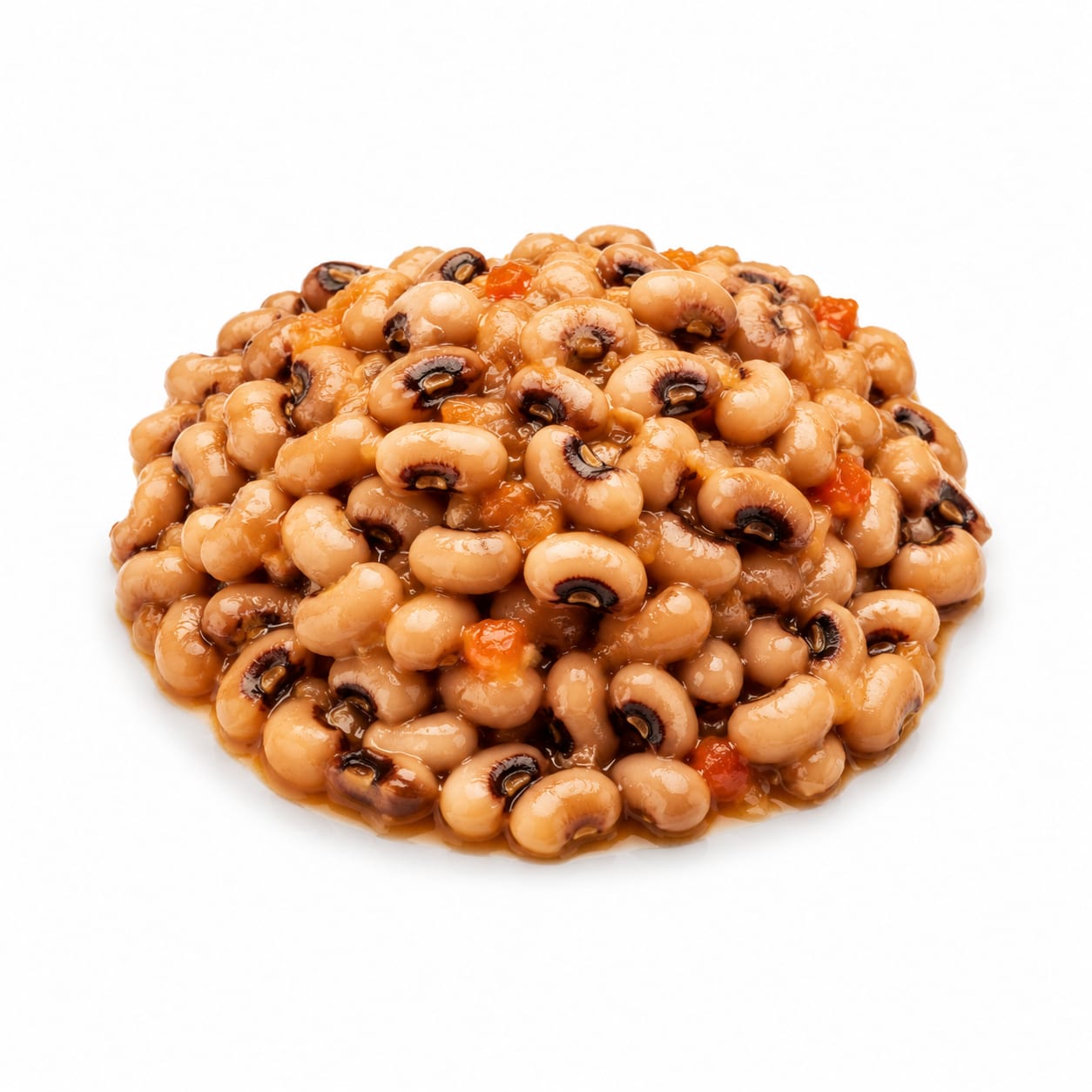
Black Eyed Pea
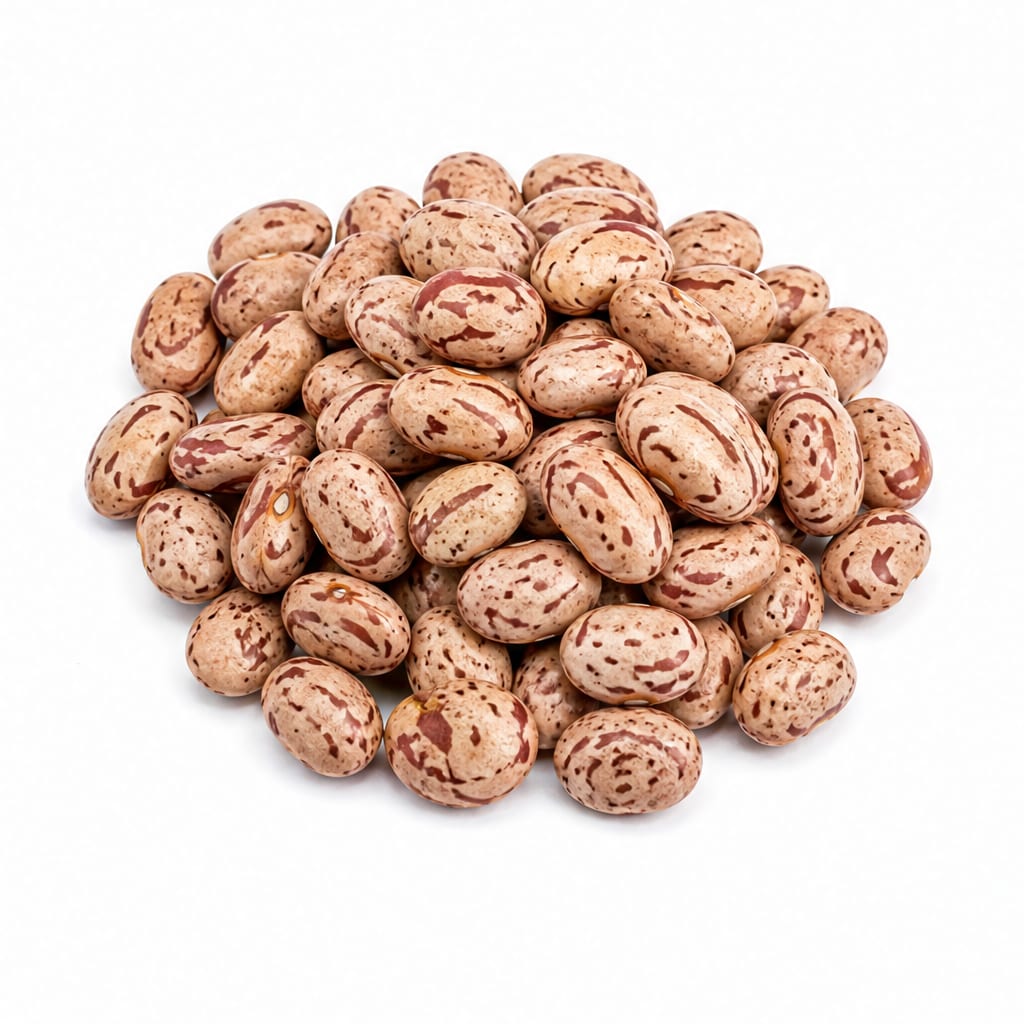
Pinto Beans
Pinto beans win on fiber, protein, and fullness. Black eyed peas win on lighter calories, faster cooking, and folate. Both are excellent choices with different strengths.
Pinto beans score higher due to superior fiber, protein, and satiety benefits that matter more for most daily diets. Black eyed peas remain strong but their lower fiber and protein narrow their advantage to calorie-conscious and time-sensitive scenarios.
More filling and fiber-rich versus lighter and quicker to the table
At a glance
Executive summary
Overall
It depends
Healthier
Pinto Beans
More practical
Black Eyed Pea
Daily use
Pinto Beans
Key comparison lenses
fiber and digestive health comparison
Both are legumes but pinto beans deliver significantly more fiber per serving, making gut health a key differentiator
blood sugar stability
Fiber and carb differences directly affect how each bean impacts blood sugar, critical for diabetic or insulin-resistant users
weight management and calorie density
Black eyed peas are lighter in calories while pinto beans are more filling, creating a real tradeoff for weight-conscious eaters
protein quality and satiety
Pinto beans edge ahead in protein, which matters for staying full longer and muscle maintenance
culinary versatility and meal integration
Different flavor profiles and textures mean each bean suits different dishes and cuisines
Best choice for
Black Eyed Pea
- People counting calories who want a satisfying side dish
- Anyone short on cooking time
- Those prioritizing folate intake, especially pregnant women
- Fans of Southern, Caribbean, or West African cuisine
- Lighter meal builders like salads and soups
Pinto Beans
- People maximizing fiber for gut health and regularity
- Anyone wanting longer-lasting fullness from meals
- Those managing blood sugar or insulin resistance
- Fans of Mexican and Latin American cooking
- Meal preppers wanting creamier, more versatile beans
Least suitable for
Black Eyed Pea
- People who need high fiber for digestive regularity
- Those relying on beans as a primary protein source
- Anyone wanting maximum satiety per serving
Pinto Beans
- People strictly limiting calories
- Those sensitive to higher carbohydrate loads
- Anyone wanting a quick-cooking legume on busy nights
Deep comparison
Dimension by dimension
Each lens scores both foods and breaks down who each option suits.
- Dimension 1 · Priority 92Pinto Beans
Fiber and Digestive Health
Black Eyed Pea · 62Pinto Beans · 90Pinto beans deliver roughly 50% more fiber per cooked cup, making them clearly superior for digestion and gut health.
Tradeoff
You get more digestive benefit from pinto beans but they take longer to cook and feel heavier in the stomach
Why it matters
Fiber is the nutrient most people lack, and the gap here is large enough to meaningfully affect regularity and satiety
Real-world impact
A cup of pinto beans at lunch keeps you regular and full until dinner. Black eyed peas may leave you reaching for a snack sooner.
Black Eyed Pea
- Those who find high-fiber meals cause bloating
- Lighter eaters who want gentle fiber without heaviness
Better for
- Reliance on black eyed peas alone may not meet daily fiber needs
Worse for
Pinto Beans
- Anyone struggling with irregularity
- People wanting to stay full between meals longer
- Those building a gut-friendly diet
Better for
- Sudden large increases in pinto bean fiber can cause gas if your body is not used to it
Worse for
- Dimension 2 · Priority 80Pinto Beans
Protein and Satiety
Black Eyed Pea · 65Pinto Beans · 82Pinto beans provide more protein per serving, keeping you satisfied longer and supporting muscle maintenance better.
Tradeoff
More protein comes with more calories and carbs, which may not suit everyone's goals
Why it matters
Protein from legumes is a key plant-based asset, and the difference here affects how long a meal holds you
Real-world impact
A pinto bean burrito bowl keeps you full through an afternoon of meetings. Black eyed peas in a salad might leave you hungry by 3pm.
Black Eyed Pea
- Lighter meals where protein is coming from other sources
- Smaller appetites that find bean-heavy meals too heavy
Better for
- Using black eyed peas as your main protein source may leave you short
Worse for
Pinto Beans
- Plant-based eaters relying on beans as a protein pillar
- Anyone wanting fewer between-meal snacks
- Active people needing sustained energy
Better for
- Higher calorie load means portion awareness matters more for weight goals
Worse for
- Dimension 3 · Priority 88Pinto Beans
Blood Sugar Stability
Black Eyed Pea · 70Pinto Beans · 85Pinto beans' higher fiber slows sugar absorption more effectively, giving steadier blood sugar after meals.
Tradeoff
Pinto beans have slightly more total carbs, but the fiber advantage outweighs this for most people
Why it matters
Even small differences in glycemic response compound over years of daily eating
Real-world impact
After a pinto bean meal, you feel steady energy for hours. After black eyed peas, you might notice a slightly quicker energy dip if eaten alone.
Black Eyed Pea
- Those pairing beans with high-fiber grains or veggies already
- Lower-carb eaters watching total carbohydrate grams
Better for
- Black eyed peas eaten alone may produce a slightly faster blood sugar rise
Worse for
Pinto Beans
- People with prediabetes or diabetes
- Anyone prone to afternoon energy crashes
- Those eating beans as a standalone dish without other fiber sources
Better for
- The carb count is higher, which matters for very low-carb approaches
Worse for
- Dimension 4 · Priority 85Black Eyed Pea
Calorie Density and Weight Management
Black Eyed Pea · 84Pinto Beans · 72Black eyed peas are lower in calories per cup, making them easier to fit into calorie-controlled plans.
Tradeoff
Fewer calories also means less fullness, so you may eat more overall to feel satisfied
Why it matters
For weight loss, calorie density often matters more than any single nutrient
Real-world impact
You can eat a larger volume of black eyed peas for the same calories, which feels more generous on your plate.
Black Eyed Pea
- Calorie counters who want bigger portions
- Those replacing higher-calorie sides like rice or pasta
- Volume eaters who like feeling full from quantity
Better for
- Lower calorie density can mean less satiety if you are not pairing with other filling foods
Worse for
Pinto Beans
- Those who prefer smaller, denser meals that hold them longer
- People at maintenance calories who prioritize nutrition over volume
Better for
- Easier to accidentally overconsume calories if you eat large portions mindlessly
Worse for
- Dimension 5 · Priority 78It depends
Micronutrient Profile
Black Eyed Pea · 80Pinto Beans · 79Black eyed peas excel in folate while pinto beans lead in manganese and several B vitamins. It is a near tie with different highlights.
Tradeoff
Folate for cell repair and pregnancy versus manganese for bone health and metabolism
Why it matters
Both beans are micronutrient powerhouses, but the standout nutrients differ enough to matter for specific needs
Real-world impact
If you are pregnant or planning to be, black eyed peas give you more folate. If you are focused on bone density, pinto beans have the edge.
Black Eyed Pea
- Women of childbearing age needing folate
- Anyone recovering from illness or injury needing cell repair support
Better for
- Lower manganese may matter less for younger people but becomes relevant with age
Worse for
Pinto Beans
- Older adults concerned about bone mineral density
- People wanting broader B-vitamin coverage
Better for
- Less folate means pinto beans should not be your only folate source during pregnancy
Worse for
- Dimension 6 · Priority 75Black Eyed Pea
Cooking Convenience and Practicality
Black Eyed Pea · 82Pinto Beans · 68Black eyed peas cook faster and require less soaking, making them more weeknight-friendly.
Tradeoff
Faster cooking means slightly softer texture that some find less satisfying in certain dishes
Why it matters
The bean you can cook easily is the bean you will actually eat regularly
Real-world impact
Black eyed peas can go from pantry to plate in under an hour with no soaking. Pinto beans really need an overnight soak or a pressure cooker.
Black Eyed Pea
- Busy weeknight cooks
- Anyone without a pressure cooker or instant pot
- Spontaneous meal makers who do not plan ahead
Better for
- May become too soft for dishes where you want distinct bean texture
Worse for
Pinto Beans
- Meal preppers who cook big batches on weekends
- Pressure cooker owners who can skip long soaks
- Slow cooker enthusiasts
Better for
- Forgetting to soak pinto beans means dinner plans get delayed or changed
Worse for
- Dimension 7 · Priority 72Pinto Beans
Antioxidant and Anti-inflammatory Potential
Black Eyed Pea · 65Pinto Beans · 80Pinto beans' darker speckled skin contains more antioxidant compounds, giving them an edge in fighting inflammation.
Tradeoff
The difference is meaningful over years but not dramatic enough to be the sole deciding factor
Why it matters
Chronic low-grade inflammation drives many diseases, and food-based antioxidants are a gentle long-term strategy
Real-world impact
Eating pinto beans regularly contributes to a more anti-inflammatory dietary pattern, especially when combined with other colorful plant foods.
Black Eyed Pea
- Those already eating a high-antioxidant diet from berries, leafy greens, and spices
Better for
- Lighter color signals fewer phenolic compounds compared to darker beans
Worse for
Pinto Beans
- People building an anti-inflammatory eating pattern from scratch
- Those with inflammatory conditions looking for dietary support
Better for
- Antioxidant advantage is modest and should not overshadow other factors
Worse for
Timeline
Health impact over time
Short-term
Hours to days
Black Eyed Pea
- Lighter post-meal feeling with less bloating potential
- Moderate blood sugar rise if eaten without other fiber sources
- Gas possible if you are not used to legumes, but slightly less than pinto beans due to lower fiber
Pinto Beans
- More sustained fullness after eating
- Steadier blood sugar response due to higher fiber
- More gas and bloating initially if your gut is not accustomed to high fiber intake
Long-term
Months to years
Black Eyed Pea
- Consistent folate intake supports cell health and pregnancy needs
- Adequate but not optimal fiber may require supplementation from other foods
- Lower calorie intake supports weight maintenance when portions are managed
Pinto Beans
- Superior fiber intake supports long-term gut health and reduced disease risk
- Better blood sugar patterns over years reduce diabetes and metabolic syndrome risk
- Higher antioxidant intake contributes to lower inflammatory burden
Risk profile
Safety & processing
Both black eyed peas and pinto beans are whole, minimally processed foods when bought dried or plain canned. Watch for added sodium in canned versions of either bean.
Black Eyed Pea
Sodium in canned varieties
mediumCanned black eyed peas often contain 400-600mg sodium per serving. Rinsing helps but does not eliminate it entirely.
Undercooking
lowUnlike kidney beans, black eyed peas do not contain high levels of lectins that cause illness from undercooking, but thorough cooking is still recommended for digestibility.
Pinto Beans
Sodium in canned varieties
mediumCanned pinto beans can contain similar sodium levels as other canned beans. Low-sodium or no-salt-added versions are widely available.
Phytohaemagglutinin from undercooking
lowPinto beans contain lower lectin levels than red kidney beans but still require proper cooking to avoid gastrointestinal discomfort.
Who wins for whom
Audience fit
Same foods, different winners depending on your goal.
children
Black Eyed PeaMilder flavor, softer texture, and faster cooking make black eyed peas more kid-friendly and easier to introduce as a new food.
daily consumption
Pinto BeansThe fiber, protein, and micronutrient density of pinto beans makes them a stronger daily staple for most people, provided you tolerate the gas.
diabetes
Pinto BeansHigher fiber slows glucose absorption more effectively, leading to steadier blood sugar and better HbA1c outcomes over time.
elderly
Pinto BeansHigher fiber combats the constipation that commonly affects older adults, and the manganese supports bone density concerns.
muscle gain
Pinto BeansMore protein per serving supports muscle maintenance, especially valuable in plant-based diets where every gram counts.
weight loss
Black Eyed PeaLower calorie density lets you eat satisfying portions while staying in a deficit, though you must pair them with filling foods to avoid hunger.
Your move
Decision guide
Choose Black Eyed Pea
- You are counting calories and want bigger portions on your plate
- You need dinner on the table fast without soaking beans overnight
- You are pregnant or trying to conceive and want maximum folate
- You find high-fiber foods cause uncomfortable bloating
- You love Southern, Caribbean, or African flavors and dishes
Choose Pinto Beans
- You want the most filling bean to reduce snacking between meals
- You are managing blood sugar, prediabetes, or diabetes
- Gut health and digestive regularity are top priorities
- You meal prep on weekends and do not mind longer cook times
- You prefer Mexican, Tex-Mex, or Latin American cuisine
Either works if
- You are already eating a varied diet with plenty of fiber from other sources
- You rotate between different bean types weekly for nutrient diversity
- You are simply looking for a healthy plant-based protein and both are available
Avoid both if
- You have a diagnosed legume allergy
- You are in the acute phase of a low-FODMAP elimination diet
- You experience severe gastrointestinal distress from all beans despite gradual introduction
Final recommendation
Keep both in your pantry. Use pinto beans as your everyday workhorse for burritos, bowls, and chili where fiber and fullness matter most. Reach for black eyed peas on busy nights, in lighter salads, or when you want a smaller calorie footprint. Variety between the two gives you the broadest nutrient coverage.
Practical
Consumer tips
- 1
Buy dried beans when you have time to soak and cook. They are cheaper, lower in sodium, and have better texture.
- 2
Rinsing canned beans removes about 30-40% of the sodium, making them much more blood-pressure friendly.
- 3
If gas is a problem, start with small portions and increase gradually over two weeks. Your gut adapts.
- 4
Add a piece of kombu seaweed to the cooking water. It helps break down gas-causing compounds and adds trace minerals.
- 5
Black eyed peas do not require soaking but benefit from a quick 30-minute simmer. Pinto beans need at least 8 hours soaking or a pressure cooker.
- 6
Season beans with cumin, epazote, or fennel seeds. Traditional spices are not just flavorful — they genuinely reduce bloating.
- 7
Freeze cooked beans in portioned bags. Having ready-to-use beans eliminates the convenience excuse.